What the Weather Here Does to It
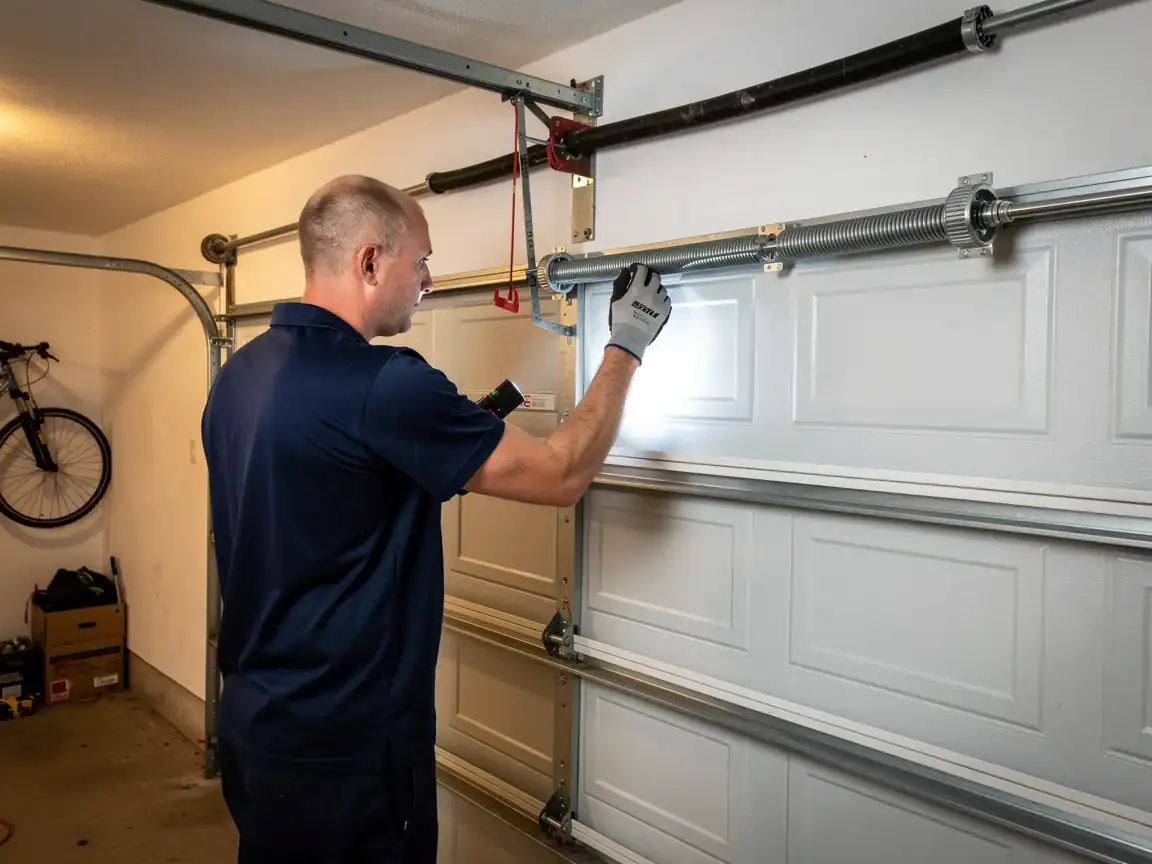
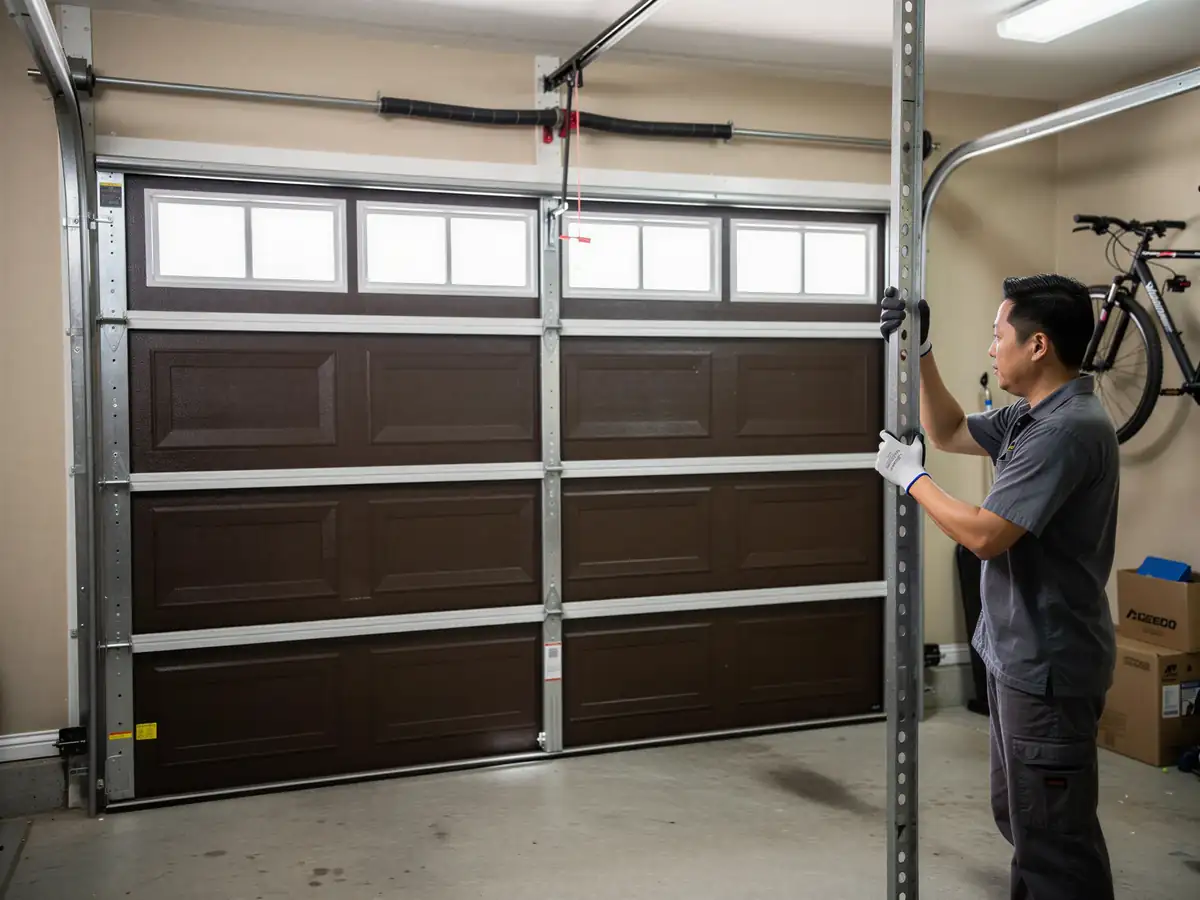
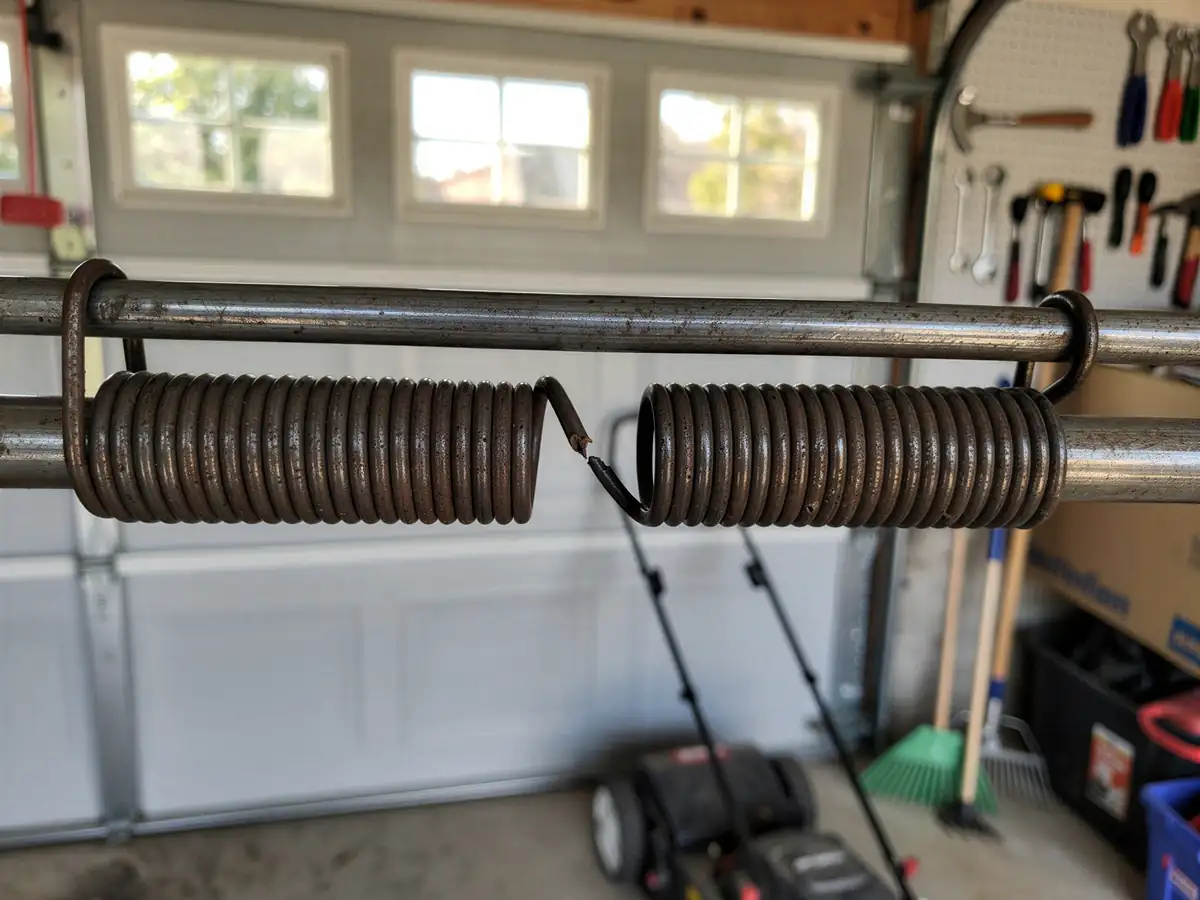
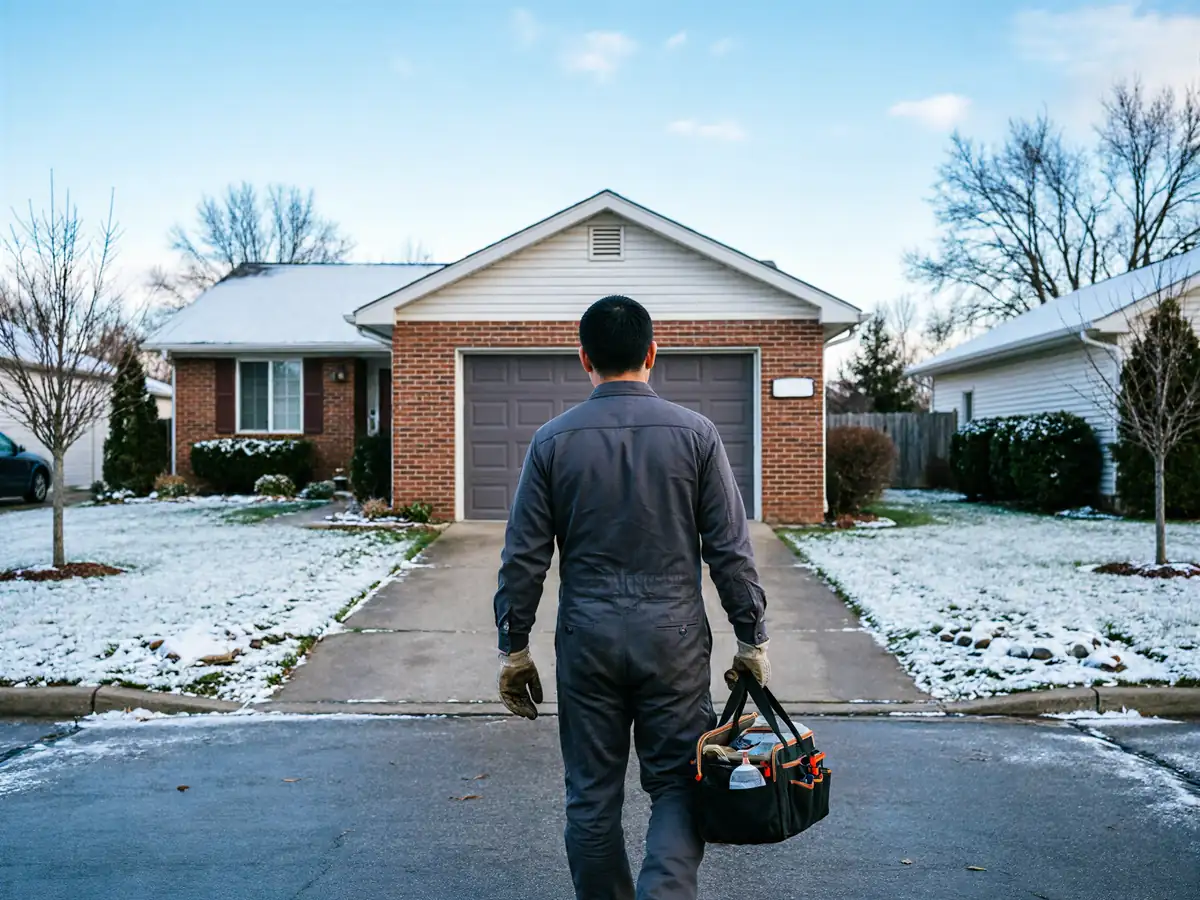
Woodbury sits in a cold, moderate climate band, and that matters more to a garage door than most owners think. A door isn't just a panel - it's steel or wood hanging on a torsion spring that has to work the same whether it's 15 below or 85 above. Cold makes lubricant thicken and metal contract, so rollers bind and springs lose a little lift every winter. Over enough winters, that cycle fatigues the spring faster than the manufacturer's rated cycle count assumes, because that number is usually tested in a mild lab environment, not a Minnesota driveway.
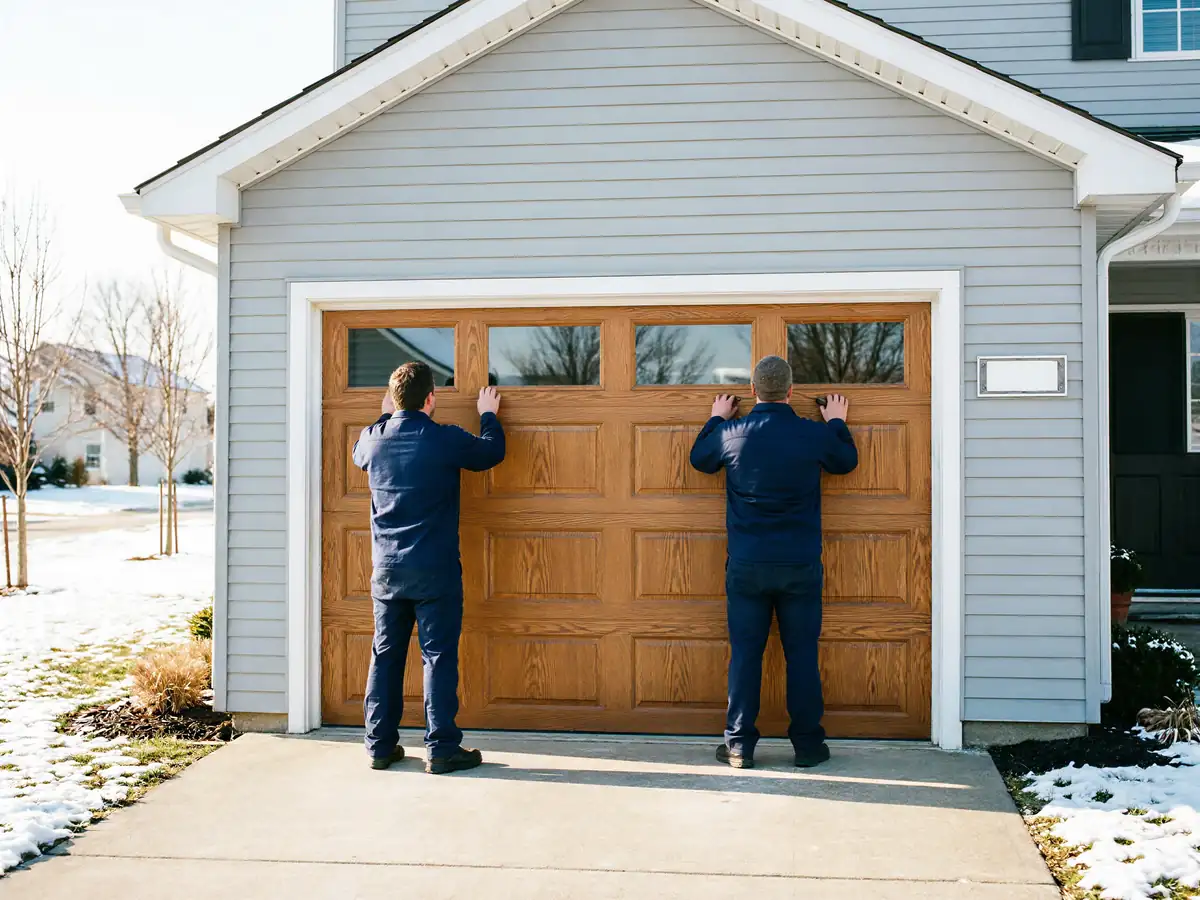
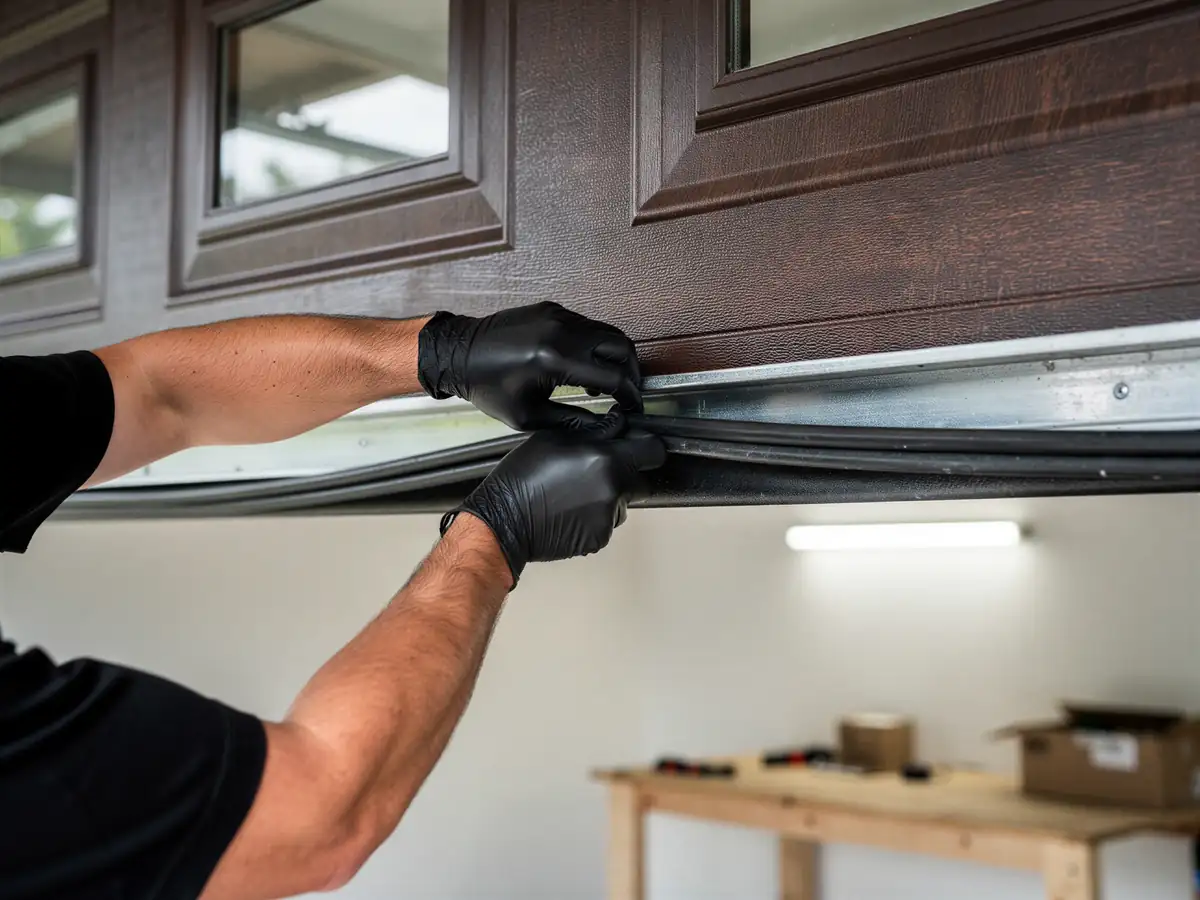
The bigger issue is the slab itself. Houses here were mostly built between 1956 and 2002, with the median landing around 1976 - which means a lot of garage floors were poured before anyone paid much attention to drainage slope or insulated door bottoms. Snowmelt runs in, refreezes against the bottom seal, and that seal tears or the door won't release from the floor on a cold morning. If you're pulling the release cord every winter, that's not a quirk of your specific door - it's the age of the slab talking.
One honest limit: we can't fix a sloped or cracked slab. We can swap the bottom seal and adjust the astragal, but if water pooling is the root problem, that's a concrete job, not a door job.
When to Get Help
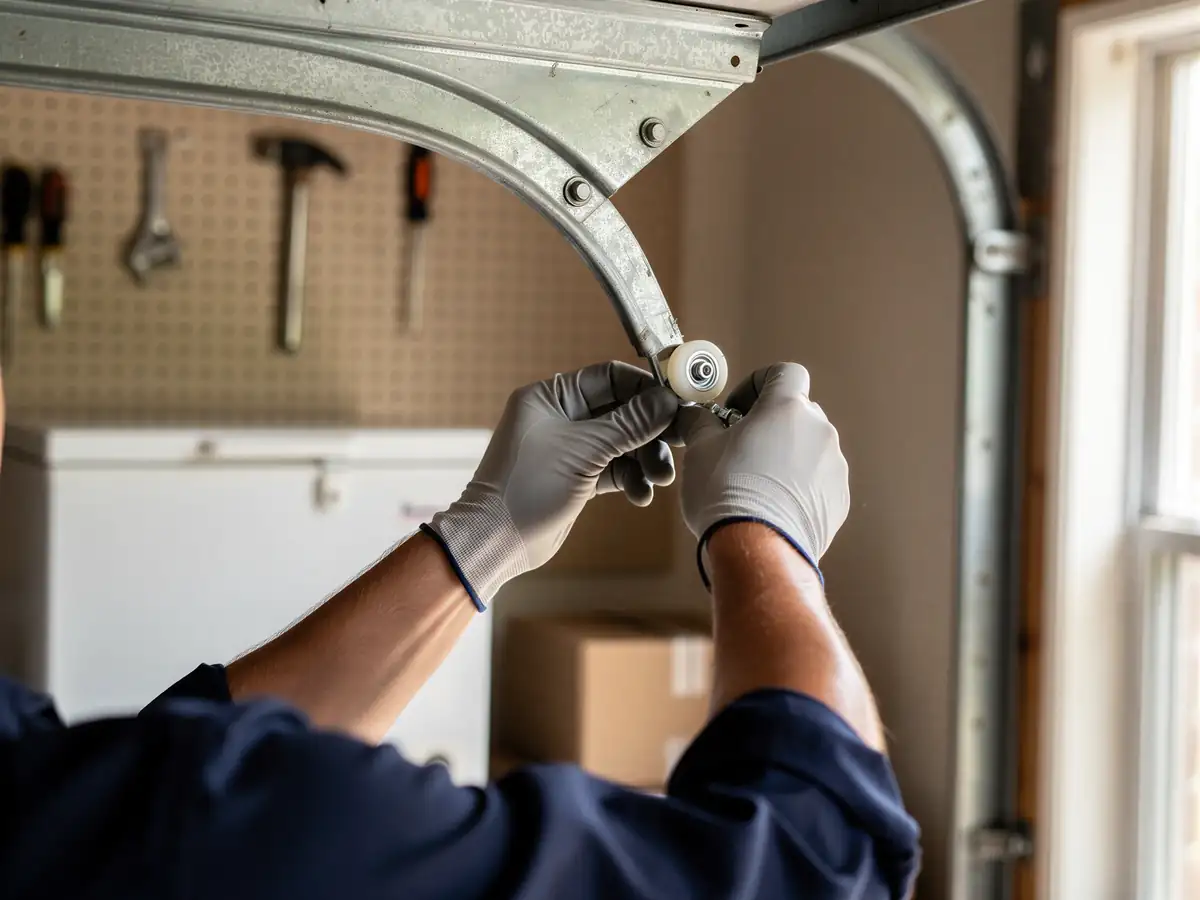
A door that's slow to open on a cold morning but fine by afternoon is usually a spring losing tension, not an opener problem - don't keep forcing it with the wall button, because that's how a cable jumps the drum. If the door is original to a house built in the 1960s or 70s, which covers a large share of homes in this area, the torsion spring has likely seen 30 to 60 years of temperature swings it wasn't speced for, even if nobody's ever had it break.
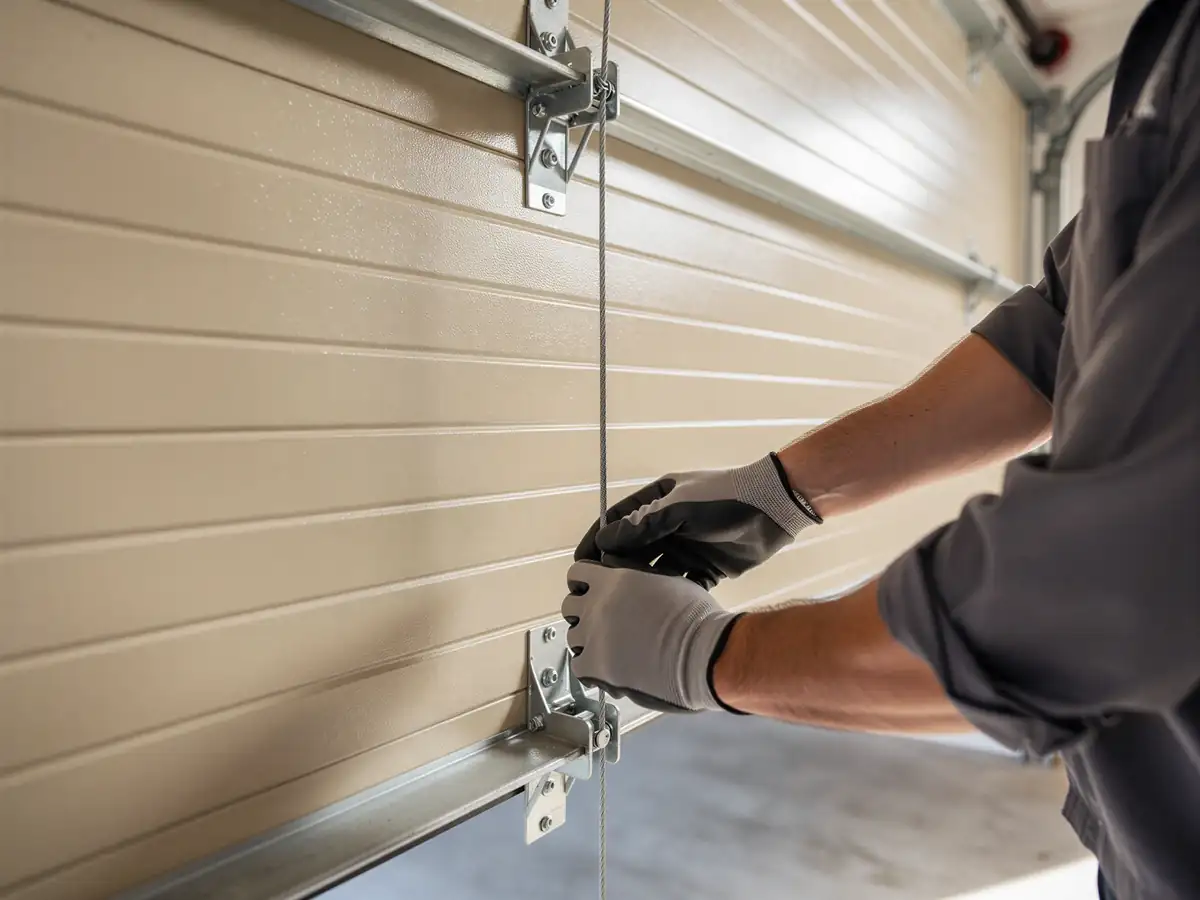
Call before a full failure if you hear a loud bang from the garage (a spring letting go), see a cable fraying at the bottom bracket, or notice the door hanging unevenly on one side. Any of those on a door this old, in a climate that stresses the hardware twice a year, moving from freeze to thaw, is worth a look rather than a wait.
What doesn't need an emergency call: a door that's just noisy, or an opener remote losing range. Those are maintenance items, not safety items, and they can wait for a scheduled visit.
The Situation
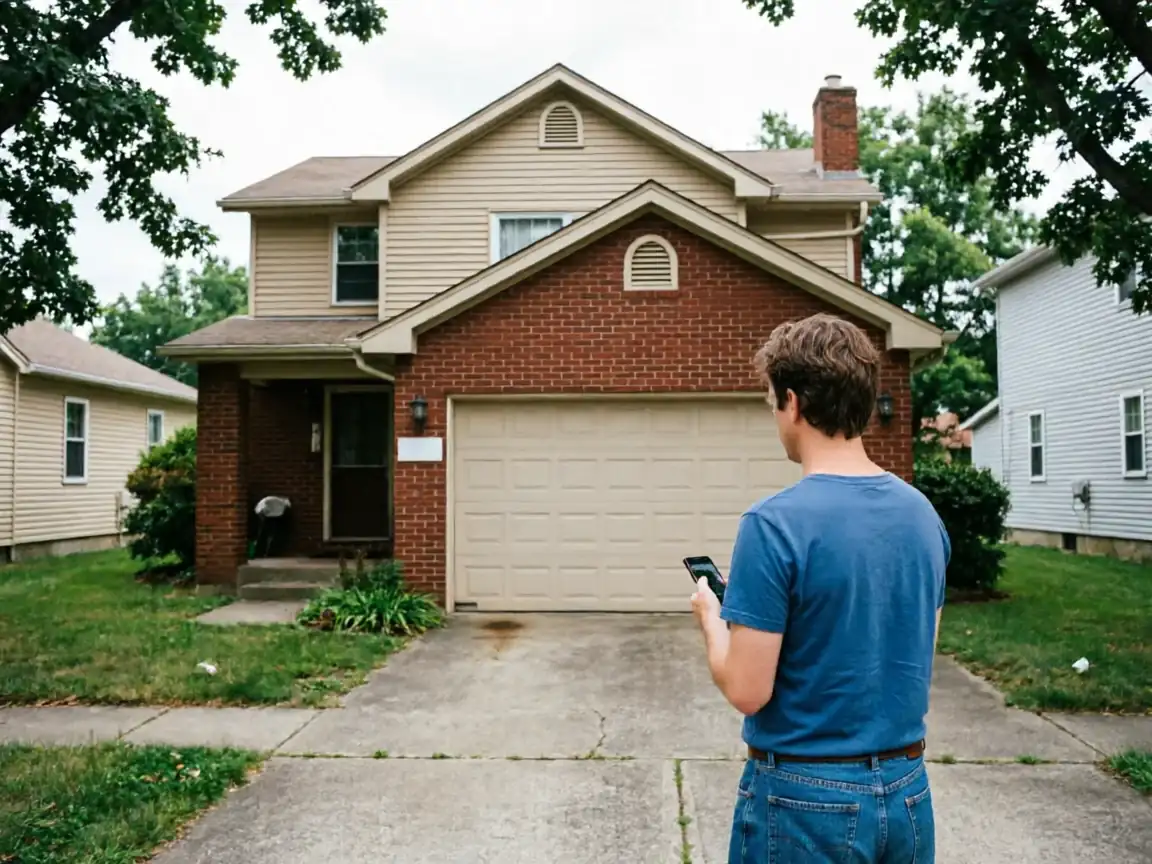
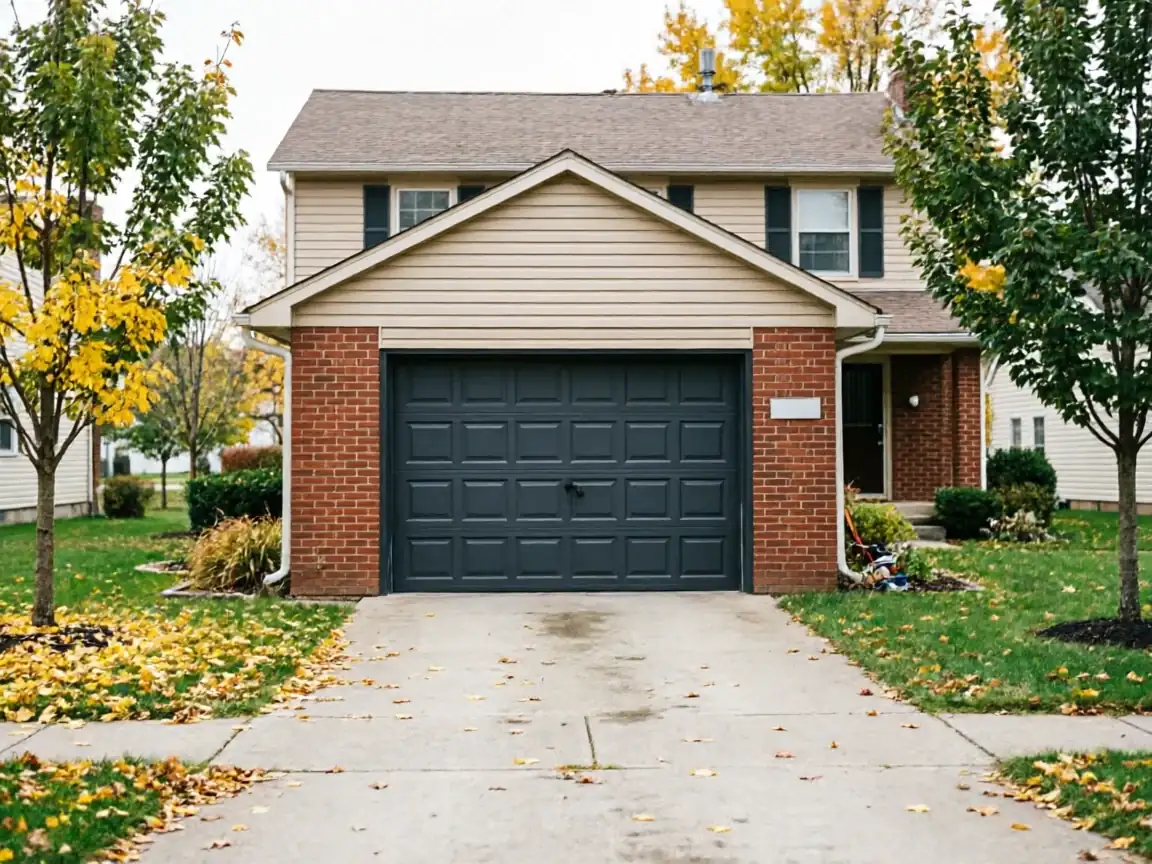
Across this service area, the housing stock runs mostly 1960s and 70s construction spread over 33 named communities
With roughly 77,000 owner-occupied houses among 168,000-plus households. That's a lot of original or first-replacement doors still in service, on openers and tracks sized for a different era of garage use - single cars, lighter doors, no insulation requirement.
- 77,000 owner-occupied
Median household income in the area sits at $93,233
Which is relevant mainly in one way: when a repair on a 50-year-old door starts stacking up (spring, cable, rollers, bottom seal, maybe the opener too), replacement with an insulated door built for this climate often pencils out better than chasing parts for hardware that predates most parts suppliers' inventory. We won't tell you to replace a door that just needs a spring. But if you're looking at a third repair call on the same door in two years, that's the point where buying a replacement door here, sized and insulated for actual Minnesota winters, usually costs less over five years than patching the original.
Season by Season
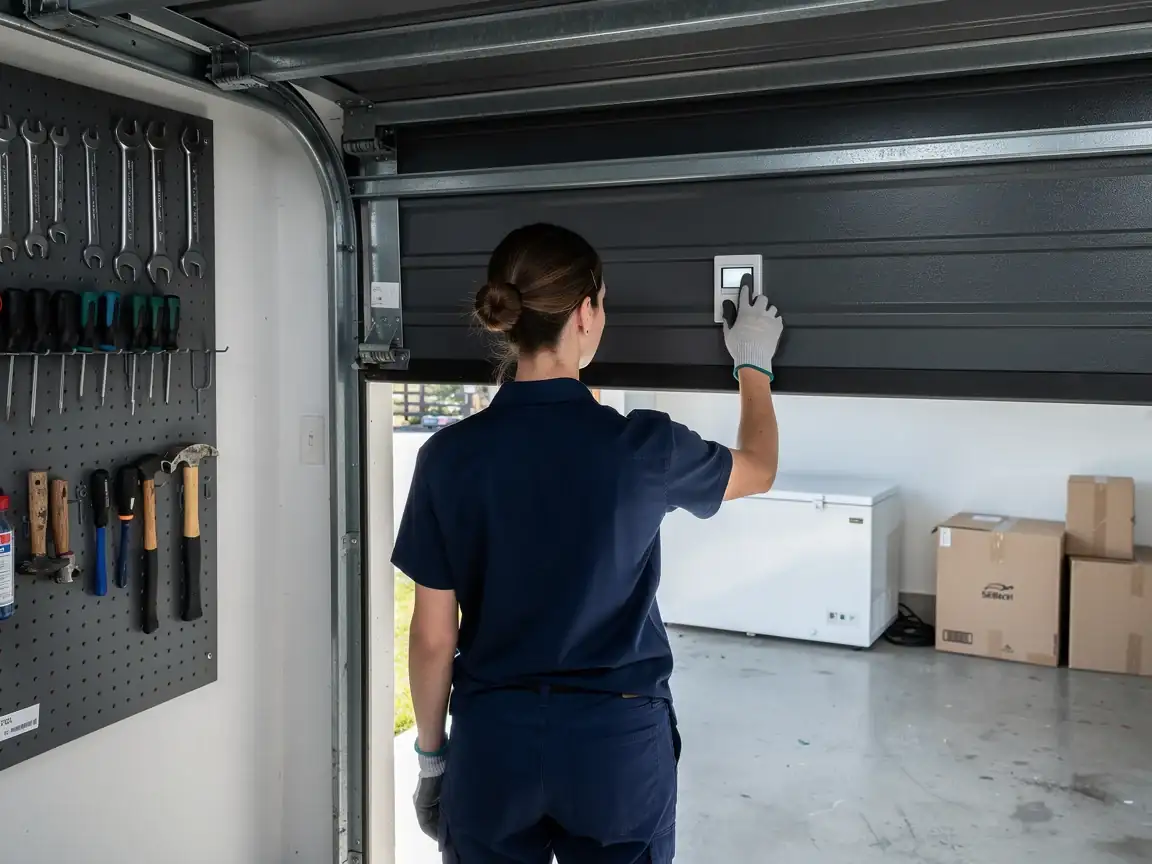
Fall is lubrication and seal season - get ahead of the first hard freeze by checking the bottom seal and weatherstripping before, not after, it tears on a frozen threshold. Winter is when springs and cables actually fail, since the metal is coldest and most brittle right when the door gets used most for holiday traffic and plowing gear. Spring is when slab drainage problems show up as standing water and a door that won't release, especially in houses from the 1956-1976 construction wave where garage floors weren't always poured with much pitch toward the apron.
Summer is the forgiving season here - it's the best window to replace a door or spring without rushing a job because the garage is unusable in freezing weather. If your door needs real work, this is when to schedule it, before the cold makes every call more urgent and every part number harder to get fast.