What the Weather Here Does to It
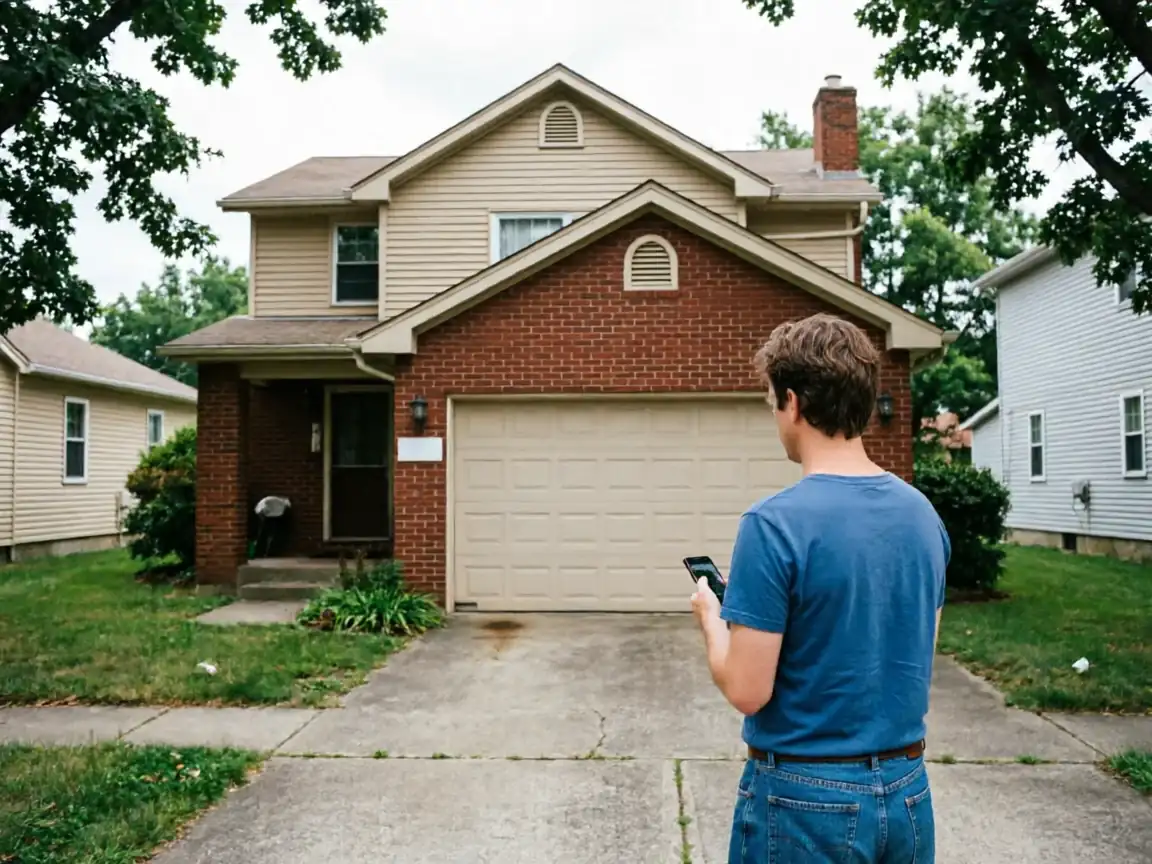
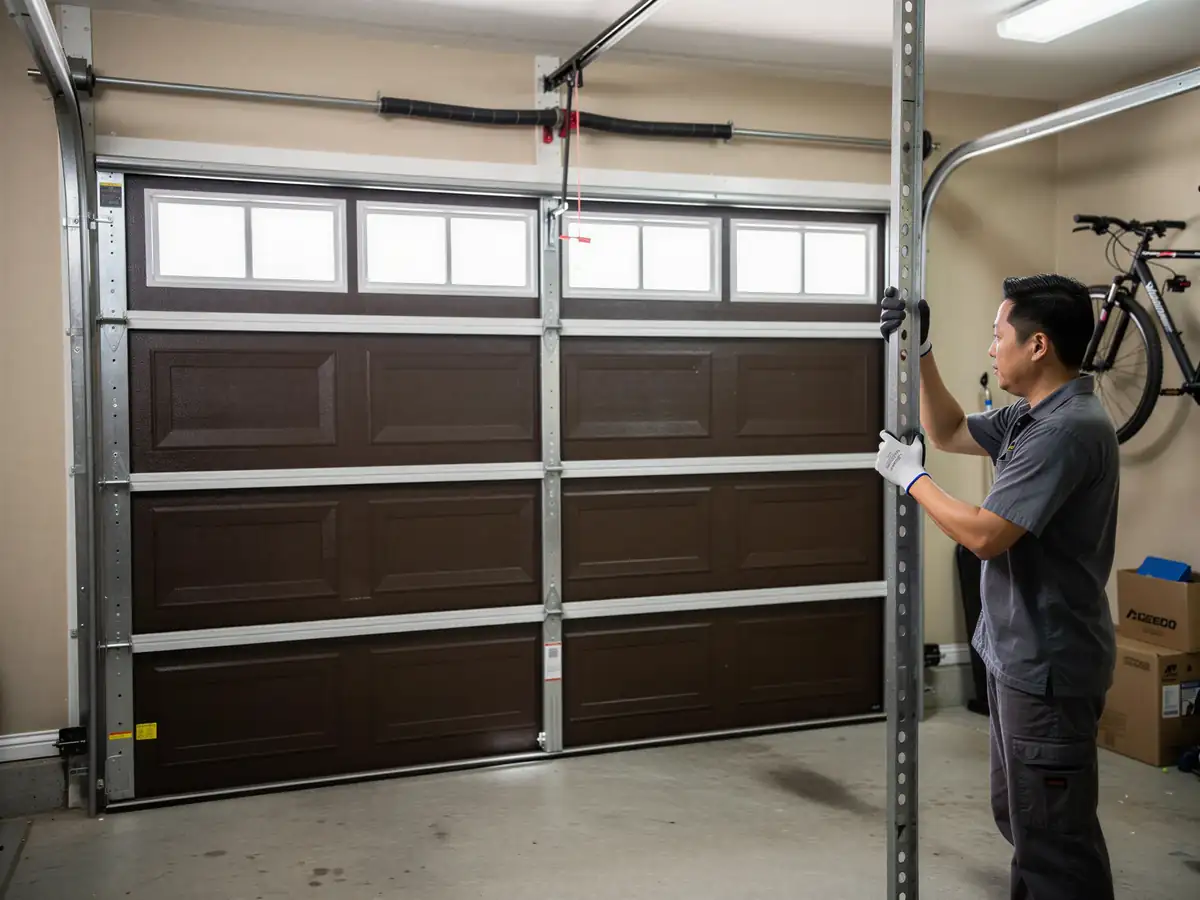
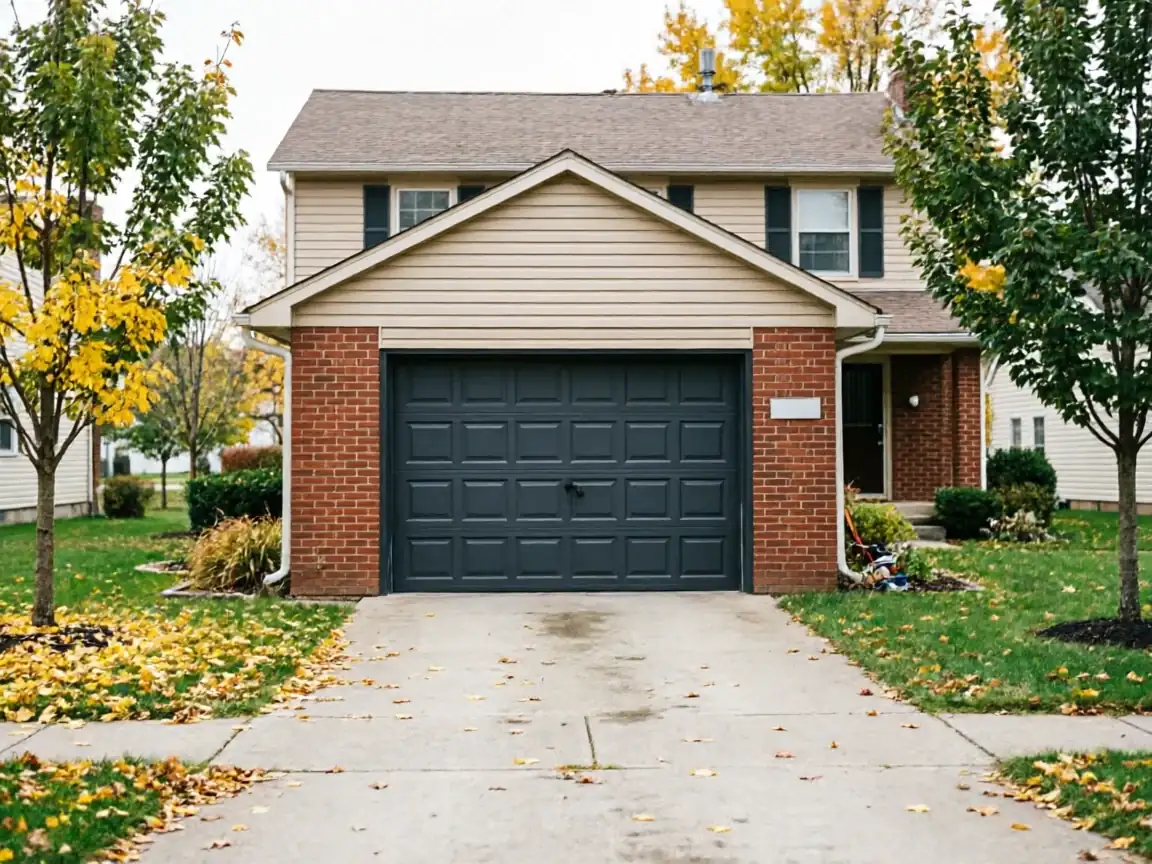
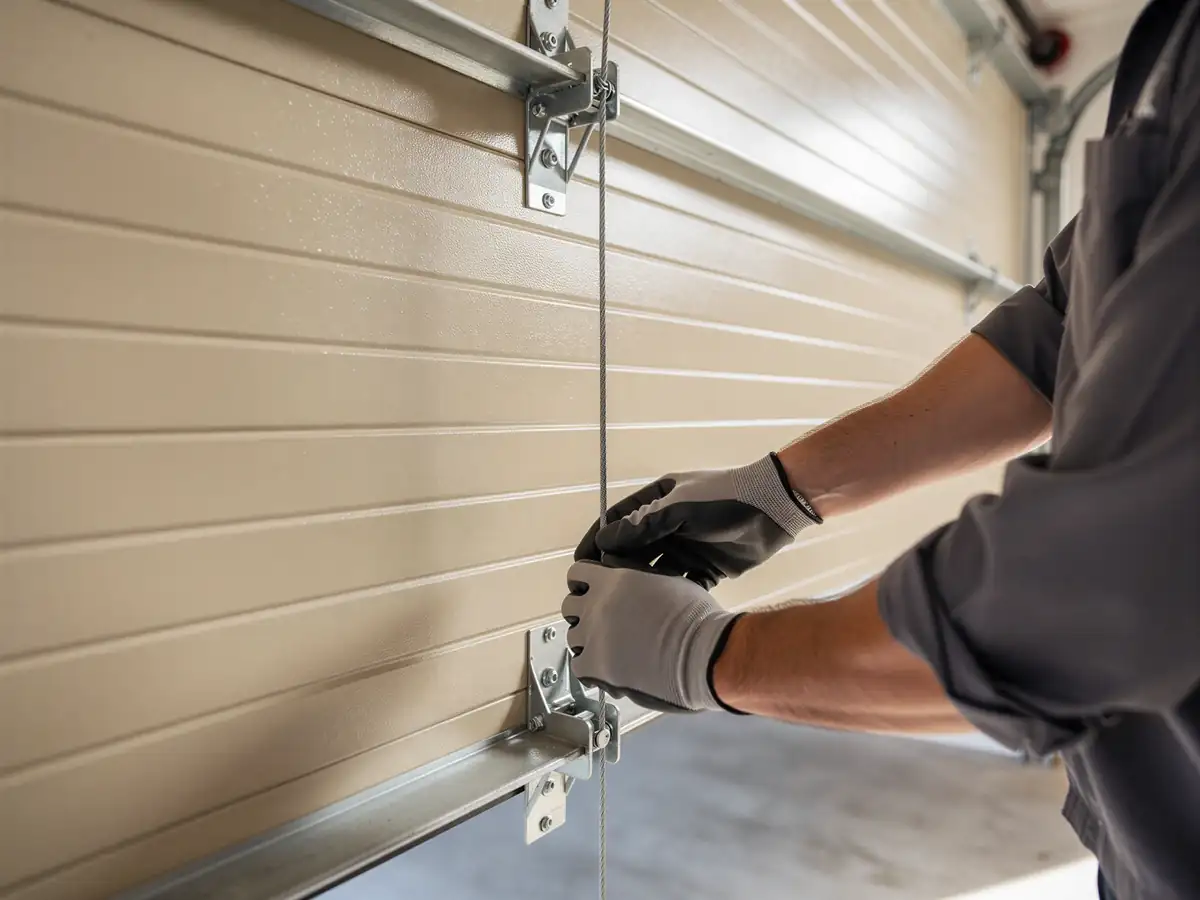
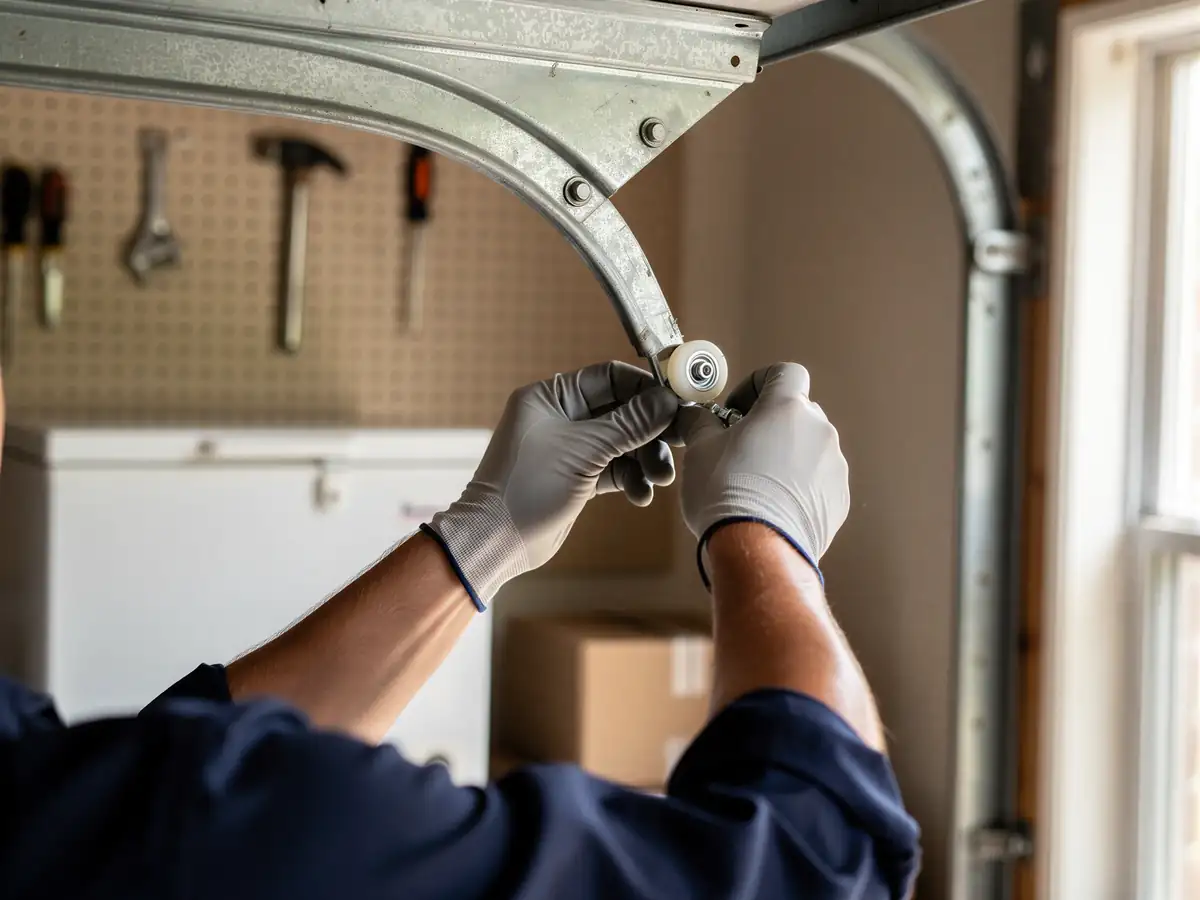
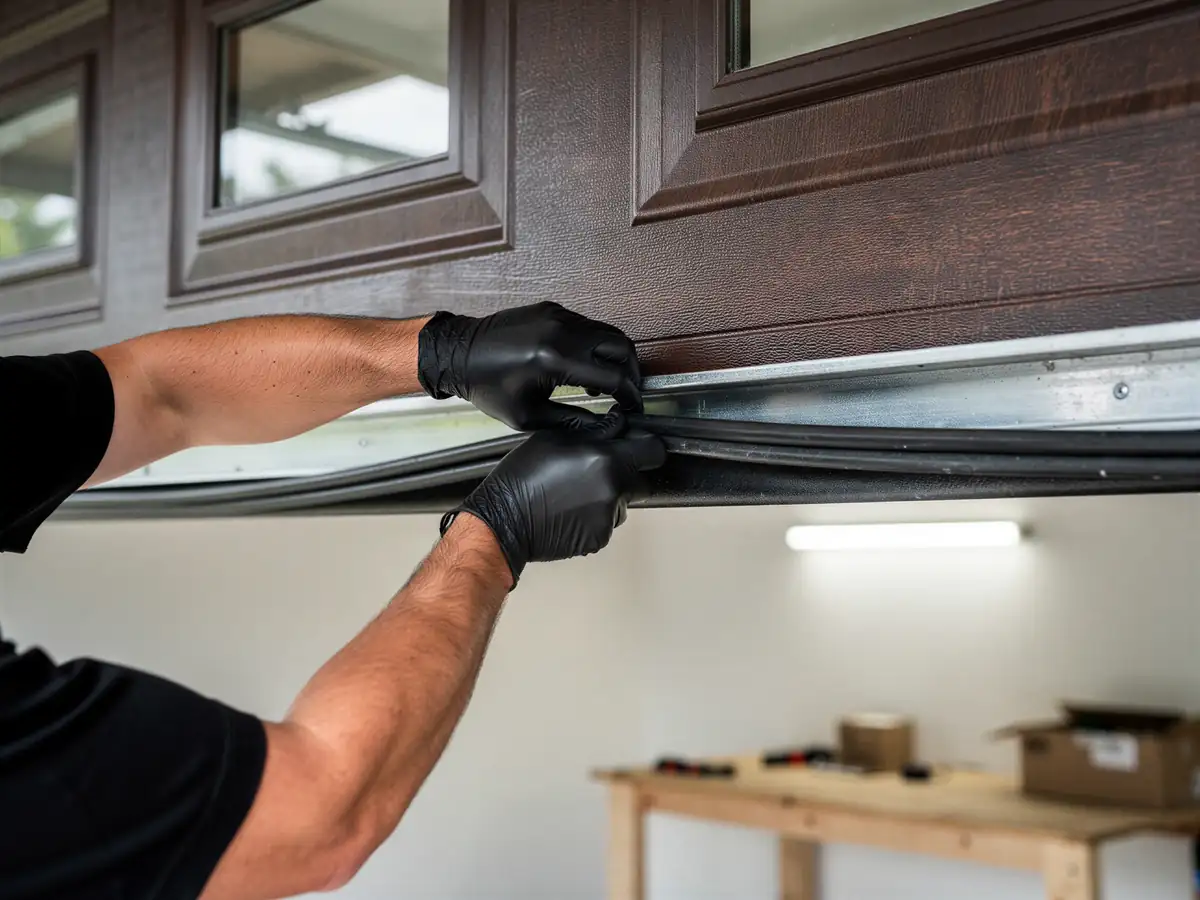
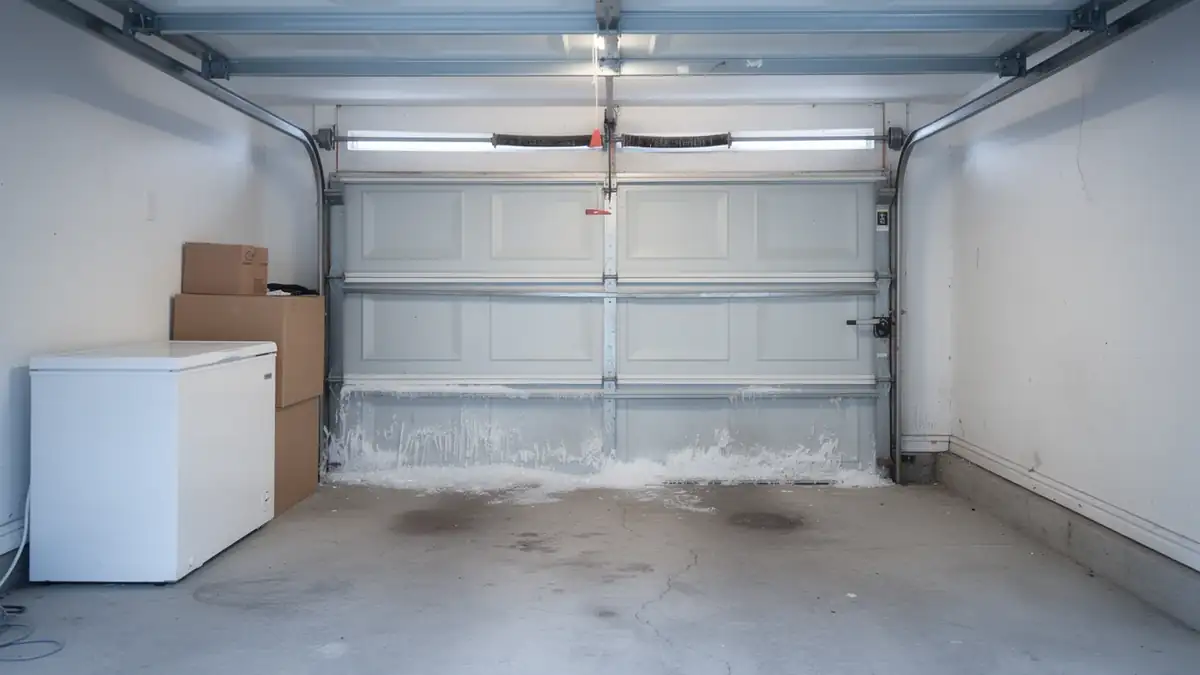
A lot of Woodbury's housing stock dates to 1956 through the early 2000s, with the median sitting around 1976, and most of it clustered in that 1960s-70s build wave across the area's named neighborhoods. Doors on houses built before insulation rules tightened up weren't engineered for the swings our winters put on steel and hardware. In a cold-moderate climate band like ours, a single-skin steel panel from that era flexes more than people expect when the temperature drops fast overnight. The torsion spring on that door is doing double duty: lifting weight and fighting stiffer cable and hinge movement in the cold. Nylon rollers from that period get brittle and start chipping at the edges. Weatherstripping on a door that old has usually hardened to the point it's not sealing anything, which means cold air finds the gap at the bottom corners first. None of this is dramatic failure, it's slow wear that shows up as noise, drag, or a door that doesn't sit flush anymore. If your house falls into that 1960s-70s band, your door is probably older than you think, even if it looks fine from the driveway.
When to Get Help
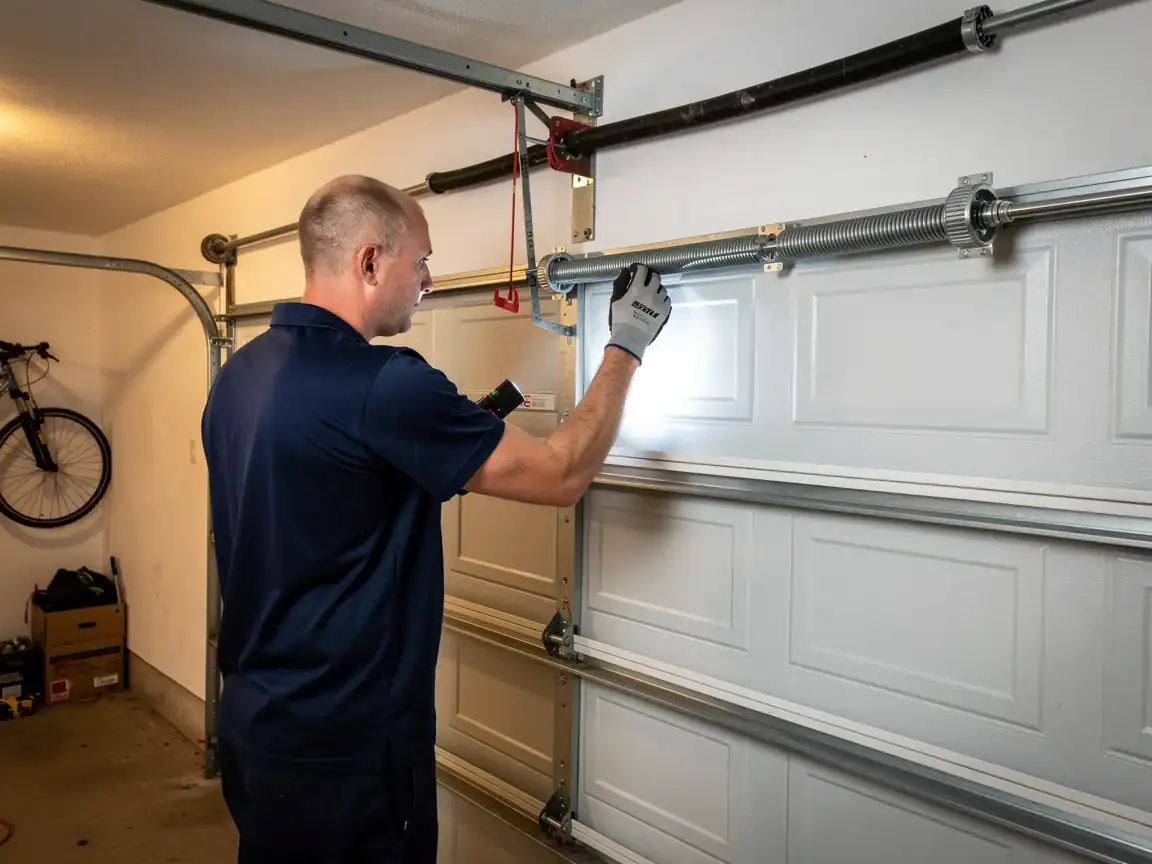
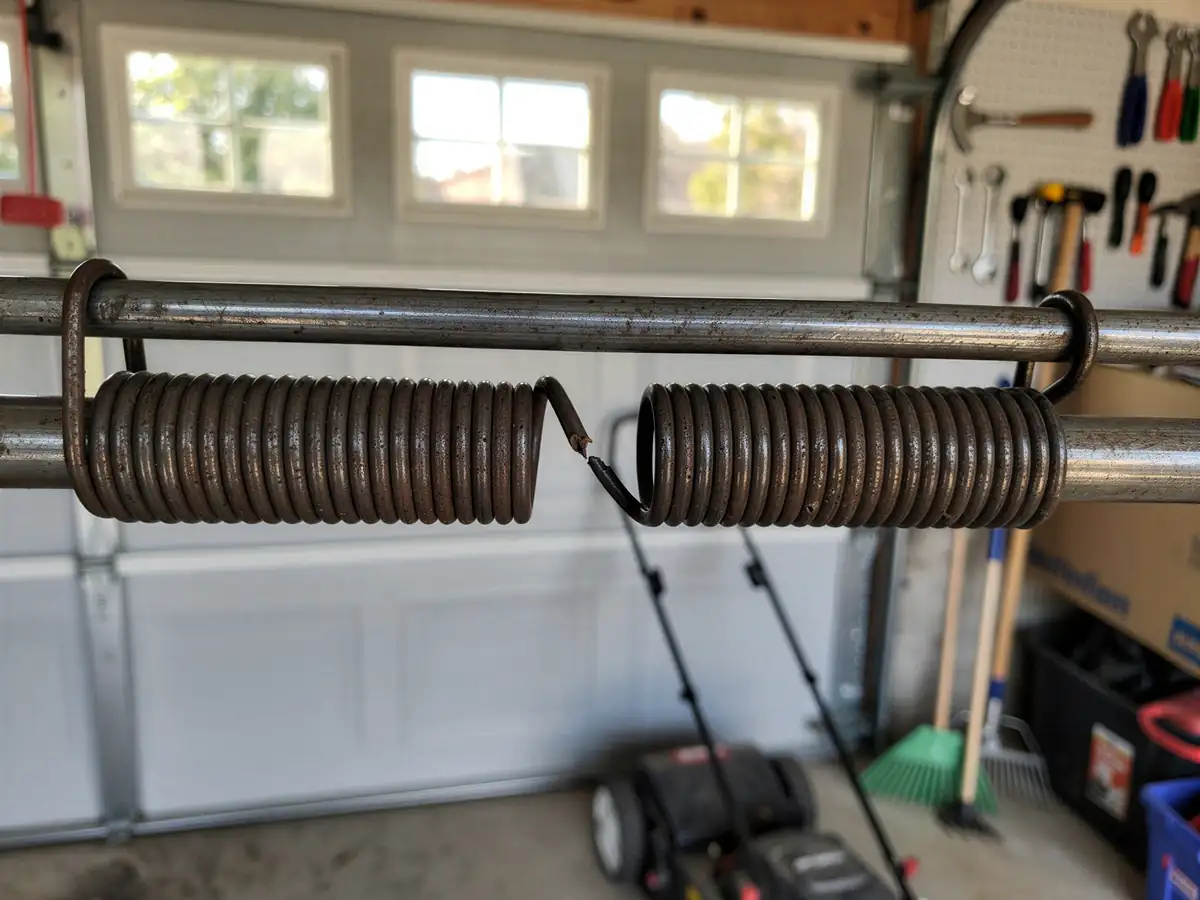
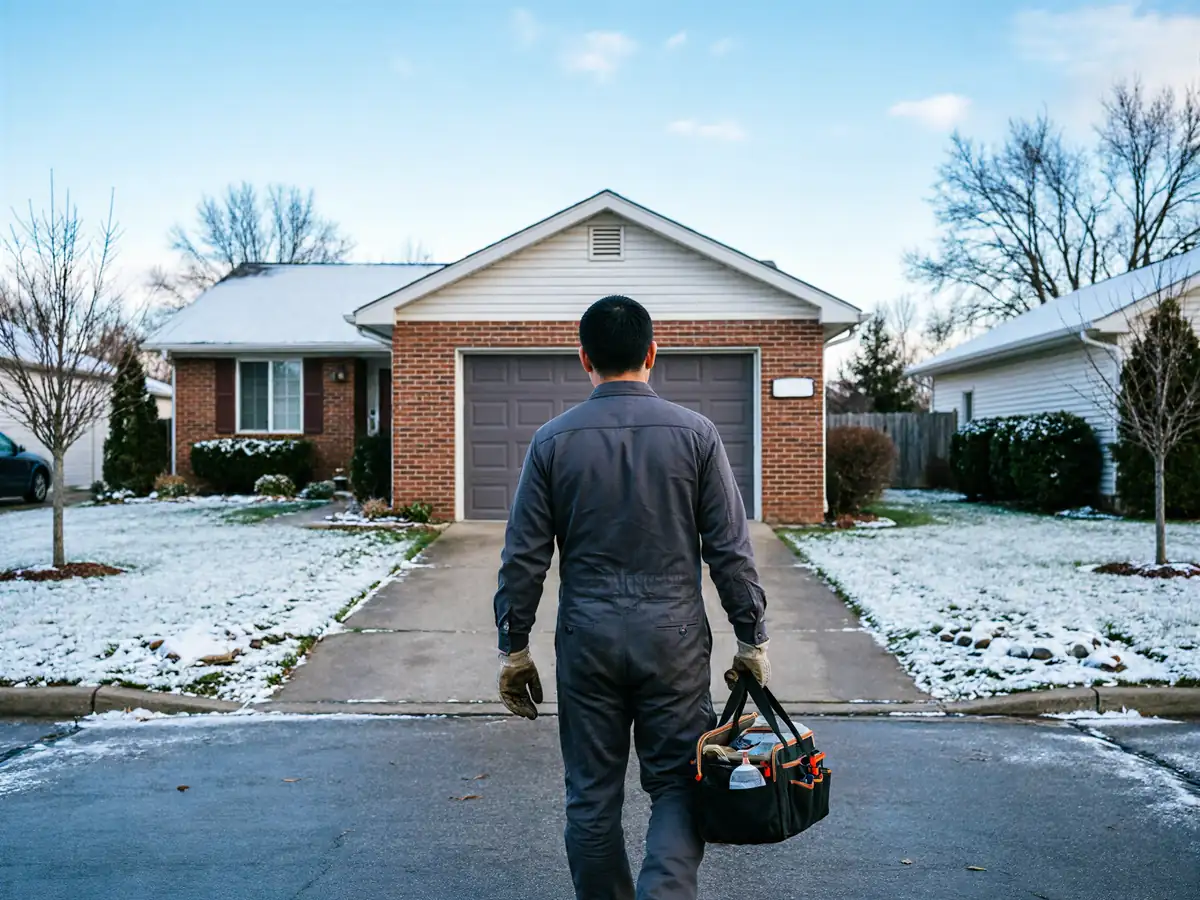
Call before a spring breaks, not after. A torsion spring on a door from that era is often under more tension than it was designed to hold for this many winters, and when it lets go it can take a cable or a section of track with it. If the door is slow to open on a cold morning, or you hear a scrape that wasn't there last fall, that's the window to get it looked at, not after it's stuck down. We don't recommend DIY spring replacement on these older setups - the hardware tolerances on original 1960s-70s installs aren't always what a generic replacement kit assumes, and getting it wrong with a wound spring is genuinely dangerous. If the opener is original to the house, parts for some of those models are hard to source at all anymore, and at that point replacement is usually the honest answer rather than a repair quote that costs nearly as much.
Season by Season
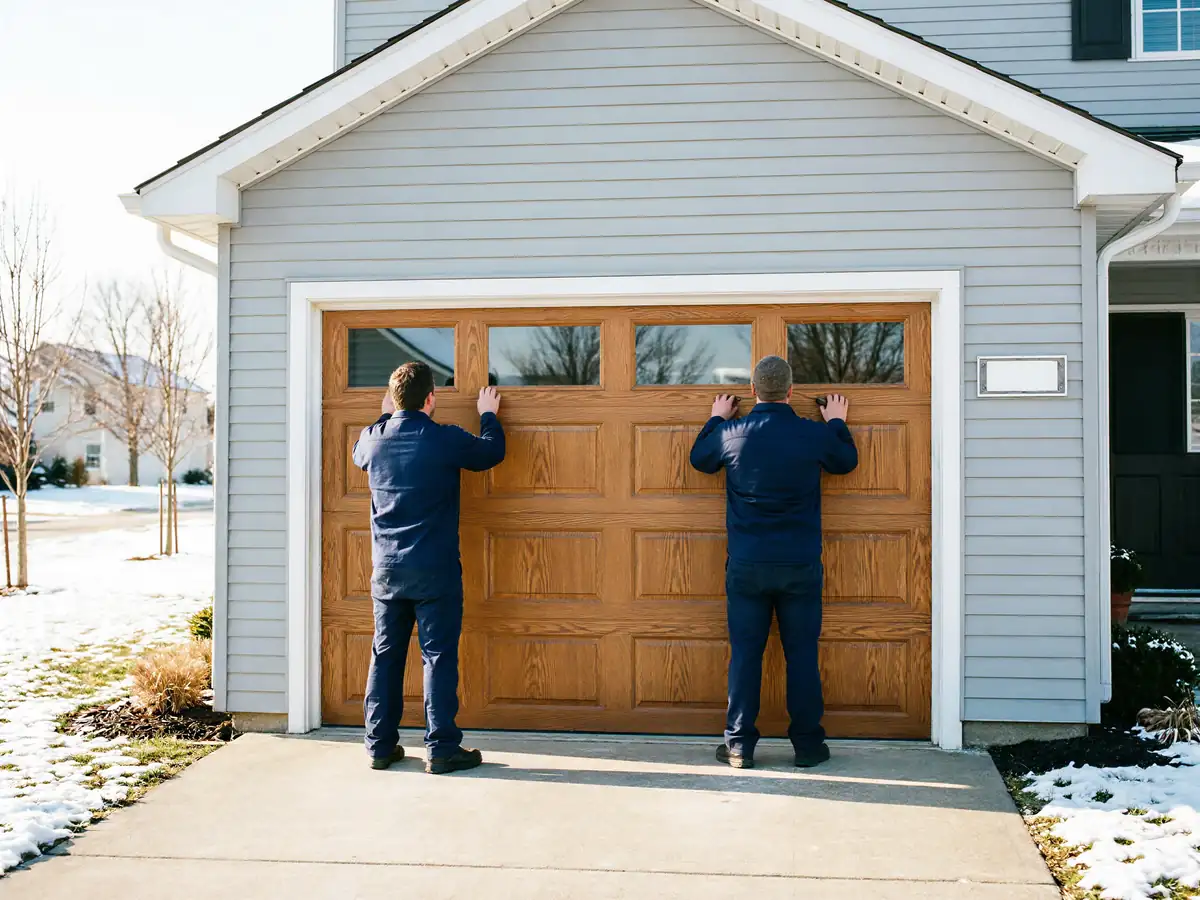
Fall is the month to get springs, cables, and rollers checked, before the first real cold snap tightens everything up and makes a marginal part fail. Winter is when original hardware from the 1960s-70s era gets tested hardest - cold-stiffened grease, shrunk weatherstripping, and a motor that's working harder to lift a heavier, less balanced door. Spring is when people notice the gaps that formed over winter: daylight under the bottom seal, a panel that's not sitting square. Summer is the easiest season on this hardware and the best time to replace a door if you've decided the old one has had its run, since installers aren't backed up the way they are right before winter. If your house sits in that median-1976 build range, expect the door itself to be original or close to it unless a past owner already swapped it.