What the Weather Here Does to It
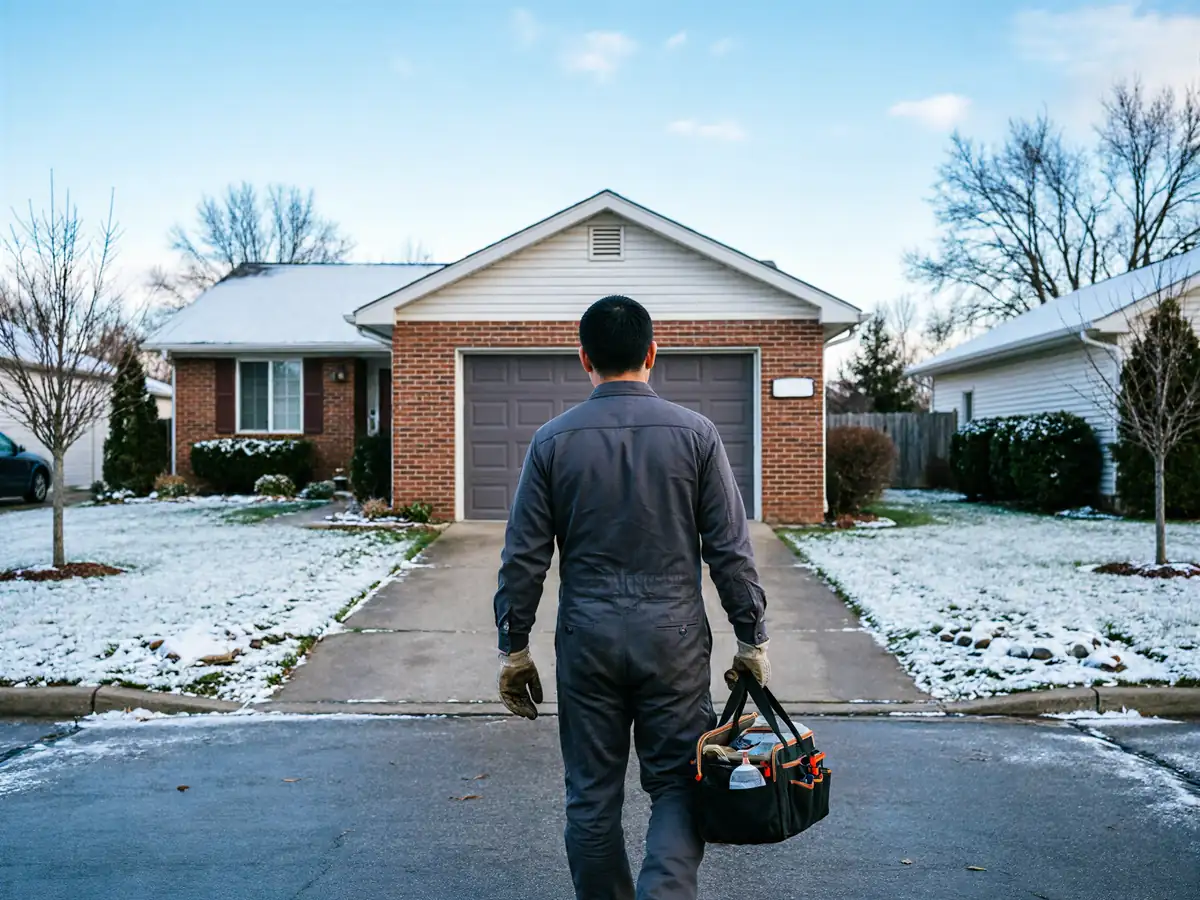
Woodbury sits in a cold moderate climate band, and that matters more to a garage door than most homeowners think. Steel panels and torsion springs don't fail because of one bad day - they fail from the repeated swing between a sub-zero morning and a 40-degree afternoon, over and over, winter after winter. That cycle hardens lubricant, shrinks rubber weatherstripping until it pulls away from the slab, and puts extra load on a spring that's already counting down its coil cycles.
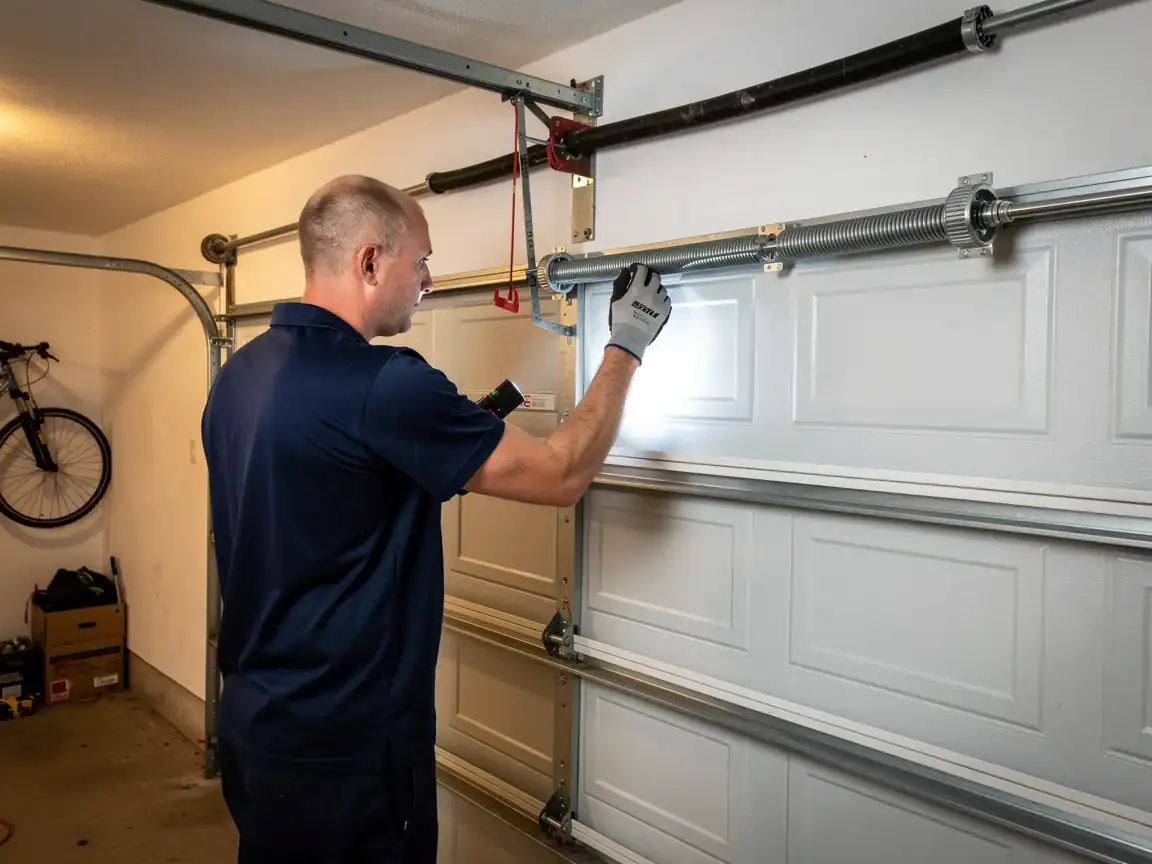
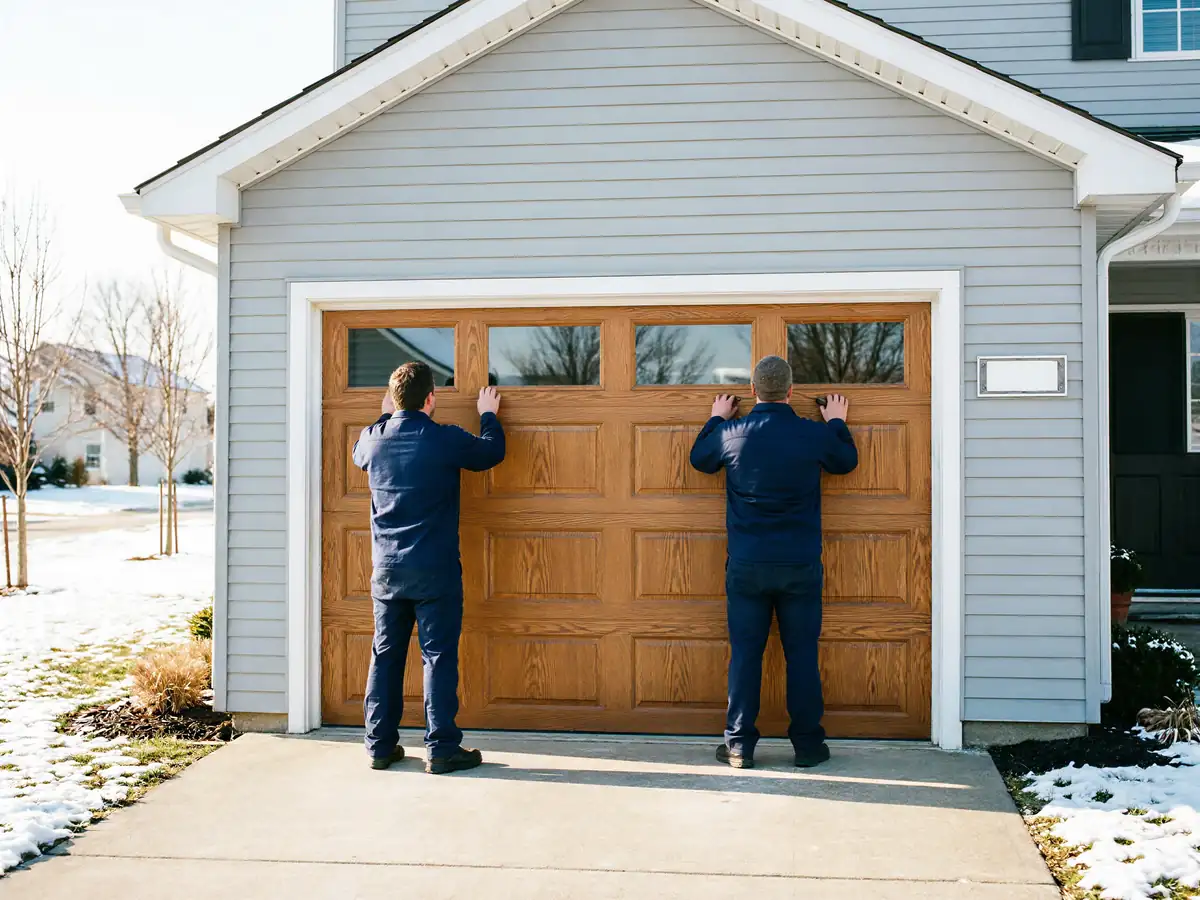
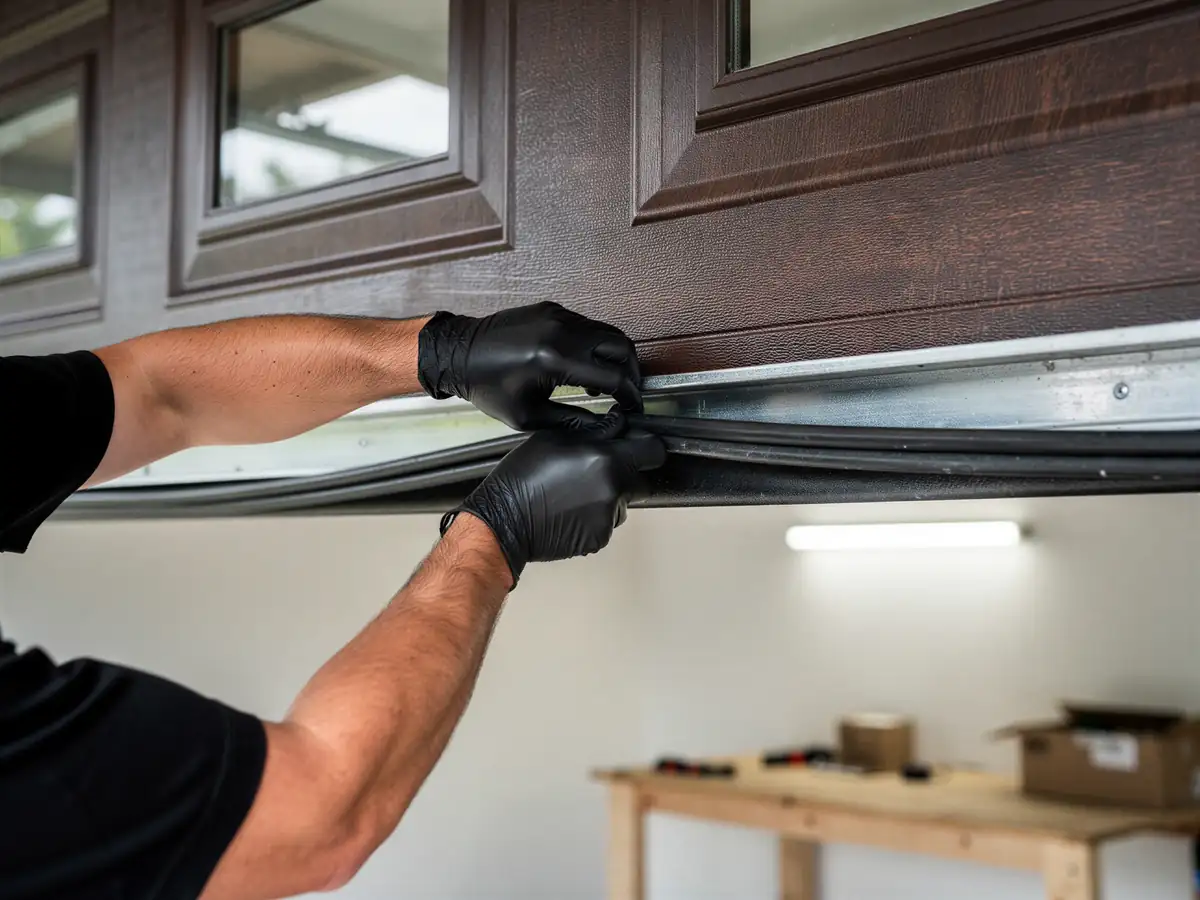
The first thing a tech checks is how the door moves cold, before the garage has warmed up from a car running or the sun hitting the panels. A door that's sluggish or rattles hard on a cold start is usually the spring or rollers telling you they're near the end, not the opener. We also look at weatherstrip condition at the bottom seal and between panels, because gaps there let cold air sit directly on the torsion bar, which stiffens the coil and speeds up fatigue. None of this is unique to one brand of door - it's what cold does to metal and rubber on a repeating schedule, and Woodbury gets that schedule every year.
When to Get Help
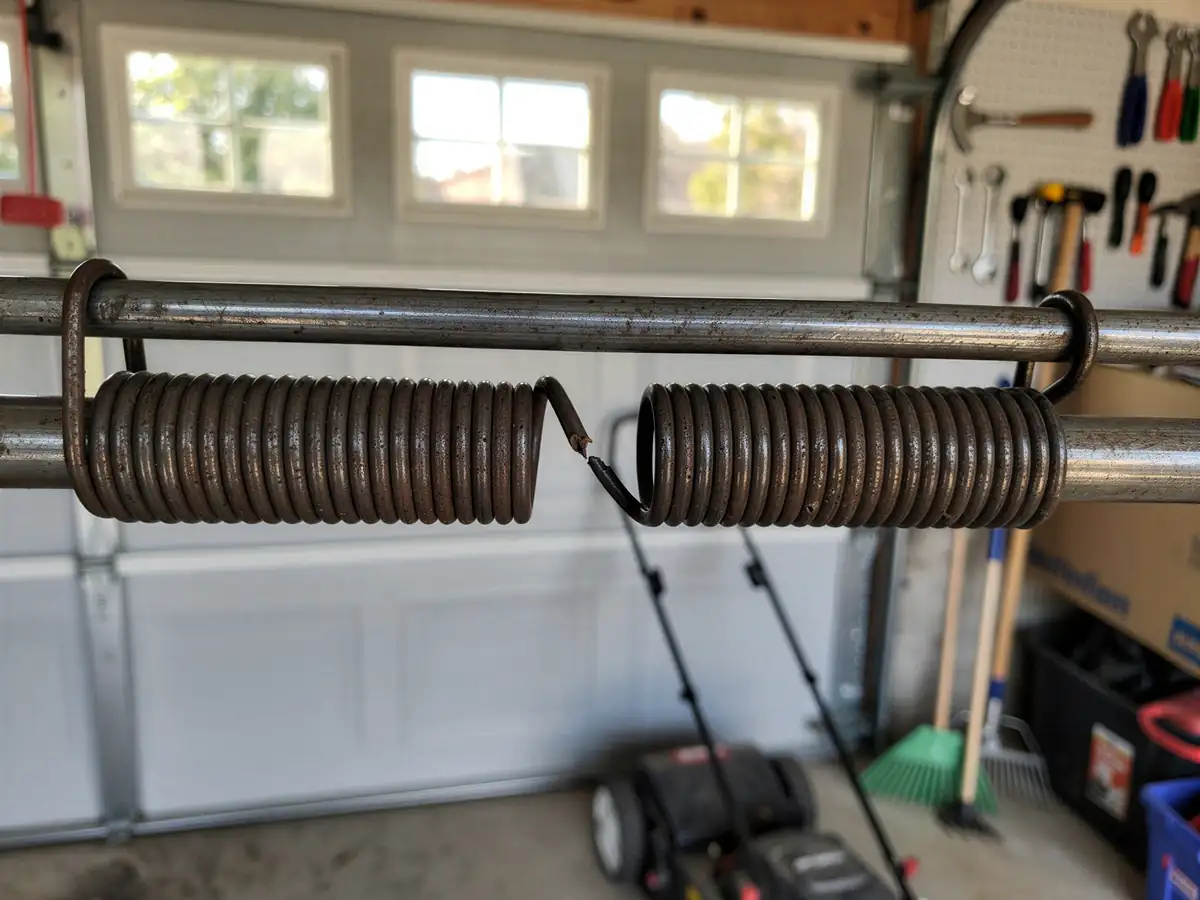
Call before the door fails all the way, not after. A spring that's visibly stretched, a cable fraying at the drum, or a door that slams the last foot instead of lowering evenly are all signs the hardware is compensating for wear rather than working normally. Waiting usually means the failure happens at an inconvenient moment - a cold morning, a door stuck half-open overnight.
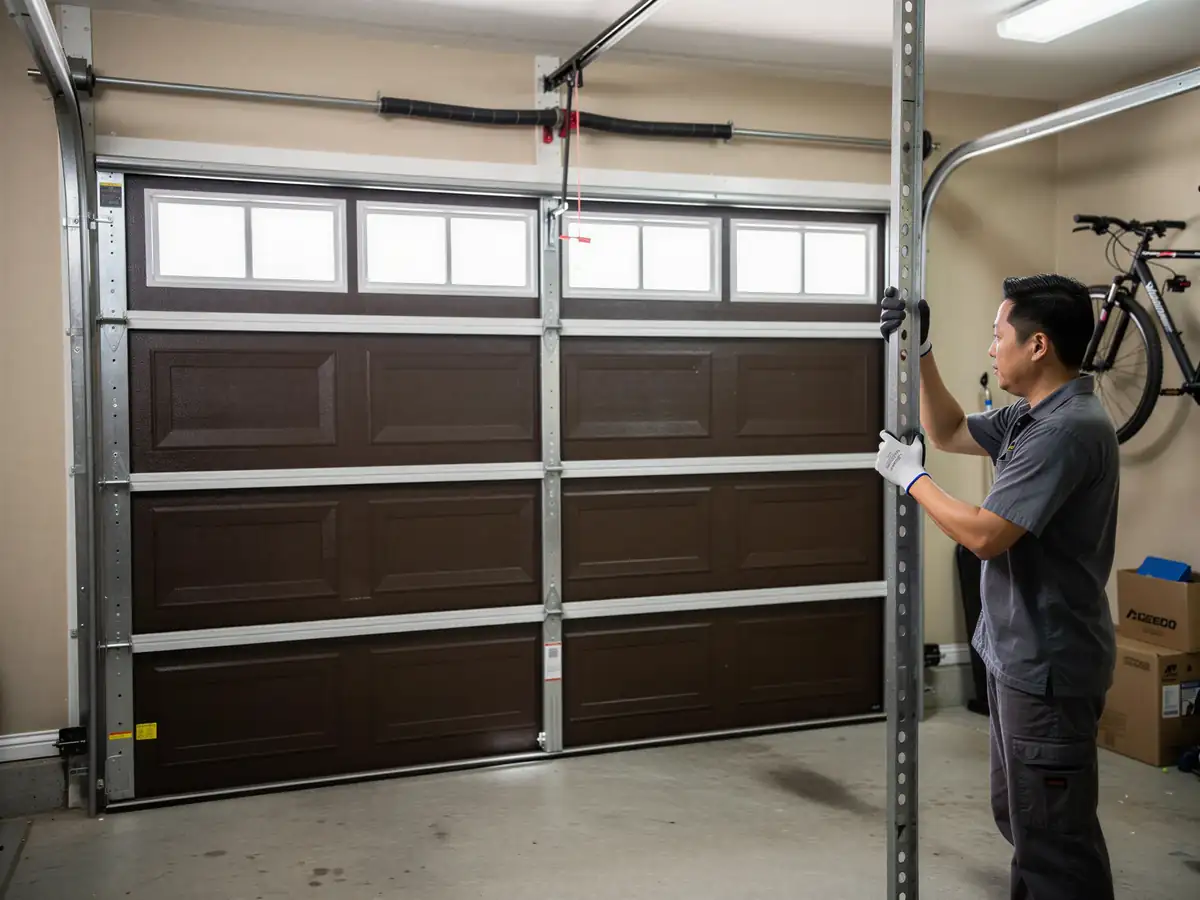
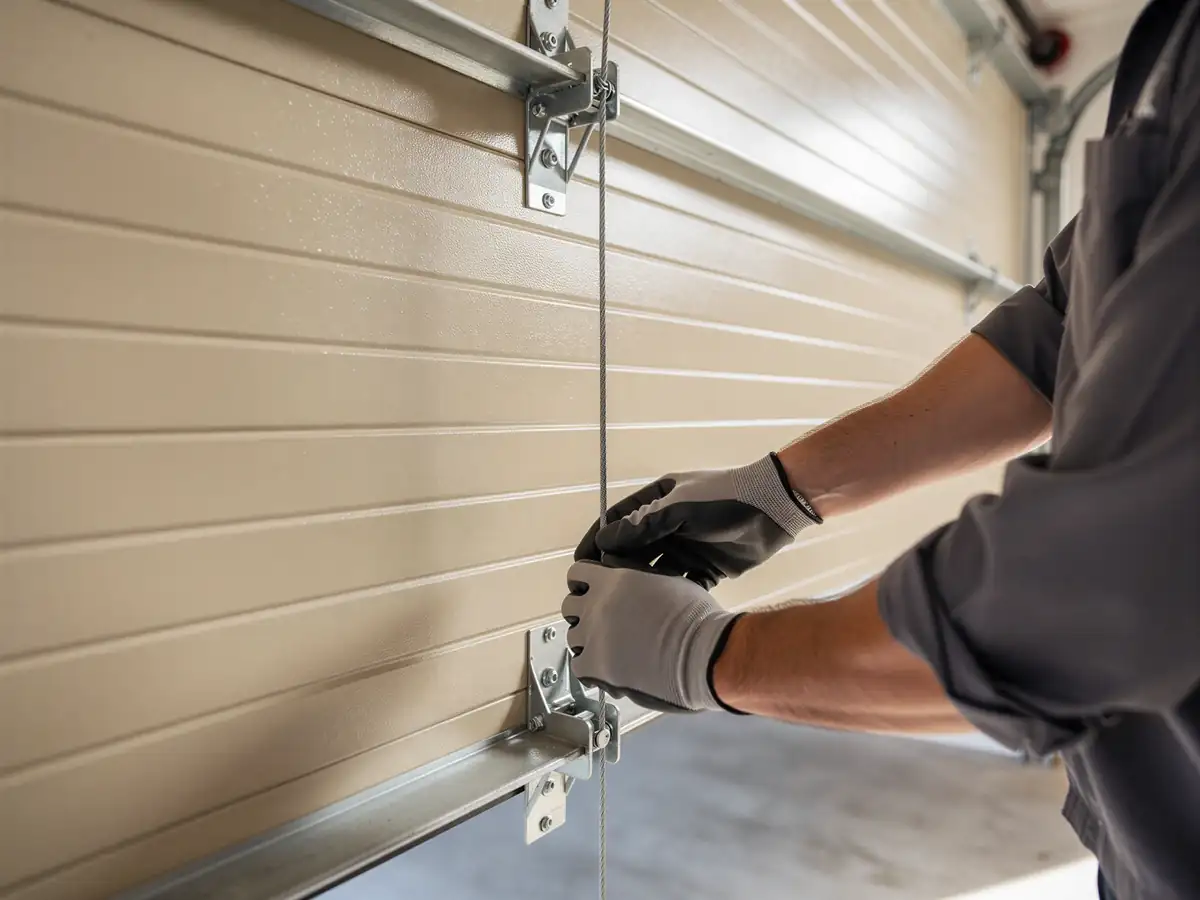
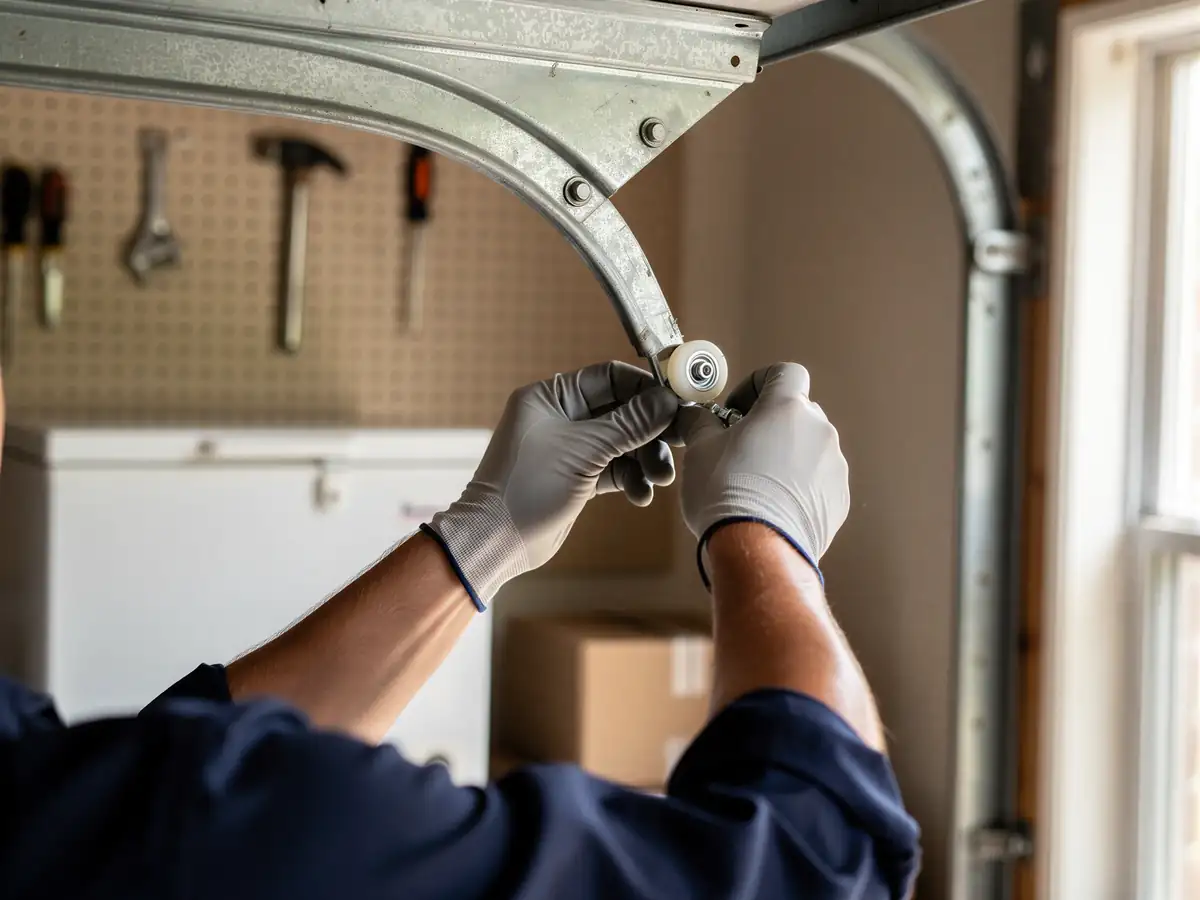
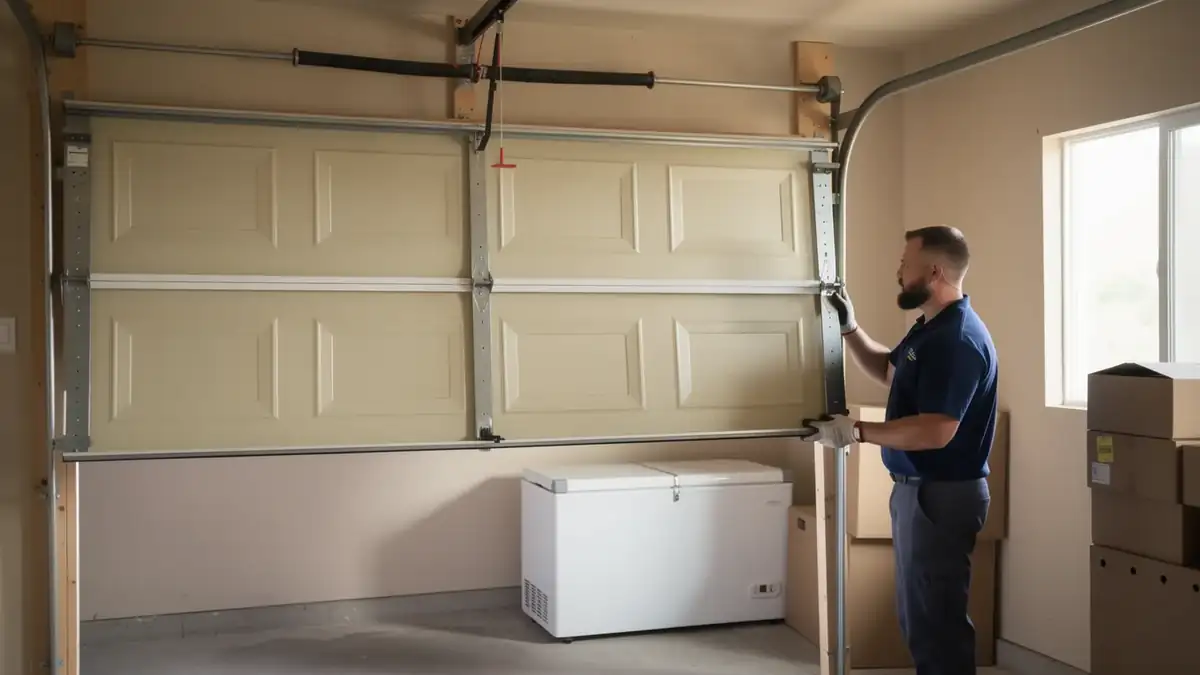
A technician's first-visit checklist is the same regardless of what you called about: spring tension and coil condition, cable wear at the drums, roller type and track alignment, opener force settings, and bottom seal integrity. On a lot of Woodbury homes we're also checking whether the hardware is original to a house built decades ago or already a replacement, since that changes what parts are available and whether a repair is worth doing versus a full swap.
One honest limit here: if a spring or opener part isn't something we carry on the truck, it can mean a short wait on parts rather than a same-visit fix. We'd rather tell you that up front than promise a fix we can't deliver that day.
The Situation
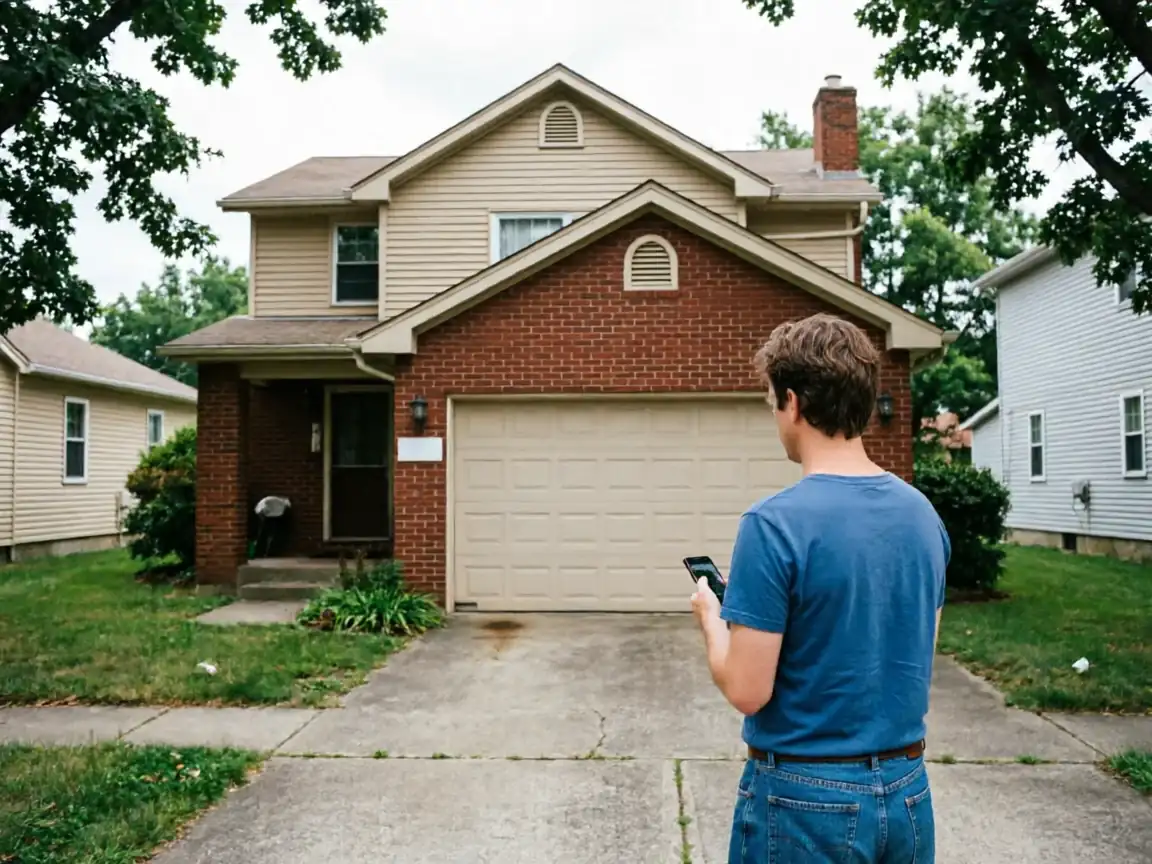
Housing across the Woodbury area was mostly built between 1956 and 2002
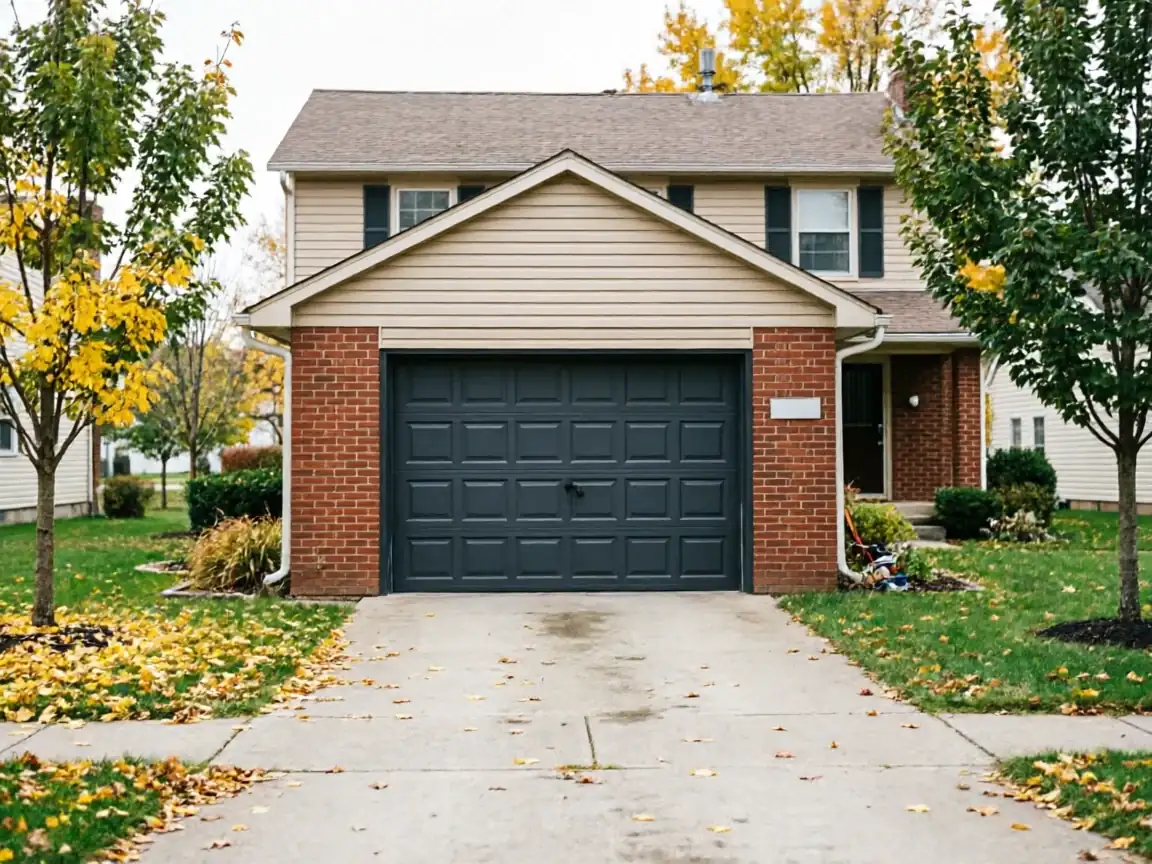
With the median landing around 1976, and a lot of that stock clusters in 1960s and 70s construction spread across the area's many named neighborhoods. That matters because a door and opener installed when a house was built, or even once replaced since, is now old enough that original torsion springs are well past their rated cycle count in most cases.
Houses from that era also tend to have narrower garage openings and lighter-gauge track than what's standard today
Which changes what parts fit without a broader retrofit. A technician checking a 1970s-era door is looking for different things than one checking a door installed in the last ten years - spring winding style, drum type, and whether the track was ever upgraded.
With roughly 77,000 owner-occupied houses across this service area and household income in the area around $93,000
We see a wide range of ages and setups, but the center of gravity is still that mid-century-to-1980s build window, and it shapes almost every service call.
- 77,000 owner-occupied
Season by Season
In a cold moderate climate like Woodbury's, the heaviest spring load happens at the two seasonal hinge points: the first hard cold snap of the year and the first real thaw. That's when a weak spring or a dried-out roller shows itself - the door that worked fine in October suddenly binds or won't lift the first zero-degree week.
Mid-winter, the checks shift toward weatherstrip and bottom seal, since a gap that let cold air hit the torsion bar for weeks compounds the stiffening effect. By late winter and into spring thaw, moisture and freeze-thaw cycling at the slab edge can shift panel alignment slightly, which a tech checks by running the door through a full cycle and watching the track, not just listening to the motor.
Summer is the easiest season mechanically, but it's also when we see the most openers replaced, since heat stress on aging circuit boards tends to surface then. None of this is about chasing a single big event - it's the steady cycling of a cold climate against hardware that, across most of Woodbury, is decades into its service life.