How It Shows Up
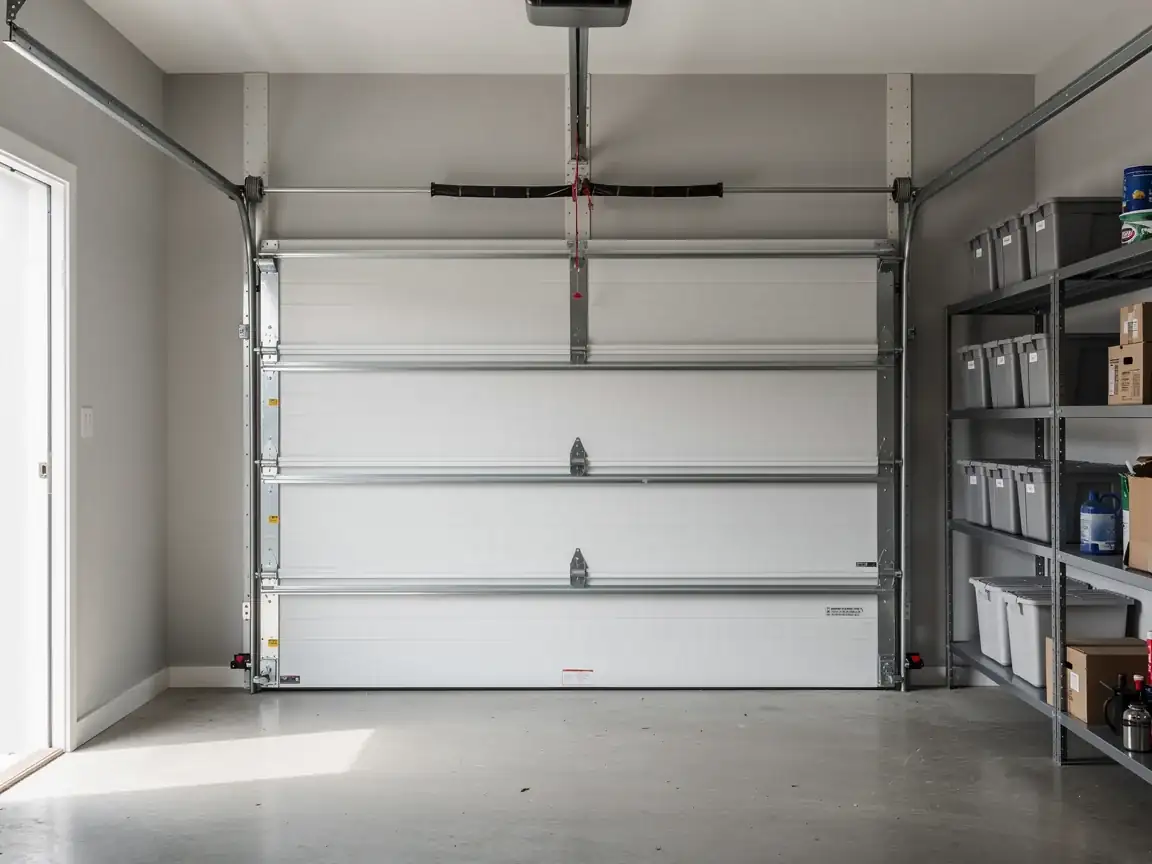
A snapped cable usually announces itself with a bang. The door drops crooked, hangs at an angle, or stops moving a few inches off the floor. Sometimes it's quieter: one cable starts fraying where it wraps the drum, and you notice the door doesn't close square anymore, or the opener strains and reverses before the door seats.
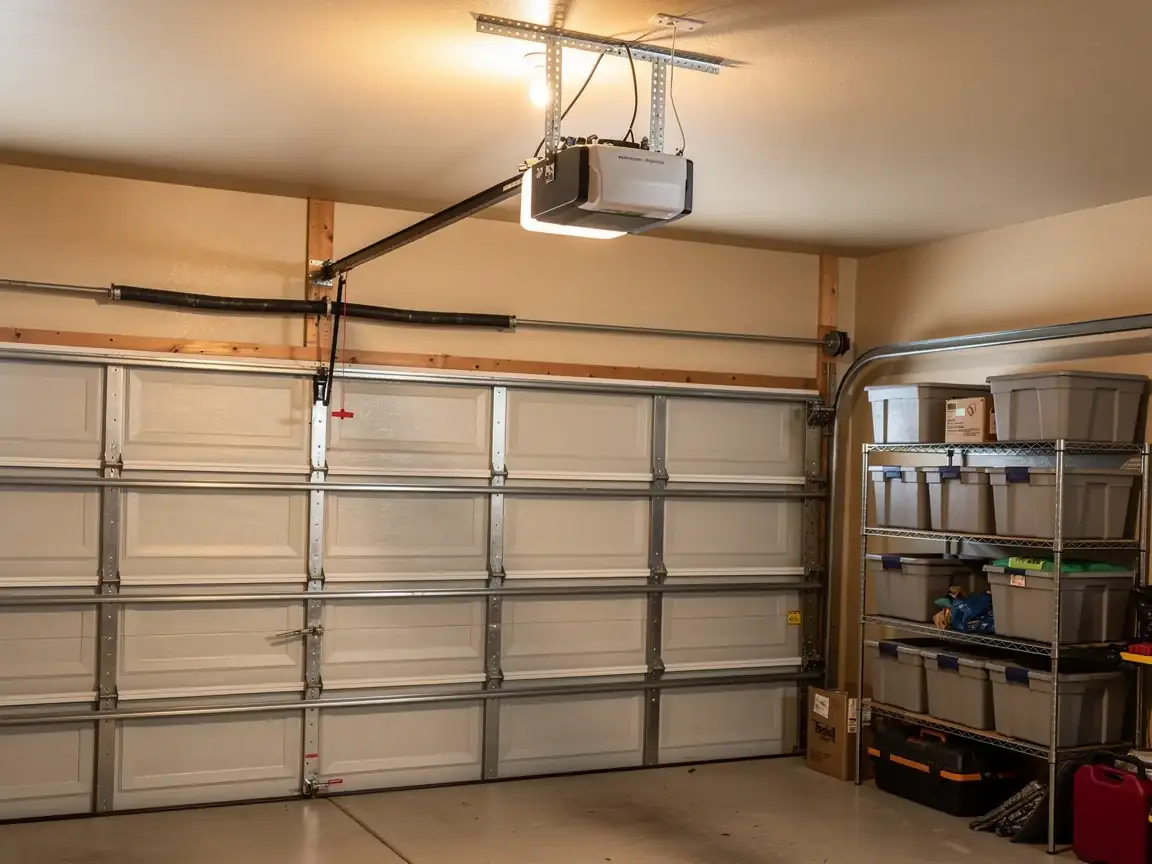
On a two-car door, a single broken cable often leaves one side of the door higher than the other, since the remaining cable is still holding its end. That's the moment to stop using the opener. A door hanging on one cable can jump its track or come down fast, and that's not a repair you want to improvise with a ladder and a socket wrench.
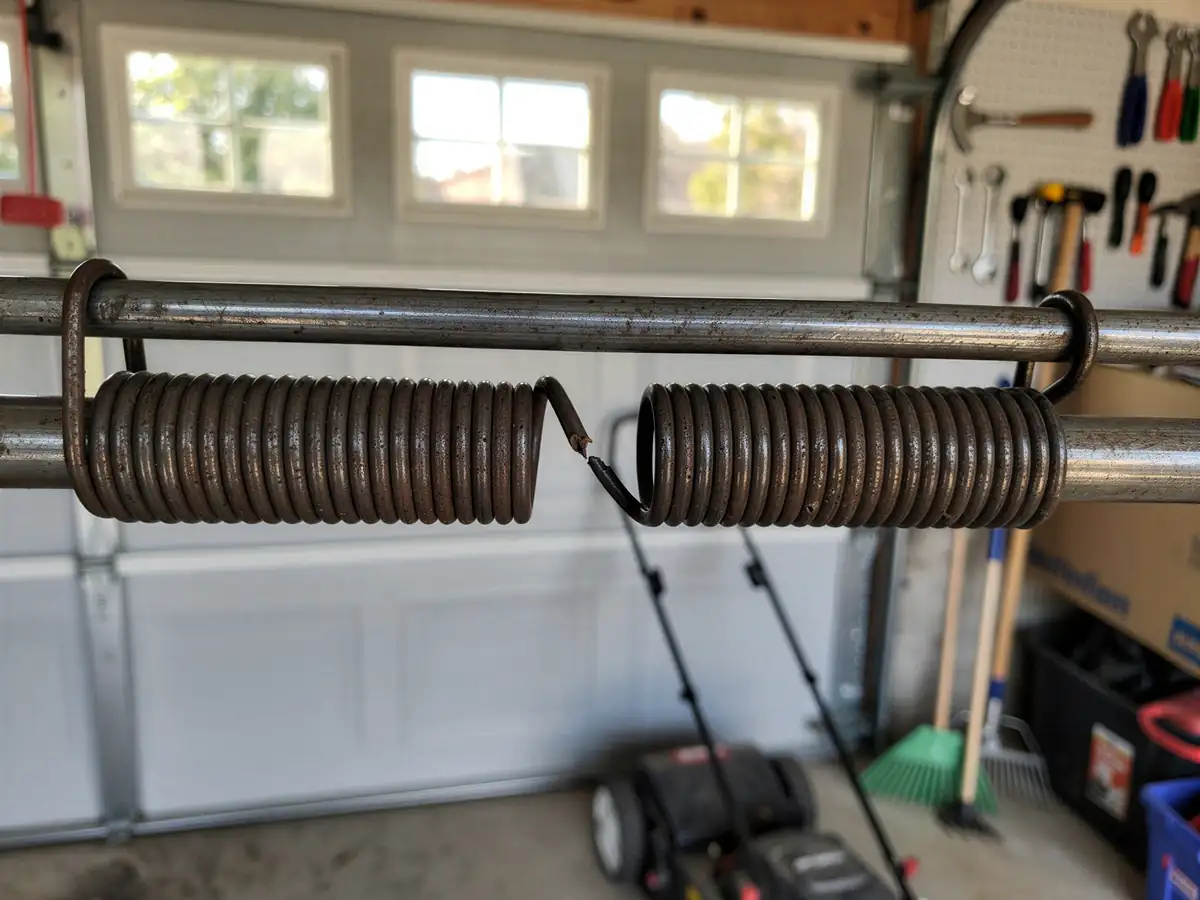
Across the Woodbury service area, this is one of the more common calls we get, right alongside spring failure, because the two parts work together and tend to age out around the same time. If your door feels heavy to lift by hand, or the opener has been straining for a few weeks before the cable actually goes, that's usually the warning most owners miss until it's too late.
Why It Happens Here
Housing across this service area mostly went up between 1956 and 2002, with the bulk of it dating from the 1960s and 70s across the 33 communities we cover. A lot of those garages still run original or first-replacement cable and drum hardware, wound for doors and springs that were standard decades ago, not for the heavier insulated doors many owners have since installed.
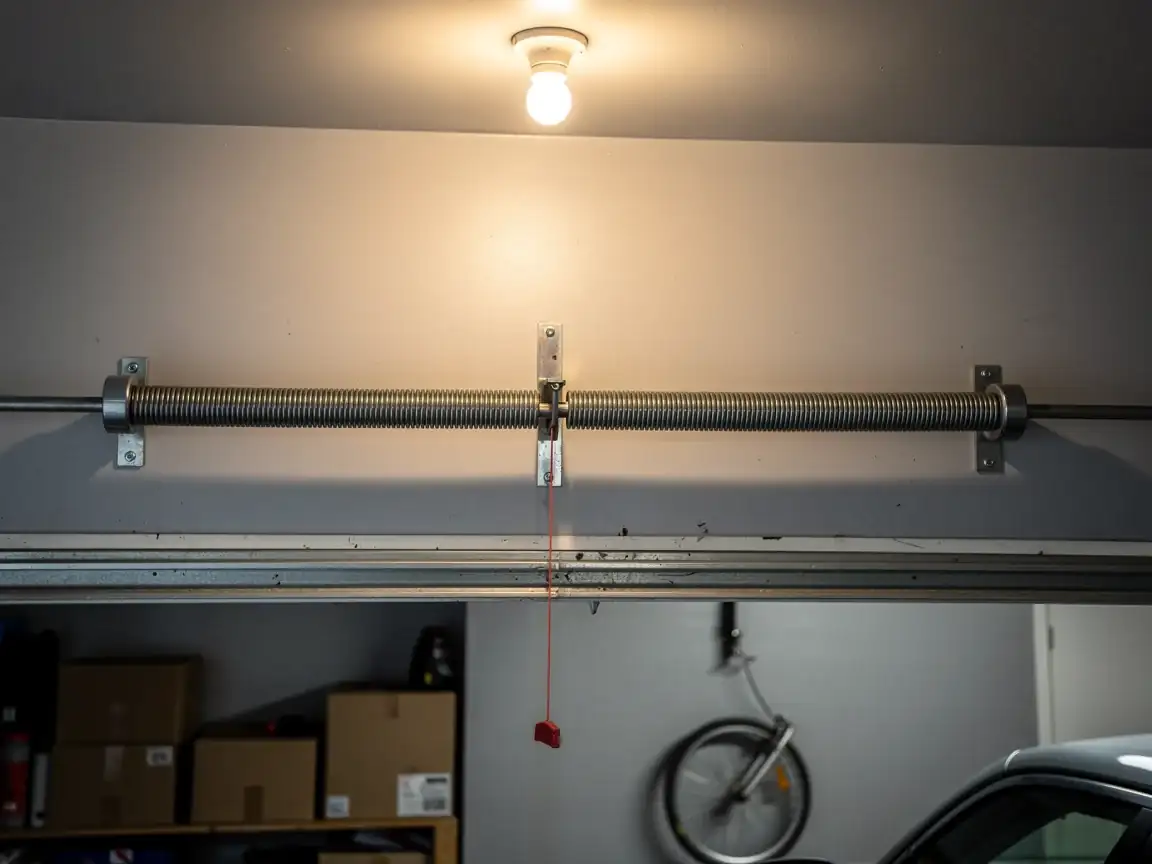
Woodbury sits in a cold-moderate climate band, and that matters for cable life specifically. Galvanized aircraft cable corrodes slowly where moisture sits on the strands, and that happens most at the drum wrap and the bottom roller bracket, exactly where winter slush and road salt collect after you pull in. Repeated freeze-thaw cycles also stiffen the pulleys and rollers the cable rides over, so the cable starts sawing against a surface that no longer spins freely, which is what turns a slow fray into a sudden snap.
We see this pattern most on doors that haven't had the cable or drum hardware swapped since the original install. It's not a defect in the door. It's the combination of age and a winter climate that doesn't let the hardware coast.
What It Costs
We can't post a number here that would hold up across every job
Cable repair cost depends on whether one cable broke or both, whether the drums or bottom brackets took damage when the door dropped, and whether the door is a standard single or a heavier insulated double. A straightforward single-cable swap on a door that's otherwise sound is a different job than one where the door jumped the track and bent a roller bracket on the way down.
What we can tell you is what drives the range
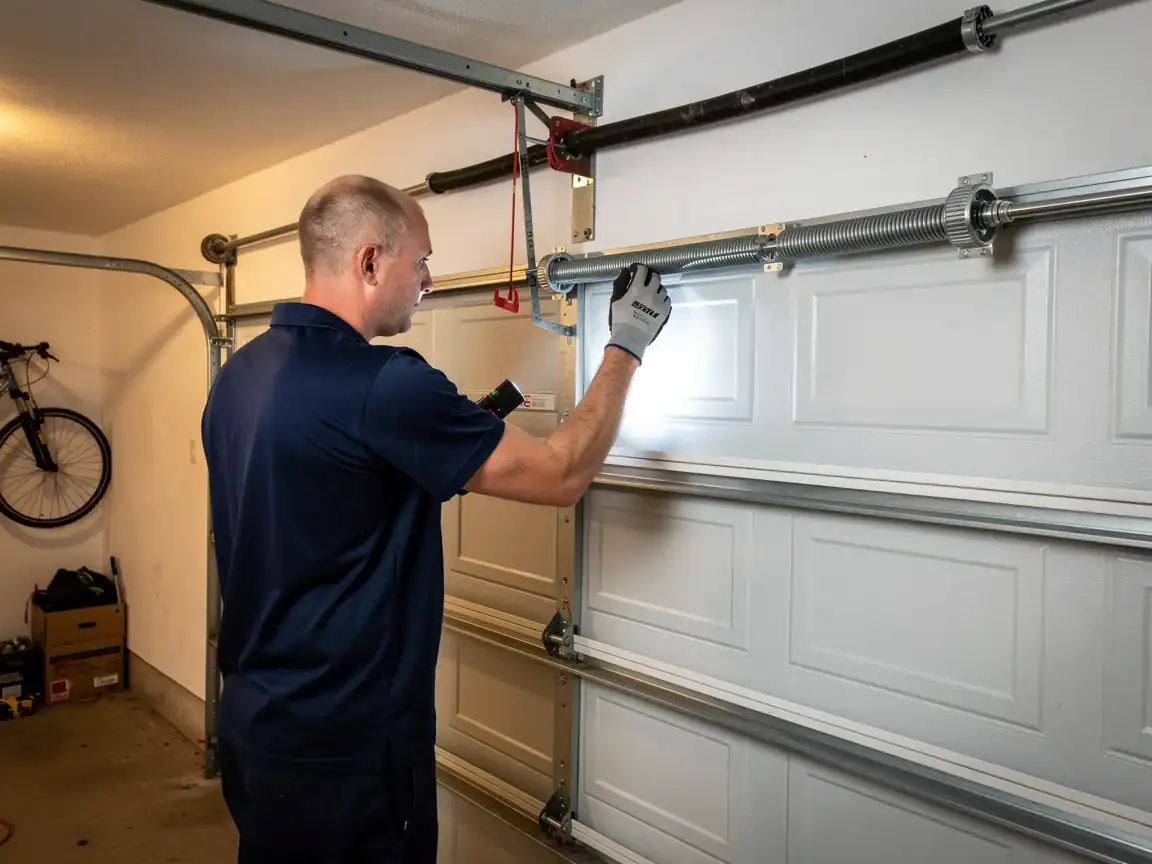
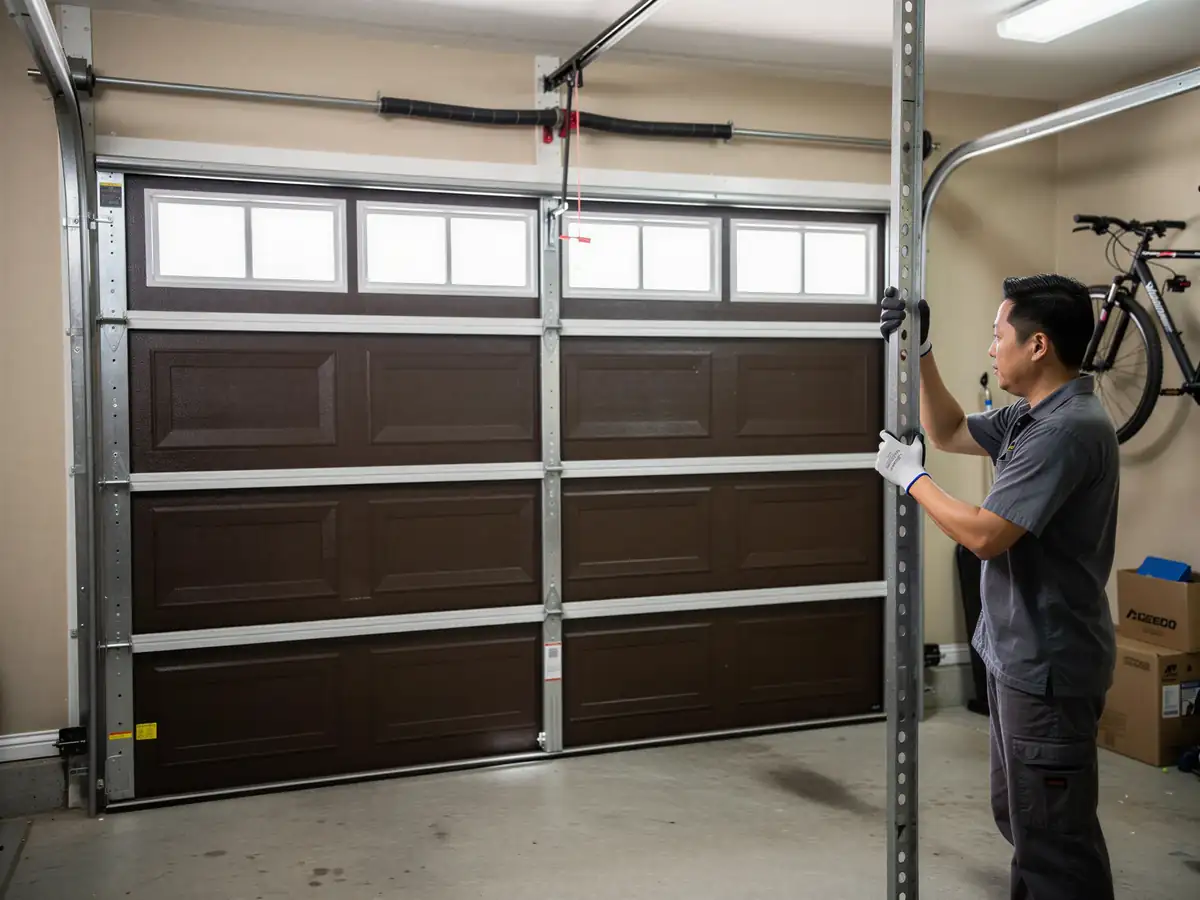
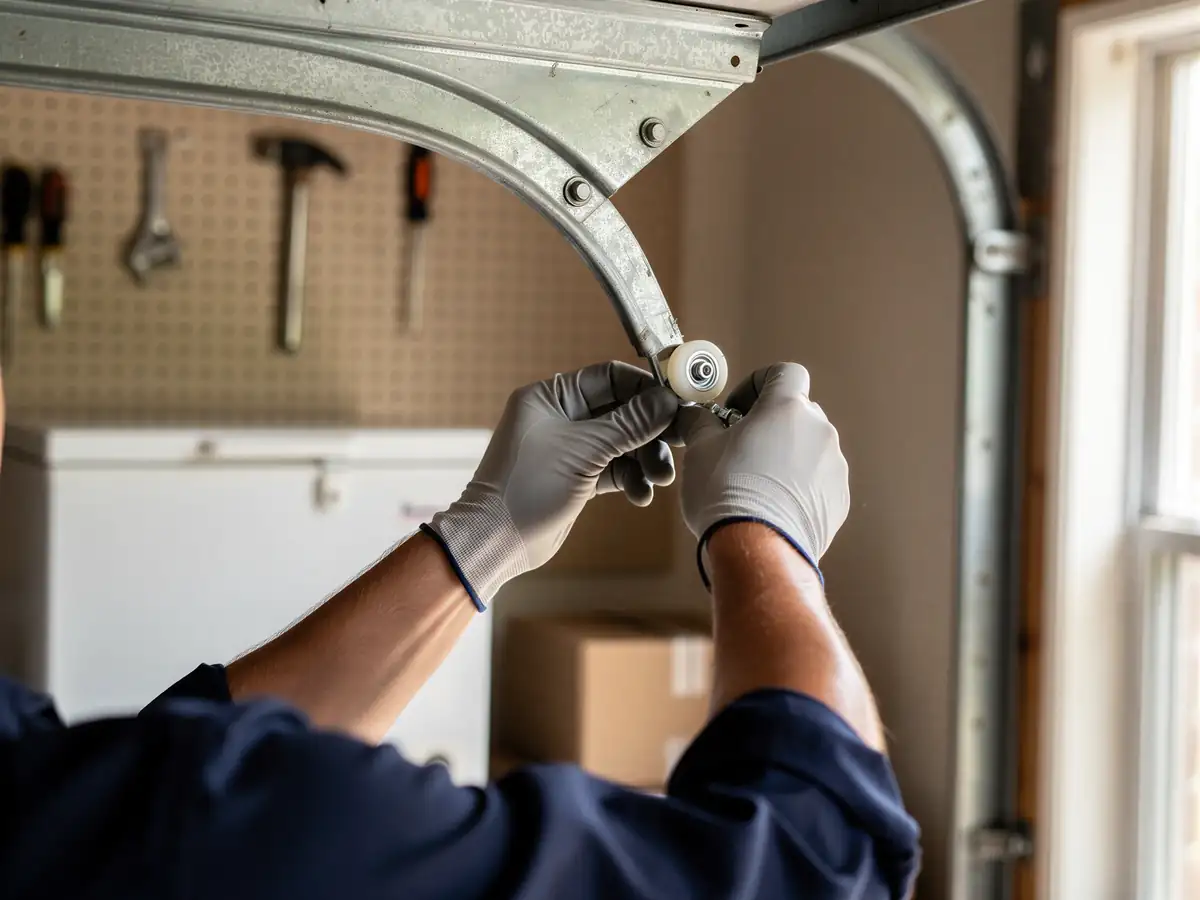
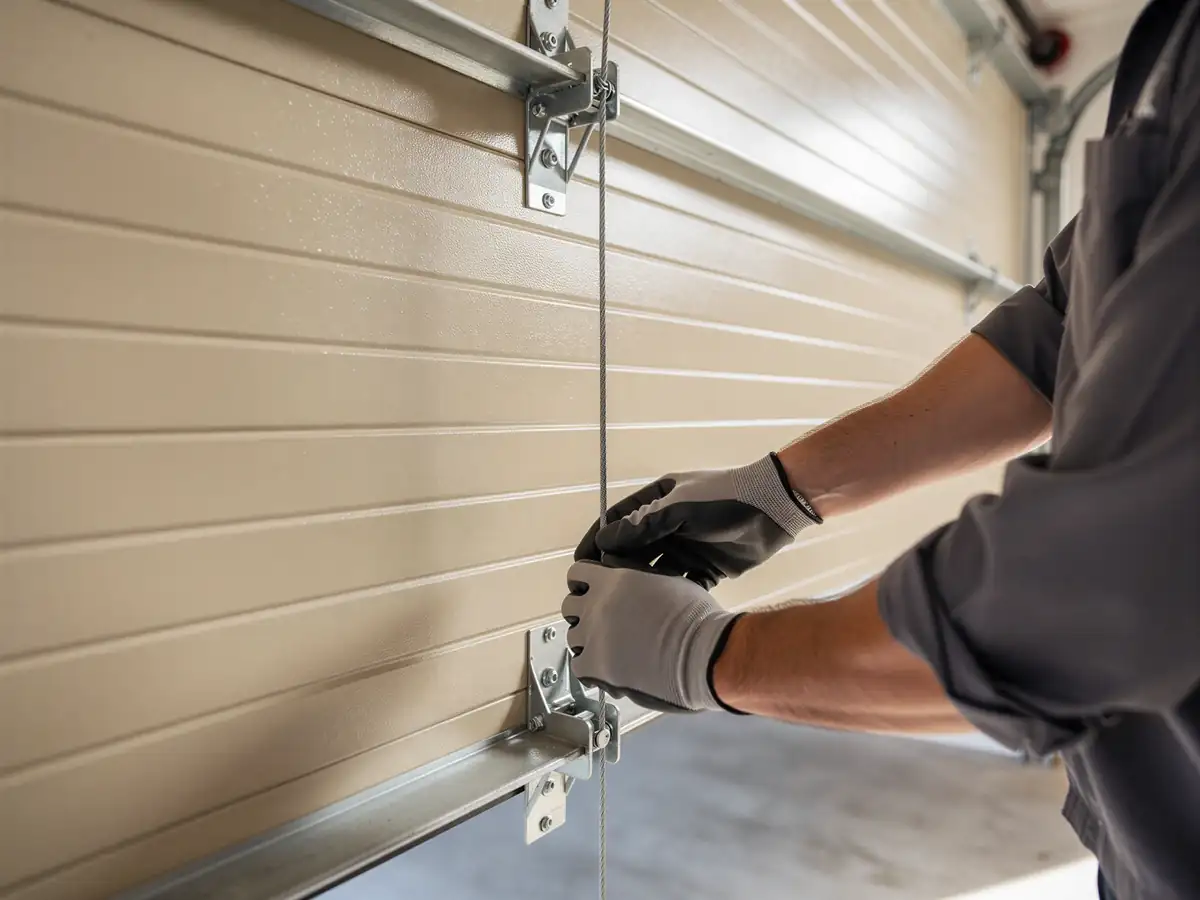
Cable gauge and length for your door size, whether the drums need replacing alongside the cable, and labor time if the door has to come off track to get at the far-side bracket safely. We quote on site once we've actually looked at the hardware, not over the phone from a guess.
One honest limitation
If the drums are worn or mismatched to the new cable, patching just the cable without addressing the drum is a short-term fix. We'll tell you straight if that's the case rather than sell you a quick swap that fails again in a season.
Booking a Visit
If a cable has already broken, don't run the opener and don't try to lift the door past the point where it's stuck. Leave it where it sits. With 76,978 owner-occupied houses across this service area and 168,356 households total, we see enough of these calls in a given week that getting the right parts on the truck the first time matters more than rushing out the door.
When you call, tell us whether it's one cable or both, whether the door is a single or double, and roughly how old the opener and door are if you know. That lets us bring the right cable length and drum stock instead of a second trip.
We work across the Woodbury service area, and this page covers the cable repair itself rather than the full list of what we do - that's on the home page. If you're elsewhere in the area, we handle this same fault on the same kind of 1960s-70s housing stock throughout the towns we serve.