How It Shows Up
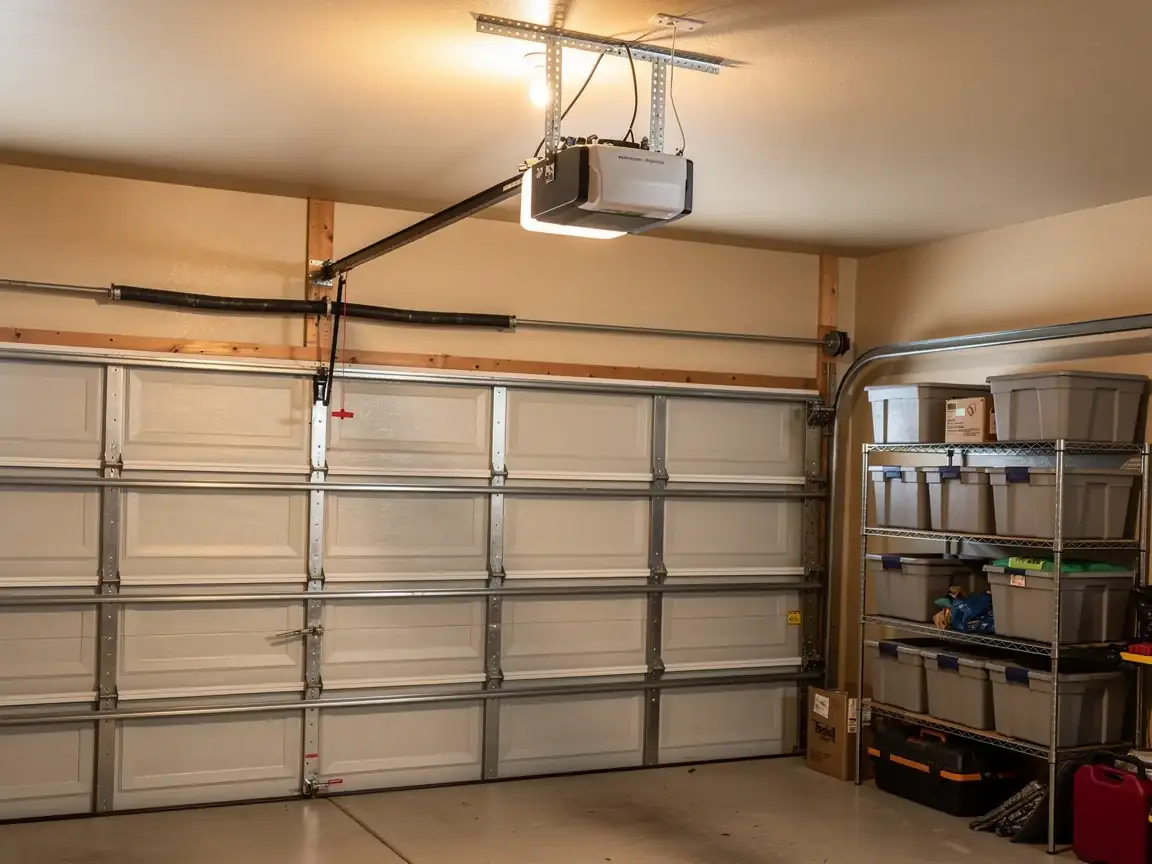
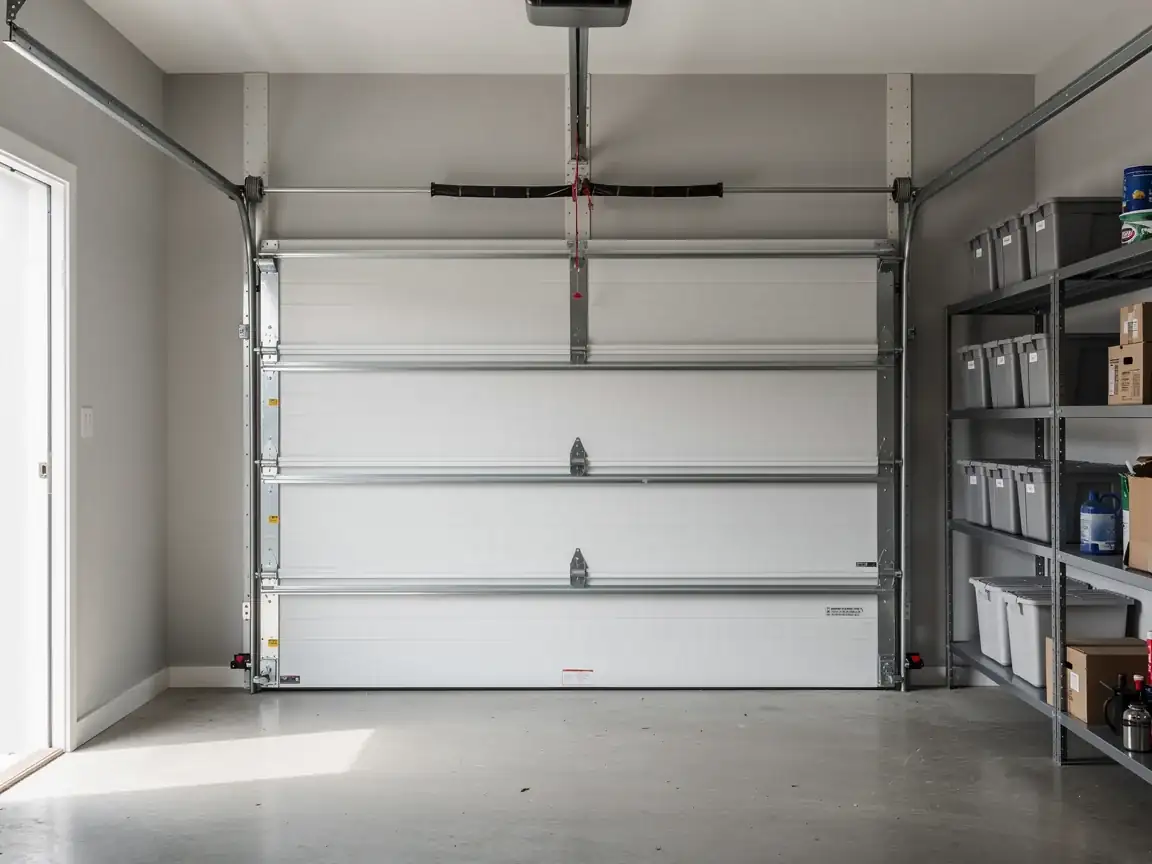
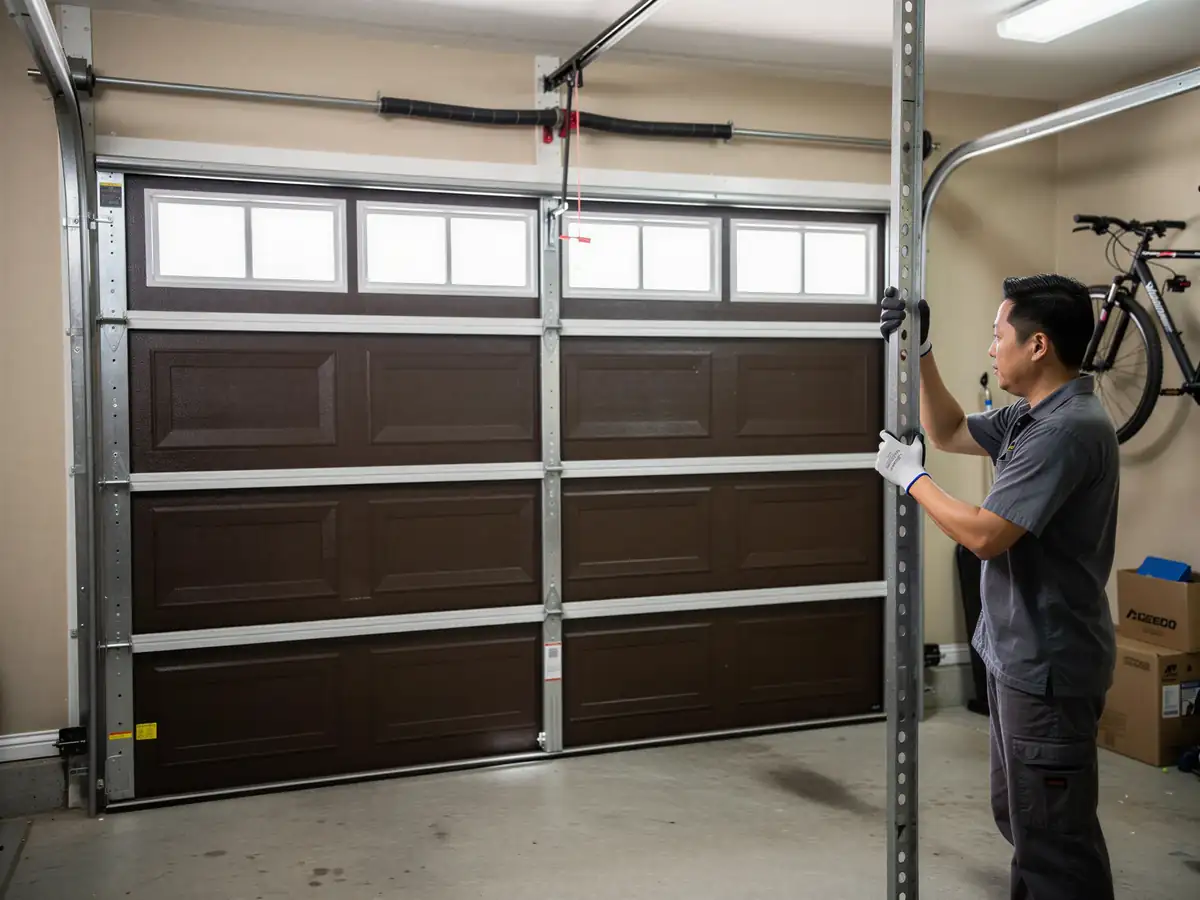
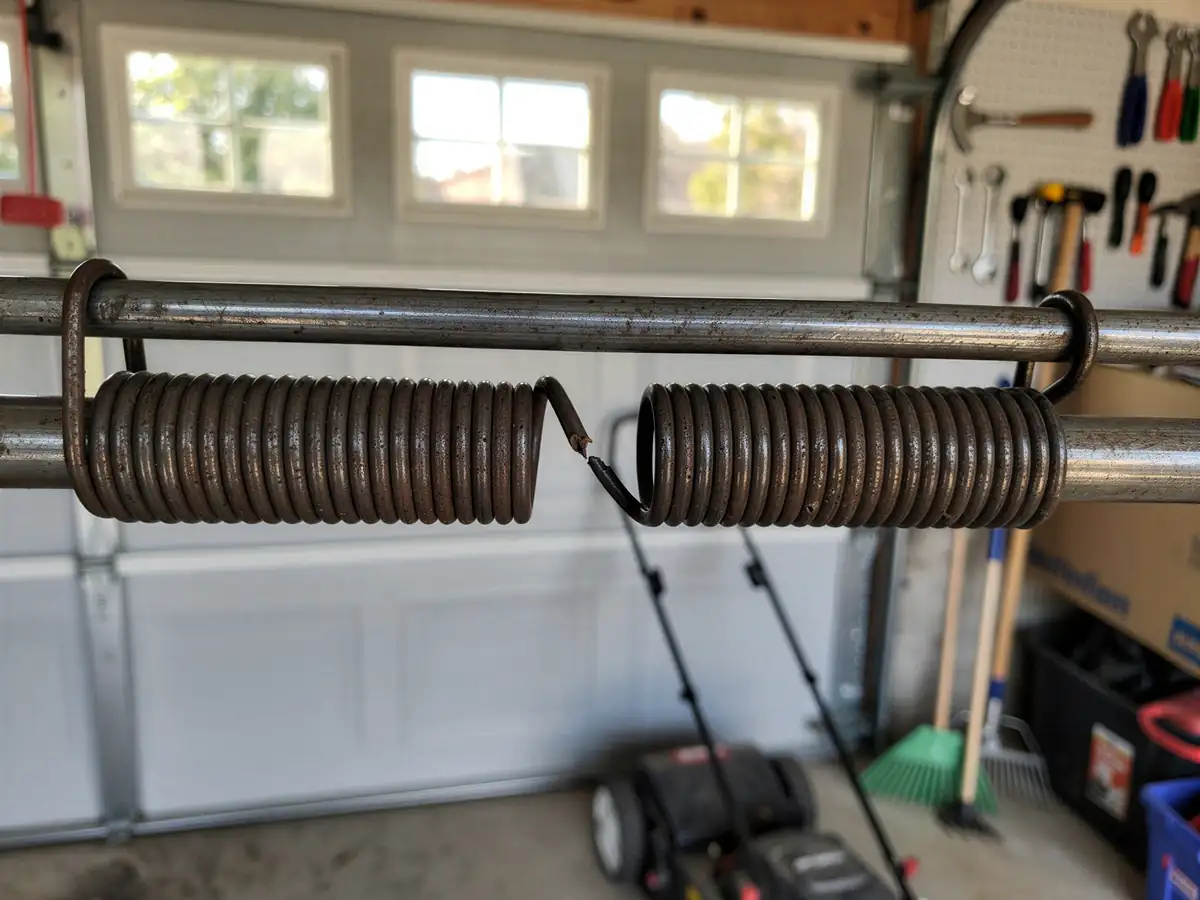
The door that used to open in one smooth pull now jerks partway up and stalls. Or it slams the last six inches down instead of settling. Or the opener motor hums for a second longer than it should before the chain even moves. These are spring and opener symptoms, not accidents, and they show up in a predictable pattern here because of when this area was built.
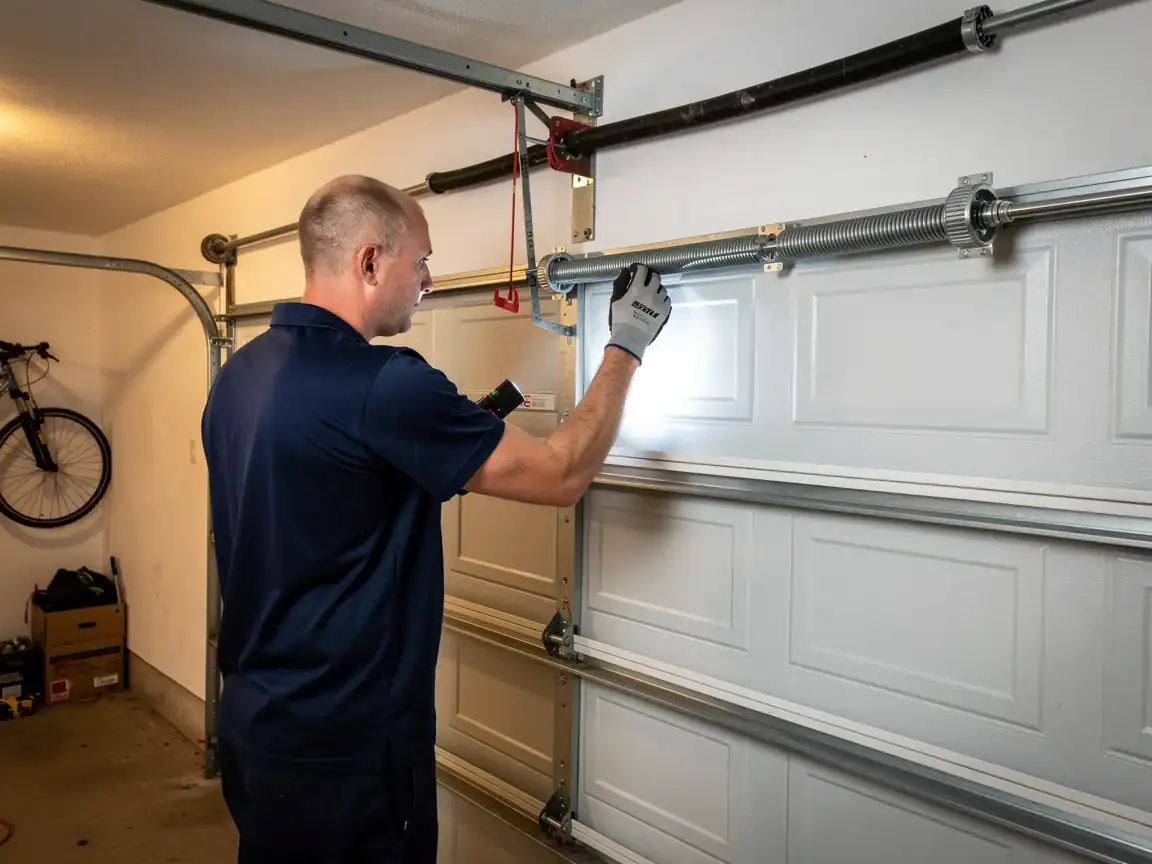
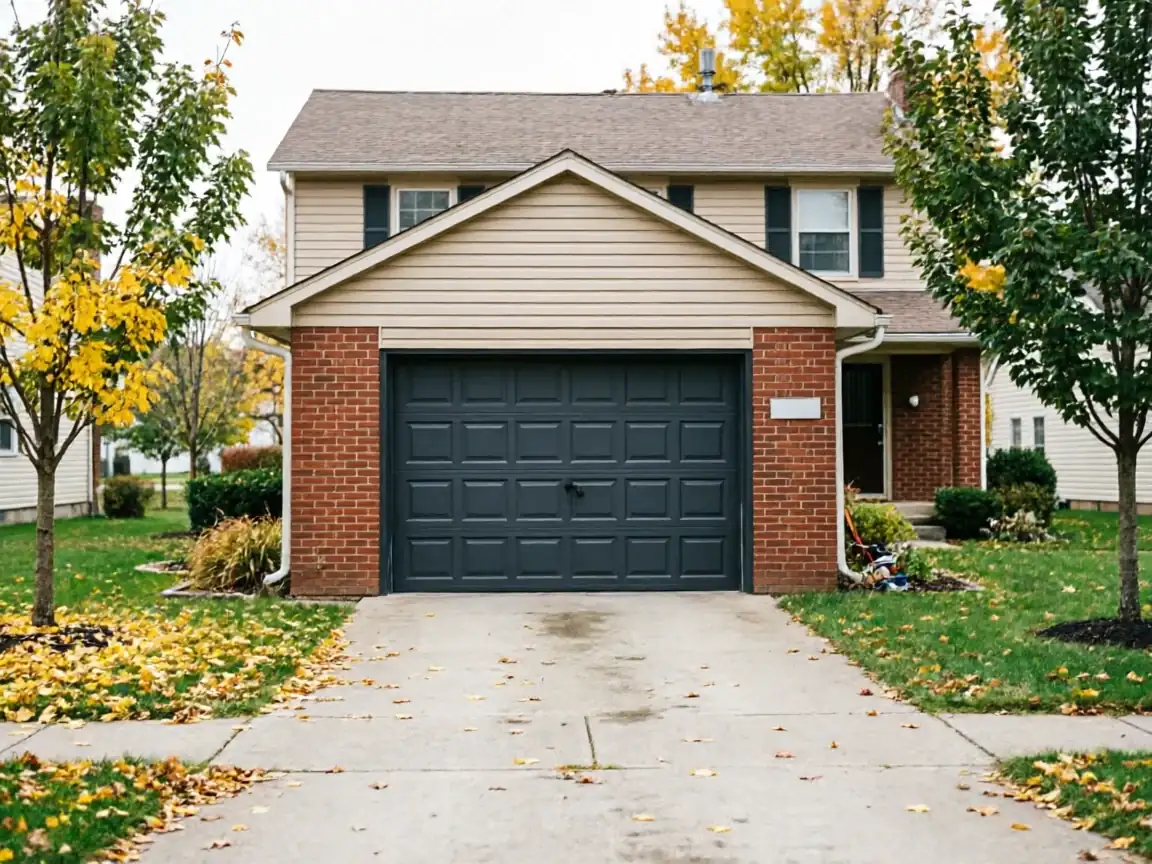
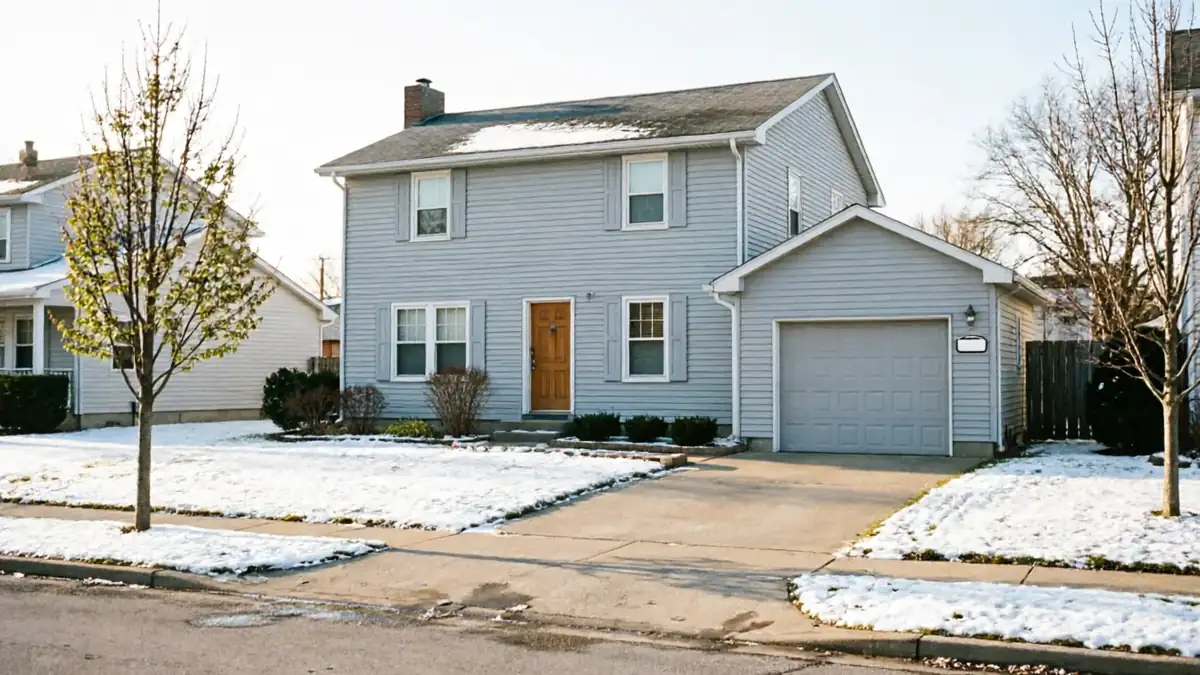
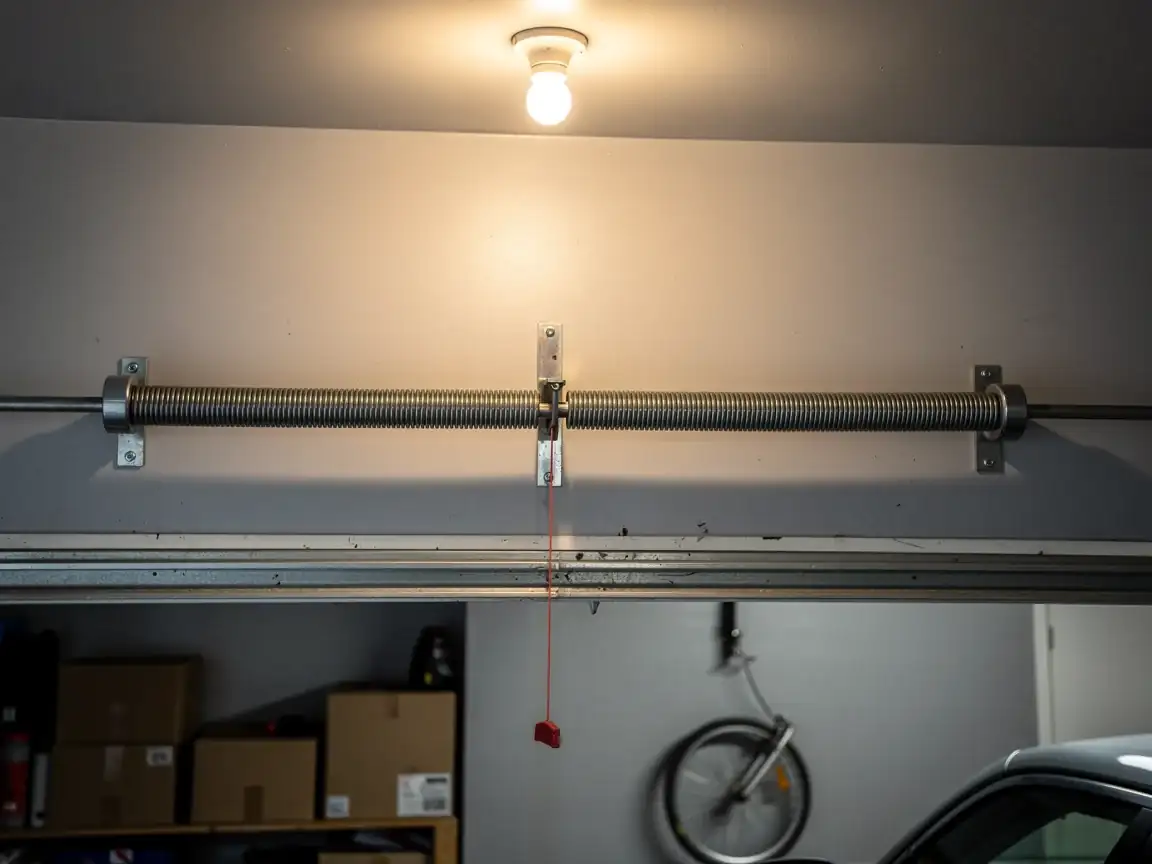
Most houses in Woodbury and the surrounding neighborhoods went up between 1956 and 2002, with the median landing around 1976. A torsion spring rated for roughly 10,000 cycles on a house built in the mid-70s has been through that many open-close cycles and then some. By the time you notice the shudder, the spring is usually past fatigue, not just loose or dirty.
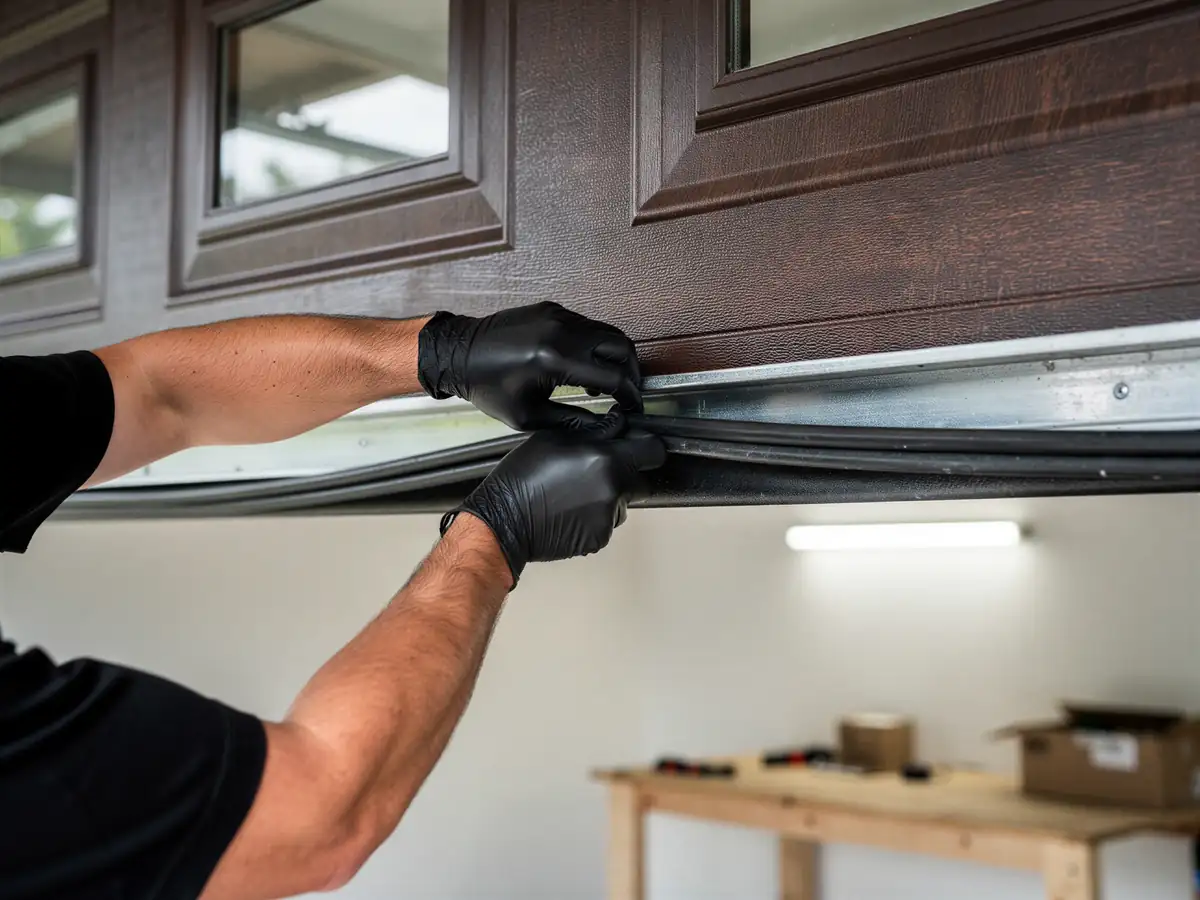
In winter the symptom moves to the opener. Cold steel is less forgiving, and grease inside the gear housing thickens, so the motor works harder to do the same job. You'll hear it before you see it fail outright - a slower lift, a louder motor, a door that reverses on its own partway down because the force sensor reads the stiffness as an obstruction.
Why It Happens Here
This isn't a generic garage door problem - it's tied to what's actually on the ground in this part of the east metro. The housing stock here runs mostly 1960s and 70s construction across the 33 named areas in this service territory, which means a lot of original hardware: single torsion springs on double doors, steel tracks sized for lighter wood-panel doors, openers from whatever era the last owner upgraded in.
The climate band here is cold, and that matters for two reasons most owners don't think about. First, steel spring wire fatigues faster under repeated cold-to-warm cycling than it would in a milder climate - the metal contracts and expands more, and microscopic cracks form sooner. Second, lubricant on rollers, hinges, and the opener's drive gear stiffens in low temperatures, which adds resistance right when the spring is already working at its limit.
Put those two things together - a 1976-median build year and a cold climate band - and you get a service pattern where spring failure and opener strain cluster in the same homes, often within a few years of each other. It's not bad luck. It's the hardware reaching the end of what it was built for, at the same time the weather makes the symptom obvious.
What It Costs
We don't quote a repair over the phone sight unseen
And that's a limitation we're upfront about. A broken torsion spring on a double door, a worn roller, and a failing opener circuit board are three different jobs with three different parts lists, and the only honest way to price one is to look at the door in front of us.
What we can tell you is what tends to drive the number up or down
Original hardware from a 1960s or 70s build sometimes needs a part that isn't stocked on the truck - older track widths and spring sizes aren't always what a big-box opener kit assumes. That can mean a short wait on a part rather than a same-visit fix, and we'd rather tell you that up front than pretend otherwise.
Owners in this area
With a median household income around $93,233, more often choose to replace both springs on a double door as a matched pair rather than patch the one that broke, since the second spring from the same era is usually close behind. That's a judgment call we'll walk you through on site, not a push - if one spring still has real life left, we'll say so.
- $93,233 median household income
Booking a Visit
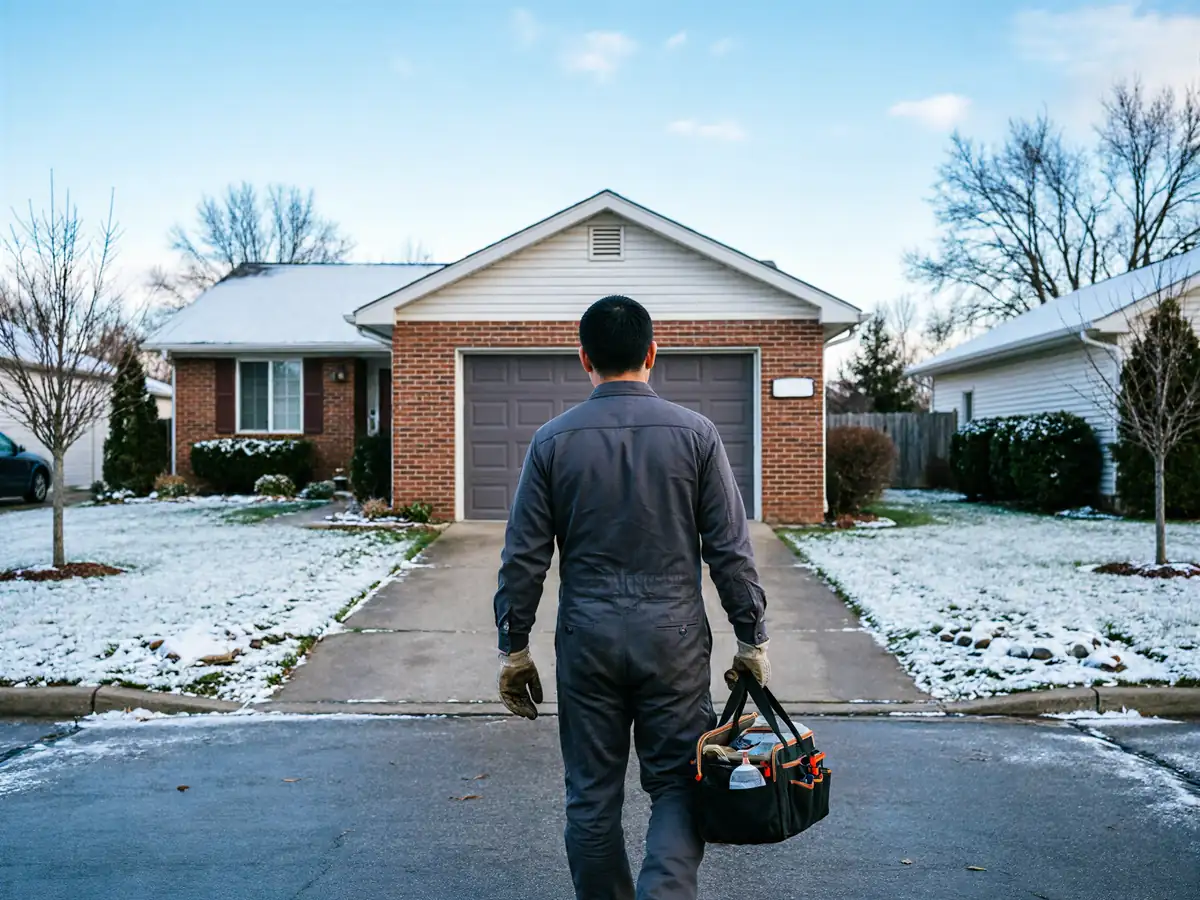
We work out of Woodbury and cover the surrounding east metro - Newport at four miles, Afton at five, Lake Elmo and South St. Paul at six, Oakdale and St. Paul Park also around six, out to West St. Paul, Lakeland, North St. Paul, and Inver Grove Heights near eight miles, and farther communities like Hastings and Mahtomedi beyond that.
If your door is sticking, reversing, or making a new noise, don't wait for it to fail on a cold morning when you're already late. Call and describe what you're seeing - the more specific the symptom, the better we can tell you what to expect before we're standing in your driveway. You can also find more about the company at our home page.