How It Shows Up
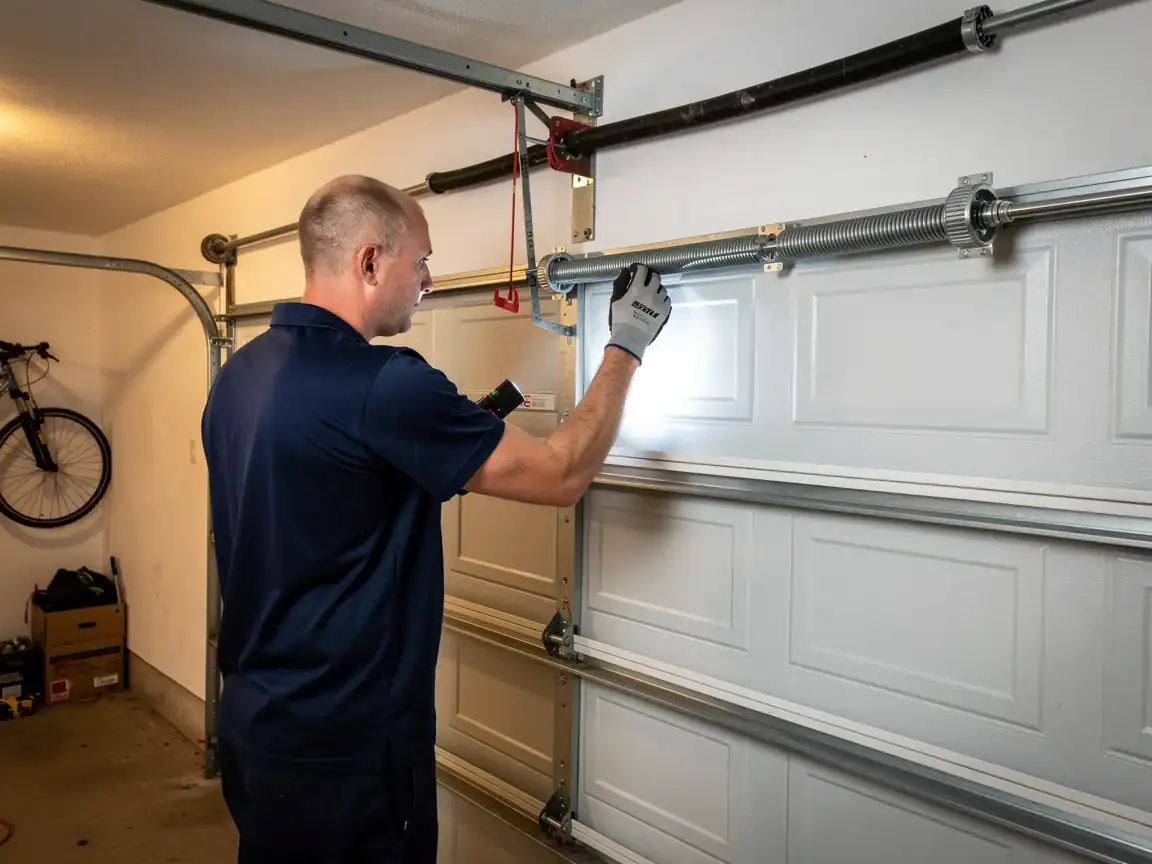
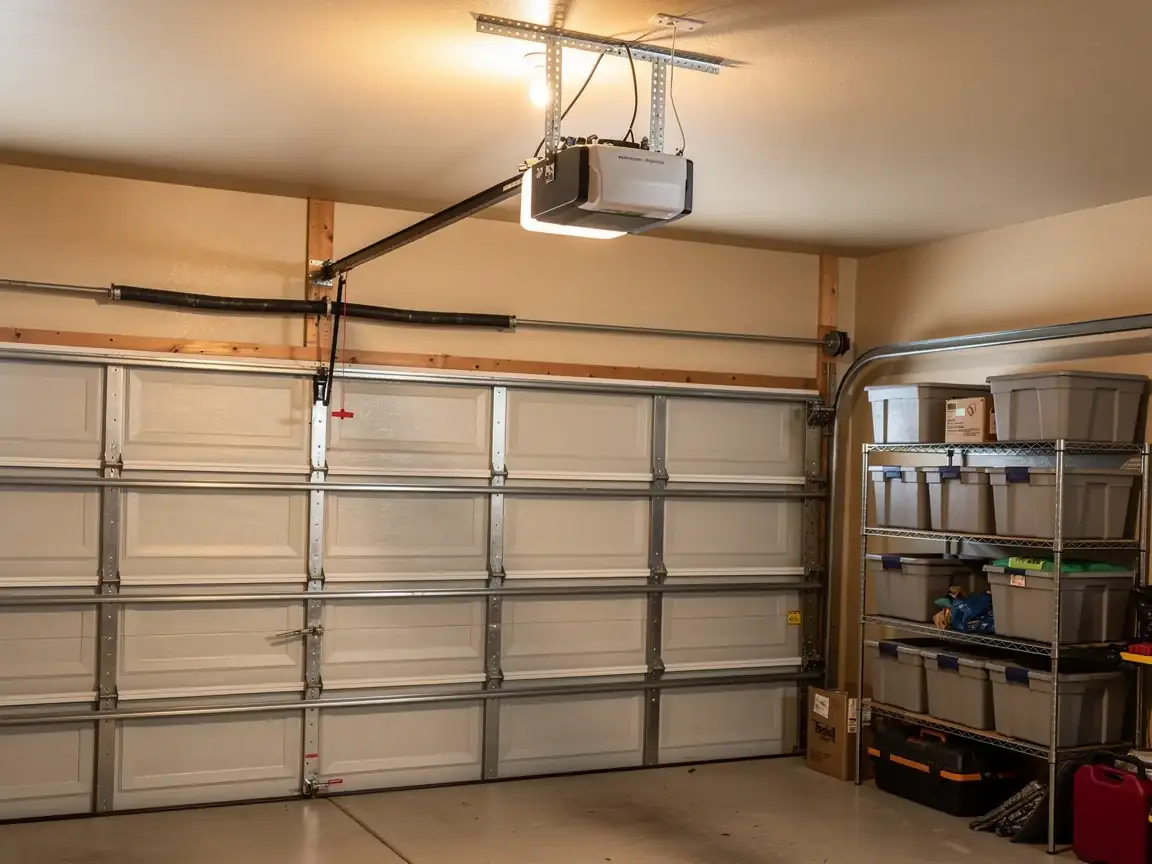
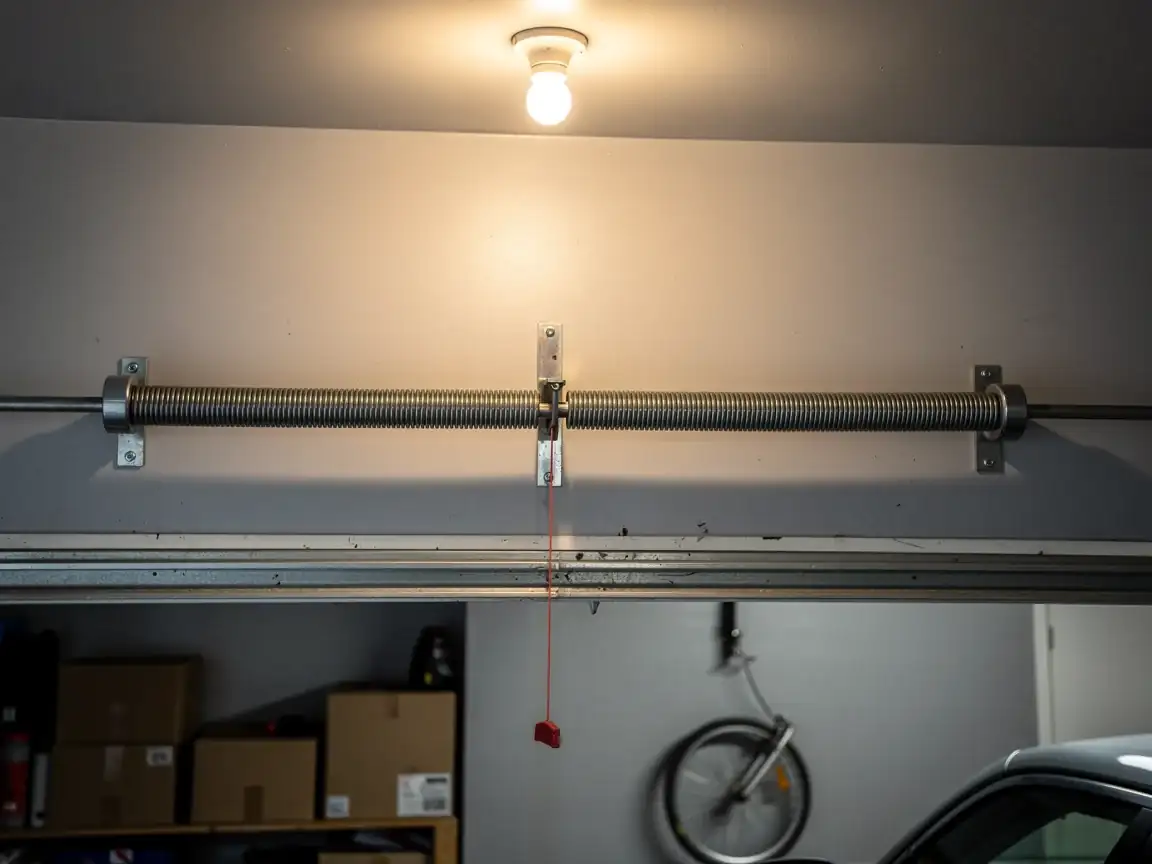
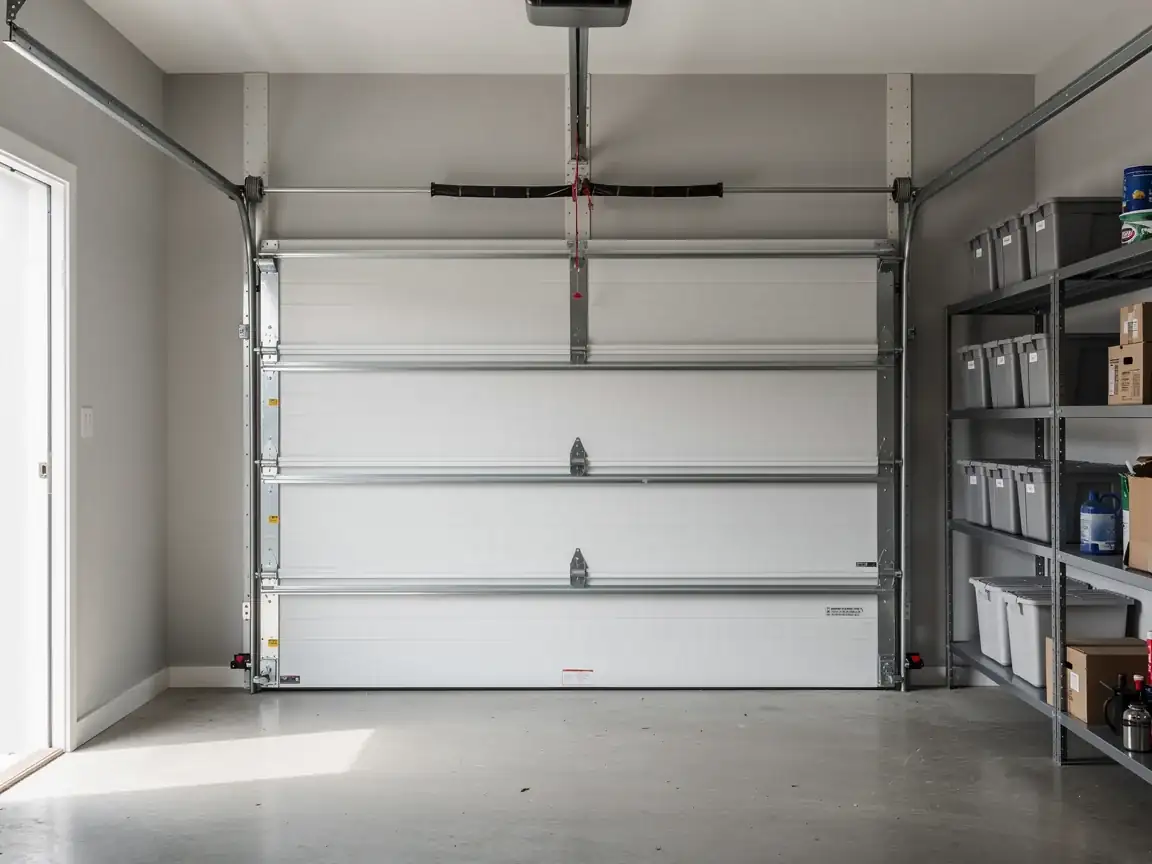
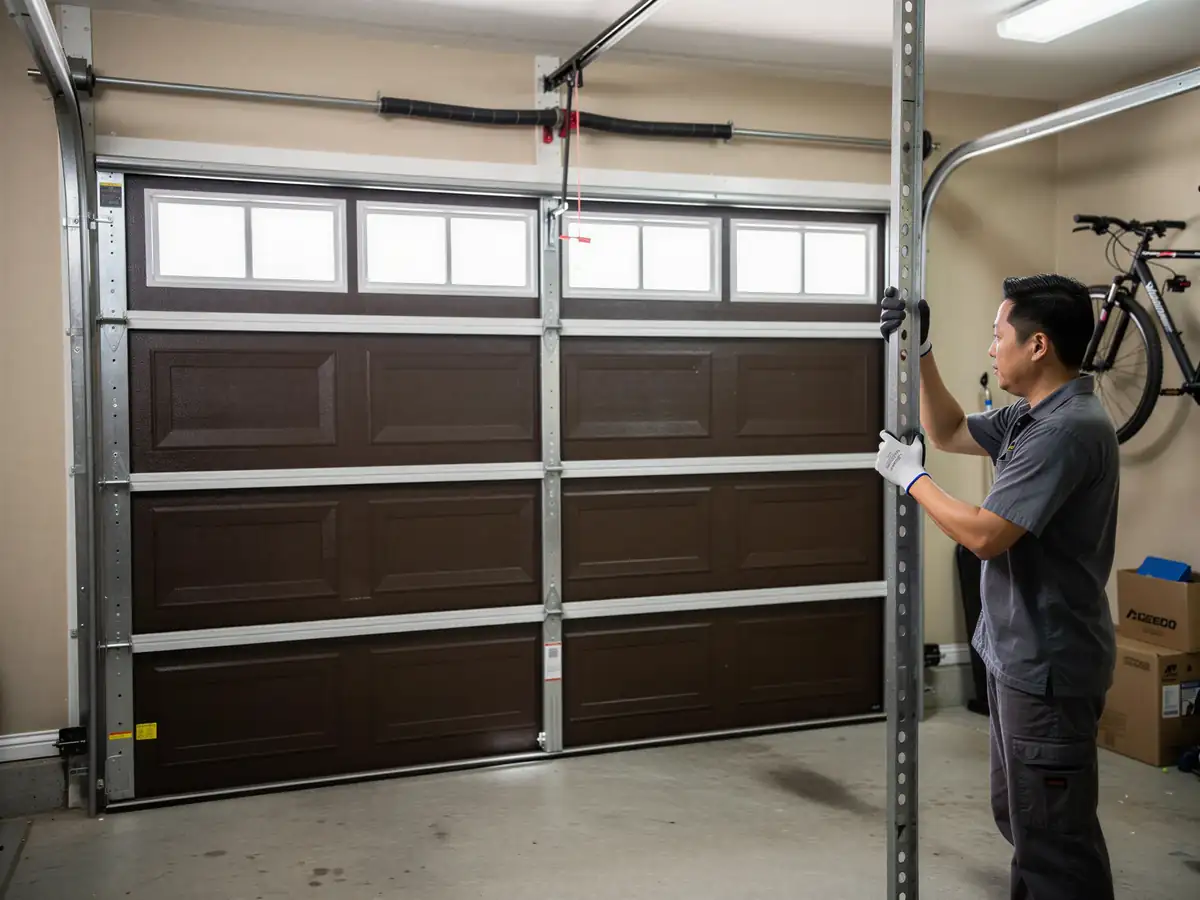
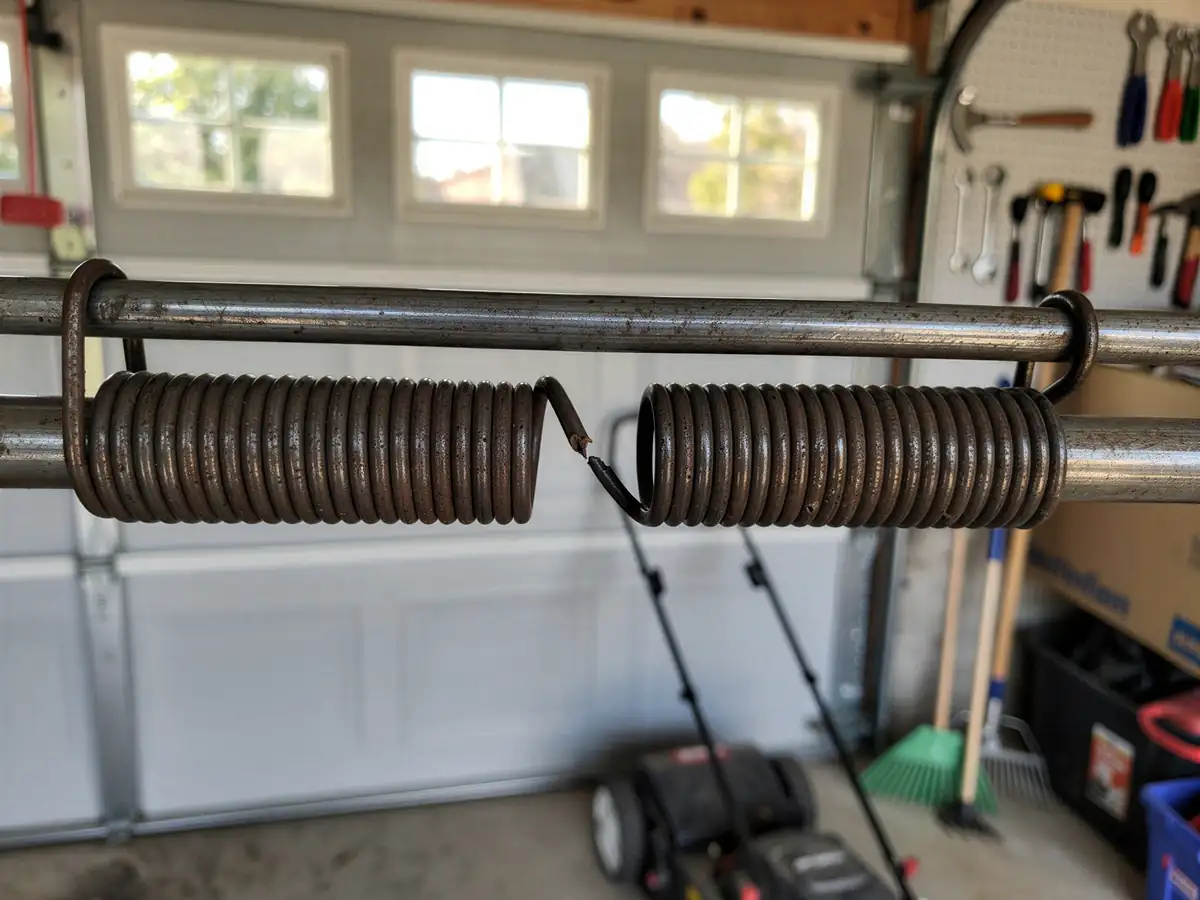
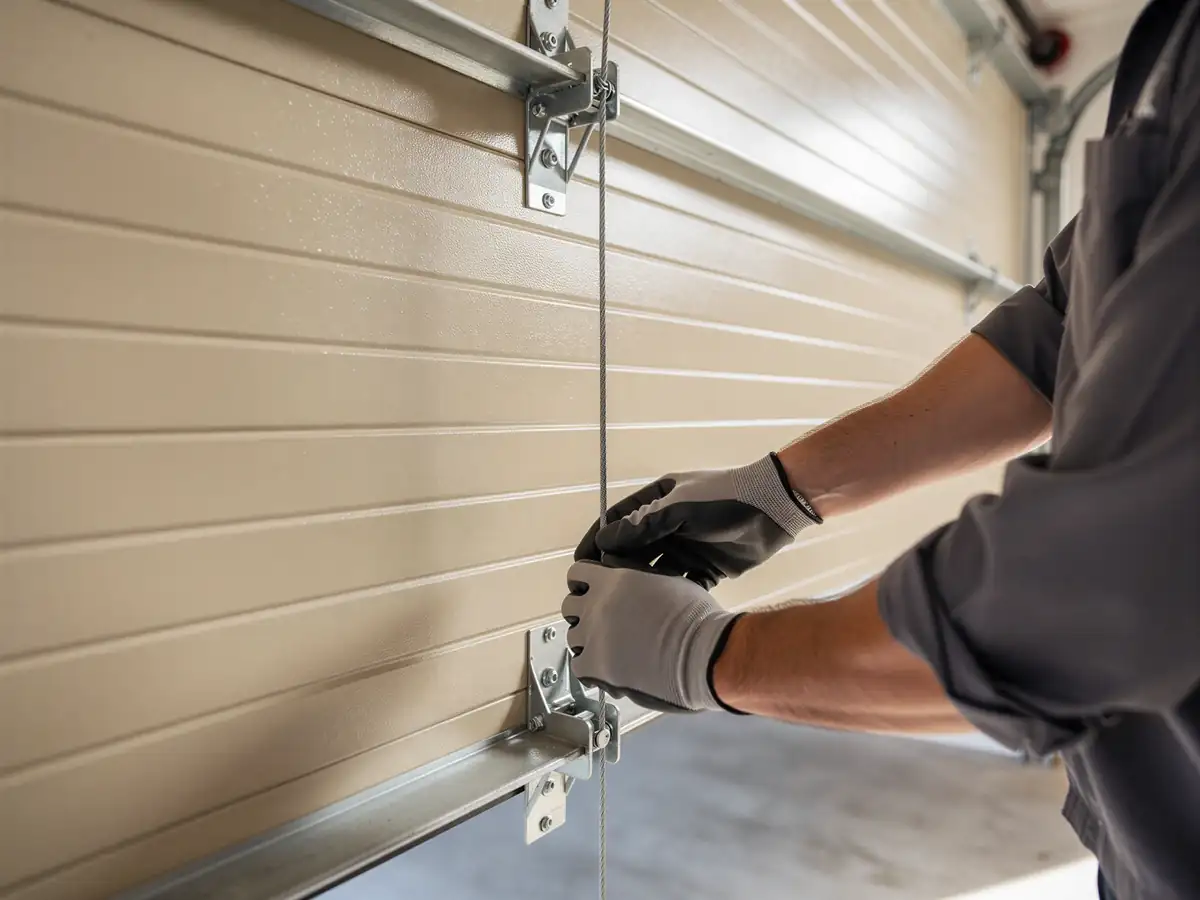
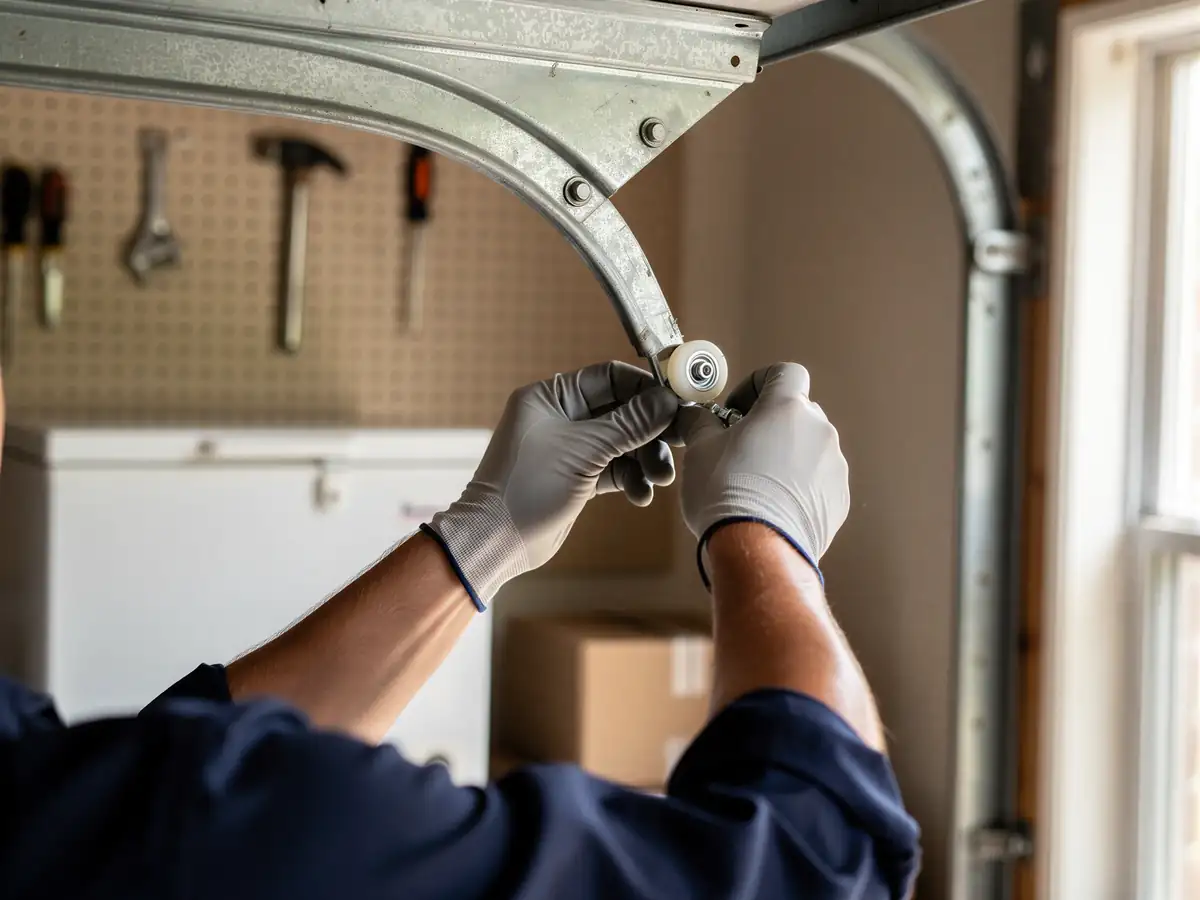
The call almost always starts the same way: the door won't move, or it moved halfway and stopped. On a torsion spring system, that's usually a snapped spring - you'll hear a bang from the garage, sometimes mistaken for a car backfiring, and then the opener just strains against dead weight. On houses with extension springs along the horizontal tracks, the failure looks different: a cable jumps the drum, or a pulley bracket tears loose, and the door drops crooked in the opening.
The other common emergency is electrical, not mechanical. The opener hums but the door doesn't lift, which points to a stripped gear or a capacitor that's given out. Cold snaps make this worse - grease inside an older opener thickens, the motor draws harder to turn the same gear, and the gear is the first thing to go.
Whichever way it fails, the urgent part is the same: a door stuck open is a security and heat-loss problem, and a door stuck shut with a car trapped inside is a schedule problem. Neither waits for a weekday appointment, which is why this is an after-hours call, not a next-week one.
Why It Happens Here
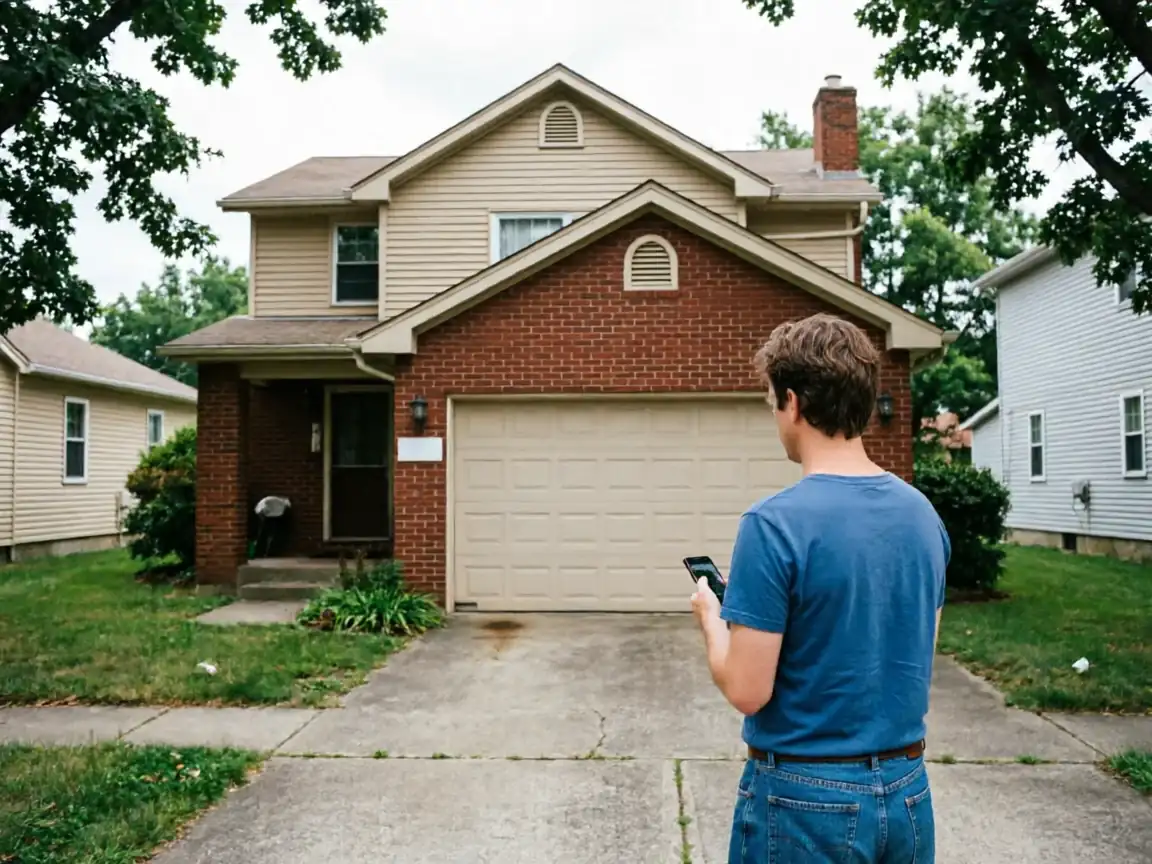
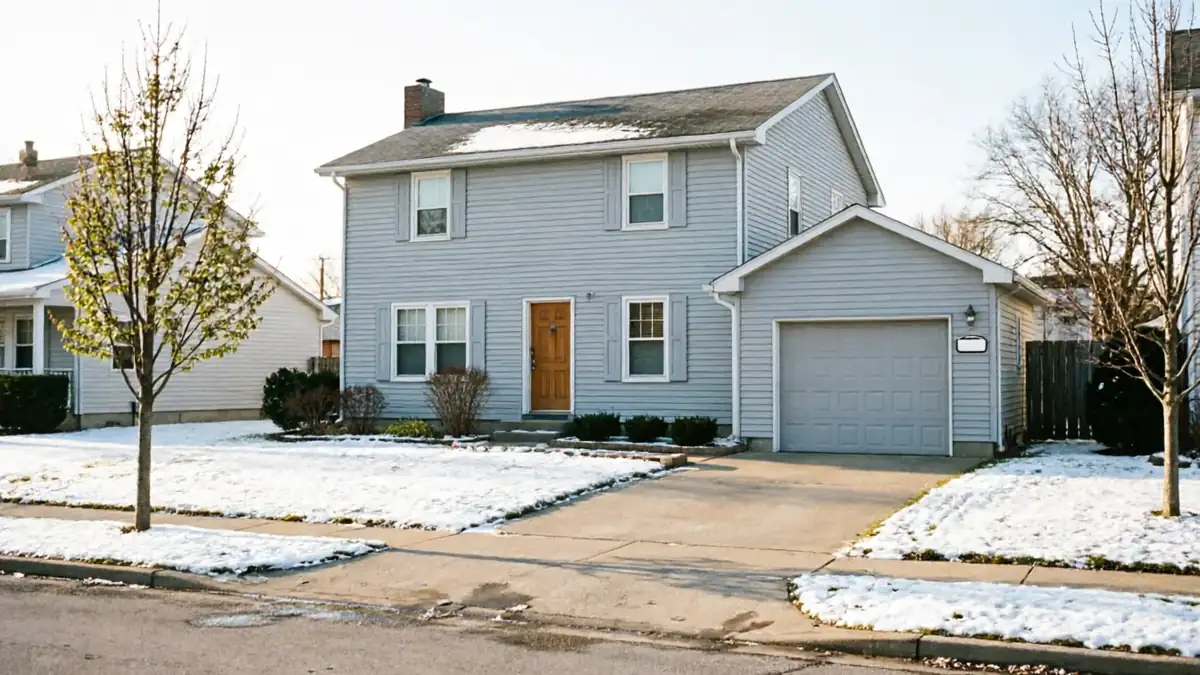
Across the 33 named areas this service covers, most garages were built between the 1960s and late 1970s, with the broader housing stock running 1956 to 2002 and a median year around 1976. That matters because torsion and extension spring hardware from that era wasn't built with a service life past 10,000 cycles, and a lot of these doors are still running original or first-replacement springs decades past that number.
The climate band here is cold and moderate, which is the second half of the problem. Steel springs lose temper faster when they cycle through hard freezes and spring thaws every year, and the coil can fail without warning on the exact day it's coldest - because contraction adds load right at the moment the door is working hardest against a stiff track. Openers from the 1980s and 90s, common in houses of this vintage, also weren't built with the thermal overload protection that newer units have, so a cold-morning jam can burn a gear set in one bad cycle instead of just stalling.
What It Costs
We don't have a flat emergency rate to quote here
Because the cost split is real: a broken spring is a parts-and-labor job you can usually get done in one visit, while a stripped opener gear, a bent track, or a cracked panel from an impact can mean ordering a part that isn't sitting on the truck. The honest answer is that we price the job after we see which failure you've got, not before.
What we can tell you is what drives the number up
Double-wide doors need two springs instead of one, galvanized or oversized torsion springs cost more than standard, and any job that needs a specialty part for an opener model that's 20-plus years old takes longer because that part isn't always on the shelf. If your opener is in that range, replacing it can end up cheaper than repeatedly chasing parts for it - but we'll tell you that on site, not guess at it over the phone.
Booking a Visit
The service area runs from Newport, four miles out, through Afton, Lake Elmo, South St. Paul, Oakdale, and St. Paul Park at five and six miles, out past West St. Paul, Lakeland, North St. Paul, and Inver Grove Heights, all the way to Centerville at the far edge. With 168,356 households and 76,978 owner-occupied houses spread across that stretch, most of them built in the same two or three decades, the failure patterns repeat house to house - which is part of why we can usually tell what broke before we're in the driveway.
Call when the door won't move, when it's off-track, or when the opener is grinding and not lifting. Tell us the symptom - bang and stop, cable off the drum, motor running with no movement - and we'll bring the right spring stock and gear kits for your door's era instead of guessing once we're there.