Serving Woodbury, MN & nearby
(651) 401-2190
Woodbury, MN

Why a Garage Door Jumps Its Track in Woodbury

Woodbury's 1960s-70s housing stock and cold winters put real stress on garage door track alignment. Here's why doors jump track here and what to watch for.

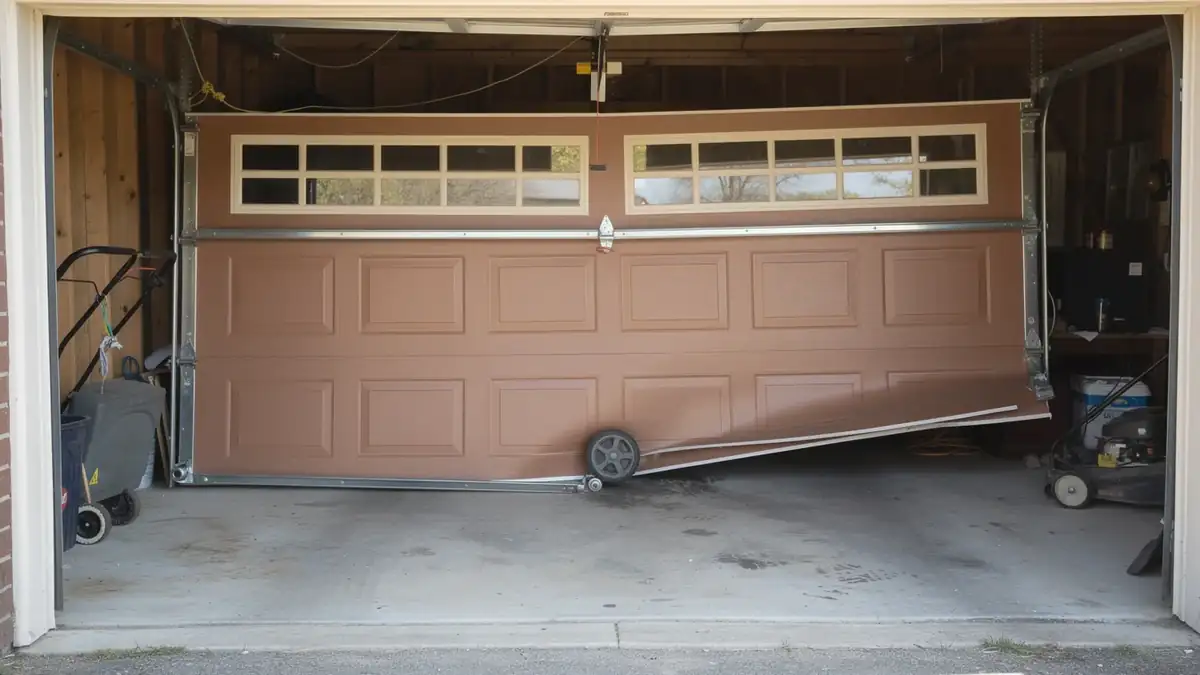
The brown garage door is off its tracks and bent at the bottom.

What the Weather Here Does to It

Woodbury sits in a cold climate band, and that matters more for a garage door track than most people think. The slab under your door moves. Concrete expands and contracts through freeze-thaw cycles every winter, and even a slab that looks flat can settle unevenly by a sixteenth of an inch over a few decades. That's enough to throw a steel track out of plumb at the base, where the vertical section meets the floor. Once the bottom bracket is even slightly out of line, every roller that passes through it rides against the edge of the track instead of the center. Add road salt and the moisture it drags into the garage through tires and boots, and you get rust at the exact spot where the track bolts to the jamb. Rust loosens the bolt, the bolt lets the track flex, and a flexing track is a track a roller can jump. None of this is dramatic on day one. It shows up as a faint grinding sound, then a door that hesitates an inch before it closes, then one morning it's off the track entirely. The cold doesn't break the door. It just slowly moves the parts that were supposed to stay still.

When to Get Help

Call before the door comes all the way off, not after. A door that's visibly crooked in the opening, hanging lower on one side than the other, has already partly derailed, and trying to force it down with the opener can bend the track further or pull the bracket out of the jamb. If you hear a rhythmic clunk once per rotation of the roller, that's usually a roller riding on a bent section, not yet off, and it's a much cheaper fix than waiting. Stop using the opener if the door binds partway through the cycle; running the motor against a jammed track can strip the drive gear, and that's a separate repair on top of the track work. One limitation worth knowing: if a track is bent more than roughly a quarter inch out of true, bending it back rarely holds for long, especially with the freeze-thaw cycle working against it every winter here. At that point replacing the section is the honest recommendation, not a repeated alignment visit that fails again by spring.

The Situation

Housing in the Woodbury area mostly went up between 1956 and 2002, with the median build year around 1976, and a lot of the stock across this part of the metro, and the smaller communities around it, is squarely 1960s and '70s construction. That generation of garage came with steel track bolted directly to wood framing rather than reinforced jamb brackets, and after fifty-plus years that wood has shrunk, split at the fastener points, or been patched more than once. A track bolted into tired wood doesn't hold alignment the way one bolted into a newer engineered jamb does. If your garage was built in that original wave, the track hardware you have is probably original too, or a prior owner's one-time fix rather than a full replacement. That's not a flaw in the house. It's just what fifty winters do to a bracket nobody's looked at since it went in. Median household income in the service area runs around $93,233, and a fair number of owners in homes from this era choose to replace the whole track and roller set once it starts failing rather than patch the same bracket a third time, since the labor cost of repeat visits adds up faster than people expect.

Season by Season

Late fall is when the first signs show up, as the ground starts its first hard freeze and the slab shifts under a track that was fine all summer. Deep winter is when a door actually comes off, usually on the coldest week, because cold steel is less forgiving and grease on the rollers stiffens up right when the slab is moving the most. Early spring is the opposite problem: the thaw lets the ground settle back, and a track that seemed fine in January can suddenly show slack as the frost releases its grip. Summer is the calm stretch, and it's also the best time to have a track checked and re-bolted before the next freeze starts the cycle over. Waiting until the door is already off to deal with a loose bracket means doing the repair in the cold, which is harder on both the hardware and whoever's doing the work. If you've noticed a seasonal pattern to your own door's noise or sticking, that's not a coincidence. It's the same freeze-thaw cycle that moves every slab in this climate, working on your track a little more each year.
How it works

From “it’s stuck” to “it’s fixed”

A quick, honest process - no guesswork and no surprises, start to finish.

  1. 1
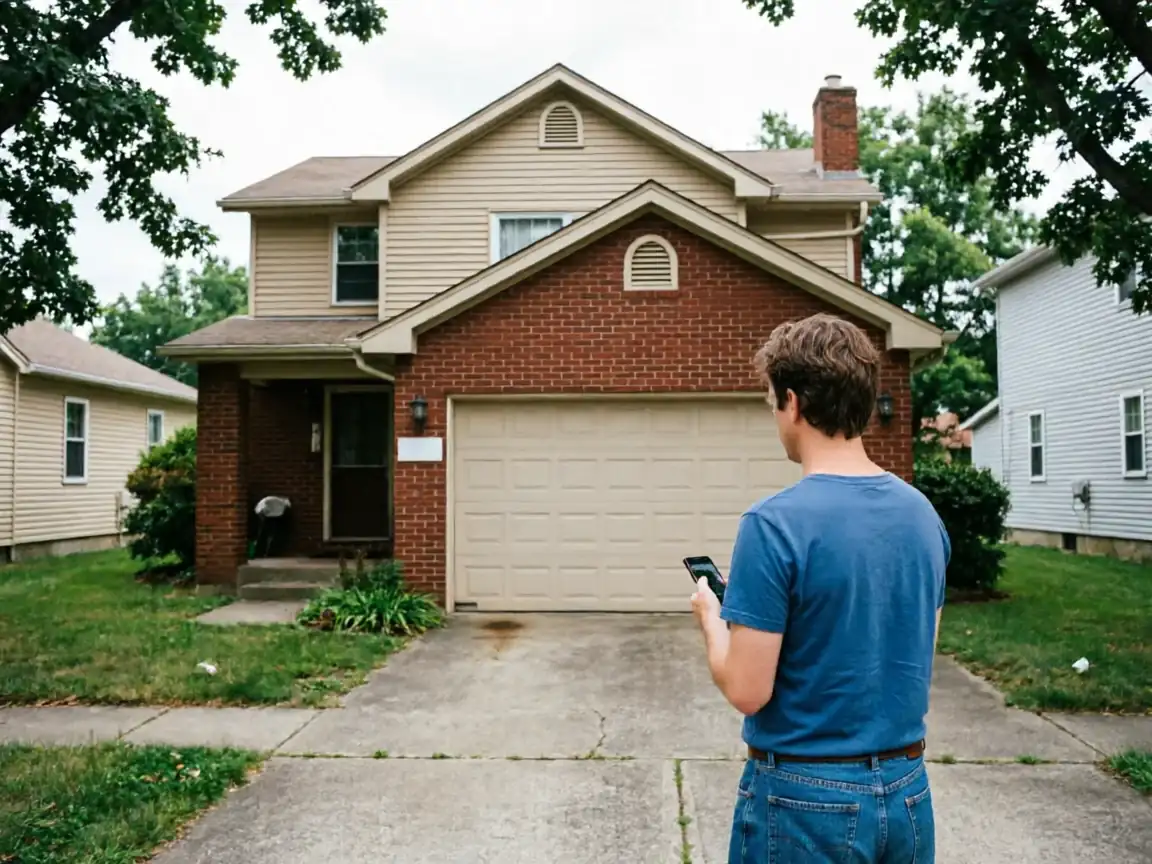
    A man in a blue shirt stands in a driveway, looking at his phone.

    Tell us what’s wrong

    Describe the symptom - won’t open, loud bang, opener runs but the door won’t move.

  2. 2
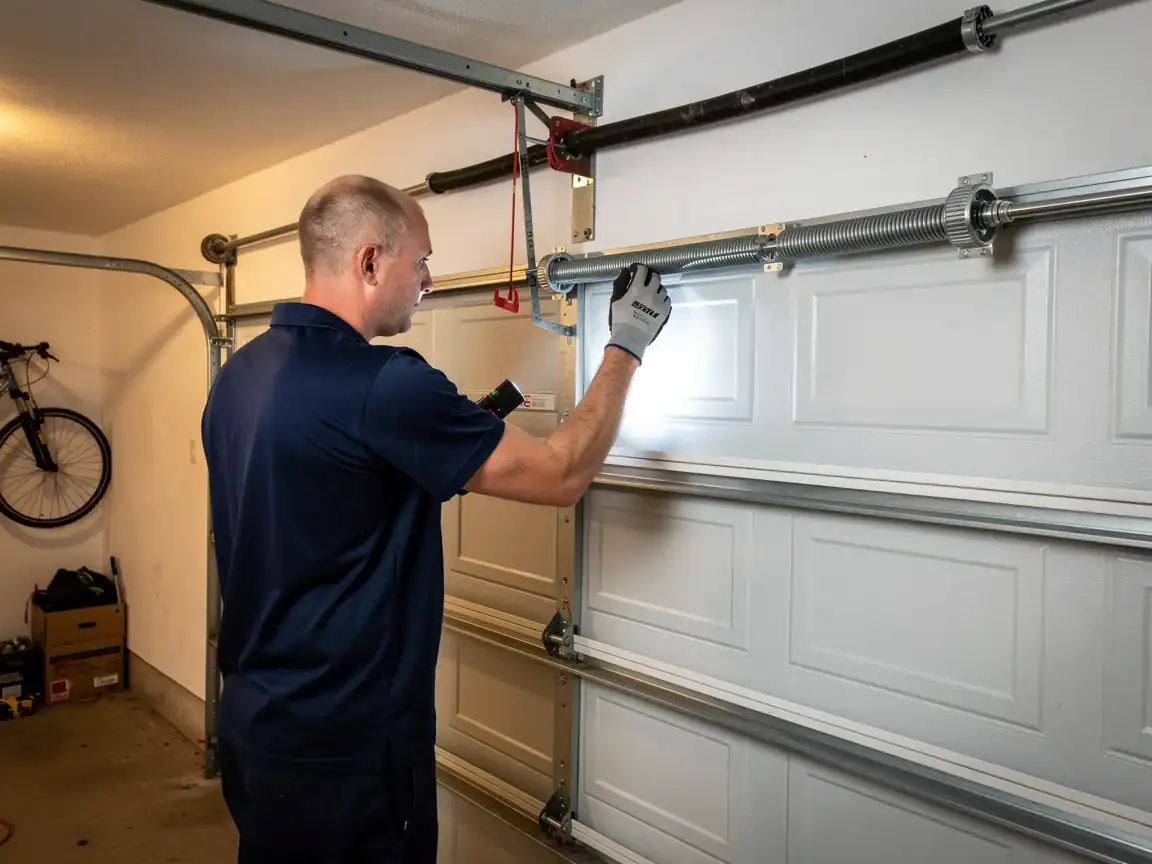
    A technician shines a flashlight on a garage door torsion spring.

    On-site diagnosis

    A technician tests the door under power and by hand and finds what actually failed.

  3. 3
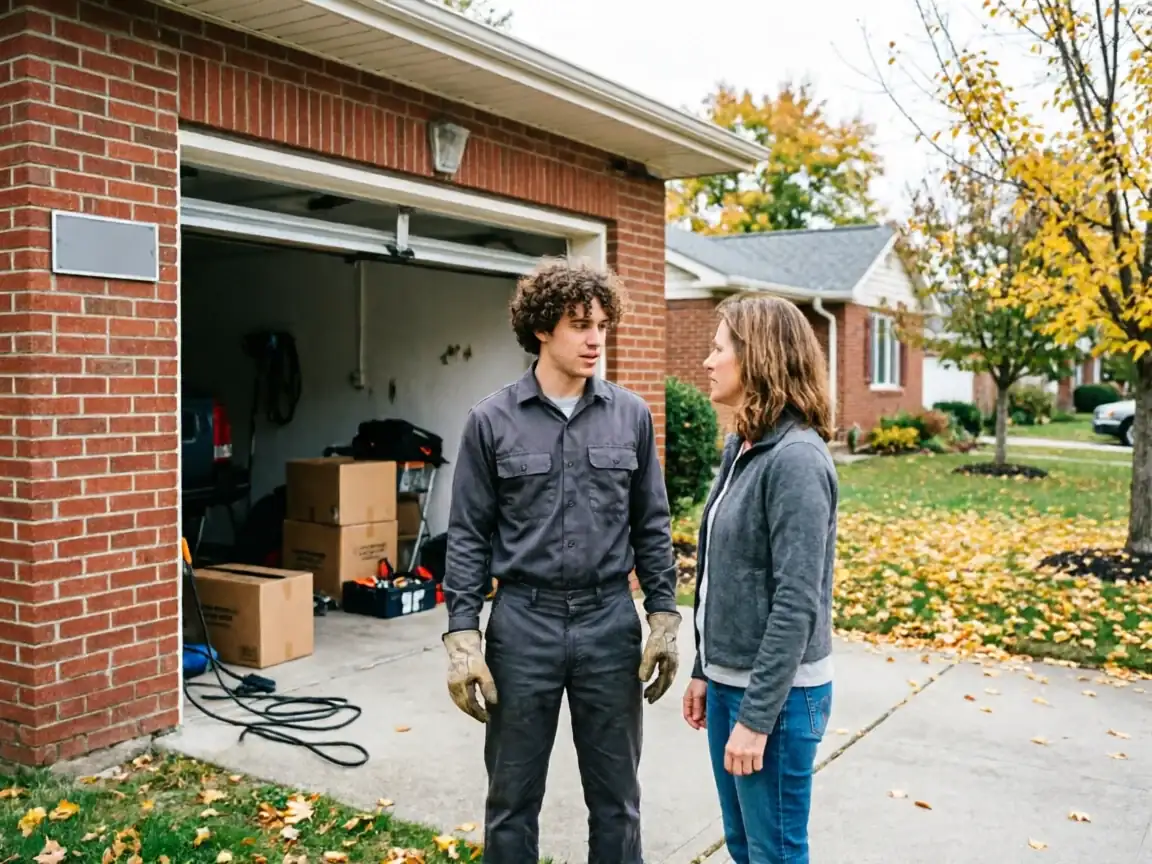
    A technician in work clothes talks to a woman in front of an open garage.

    Clear, up-front plan

    You get the fix that’s needed and what drives the cost - before any work starts.

  4. 4
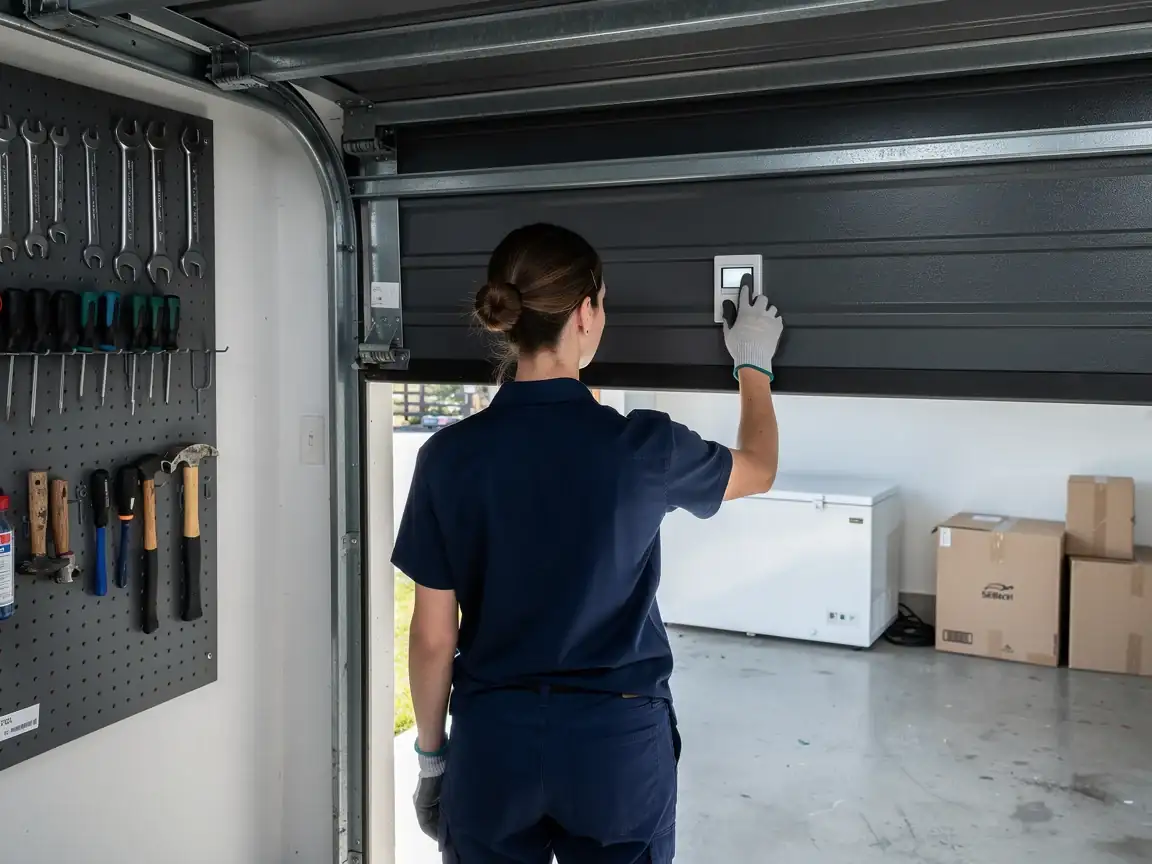
    A technician in a blue uniform adjusts a wall-mounted control panel on a gray garage door.

    Repaired & tested

    The repair is done, the door is set true and tested, and the work area left clean.

Not sure which repair your door needs in Woodbury, MN? Describe what it’s doing - every job starts with a diagnosis.

How we work

What to expect

Diagnosis firstEvery visit starts by finding what actually failed - not a pre-written parts list.
The right part for the doorSprings and openers matched to the door’s weight and age, so the fix holds up.
Straight answersWhen a repair makes more sense than a replacement - or the reverse - you hear it plainly.
Clean, careful workTension released safely, hardware set true, the door tested under power before we leave.
What we do

Garage Door Services

Repair and installation work for Woodbury homes and businesses.

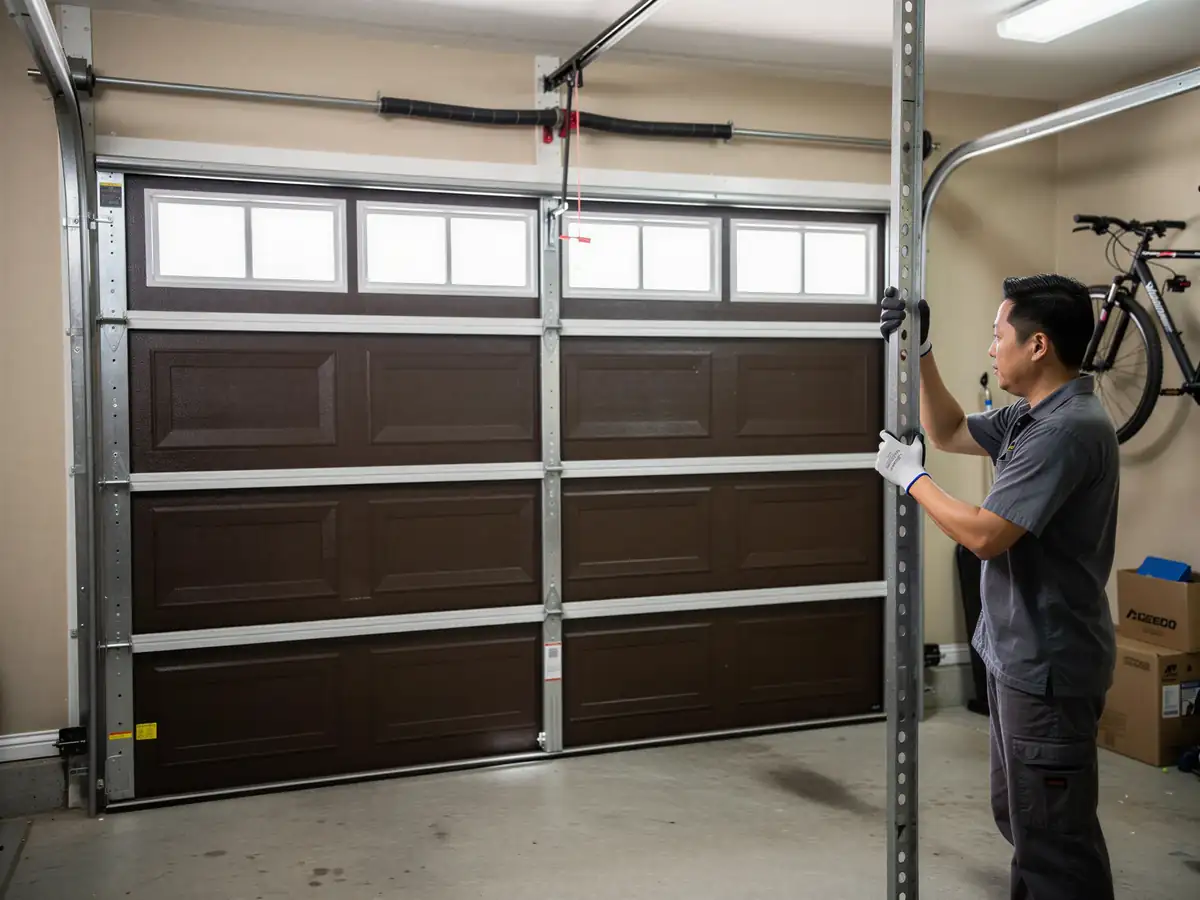
A technician in gloves holds a metal garage door track next to a brown garage door.

Garage Door Repair

Garage door repair for Woodbury homes built mostly in the 1960s-70s era, matched to Minnesota's cold climate and original torsion hardware still in use.

Learn more
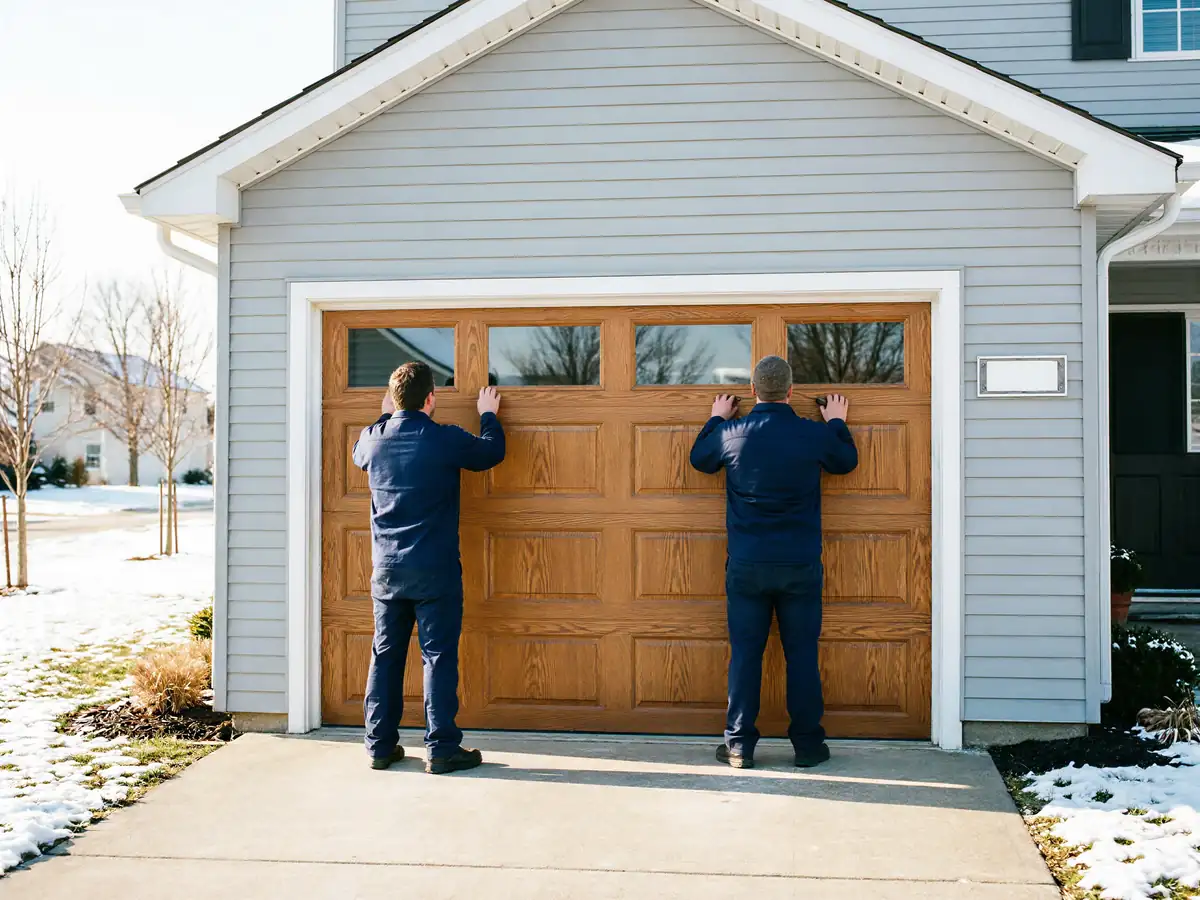
Two technicians in blue uniforms push on a brown garage door with windows.

Garage Door Installation

New garage door installation for Woodbury homes built 1956-2002, matched to original opening sizes and Minnesota's cold-climate sealing needs. Local install crew.

Learn more
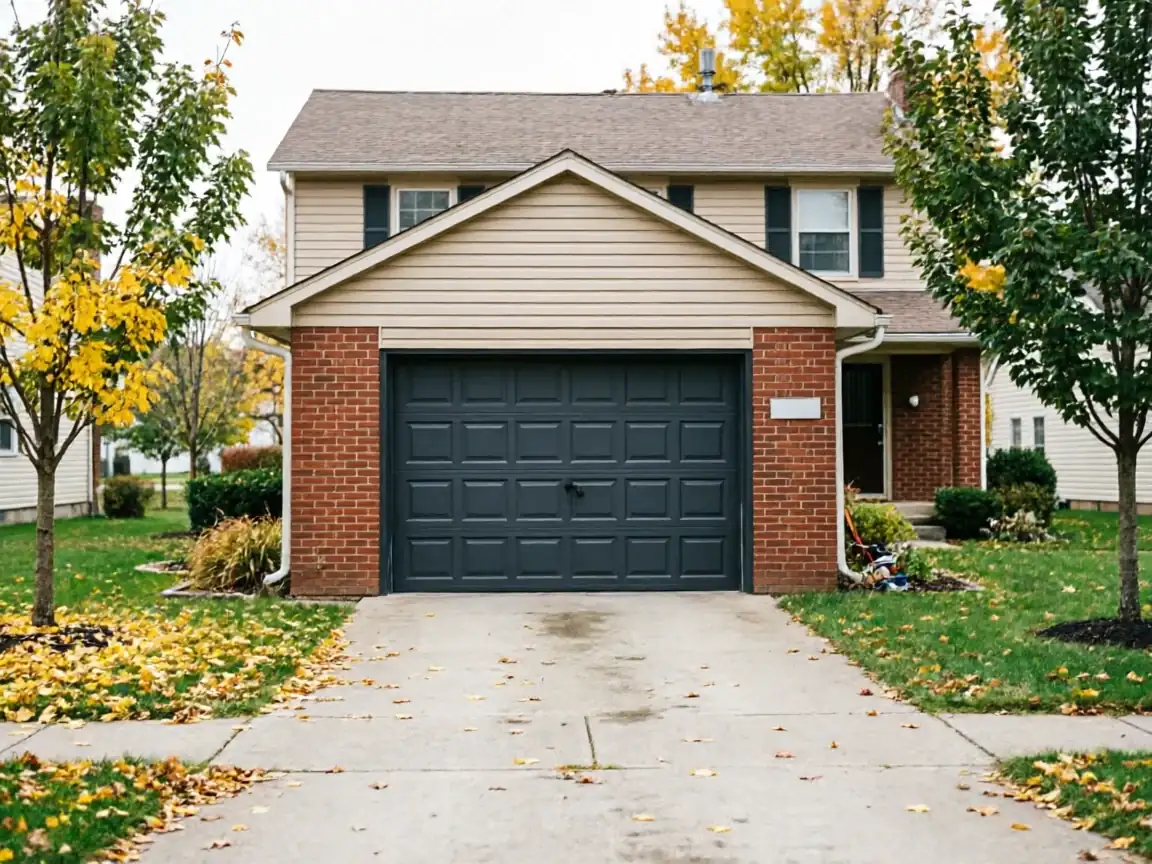
The house has a dark gray garage door, brick and tan siding, and a brown roof.

Garage Door Service

Garage door service in Woodbury, MN, built around the east metro's 1956-2002 housing stock and cold winters that wear out springs and openers faster than owners expect.

Learn more
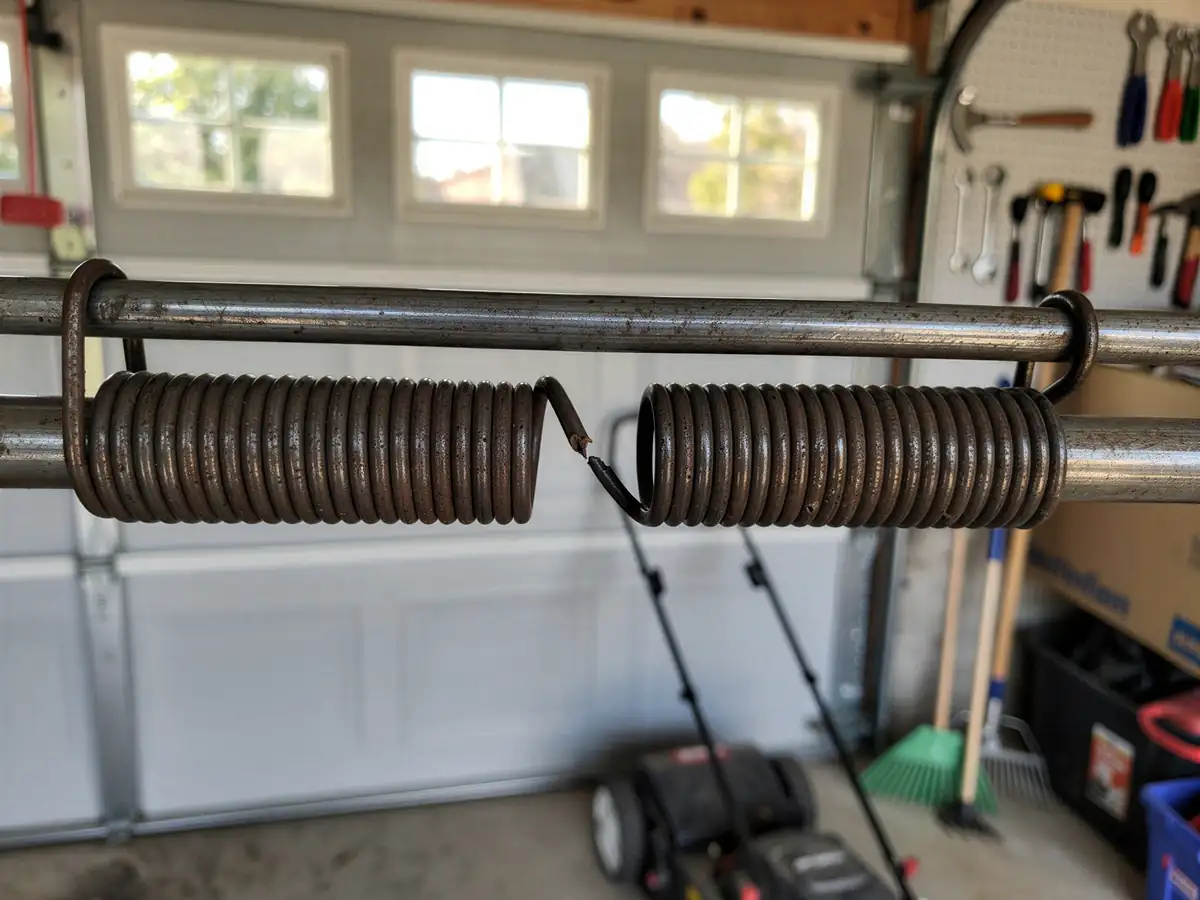
A rusted, broken torsion spring is on a metal rod in a garage.

Spring Repair

Broken garage door spring in Woodbury, MN? See why torsion springs fail early in homes built 1956-2002 and what a repair involves in our cold climate.

Learn more
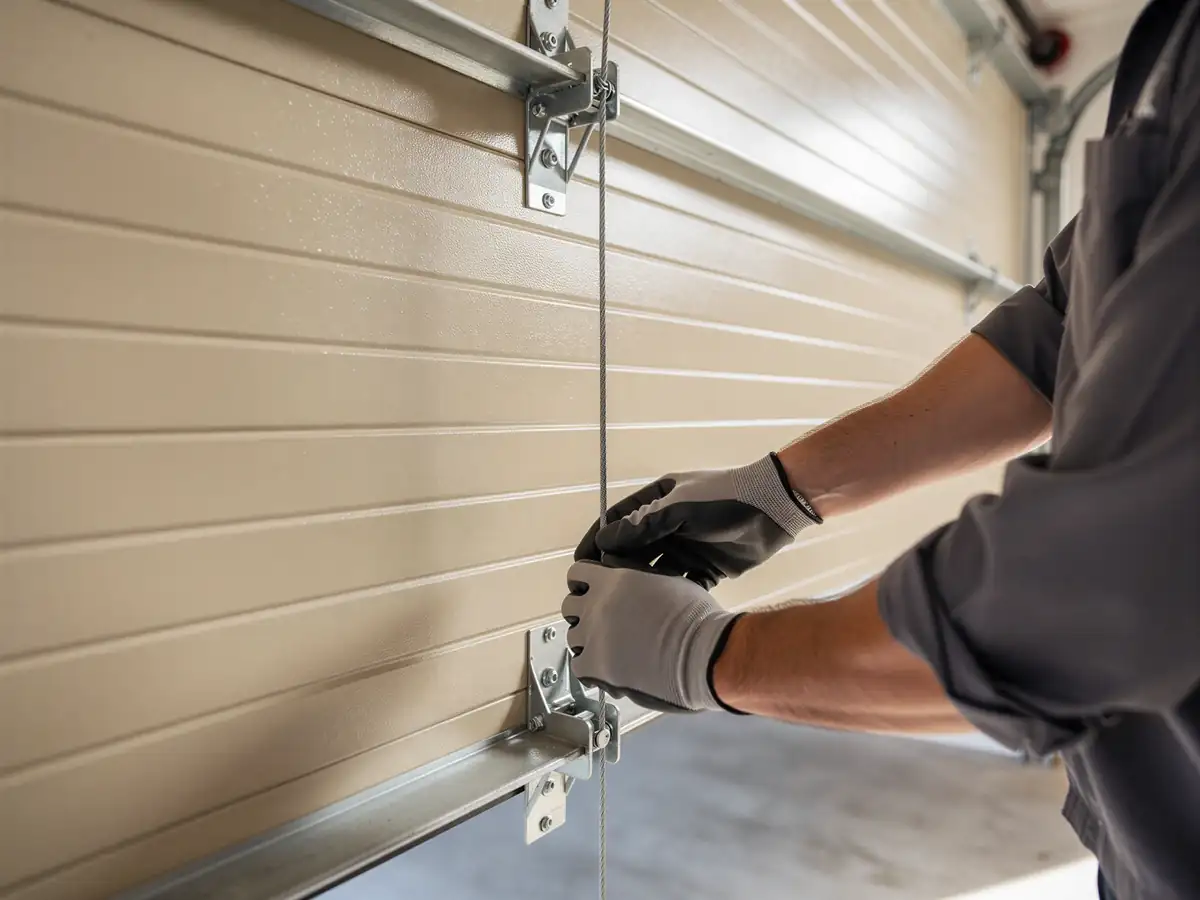
A technician wearing gloves adjusts the cable on a beige garage door.

Cable Repair

Broken or fraying garage door cables on Woodbury's 1960s-90s housing stock. We explain how cold winters and original hardware cause this fault and what a visit involves.

Learn more
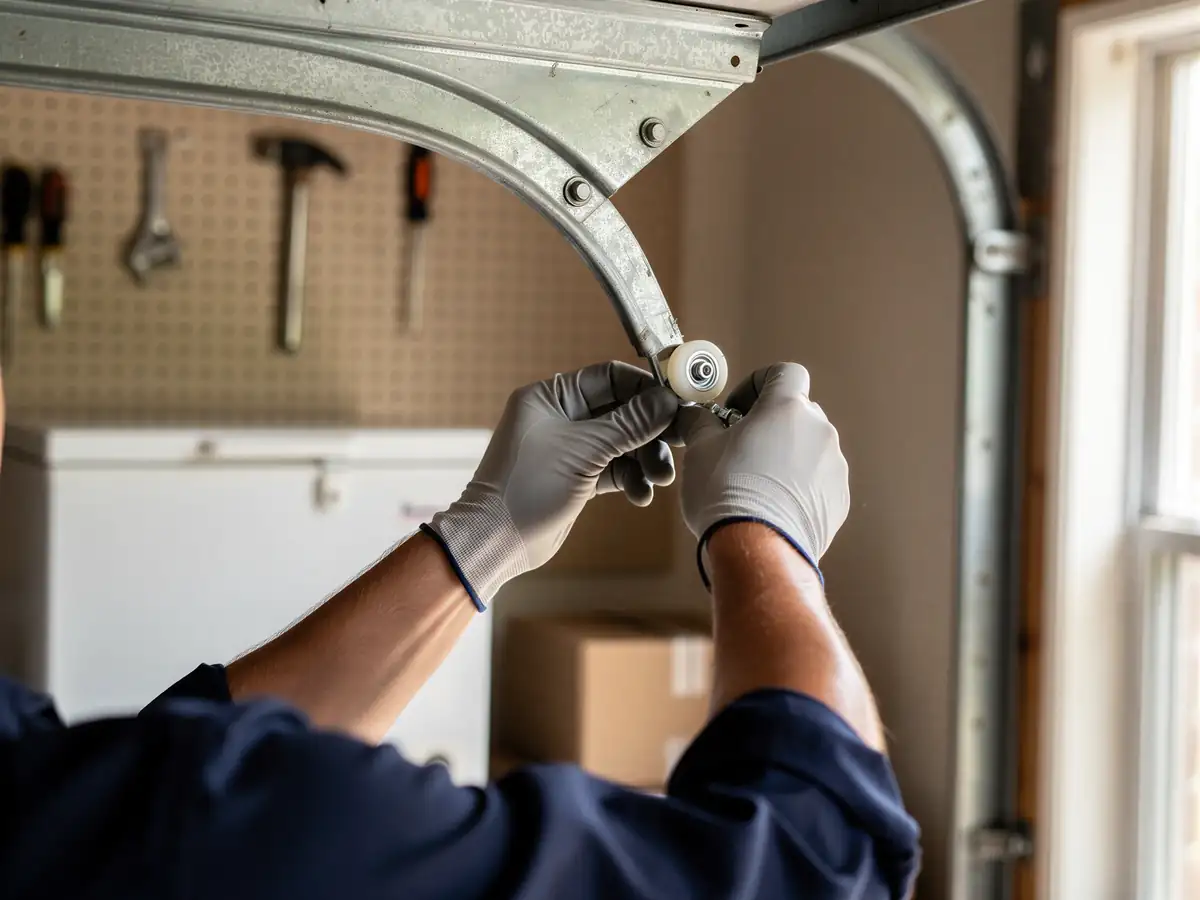
A technician wearing gloves is installing a new roller on a garage door track.

Roller Replacement

Worn or broken garage door rollers are common in Woodbury's 1960s-2002 housing stock. See why cold winters wear rollers fast and how a visit works.

Learn more
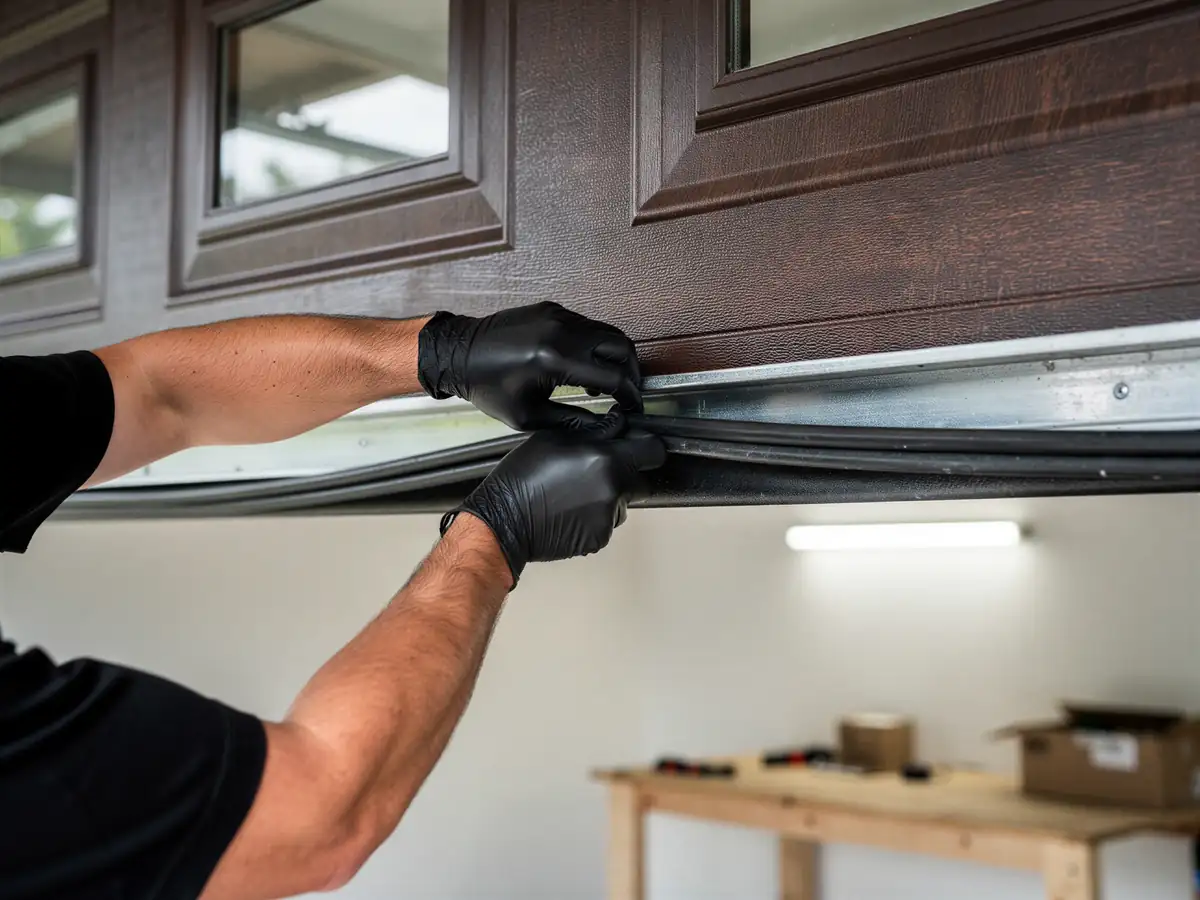
A technician wearing black gloves installs a new weather seal on a brown garage door.

Maintenance

Garage door maintenance in Woodbury, MN, tuned to the area's 1960s-70s housing stock and cold winters - spring, roller, track, and opener checks before something breaks.

Learn more
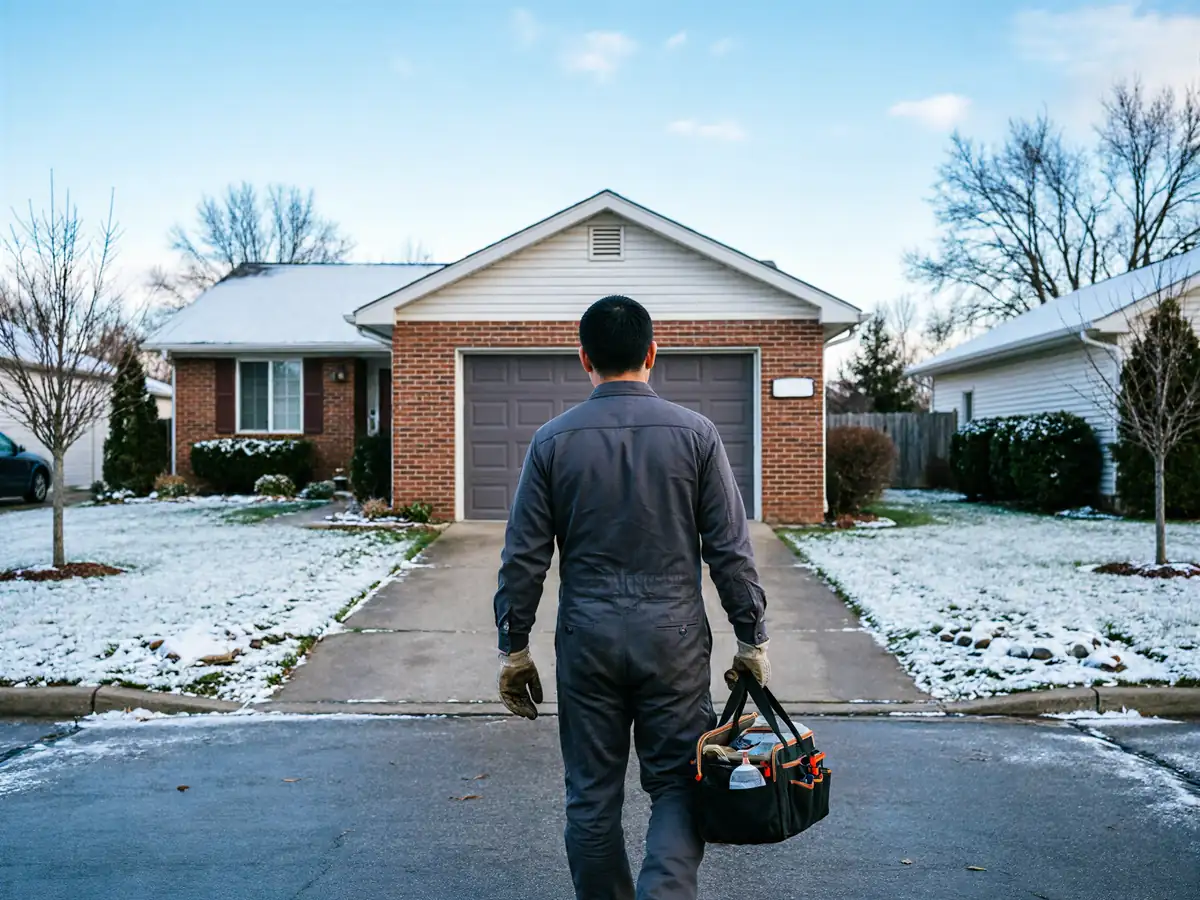
A technician carries a toolbox toward a brick house with a gray garage door.

Emergency Garage Door Repair

Broken spring or dead opener at 11pm in Woodbury? We cover the service area from Newport to Centerville, with repairs built for cold-climate torsion hardware.

Learn more
Questions

Frequently asked

Straight answers about garage door repair in Woodbury. Still unsure? Ask us directly.

Why does my garage door only jump the track in winter?

Cold steel is stiffer and less forgiving of small misalignments, and the slab underneath shifts with the freeze-thaw cycle typical of this climate. A track that tolerates a slightly loose bracket in August can bind or jump once temperatures drop and everything contracts.

My house was built in the 1970s, is the track original?

It's possible. A lot of homes in this area were built between 1956 and 2002, with plenty from the 1960s and '70s, and original track bolted into wood framing from that era is common. If nobody's replaced it, the hardware is old enough to be the cause of recurring misalignment.

Can a bent track always be bent back straight?

Not always. If it's bent more than about a quarter inch out of true, bending it back usually doesn't hold, especially with winter freeze-thaw working against the fix. Past that point, replacing the bent section is more reliable than repeating the same adjustment every few months.

Is a door off its track an emergency?

Stop using the opener right away if the door is visibly crooked or binding, since running the motor against a jammed track can damage the drive gear. It's not always a same-day emergency, but it shouldn't sit for weeks either, especially heading into cold weather.

Ready to get your garage door sorted?

Tell us what it’s doing and where you are in Woodbury - we’ll take it from there.

Request a QuoteCall