What the Weather Here Does to It
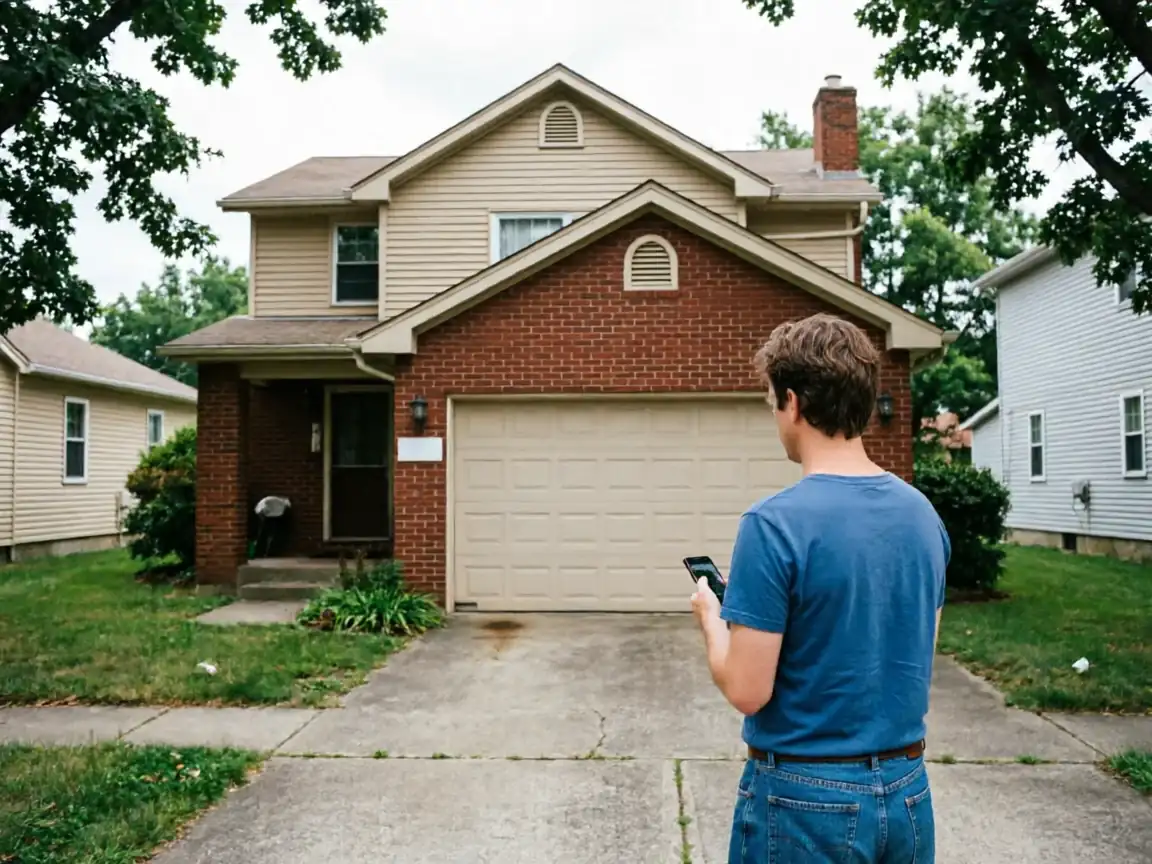
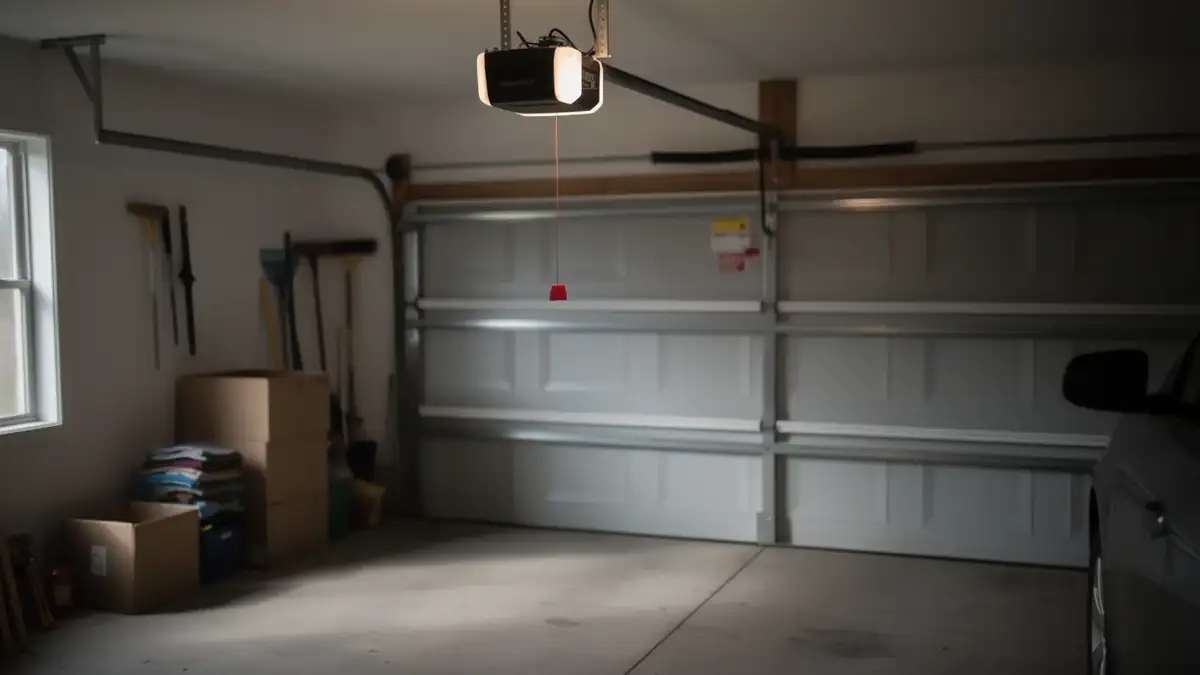
Woodbury sits in a cold, moderate climate band, and that matters more for your opener than most people think. The cold itself doesn't kill a motor, but the power cuts that come with winter storms do a number on anything that isn't set up for them. A lot of homes in this area were built between 1956 and 2002, with the median landing around 1976, which means a good share of the openers out there are original units or first replacements - chain-drive, no battery backup, built on the assumption the grid never blinks. When the power drops during a storm and the opener has no backup, the door sits wherever it was when the lights went out. If that's halfway up, you've got a gap in the wall until someone manually releases the trolley and walks the door down or up by hand. On a 10-degree night, that's not a small inconvenience - it's heat loss and a door that won't seal against the cold. Newer openers sold today almost all include battery backup, but swapping one in means dealing with whatever bracket, rail, and wiring setup came with a house from that era, which isn't always a drop-in job.
When to Get Help
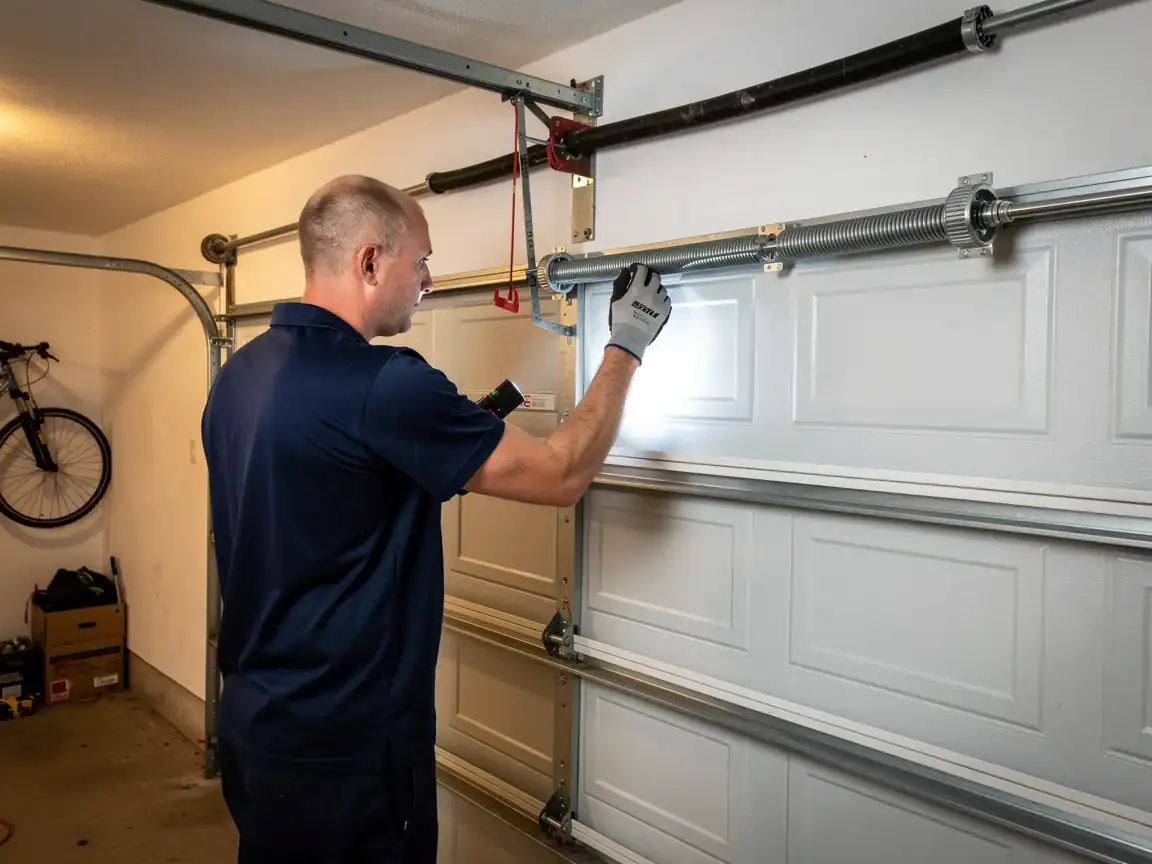
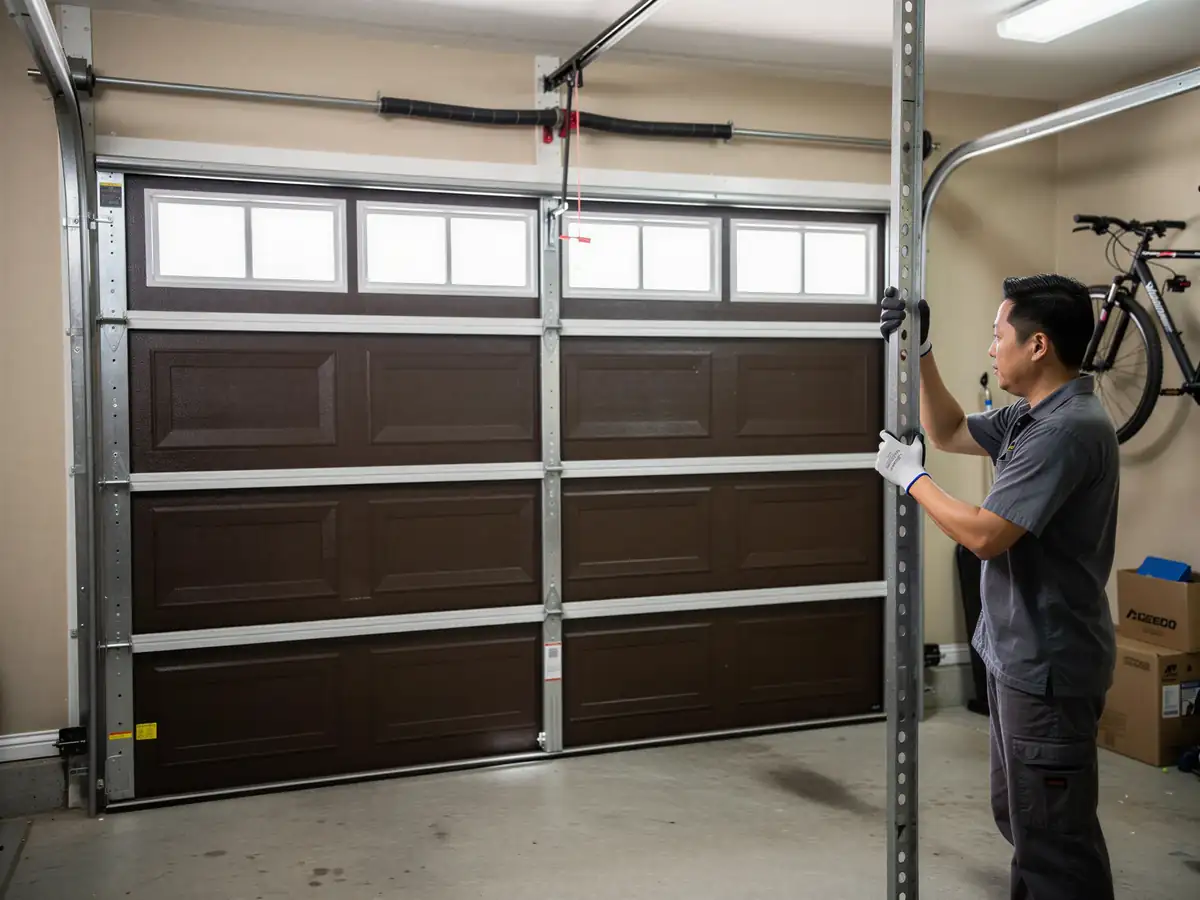
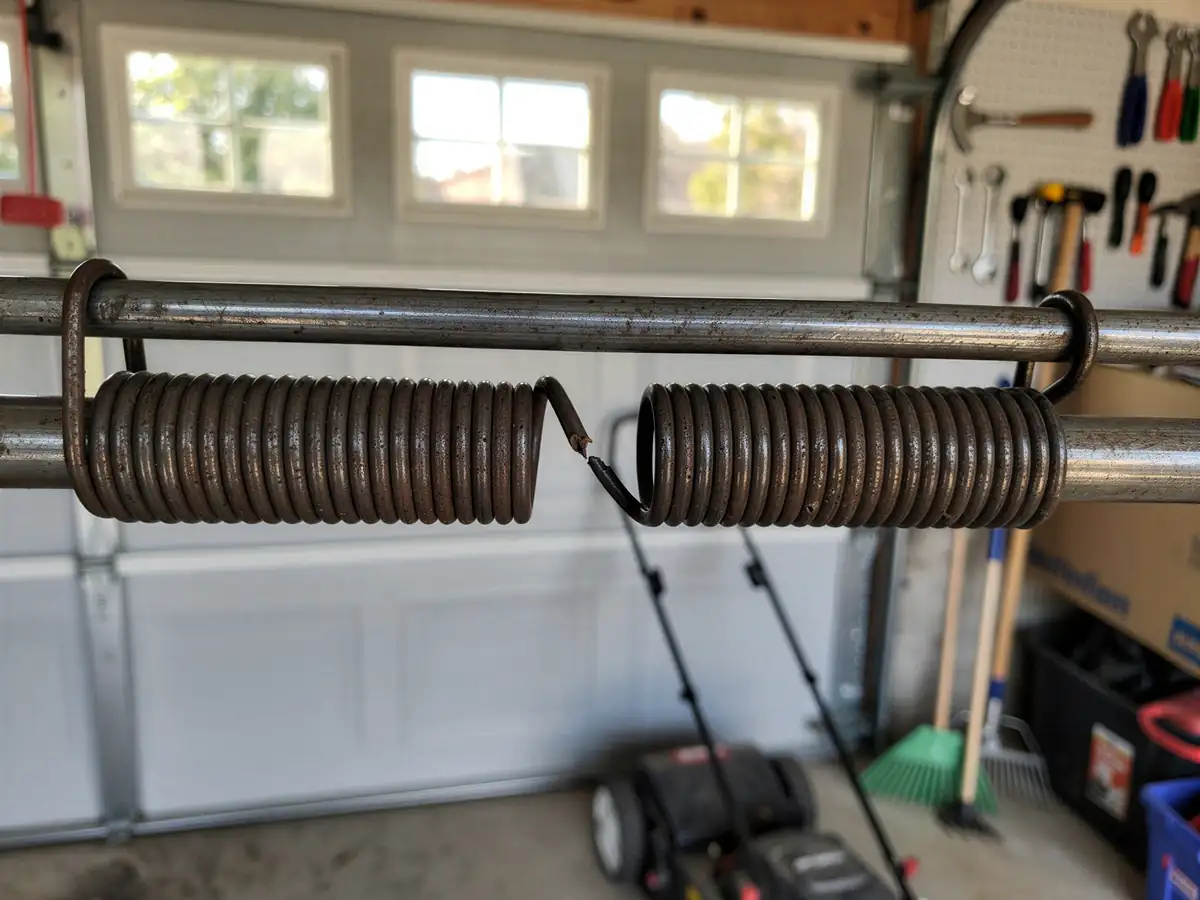
Call before you force anything. If the power is out and the door won't budge by hand after you've pulled the manual release cord, stop - that usually means a spring or cable issue, not just a dead opener, and pulling harder can bend track or snap a frayed cable the rest of the way. If the opener runs but the door reverses or stutters only during cold snaps, that's often a sign the unit is older stock from the original 1960s-70s build-out common across this area, and the lubricant or electronics are past their reliable life, not something a reset fixes. Get help the same day if the door is stuck open after an outage - an open garage in a Minnesota cold snap isn't just a security problem, it's a pipe-freezing problem. One honest limit: if your opener is original to a house from that 1956-1976 window, parts for it may not exist anymore, and a repair call often turns into a replacement conversation rather than a fix. We'll tell you straight when that's the case instead of billing for a part we can't get.
Season by Season
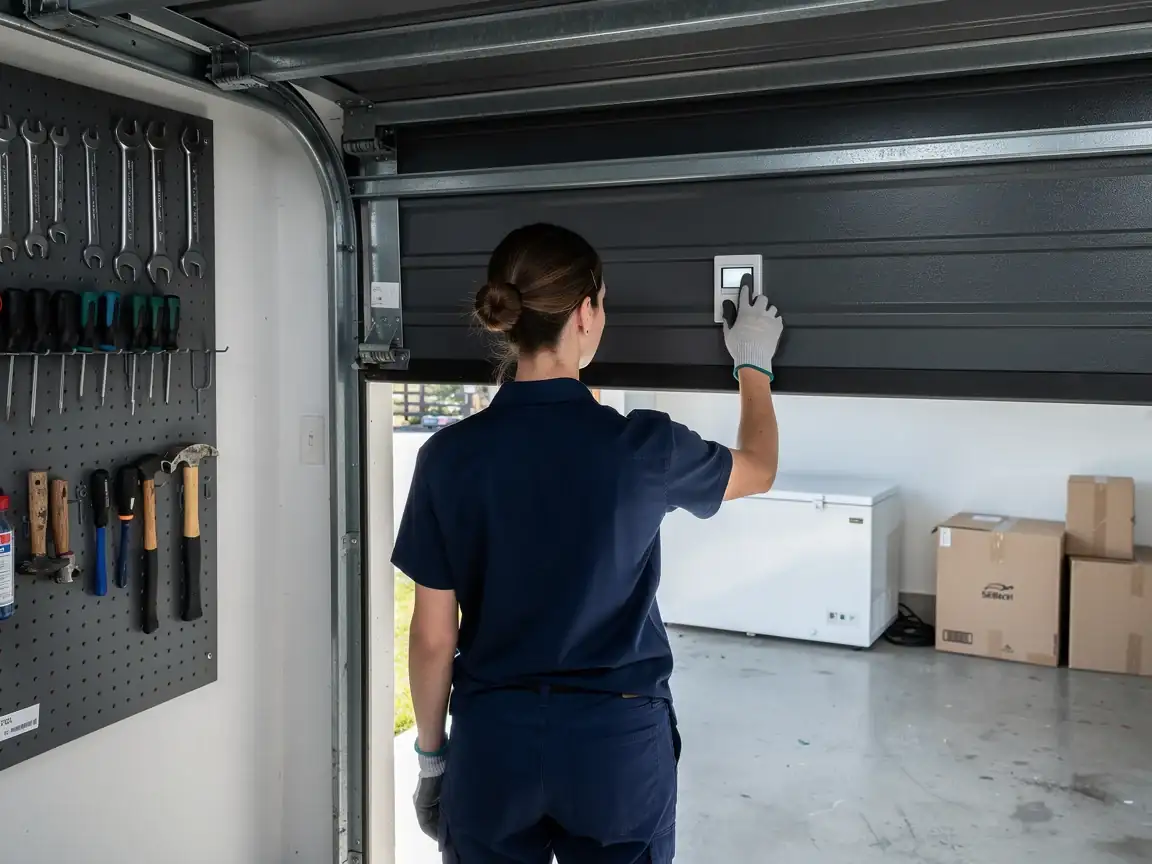
Late fall is when we'd tell you to check the opener's backup battery, if it has one, and test the manual release so you know where the cord is before you need it in the dark. Deep winter is when outages are most likely to line up with the coldest nights, and that's when an opener without backup leaves a door stuck open or shut at the worst possible time. Spring brings the thaw, and with it the freeze-thaw cycle that can shift a garage slab slightly - not an opener problem directly, but it can throw off how a door closes against the older track hardware common in homes from this build era. Summer's the easier season: fewer outages, fewer cold-related reversals, and a good window to actually get a battery backup unit installed before the next storm season instead of during it. None of this changes if you live closer to Newport or out toward Afton - the climate band and the housing age are the same across this stretch.