How It Shows Up
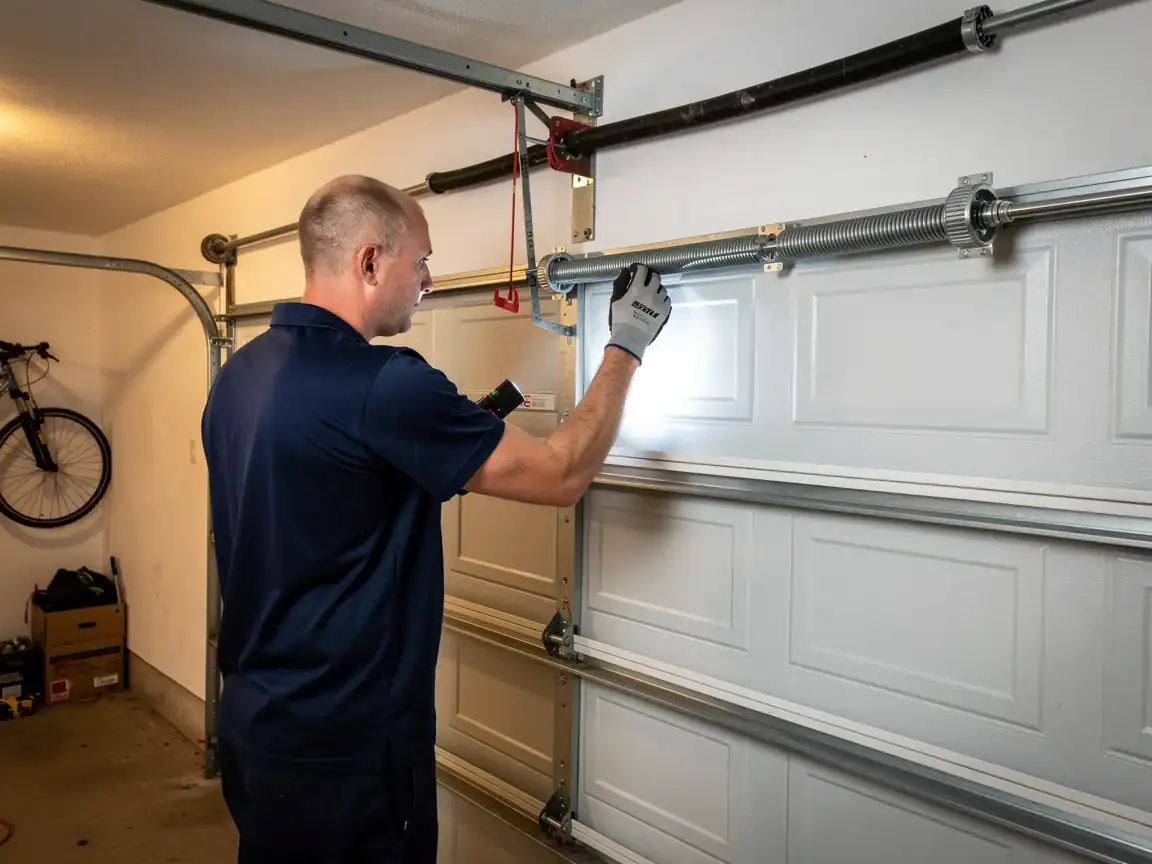
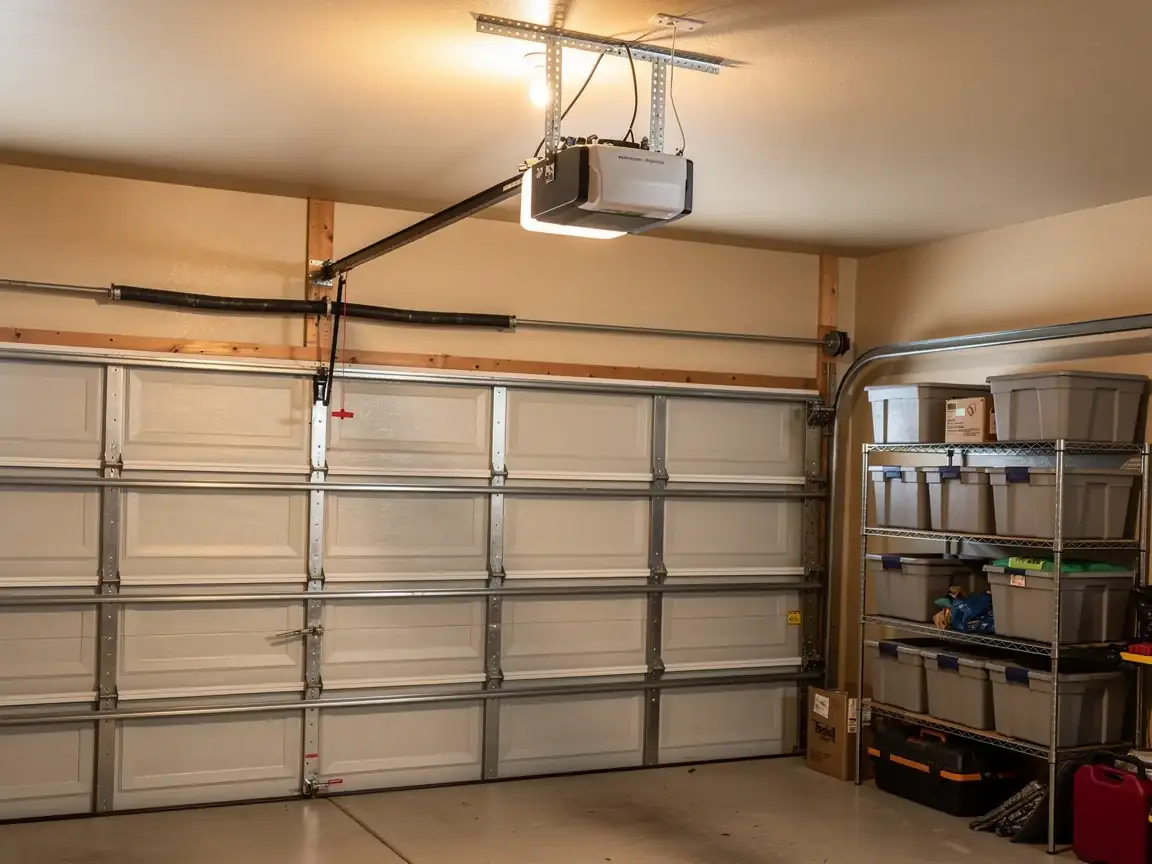
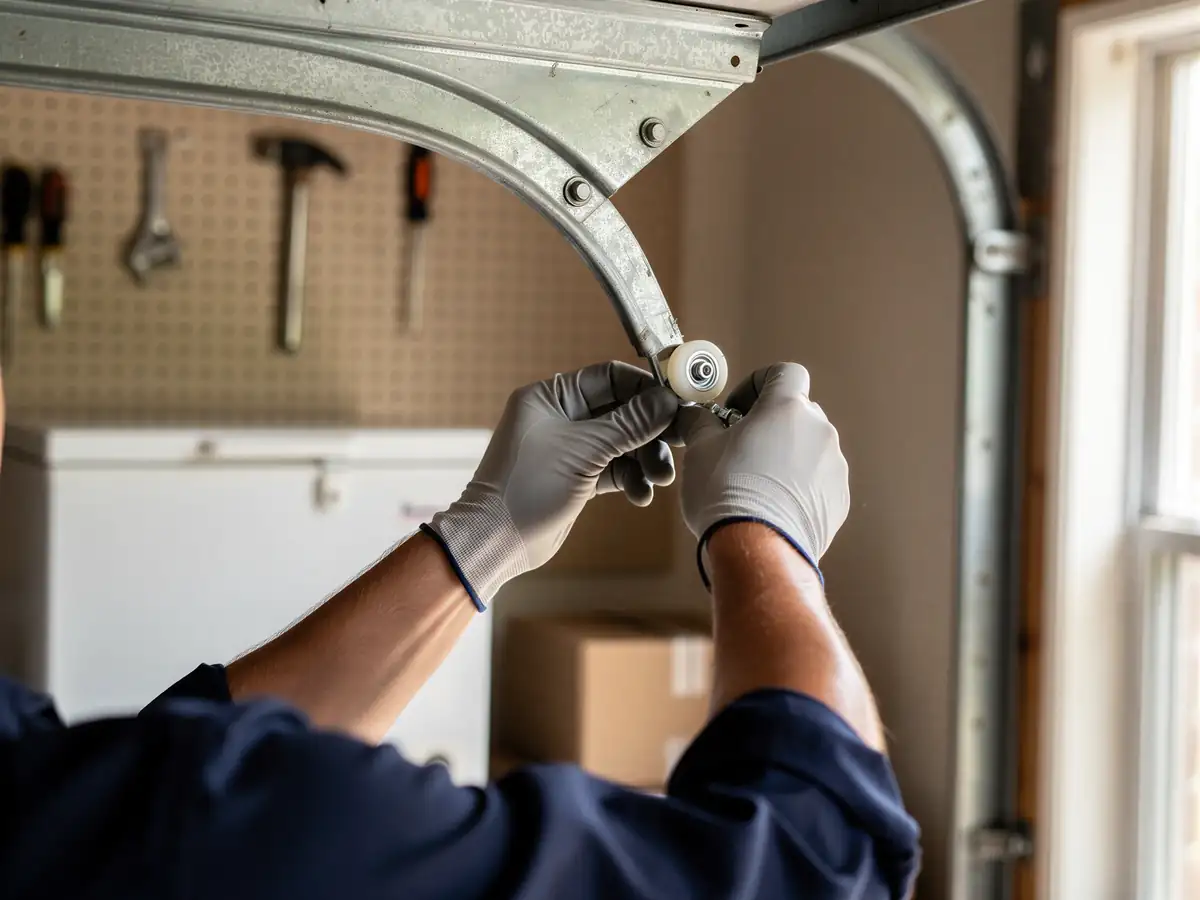
A roller going bad doesn't usually announce itself with a bang. It starts as a grinding or squealing noise every time the door travels past a certain spot in the track, often right where the track bends from vertical to horizontal near the top of the opening. Keep ignoring it and the door starts to hesitate there, like it's catching on something, because it is. A worn roller has flat spots or a cracked wheel and it's no longer rolling smoothly through the track, it's dragging or chattering through it.
On older steel rollers you'll sometimes see rust streaking down the track itself. On the nylon rollers common in replacements from the last couple decades, you're more likely to hear the plastic wheel knocking against the stem housing before it finally splits. Either way, the door comes off track more easily, panels can shift slightly out of alignment, and in the worst case the roller stem punches through the panel it's mounted to. That's a bigger repair than the roller itself.
If you're searching for this because of a specific noise, pay attention to which section of track it happens in and whether it's getting worse week to week. That detail matters when a tech is sizing up the job before they even open your garage.
Why It Happens Here
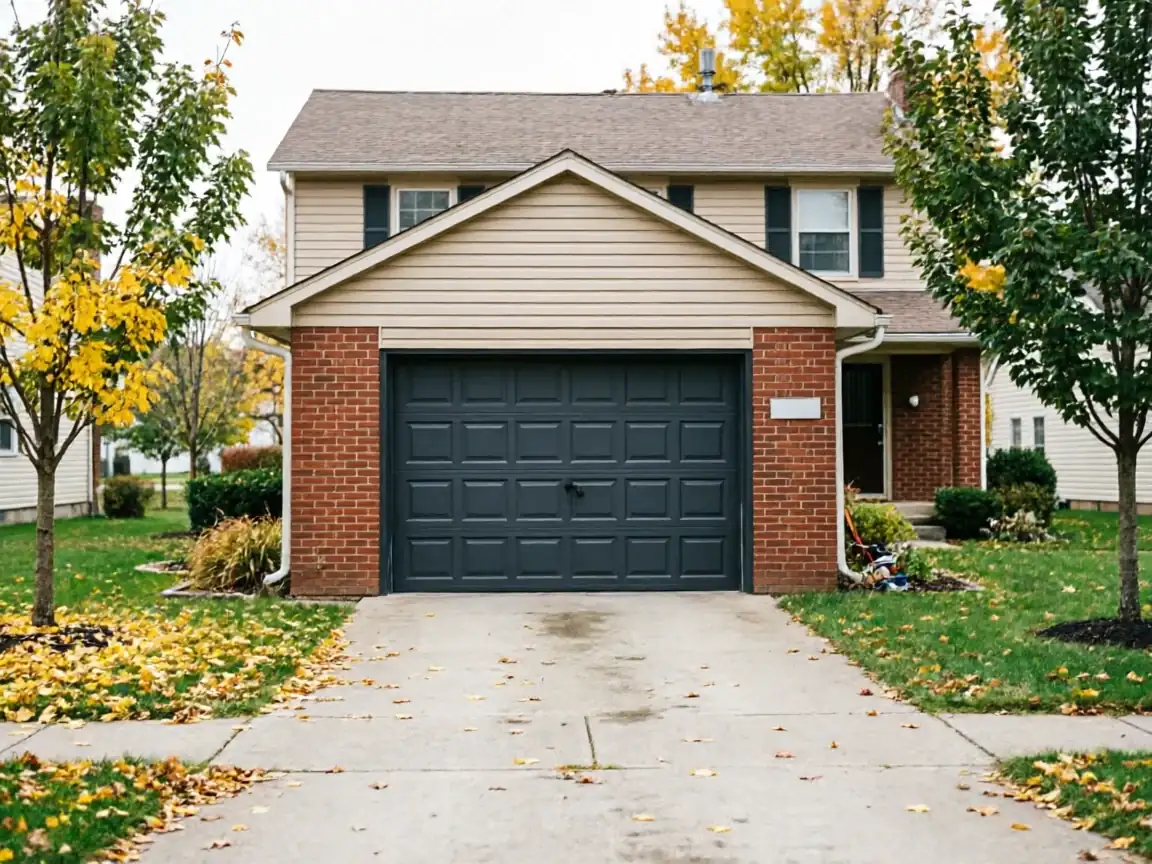
Most houses in the Woodbury service area were built between 1956 and 2002, with the bulk of that stock dating to the 1960s and 70s across the 33 named areas this region covers. That means a lot of original or early-generation steel rollers and ball-bearing assemblies that were standard then but weren't built for the number of open-close cycles a door sees over 50-plus years, let alone two vehicles and a daily commute.
The bigger factor is the climate itself. This is a cold, moderate climate zone, and that combination of hard freezes and seasonal swings is rough on roller bearings specifically. Grease thickens and seizes up in deep cold, metal contracts and expands with every freeze-thaw cycle, and condensation inside an unheated garage corrodes bearing races from the inside even when the roller looks fine from outside. Steel rollers in houses from this era are especially prone to this because they were never sealed as tightly as current nylon designs.
So you end up with two things stacking on each other: hardware that's old enough to be near end of life, and a climate that accelerates wear on exactly the part that takes the most repetitive stress. That's a different failure pattern than you'd see in a warmer, drier region, where the same roller might run another five years without complaint.
What It Costs
We don't have a flat number to put here that would hold up across every door, spring setup, and roller type in this service area
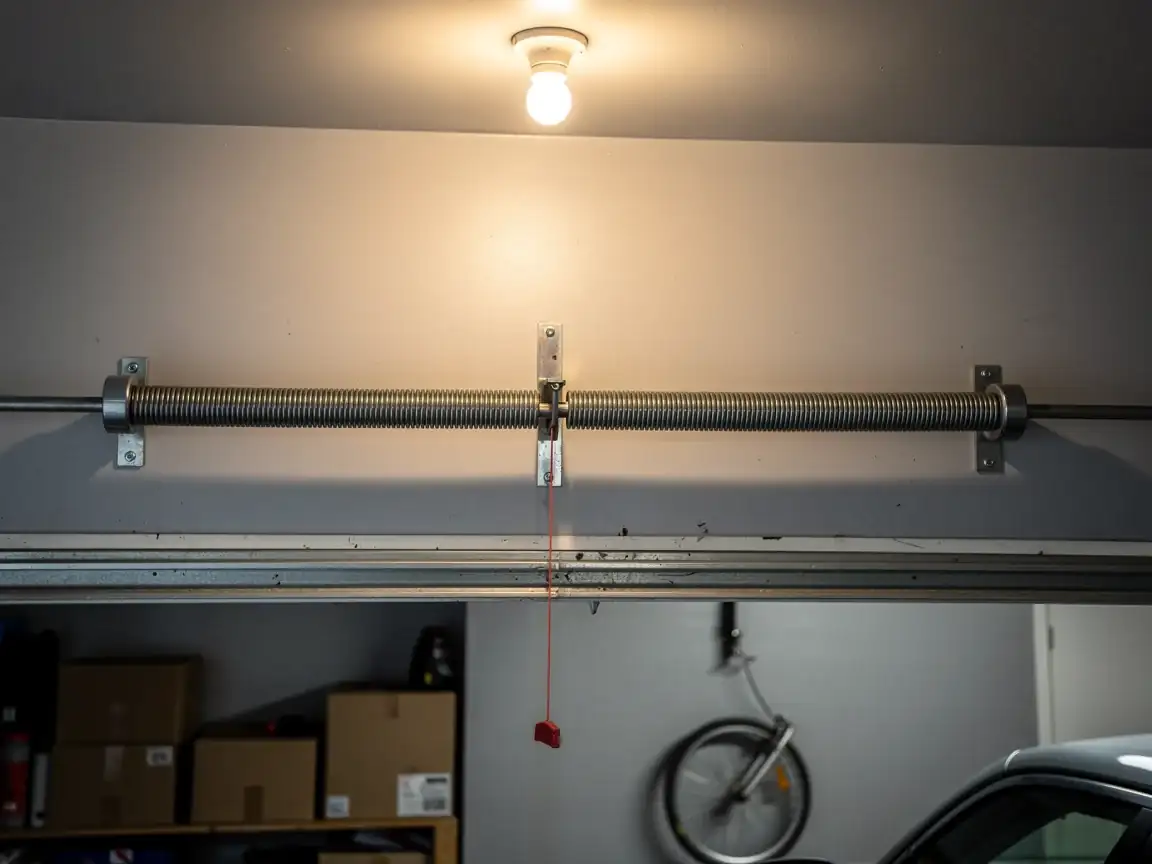
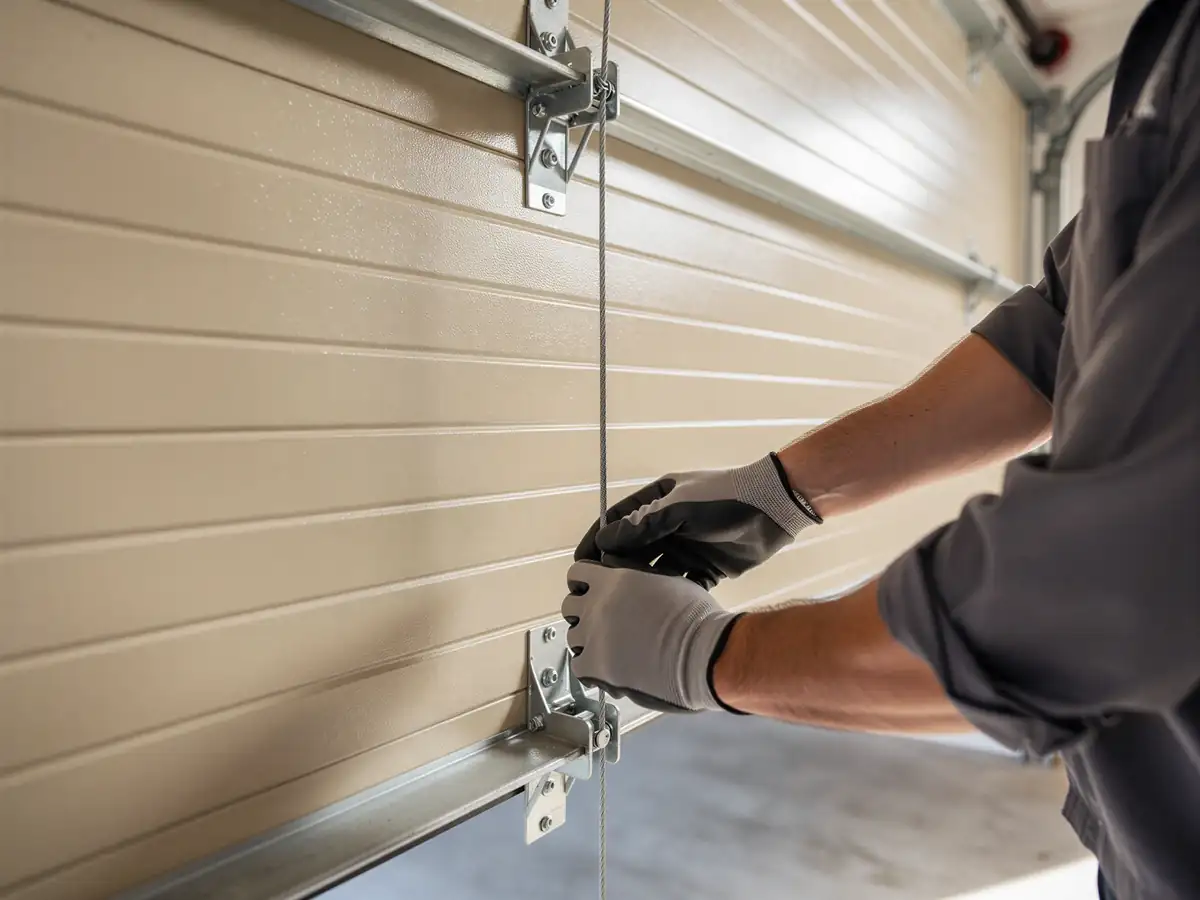
And we'd rather tell you that than quote a figure that doesn't match your actual job. What drives the cost is roller count (a standard door has 10 to 12), roller material (steel versus nylon versus the sealed-bearing kind), and whether the track itself needs straightening or replacing alongside the rollers, which happens more often than you'd think once a bad roller has been grinding through a bend in the track for a few months.
One honest limitation
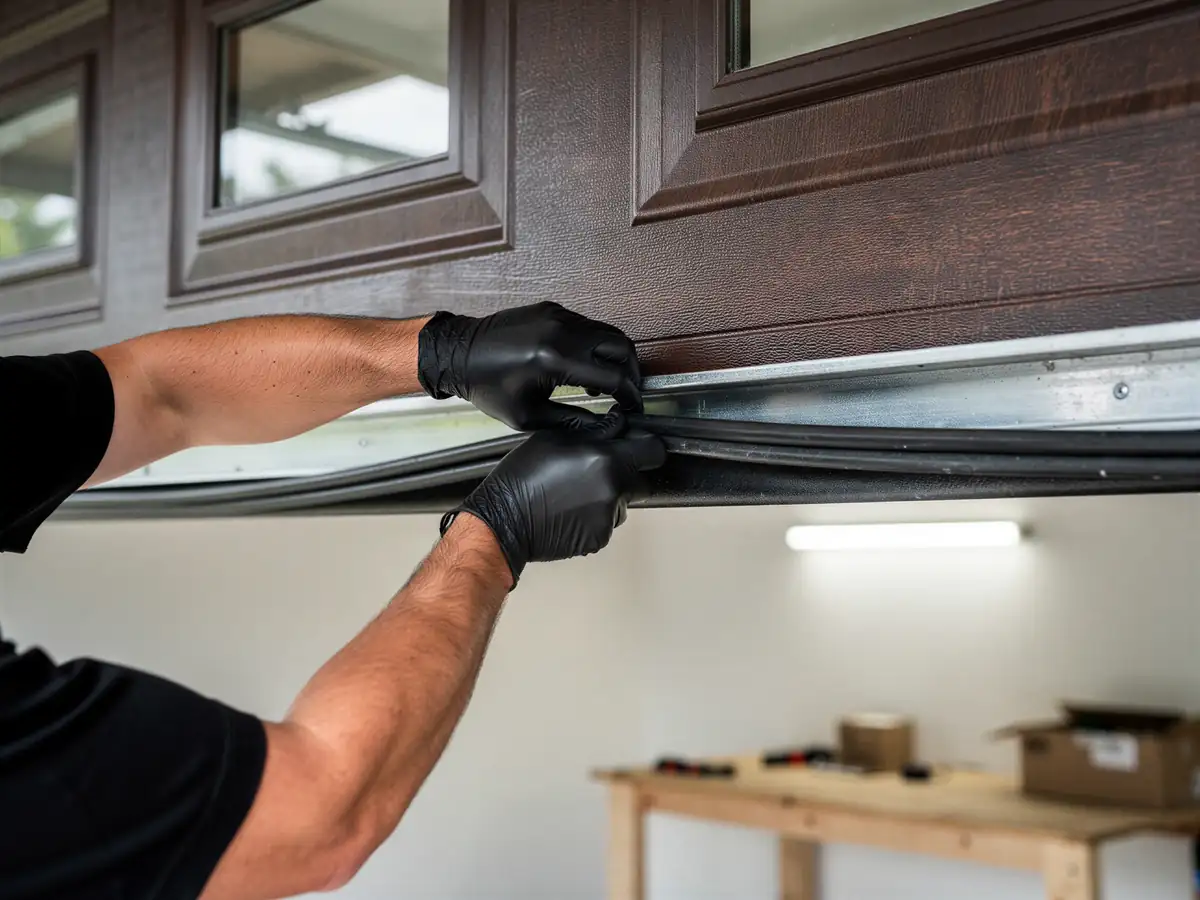
If your rollers failed because the track is already bent or the door is out of alignment, swapping rollers alone won't fix the noise. A tech needs to look at the whole run before quoting anything, because selling you rollers on a bent track just means you call back in a few weeks.
Booking a Visit
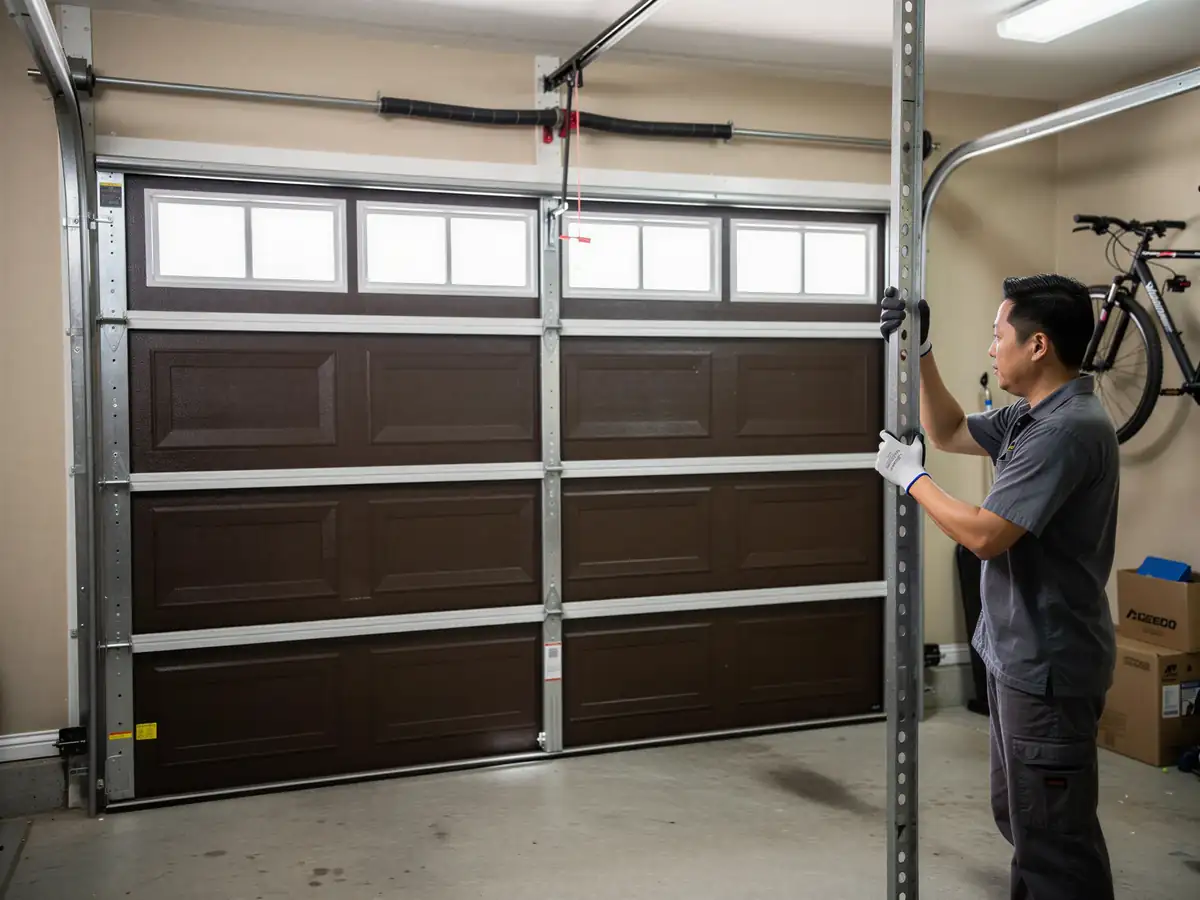
If you're hearing that grind or catch, it's worth getting a tech out before a roller fails completely and takes a panel with it. Describe where in the track the noise happens and whether it's gotten louder or more frequent over the last few weeks. That's useful information before anyone sets foot in your garage.
This service covers the Woodbury area along with nearby communities including Newport, Afton, Lake Elmo, South St. Paul, Oakdale, St. Paul Park, West St. Paul, Lakeland, North St. Paul, Inver Grove Heights, Bayport, Oak Park Heights, Mendota Heights, Mahtomedi, Little Canada, Grant, Hastings, Vadnais Heights, Dellwood, Falcon Heights, Roseville, Coates, North Oaks, Arden Hills, Vermillion, St. Anthony, Richfield, New Brighton, Columbia Heights, and Centerville. Visit our homepage for the full list of services we run across this area.