What the Weather Here Does to It
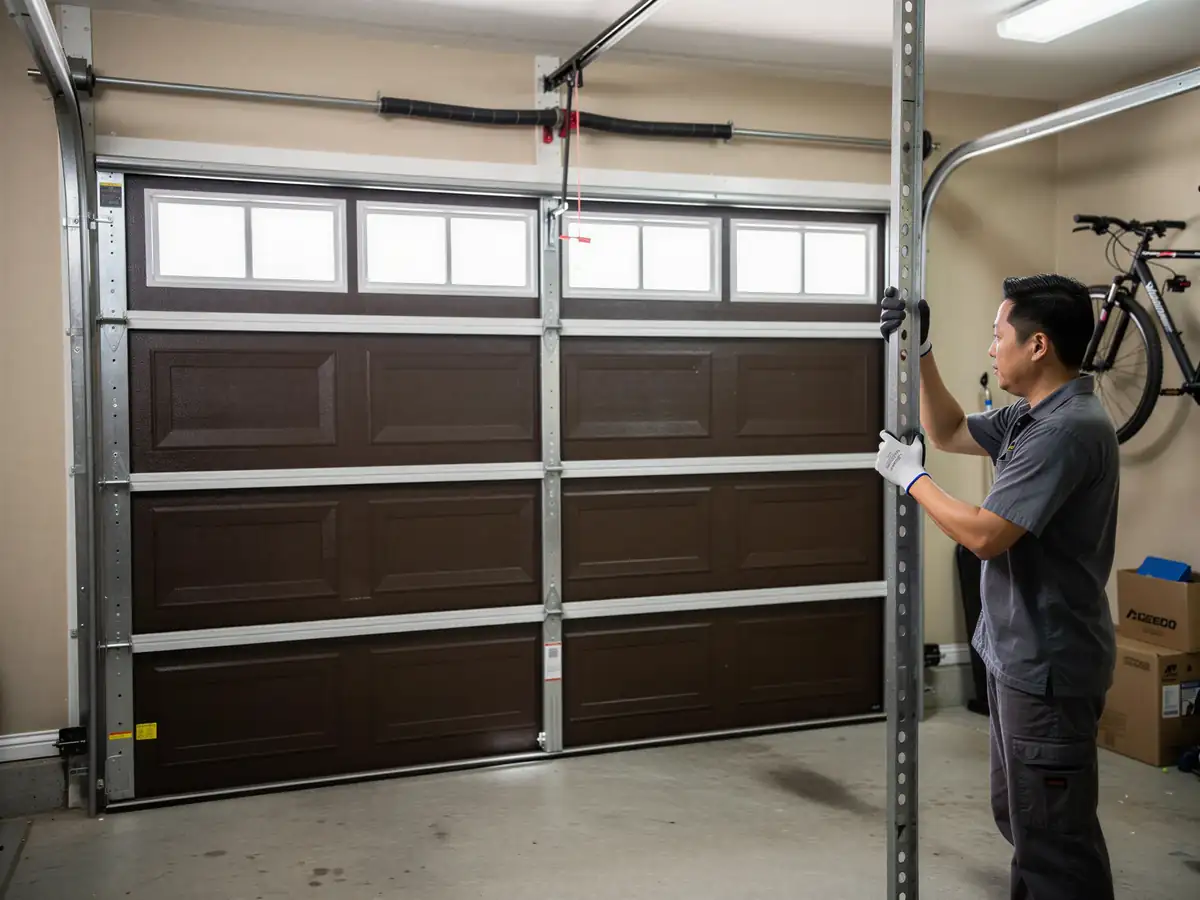
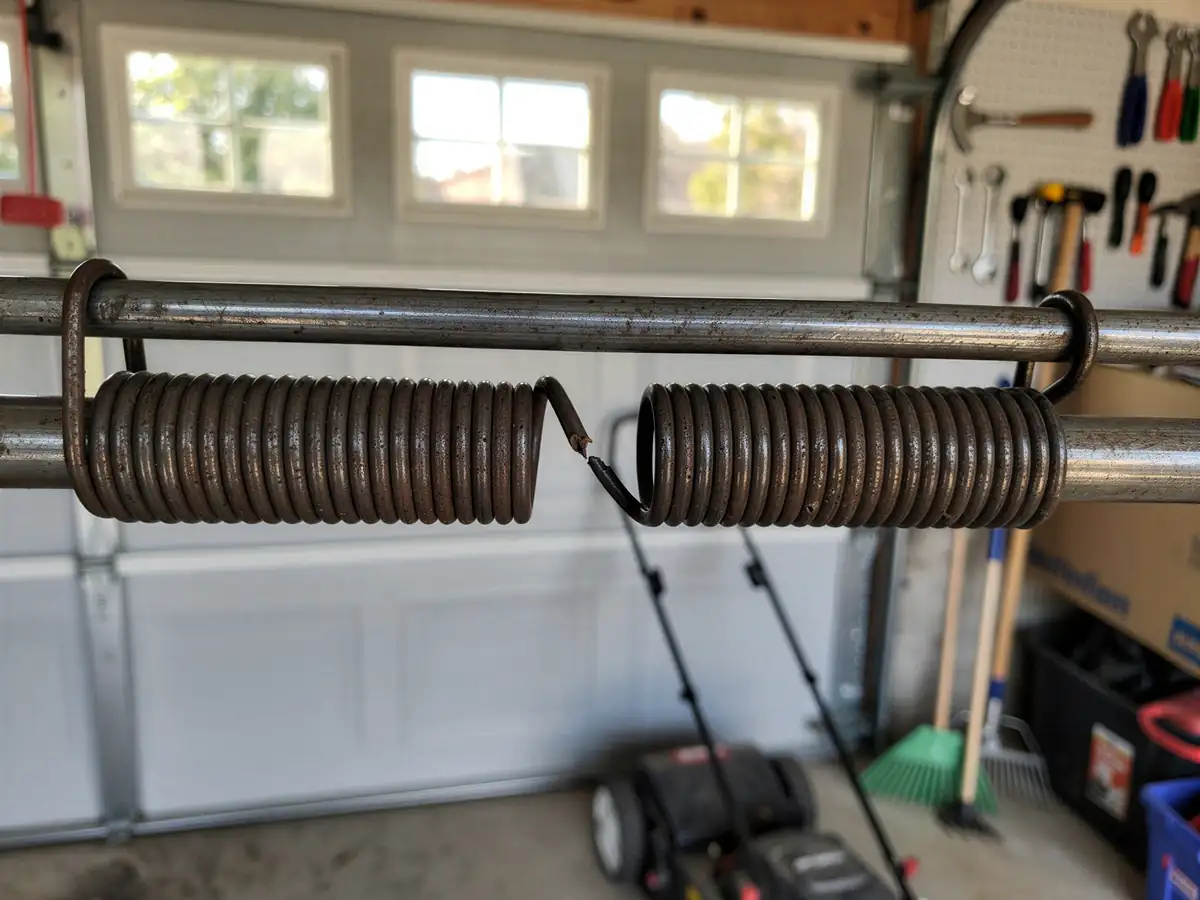
This is a cold-climate area, not a mild one, and that matters more for an old door than most owners think. A torsion spring doesn't fail because it's tired of lifting the door - it fails from thermal cycling, the steel flexing tighter in a hard freeze and looser once the garage warms back up. A door and spring set installed anywhere near the median build year of 1976 has been through four or five decades of that cycle, which is a lot more wear than the same hardware would see somewhere with a shorter winter.
Tracks take a different kind of beating. Condensation off a cold slab settles into the roller channel, freezes overnight, and glazes the track with a thin layer of ice that a worn roller can't ride over smoothly. On an original steel track from the 1960s or 70s, the mounting brackets have usually loosened enough over the years that this ice buildup turns into a grinding or binding motion instead of a quiet roll. None of this means the door is junk. It means the parts doing the work are old parts, in a climate that doesn't go easy on old parts, and that's the starting point for deciding what to fix.
When to Get Help
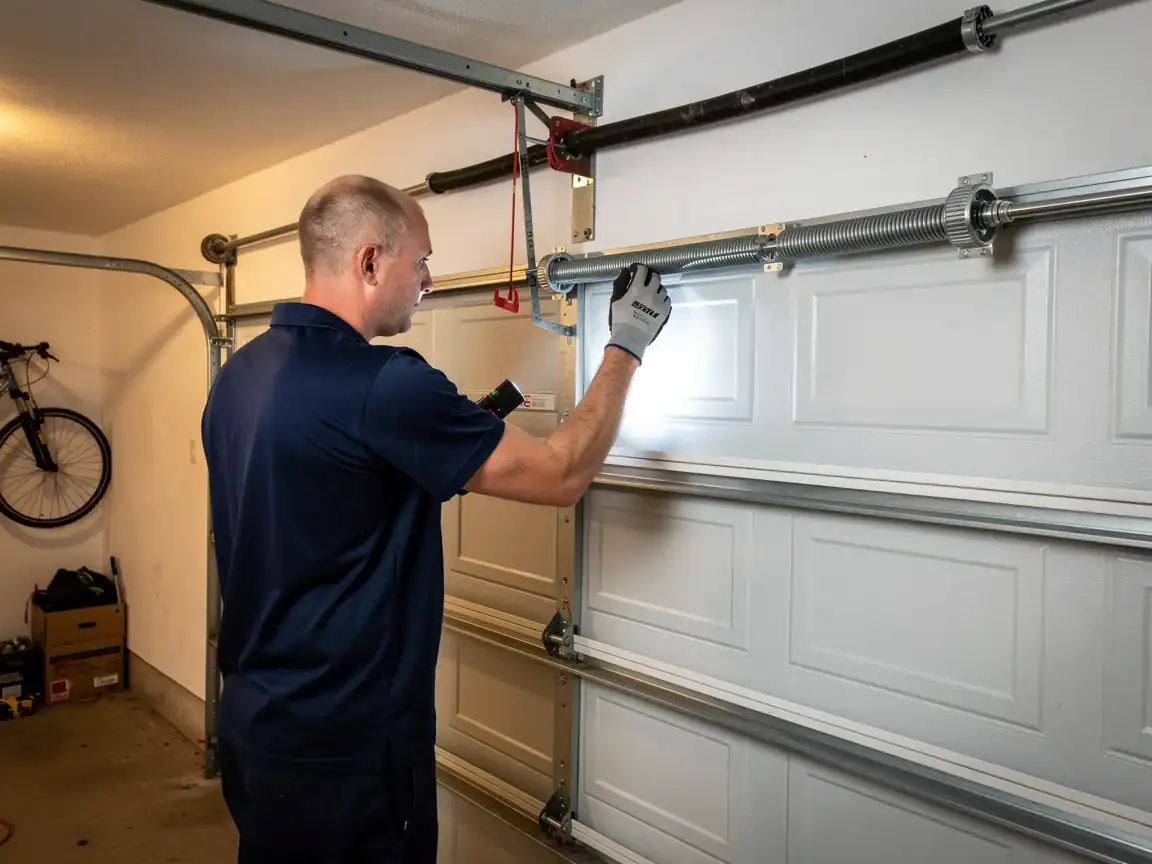
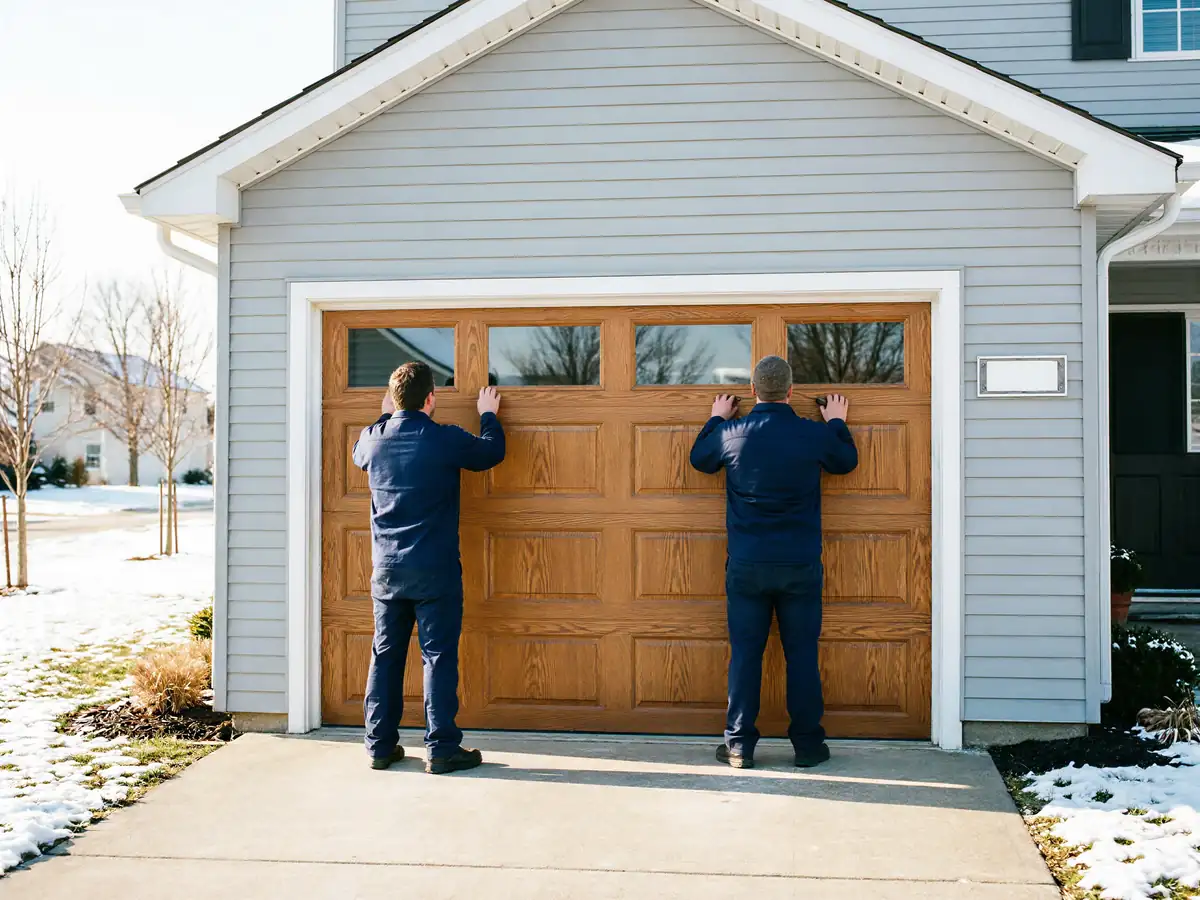
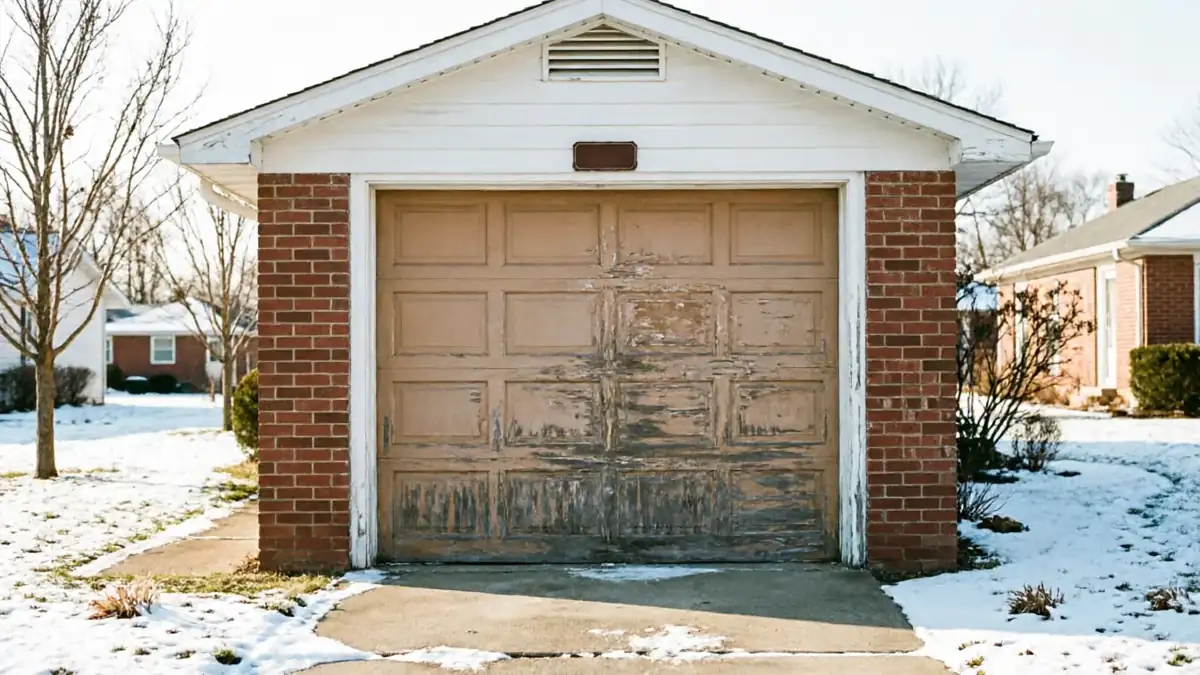
A door built during Woodbury's main construction era - the 1960s through the 1970s mostly, with some stock running later - tends to show its age in predictable ways. If the panel sags visibly at the center when the door is down, or if you can see daylight at the corners, the panel itself has likely warped past the point where tightening hardware fixes it. A torsion spring that's original to a house from that period is well past any reasonable service life; if it hasn't already snapped, get it swapped before it does, ideally before a cold snap, since a spring under tension in freezing temperatures lets go harder.
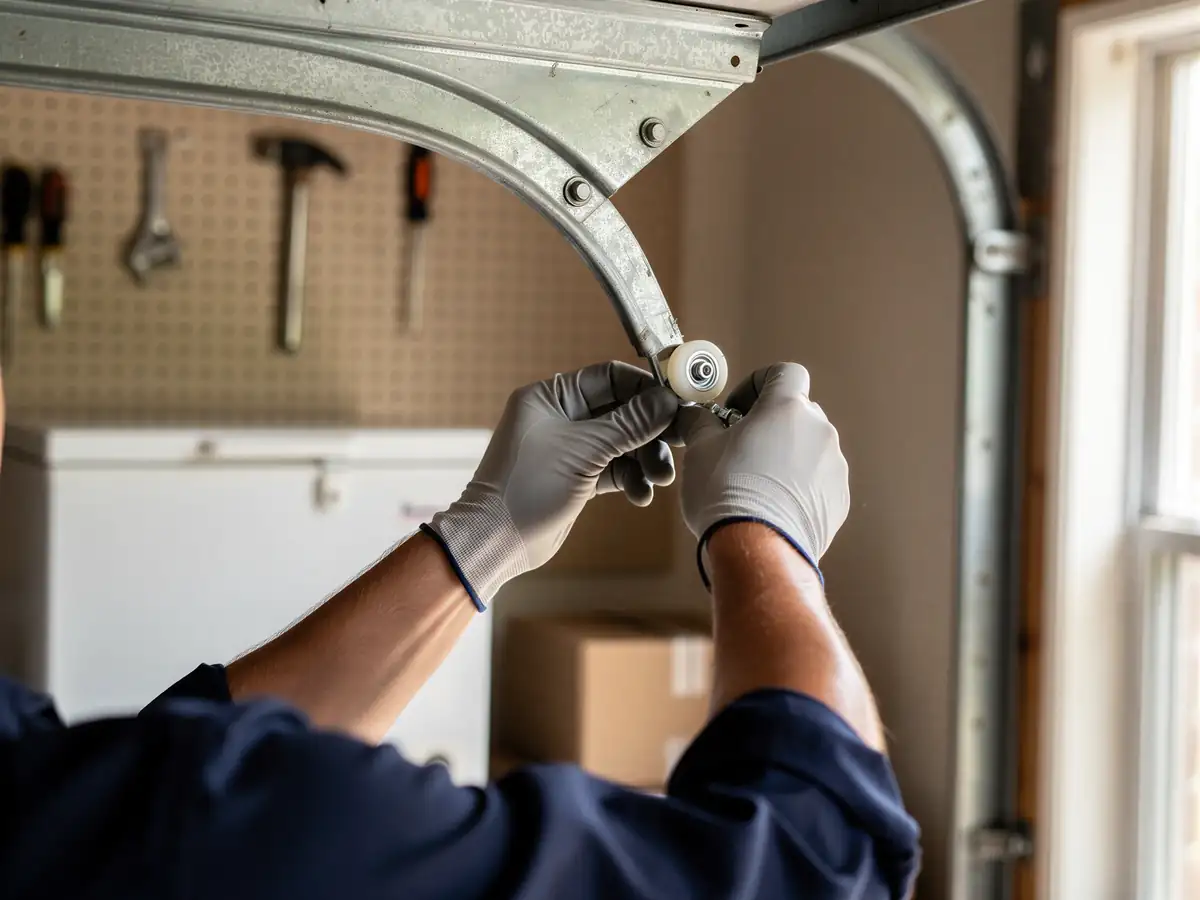
Worn rollers are a smaller call. If the door is loud and jerky but the track is straight and the cables look sound, new rollers and a lube job often solve it without touching anything structural. The harder judgment call is the opener. A chain-drive unit from that same building boom is loud and slow by today's standard, but a working motor isn't a reason to replace it on its own - wait until it actually stops reliably reversing on obstruction, since that's a safety issue, not just a comfort one.
The Situation
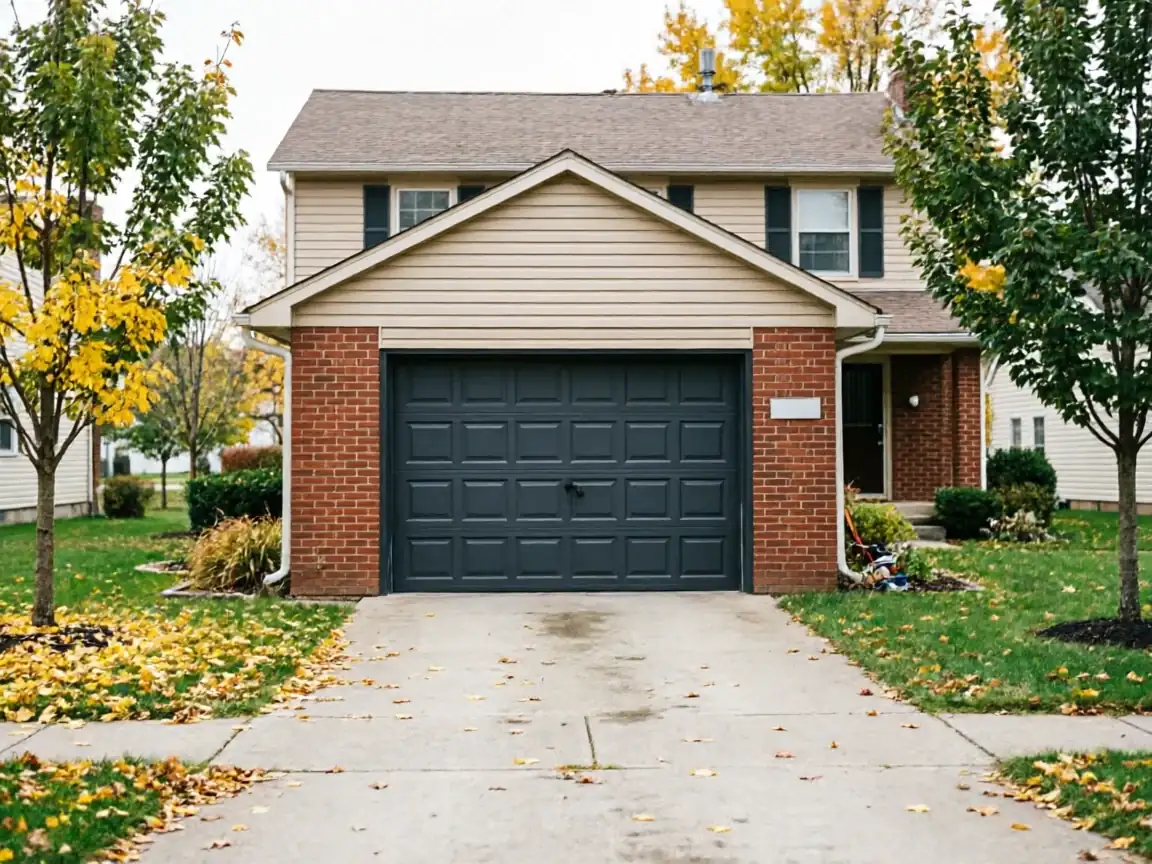
Woodbury and the thirty-three or so named communities that make up this stretch of the east metro mostly built out in the same window
1960s and 70s housing dominating, with the overall range running from 1956 to 2002 and a median around 1976. That's a long run of growth, and it means a huge share of garages in this part of the state are still carrying doors, springs, or openers that trace back to that original construction rather than a later upgrade.
Across the broader service area there are roughly 168,356 households
With about 76,978 of those owner-occupied houses - the kind of housing stock where a garage door is original equipment until someone decides otherwise. With median household income here around $93,233, replacement is usually affordable when a door's past the point of a reasonable fix, which changes the calculus: you're not stuck nursing along a door that's cheaper to replace than to keep patching. Nearby areas like Newport, Afton, and Lake Elmo share this same build era, so the same fix-or-replace questions come up block after block, not house by house.
- 168,356 households
- 76,978 owner-occupied
Season by Season
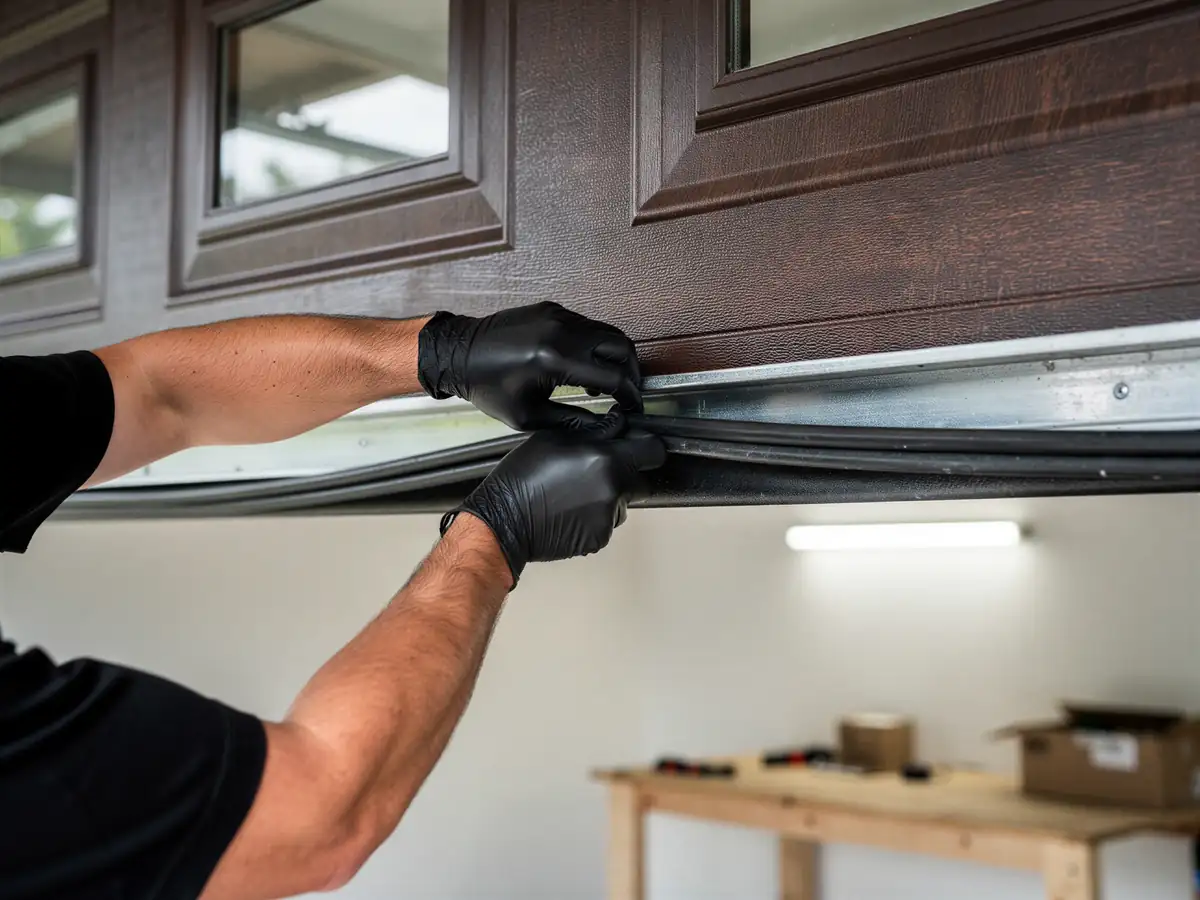
Spring brings the freeze-thaw cycle that does the most damage to old concrete aprons and the bottom seal that rides on them - watch for a torn or flattened seal letting water track under the door after snowmelt. Summer is the easiest season on hardware here, but it's also when a warped panel from winter stress finally shows itself clearly, since the wood or steel has had months to settle into whatever shape the cold left it in.
Fall is the window to actually do something about a spring you've been putting off, because a cold-soaked spring under tension is far more likely to let go than one serviced while temperatures are still moderate. Winter is where the old hardware gets tested hardest - ice in the track, condensation freezing the bottom seal to the slab, and a chain-drive opener straining harder in cold grease than it would in July. If a door's going to fail outright, it tends to happen in the first hard cold snap of the year, not mid-summer, so the fall tune-up isn't optional on a door that's already original to the house.