How It Shows Up
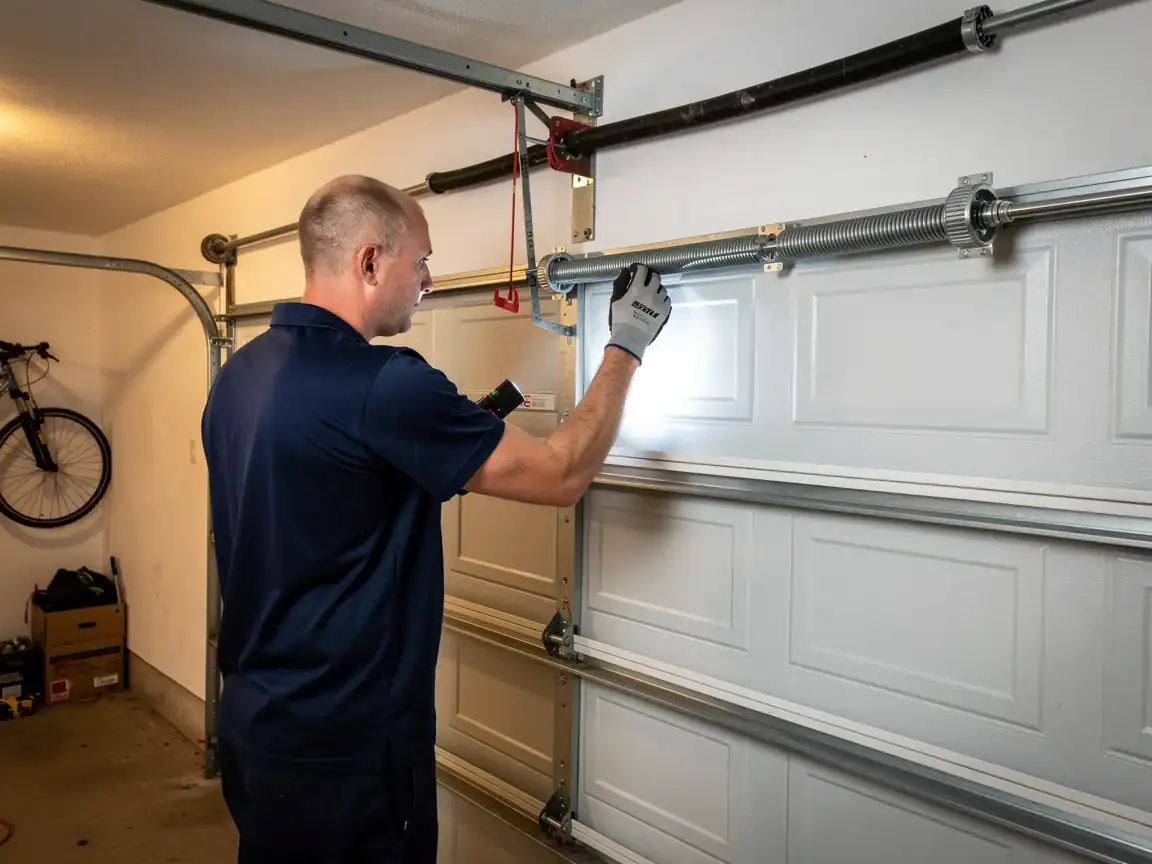
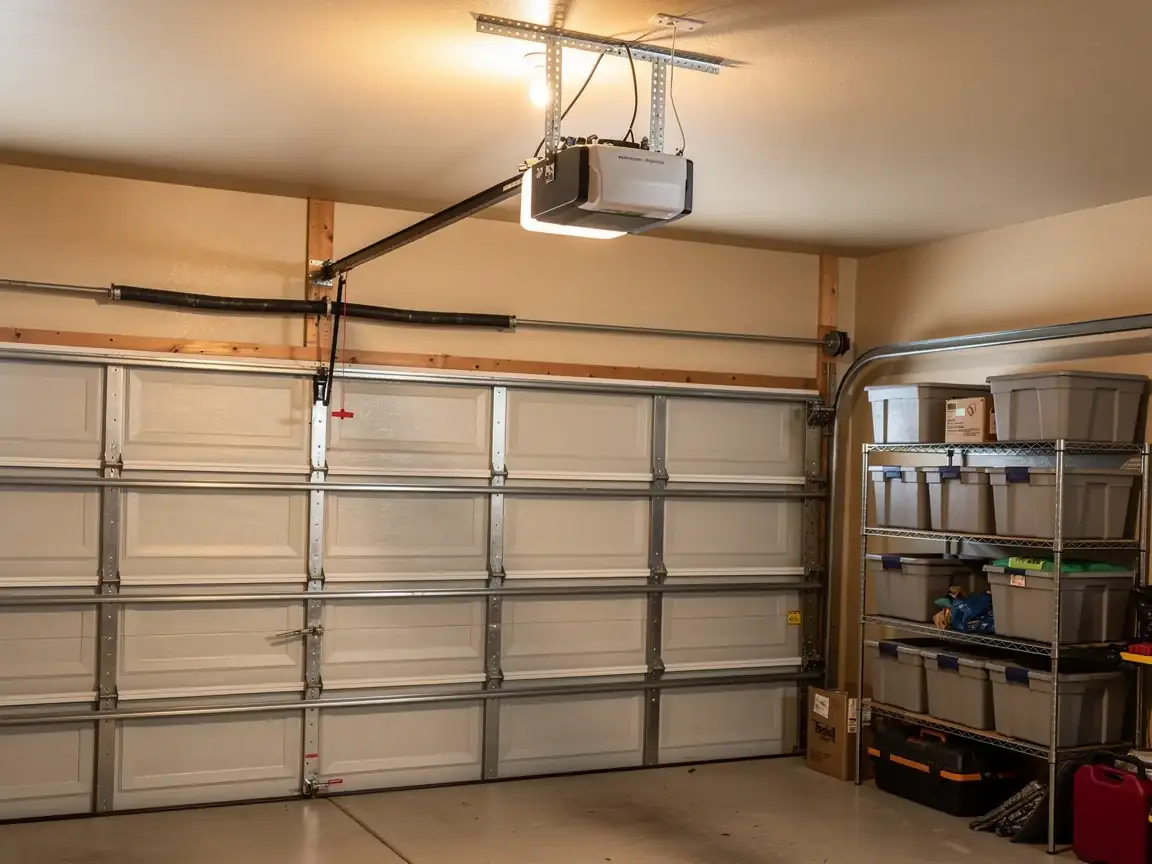
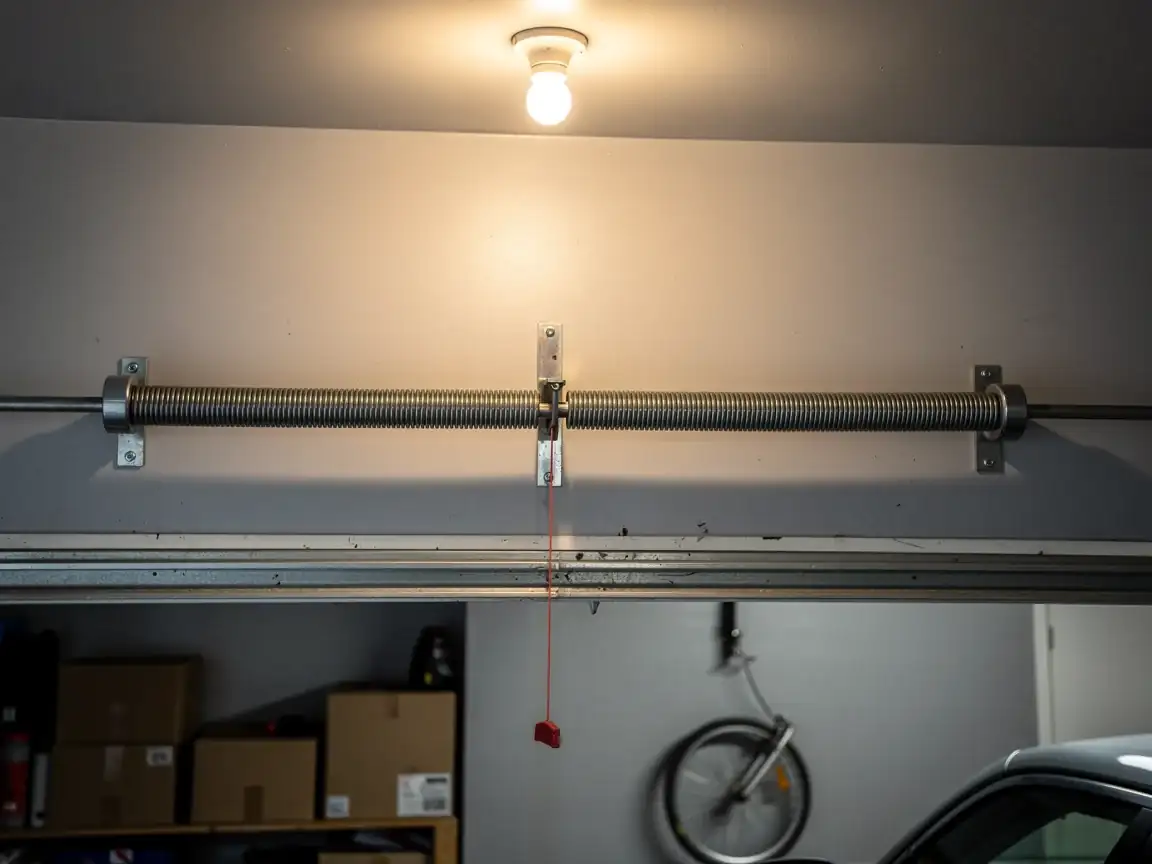
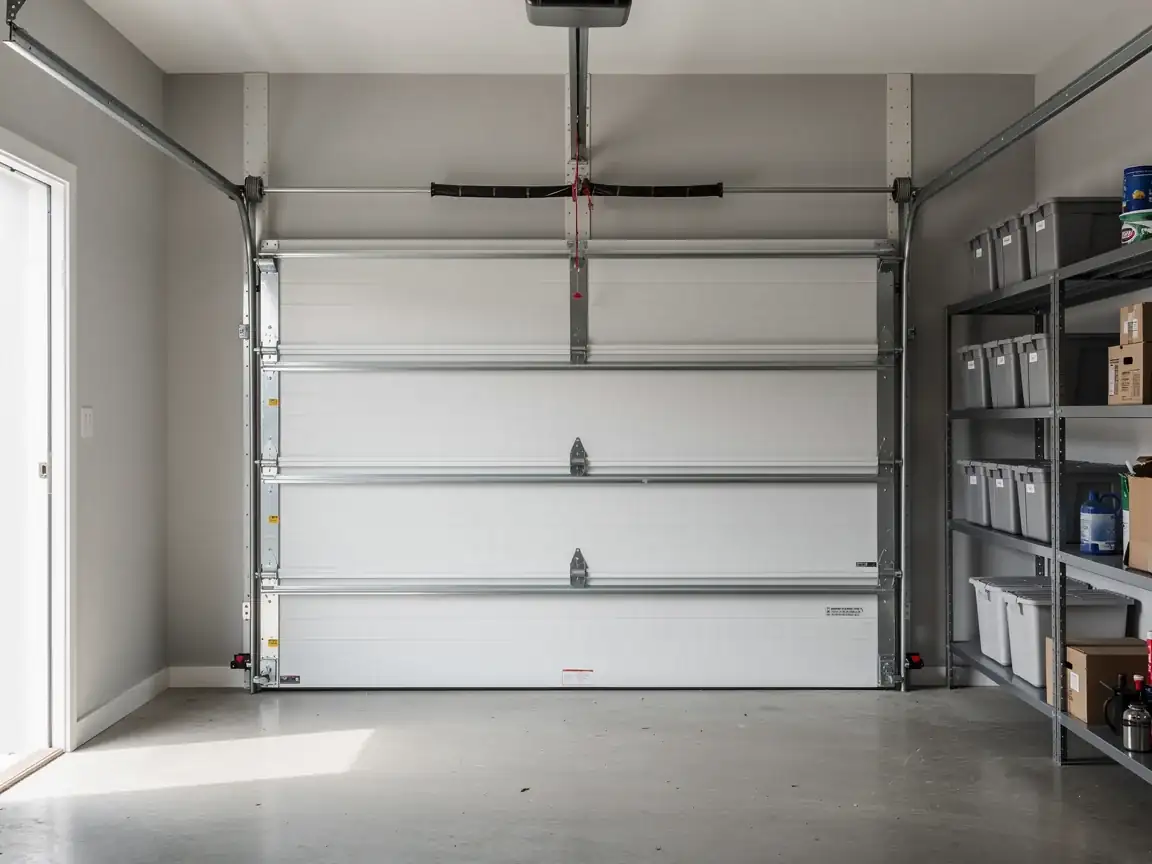
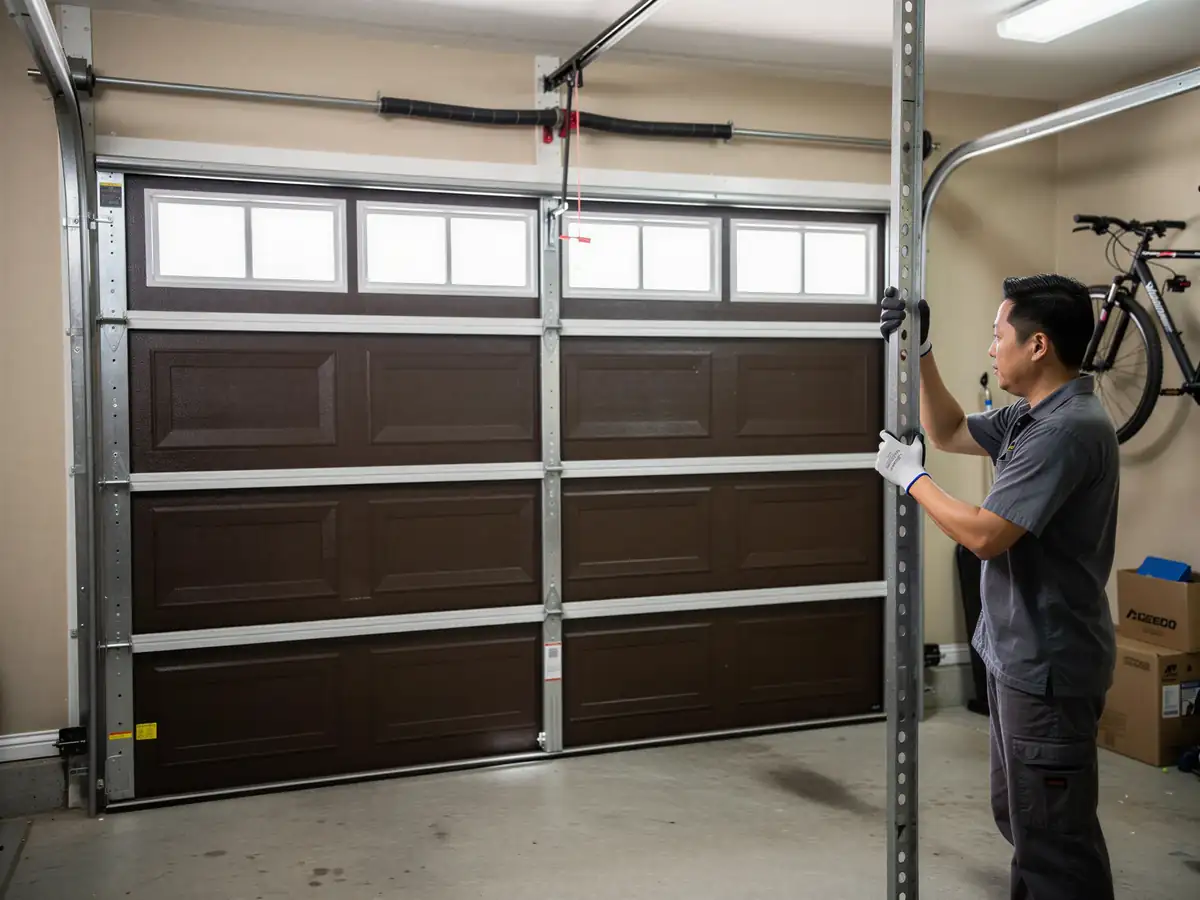
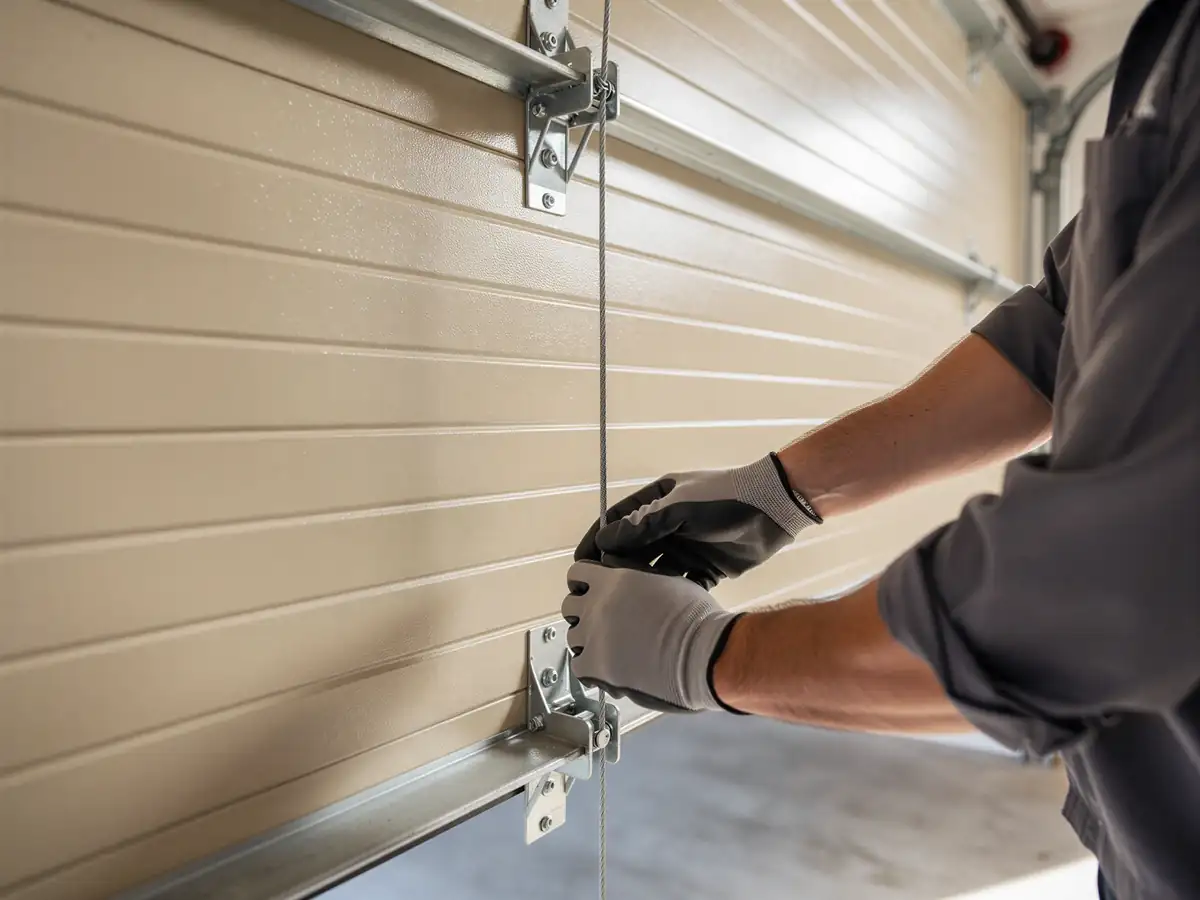
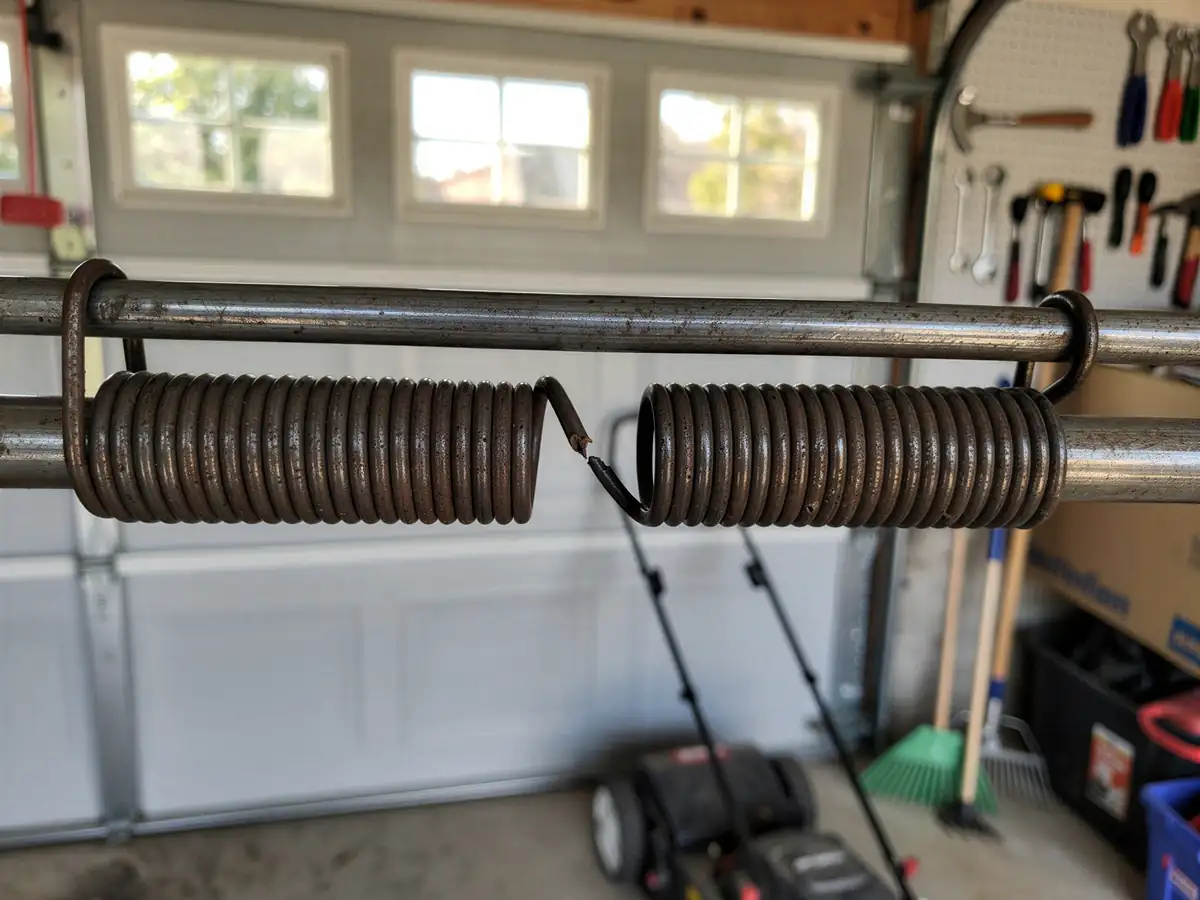
A spring failure almost always announces itself the same way: the door won't stay up, it slams down fast when you try to close it, or you hear a loud bang from the garage that sounds like a gunshot - that's usually the torsion spring letting go on the shaft above the door. Sometimes it's quieter. The opener strains, grinds, or stalls halfway up because it's trying to lift the full weight of the door without spring tension helping it. You might see a visible gap in the coil if you look at the spring itself, or notice the cable going slack on one side of a double door.
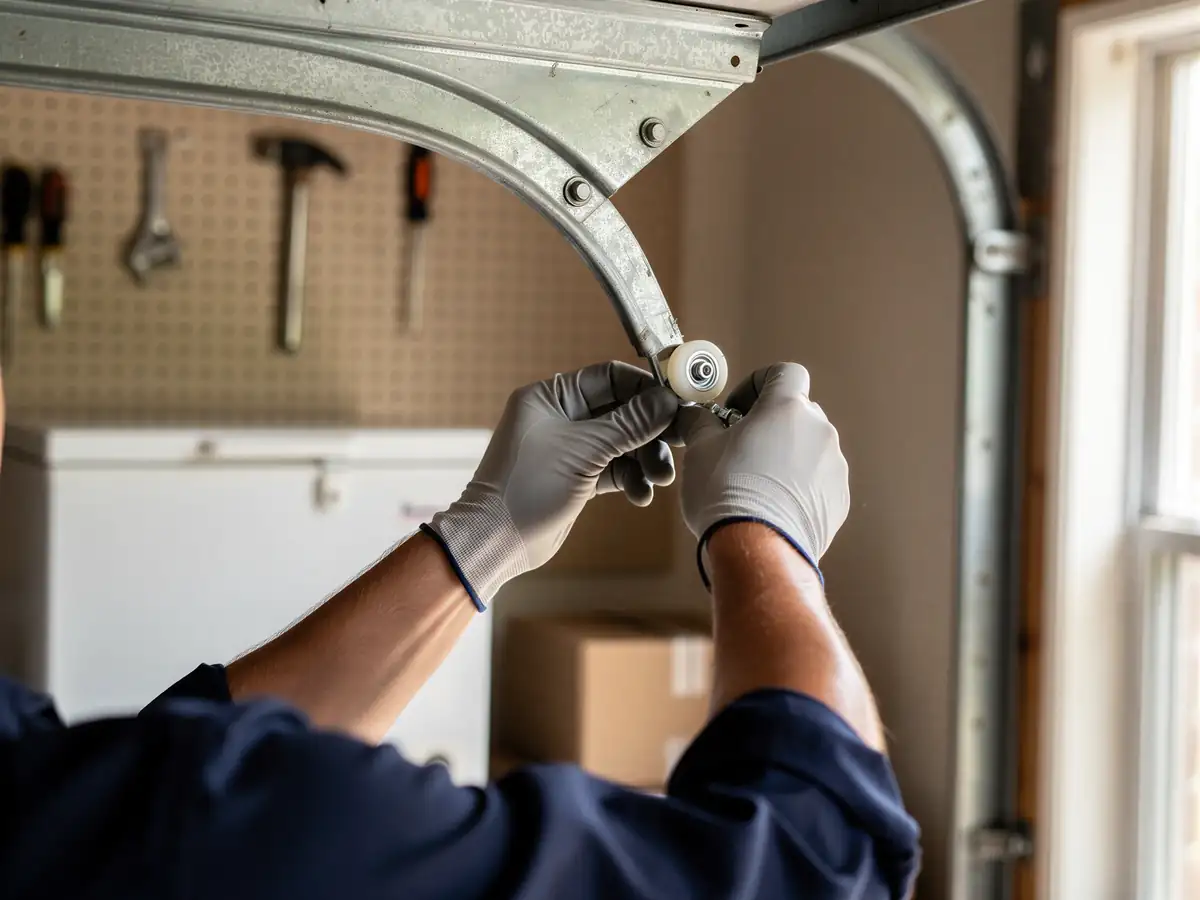
On older torsion setups you'll sometimes get one spring breaking while the other holds, which can make the door tilt or bind in the tracks as it moves. If you've got an opener that keeps reversing before the door fully closes, or a door that feels twice as heavy as it used to when you lift it by hand, that's consistent with a spring that's lost most of its tension even if it hasn't snapped yet. Either way, it's not a fix-it-yourself job - torsion springs are under enough load to cause real injury if you don't know what you're doing.
Why It Happens Here
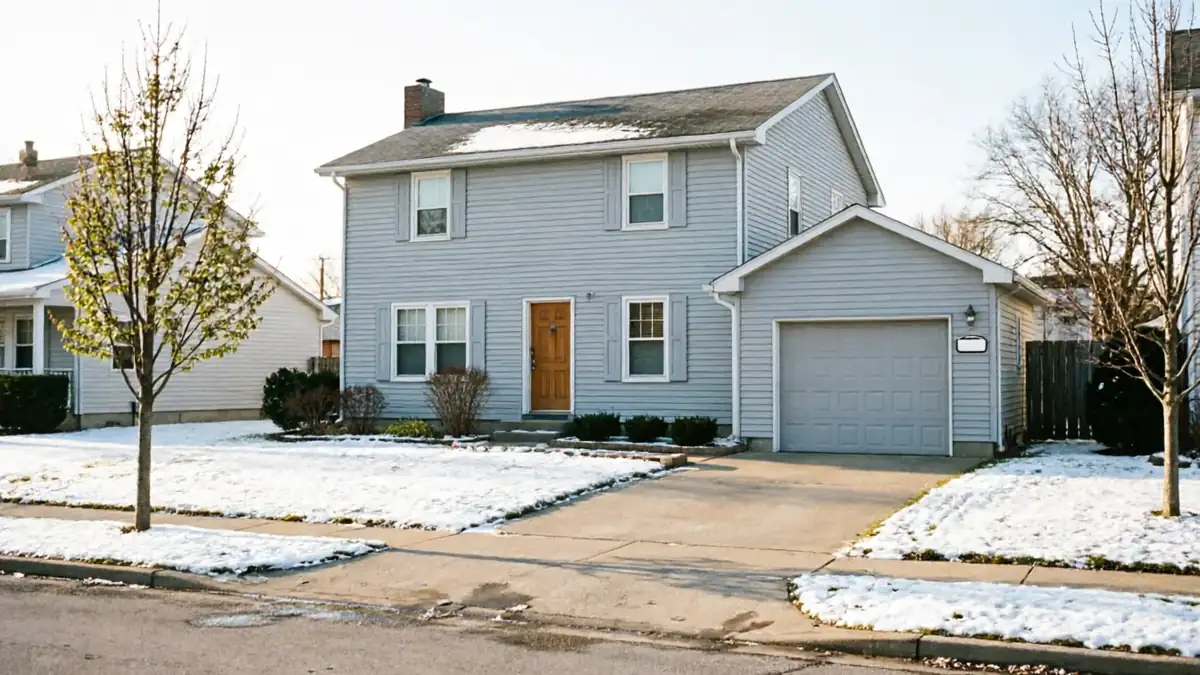
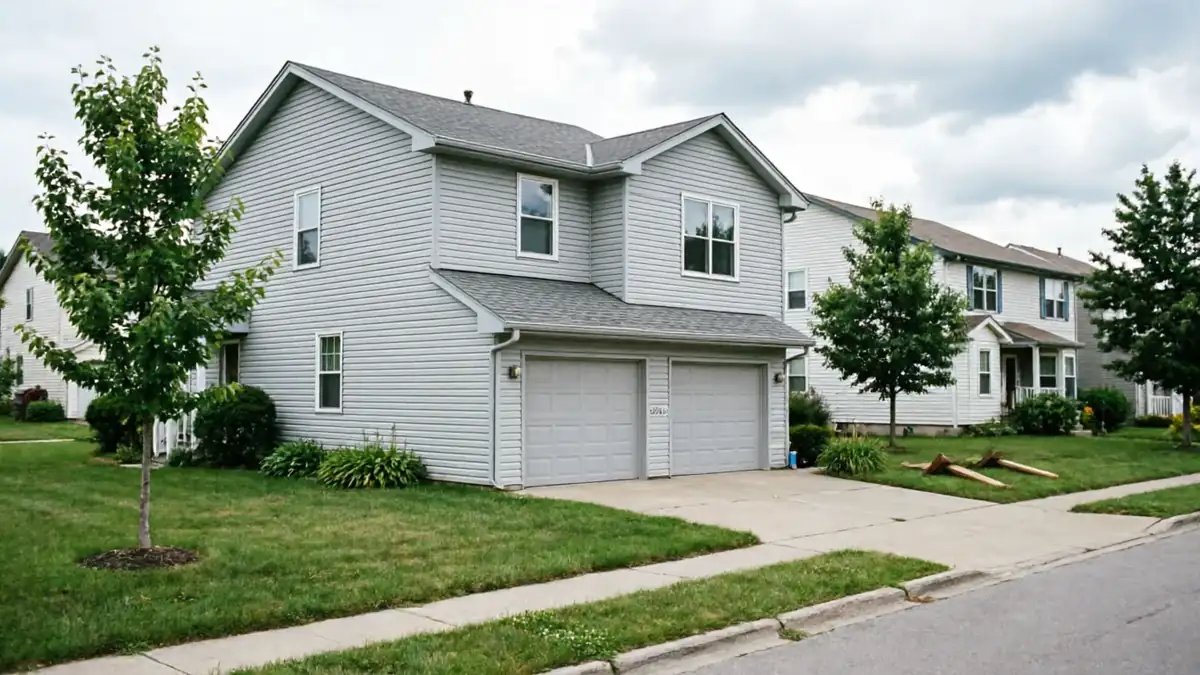
A lot of the houses in this area were built between 1956 and 2002, with the bulk of that stock dating to the 1960s and 70s. Doors on homes from that era commonly still run the original torsion hardware, or a replacement spring sized the same way, and that hardware simply wears out - torsion springs are rated for a set number of open-close cycles, and a 50-plus-year-old garage has been through a lot of them.
Cold is the other half of it. This is a cold-climate area, and steel spring coils lose temper faster when they're cycling through hard freezes every winter. Grease and lubricant inside the coil thicken in low temperatures, which adds friction and stress to a spring that's already working harder than it was designed to. That combination - older original hardware plus a real winter - is why spring calls cluster in this area more than in places with milder weather or newer housing stock. Homes built in the 1960s and 70s often still run the original torsion hardware, which nobody stocks parts for anymore, so a repair sometimes means replacing the whole assembly rather than just the spring.
What It Costs
We can't post a number here that would mean anything
Spring cost depends on whether you've got one torsion spring or two, the size and cycle rating needed for your door's weight, and whether the cable, drums, or bearing plates also need replacing because they've been running against a failing spring for a while. A single spring on a lightweight door is a different job than a matched pair on a heavy insulated double door.
With a median household income of $93,233 across the service area
Most owners here choose to replace both springs on a double door at once rather than wait for the second one to fail a few months later - it saves a second service call, even though it costs more upfront. One honest limitation: if your door is old enough that the track, drums, or opener are also worn out, sometimes a spring repair isn't worth doing on its own, and we'll tell you that instead of just swapping the spring and sending you on your way.
- $93,233 median household income
Booking a Visit
Across the service area's 168,356 households, with roughly 76,978 of those owner-occupied houses, a stuck or broken spring is one of the most common calls we get, especially this time of year. If your door won't open, don't force it with the opener - that just burns out the motor trying to lift weight the spring isn't carrying anymore.
Get in touch through our site to get a visit scheduled: Woodbury Garage Door Pros. Tell us whether it's a single or double door and whether you've noticed one spring or two, and we'll bring the right size torsion spring for the job rather than guessing on-site.