Booking a Visit
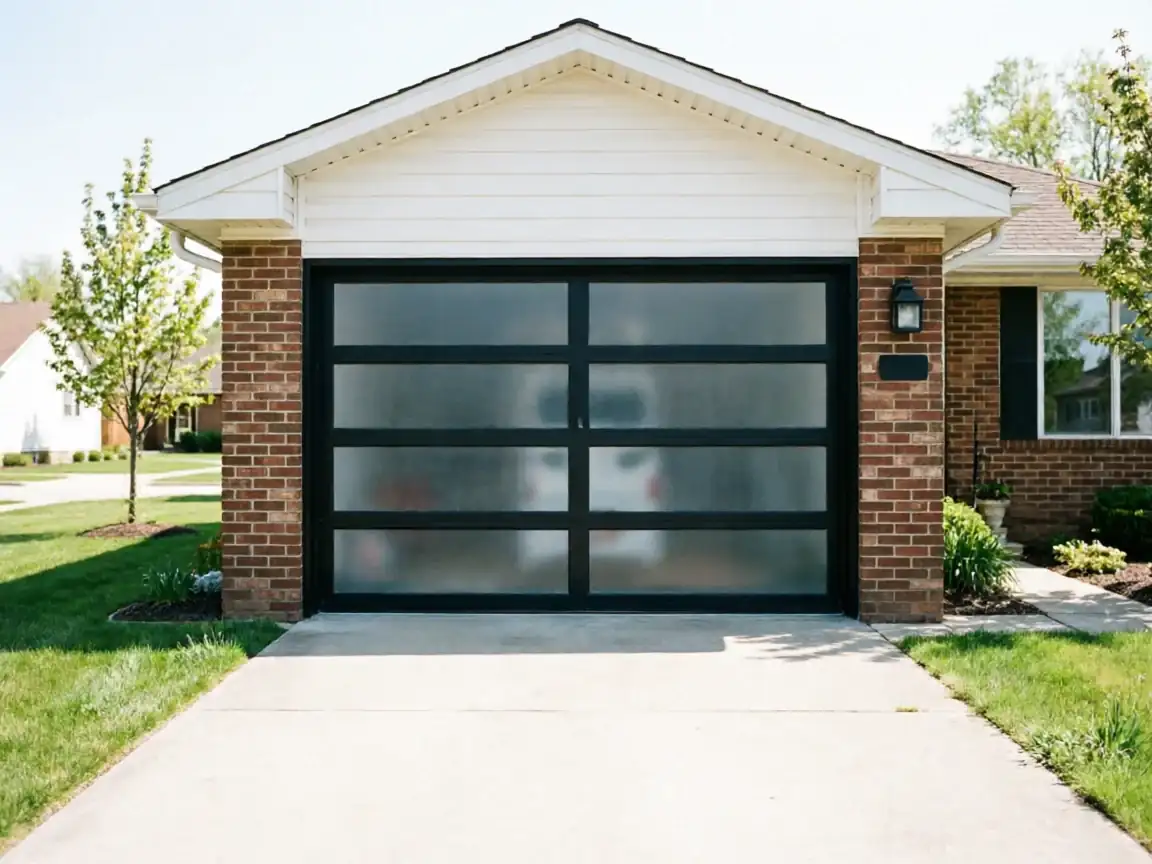
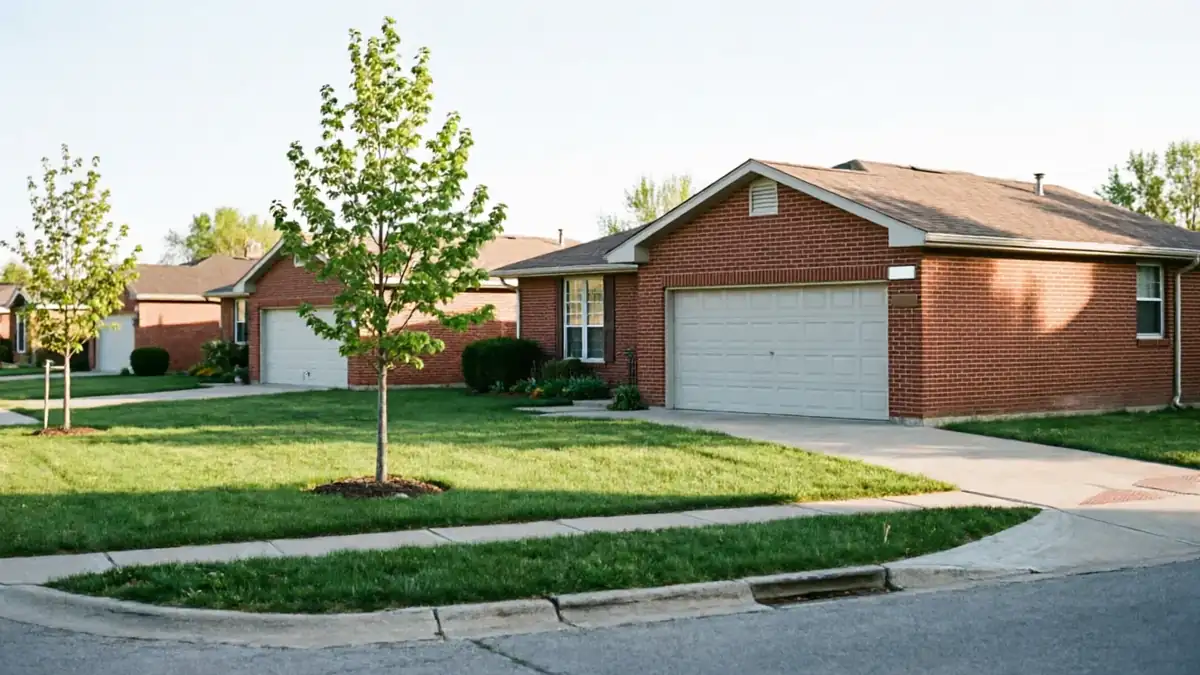
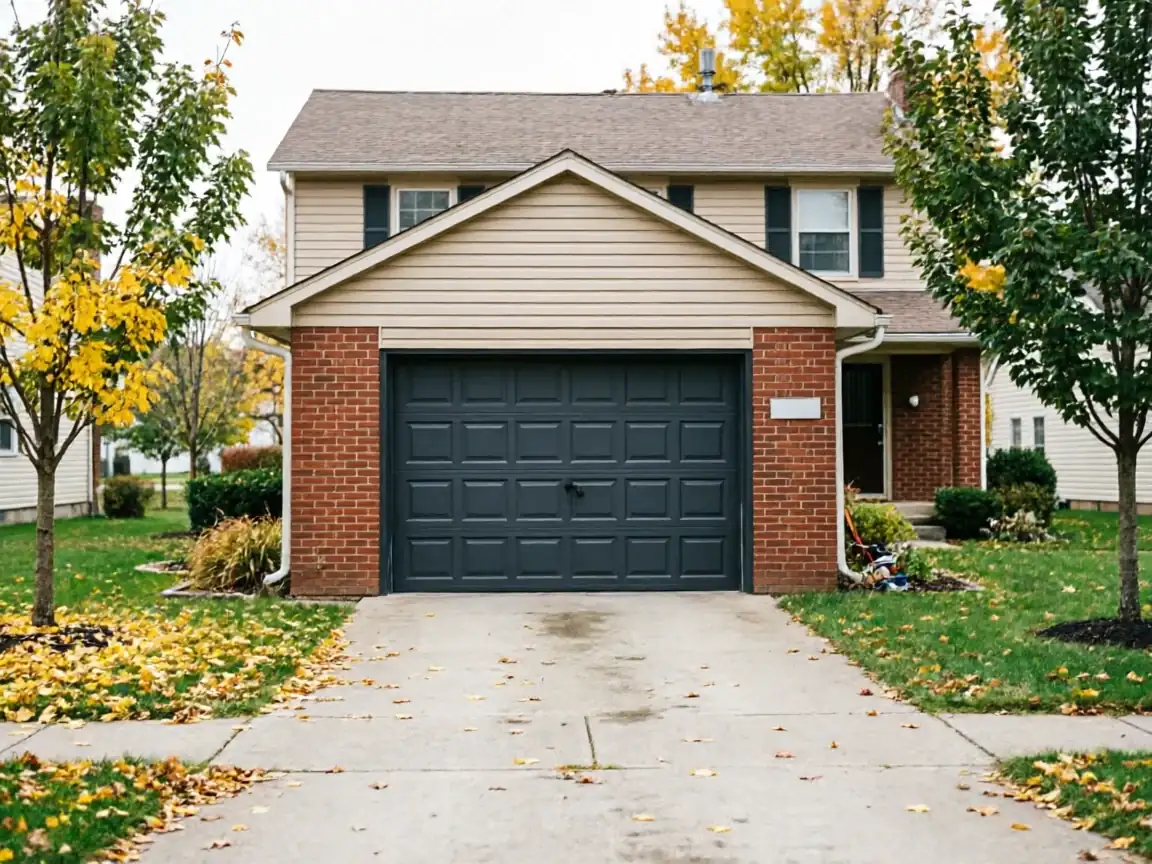
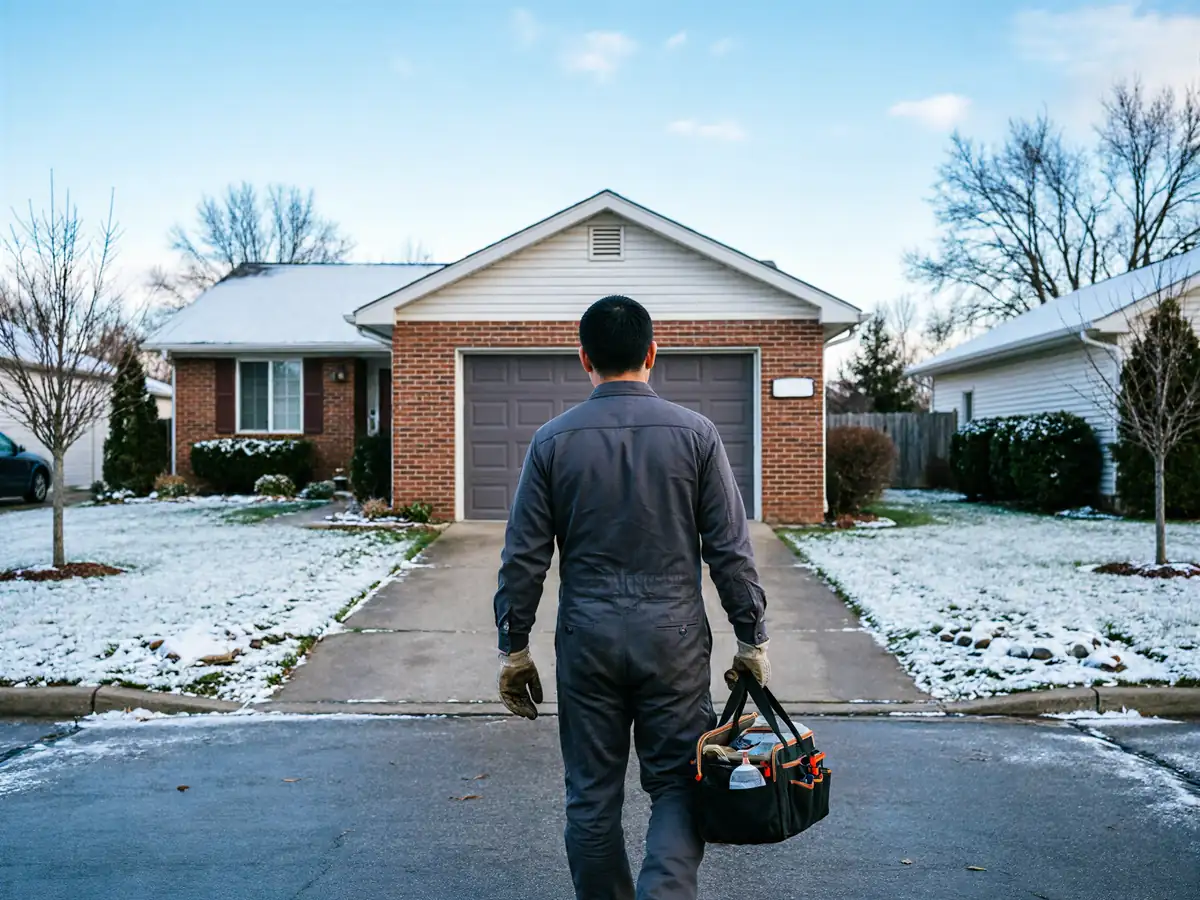
We run this job out of Woodbury, about 8 miles from Inver Grove Heights, so when you call we're scheduling a drive, not dispatching from a local yard - worth knowing up front so you're not picturing a branch office around the corner. Cable failure isn't usually a same-hour emergency unless the door is stuck halfway or a cable has come off the drum with the door still up, in which case don't try to lower it yourself. Tell us which it's doing - door stuck down, stuck up, or hanging crooked - and whether you heard a snap or just noticed it slowly going out of square. That tells us whether we're bringing a standard cable kit or also checking the drum and bottom bracket for damage from a cable that whipped off under tension. Most Inver Grove Heights homes we see are mid-century-to-later builds rather than the older stock found closer to the river towns, which changes what hardware is actually on the door and what we load on the truck before we leave Woodbury.
The DIY Question
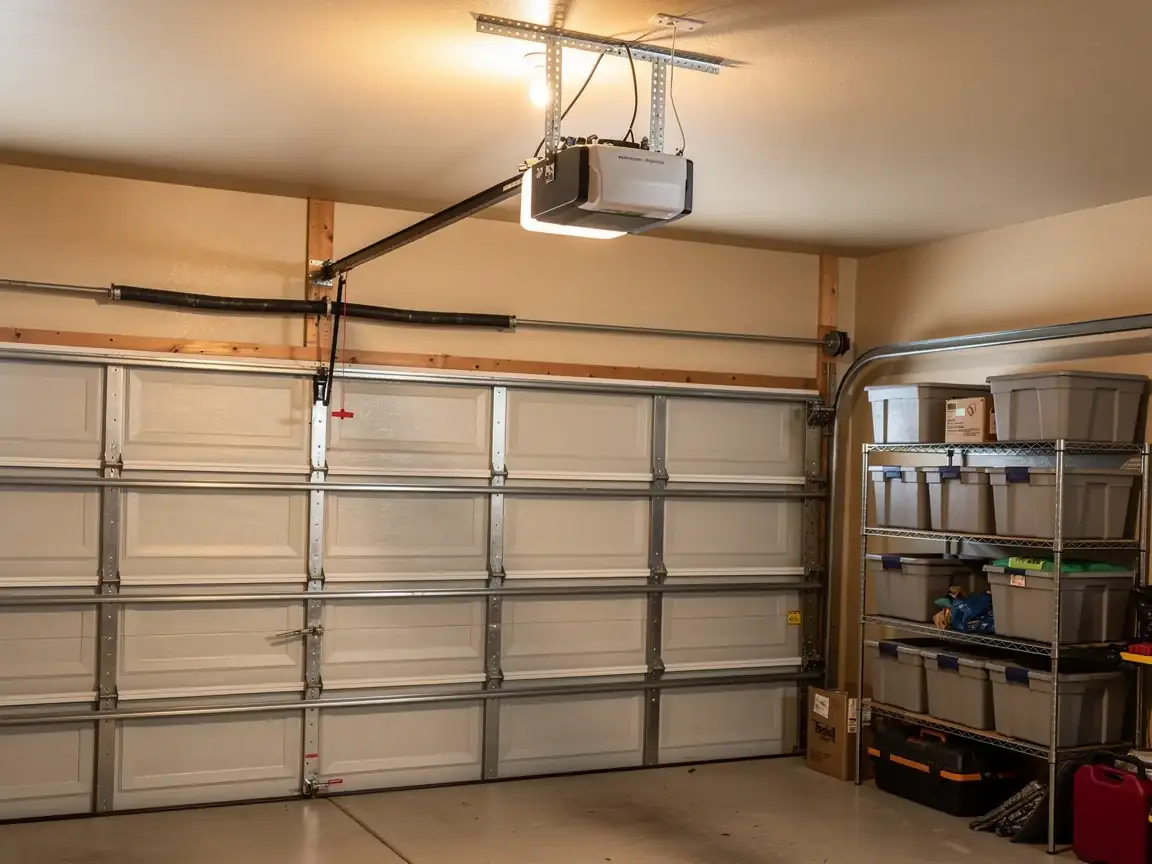
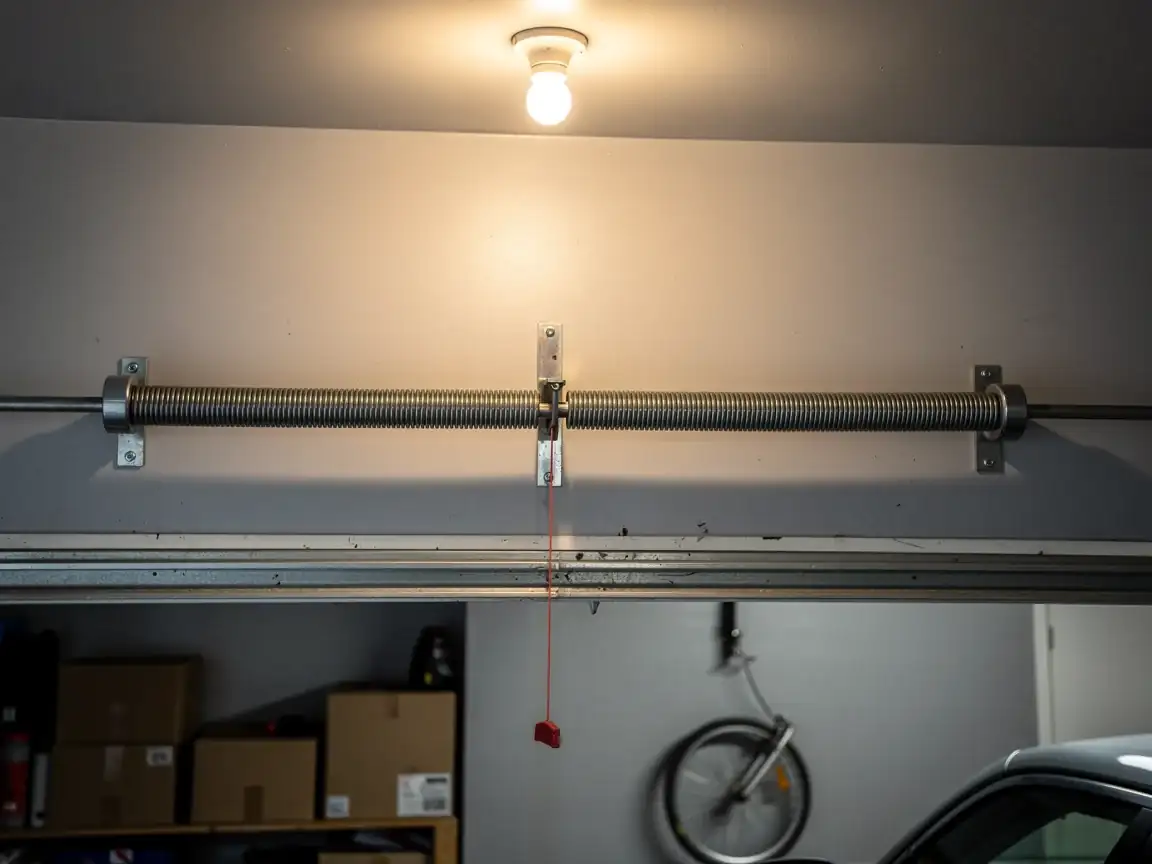
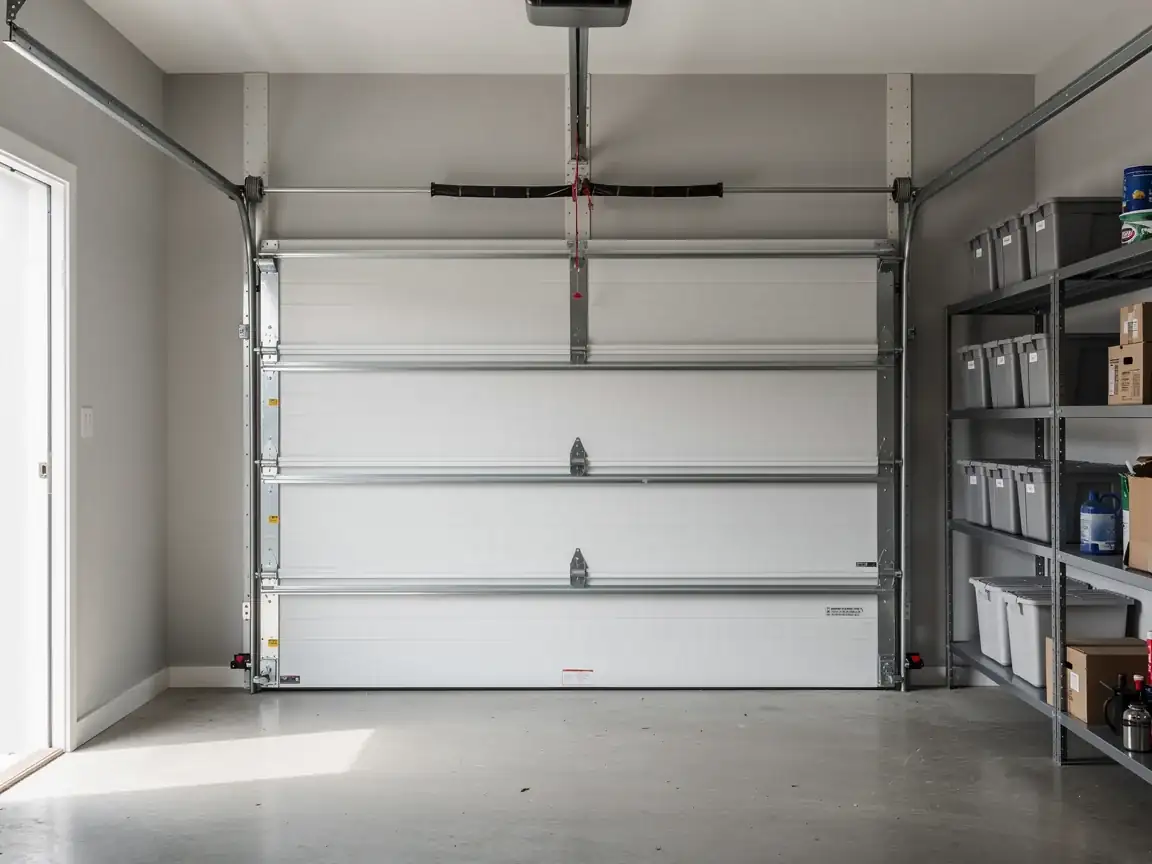
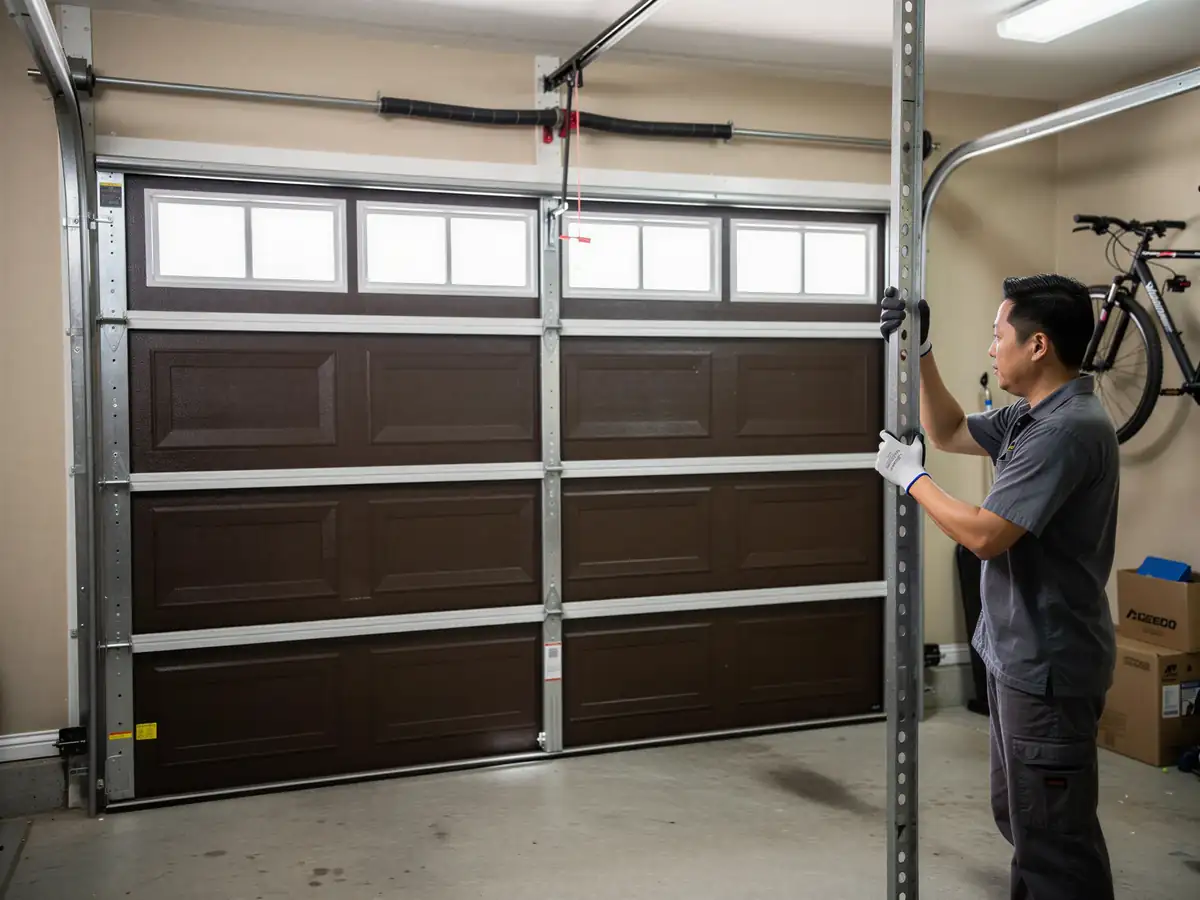
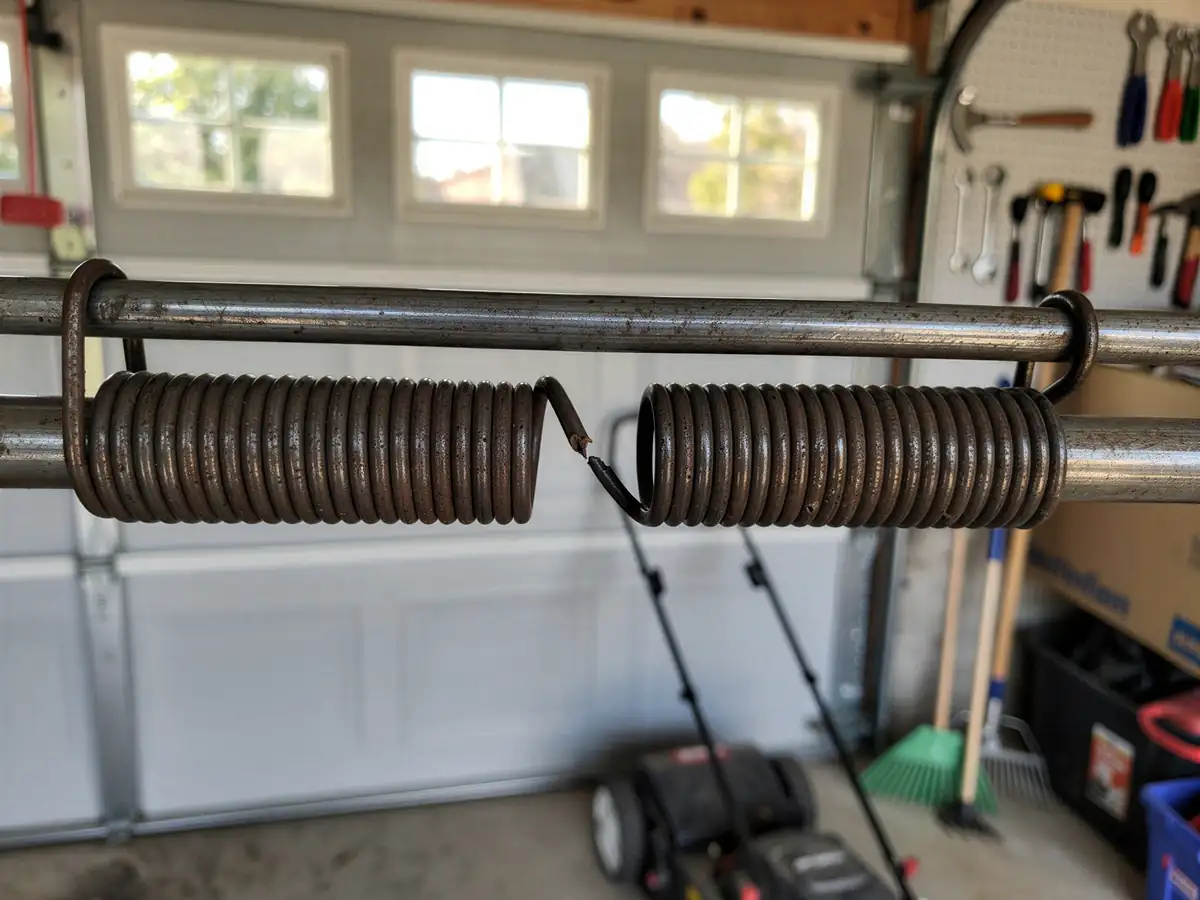
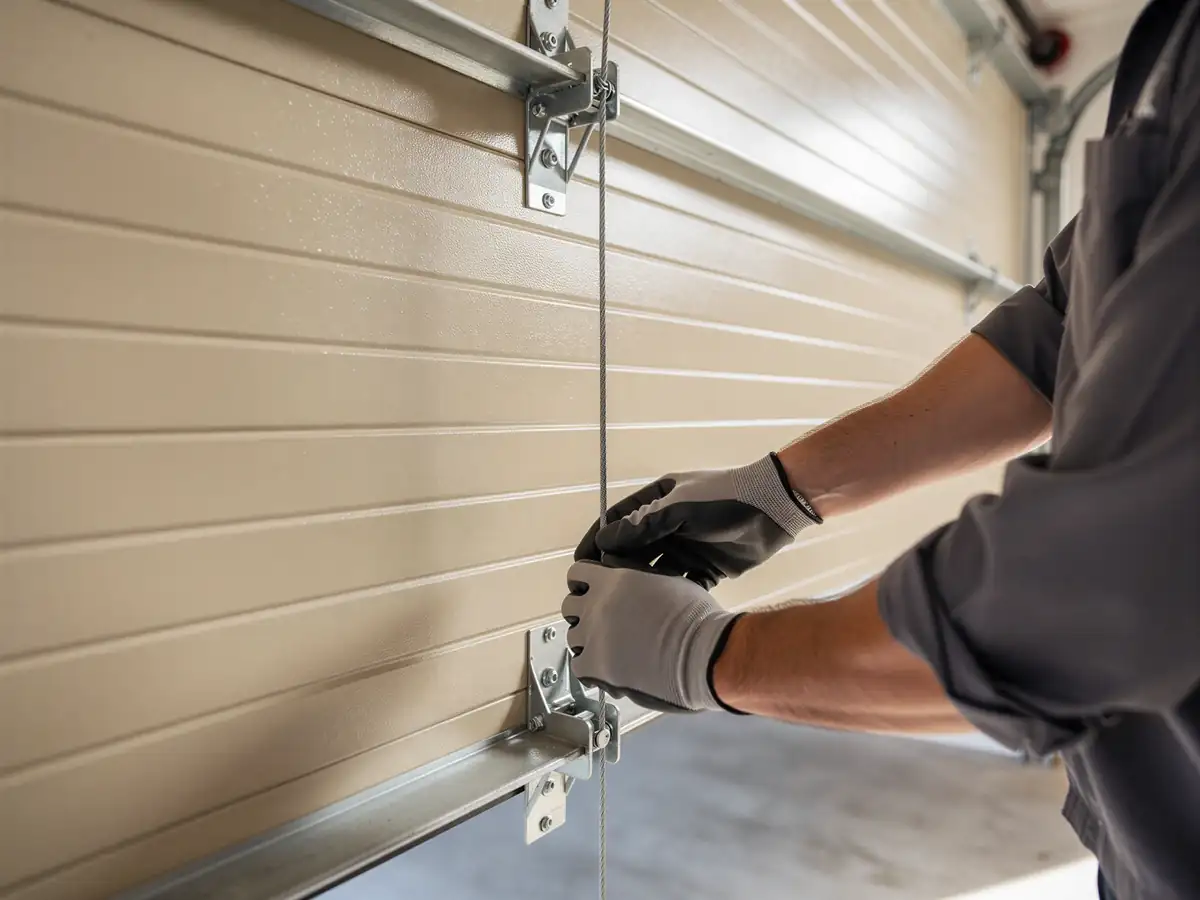
A frayed or snapped cable sits a few inches from a door under spring tension strong enough to break fingers, and that doesn't change based on how new the house is. If the cable has already let go and the door is down, leave it down. If it's still partly up, leave it exactly where it is and call - a door holding on one cable can drop without warning the moment you touch the opener or the other side. What you can safely do yourself: look at the cable where it wraps the bottom bracket and where it winds onto the drum, and note if it's frayed, kinked, or has come off the track entirely. That observation alone speeds up the job, because on a 1990s-era door with factory extension-spring cable runs, the fix is usually a straight swap - not a full hardware teardown - once we know exactly where it failed.
What It Costs
We don't have a flat number to quote in writing here, because cable repair pricing depends on whether it's a single cable, both cables, and whether the drum, pulley, or bottom bracket also took damage when the cable let go - common on a door that kept being used after the first sign of fraying. What we can tell you: a straight cable swap without secondary damage is a smaller job than one where a cable has jumped the drum and chewed the track or bent the bracket, which is a cable-plus-hardware job. Given the median household income in this area runs higher than much of the wider service territory, we're not seeing people stretch a cable repair out for years - most call once the door starts binding rather than waiting for a full snap, which keeps the job on the smaller end of that range.
How We Fix It
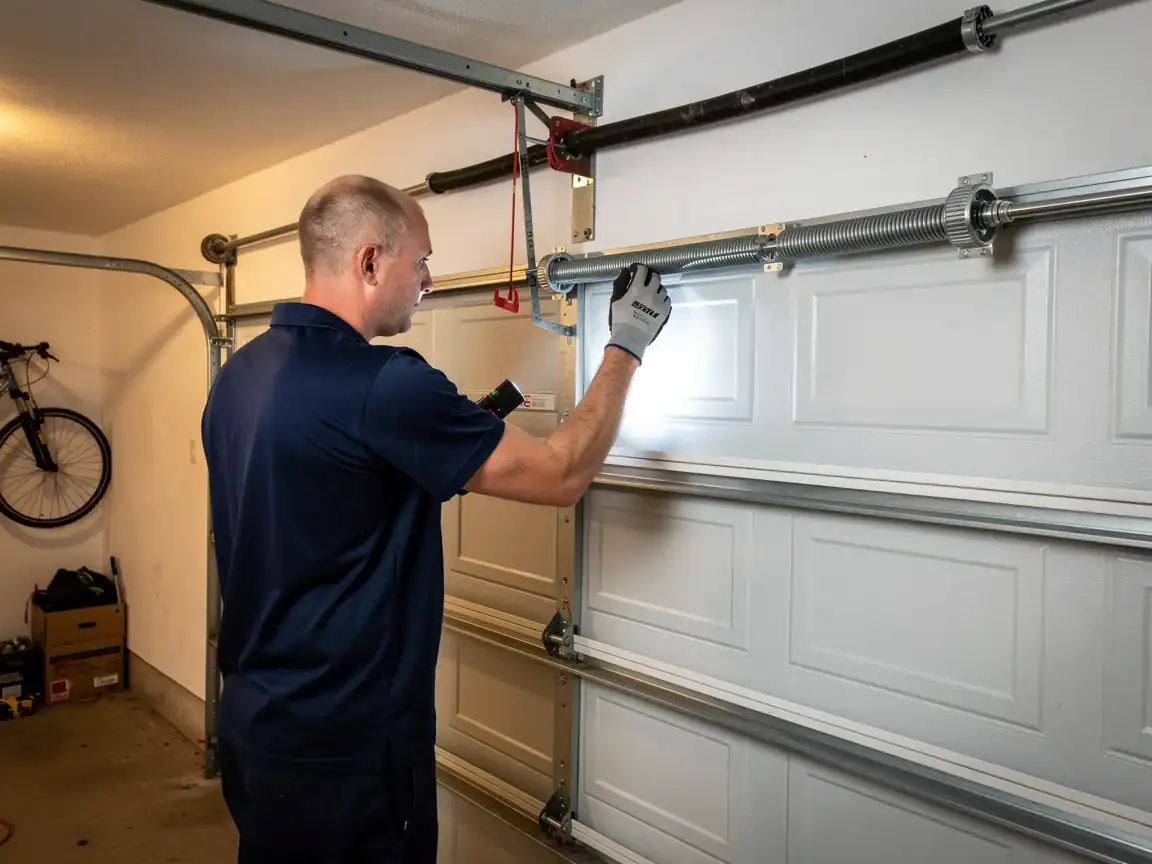
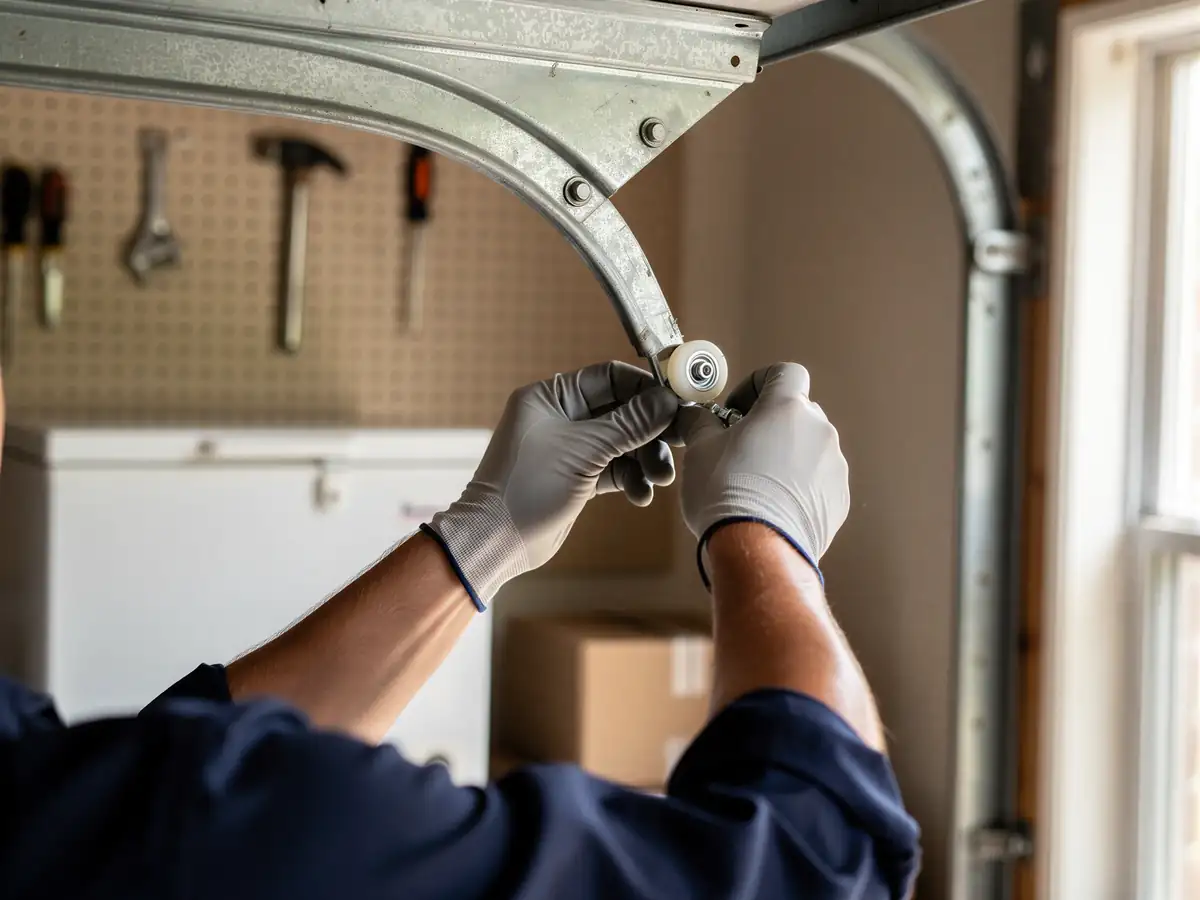
First we check both cables, not just the one that failed - if one side went from pulley wear, the other side has the same mileage and is usually close behind. We pull the drum and inspect the groove for the gouging a jumped cable leaves behind, because a damaged drum will shred a brand-new cable in weeks if we don't catch it. On the 1990s-era extension-spring setups common here, that means checking the stationary and pulley-end cable terminations and the safety cable separately - they're two different parts doing two different jobs, and only one of them may have failed. We re-tension and run the door through a full open-close cycle under load before we leave, watching for drift or a cable riding wrong on the drum. One honest limit: if the drum or track is badly gouged, we'll tell you straight that it needs replacing rather than patching, because a repaired cable on a damaged drum is a repeat call waiting to happen.