Booking a Visit
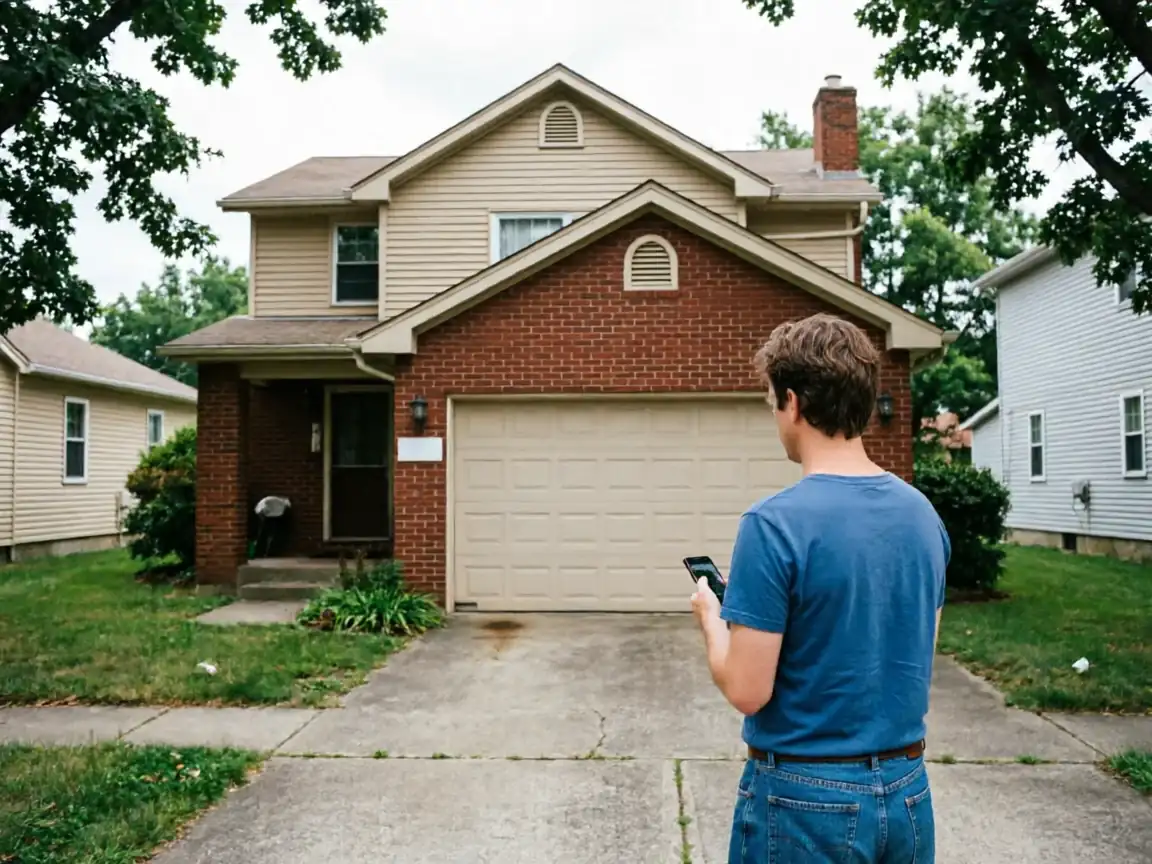
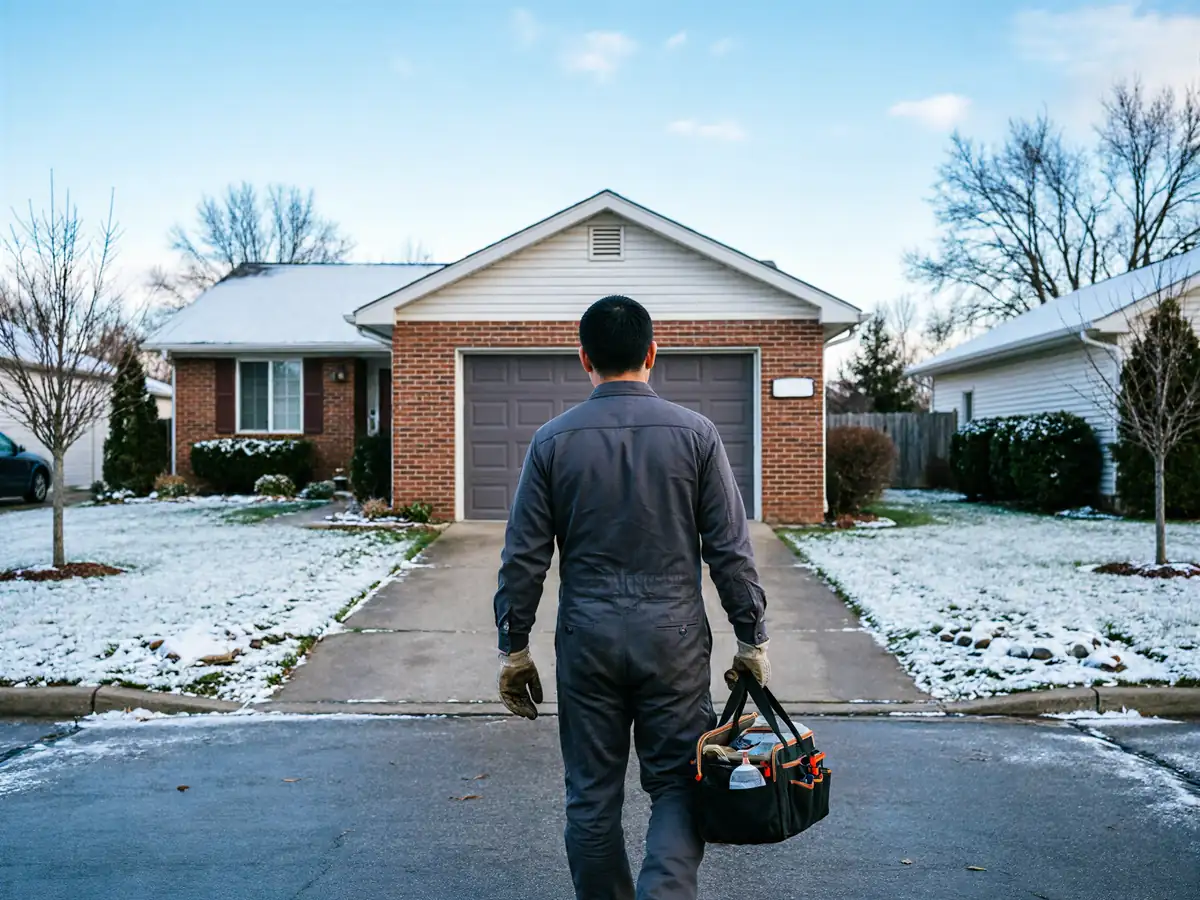
We run out of Woodbury, about eight miles from Inver Grove Heights, so when you call we're not guessing at drive time from across the metro - it's a straight shot down the same roads our trucks already know. We don't keep a branch or a drop box in town, and we won't tell you a response window we can't actually hit, but the distance is short enough that a stuck or off-track door doesn't sit waiting all day.
What we ask for on the phone: whether the door moves at all, whether you hear the opener motor running, and whether a spring looks snapped or a cable has come off a drum. That tells us which parts ride in the truck before we leave Woodbury, instead of figuring it out on your driveway. For general background on what we handle out of this shop, see our Woodbury emergency repair page; this page is about the calls we get from Inver Grove Heights specifically. You can also check our coverage area if you're not sure we reach your block.
The DIY Question
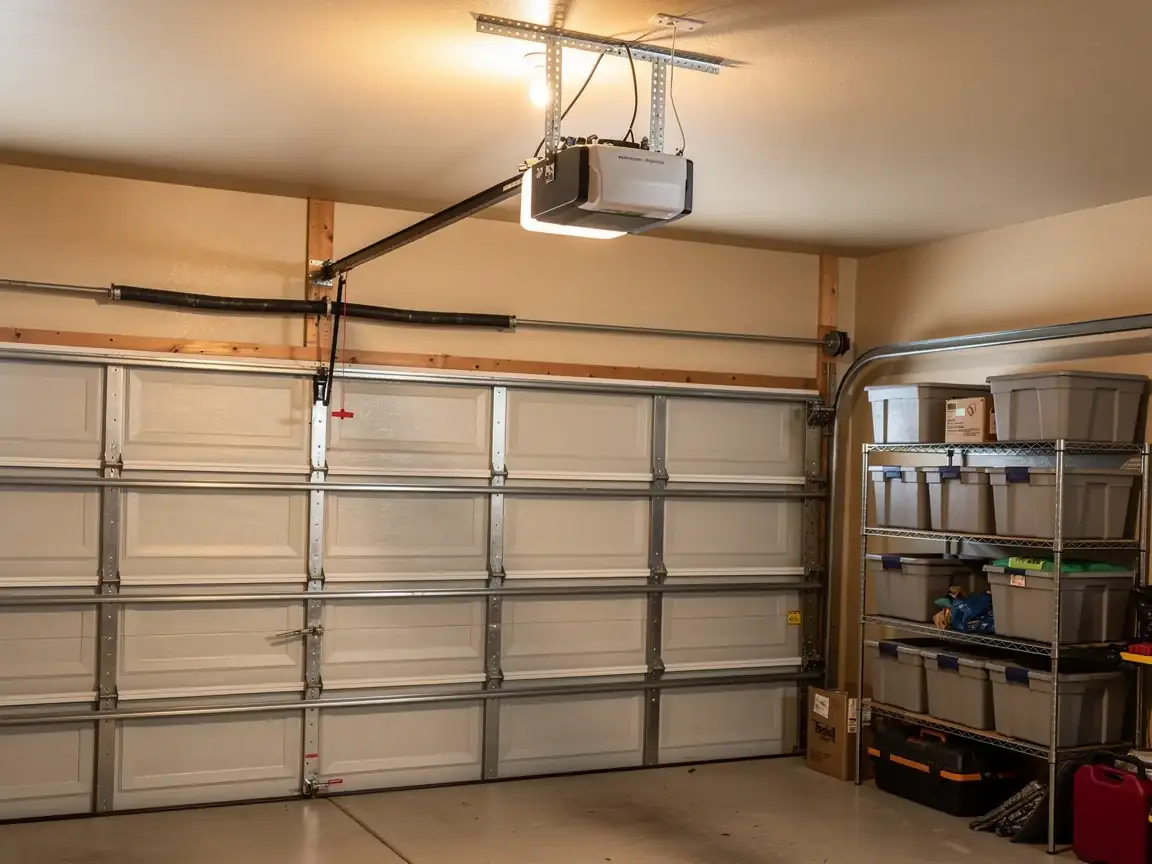
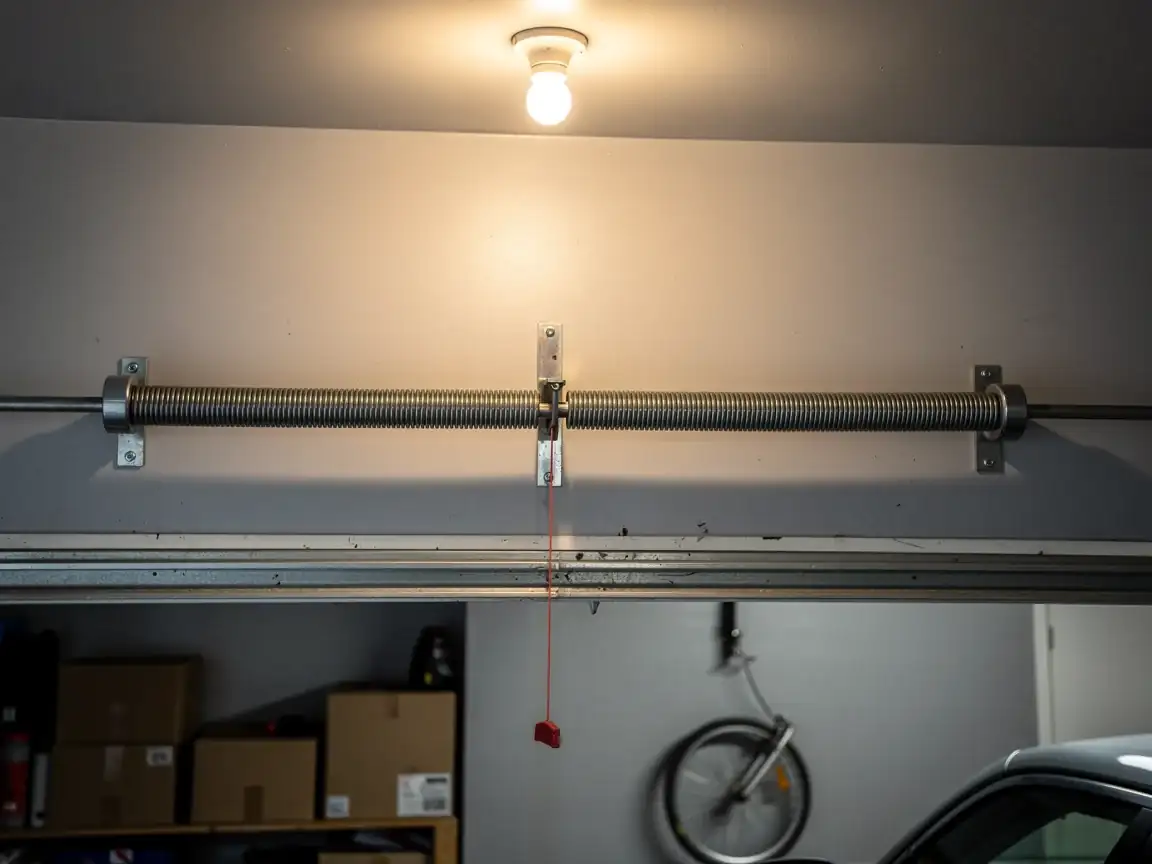
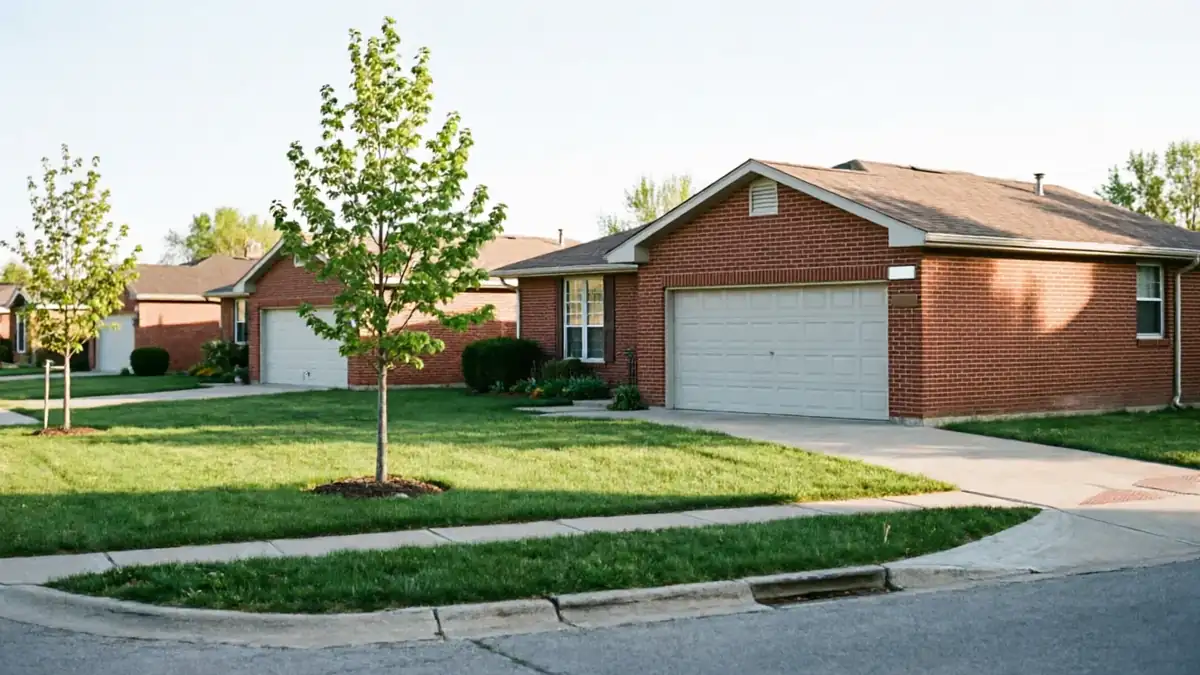
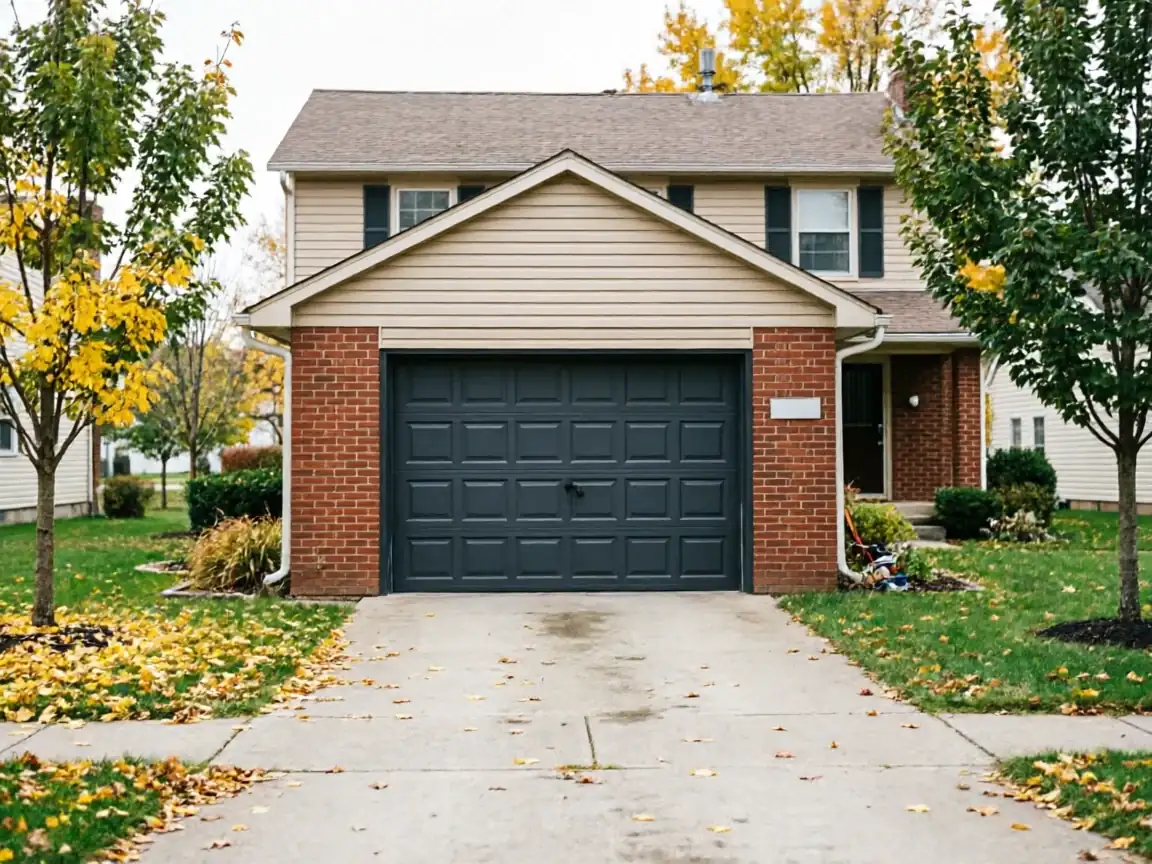
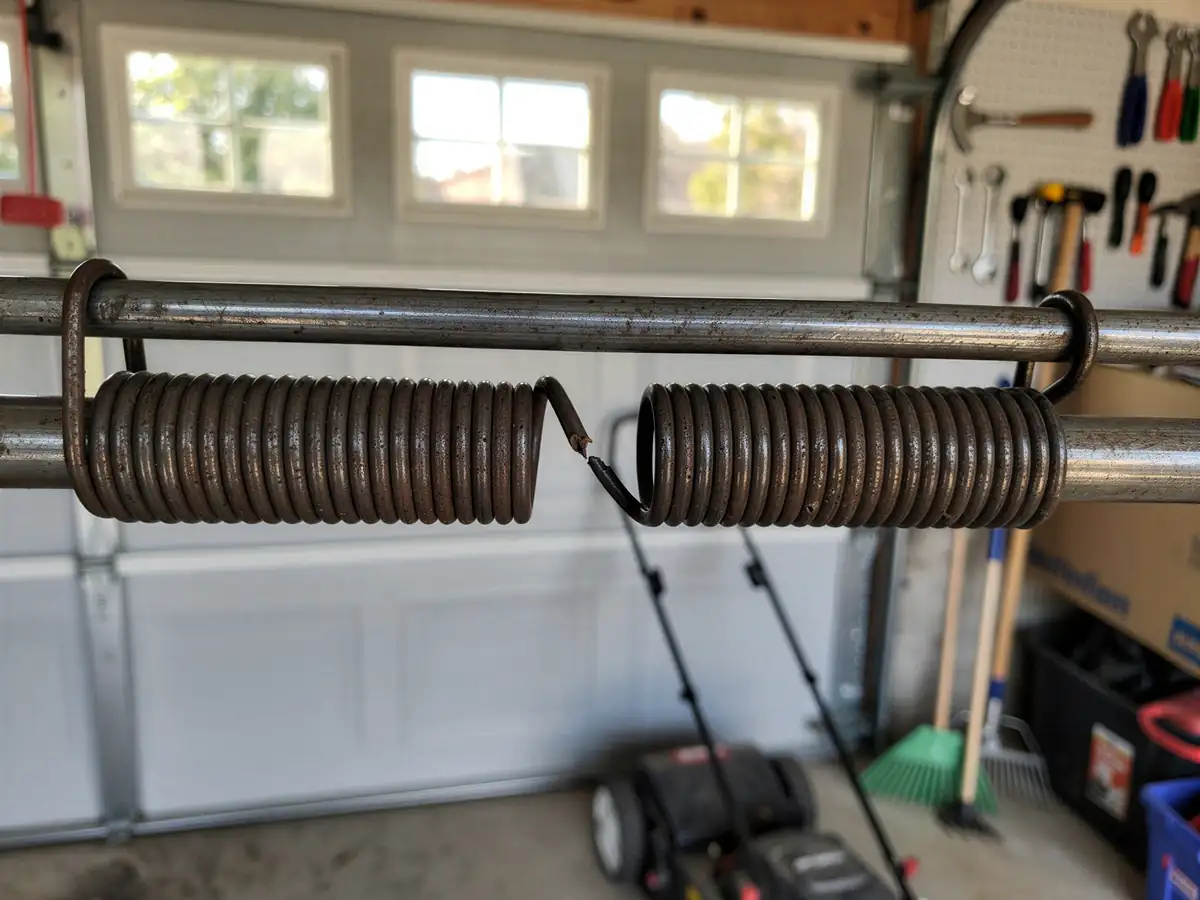
A lot of the homes in Inver Grove Heights were built around 1990, which puts a fair number of garage doors into their mid-30s with hardware nobody's ever touched. That matters for the DIY question more than most people think. A torsion spring rated for roughly 10,000 cycles and installed when the house was framed has likely long since passed that mark, and a spring under tension that lets go while you're adjusting it is not a job for a Saturday afternoon and a borrowed wrench.
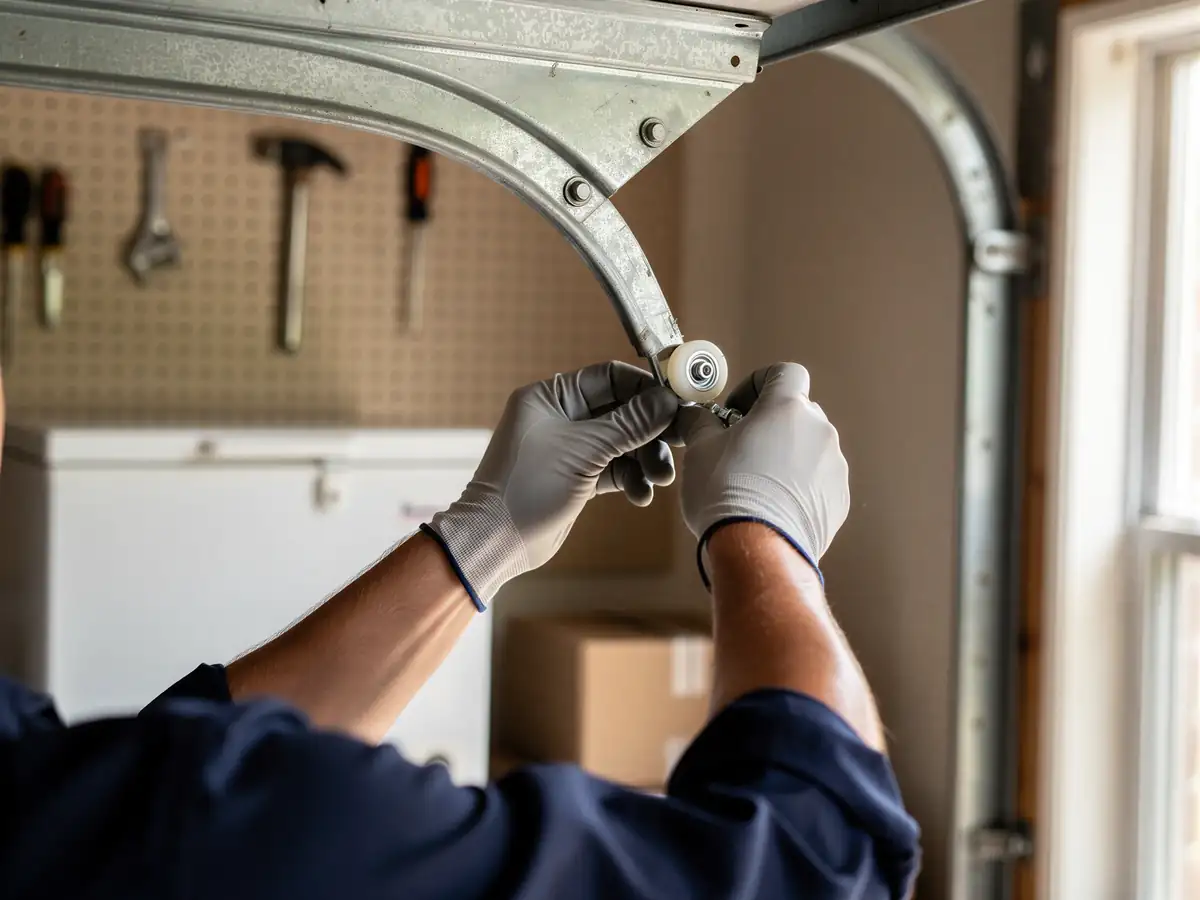
What's reasonable to do yourself: clearing the photo-eye sensors, tightening loose bolts on the track, lubricating rollers and hinges, and testing the auto-reverse by setting a 2x4 under the door's path. What isn't: touching the torsion spring, the cables, or anything bolted to the header above the door. We'll say plainly that most of what breaks in a 1990s-built garage is the spring or the opener's drive gear, and both involve stored energy or disassembly that isn't worth the risk to save a service call.
Why It Happens Here
With a median build year around 1990, Inver Grove Heights sits in a different hardware generation than neighborhoods built decades earlier elsewhere in the area
These are chain and belt-drive openers from the early rolling-code era, not the original one-piece doors and side-mount torsion setups you'd find in much older stock. The failure we see most in these houses is the opener's logic board or drive gear giving out after years of daily cycles, paired with a torsion spring that's simply worn past its rated life.
The cold winters here don't help
This area sits in a moderate-cold climate band, and steel springs lose some flex in deep cold while nylon rollers and plastic idler pulleys get brittle and crack. A door that worked fine in October and won't budge in January is usually not coincidence - it's a part that was already near the end of its life getting pushed over the edge by temperature. None of this is unique to one house; it's the pattern across a neighborhood built in the same decade.
What It Costs
We don't post a flat price list here because the job varies with what's actually broken - a snapped torsion spring, a stripped opener gear, and a bent track off a backed-into door are three different repairs with three different parts bills. What we can tell you is what drives the number: whether we're repairing an existing opener or the gear is far enough gone that replacement makes more sense, whether a spring job is one spring or a matched pair, and whether the track needs realignment or full replacement.
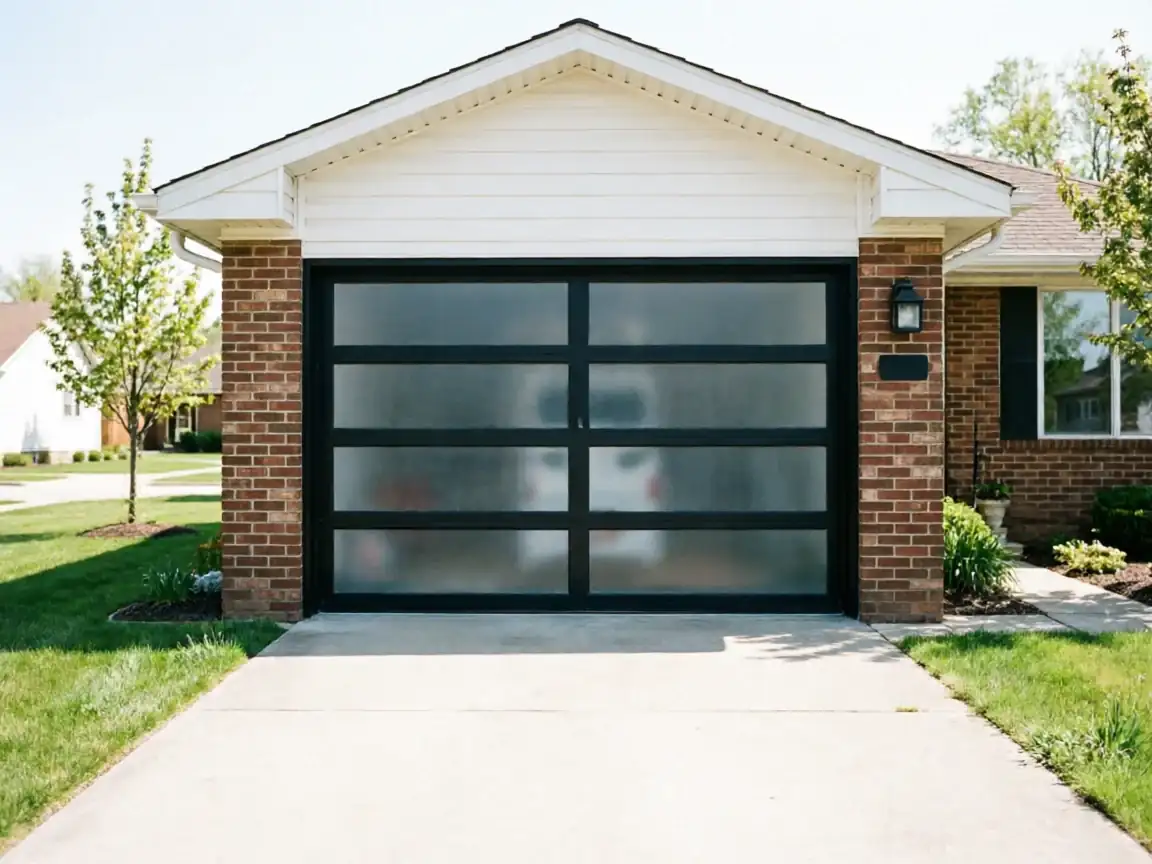
Inver Grove Heights households carry a median income noticeably above the wider service area's figure, and we mention that only because it shapes what we stock for this part of our route - more composite and insulated door requests, fewer bare steel panels. That doesn't change the price of a spring repair, but it's part of why we carry a broader range of parts on the truck for these calls.
How We Fix It
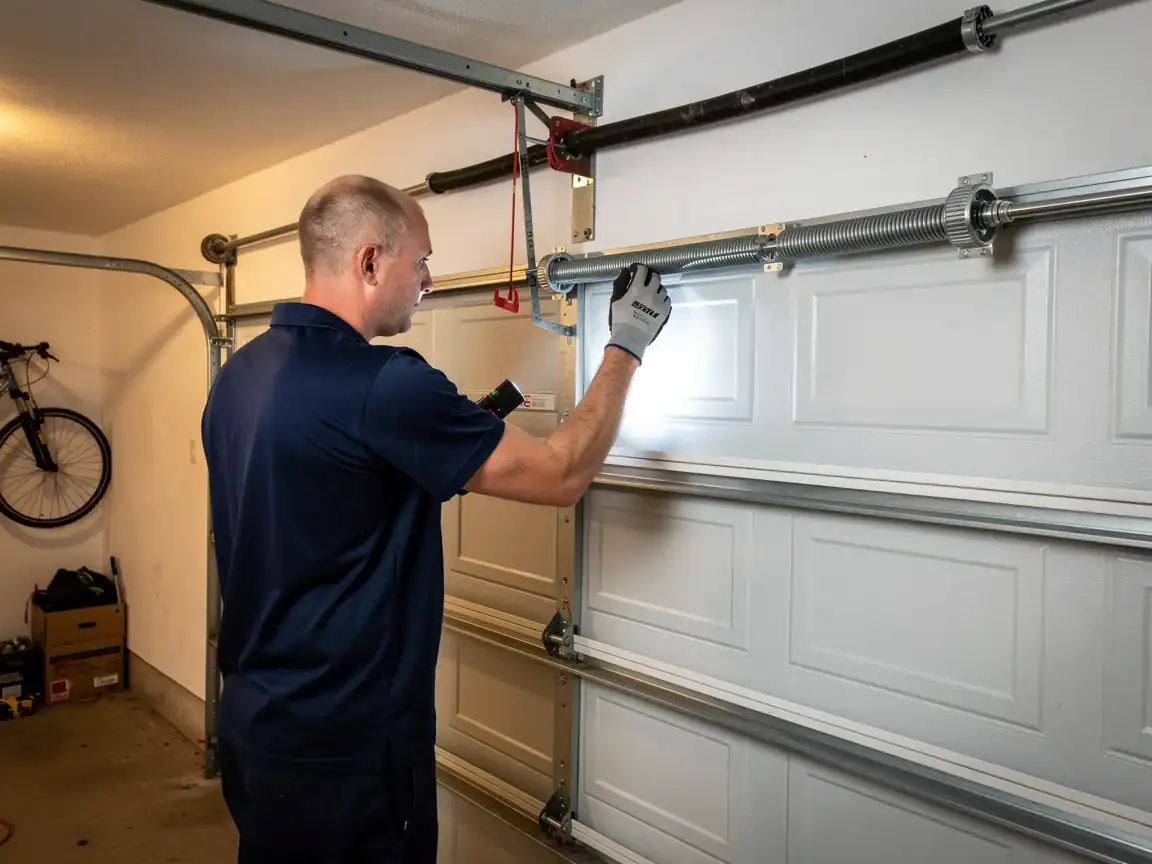
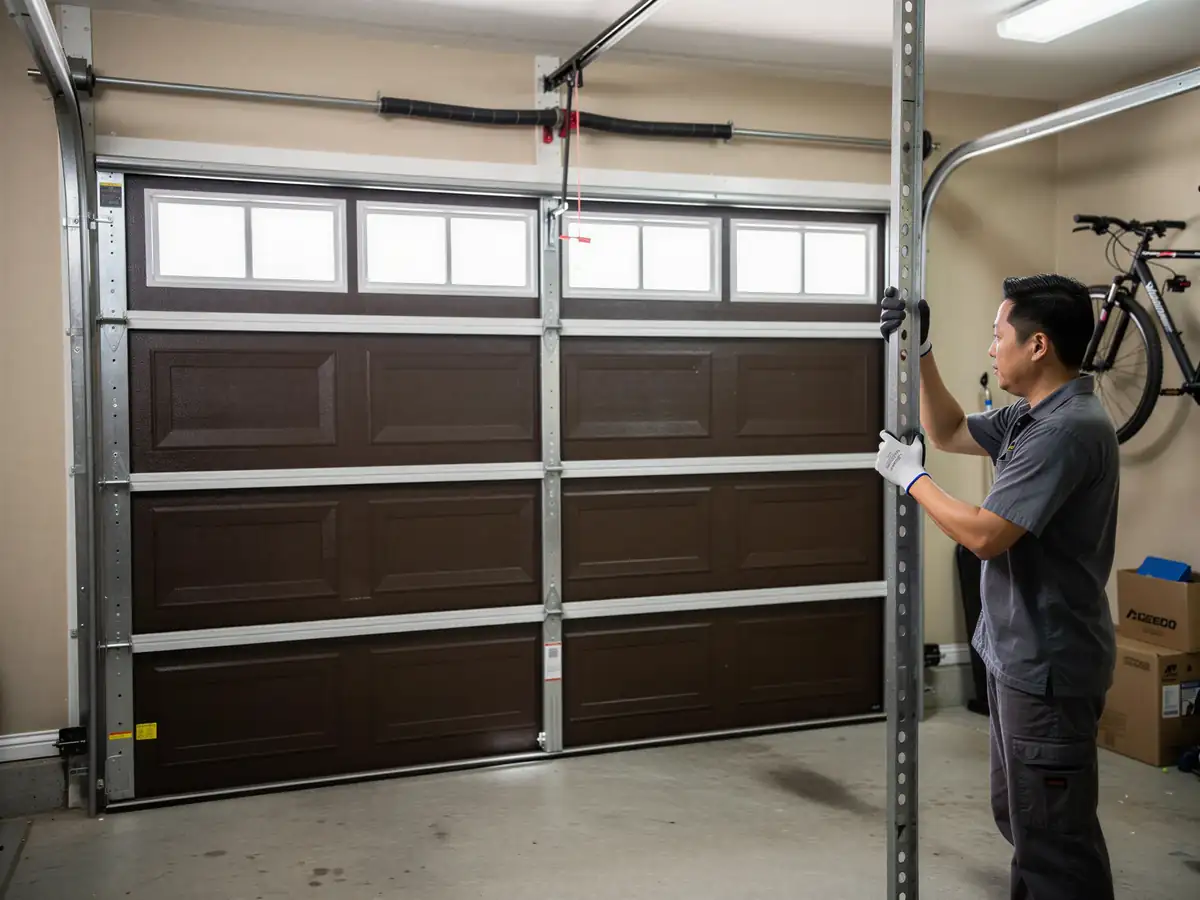
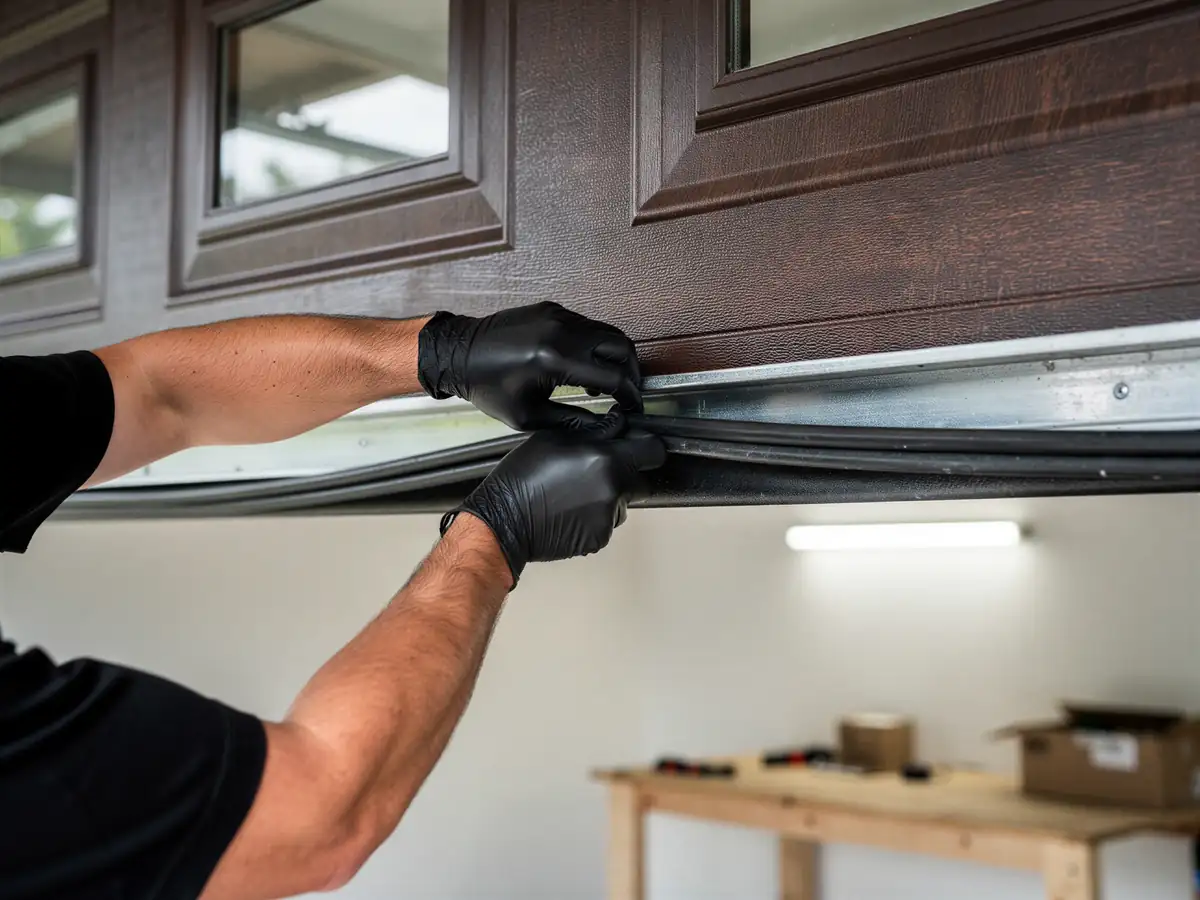
For a broken torsion spring, we unload the tension with winding bars, pull the old spring off the shaft, measure wire size and wind length against the door's weight, and set the new spring to the same cycle rating the door was designed for - not a generic swap. For an opener that's quit, we check the circuit board and capacitor before replacing the whole unit, since a 1990s-era opener sometimes just needs a part, not a full tear-out.
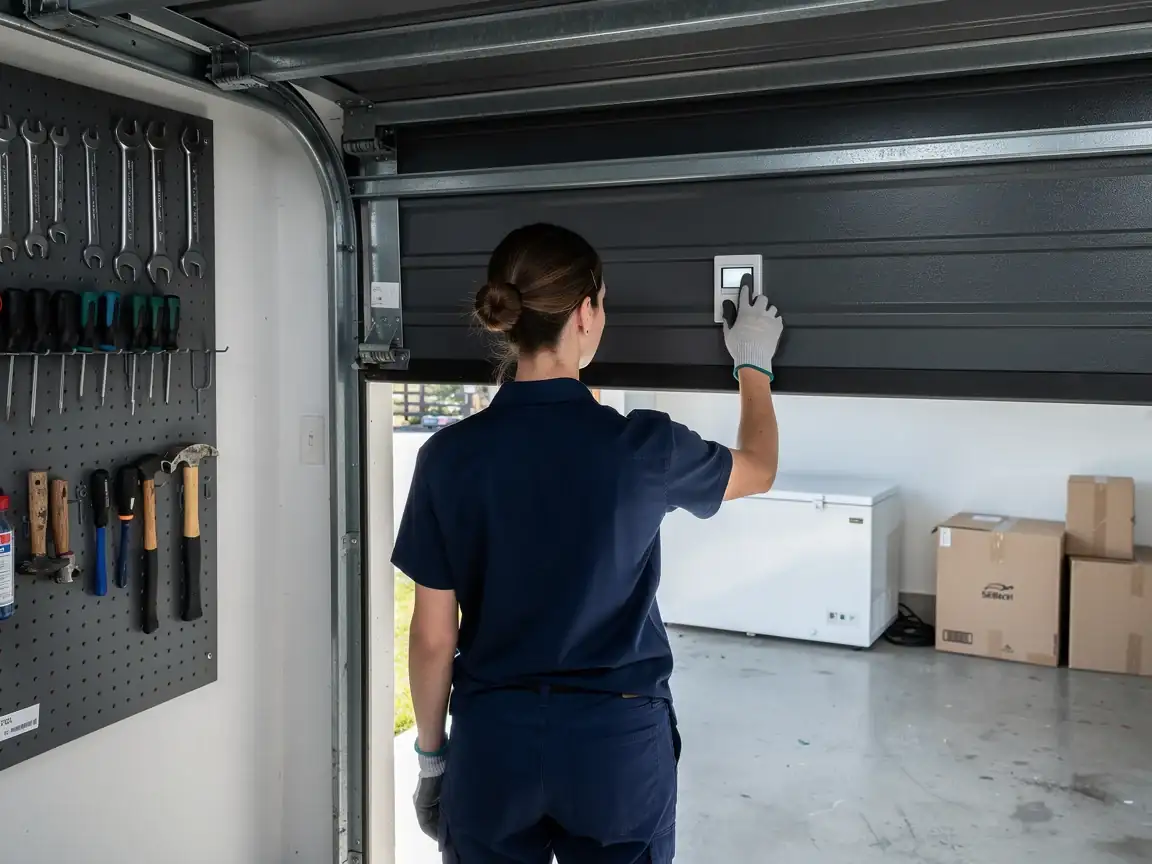
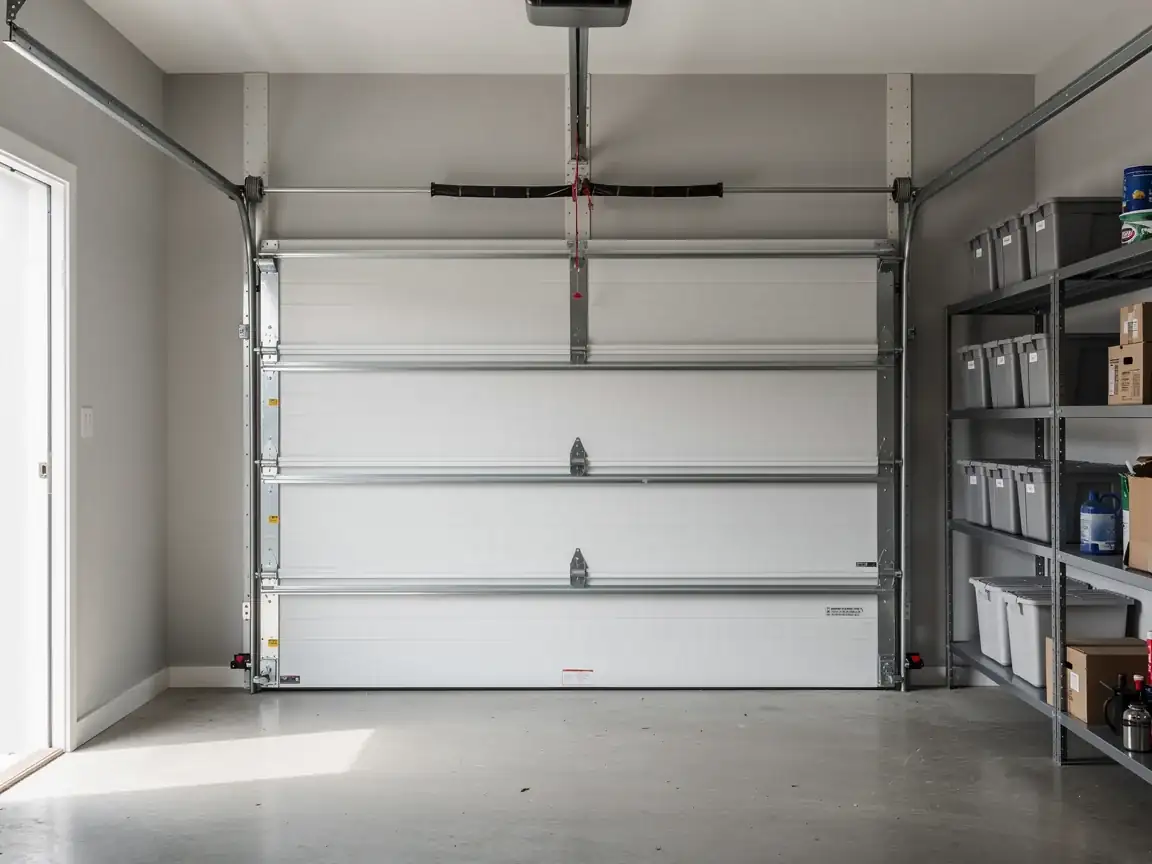
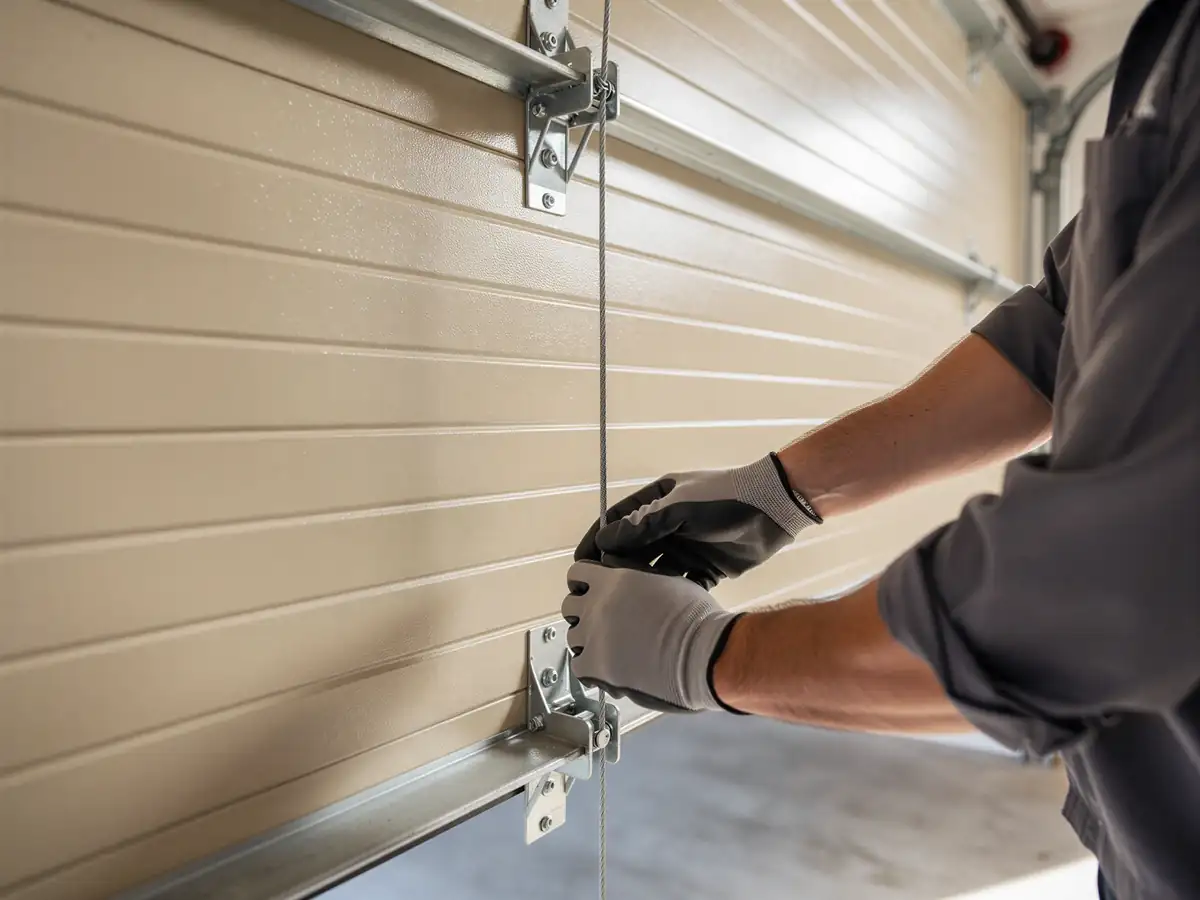
Track and cable repairs mean checking both sides for square, since a door that's racked on one side will shred a new cable in weeks if the track itself isn't reset first. We test the auto-reverse and force settings before we leave, every time, because that's the one safety check that actually prevents an injury later. If a repair would cost most of what a new door runs, we'll say so rather than patch something that's going to fail again in a year.