Booking a Visit
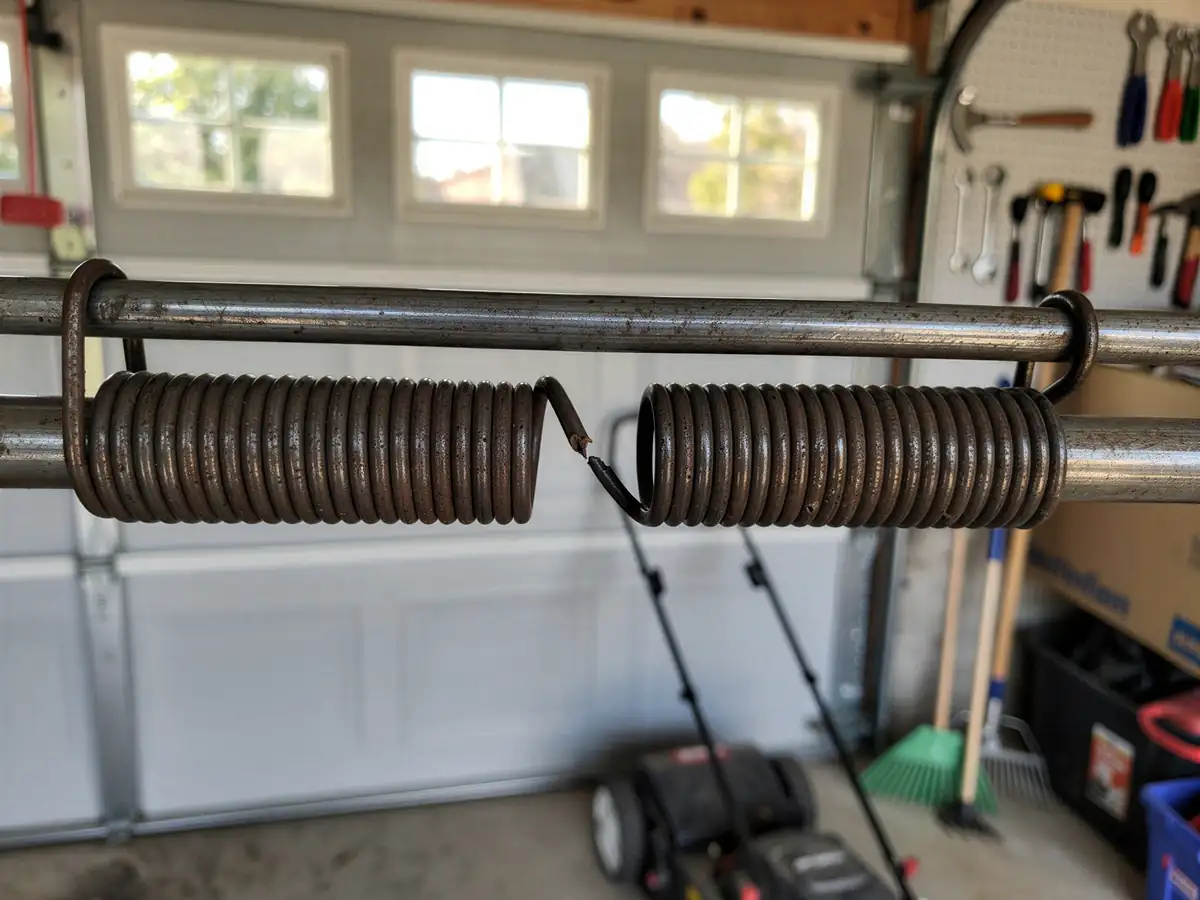
Inver Grove Heights sits about 8 miles from our shop in Woodbury, which puts it on the far side of our usual run. That distance matters for one practical reason: we're not swinging by on a whim between two closer jobs. When you call about a broken spring, we ask a few questions up front - one door or two, torsion or extension, how old the opener is - so the truck that shows up has the right spring on it the first time. A wasted trip over the river costs you a day you didn't need to lose. We'd rather spend five minutes on the phone getting it right than guess and come back. Book through the coverage page for this area, and tell us what you're seeing: a door that won't lift, a loud bang followed by a door that drops, or a spring you can see is split. That detail changes what's loaded on the truck before we ever leave Woodbury.
We don't keep a branch in Inver Grove Heights, so same-day isn't always possible depending on the run that day - we'll tell you honestly where you sit in the queue when you call.
The DIY Question
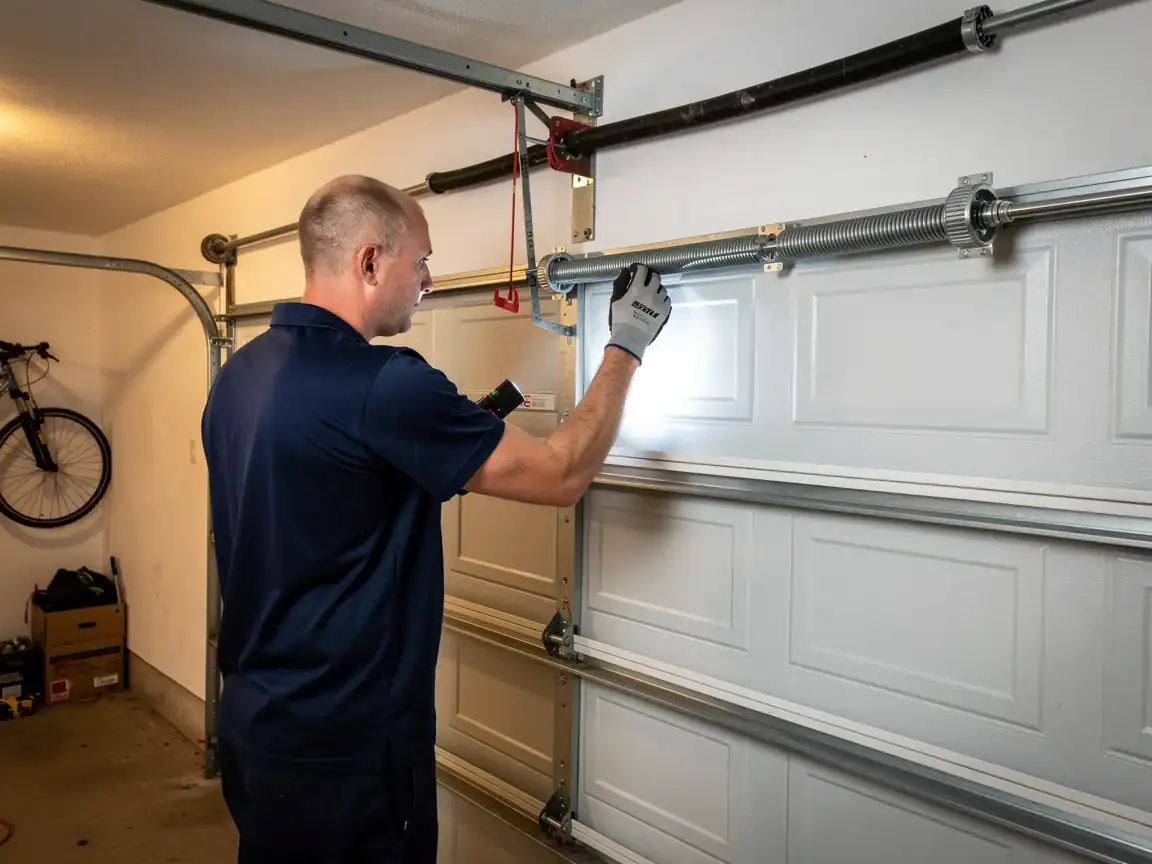
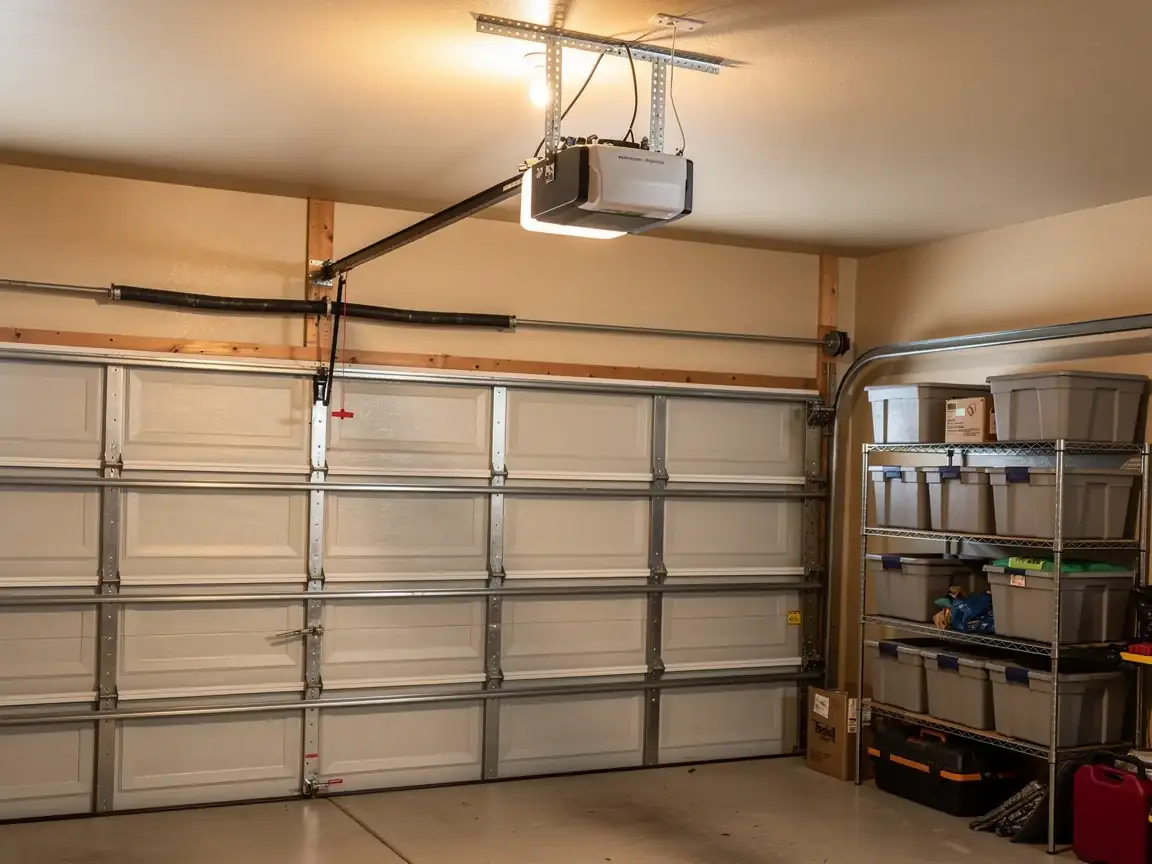
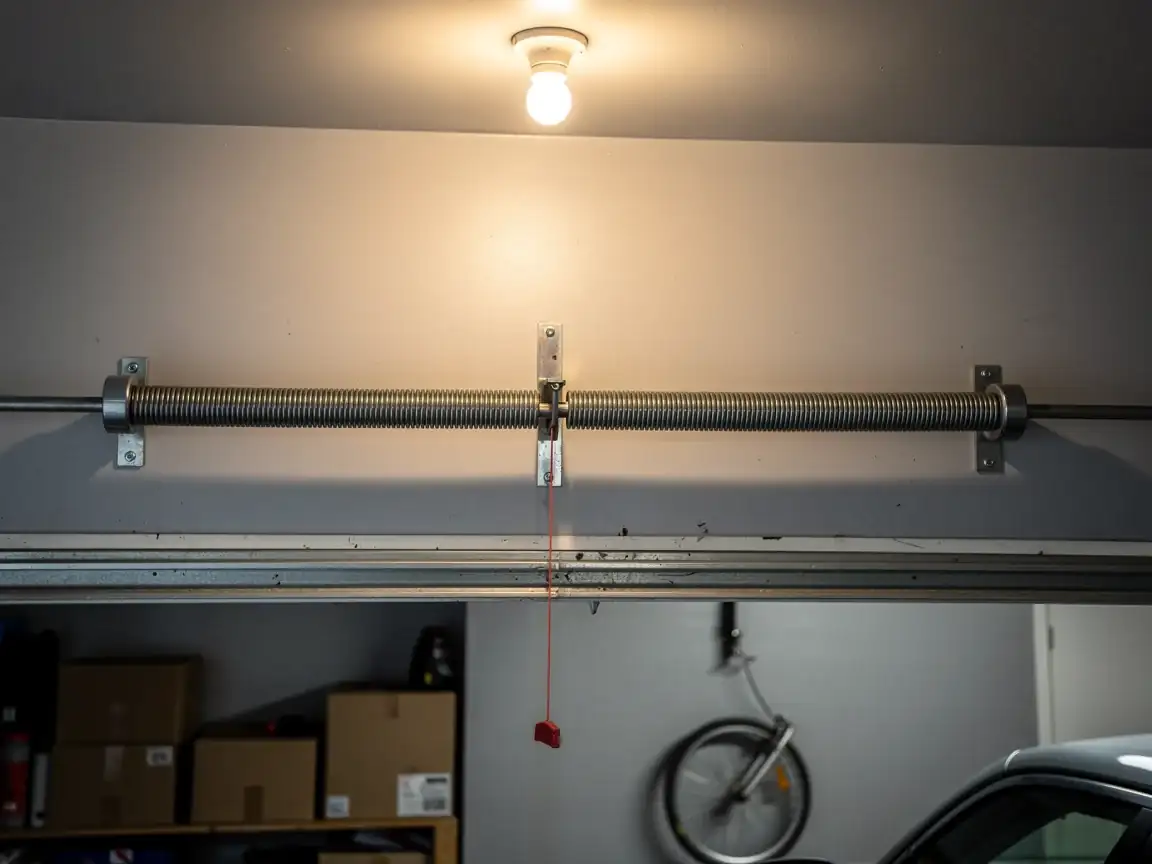
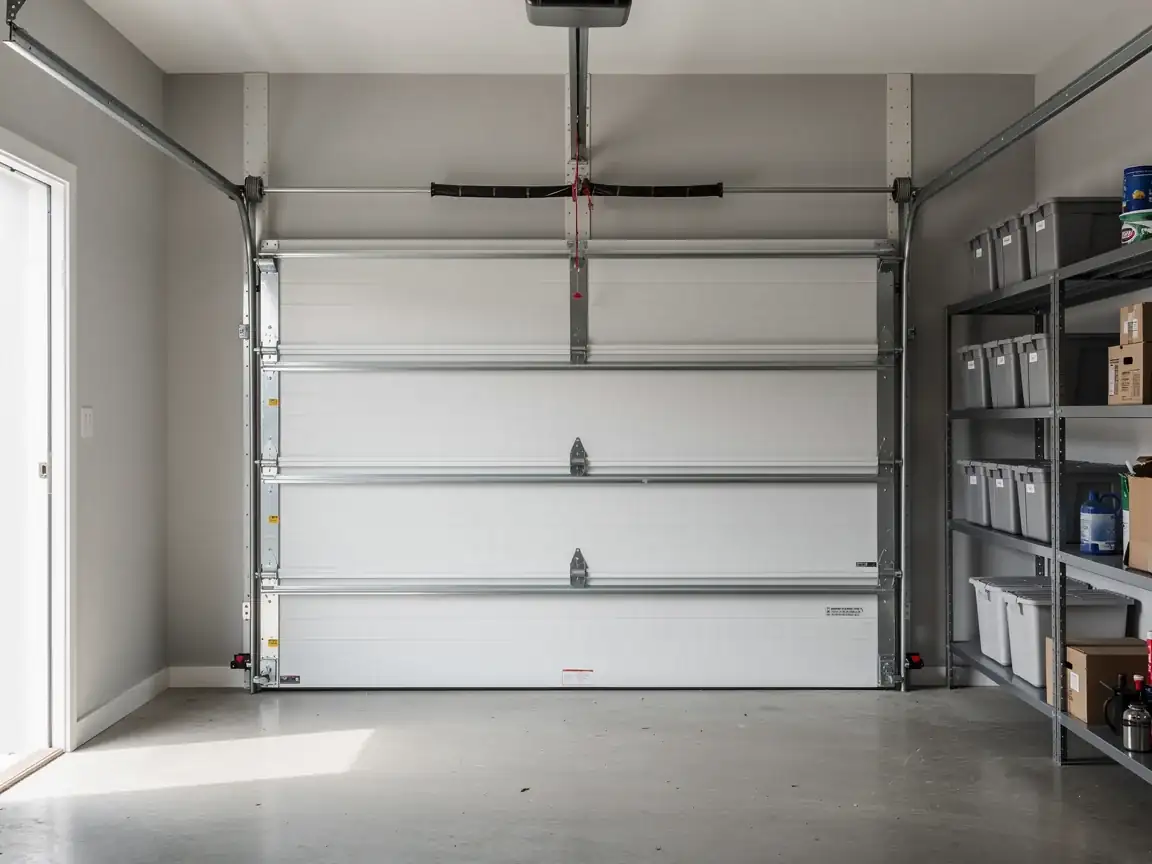
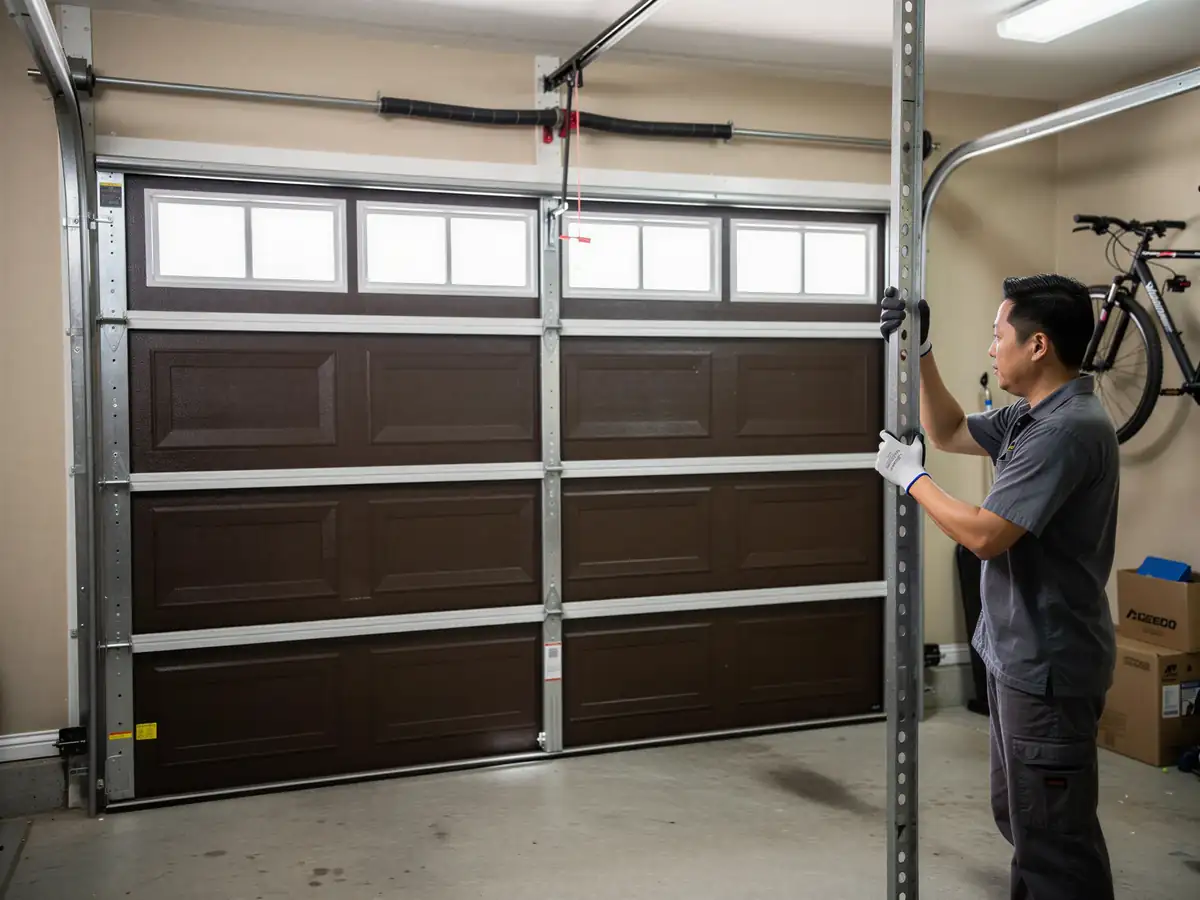
A broken torsion spring is not a weekend project, and this isn't a scare tactic - it's wound under enough tension to do real damage if the winding bars slip. Extension springs are a little more forgiving to inspect but still dangerous to replace without the right safety cables in place. What you can safely check yourself: whether the spring is torsion (mounted on a bar above the closed door) or extension (stretched along the tracks), whether it's one spring or two, and whether the door is a single wide panel or a double. That's useful information for us on the phone and it costs you nothing to look. Past that, leave the winding and tensioning to someone with the bars and the clamps built for it. If your door was installed in the last decade, the spring is likely sized to a lighter, better-balanced panel than the older stock found elsewhere in this service area - guessing at a replacement size on a newer door is an easy way to overload the opener instead of the spring.
Why It Happens Here
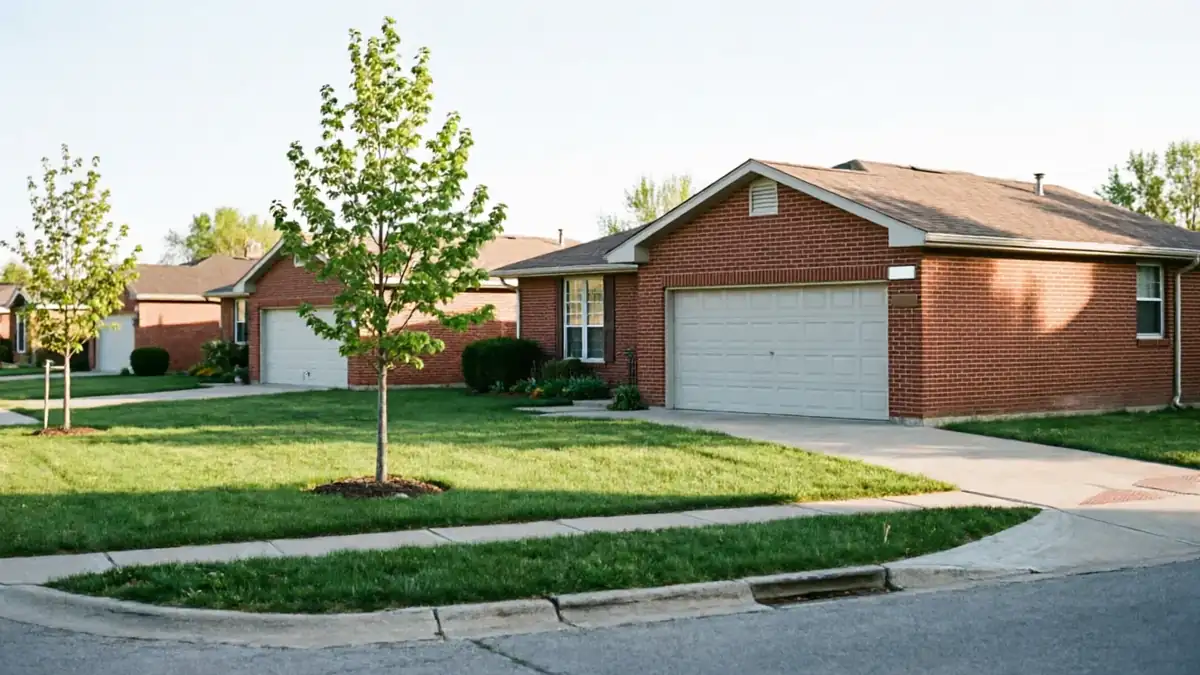
Inver Grove Heights skews newer than a lot of what we see elsewhere in the service area
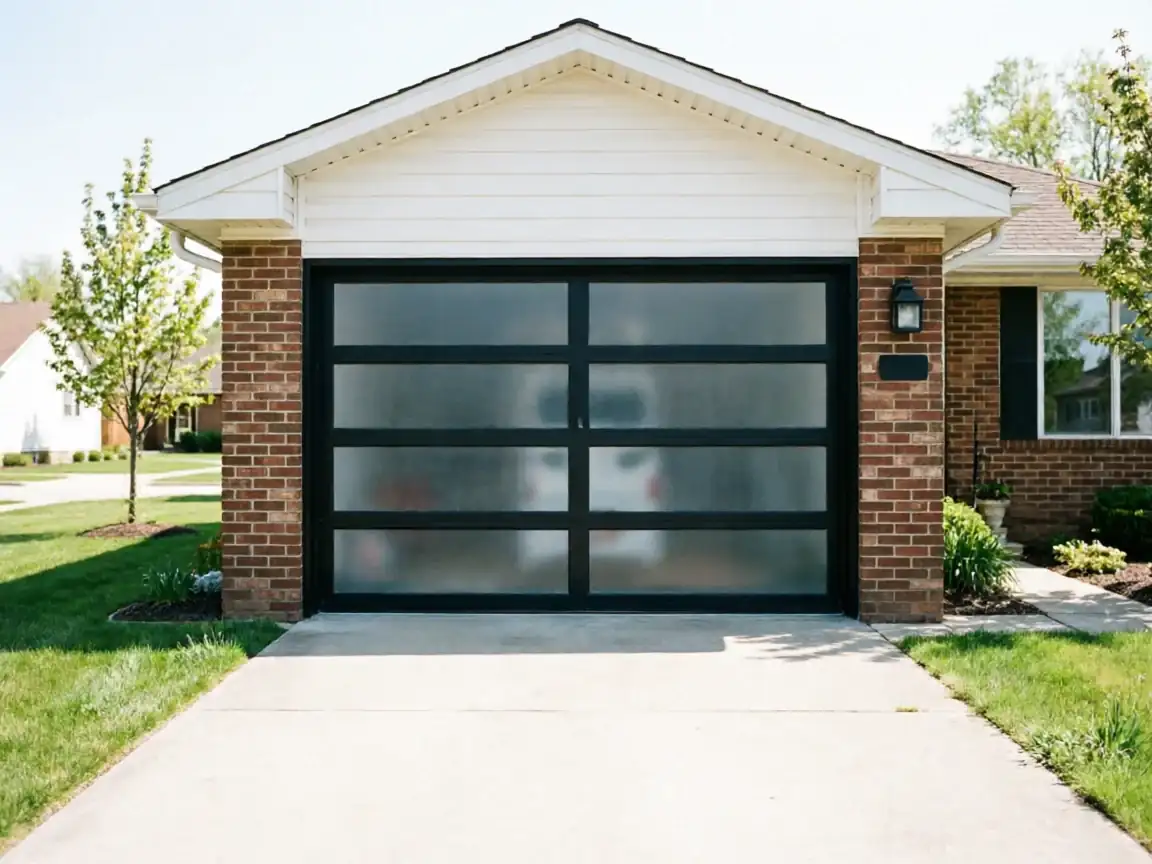
The typical house here went up around 1990, well past the 1956-2002 range that spans the broader market and later than the 1960s-70s stock common across the other 33 communities we cover. That later build date means fewer homes stuck with the old heavyweight wood doors and more with lighter steel or insulated panels paired with torsion springs sized for them from the factory. The failure mode you're more likely to see here isn't a mismatched spring fighting an old door - it's wear. A torsion spring is rated for a cycle count, somewhere around 10,000 open-and-close cycles for a standard spring, and a garage used daily for 20-plus years simply runs out before anyone notices.
- 33 communities
Cold is still cold regardless of build year
This area sits in a moderate-cold climate band, and steel contracts in winter the same way whether the house is from 1965 or 1995 - a spring already near the end of its cycle life is more likely to snap on a sub-zero morning than a mild one.
What It Costs
We don't have a published price list for this page, and we're not going to invent one - what a spring job runs depends on torsion versus extension, one spring or a matched pair, and the spring's wire size and length for your specific door. What we can tell you is the economics of the area: median household income here runs around $104,055, noticeably above the roughly $93,233 median across the wider service area, and we see that reflected in more jobs being full pair replacements rather than patching a single broken spring. If one side has failed, the other side on a double spring setup is usually close behind it, and replacing both at once saves a second trip and a second labor charge down the road. We'll quote the job on-site before touching anything, not over the phone off a guess.
How We Fix It
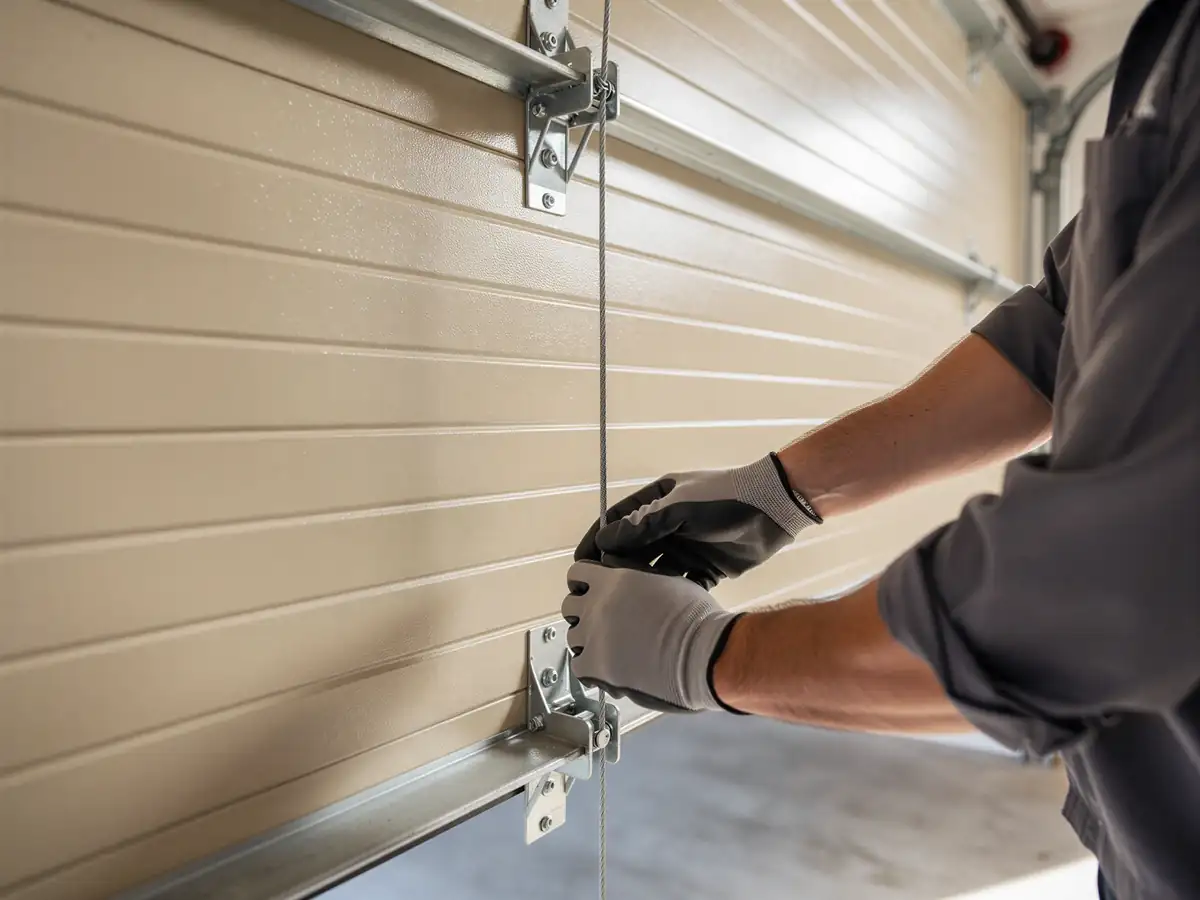
First we confirm what's actually broken - a snapped torsion spring, a stretched-out extension spring, or in some cases a worn cable that looks like a spring problem from the garage floor. Then we match the replacement to the door's weight and the track setup, not just swap in whatever's closest in size on the truck. For torsion springs that means winding to the correct number of turns for your door's exact weight; too few turns and the door won't hold position, too many and you're back to another failure sooner than you should be. For extension springs we check that the safety cables are run correctly through the spring, since that's the part most often skipped on a rushed repair. We test the door through a full open-close cycle and check the balance by hand before we call the job done. If the opener's travel limits or force settings need adjusting after the new spring goes in, we handle that in the same visit rather than leaving you with a door that slams the last six inches.