Booking a Visit
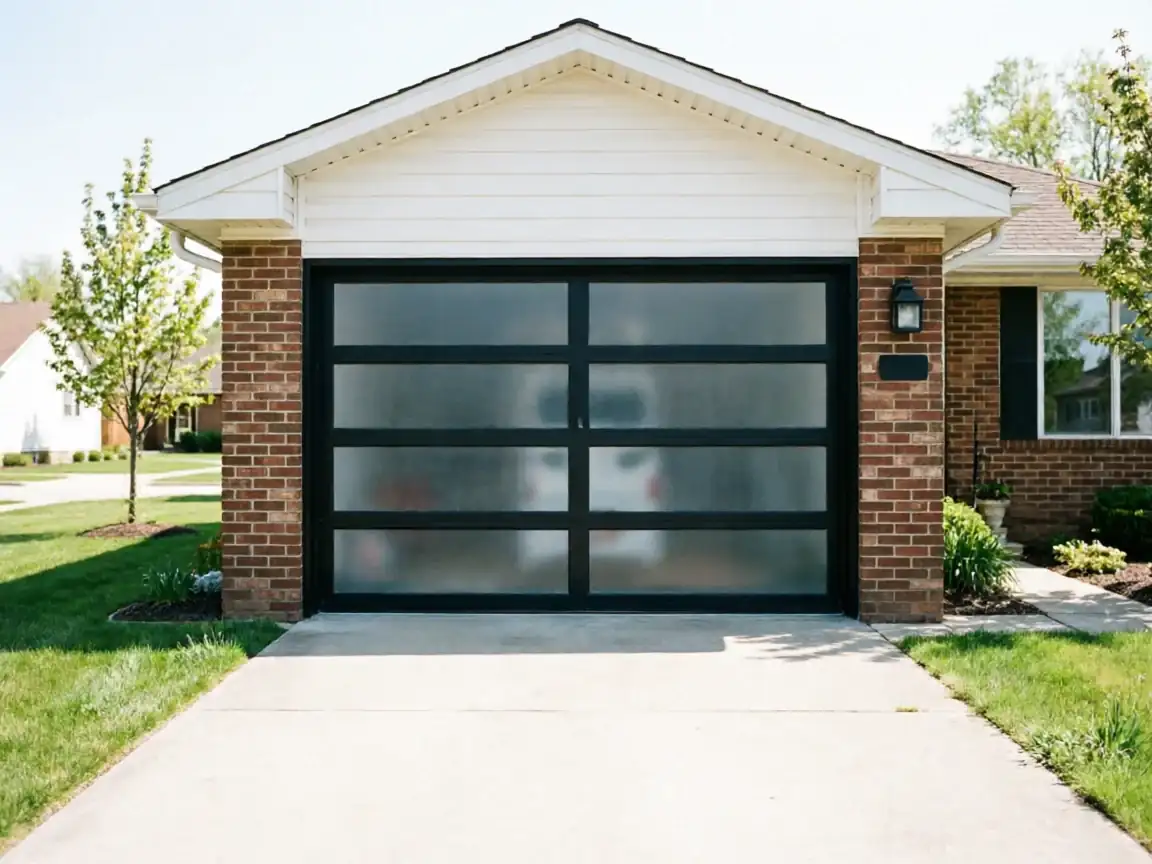
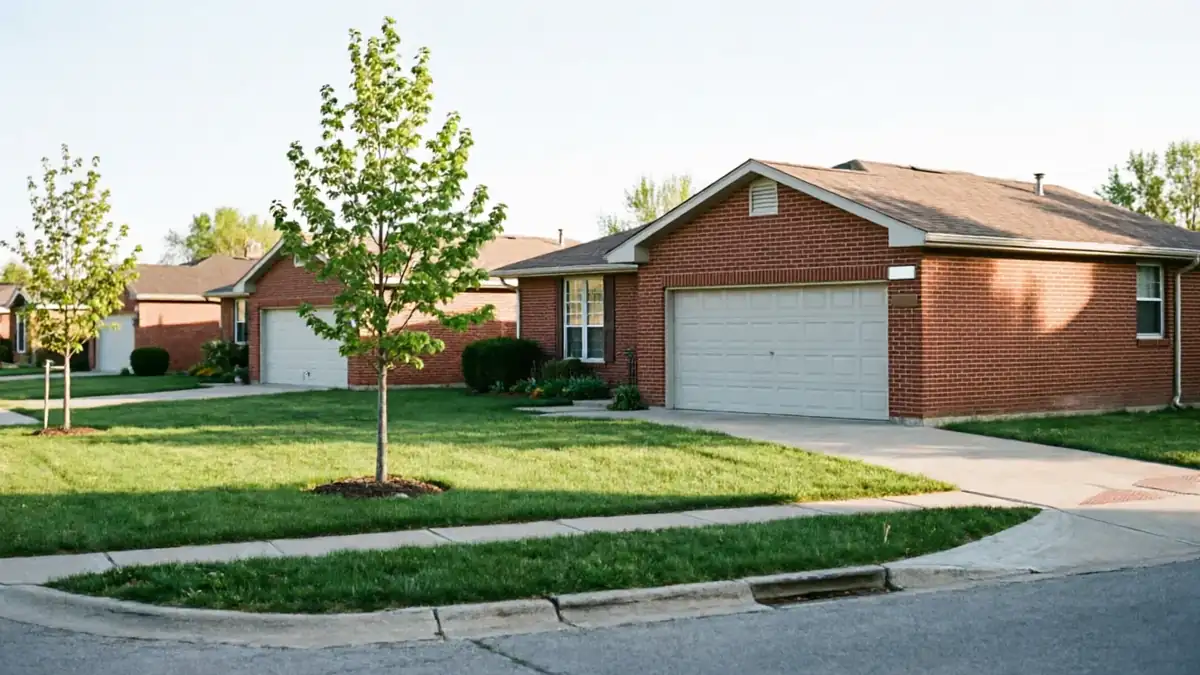
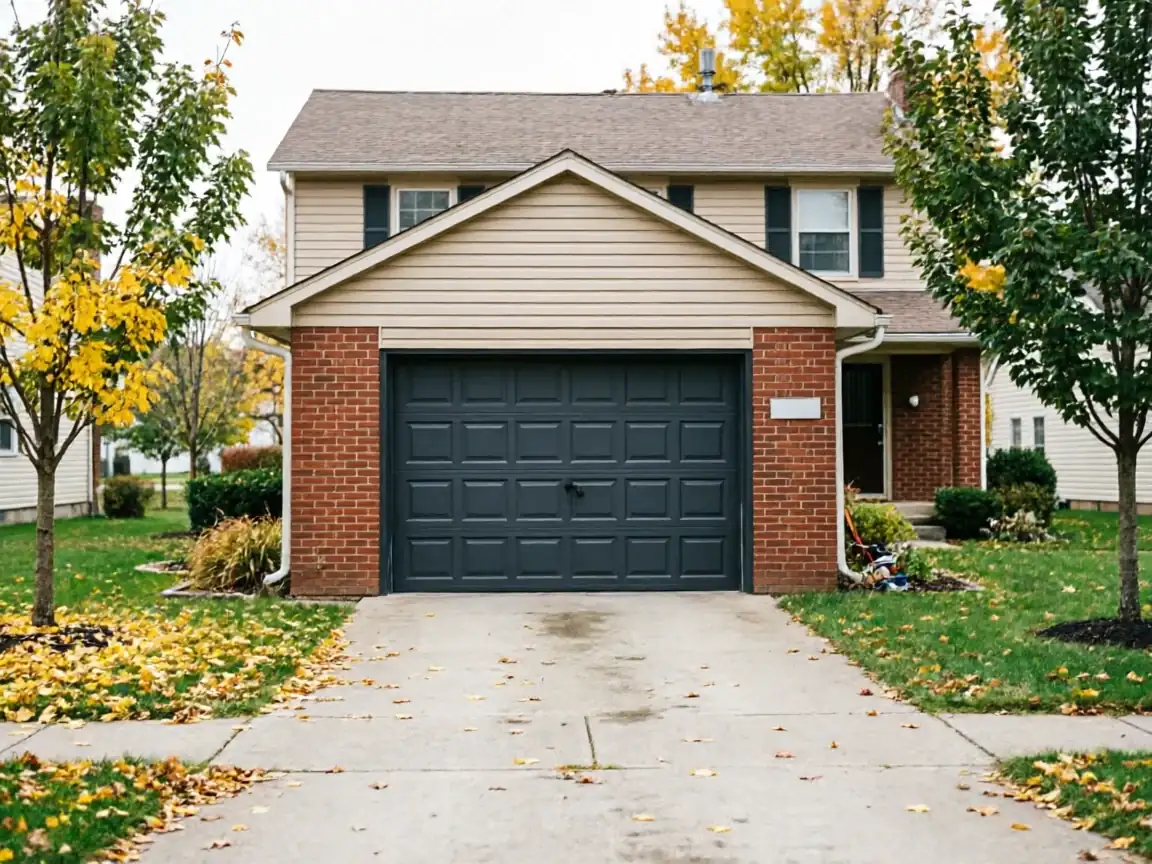
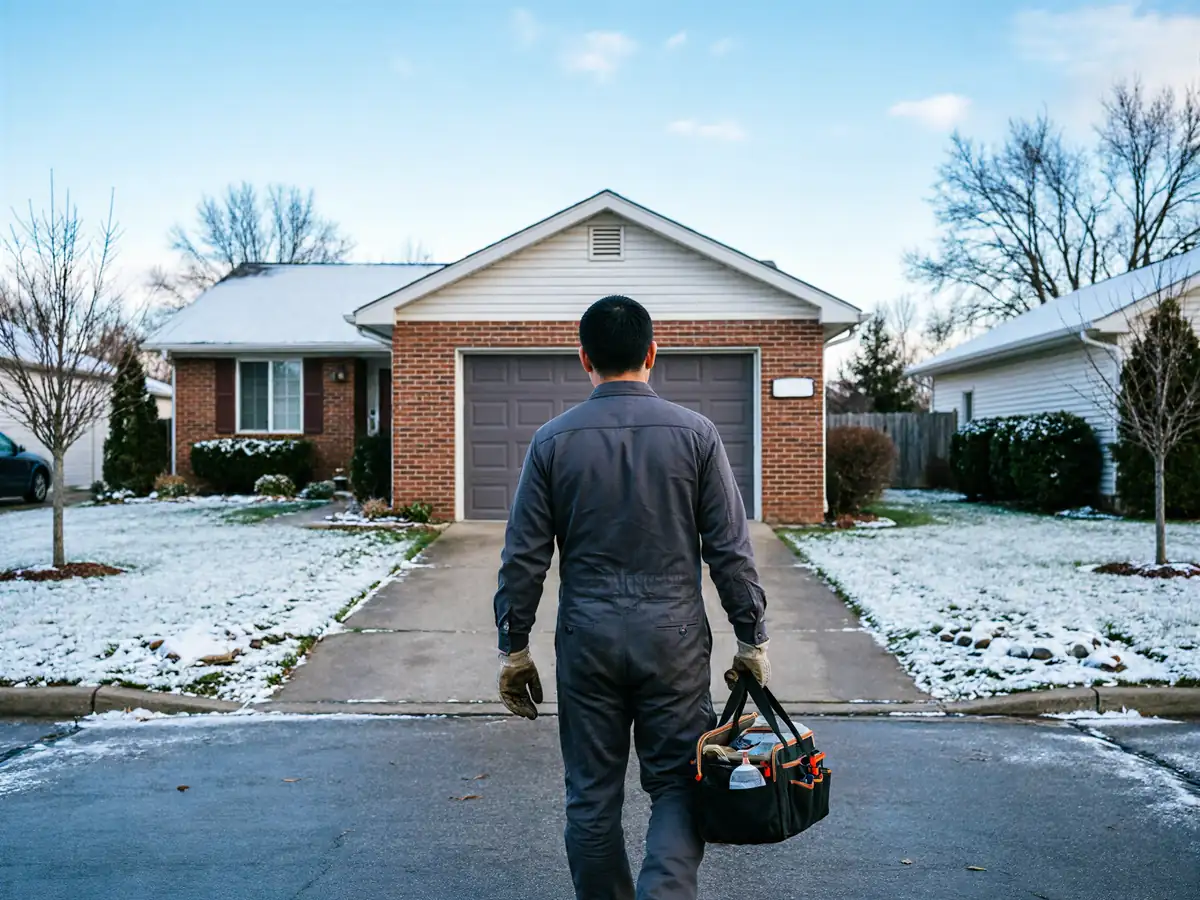
Inver Grove Heights runs about 14,598 households, a smaller pool than the broader service area, which means the door problems we see here repeat in a tighter pattern rather than spanning every era of garage hardware. We come out from Woodbury, roughly 8 miles away, so when you call we're scheduling a trip, not sending someone who's already a block over. That's worth knowing up front: no same-day guarantee tied to a local branch, because there isn't one here. What we can tell you is that the fix for your door is probably going to be a known quantity, not a guessing game, because most houses in this city were built around the same time. Give us the symptom - won't open, makes a grinding noise, one side sags - and we can usually tell you what we're bringing on the truck before we arrive.
The DIY Question
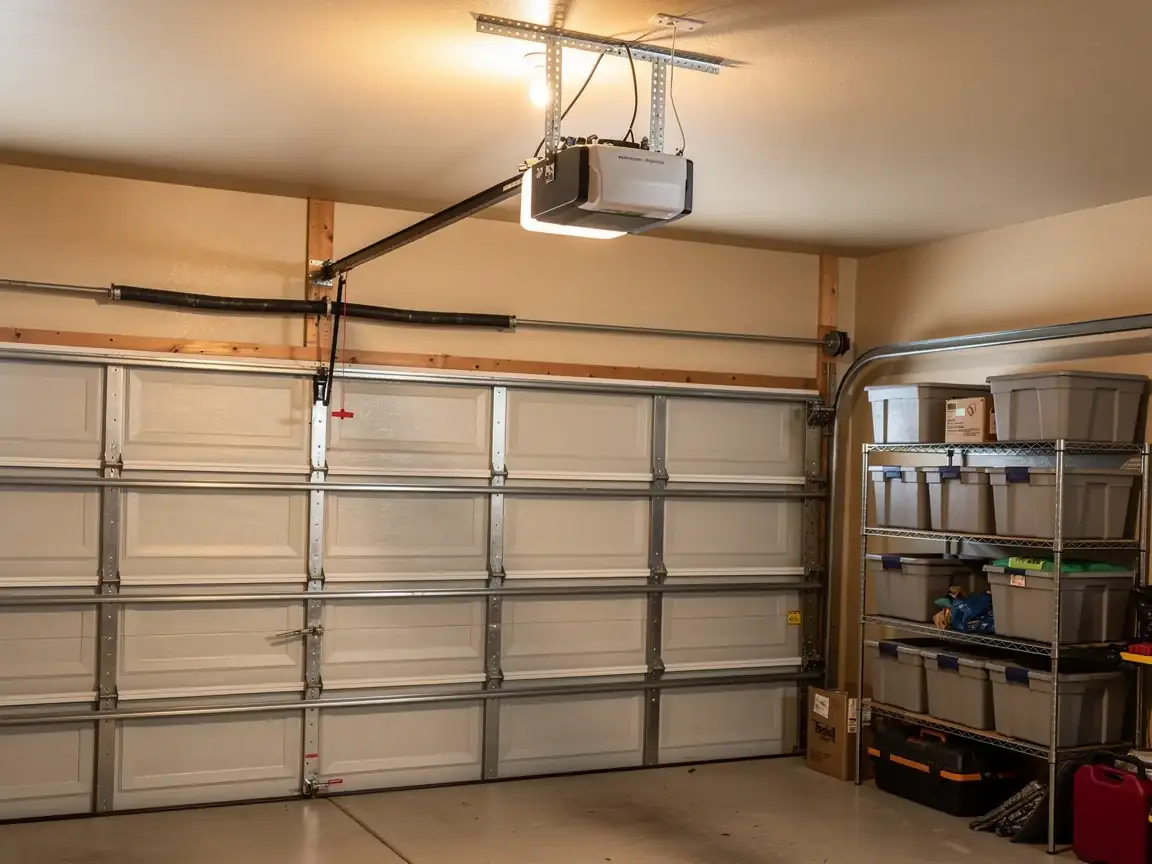
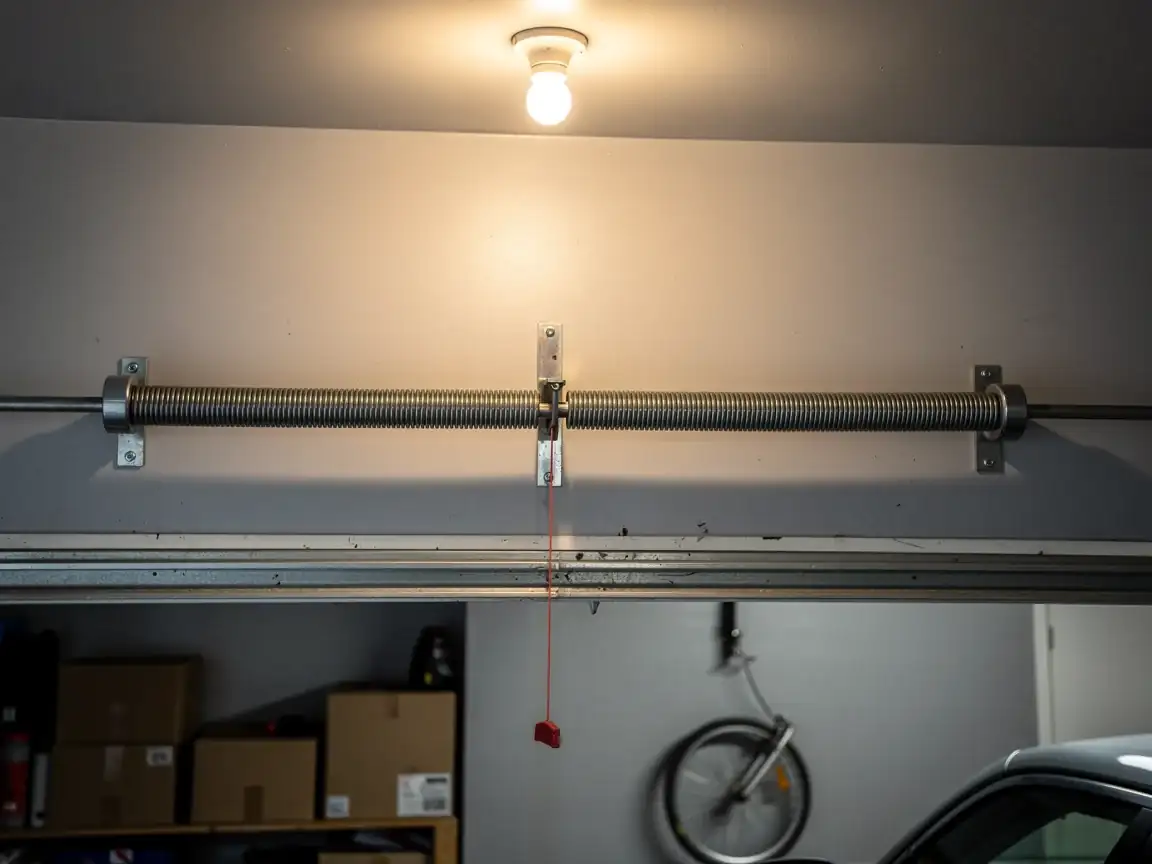
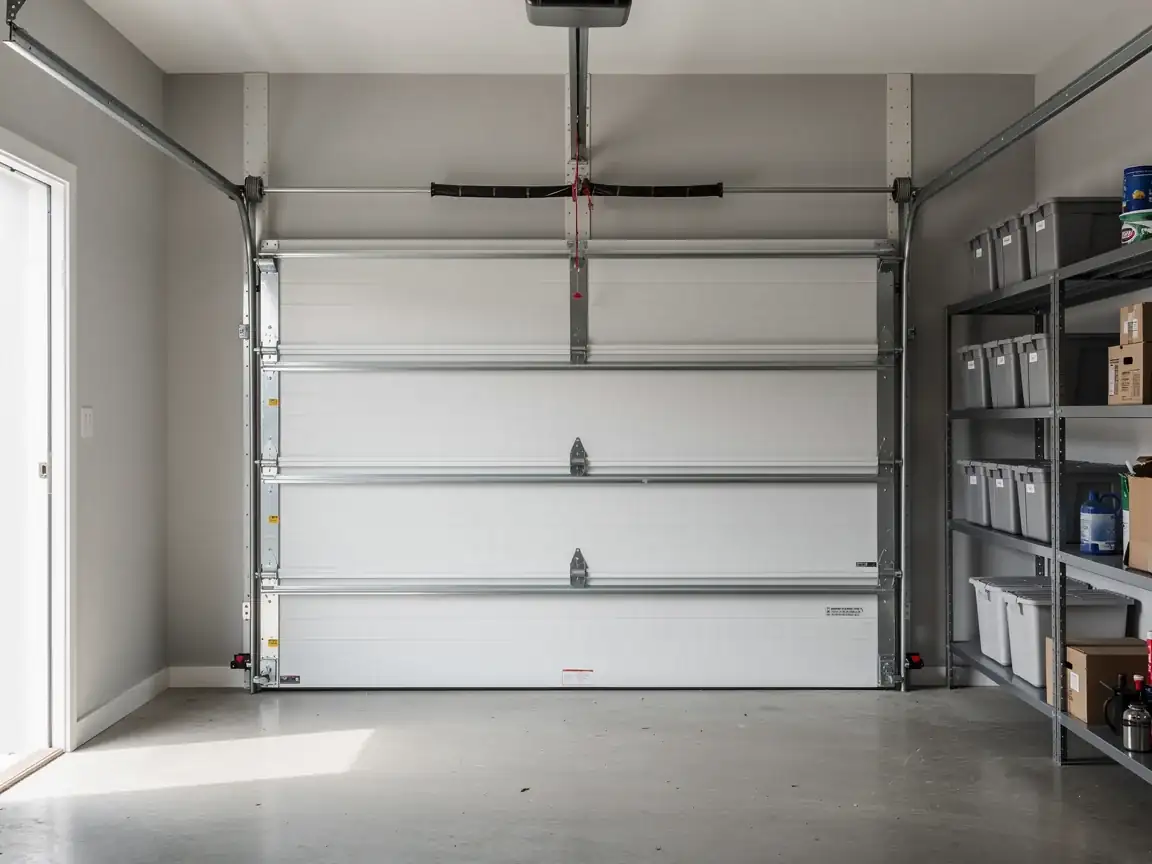
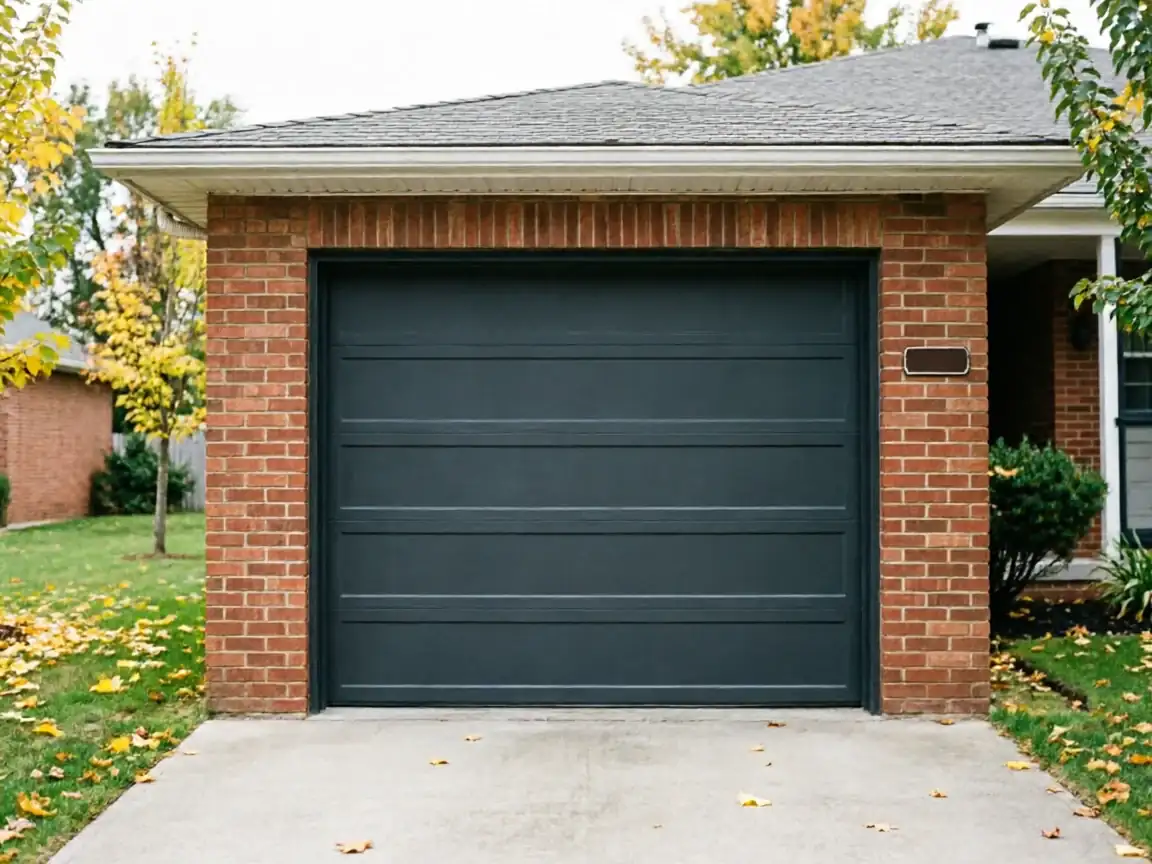
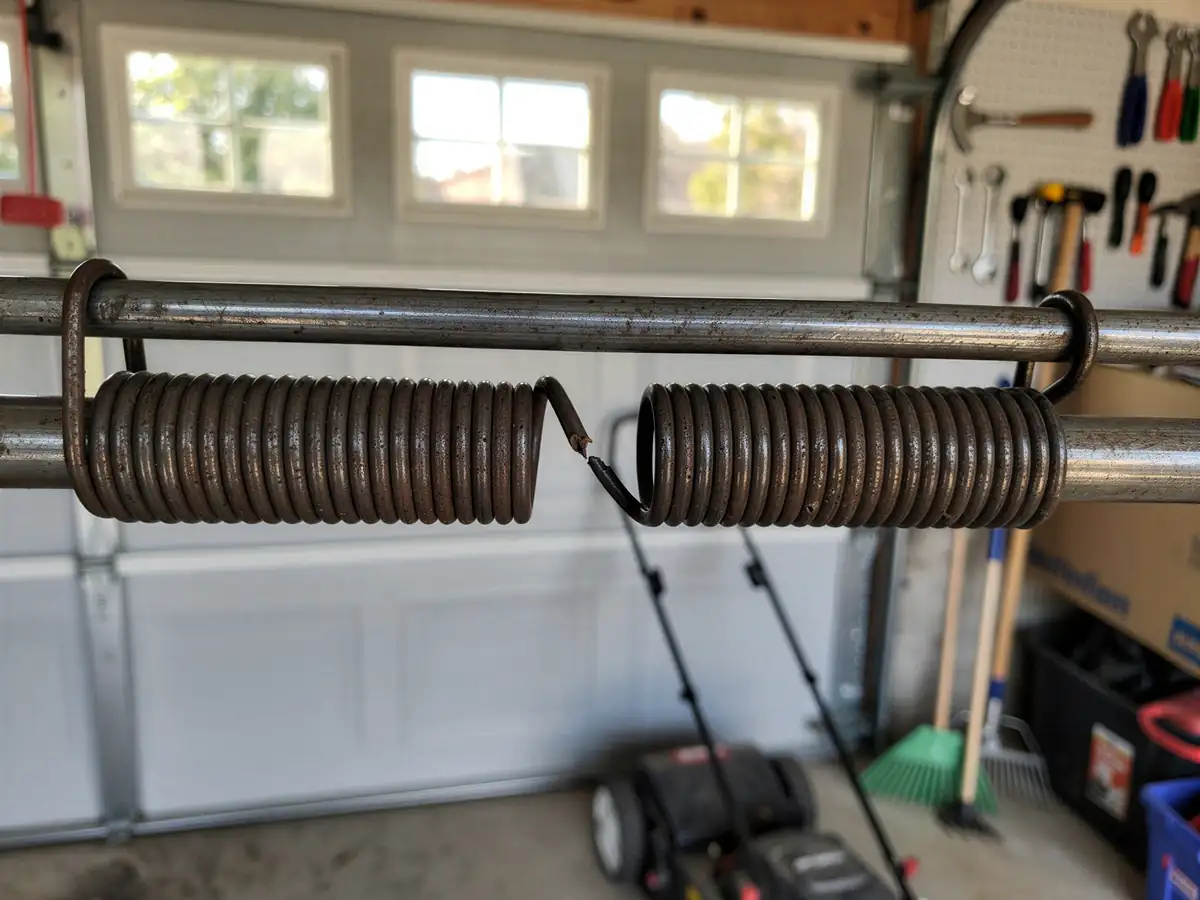
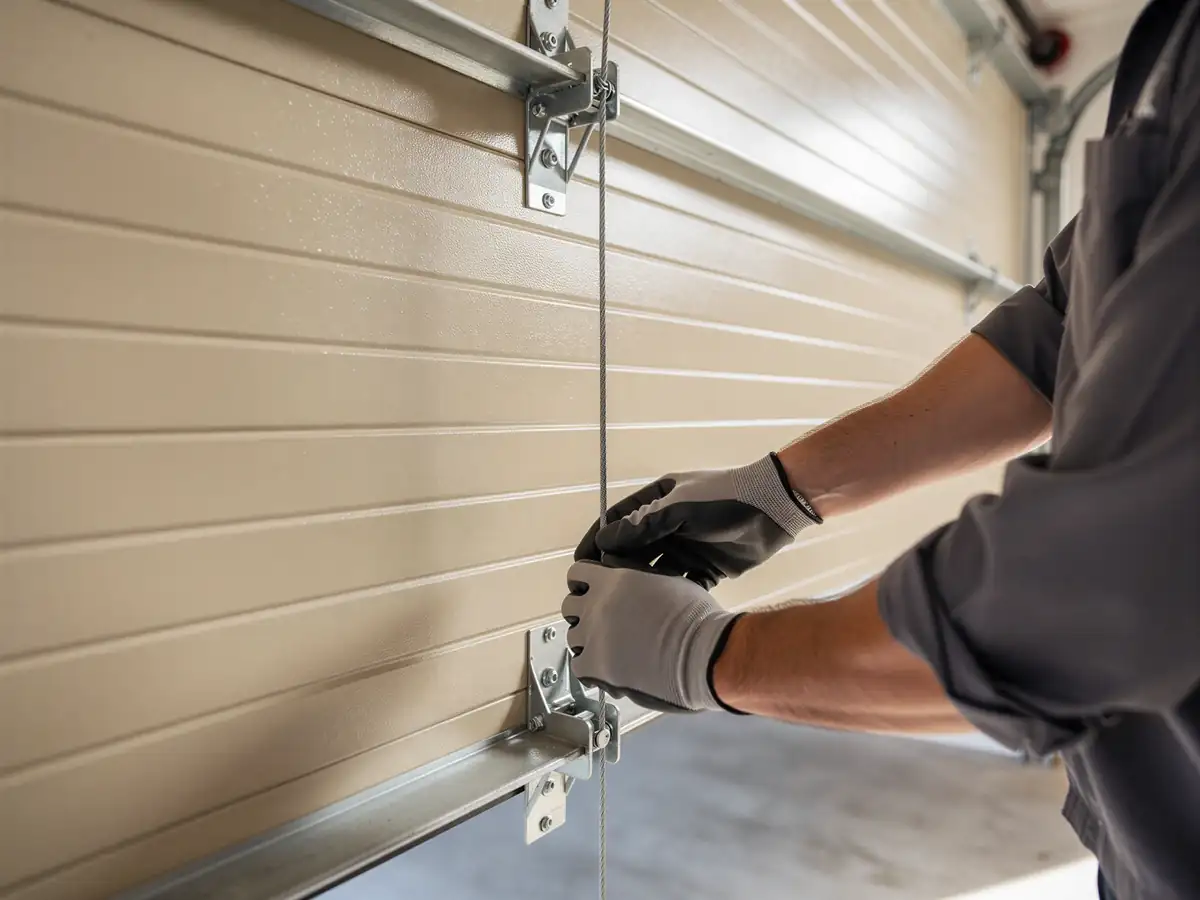
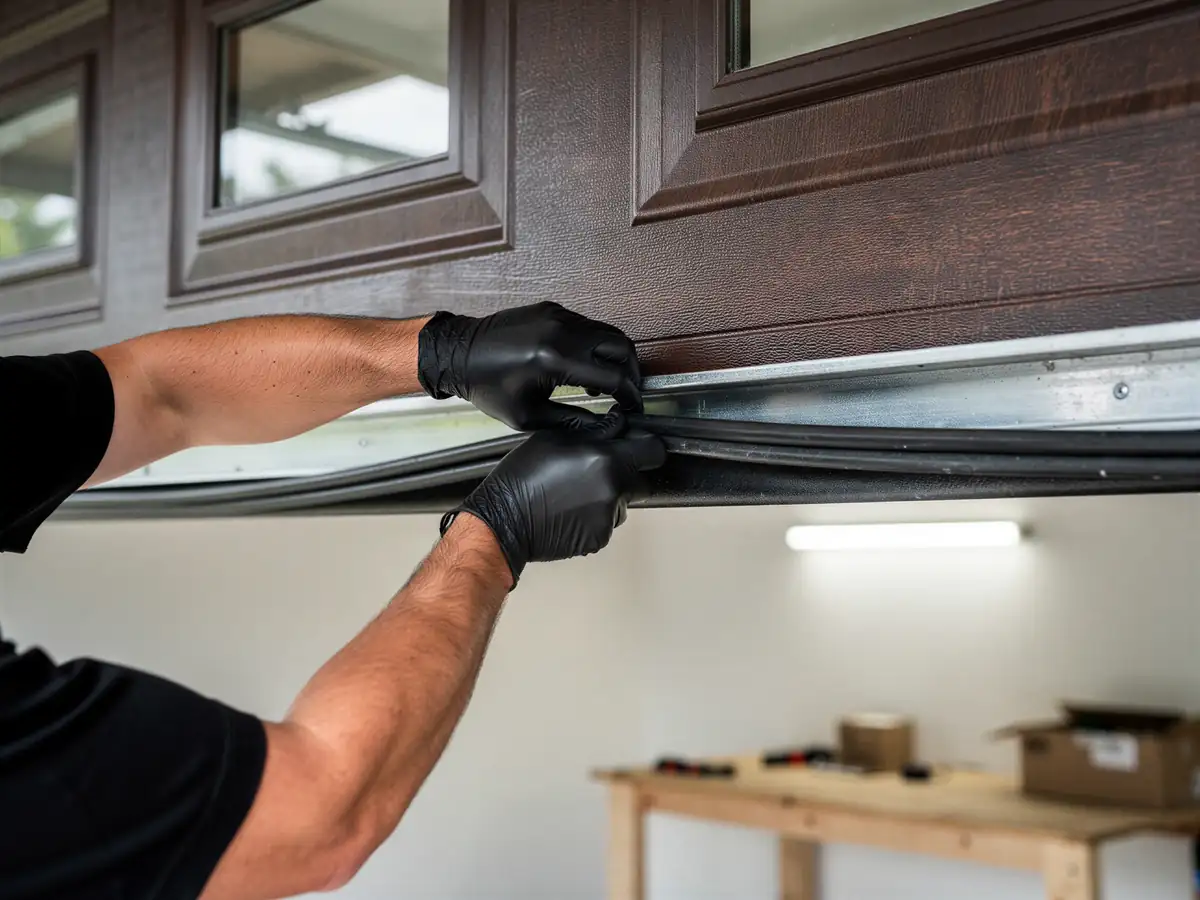
With a median build year around 1990, Inver Grove Heights doors are mostly extension or torsion spring setups with chain or belt-drive openers from the 1990s and 2000s - not the older one-piece doors you find in places with 1960s stock. That's actually friendlier to a homeowner who wants to try something small: lubricating rollers, tightening loose hinge bolts, replacing a worn weatherstrip. What you should not touch is the torsion spring itself or anything on a wound cable - the spring is under enough tension to break bones, and a 1990s-era torsion system isn't meaningfully safer to work on than an older one just because the door is newer. If the opener's logic board is throwing error codes or the track is bent, that's also past the DIY line. Know the limit and call before you're in over your head.
What It Costs
We don't have a published price list for this page, and giving you a number without seeing the door would be a guess, not a quote. What we can say is that median household income here runs around $104,055, higher than the broader service area's $93,233, and that doesn't change what parts cost - a torsion spring or a logic board is priced the same whether it's installed in Inver Grove Heights or anywhere else we drive to. The honest answer is that cost depends on what's actually broken: a spring replacement, an opener circuit board, a full opener swap. Call and describe the symptom, and we'll tell you what you're likely looking at before we show up, not after.
How We Fix It
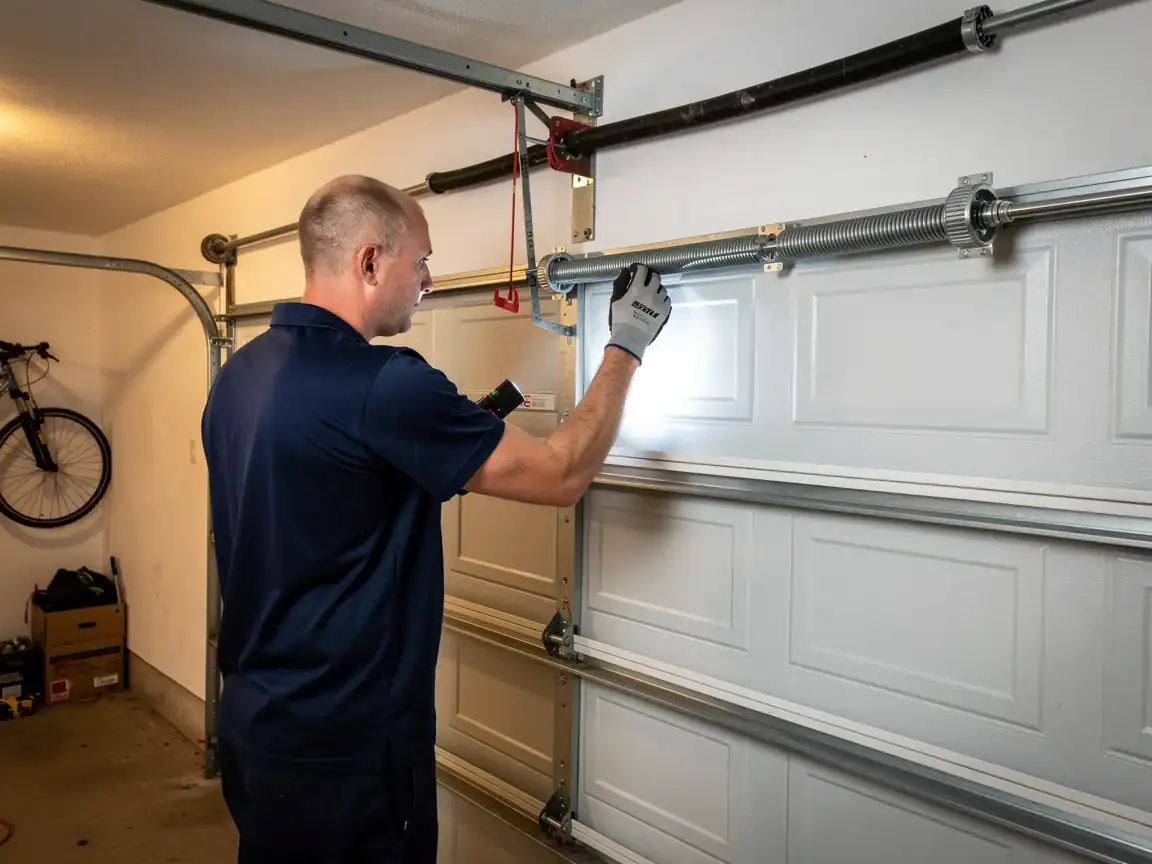
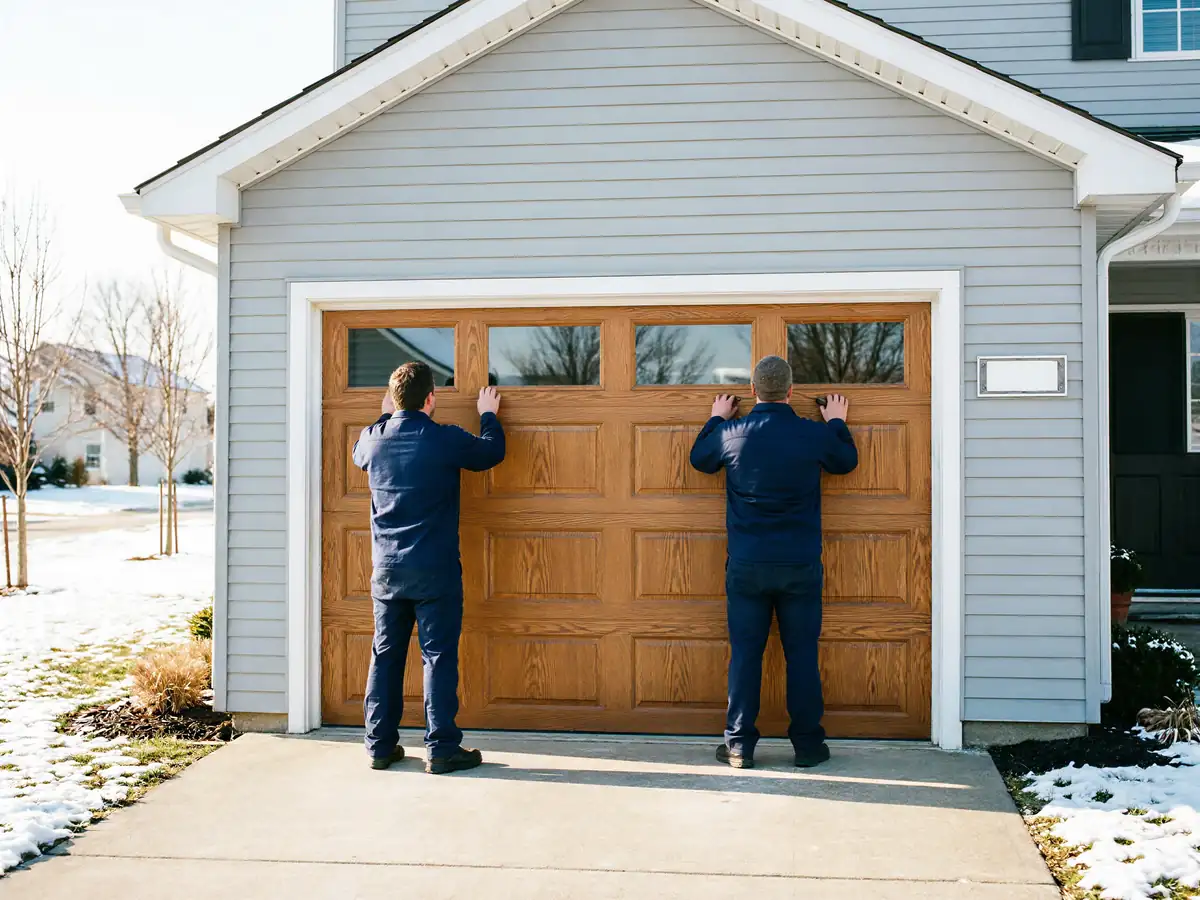
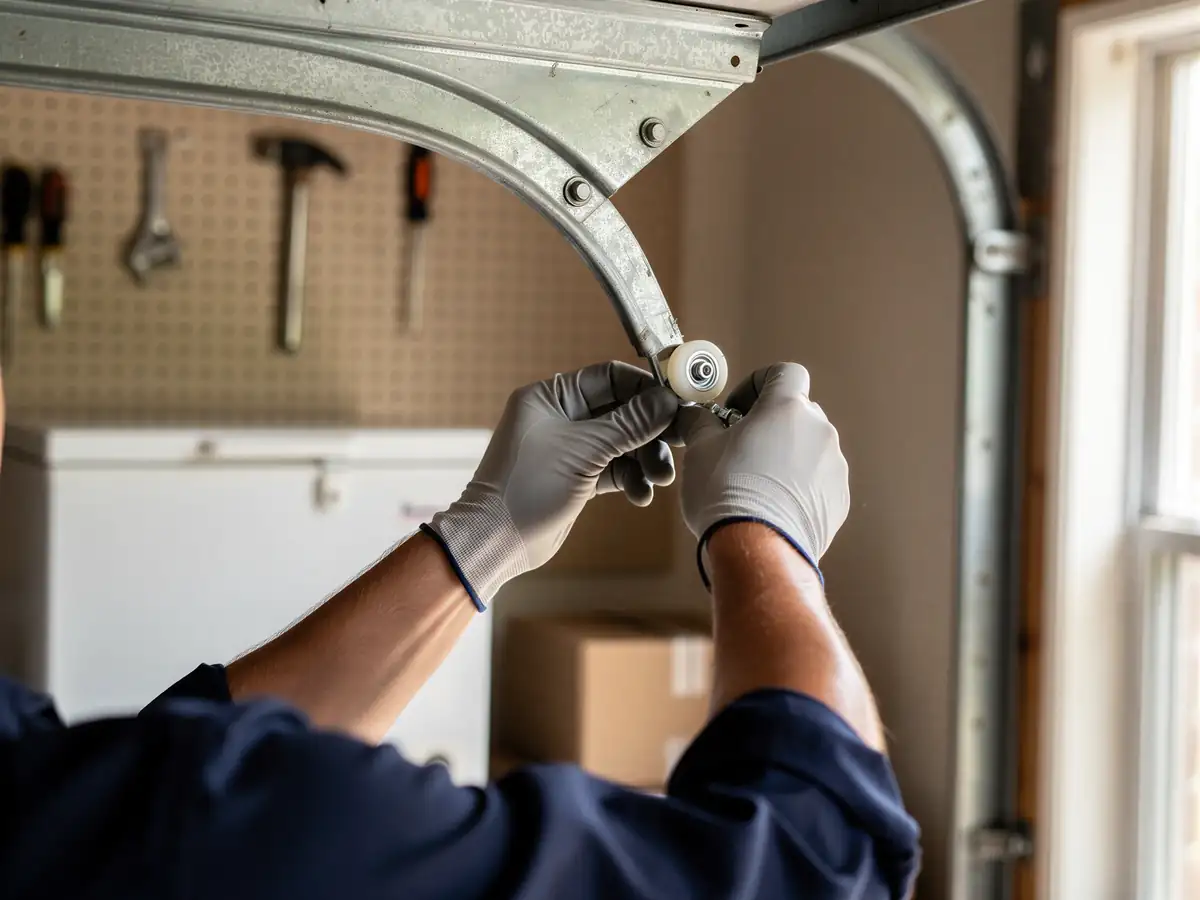
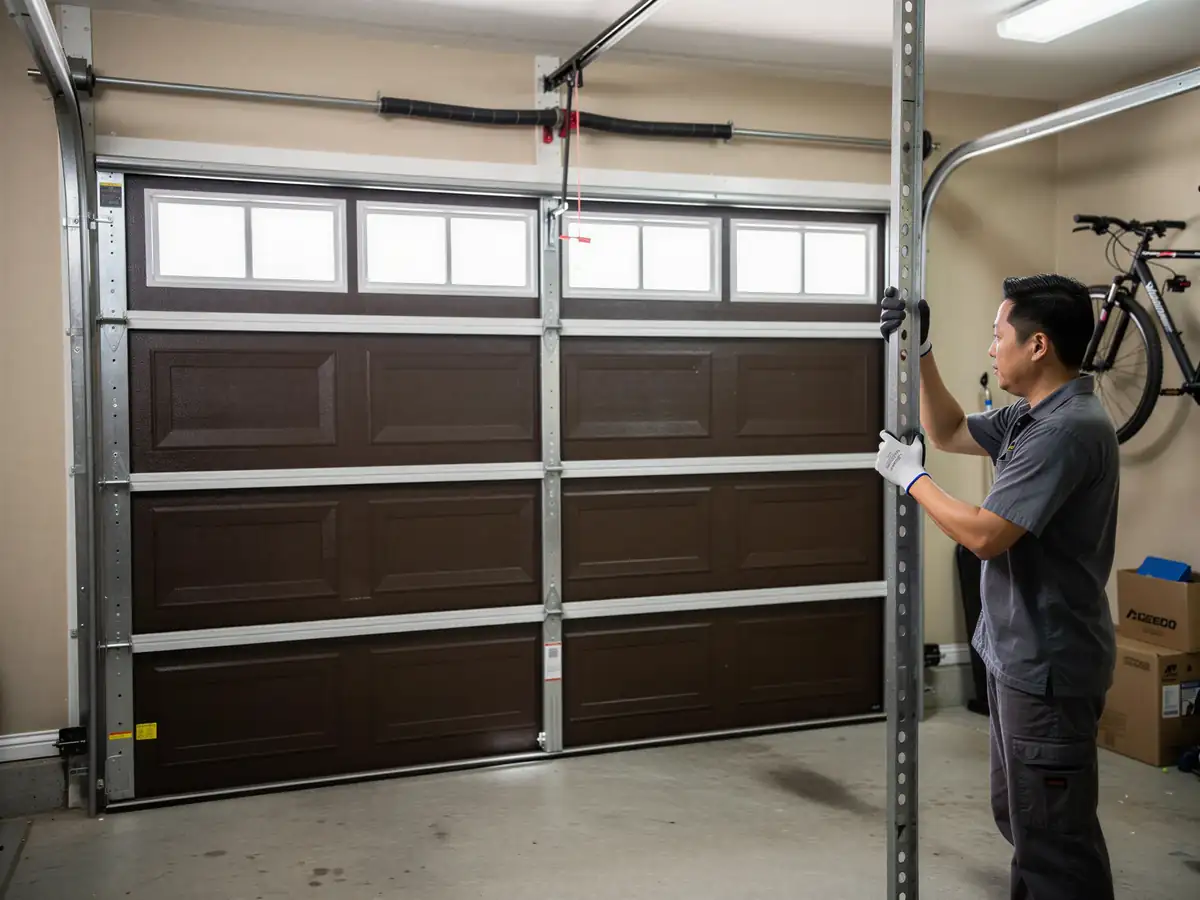
For a door of this era, we start with the opener - checking the logic board, the drive gear, the sensor alignment - because that's the most common failure point for 1990s and 2000s installations. If it's a spring, we match the replacement to the door's actual weight and cycle history rather than installing a generic size, since a 30-plus-year-old door has often been adjusted or re-hung at least once. Track and roller work is usually straightforward on this generation of door; the hardware is still available, unlike on much older doors where we sometimes have to special-order obsolete parts. One honest limit: if the opener is original to the house and the board is fried, replacement is often cheaper than chasing down a part for a 30-year-old model, and we'll tell you that instead of billing for a long repair that won't hold.