Booking a Visit
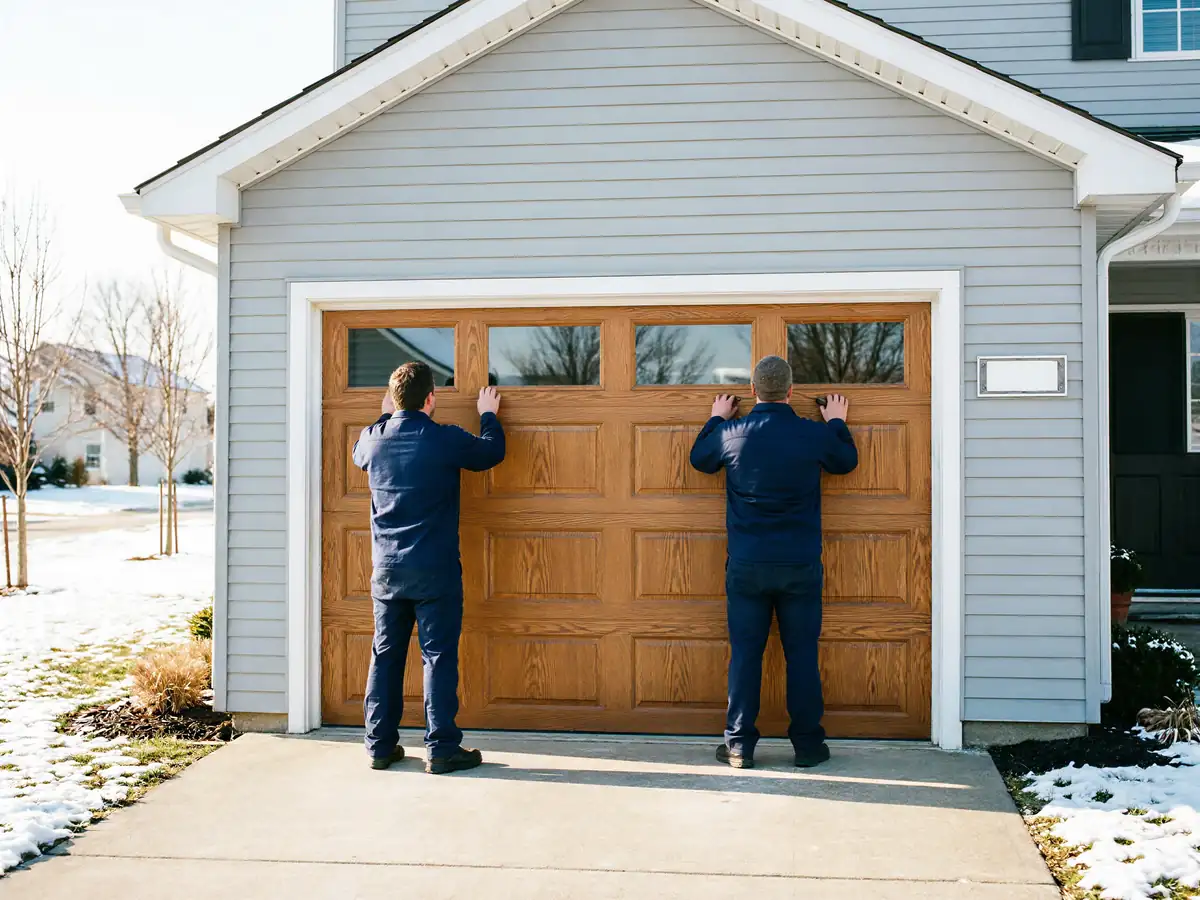
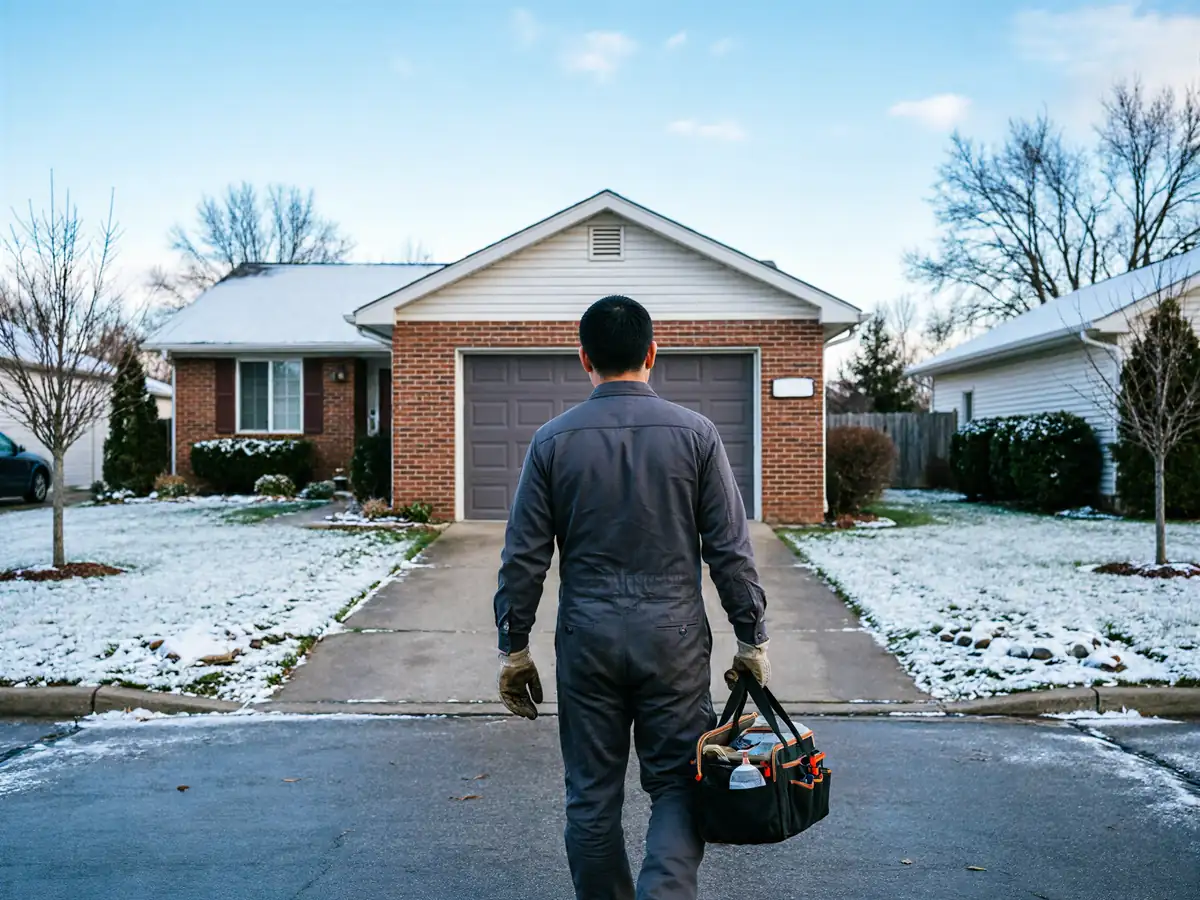
We run this route out of Woodbury, about 8 miles from Inver Grove Heights, so we schedule maintenance calls here in batches rather than one-off trips. If you want someone out to look at a stiff door, a noisy roller, or just want a yearly check before winter, tell us when you call and we'll find a day we're already working this side of the river.
We don't keep a branch or a drop-box in Inver Grove Heights - every truck comes from Woodbury. That's not a knock against the service, it just means we plan the day instead of promising a same-hour drop-in. For most maintenance work that's not a problem; springs and tracks don't usually fail without warning, and a scheduled visit catches the wear before it does.
If you're not sure whether your street falls inside our coverage, check the coverage page - Inver Grove Heights is one of the areas we run regularly, not an edge case we squeeze in.
The DIY Question
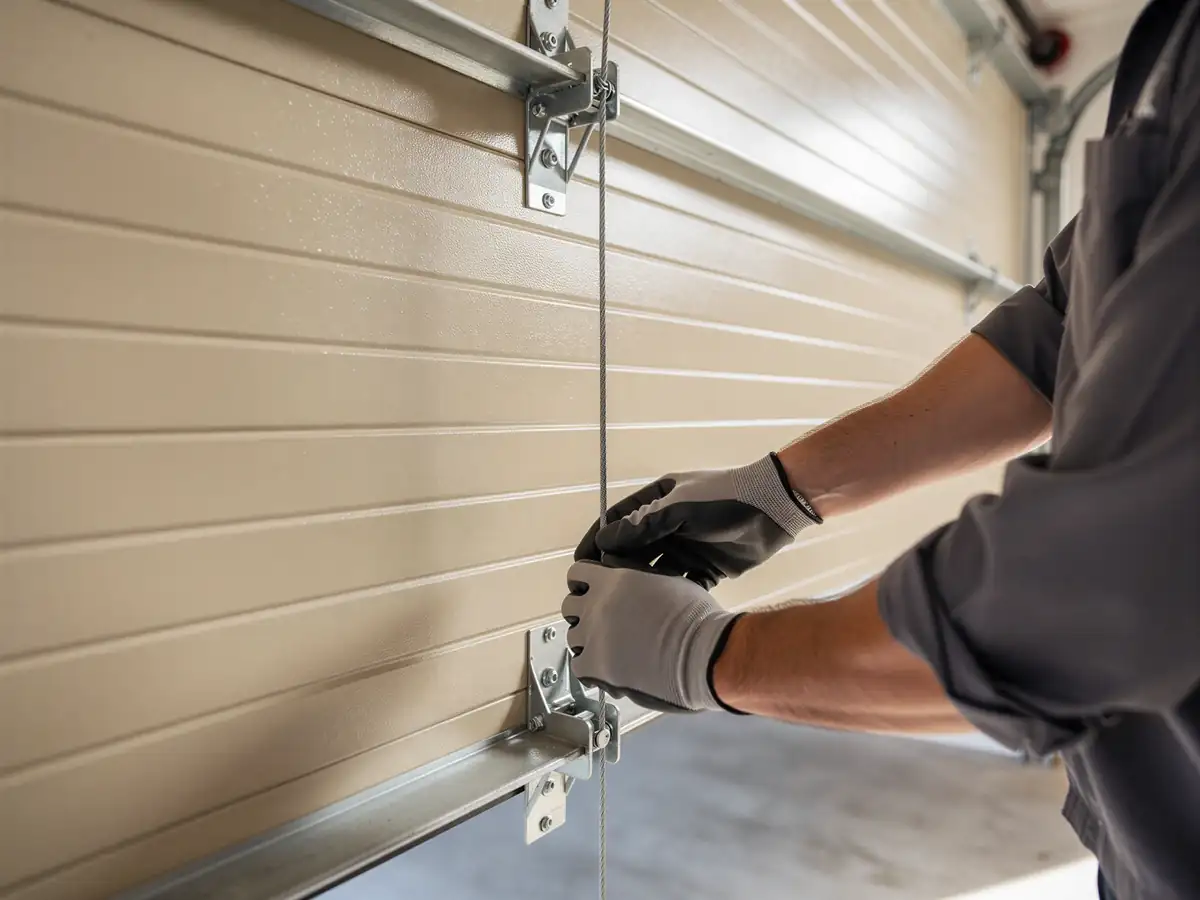
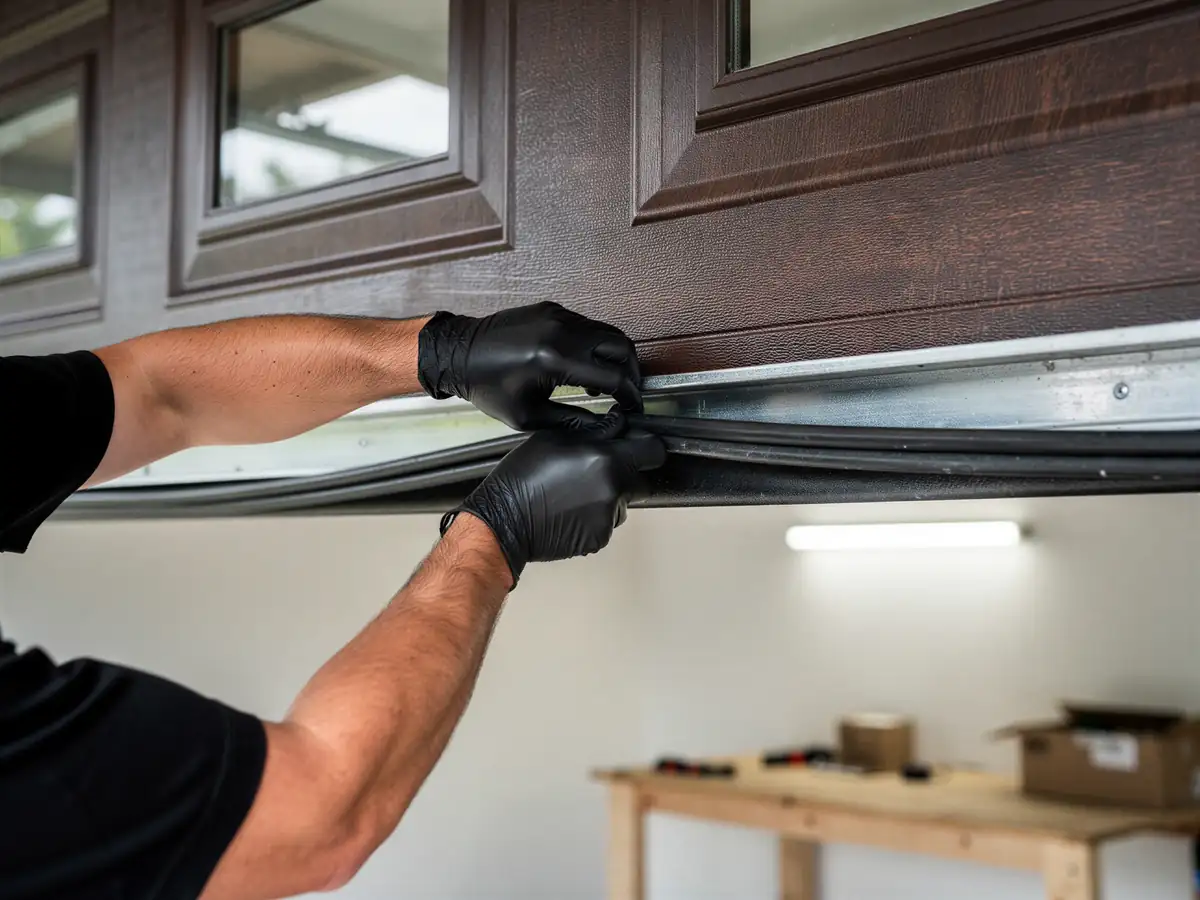
A lot of owners here ask if they can handle their own maintenance, and some of it you can. Wipe down the tracks, check that the bottom seal isn't cracked, run a visual check on the cables for fraying, and keep the hinges and rollers lubricated with a light spray - none of that needs a tech.
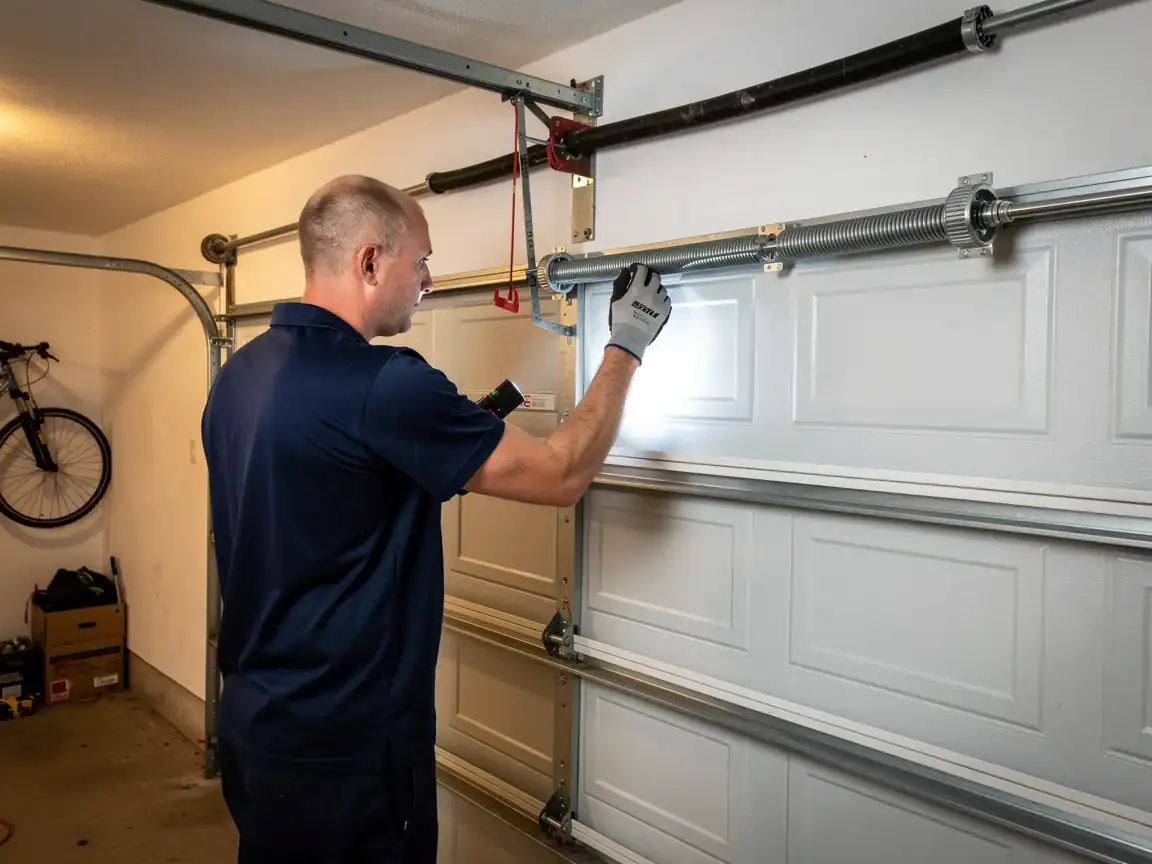
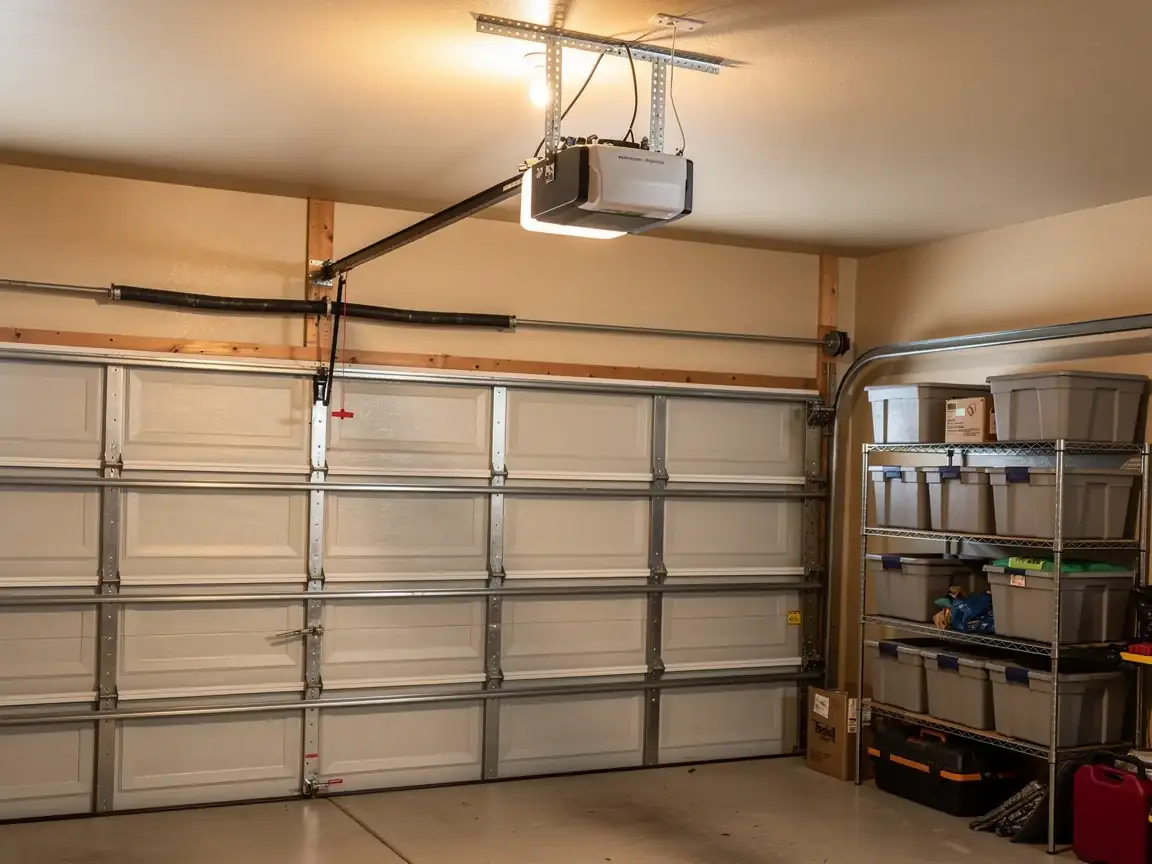
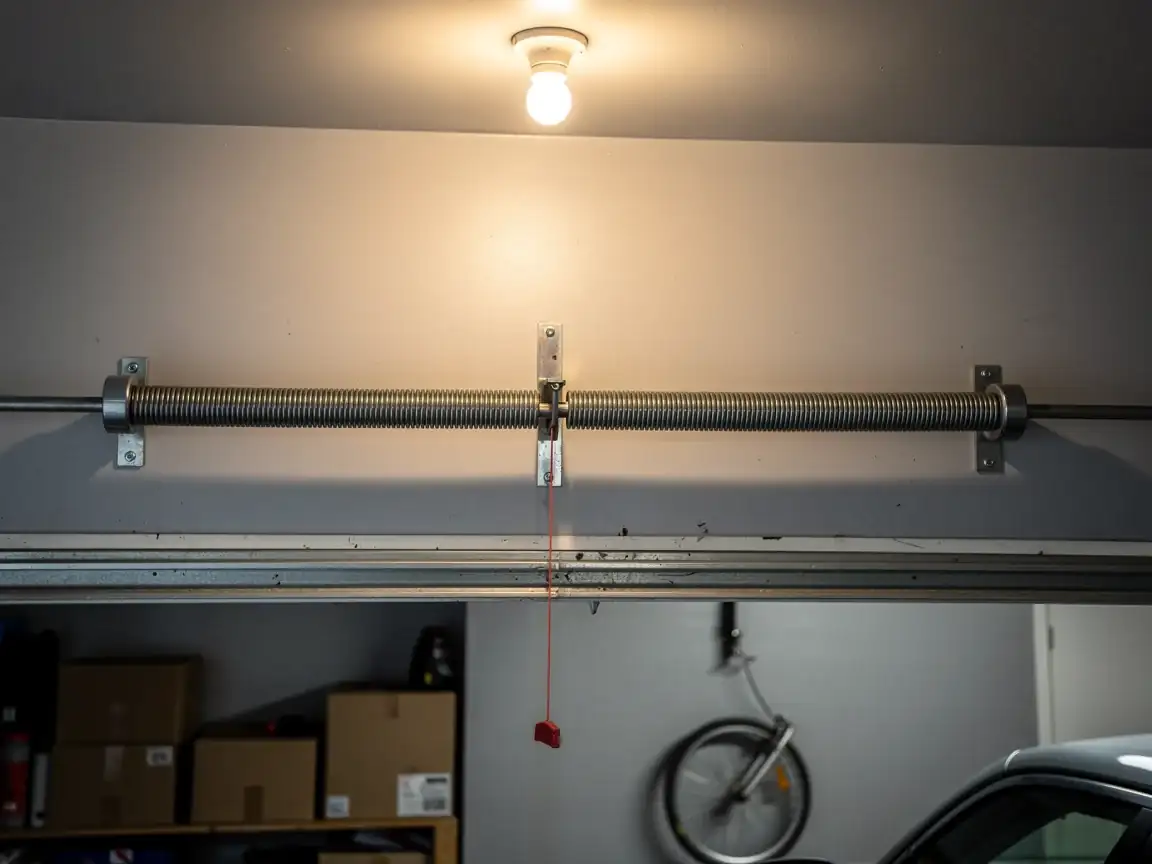
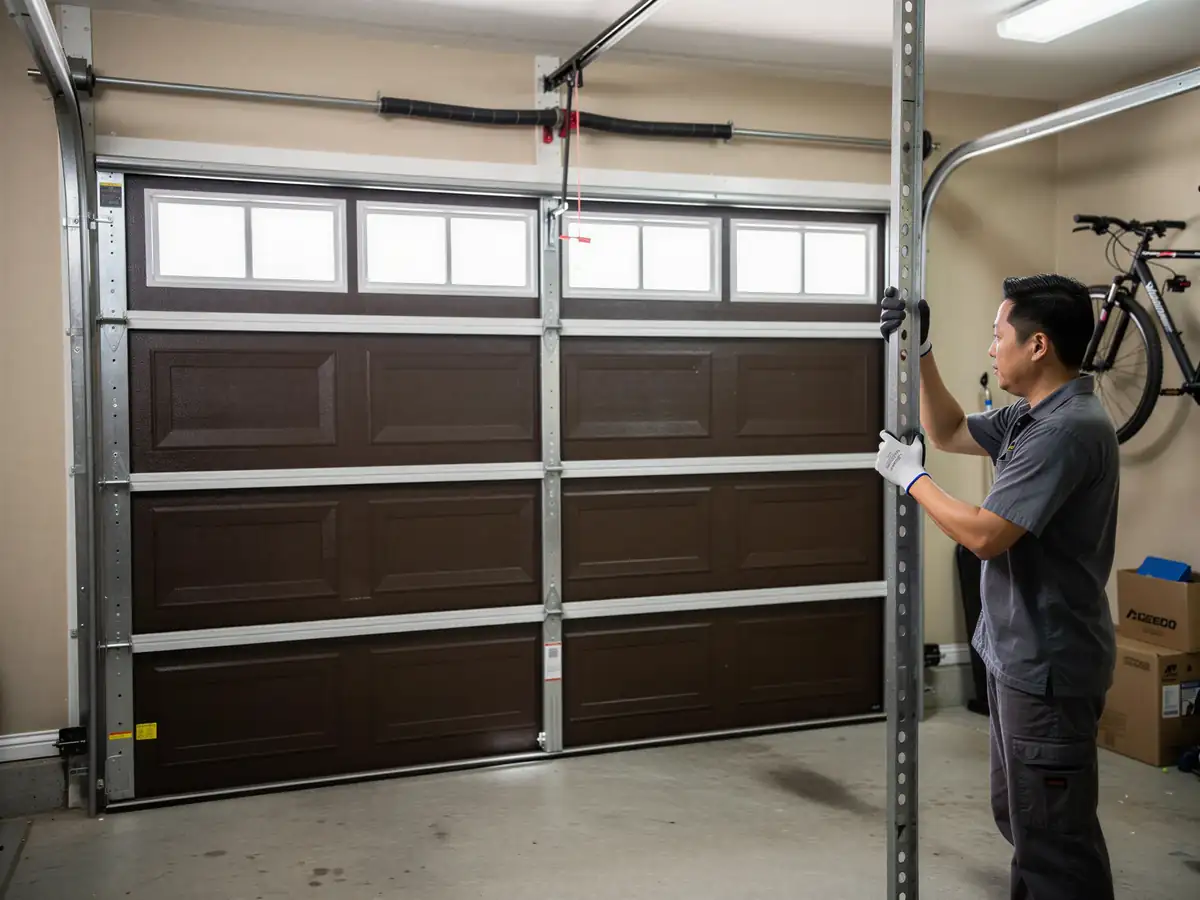
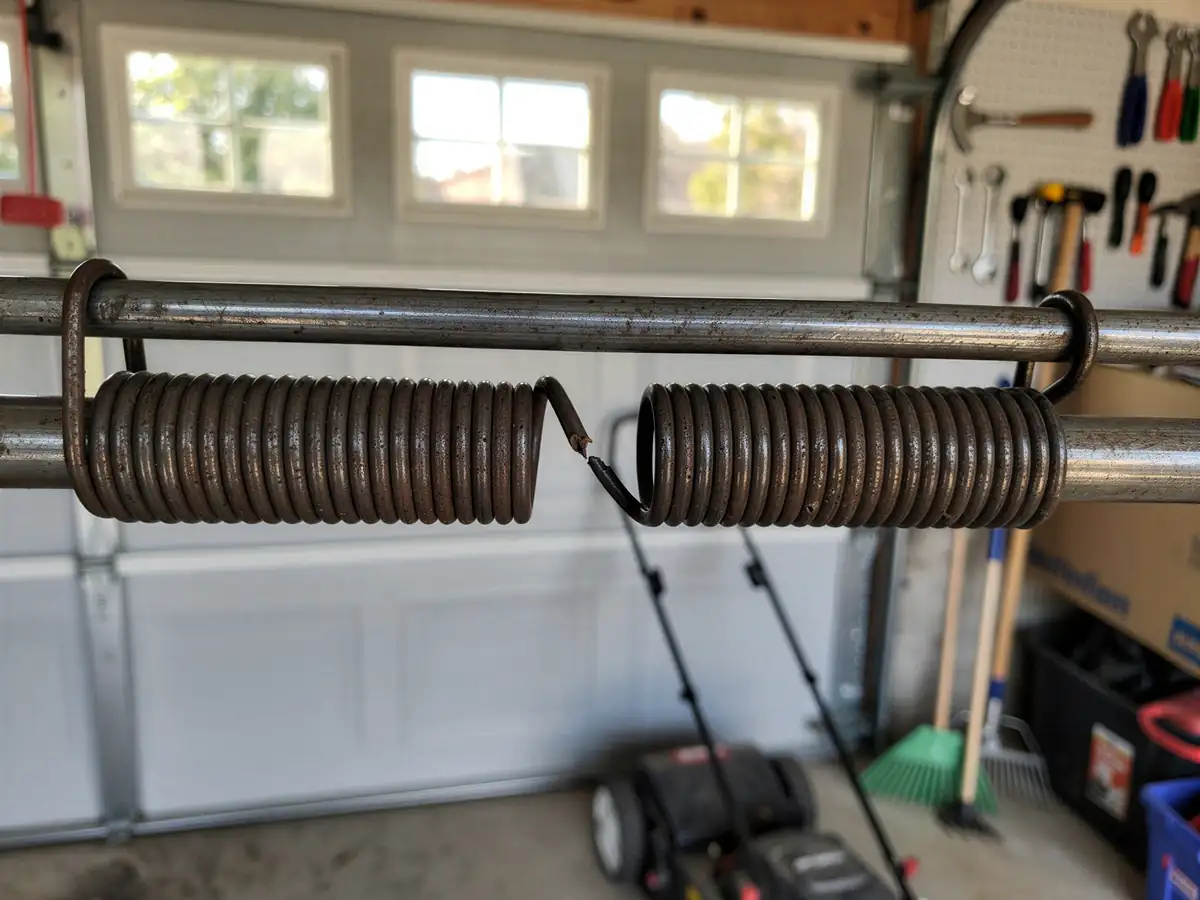
What we won't tell you to do yourself is anything involving the torsion spring. These doors run on springs wound under real tension, and backing off or tightening that wind wrong can put a steel bar through a windshield or a hand. If your door feels heavier than it used to, or the opener strains to lift it, that's a spring losing tension - call instead of reaching for a winding bar you don't use often enough to trust.
Honest limit: we're not going to walk you through spring adjustment over the phone. It's the one job on a garage door where the margin for error is a trip to the ER, not a redo.
Why It Happens Here
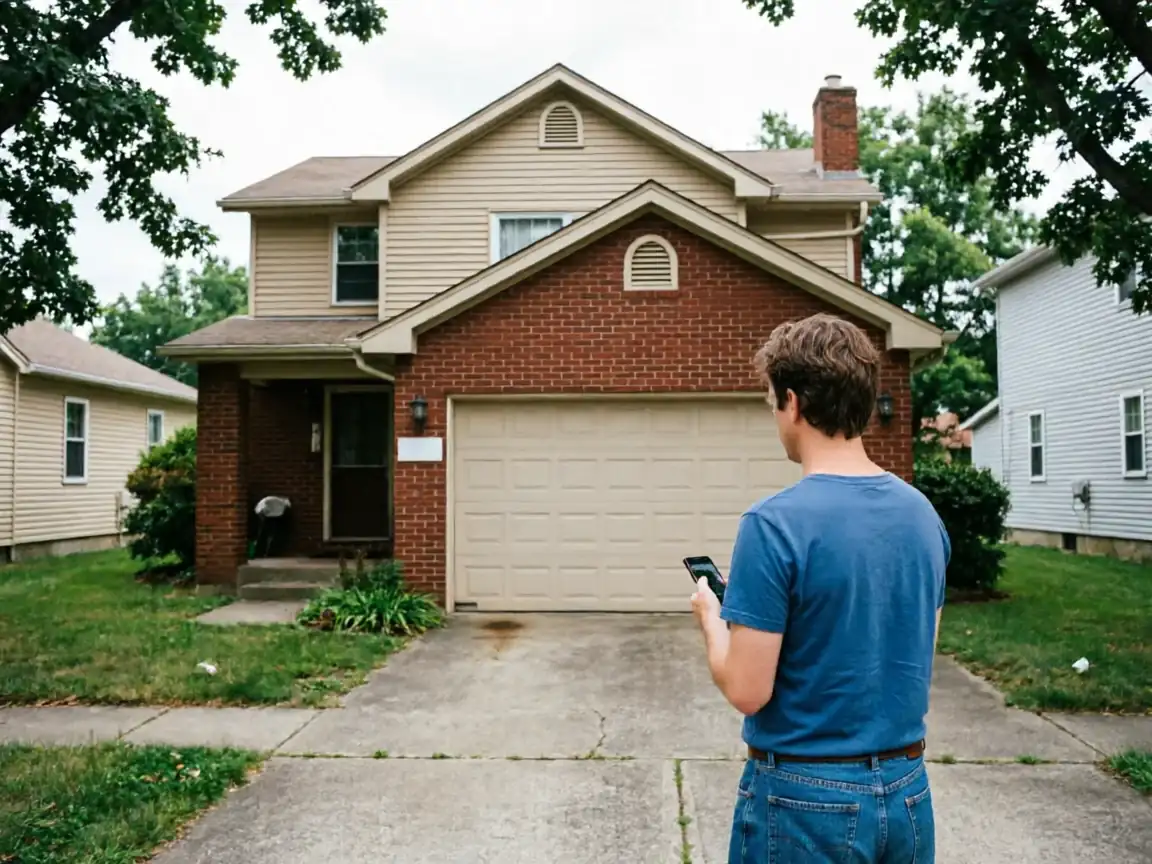
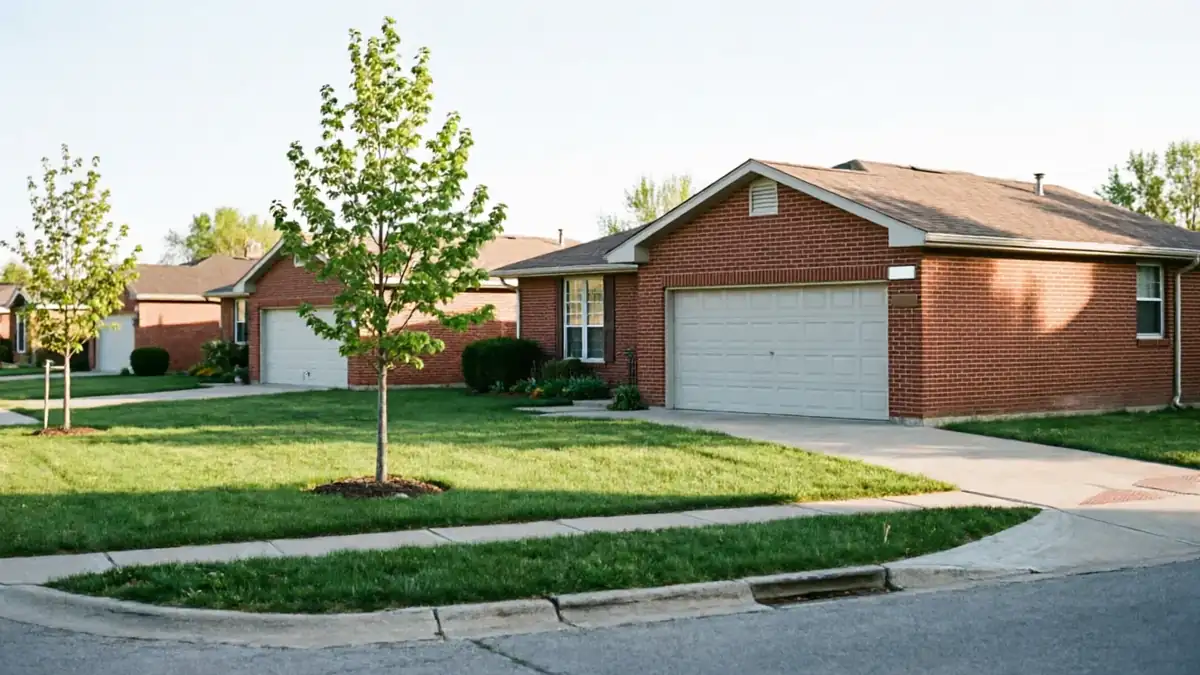
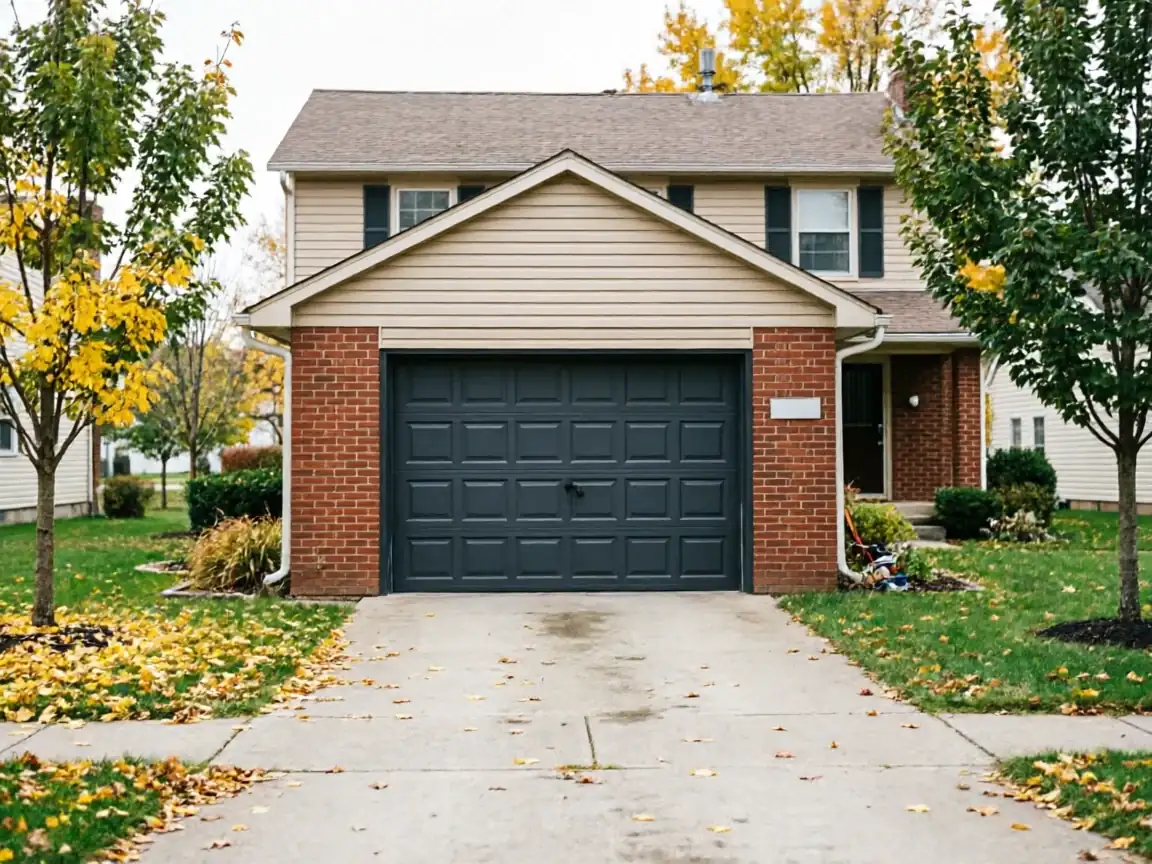
Most houses in Inver Grove Heights went up around 1990
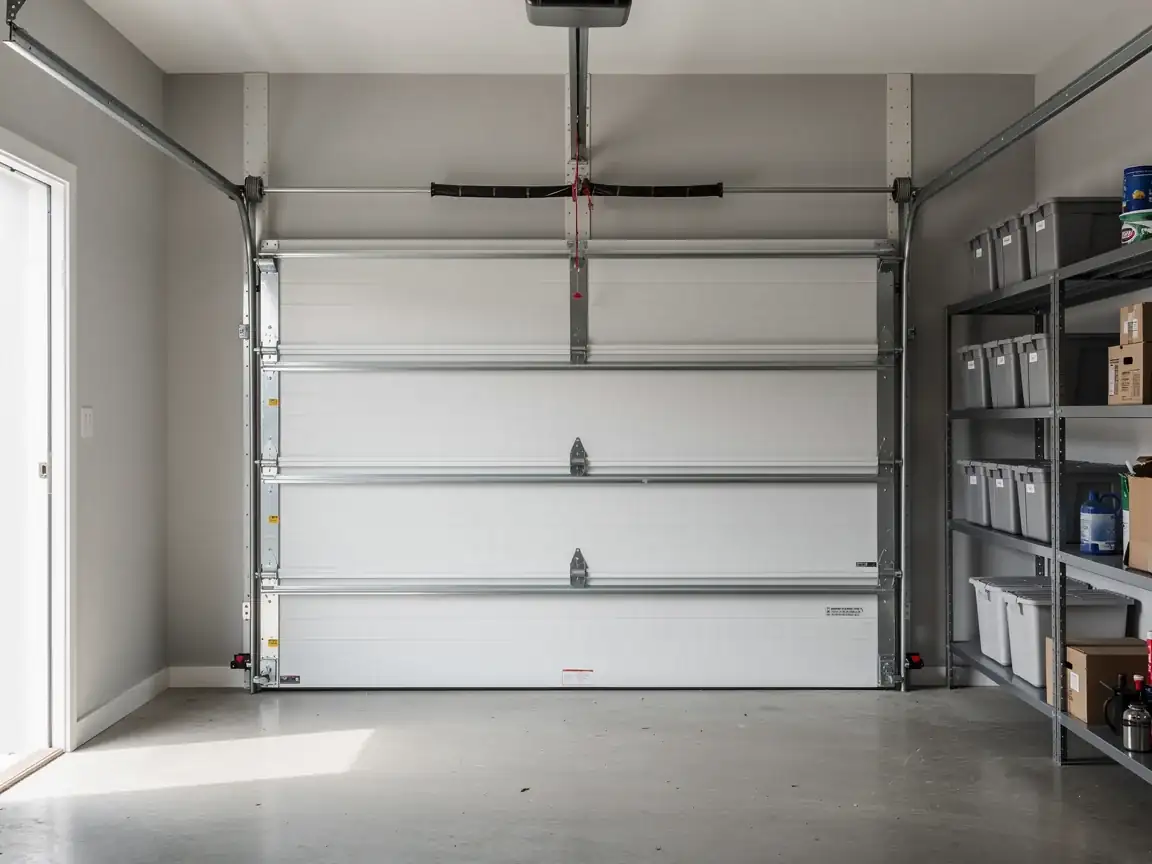
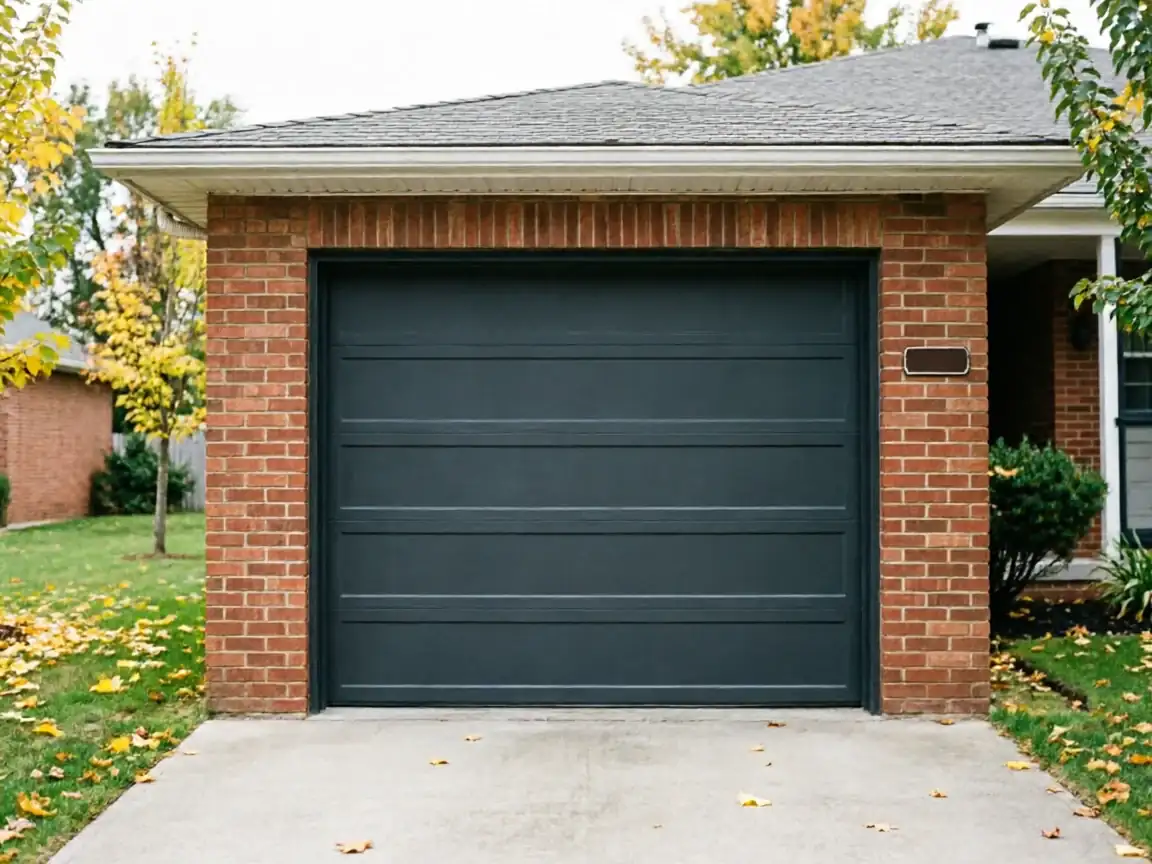
Noticeably newer than the 1976 median across the wider service area. That matters for what's actually hanging on your garage: steel sectional panels on factory torsion spring hardware, not the older single-panel doors with side-mount springs you still find in Woodbury's 1960s pockets.
With roughly 14,598 households here, most built in that same narrow window
A lot of torsion springs are hitting the same wall at the same time - somewhere past 30 years of cycles, which is about where a spring's rated life runs out regardless of how well the door was built.
- 14,598 households
- 30 years
The cold climate here doesn't help
Grease on rollers and hinges stiffens in winter, bearings bind, and a spring already near the end of its life carries more load through that stiffness. None of this is a flaw in a 1990s door - it's just what 30-some winters do to any torsion system that's never been serviced.
What It Costs
We don't post a flat number for maintenance here because the right visit depends on what the door needs - a lubrication and adjustment pass is a different job than replacing a spring that's already lost tension. What we can say is that household income in Inver Grove Heights runs above the $93,233 median across the rest of the service area, and in practice that shows up as more owners asking for a full tune-up - springs, track alignment, opener check, hardware - instead of waiting for one part to fail and calling about just that.
That's worth knowing before you book: a maintenance visit priced as a quick check can turn into a bigger conversation if we find a spring near the end of its life or a track out of alignment. We'll tell you before we do any extra work, not after.
We'd rather catch a worn spring on a maintenance call than have you find out it's gone on a Tuesday morning with the car still in the driveway.
How We Fix It
On a typical maintenance call for a door from this era, we start with the torsion spring - checking wind tension and looking for the flat spots or rust that show a spring is near the end of its rated cycles. Then the track: steel sectional doors need the vertical and horizontal rails dead straight, since a door this size binds fast if a bracket's shifted even slightly.
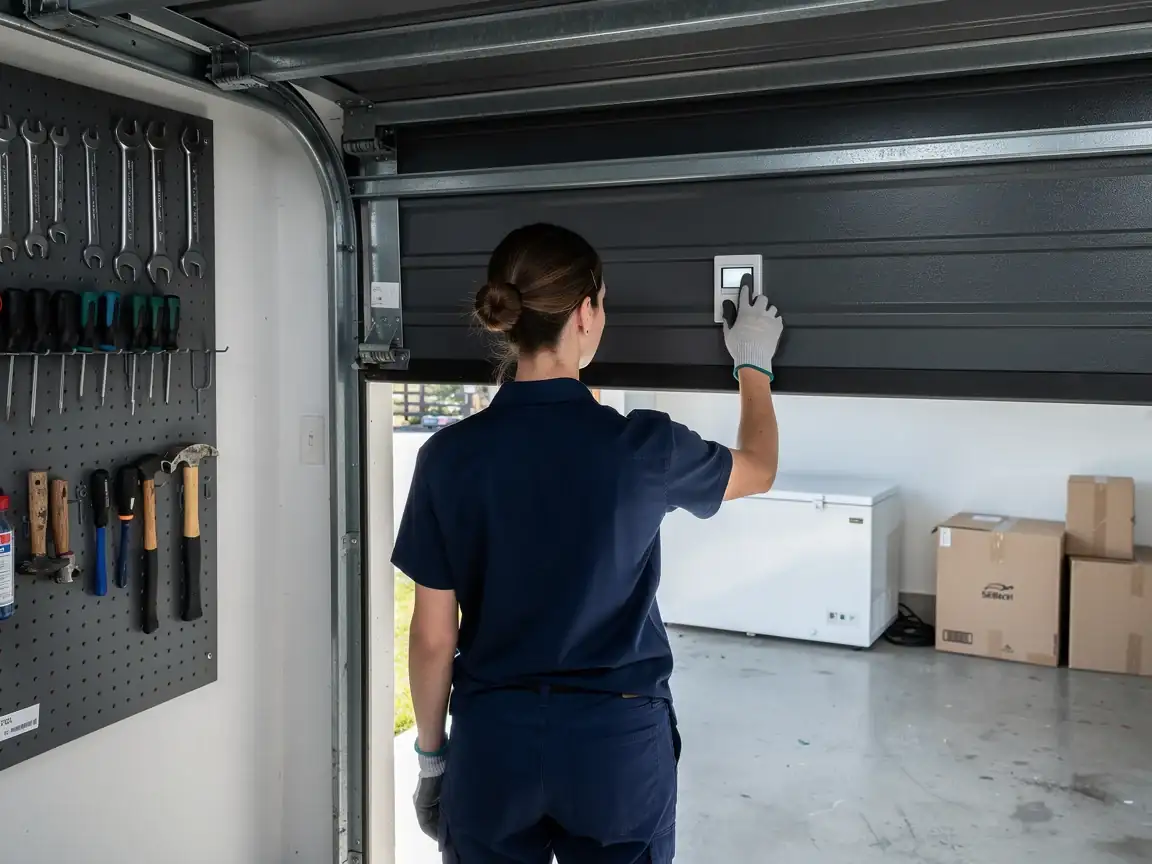
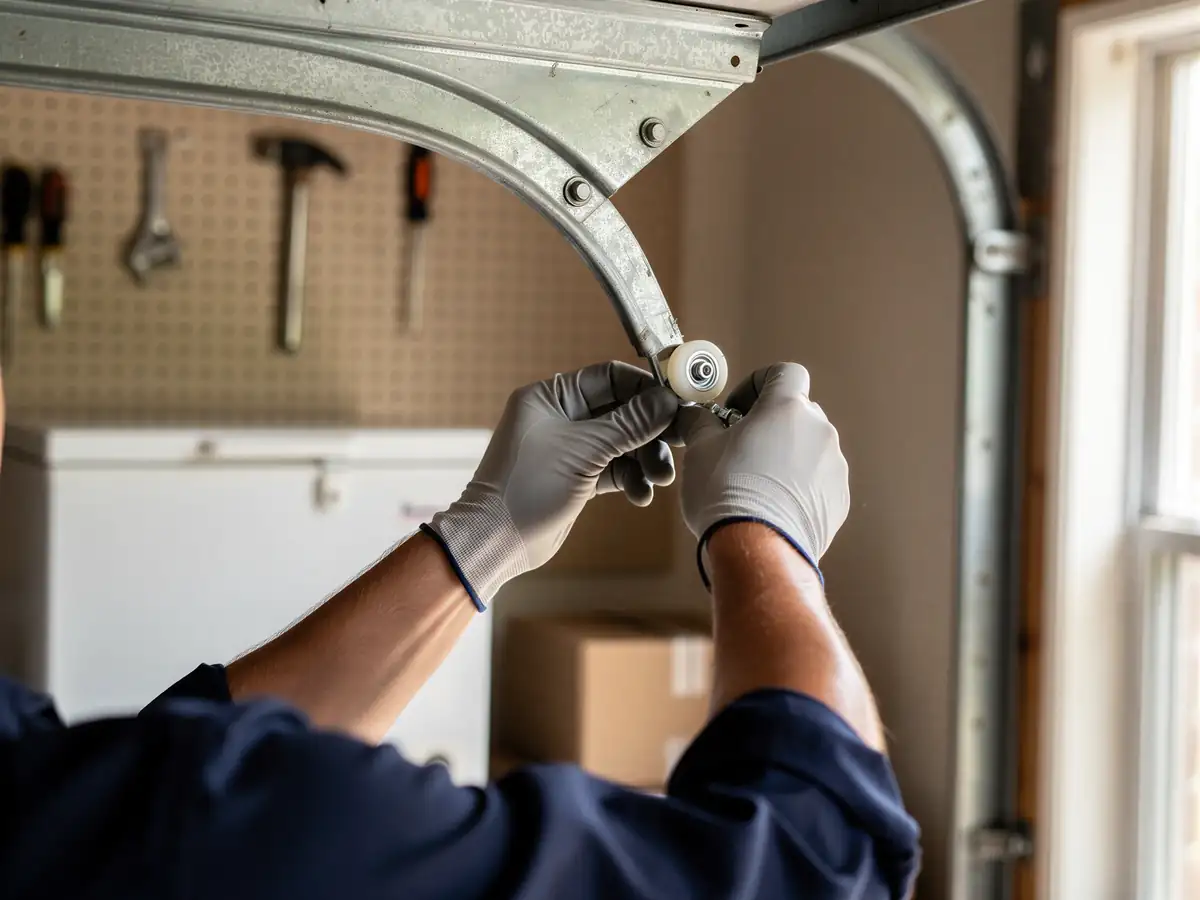
Rollers and hinges get cleaned and re-lubricated, not just sprayed over old grime. We check the cables for fraying where they wrap the drum, and we test the opener's force settings - a door that's gotten heavier over the years often has an opener straining to compensate, which wears the gears faster than it should.
We close out by cycling the door a few times under load to make sure nothing's binding, and we'll tell you straight if a part's close to failing rather than wait for you to call again in six months.