Why It Happens Here
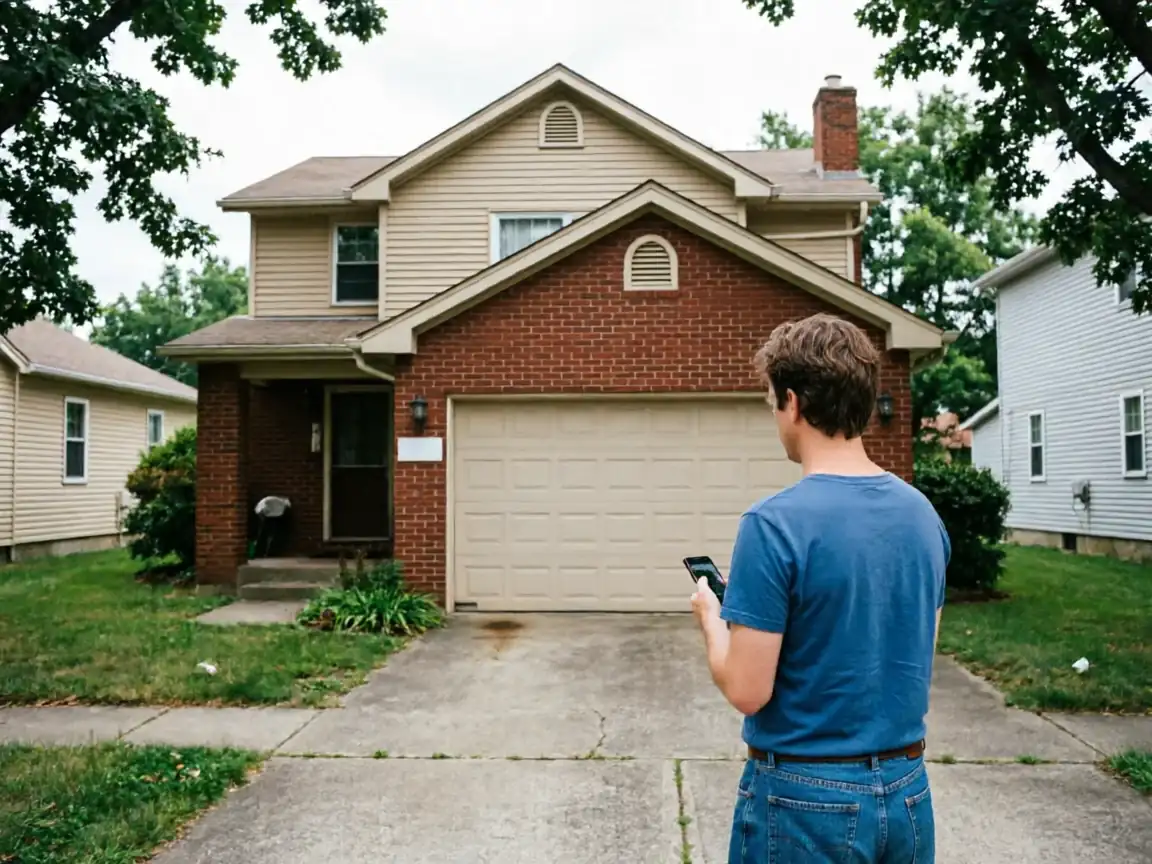
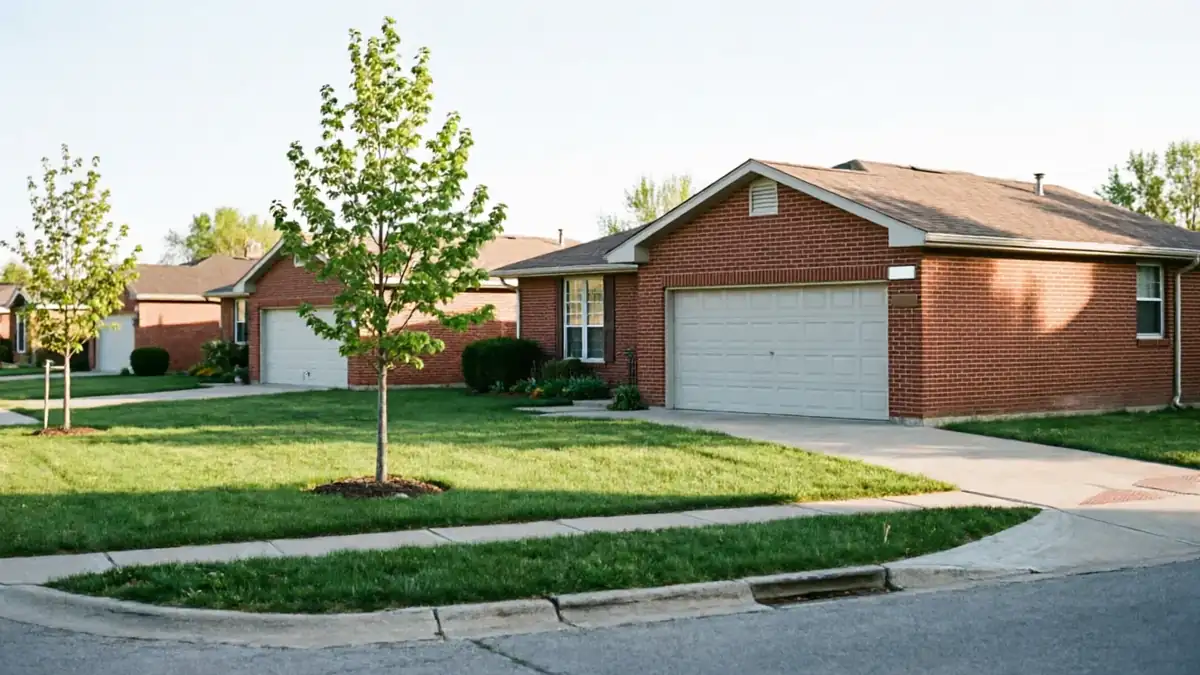
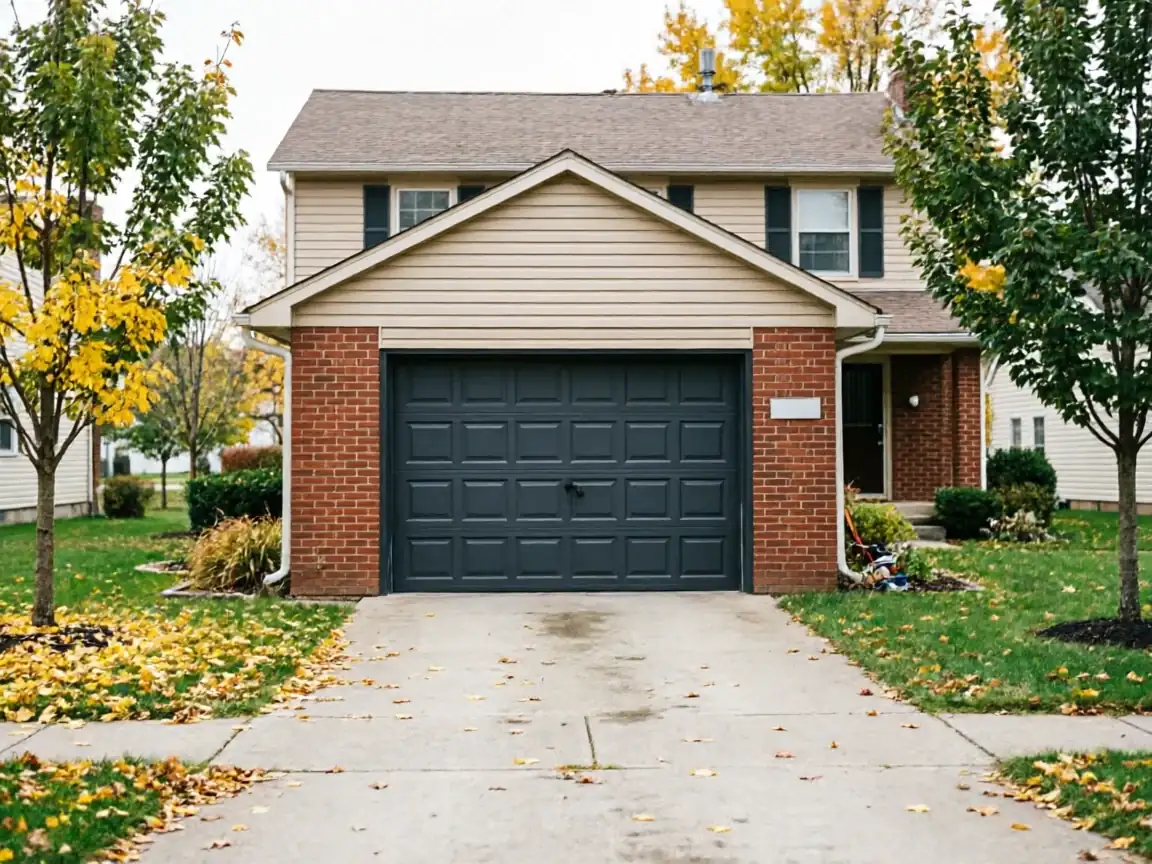
Richfield's garage doors fail at the cable before almost anything else, and the reason is the age of the house behind them. The median home here went up around 1959, which puts a lot of these garages a decade or more ahead of the 1976 median across the rest of our service area. That matters for cables specifically: older installs in this bracket often still carry the original drum style or a fixed cable-to-bottom-bracket setup that was never upgraded when the opener got replaced. Galvanized aircraft cable doesn't last forever, and on a door this old, it's usually original or close to it. Add in the cold-climate swings we get through a Minnesota winter and the metal fatigues faster at the bottom fixture, where road salt and moisture track in off the slab. We see more frayed strands and pulled-out cable ends on this vintage of door than on anything built after the 1980s, simply because the hardware has had forty-plus years to work loose a little at a time. It's not a defect in the door. It's just math: more winters, more flex cycles, more chance the cable gives out exactly when you need the door to open.
How It Shows Up
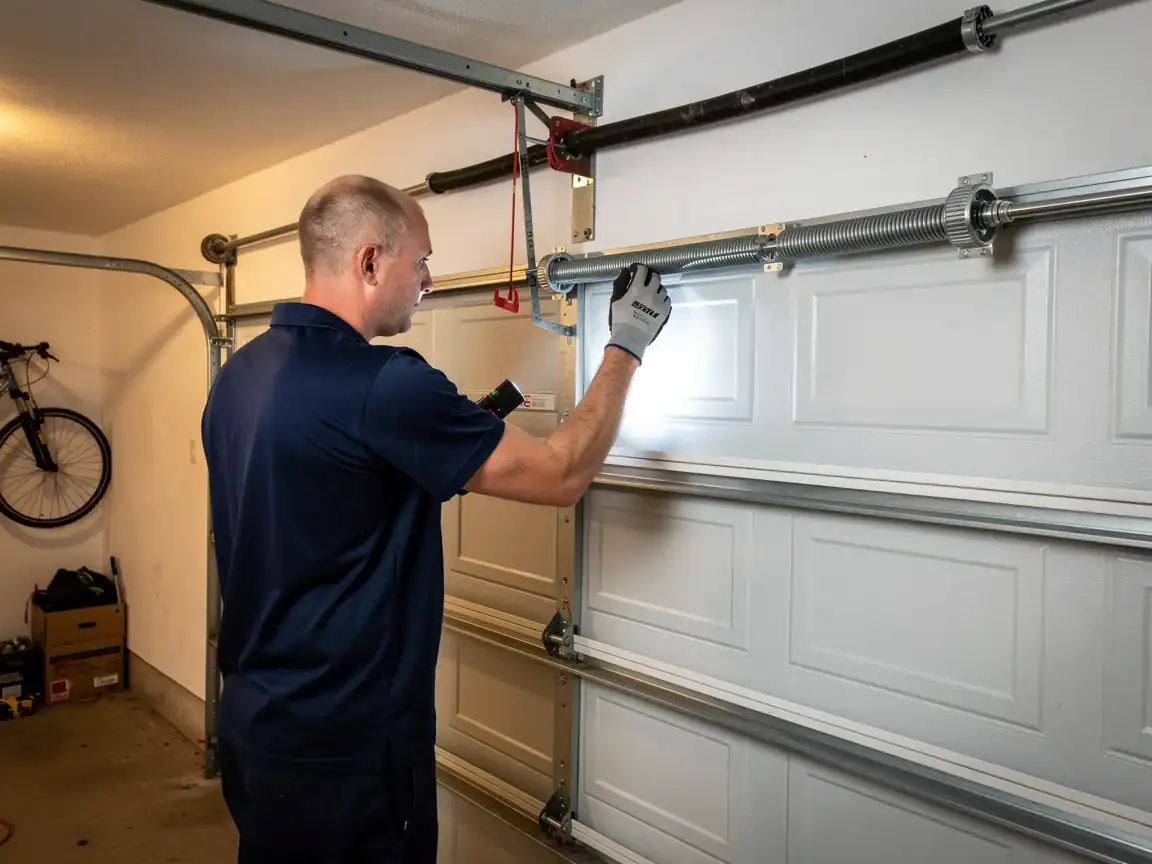
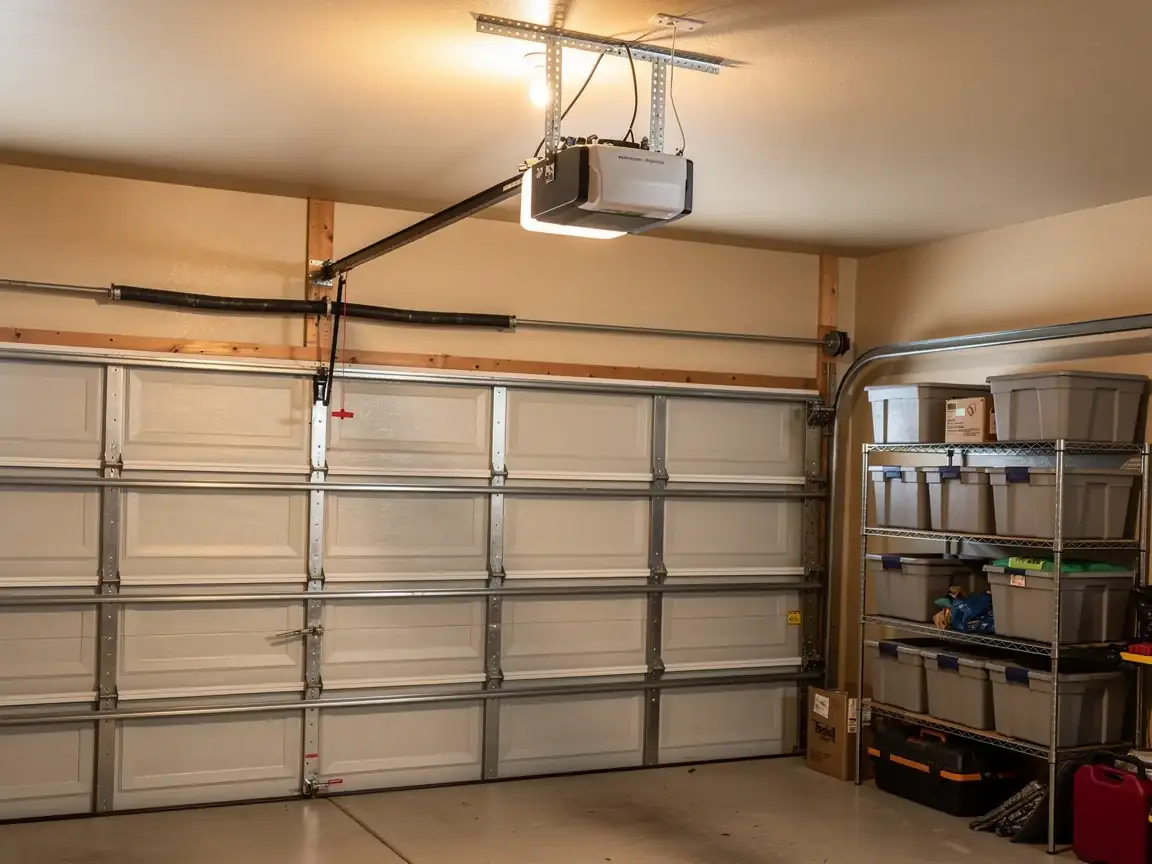
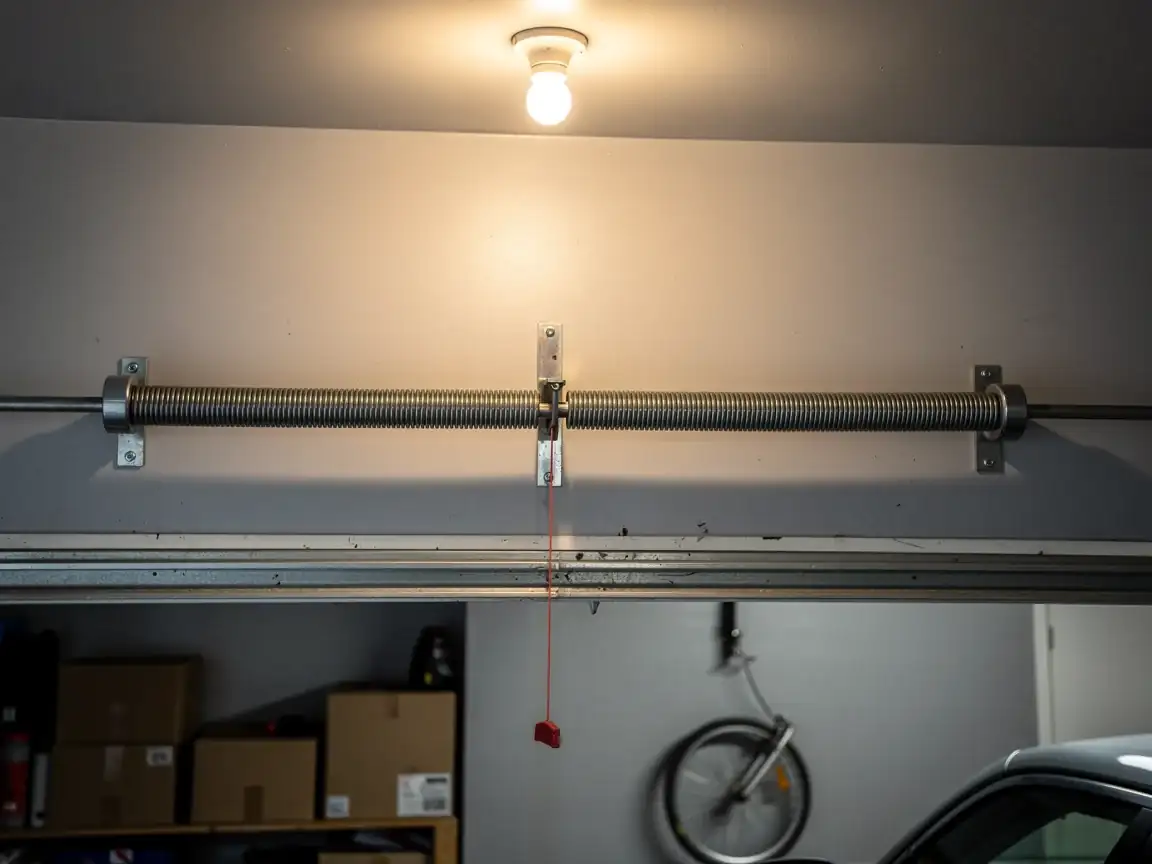
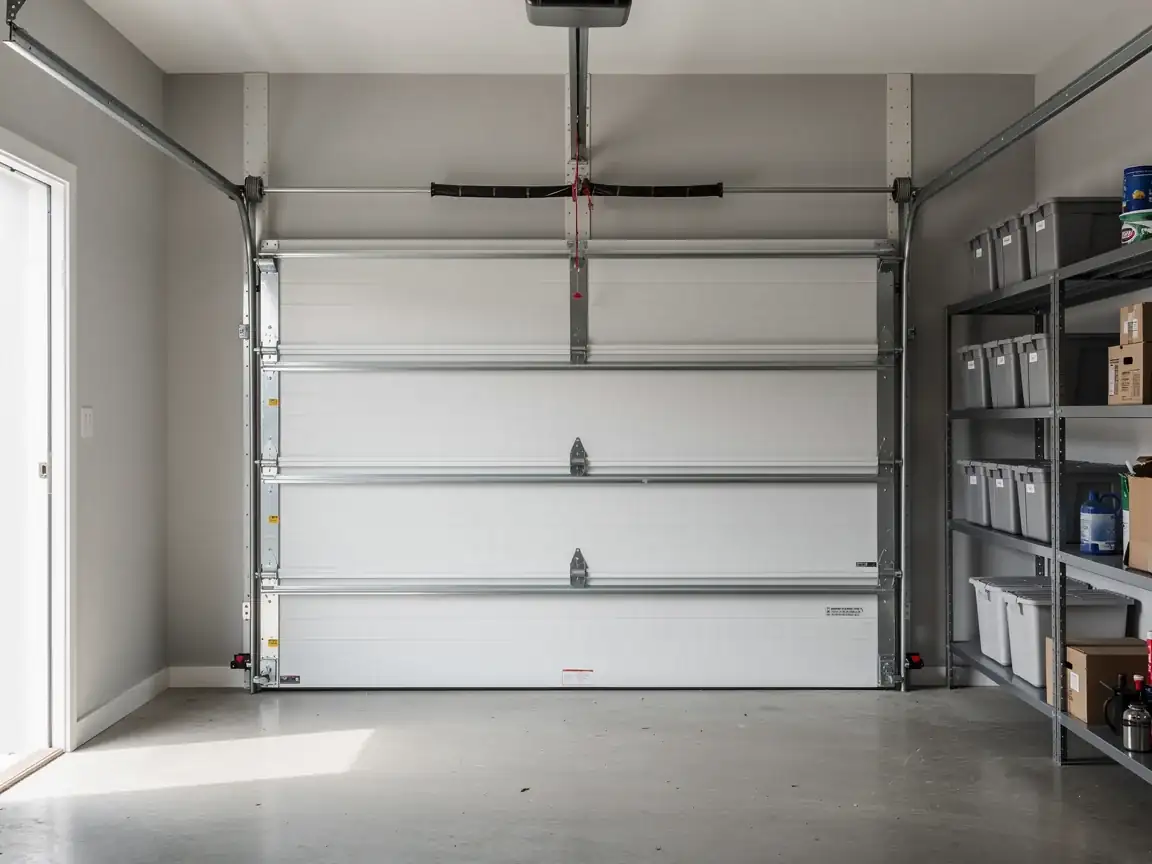
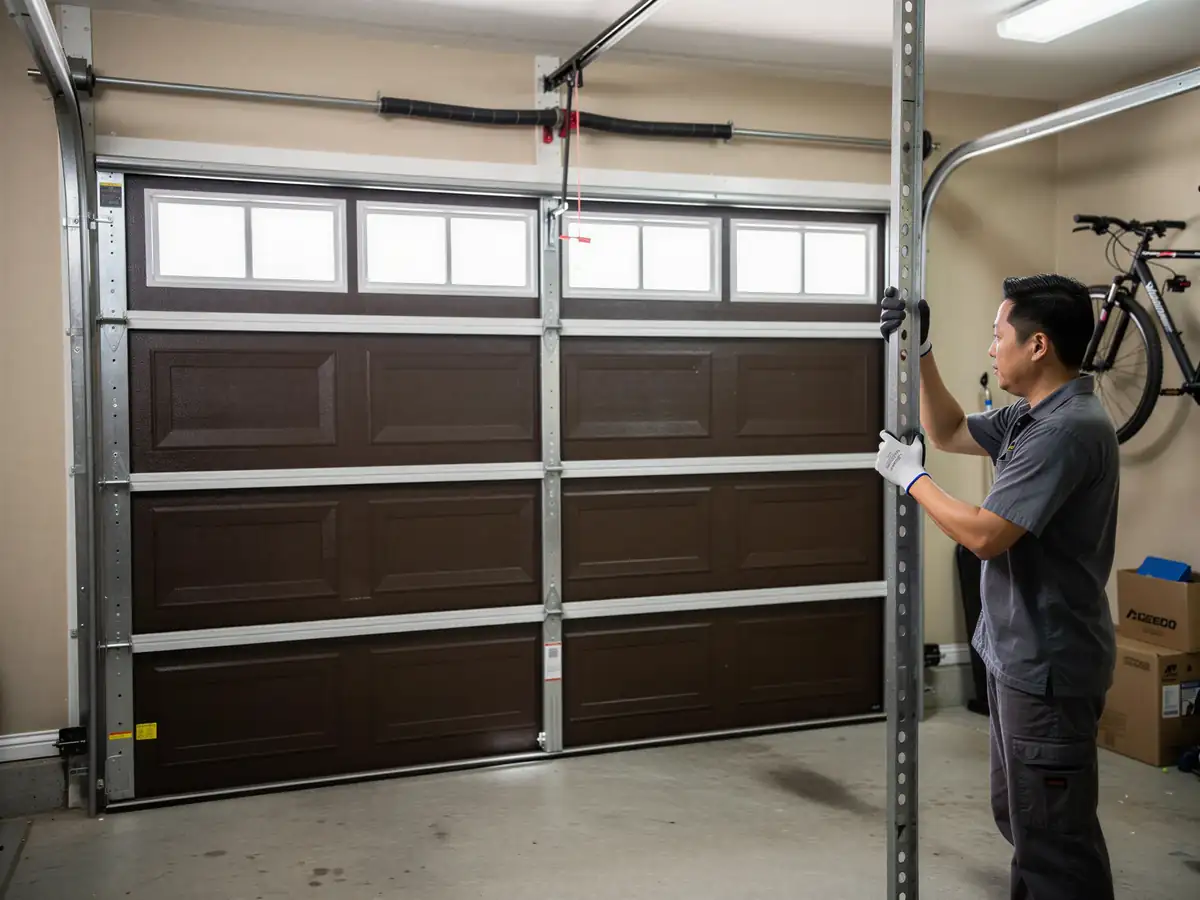
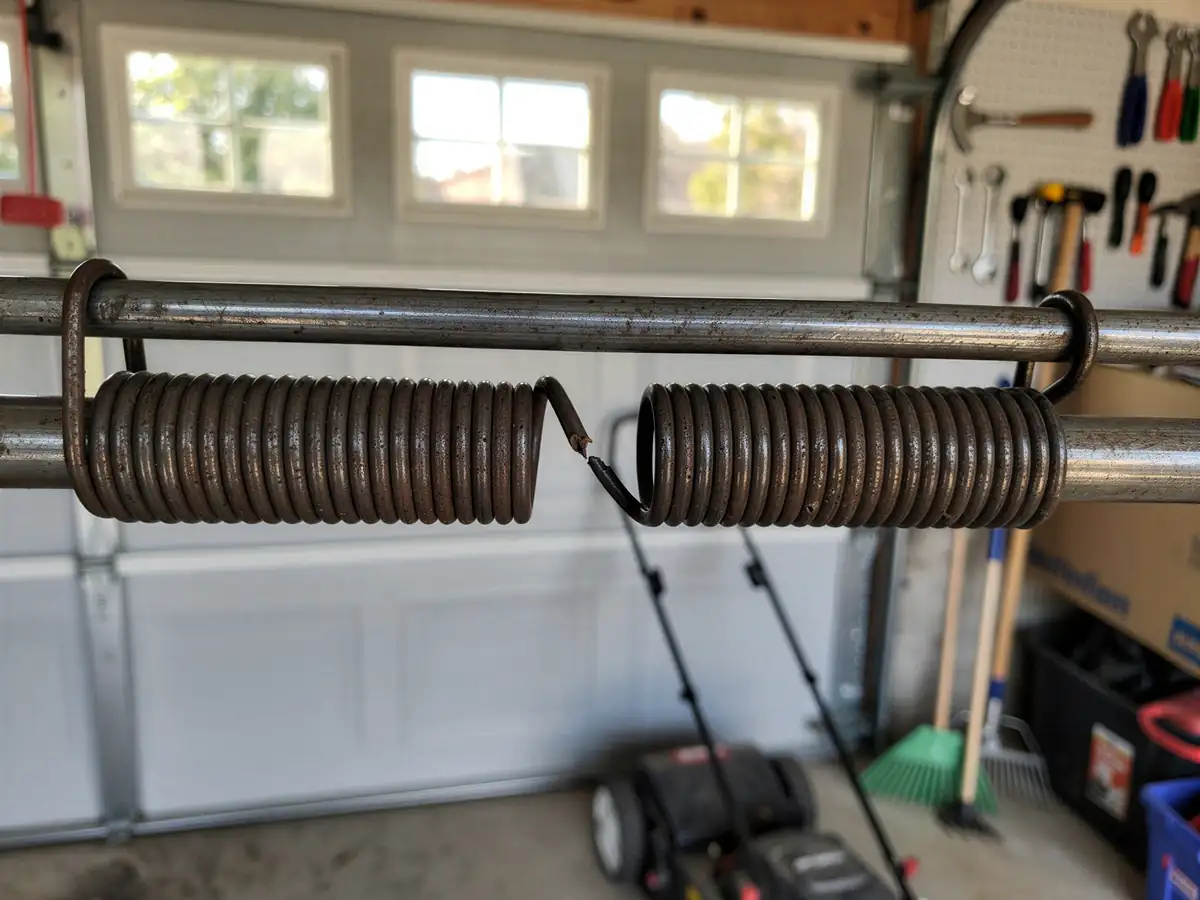
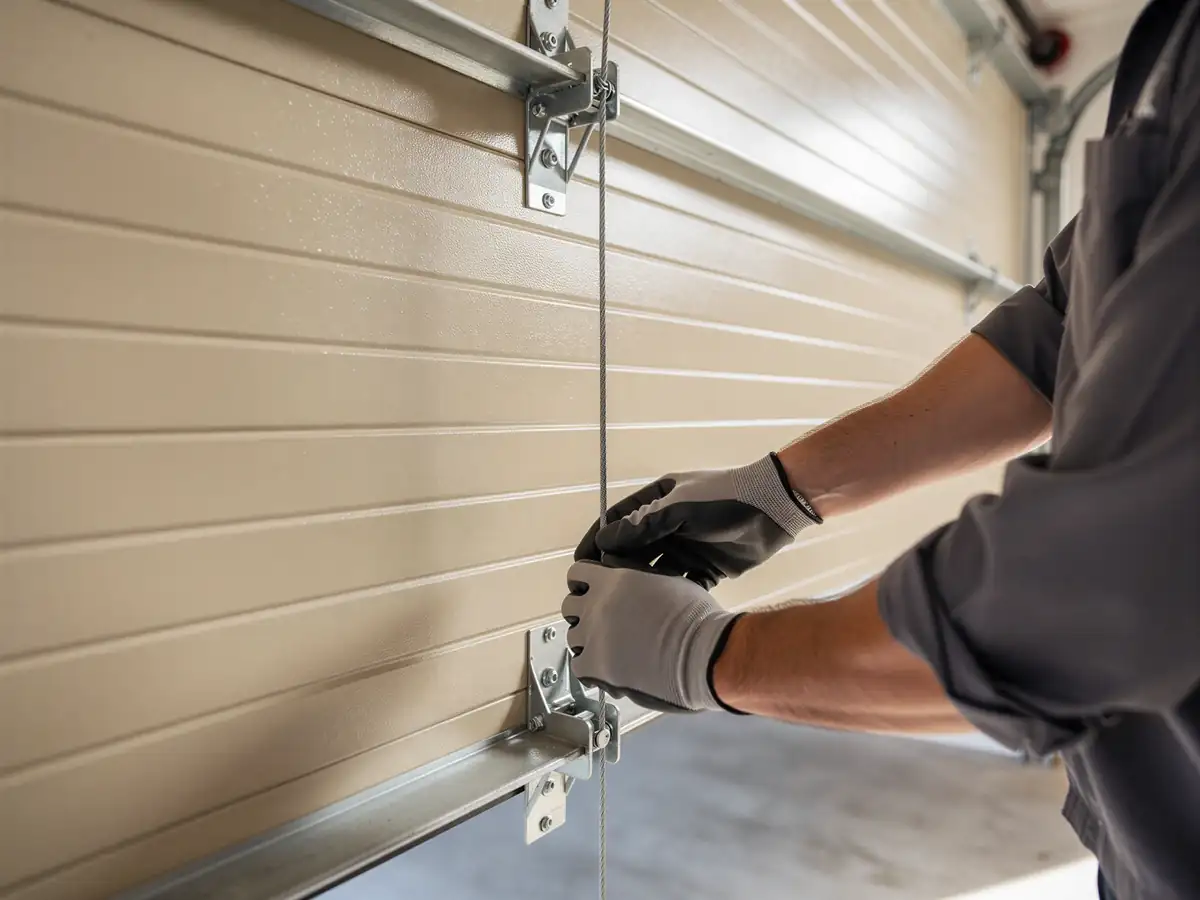
The most common call is a door that drops unevenly on one side, or won't move at all because a cable has come off the drum and jammed the track. Sometimes you'll hear a loud bang as the cable snaps under tension, especially if the door was already moving. On the older fixed-drum setups common in Richfield's 1959-era housing, a frayed cable often shows as visible wire strands poking out near the bottom bracket well before it fully breaks - worth a look if your door has felt rough or crooked lately. Another pattern on this vintage: the cable stays intact but slips off the drum groove because the drum itself has worn a shallow channel from decades of use. That throws the door off-level even with both springs working fine. If you try to force a door open with a slipped or broken cable, you risk bending the track or pulling the bottom bracket loose from the panel, which turns a cable job into a bracket and panel repair.
What Can Go Wrong
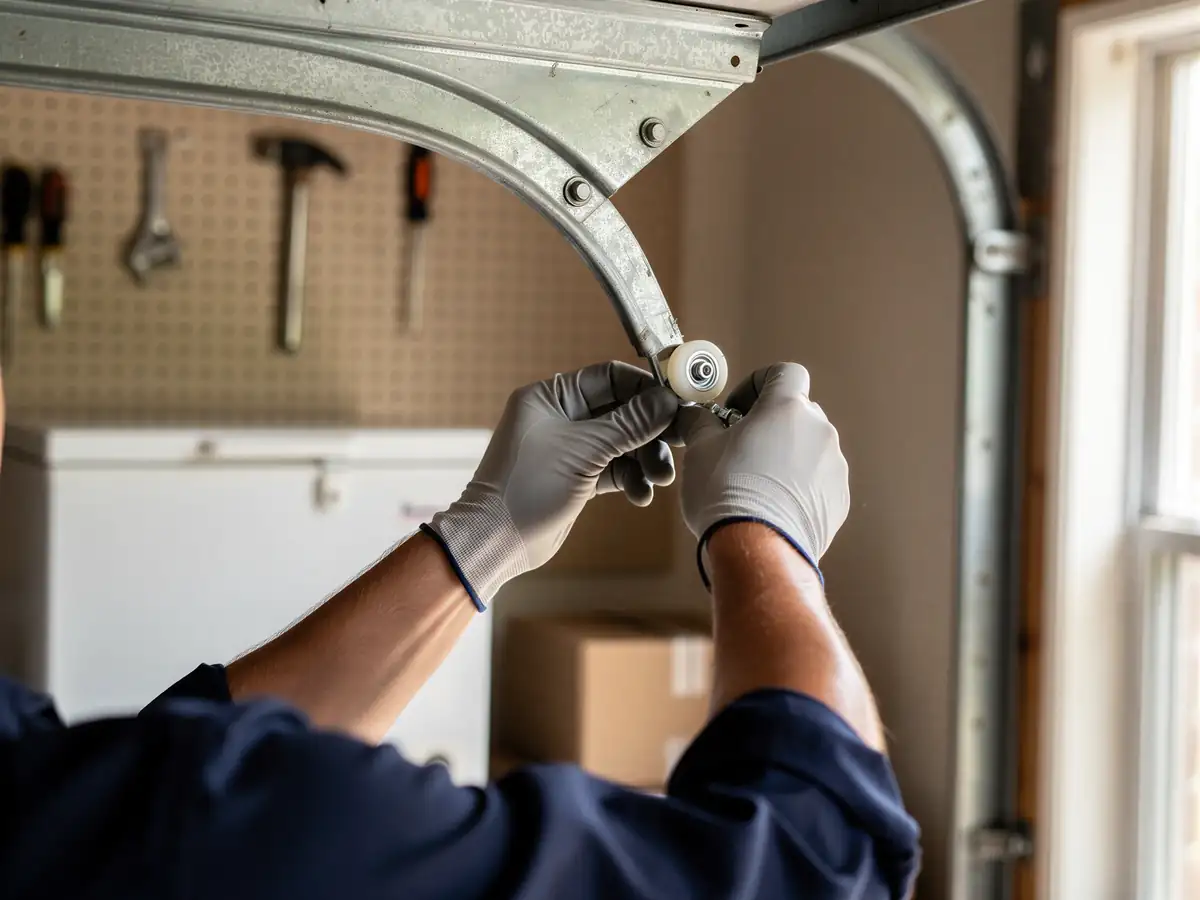
Cable repair on a door this old isn't always a clean swap. If the drum itself is worn past the point of holding a new cable evenly, replacing just the cable buys you a few months before it slips again - at that point the drum needs to come out too, which adds labor. On some of the original fixed-bracket doors from the late 1950s, the bottom bracket has been drilled or bent from a prior repair, and a cable under full spring tension on a compromised bracket is a real safety risk; we won't put tension back on a bracket we don't trust. We'll tell you straight when a repair is the wrong call - if the track is bent from the door running crooked for a while, or the panel's cracked where the bracket mounts, replacing the cable alone just sets up the next failure. That's a conversation we have before we start work, not after.
What It Costs
We don't post a flat number for cable repair because the fixed-end hardware common on Richfield's older doors takes more labor to match correctly than a standard torsion setup, and whether the drum needs replacing alongside the cable changes the job. What we can tell you is that cable work is priced as its own repair, separate from spring replacement, and we quote it after we've actually looked at the drum, the bracket, and the cable itself on your door - not over the phone from a description.