Why It Happens Here
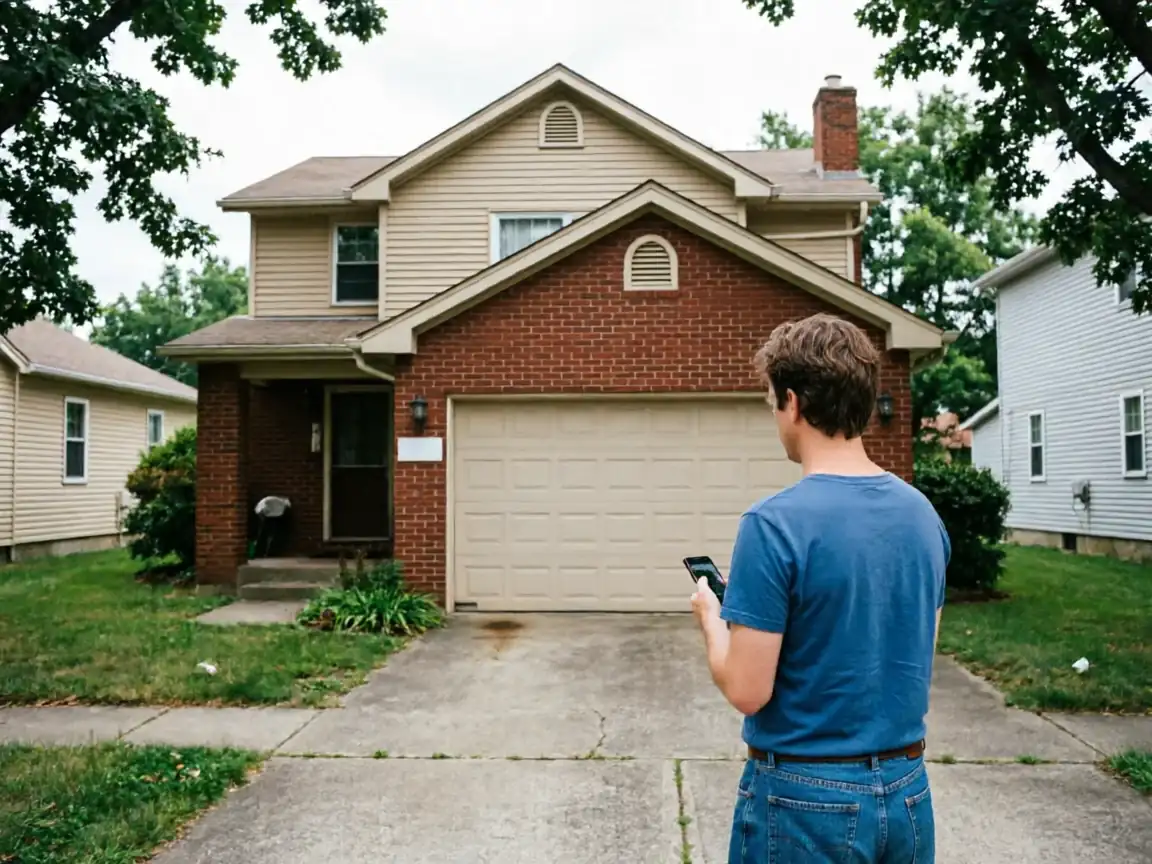
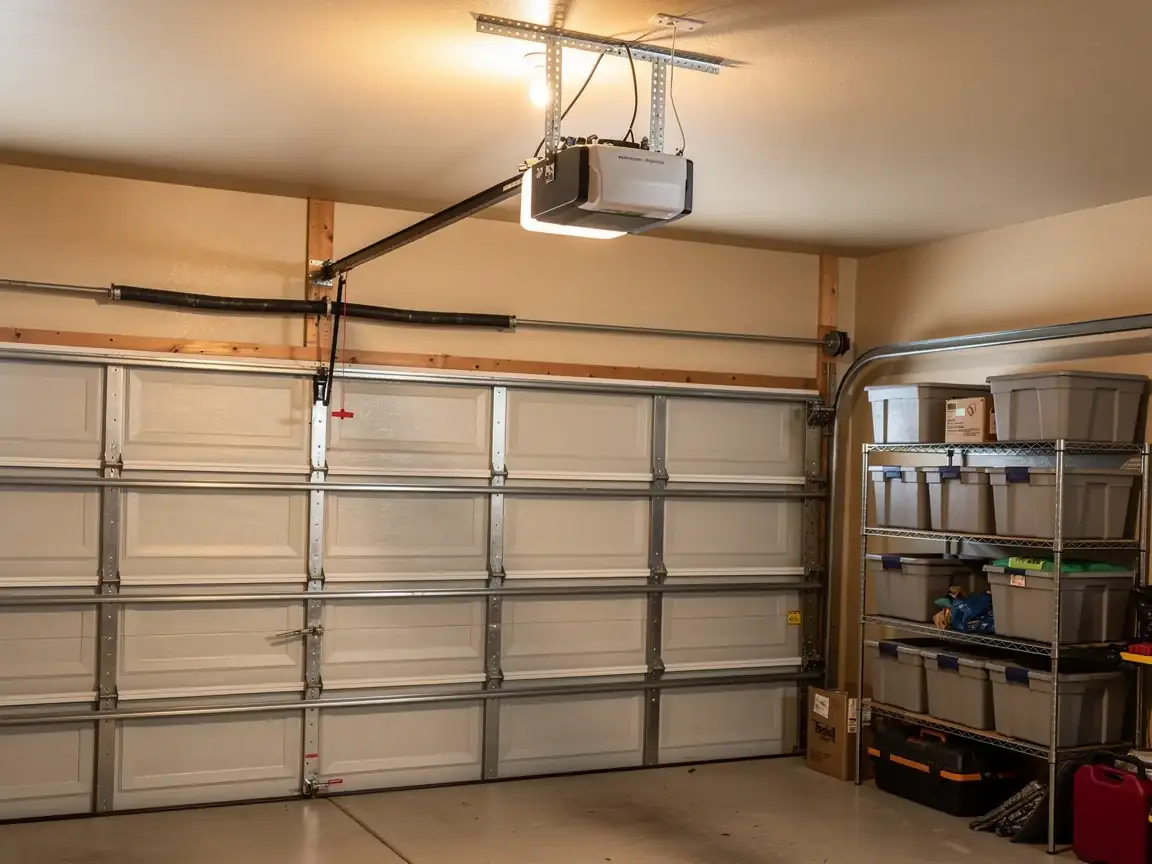
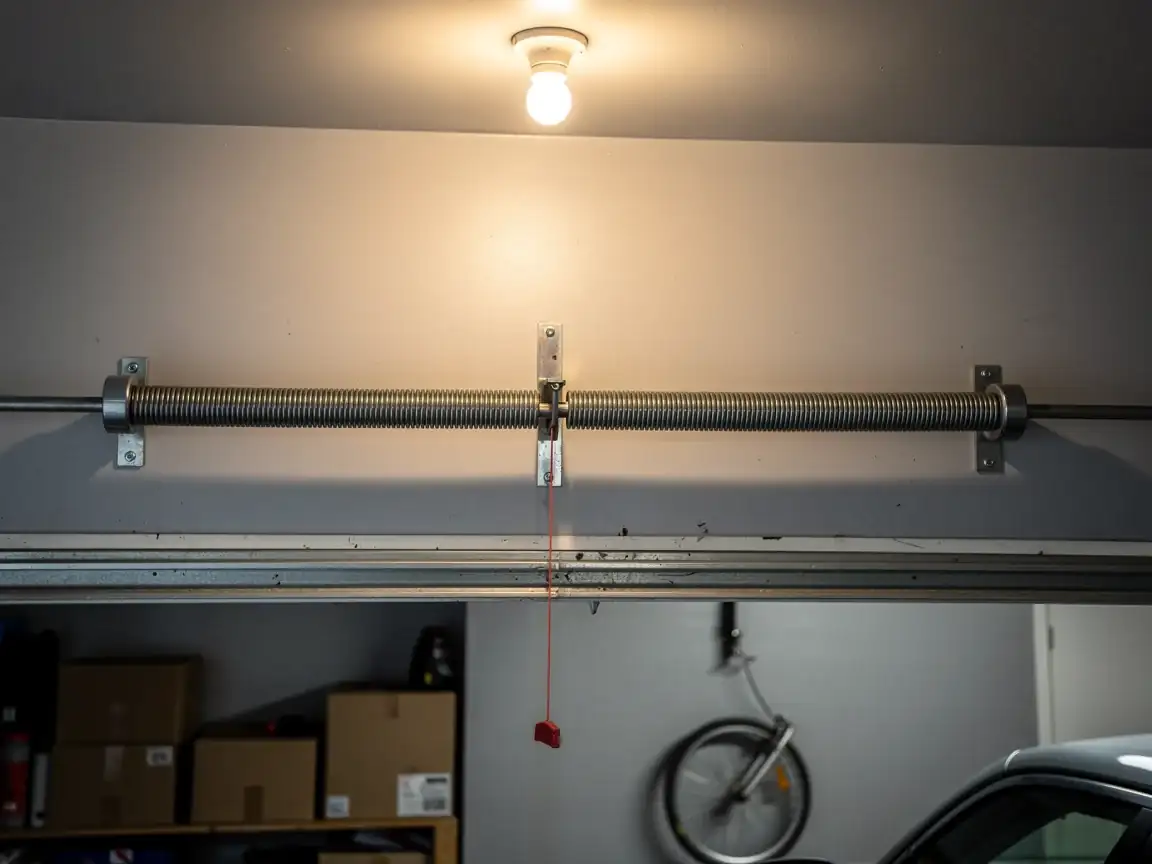
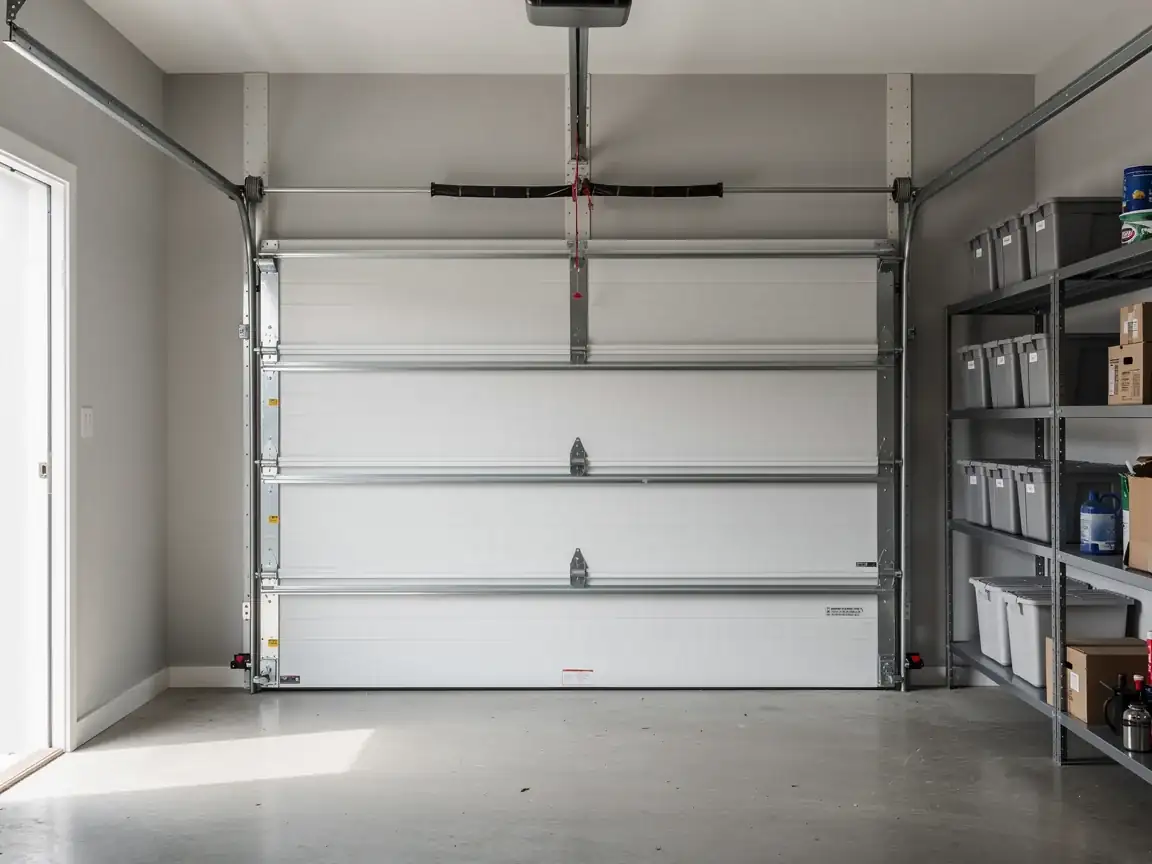
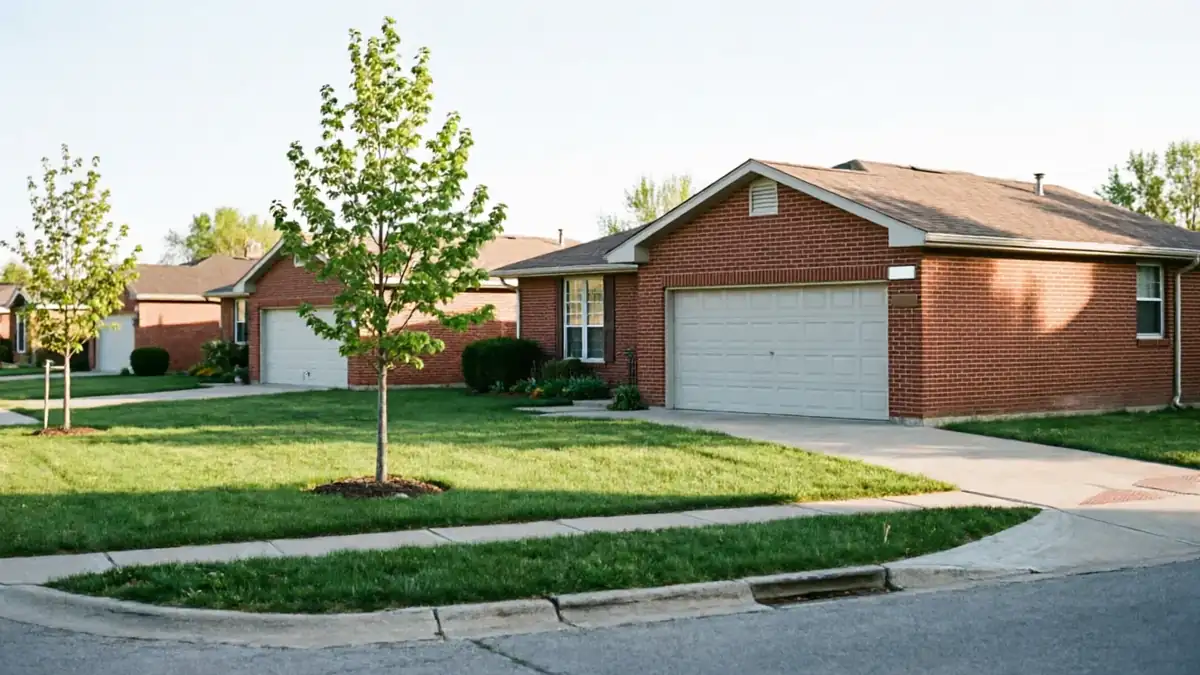
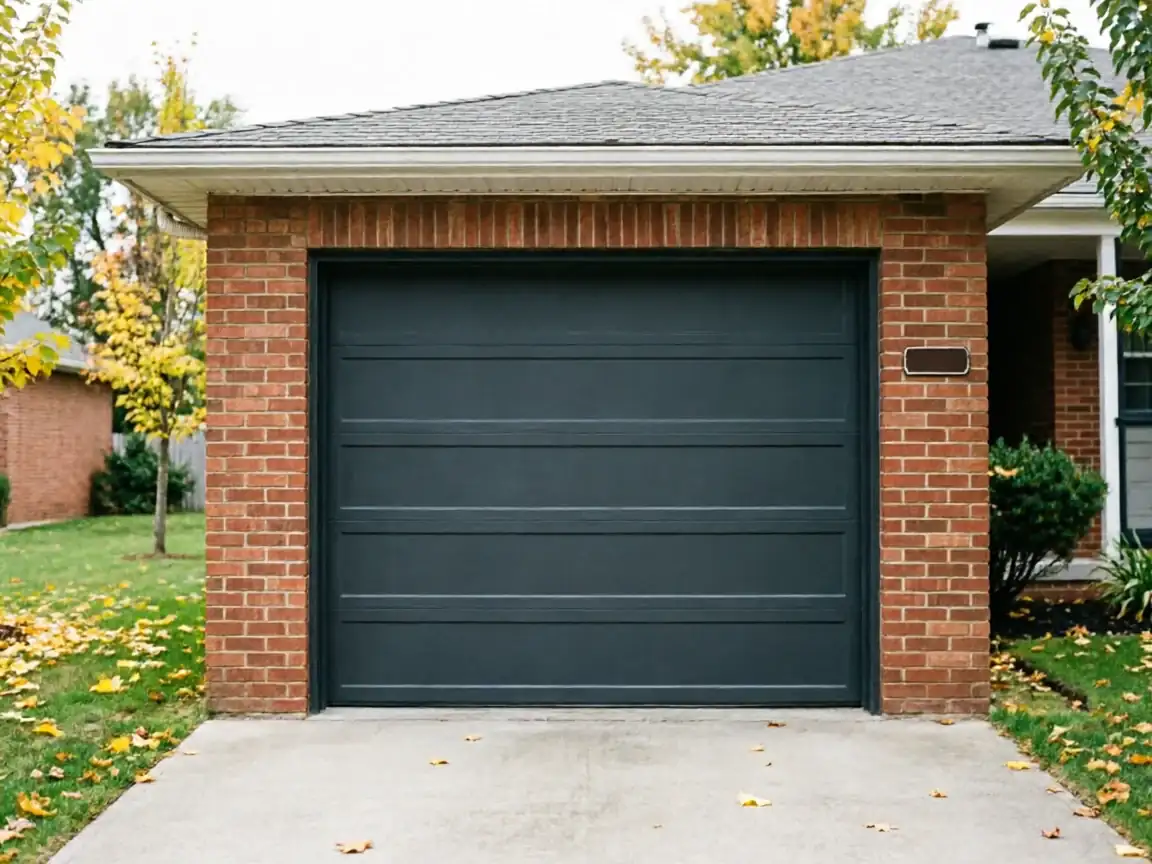
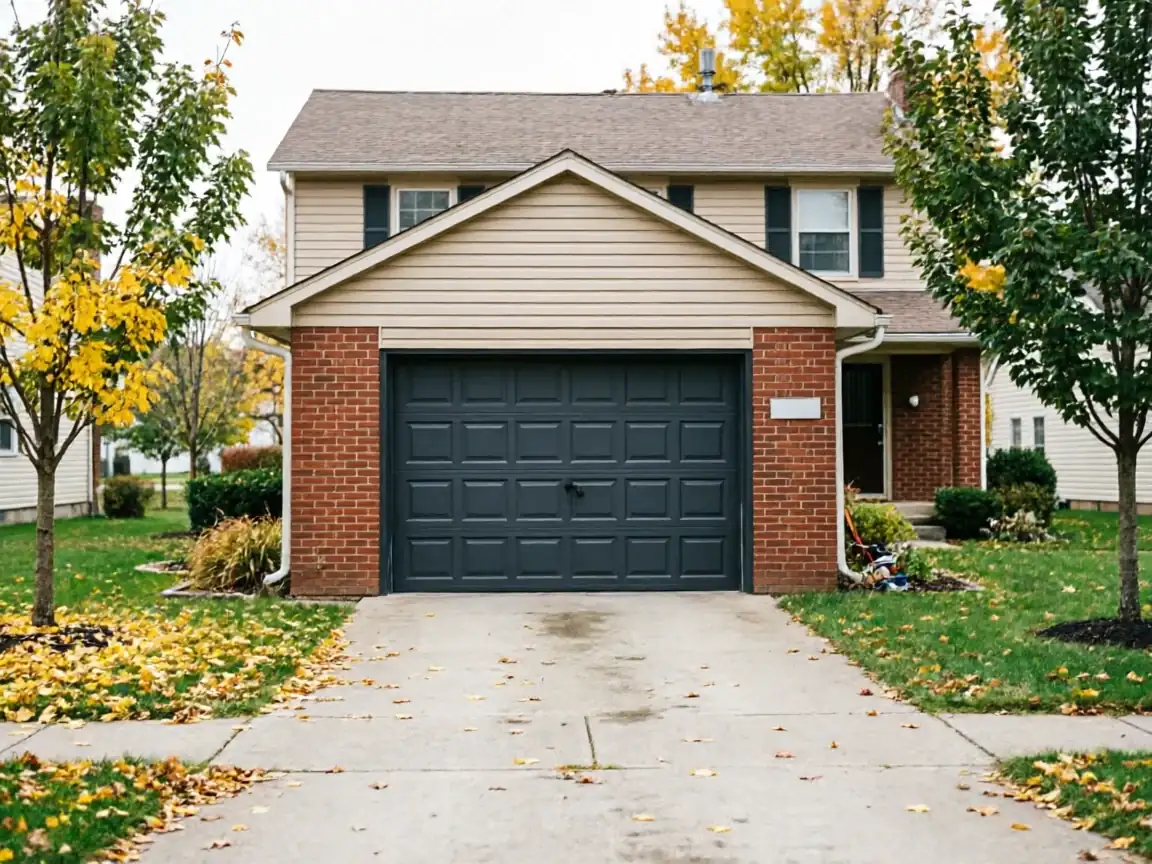
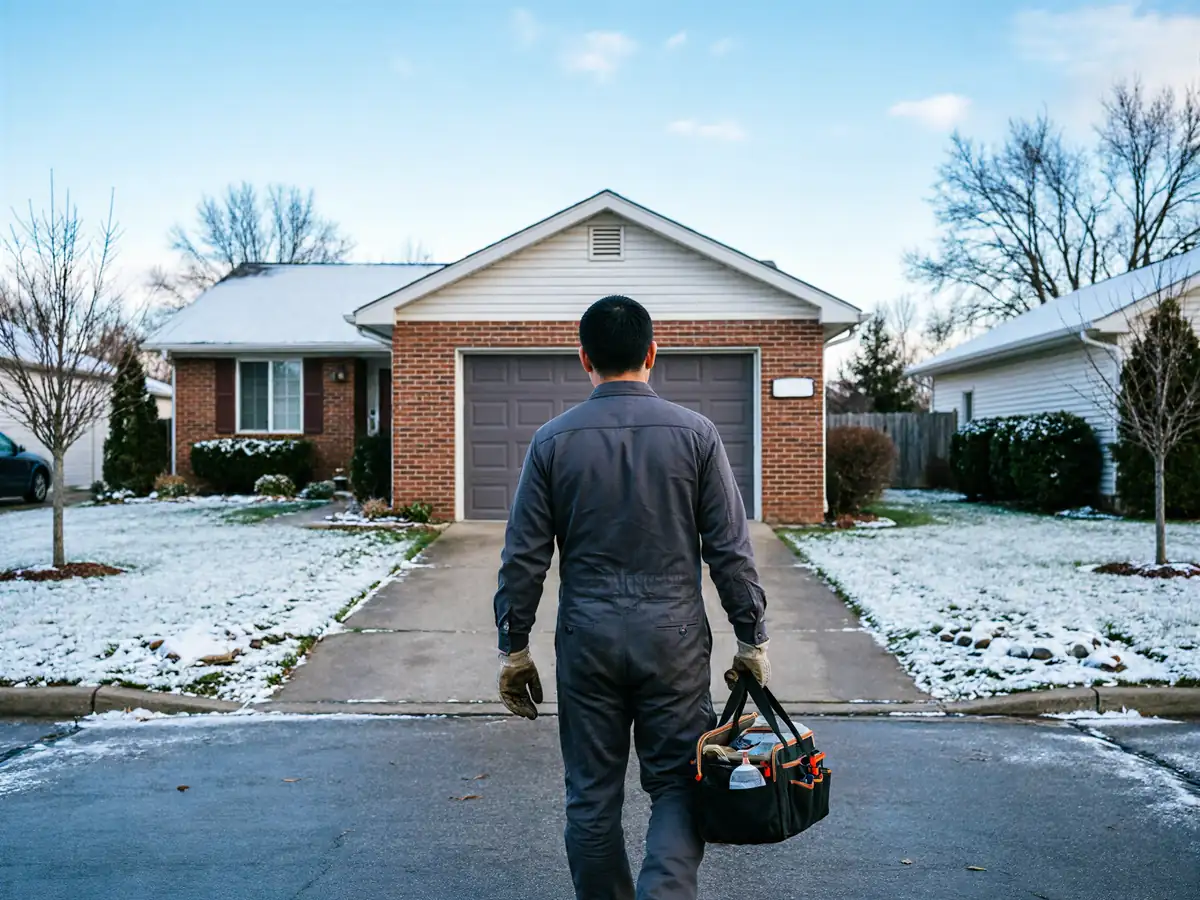
Start with the door itself. A Richfield garage built around 1959 - the median year for this suburb - was almost always built for one car, not two. The opening is narrower than what you'll find in houses built after the area's overall median year of 1976, and the door hung in it was likely steel, single layer, no insulation, with extension springs mounted along the horizontal track rather than a torsion bar over the header. That hardware layout is a different animal to work on than what you'll find in newer sections of the service territory.
Winters here sit in the same cold moderate climate band as the rest of the metro, and a door that age has had sixty-plus heating and cooling cycles working on steel brackets and lift cable that were never rated for that kind of fatigue. The track alignment drifts a little every year the slab settles, and on a single-car opening there's less slack in the hardware to absorb it. None of this is dramatic - it's just what happens to an original door on an original frame over six decades.
How It Shows Up
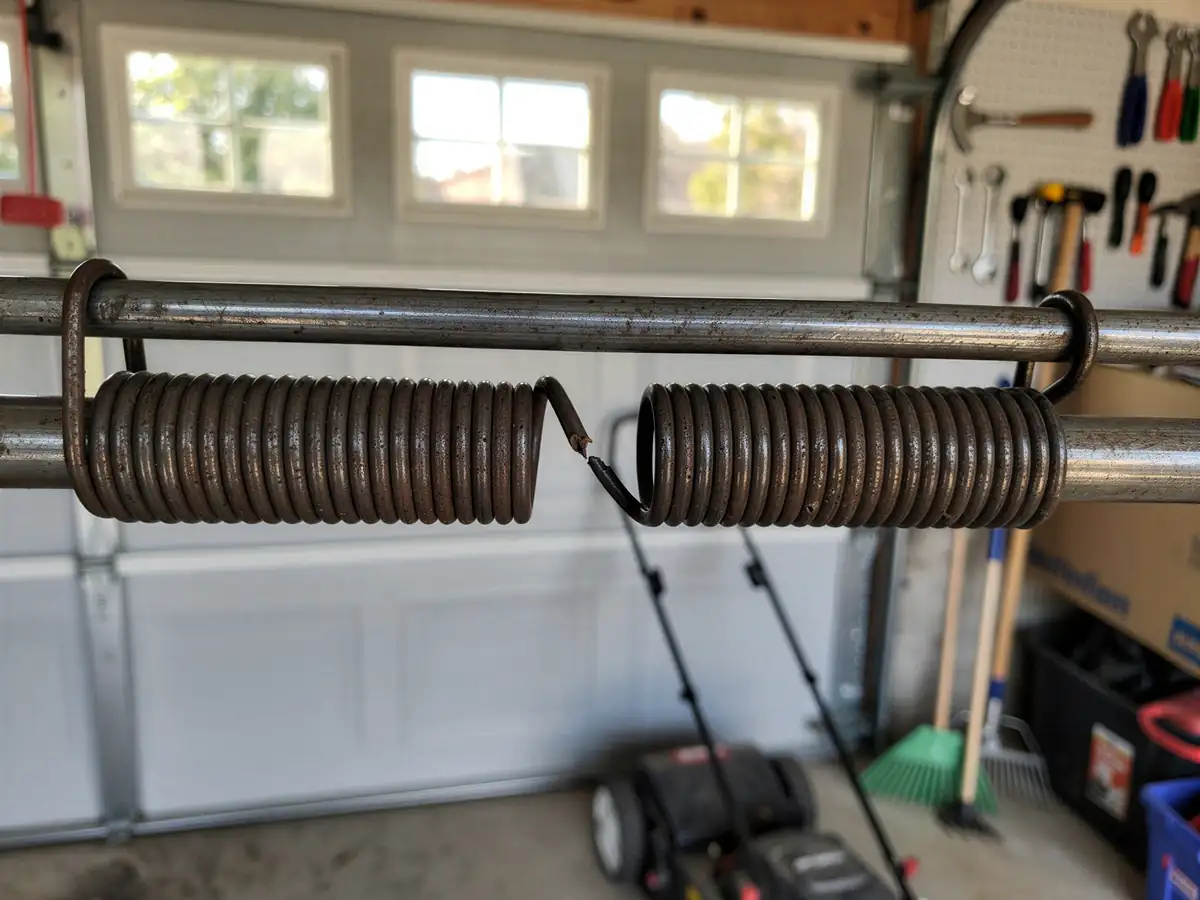
On these older single-car doors, the first sign is usually the door running crooked in the track - one side drags a half-second behind the other on the way up. That's the extension spring losing tension unevenly, which is common on this hardware style because the springs aren't matched by a center shaft the way a torsion system would correct for.
You'll also hear it before you see it: a flat door panel from 1959 carries sound differently than a modern insulated one, so a loose roller or a dry hinge pin sounds louder and earlier. Owners in Richfield often tell us the door was 'fine' until it suddenly wasn't - but on hardware this old, there usually wasn't a sudden failure, just years of a bent track lip or a frayed cable nobody looked at because the door still opened.
How We Fix It
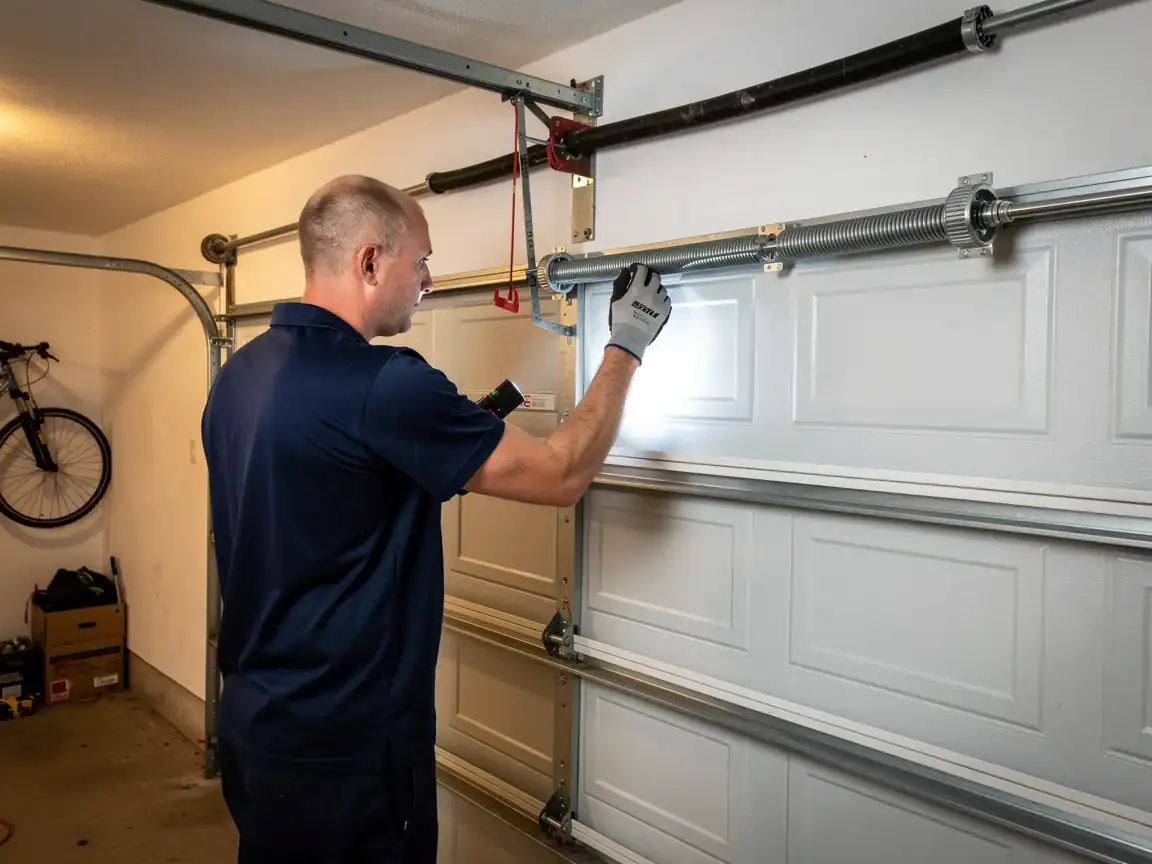
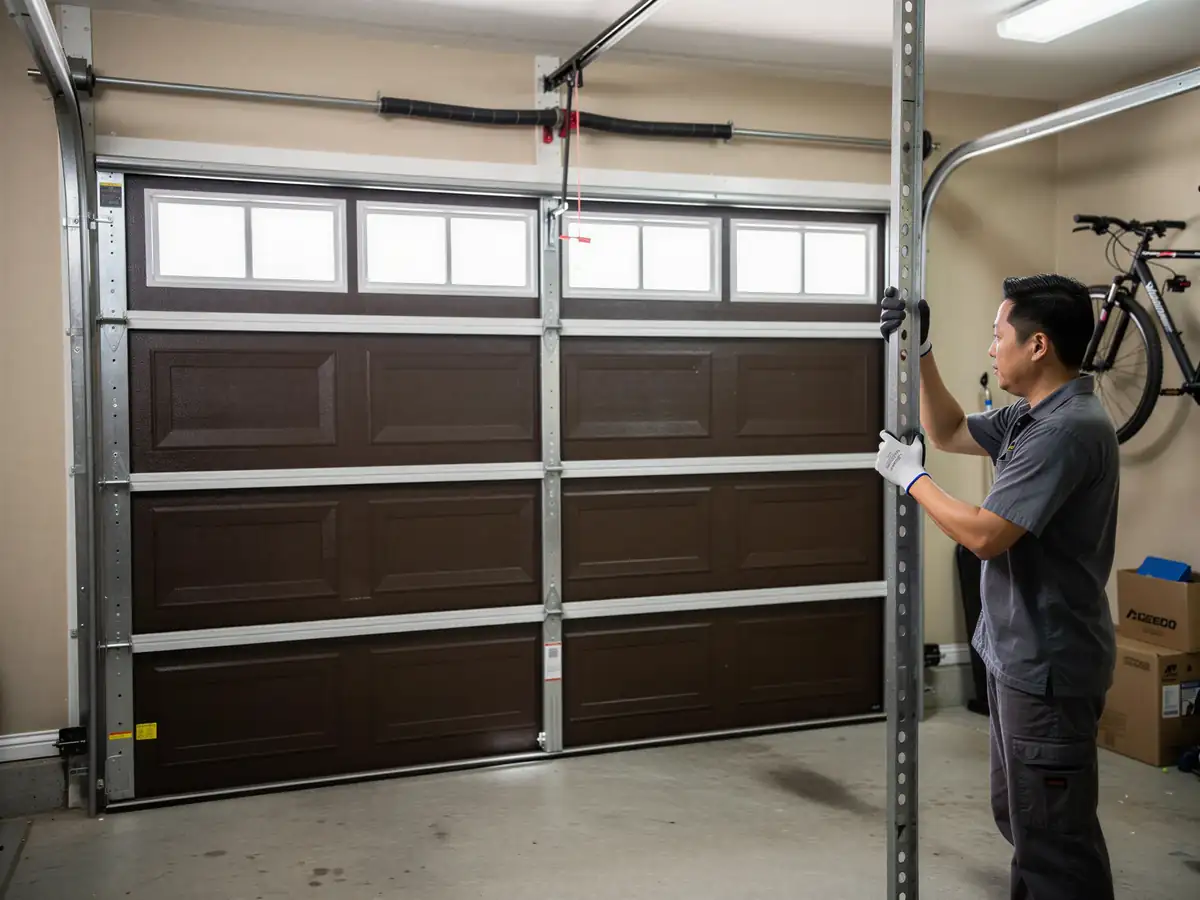
On a maintenance visit for one of these doors, we check the extension spring tension on both sides and even it out
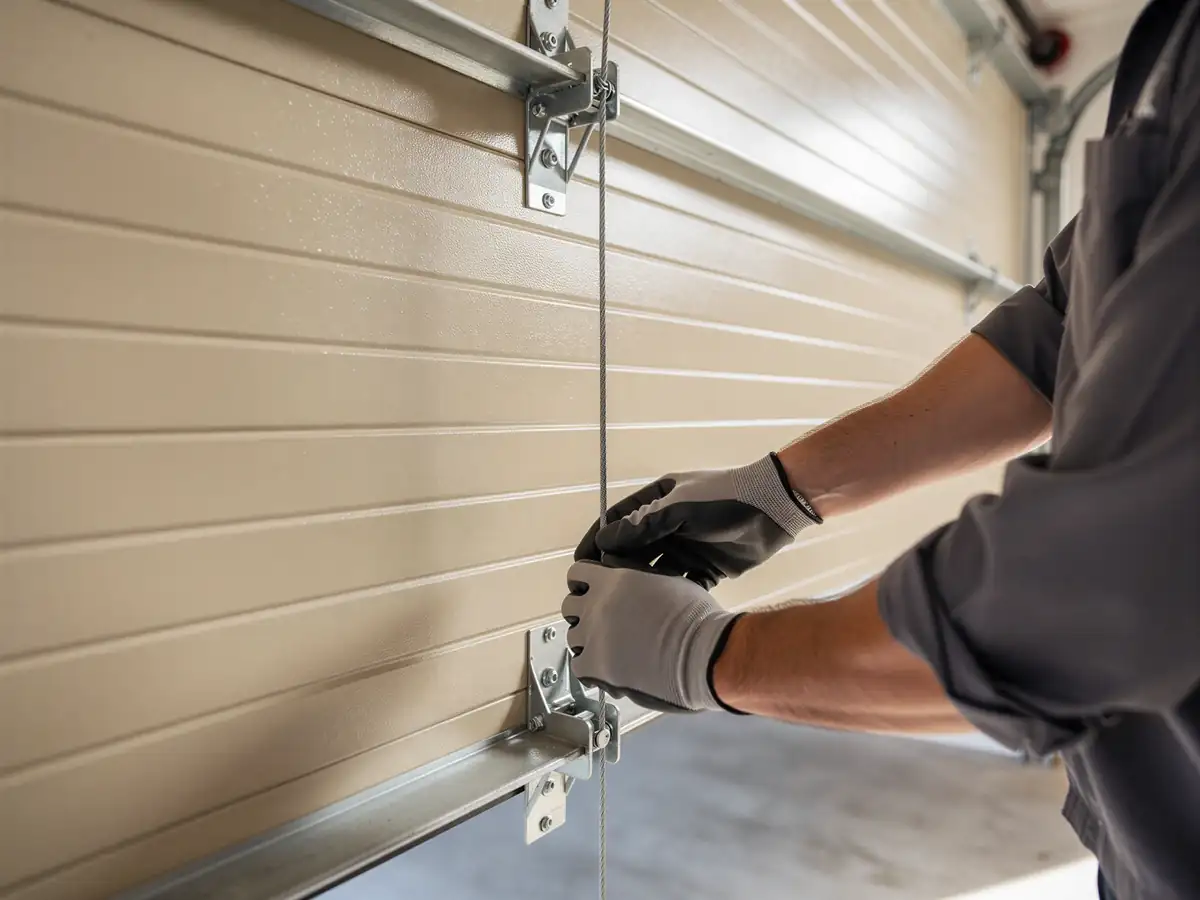
On a single-car door that's often the single biggest fix for a crooked lift. We inspect the lift cable at the drum and at the bottom bracket, since original cable on a door this age is past any reasonable service life even if it hasn't frayed yet.
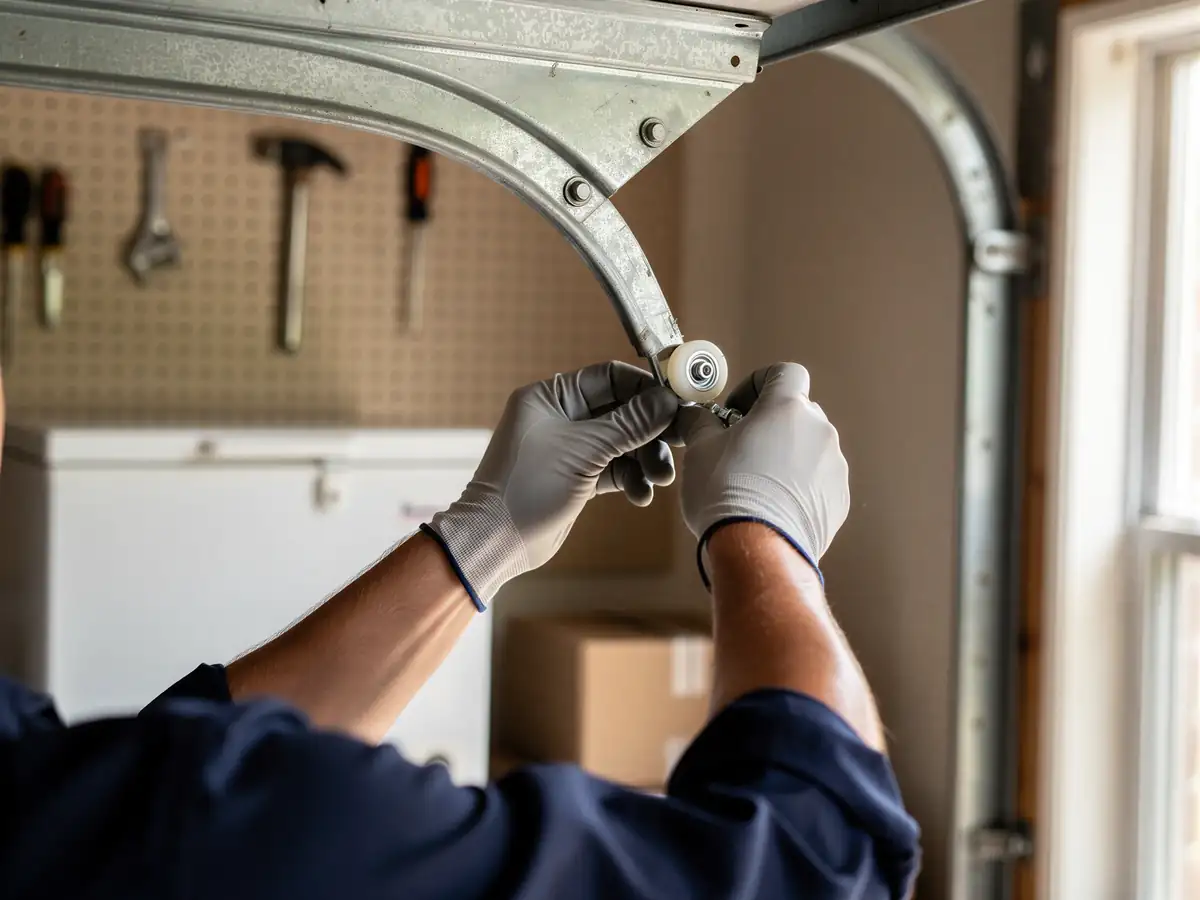
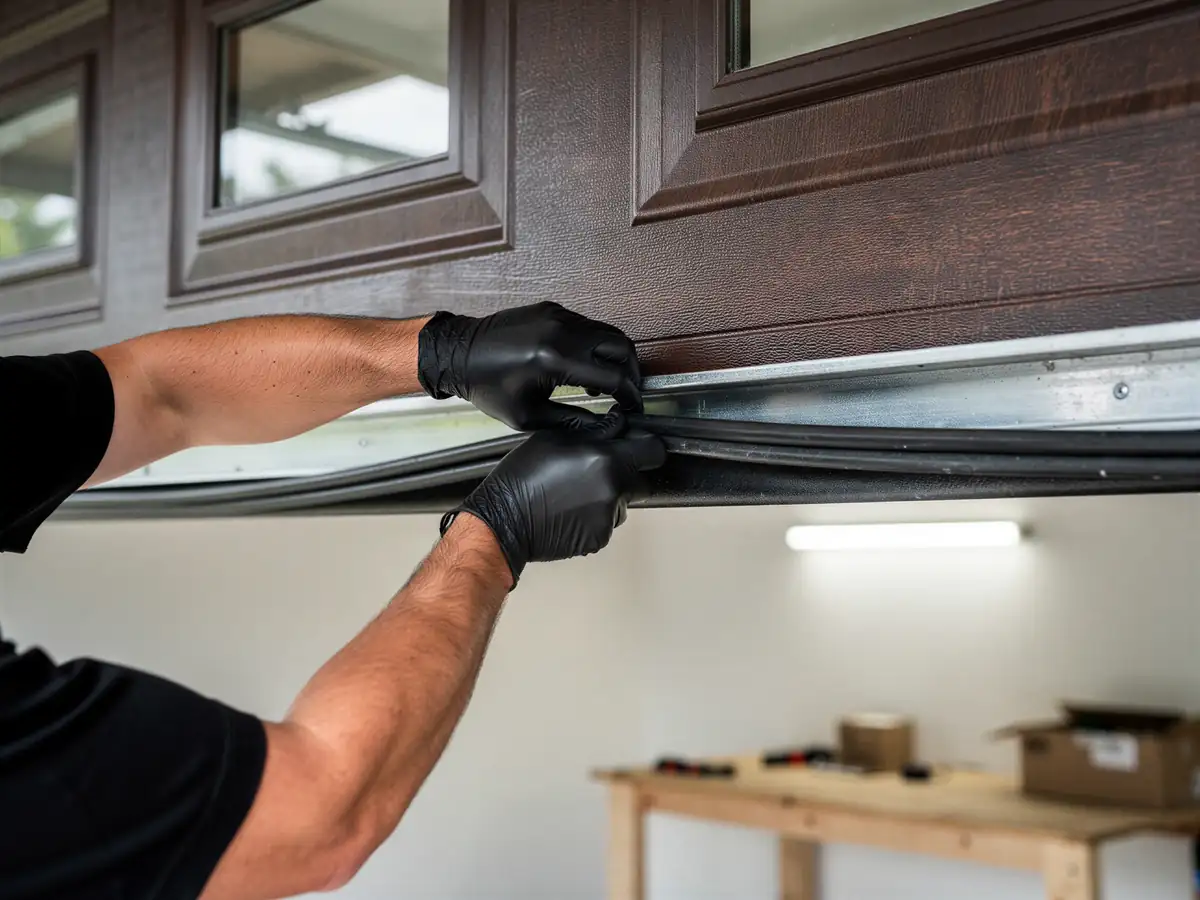
We lubricate the rollers and hinges, check the track for the kind of lip-bending that happens when a door this narrow gets bumped
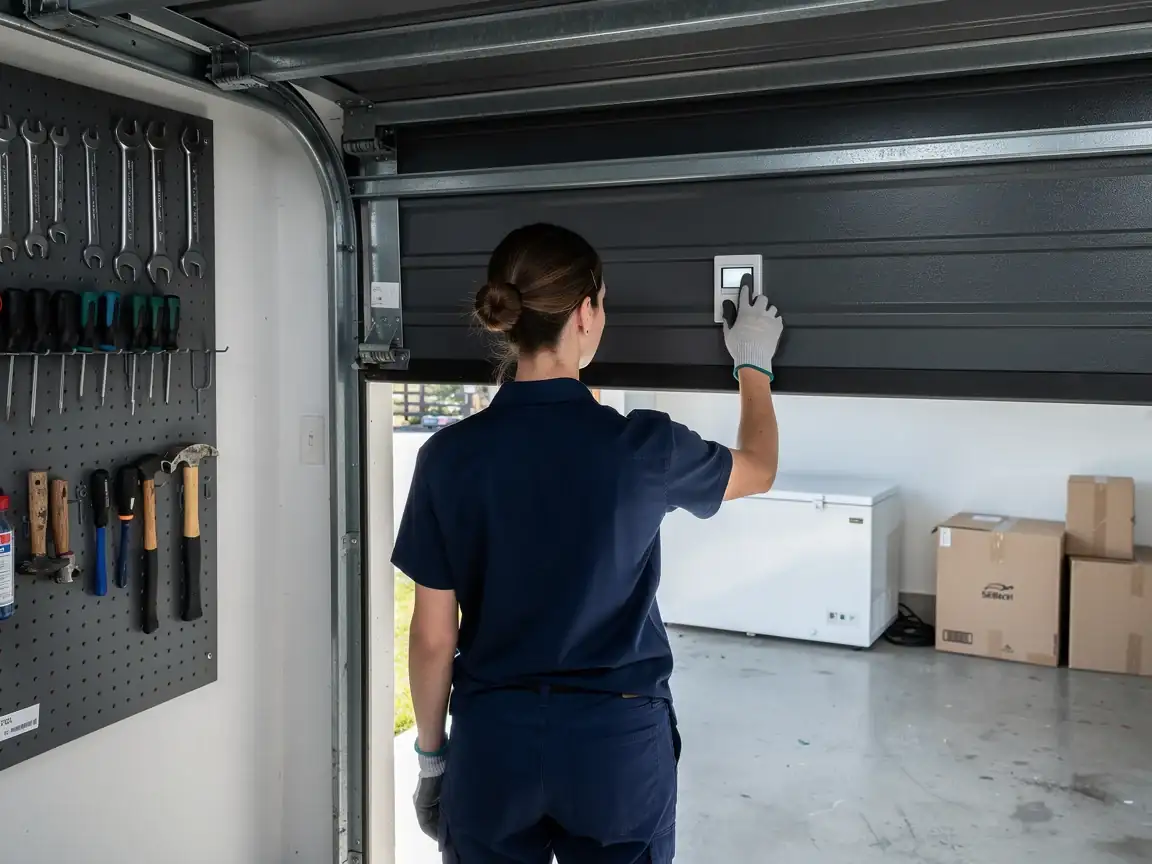
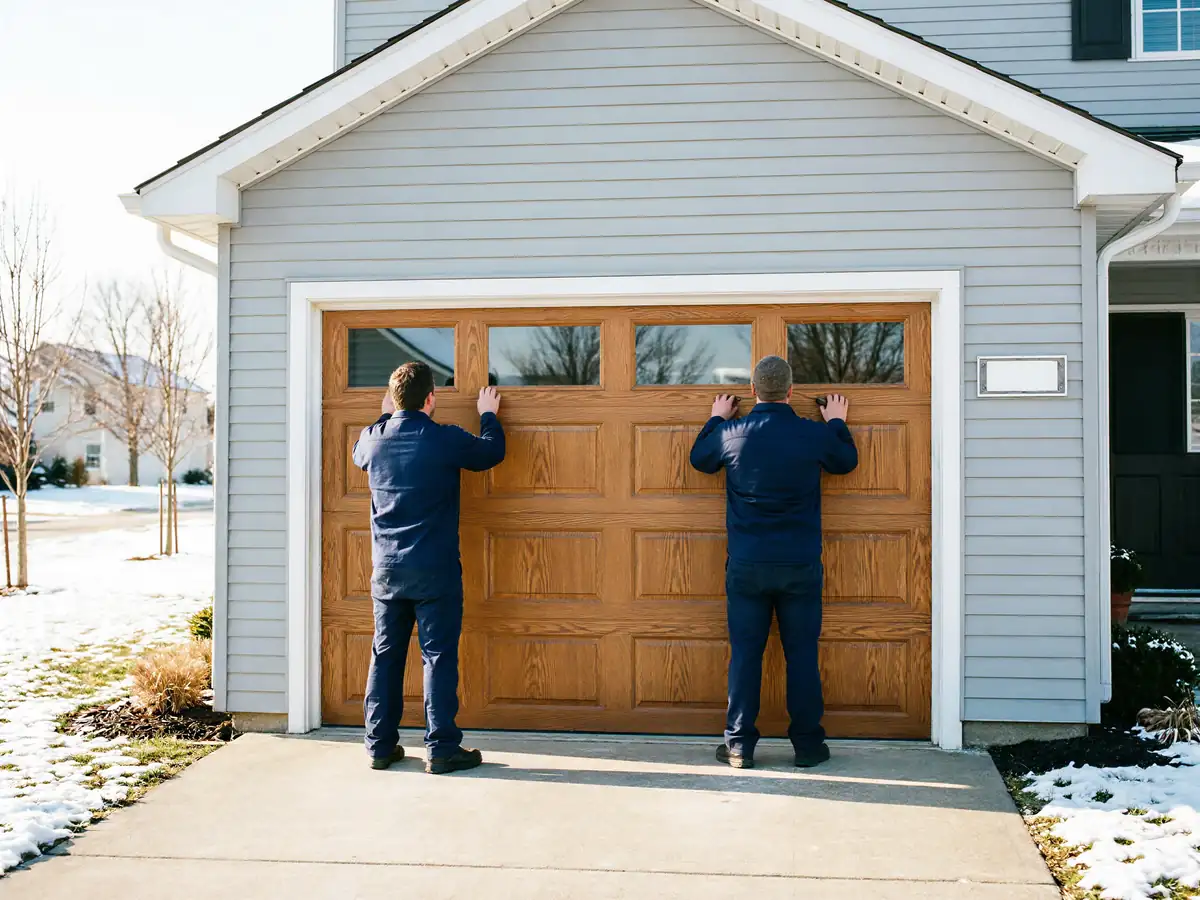
And test the auto-reverse safety function on the opener if one's been added since the original door. We don't rebuild the door panel itself on site - if the steel skin is rusted through or the panel is cracked, that's a replacement conversation, not a maintenance one, and we'll say so rather than patch something that won't hold.
What Can Go Wrong
The honest risk with a door this old is a snapped extension spring under tension. Unlike a torsion spring contained in a shaft, an exposed extension spring that breaks can whip, and on a door with no safety cable retrofit - common on 1959-era installs that were never upgraded - that's a real hazard, not a theoretical one. We check for a containment cable on every visit and add one if it's missing.
The other thing that goes wrong quietly is the opener. A lot of these single-car doors had openers added decades after the house was built, bolted onto hardware that was never sized for it. If the opener is fighting a door that's binding in the track, the gear set wears out faster than it should, and that's a bill that didn't need to happen.
What It Costs
Richfield's median household income runs $84,055, below the wider service area's $93,233, and we keep maintenance visits scoped so a routine check doesn't turn into an unscoped teardown. A standard visit covers spring tension, cable inspection, roller and track lubrication, and an opener safety test.
We don't price repairs here because what a given door needs - a spring adjustment versus a full cable replacement versus adding a missing containment cable - depends on what we find once we're on site. What we can say is that catching the extension spring imbalance or a fraying cable on a maintenance visit is cheaper than the service call that follows a broken spring or a jumped track. We travel to Richfield from our Woodbury shop, about 18 miles out, so we schedule it as a planned visit rather than a same-day drop-in.