Why It Happens Here
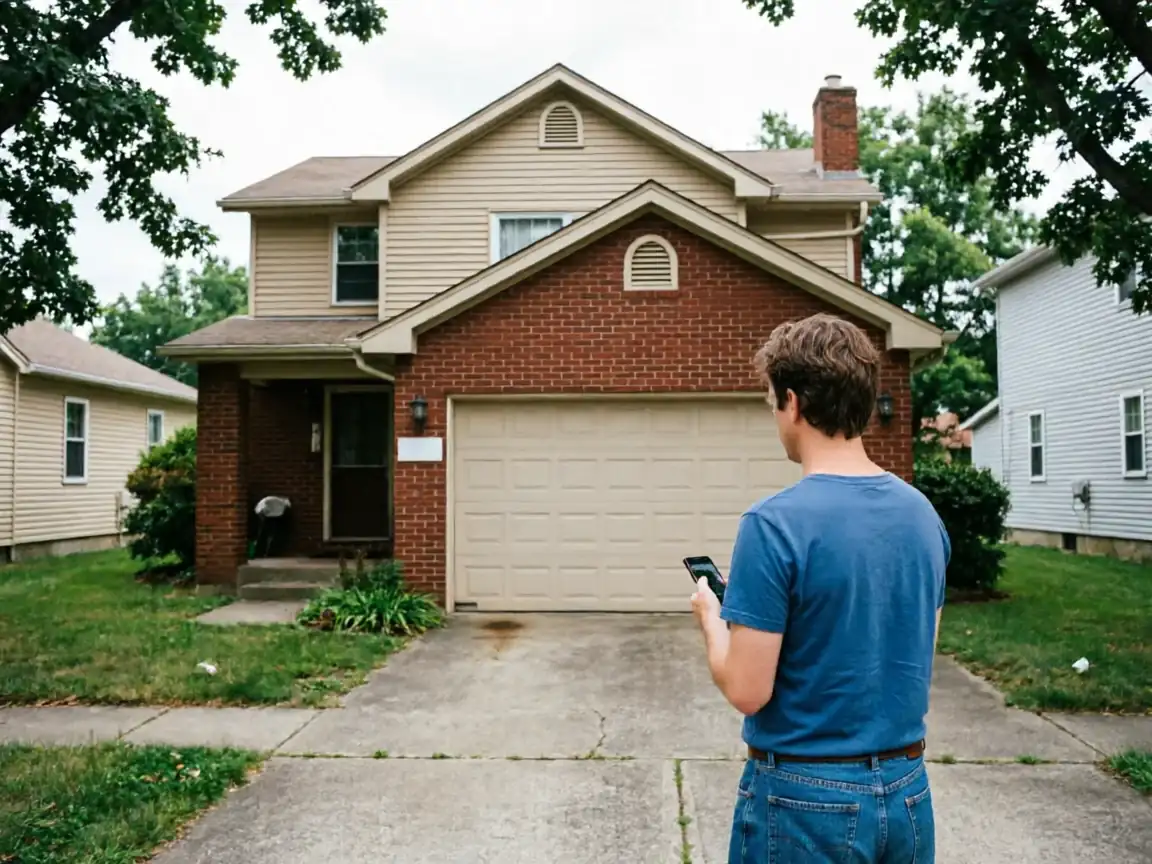
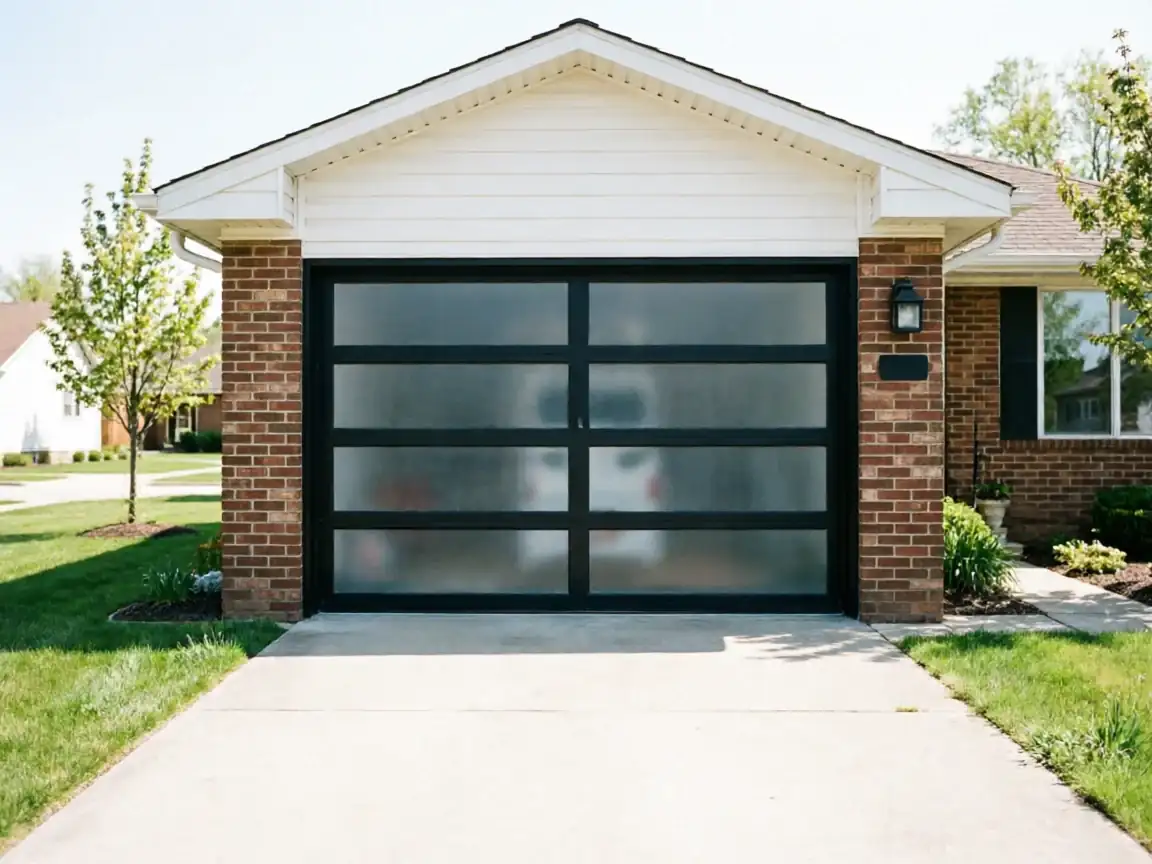
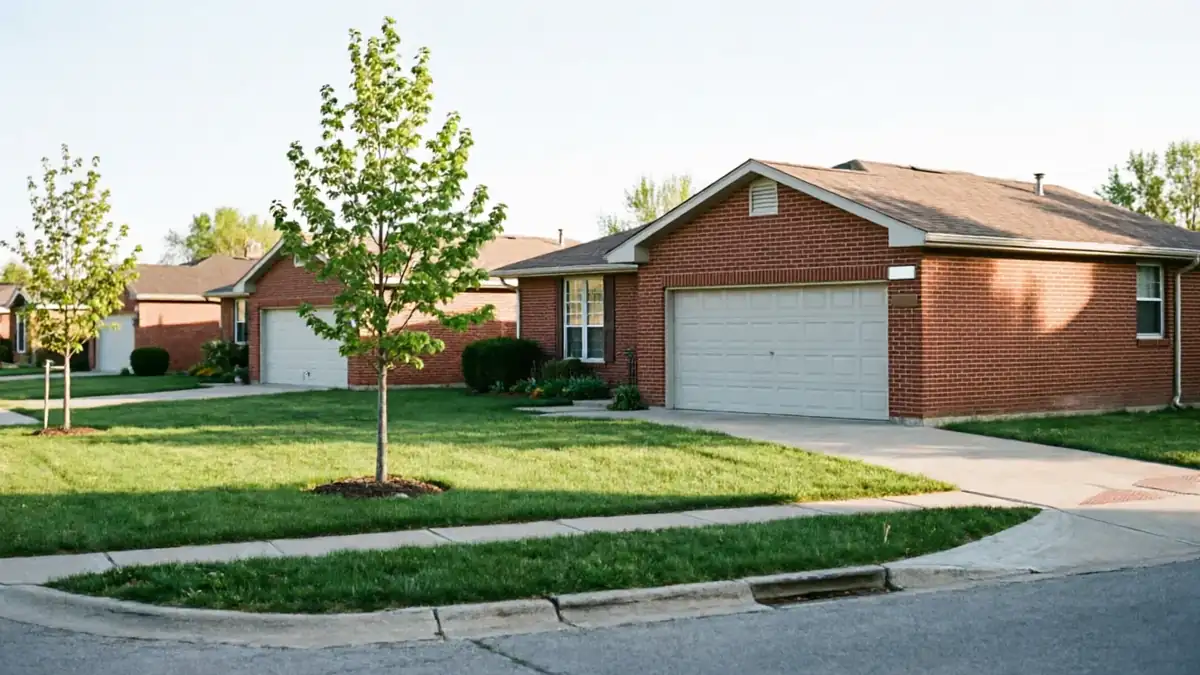
Woodbury's own housing stock runs 1956 to 2002, with a median build year of 1976 - a lot of it is still fairly young. Richfield is older. Houses here cluster around 1959, which means the garage openings were framed for doors and track systems that predate almost everything sold today. A door built to a 1959 rough opening often doesn't match the width or header clearance that current steel and insulated models assume. That's not a defect in the house - it's just a different era of construction, and it's the first thing we check before we quote anything. We drive out from Woodbury, about 18 miles, so we plan the visit around getting the opening measured right the first time rather than guessing and coming back. In a cold-moderate climate zone, an opening that's slightly off on insulation or seal fit shows up fast once temperatures drop, so getting the fit right at install matters more here than it would somewhere milder.
How It Shows Up
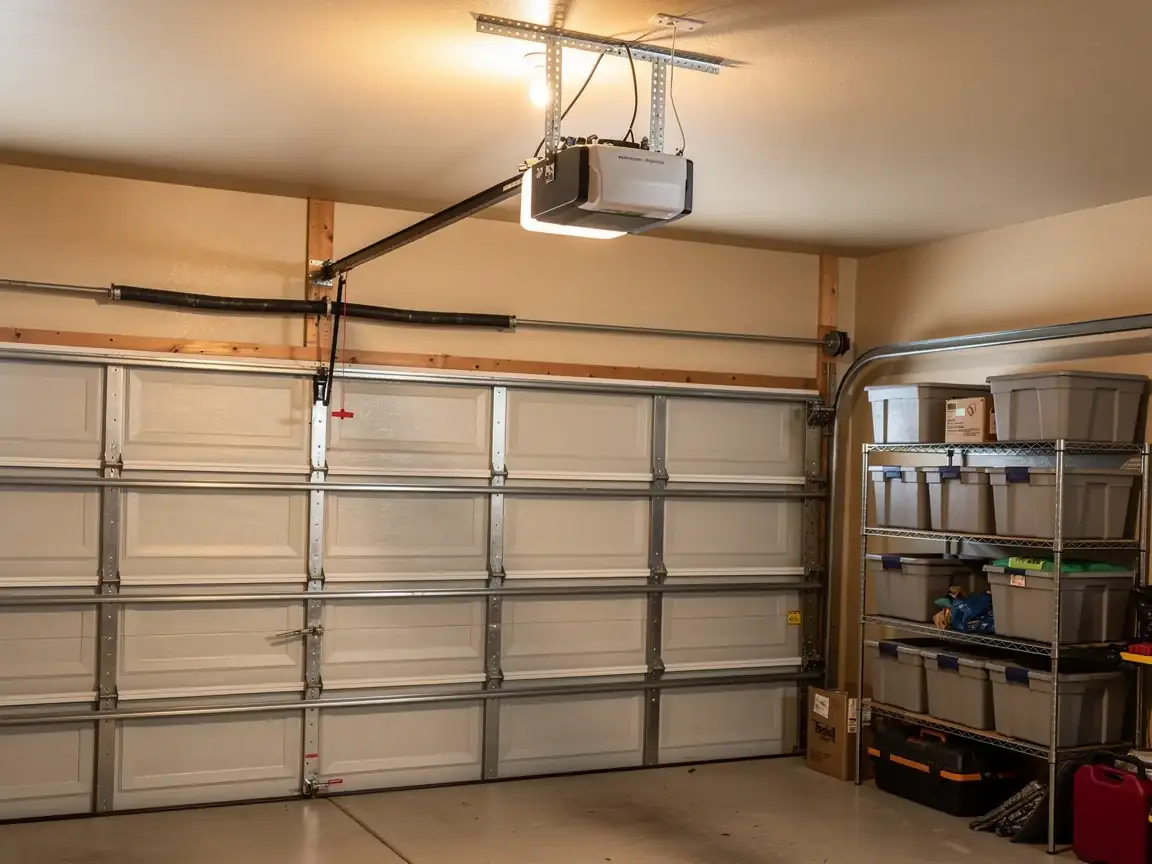
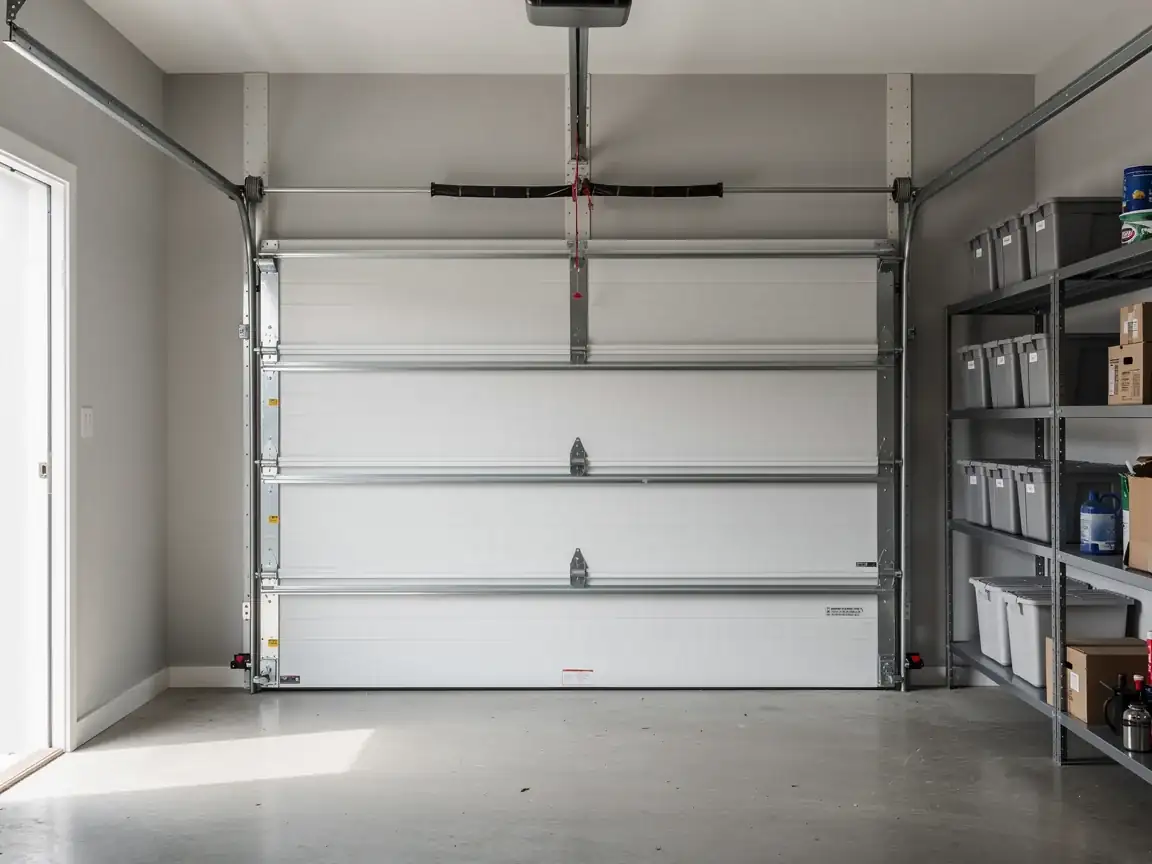
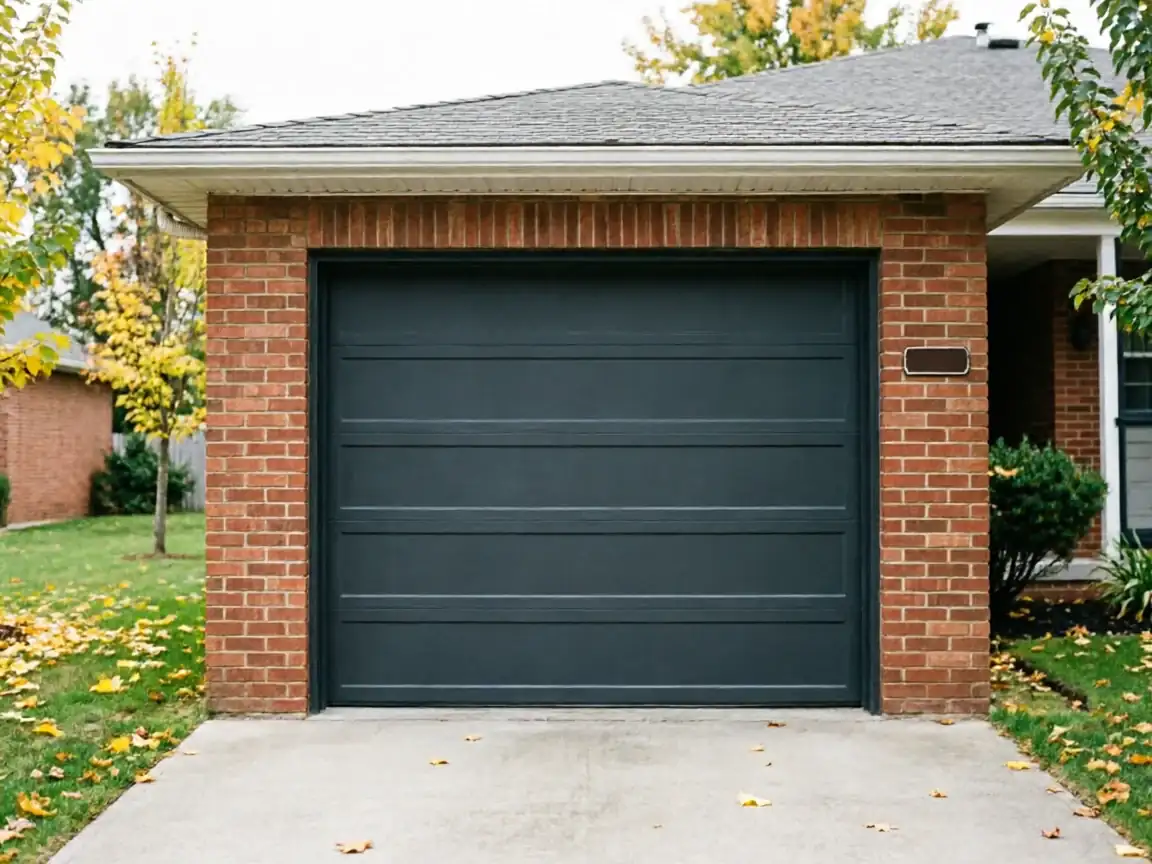
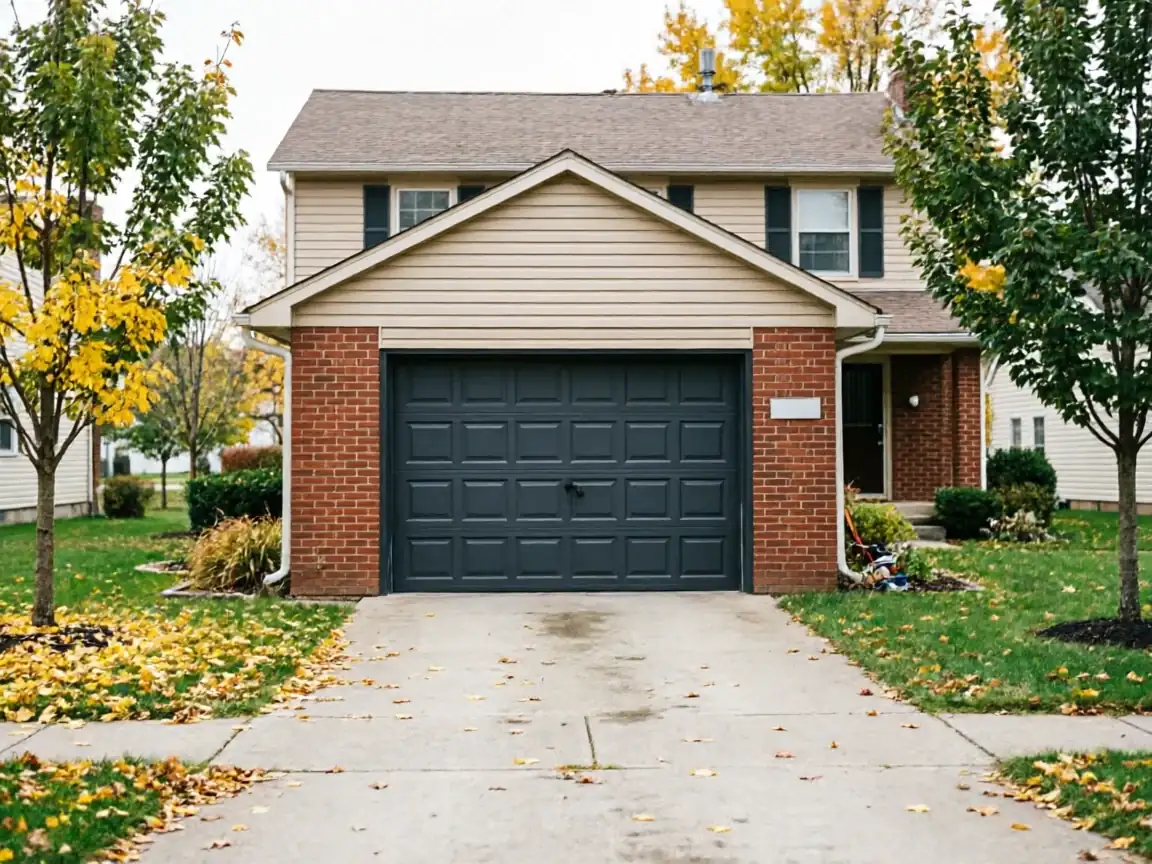
On a 1959-era garage, the symptoms usually trace back to the frame, not the door panel itself. Owners call about a door that won't sit flush, daylight showing at the bottom corners, or an opener that strains because the door is heavier or lighter than what the original track was sized for. Sometimes the jamb has settled slightly over sixty-plus years, which throws off a square opening just enough that a modern pre-hung door won't seat without shimming. None of this means the house has a bigger problem - it means the opening needs to be measured as it actually is now, not as it was built. We see this pattern often enough in homes from this period that we don't treat it as a surprise; we treat it as the starting point for the measurement.
What Can Go Wrong
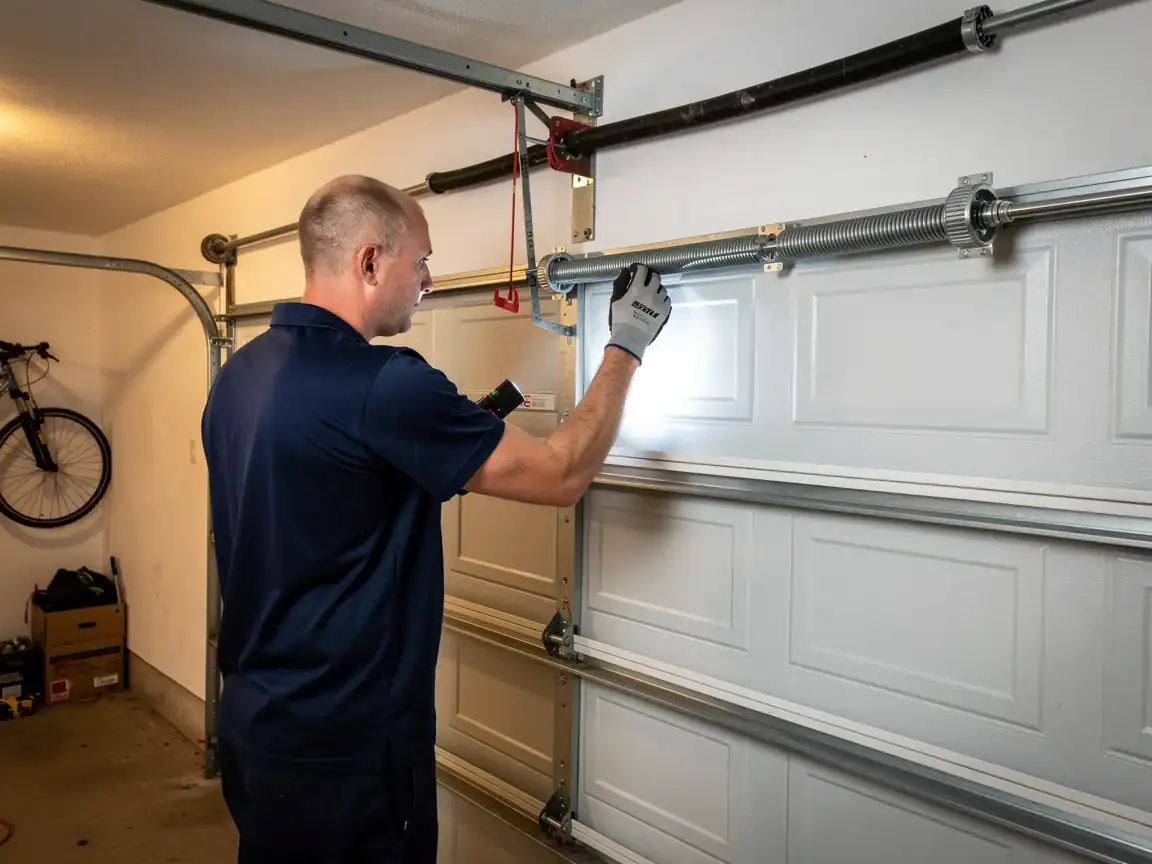
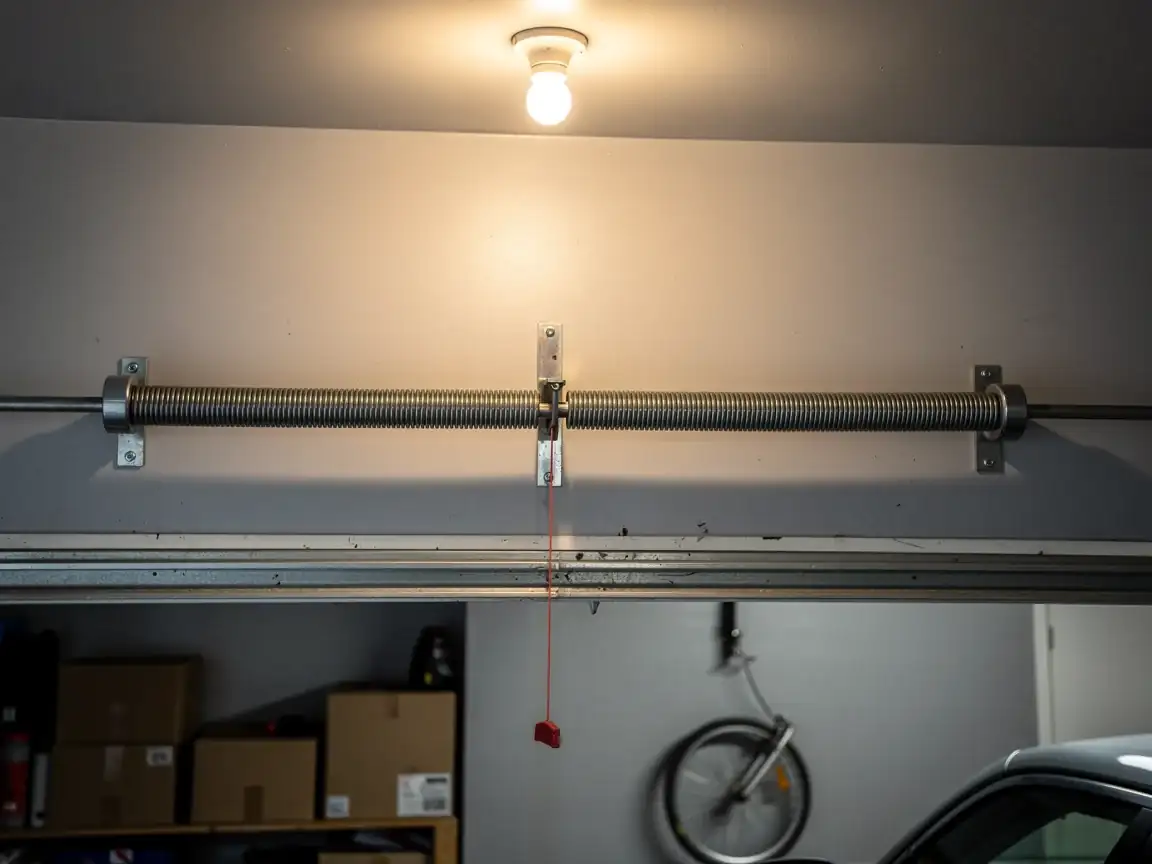
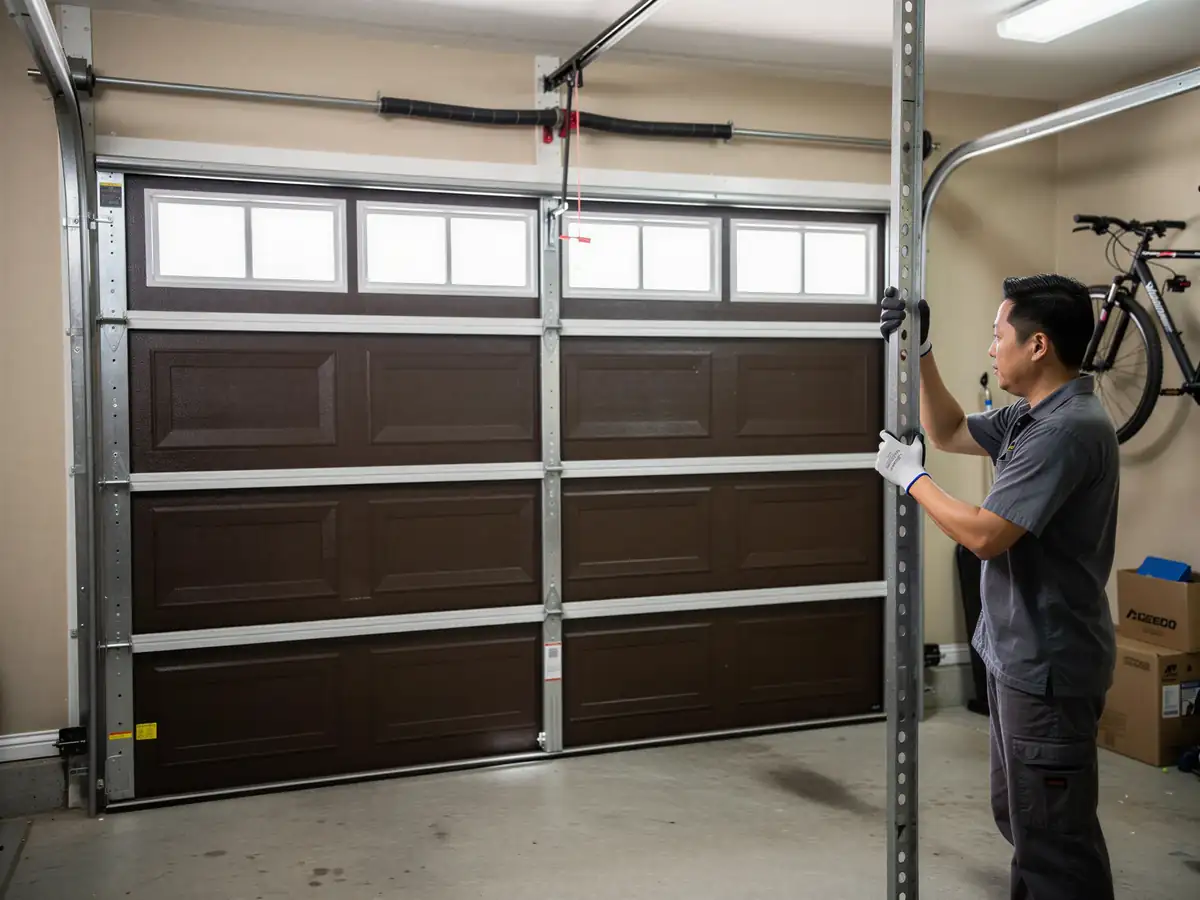
The most common misstep on a house like this is ordering a door to the nominal opening size without checking the actual one. A 1959 opening that was framed for a standard door of that era can be off by an inch or more from today's standard sizing, and that difference is enough to need custom trim work or a different door width than the one first quoted. Another issue: if the original track was mounted for a lighter wood door and the new one is a heavier insulated steel door, the opener and springs both need to be rematched, not just reused. Skipping that step is how you end up with an opener that burns out its motor within the first year or a door that drifts off its track under load.
What It Costs
We don't publish flat pricing here because the age of the opening changes the job enough that a number without a measurement isn't honest. A straightforward swap into a square 1959 opening costs less than one where the jamb needs adjustment or the track mount has to move. Richfield's median household income sits at $84,055, which is lower than the broader Woodbury service area's $93,233 median - we mention it only because it's part of why we quote the actual opening rather than pushing the highest-spec door by default. We'll give you a real number after we've measured, not before.