Why It Happens Here
Richfield's median household income sits at $84,055, which puts most repair jobs here well inside the range where fixing the door makes more sense than replacing it. A new torsion spring, a cable, even a full opener swap - at that income level, these are planned expenses, not reasons to finance a new door. Replacement only starts to pencil out once the section panels themselves are rusted through or the track is bent beyond pulling straight.
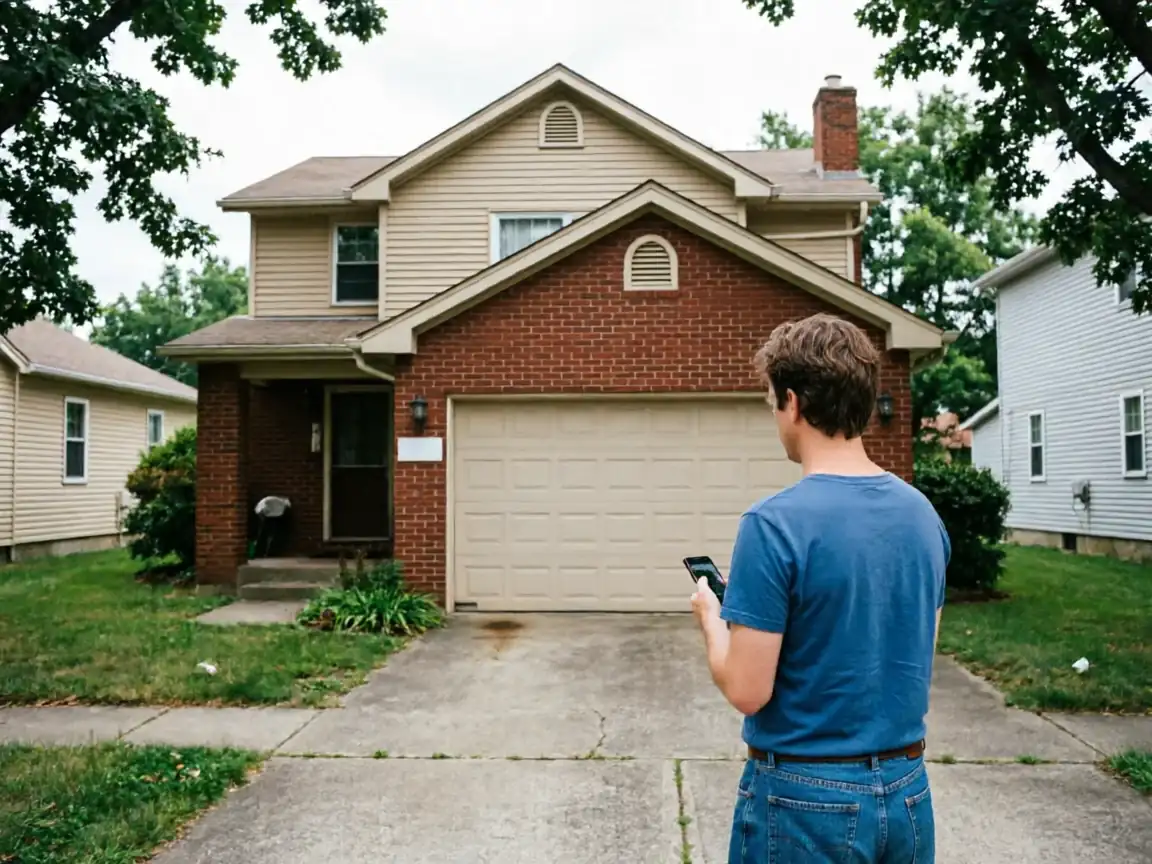
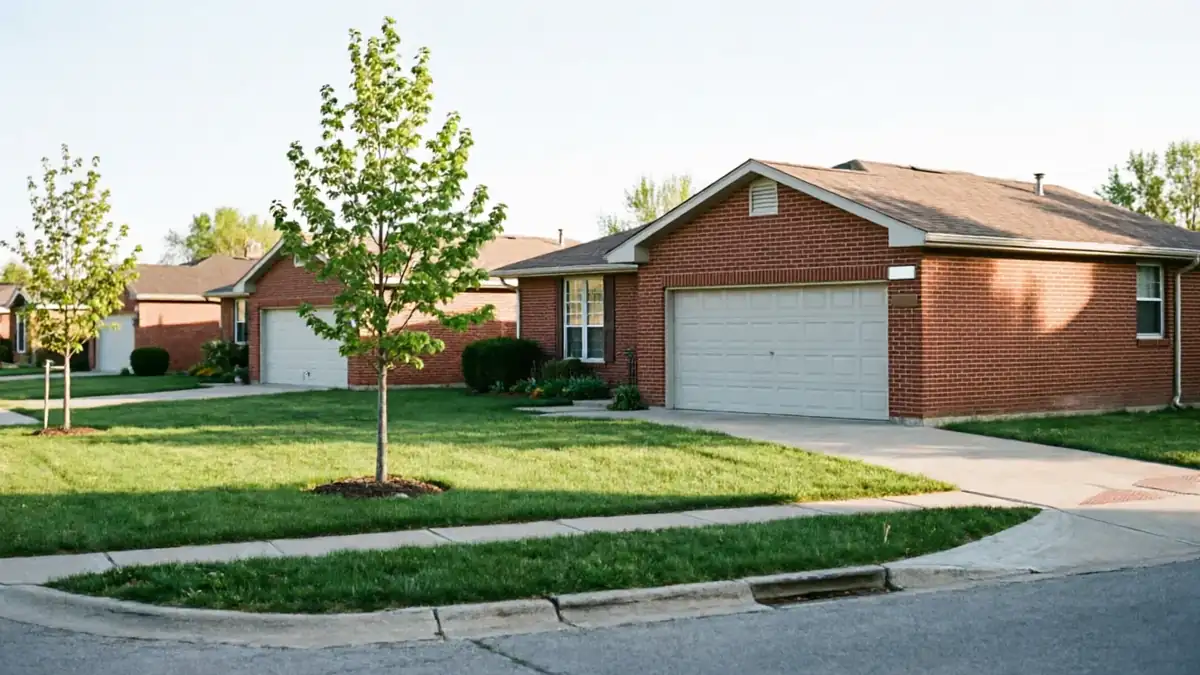
The bigger driver is age. Across the wider service area the housing stock runs 1956 to 2002 with a median build year of 1976, but Richfield itself centers on 1959 - a decade older than that regional median. Add in the area's general lean toward 1960s-70s construction, and you get original garage hardware that was never meant to last six decades: extension springs instead of torsion, steel tracks with no safety cable, openers with no modern force-sensing at all. We make the drive from Woodbury, 18 miles out, because this specific mix of age and climate load keeps showing up as the same handful of failures.
How It Shows Up
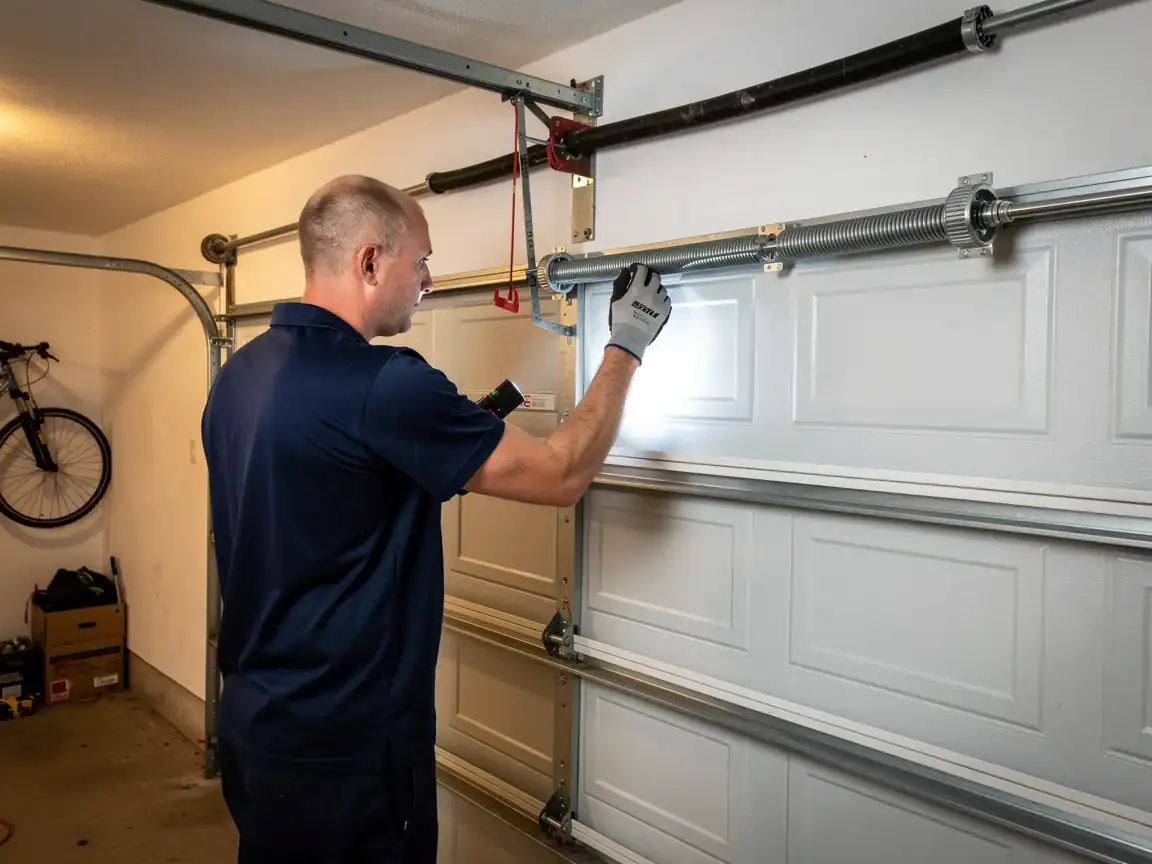
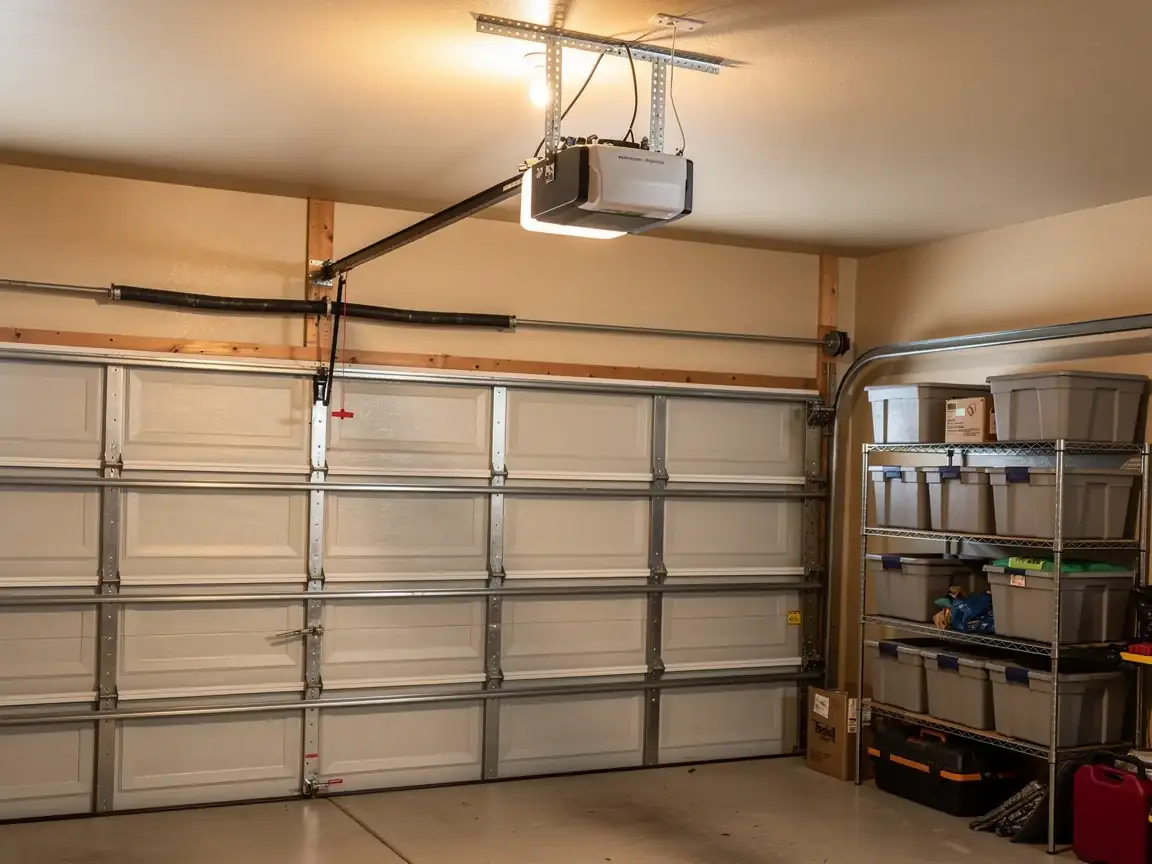
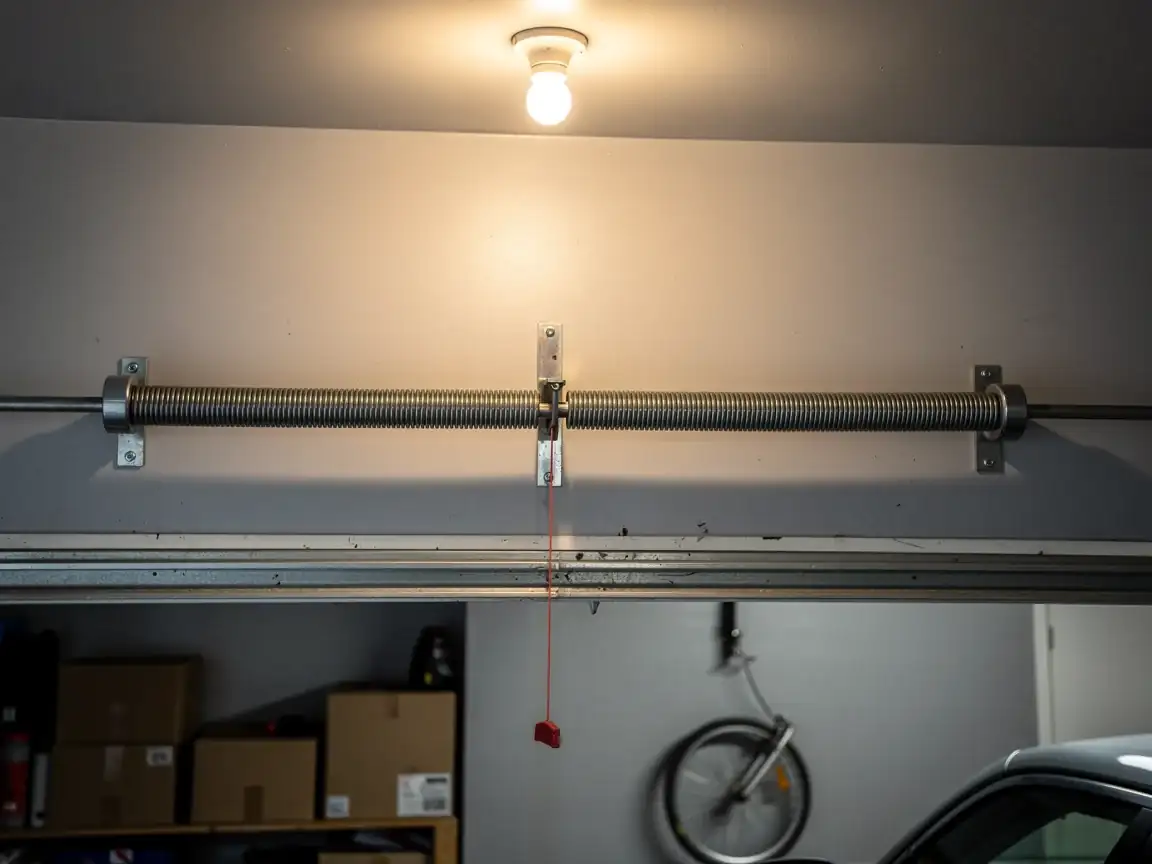
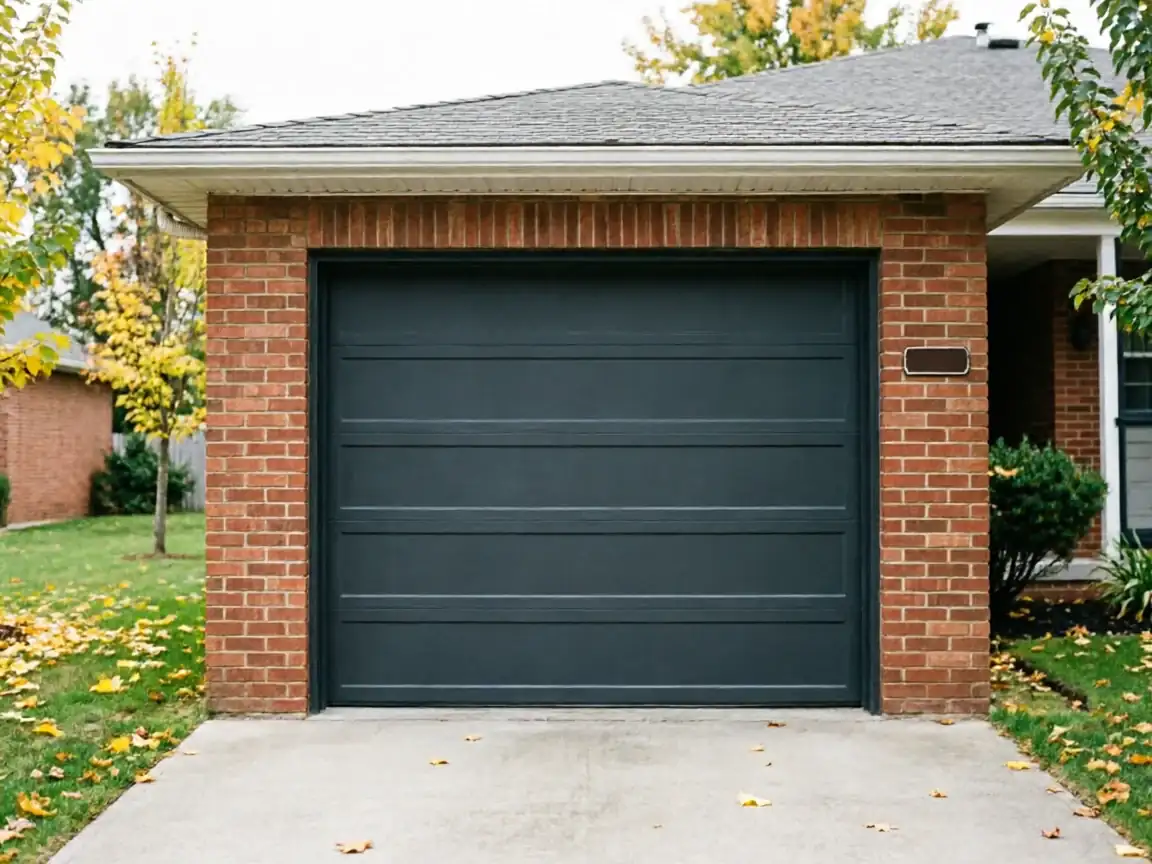
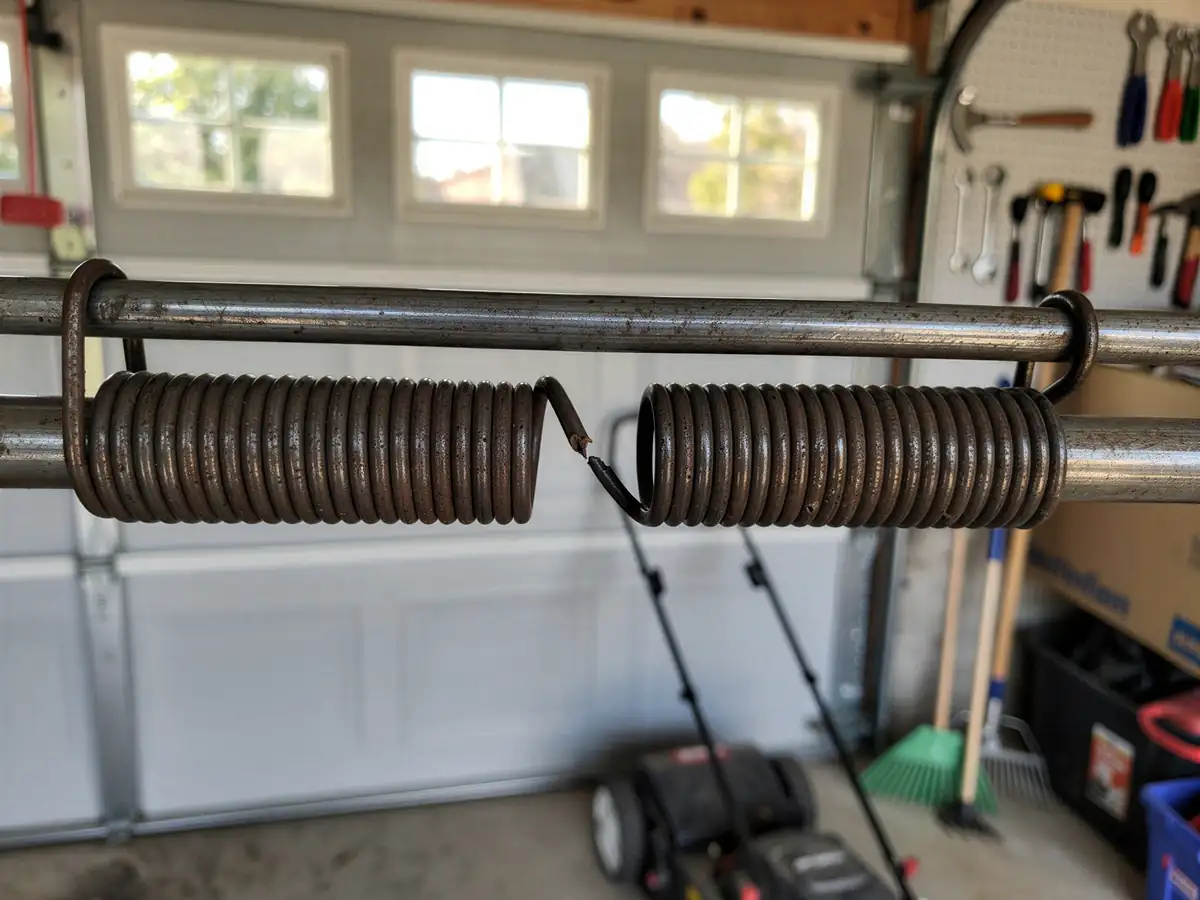
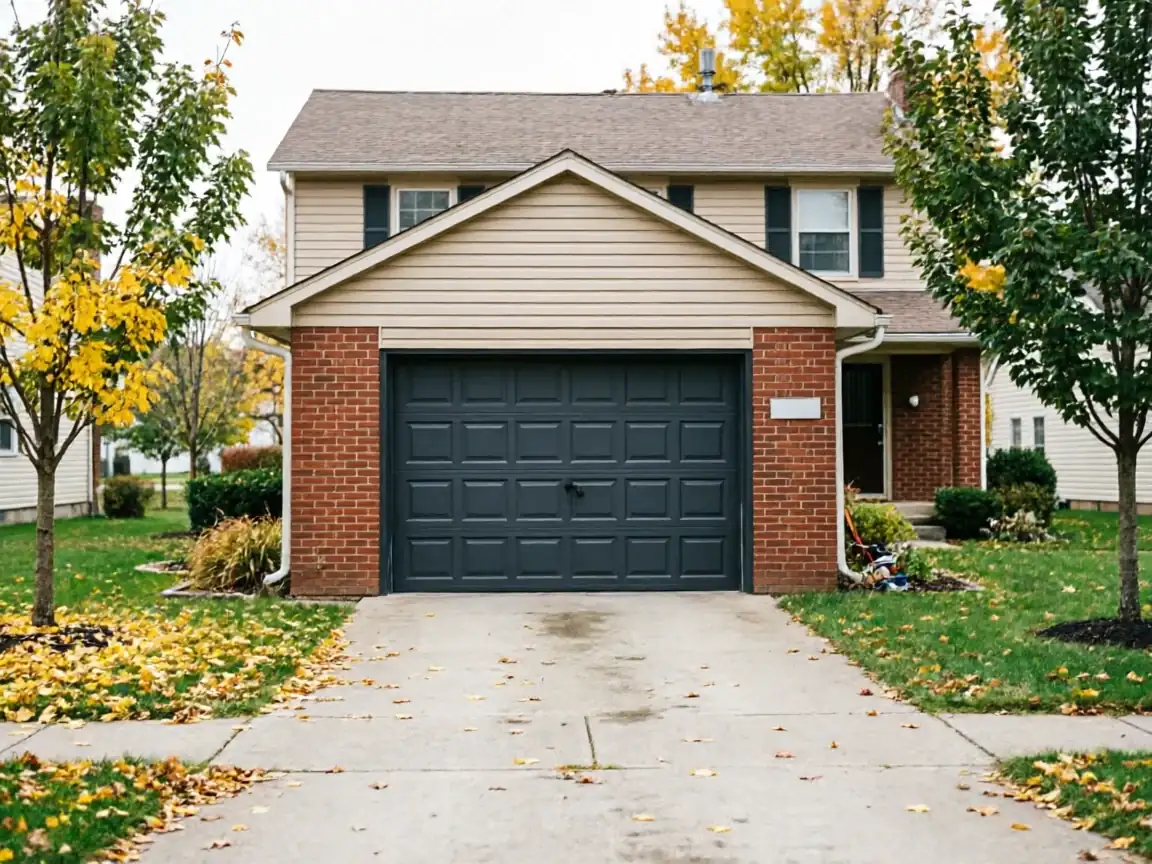
On a house built around 1959, the door problem usually isn't cosmetic - it's mechanical fatigue that's been building for years. Extension springs stretched over worn pulleys start to sag unevenly, so the door hangs crooked on one side before it binds completely. Steel tracks original to that era were rolled thinner than what's made now, and 60-plus winters of freeze-thaw in this cold climate work the mounting brackets loose from the jamb.
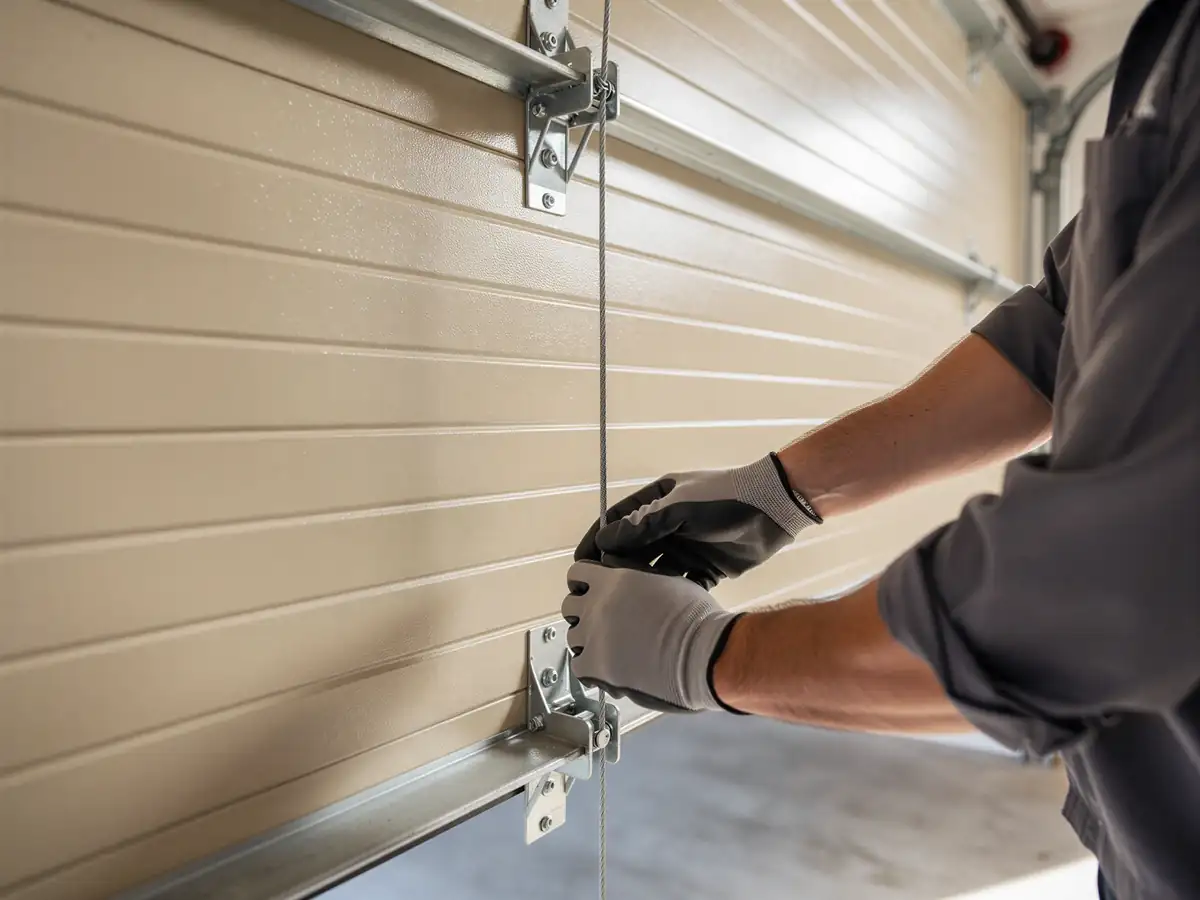
Owners usually notice it as a door that slams the last six inches instead of settling, or an opener that strains and clicks but doesn't lift. Sometimes it's simpler: a frayed lift cable finally lets go, and the door drops on one corner. None of this is dramatic until the day it is - a broken spring under tension is the single most common injury call we get tied to houses this age.
How We Fix It
We run the call from Woodbury
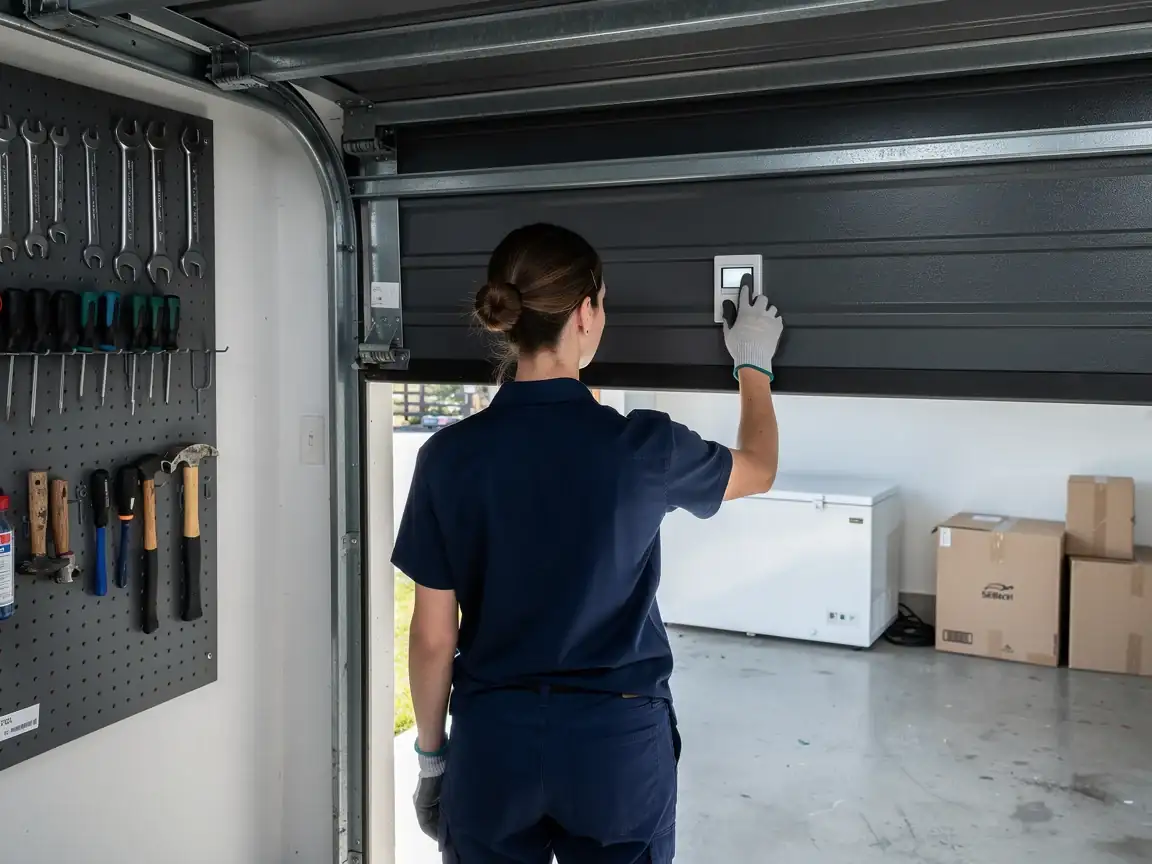
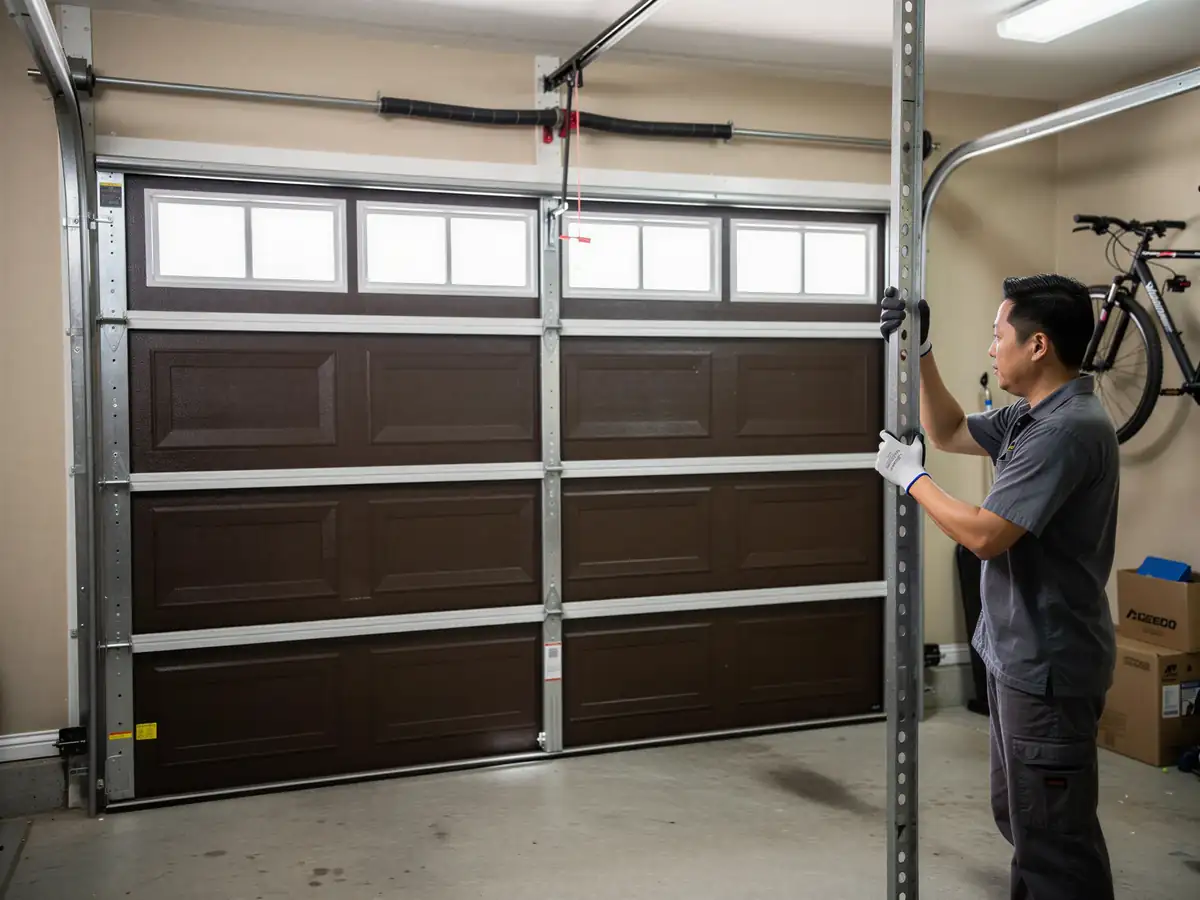
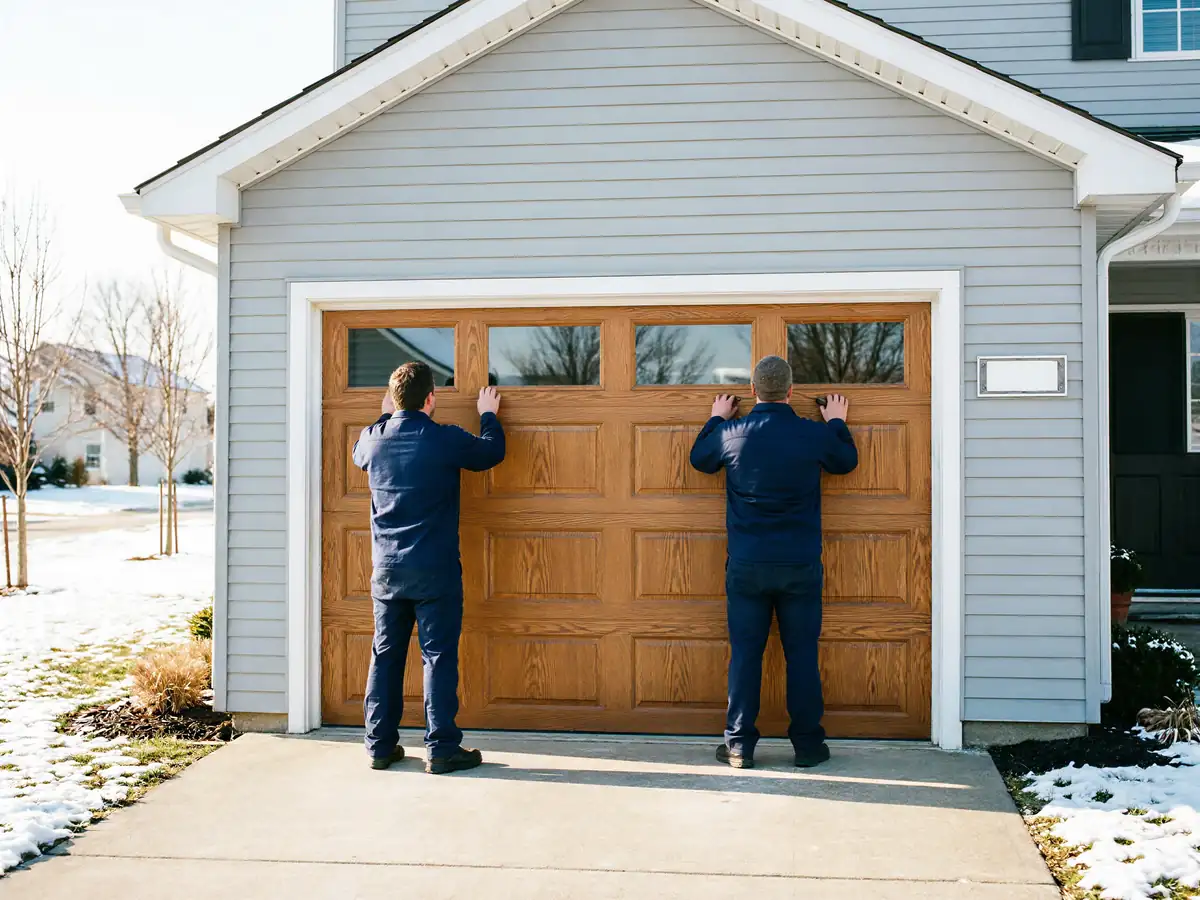
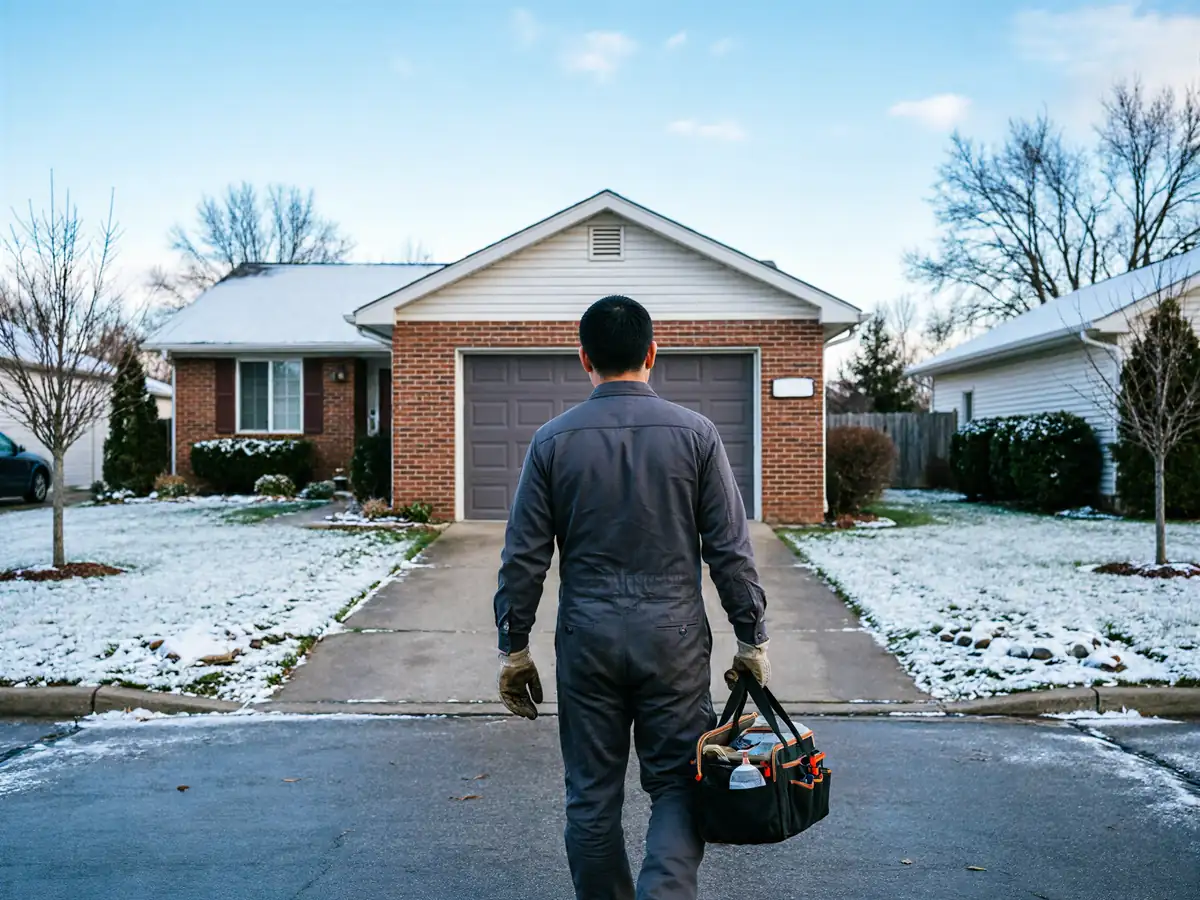
Which means Richfield jobs are a planned trip, not a drop-in - we don't keep a branch or a standing crew in town, so we schedule the visit rather than promising a same-hour arrival. Once we're on site, the work is the usual order of operations: identify whether it's spring, cable, track, or opener, confirm the door's dimensions and hardware generation, and replace only what's actually failed.
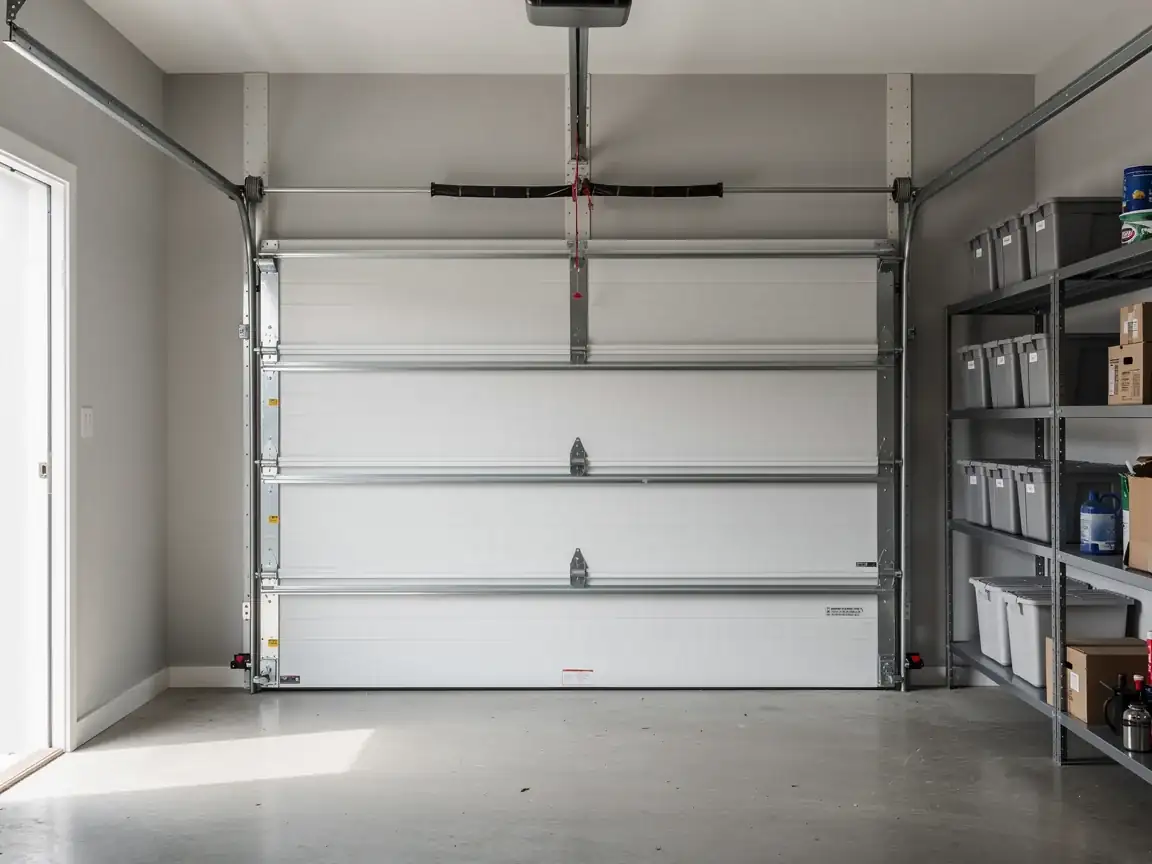
For a house from this era, that often means swapping old extension-spring setups for torsion systems with a static safety cable
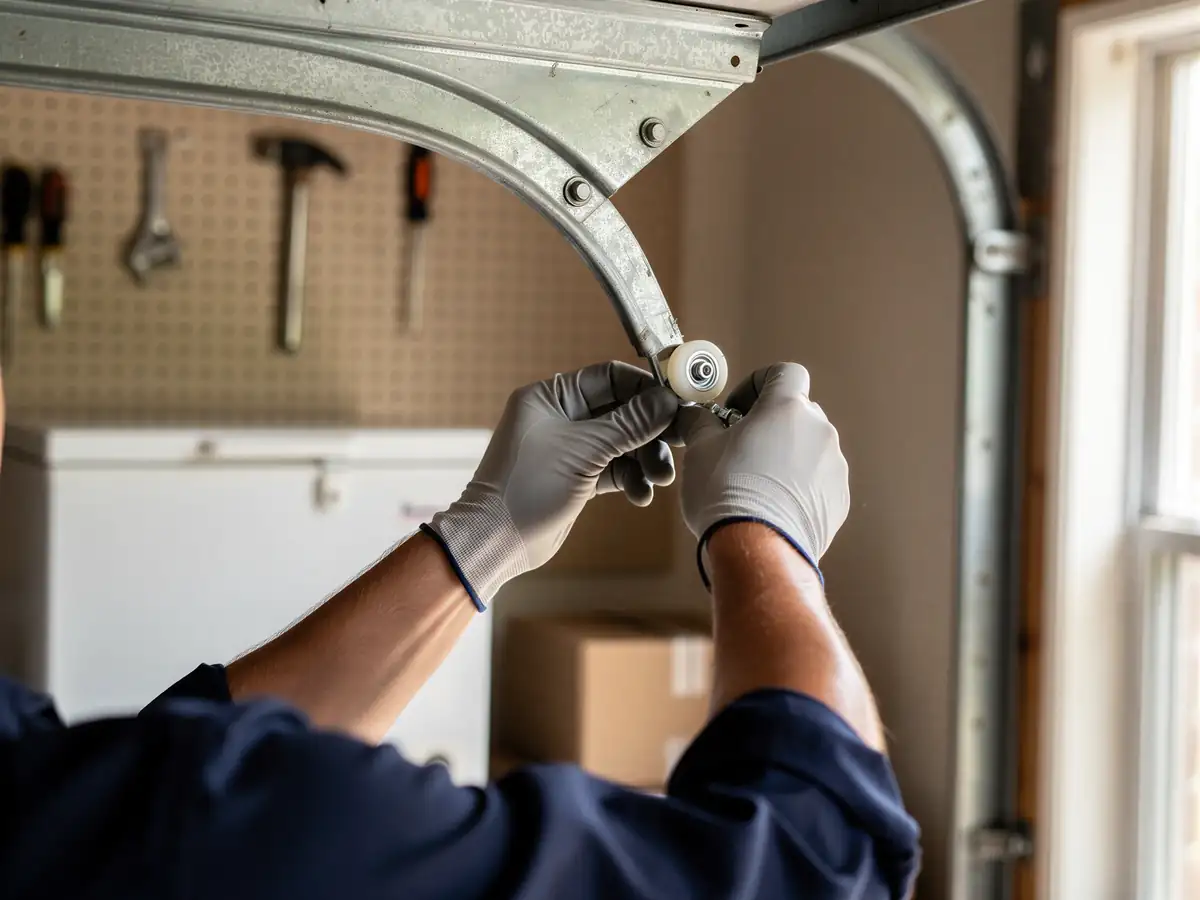
Since the original design has no backup if a spring snaps. Tracks get re-leveled or replaced outright if the steel has bowed. We carry common spring sizes and cable lengths on the truck; anything unusual - an odd-width door or a discontinued panel profile - we order and come back for, which is the one real limitation of working a house this old: parts for the original door sometimes aren't made anymore, and we say so up front instead of forcing a part that doesn't fit.
What Can Go Wrong
The most common mistake we see on calls like this is a homeowner trying to free a stuck door by forcing the opener past a jammed track - that bends the track further and can crack the top panel. If a spring has already let go, do not open the door by hand without someone supporting it; a single torsion spring under full tension can do real damage if it releases.
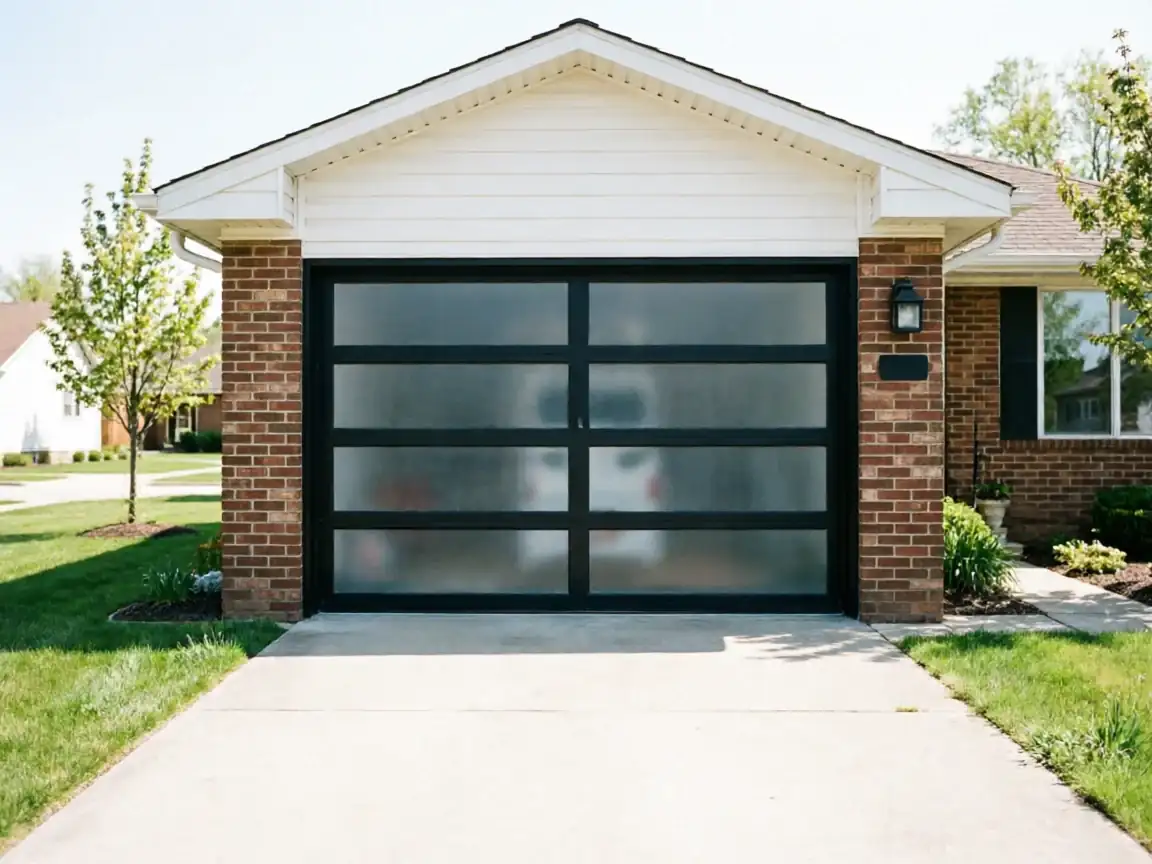
The other risk is cosmetic patch jobs on structural problems. A track that's pulled away from the jamb needs re-anchoring into solid framing, not just a bent bracket hammered back into place - on a house built in 1959, that framing has had sixty-some years to shift, and a quick fix doesn't hold. And honestly, if the door itself has rusted through at the bottom panel, no amount of spring or cable work fixes that; at that point replacement is the right call, not a patch.
What It Costs
We don't have a published price list for this page, and we're not going to invent one. What we can say is how the decision usually breaks for Richfield specifically: at a median household income of $84,055, most owners here land in repair territory rather than replacement, because the failure is almost always a single component - spring, cable, or opener - not the whole door assembly.
Replacement becomes the sounder call when the panels themselves are compromised, or when the hardware is so old that matching parts means a special order with a real wait. We'll tell you which situation you're in before we start work, and we'll quote the actual job in front of us rather than a number pulled from a different town's price sheet.