Why It Happens Here
Richfield is a city of about 16,221 households, smaller and more residential than the broader area we cover from Woodbury, which adds up to 168,356 households and 76,978 owner-occupied houses across all the towns we serve. That scale matters for one reason: a town this size doesn't generate enough call volume on its own to support a local branch, so we run the calls here as part of the wider route out of Woodbury. See our coverage for Richfield for the areas nearby.
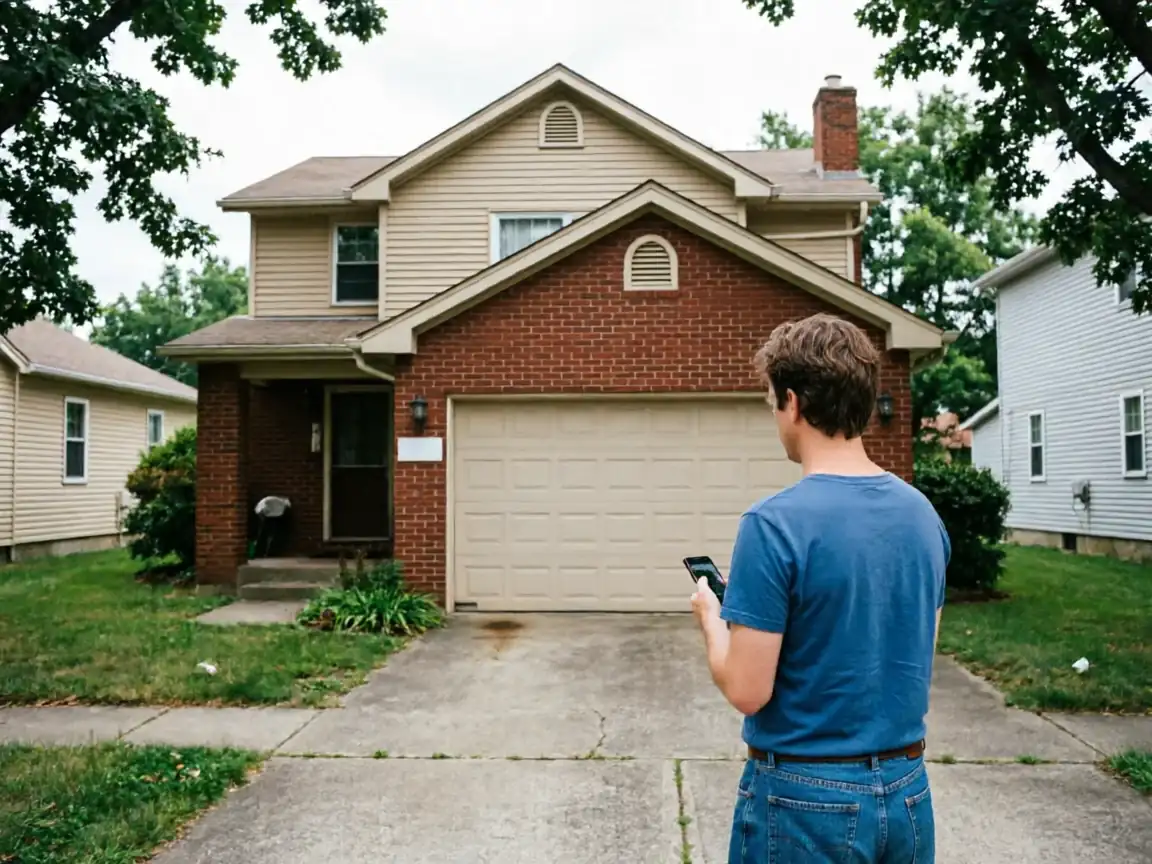
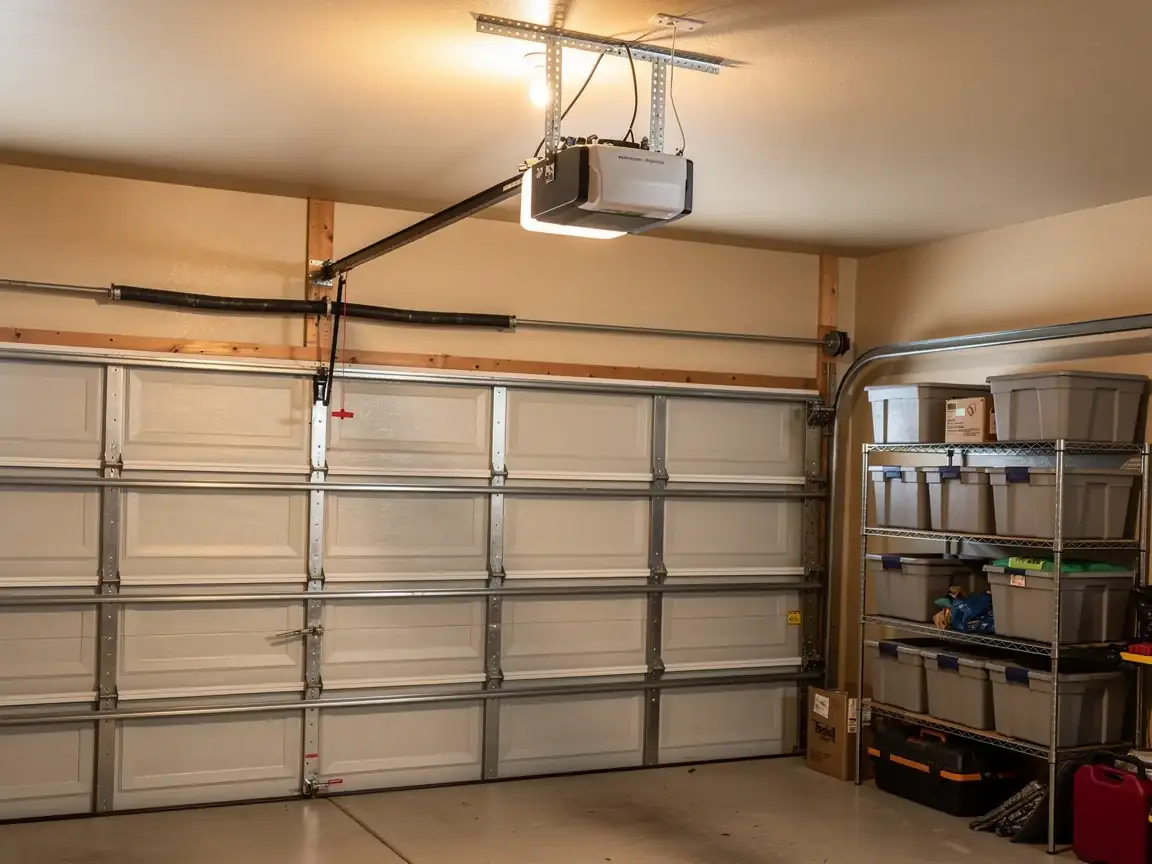
What makes Richfield specific is the age of the housing. The median year built here is 1959, inside the broader service area's 1956 to 2002 range but toward the older end of it. Most garages went up with the one-piece doors and extension-spring hardware common to that decade, long before today's torsion systems and steel rollers became standard. Add Minnesota's cold climate, and you get grease that was fine in a 1959 garage turning stiff and sluggish by the time a door is pushing seventy years old.
How It Shows Up
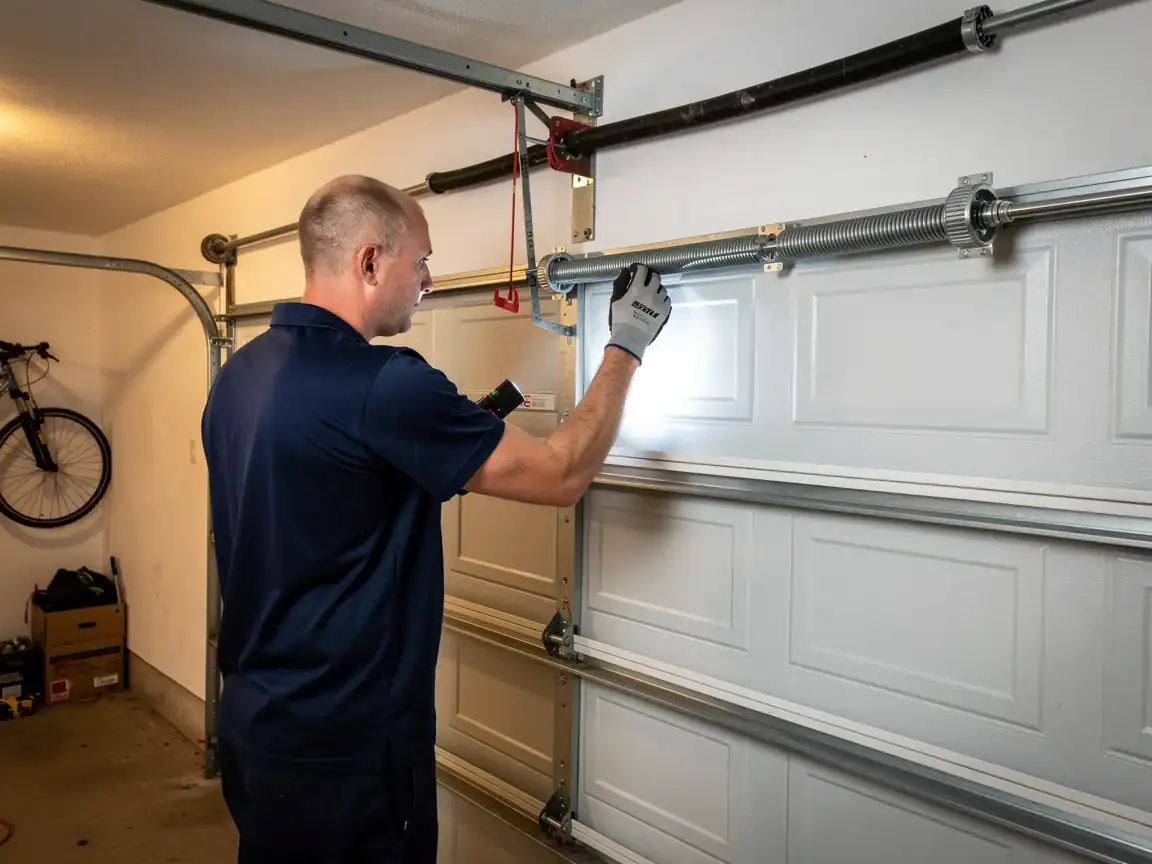
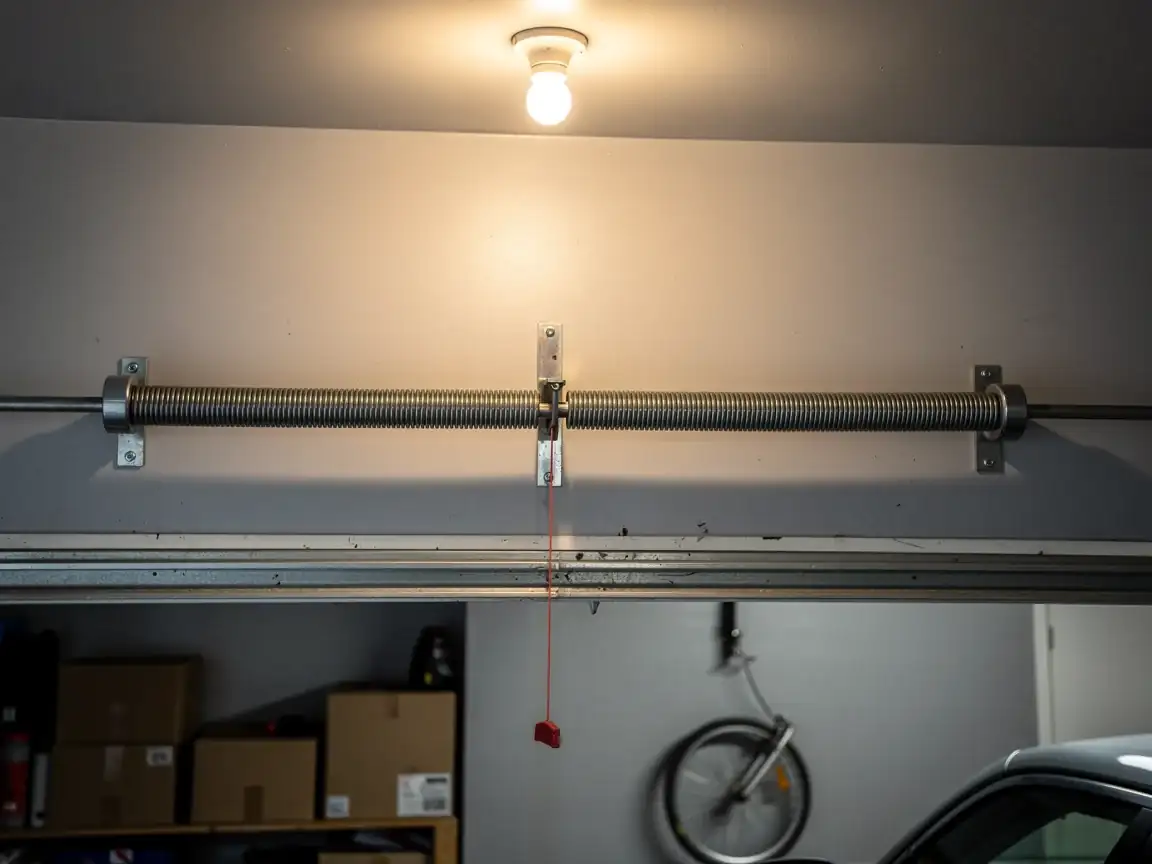
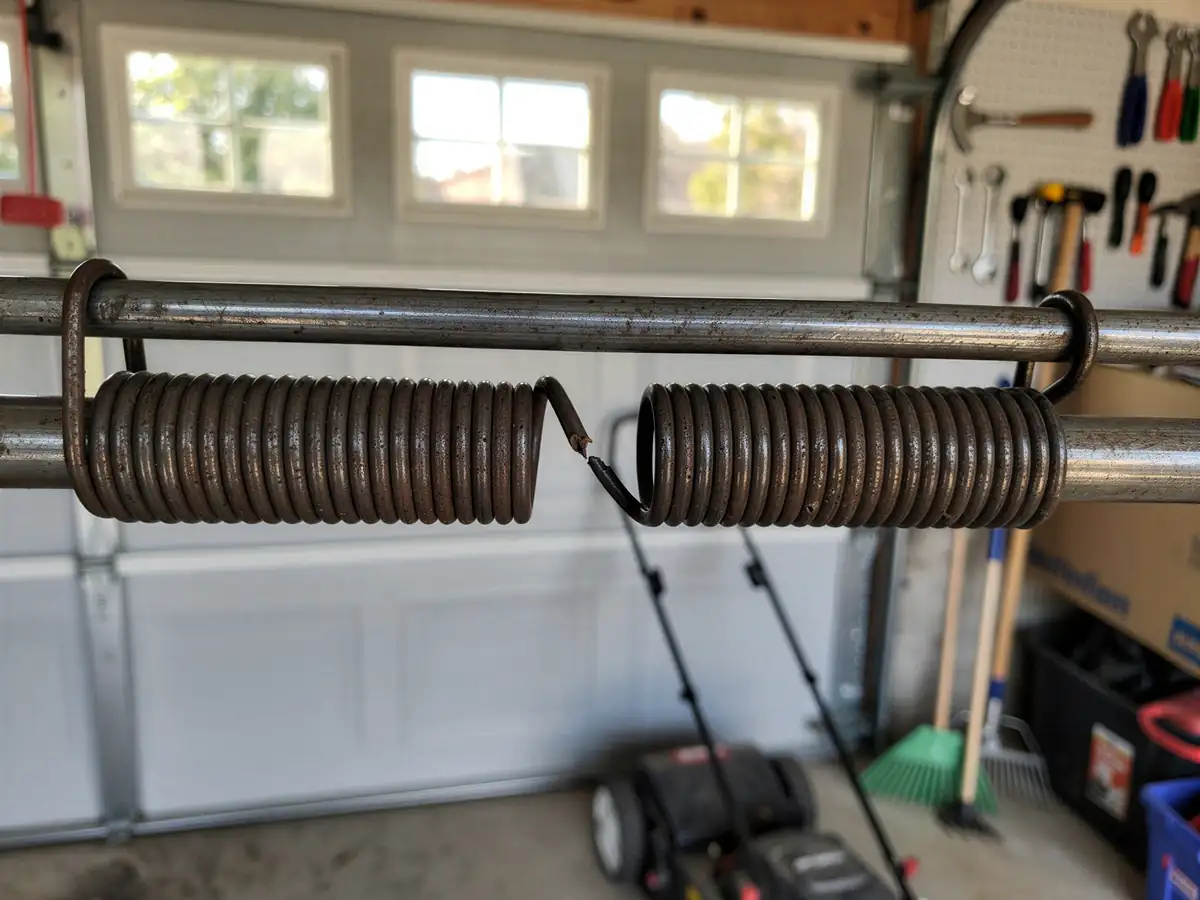
On a lot of Richfield doors, the symptom isn't a single dramatic failure - it's the door getting slower and louder year over year. Extension springs from that era stretch and sag instead of breaking clean, so the door starts dropping the last foot on its own, or the opener strains and clicks off partway up.
Cold does its own damage here. Minnesota's winters thicken old grease inside the coils and on the track, and a door that worked fine in October starts dragging by January. Owners often blame the opener first, since that's the part making noise, when the real problem is the spring assembly or a track that's shifted out of square after decades of frost heave under the slab.
Richfield's median household income runs about $84,055, lower than the $93,233 average across our full service area. That doesn't change what breaks, but it does mean a lot of households here are weighing a repair bill against other costs, so we try to tell you up front whether a fix is worth doing or whether the door's age means replacement is the better money.
How We Fix It
We come out from Woodbury, about 18 miles from Richfield
So we don't carry a local inventory of parts specific to this town - what's on the truck is what's on the truck, and if a 1959-era door needs an extension spring size nobody stocks anymore, that can mean a short wait while we source it. We tell you that up front rather than promise a same-visit fix we can't deliver.
- 18 miles
Most jobs here are straightforward
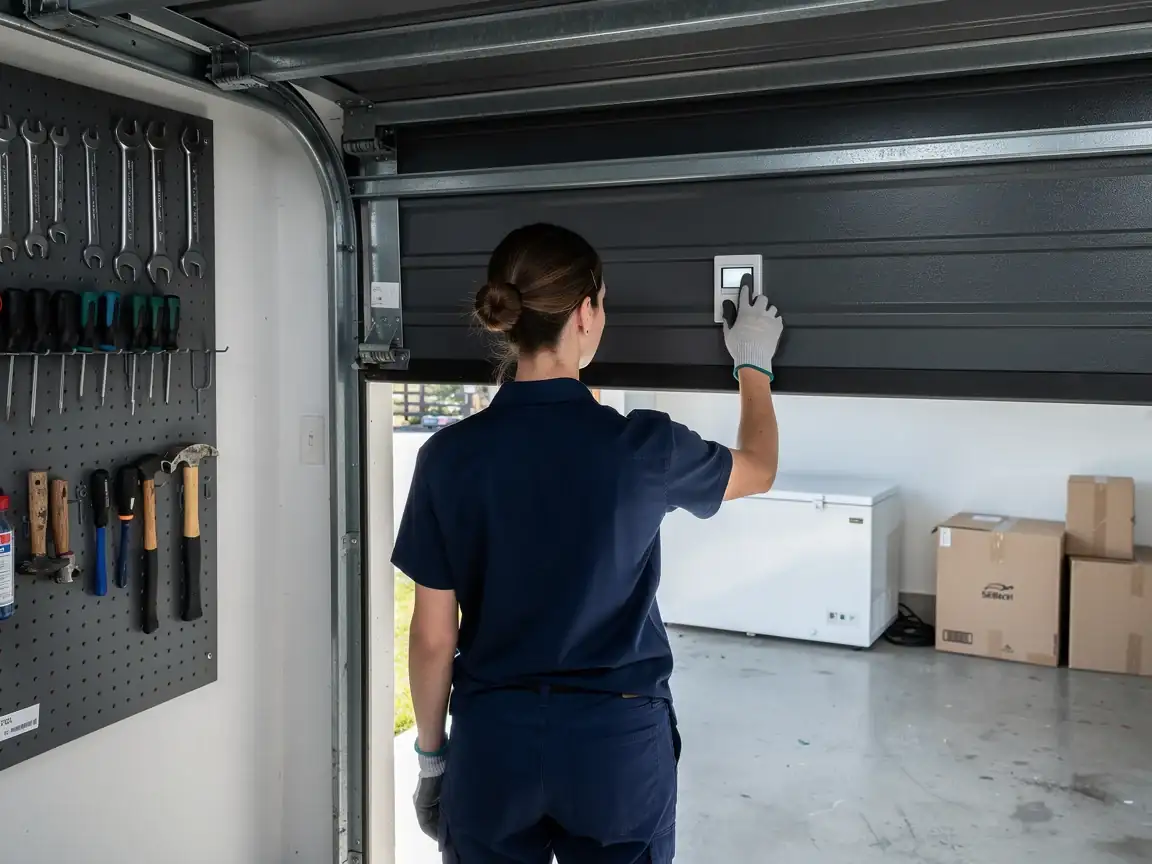
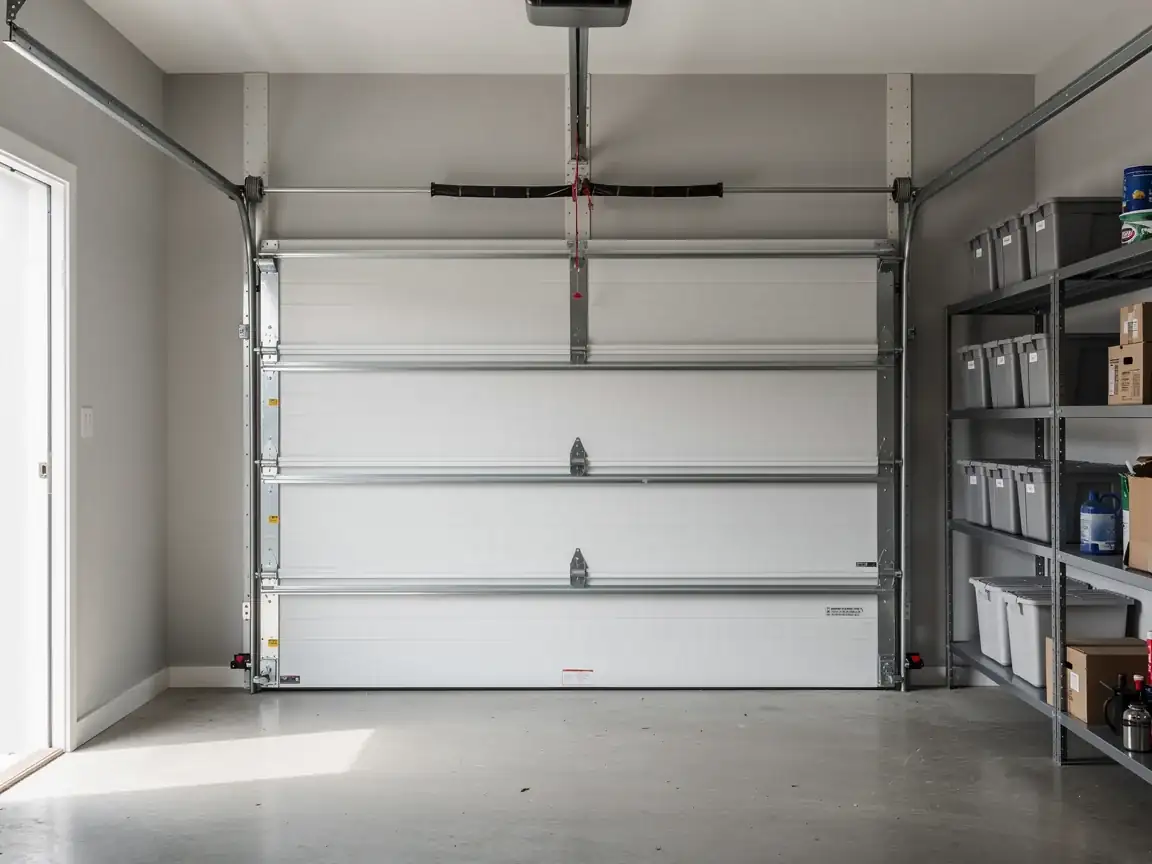
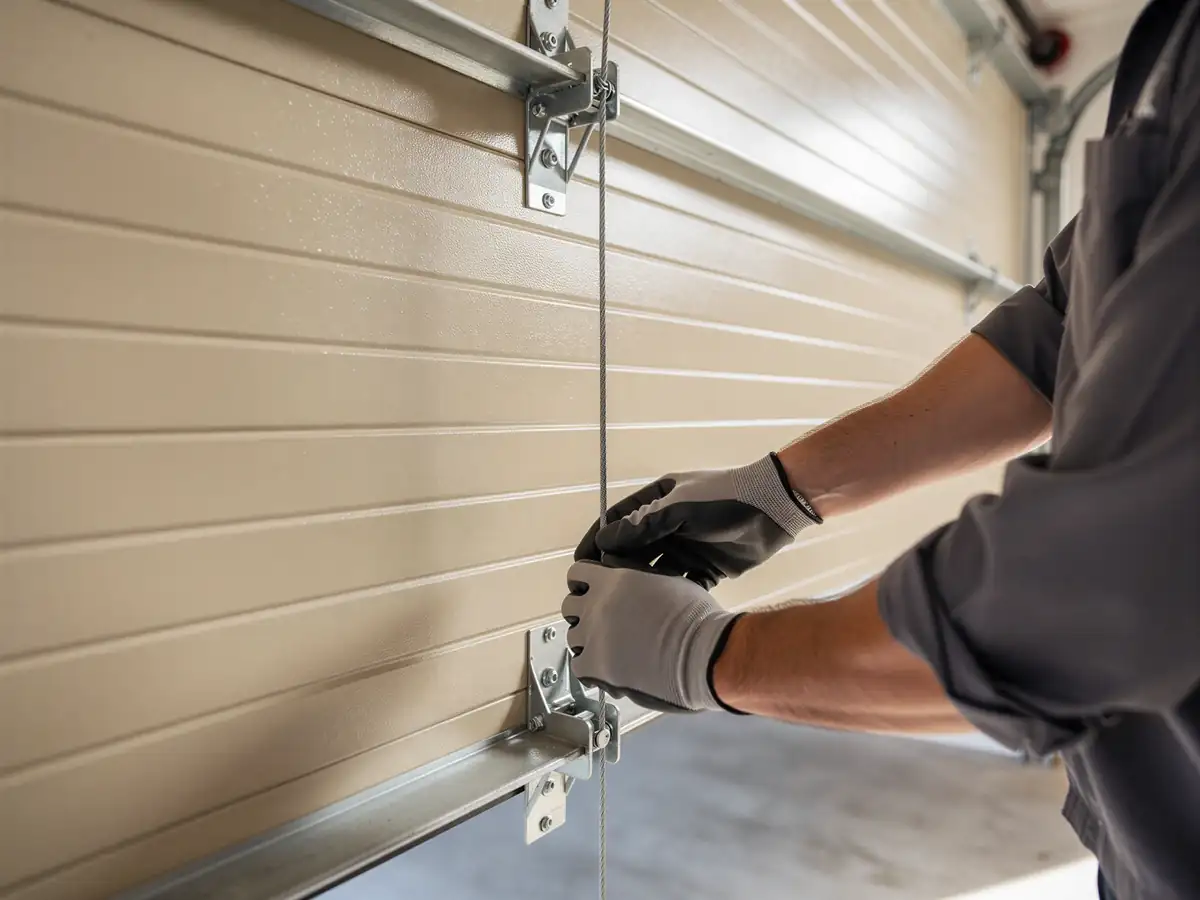
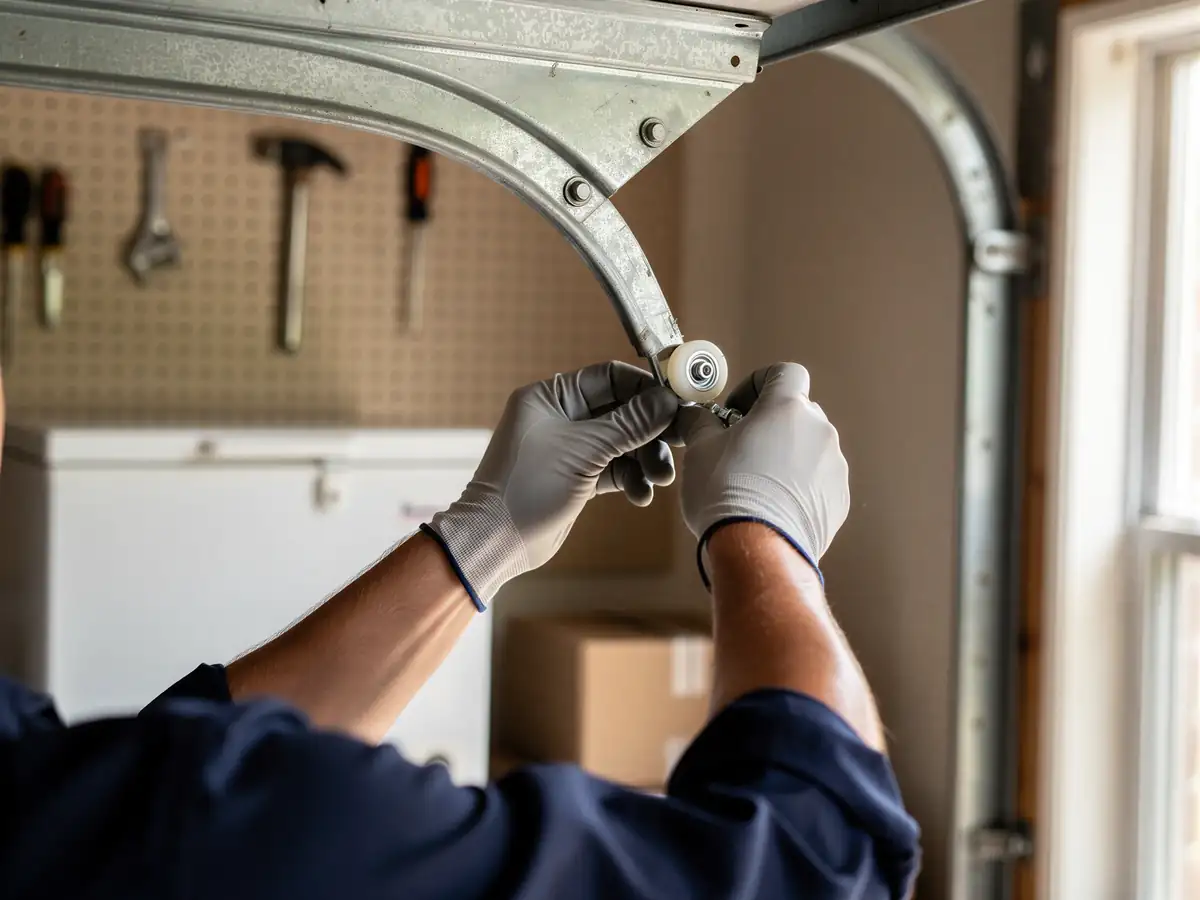
Torsion conversion from old extension-spring setups, track realignment, roller and cable replacement, and opener diagnosis when the door's behavior points to the motor rather than the hardware. Given how many doors in Richfield are original to their 1959-era garages, we check the whole assembly, not just the part that's making noise, since a worn cable or a bent track is often what's actually forcing the spring or opener to work harder than it should. For the full list of what we handle out of our shop, see our Woodbury garage door repair page.
What Can Go Wrong
A sagging extension spring that gets ignored eventually snaps, and on a door that old the bracket it's mounted to can be rusted or worn enough that it lets go at the same time. That's a heavier, harder failure than a modern torsion spring breaking cleanly on a shaft.
Cold makes a bad situation worse. If a cable frays or a roller seizes in freezing temperatures typical of a Minnesota winter, the door can bind halfway and put enough load on the opener's gear to strip it - turning a cheap repair into an opener replacement. On houses built close to 1959, we also see track brackets pulling loose from wood framing that's dried and shrunk over sixty-plus years, which isn't something you can fix with a tighter bolt.
What It Costs
We don't have a set price to quote here - the real cost depends on what's actually wrong: a cable or roller job is a different bill than a spring replacement or an opener swap. What we can tell you is what drives the cost on Richfield's older housing stock specifically: finding parts for 1959-era extension-spring systems sometimes costs more in search time than the part itself, and that can show up as a slightly longer job than the same repair would take on a newer torsion setup.
If your door is original and failing in more than one place at once - spring, track, and opener all going within a year or two of each other - it's worth asking us to look at replacement instead of three separate repair bills. We'll tell you honestly which makes more sense once we've seen the door.