Why It Happens Here
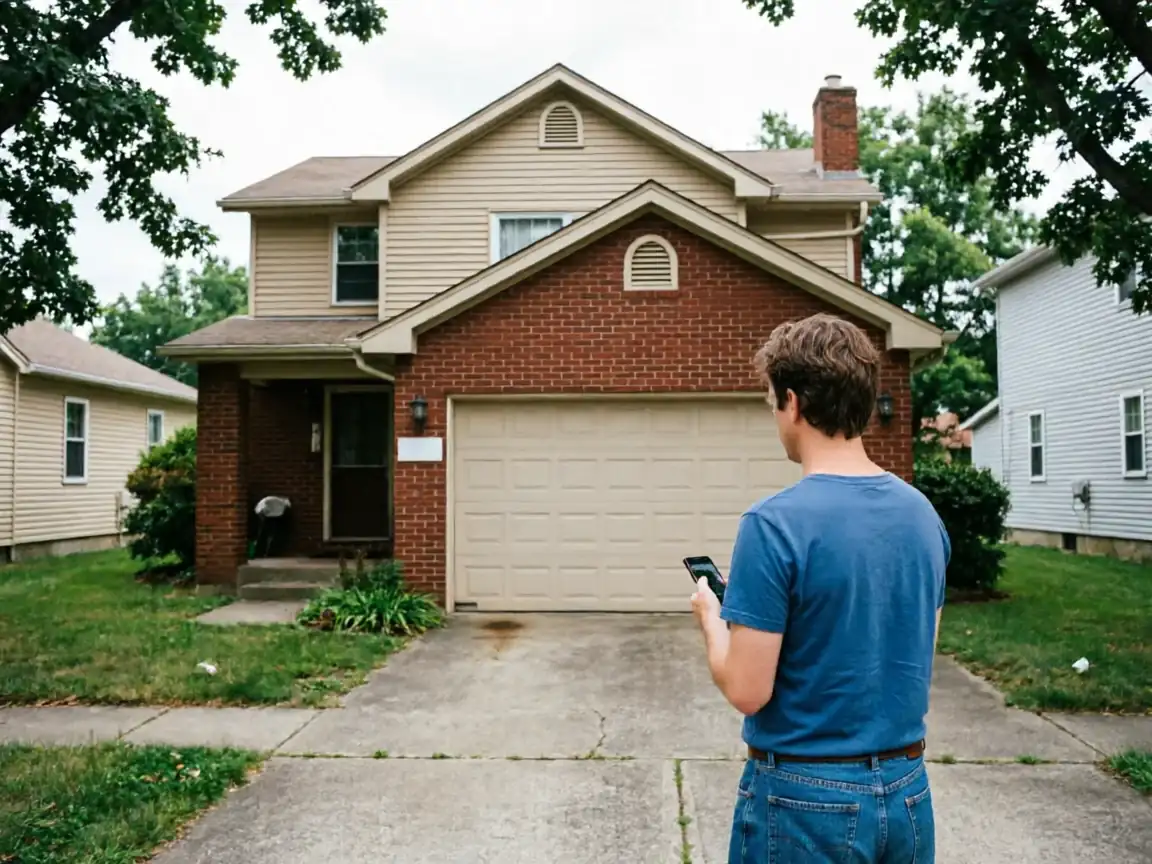
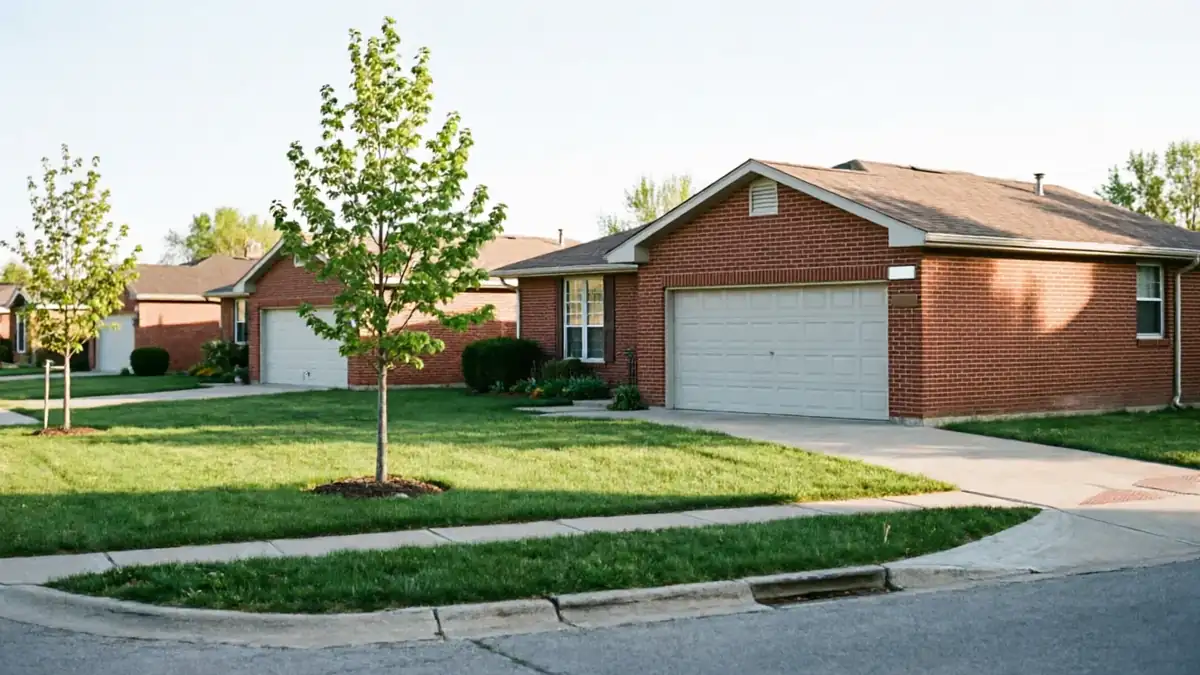
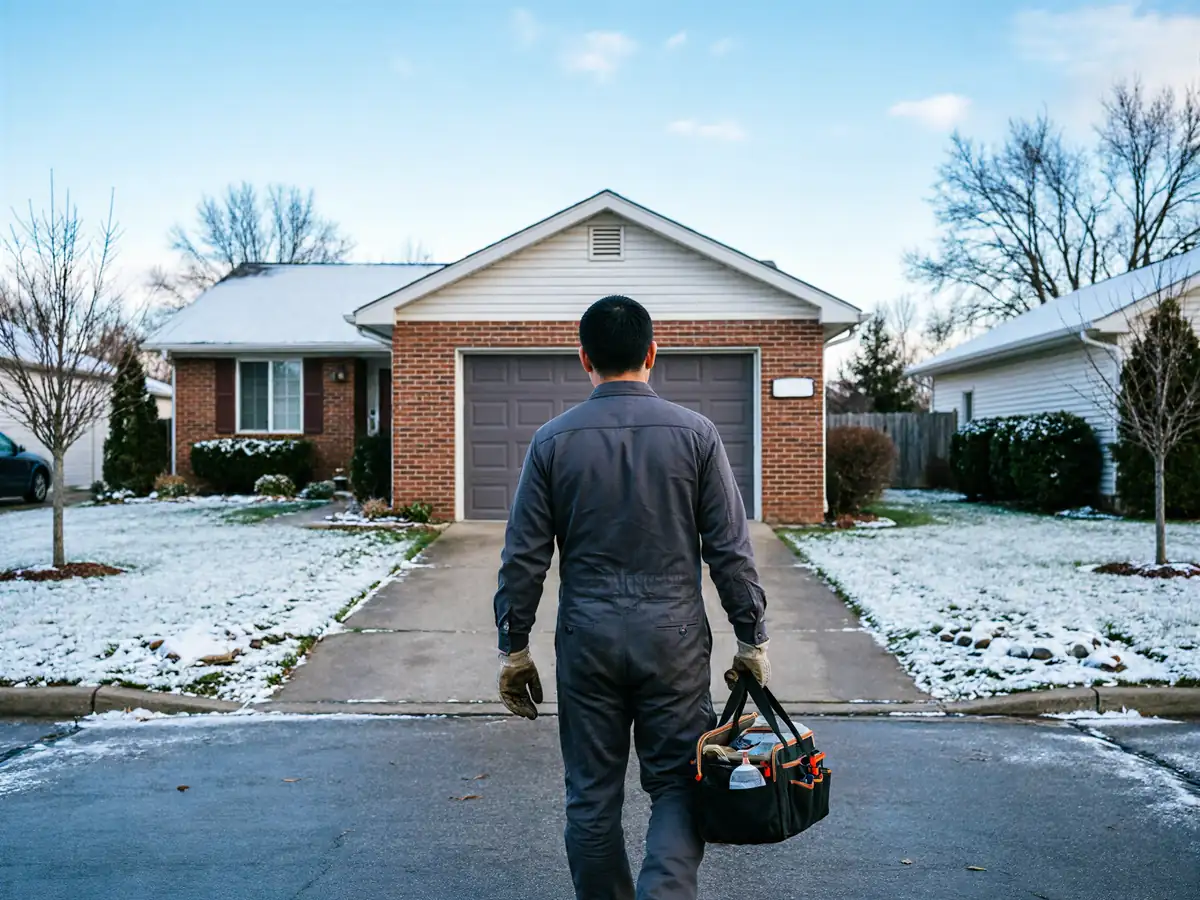
Richfield sits about 18 miles from our Woodbury shop, which shapes how a spring call here actually works. We don't dispatch from a depot ten minutes away - when a tech heads out, it's a real trip across the metro, so we load the truck for what we expect to find rather than guessing twice. That matters because Richfield's housing stock skews older than much of the rest of our coverage area. The median home here went up around 1959, well ahead of the 1976 median across our wider service territory. A lot of these garages still run original or early-replacement torsion springs sized for lighter, single-layer wood doors - not the heavier insulated steel doors homeowners have swapped in since. When a heavier door gets hung on old spring hardware, the spring either over-compresses and snaps early or the door starts fighting the opener on every cycle. Add in a cold-moderate climate where steel coils contract and lose a little temper every winter, and the failure point in Richfield tends to arrive sooner than the same spring would in a newer-stock suburb. We size the fix to the house we're actually looking at, not a generic chart.
How It Shows Up
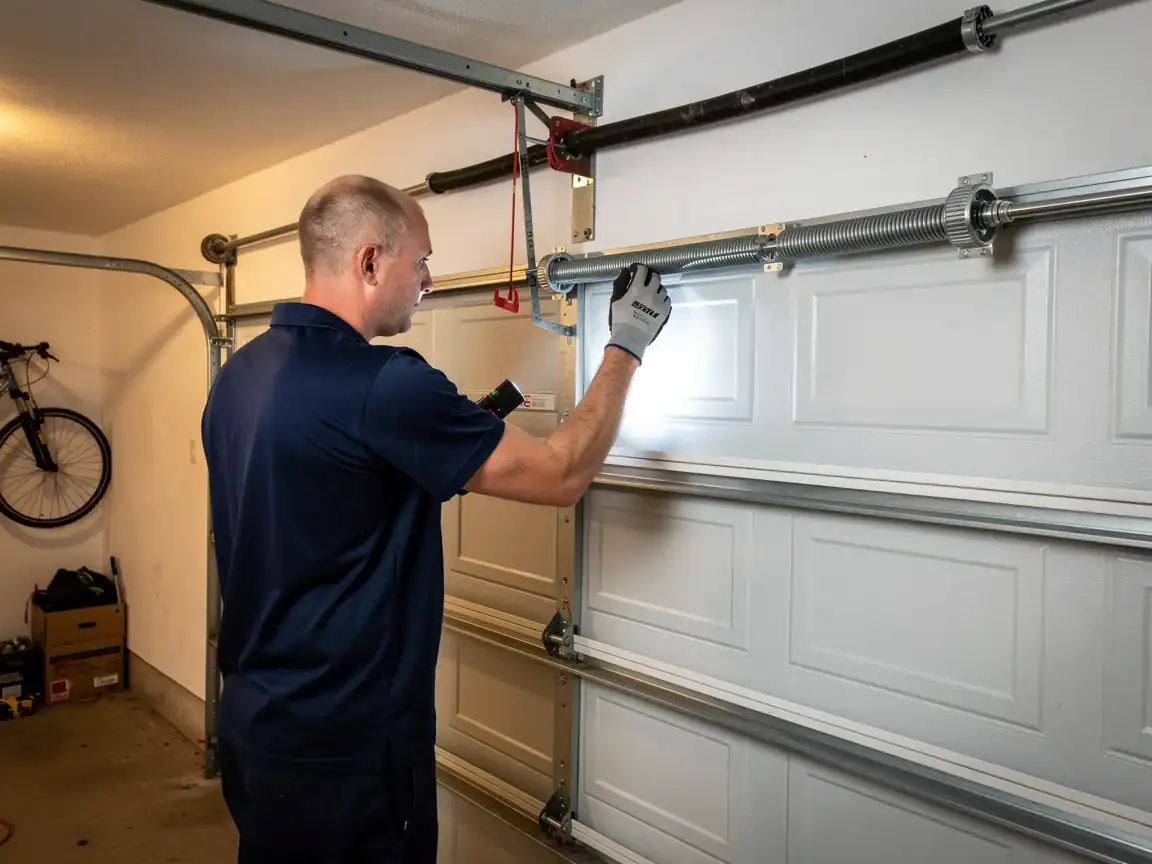
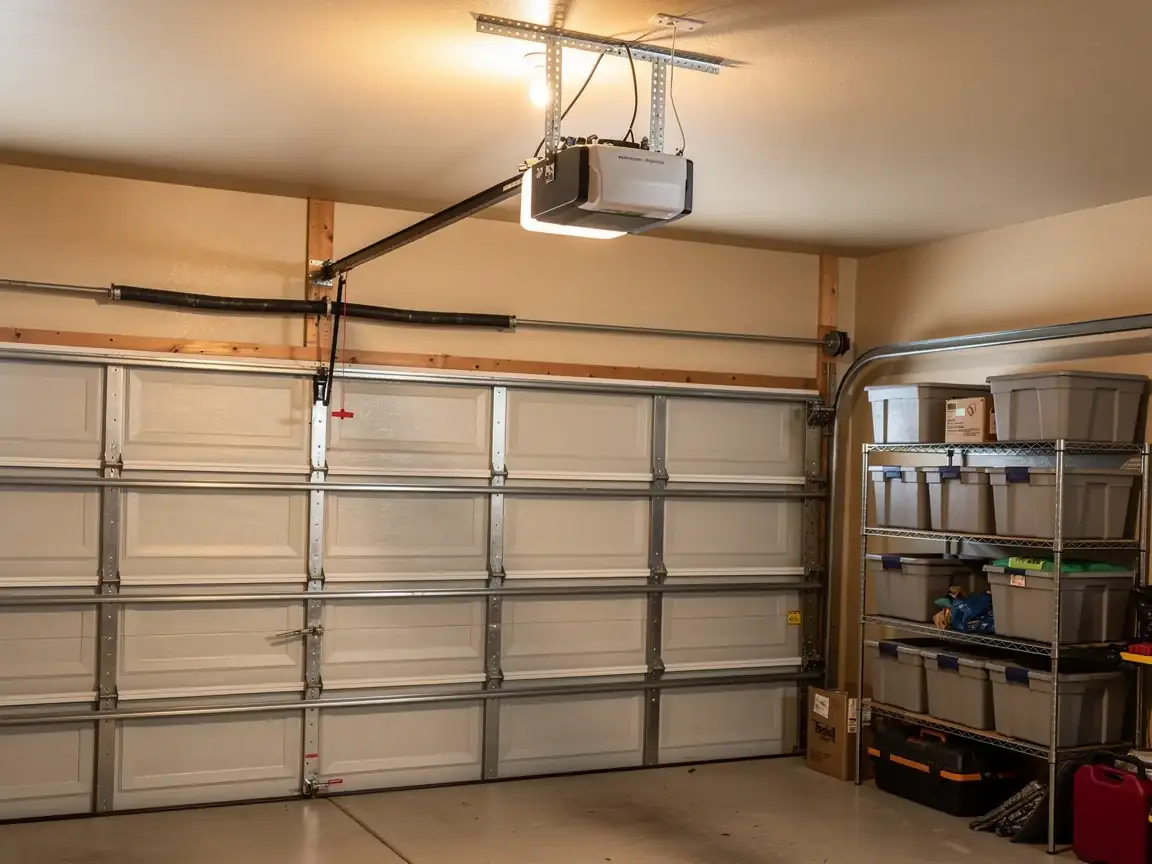
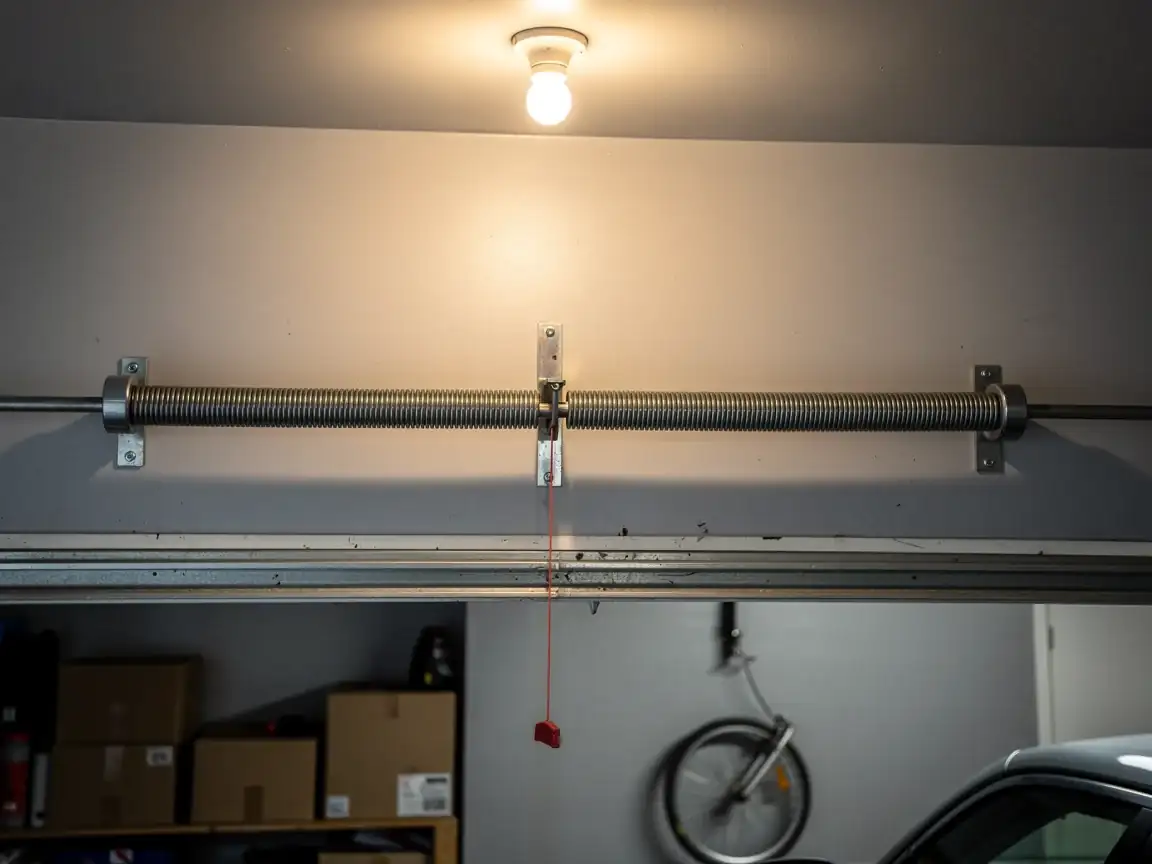
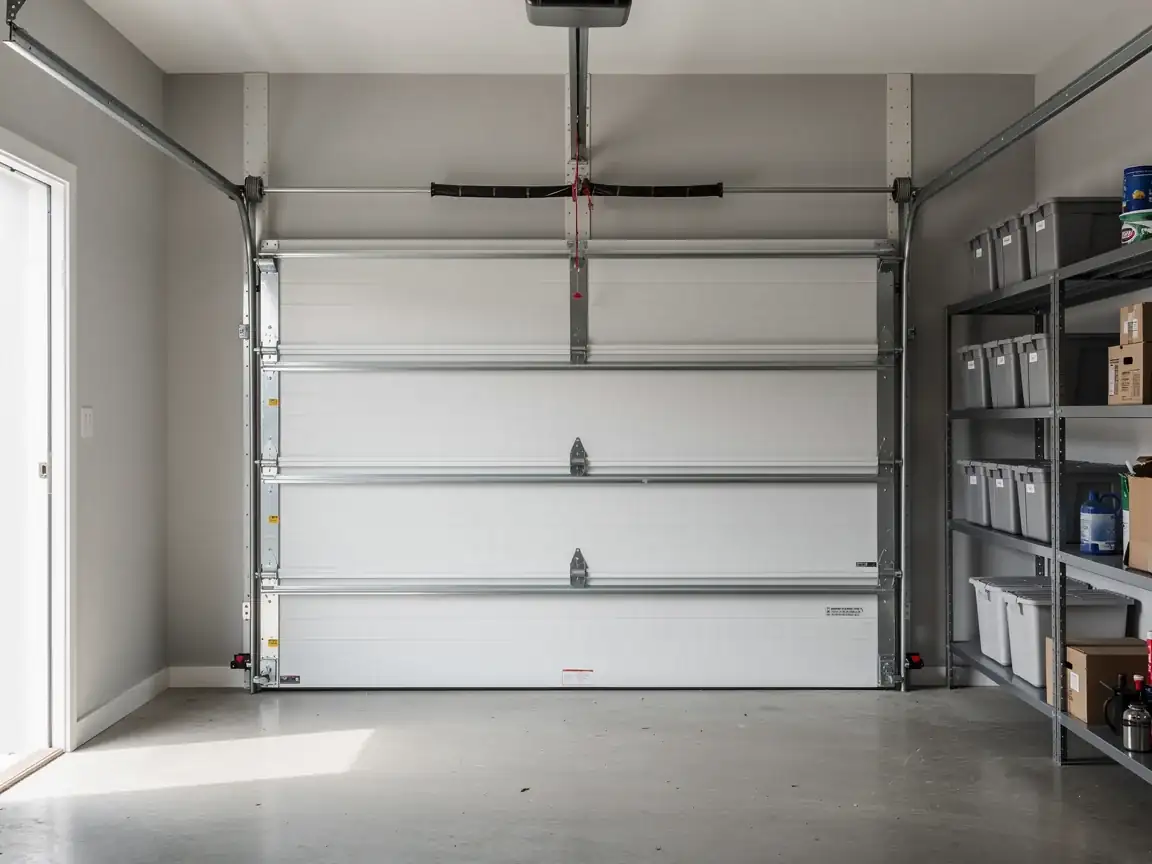
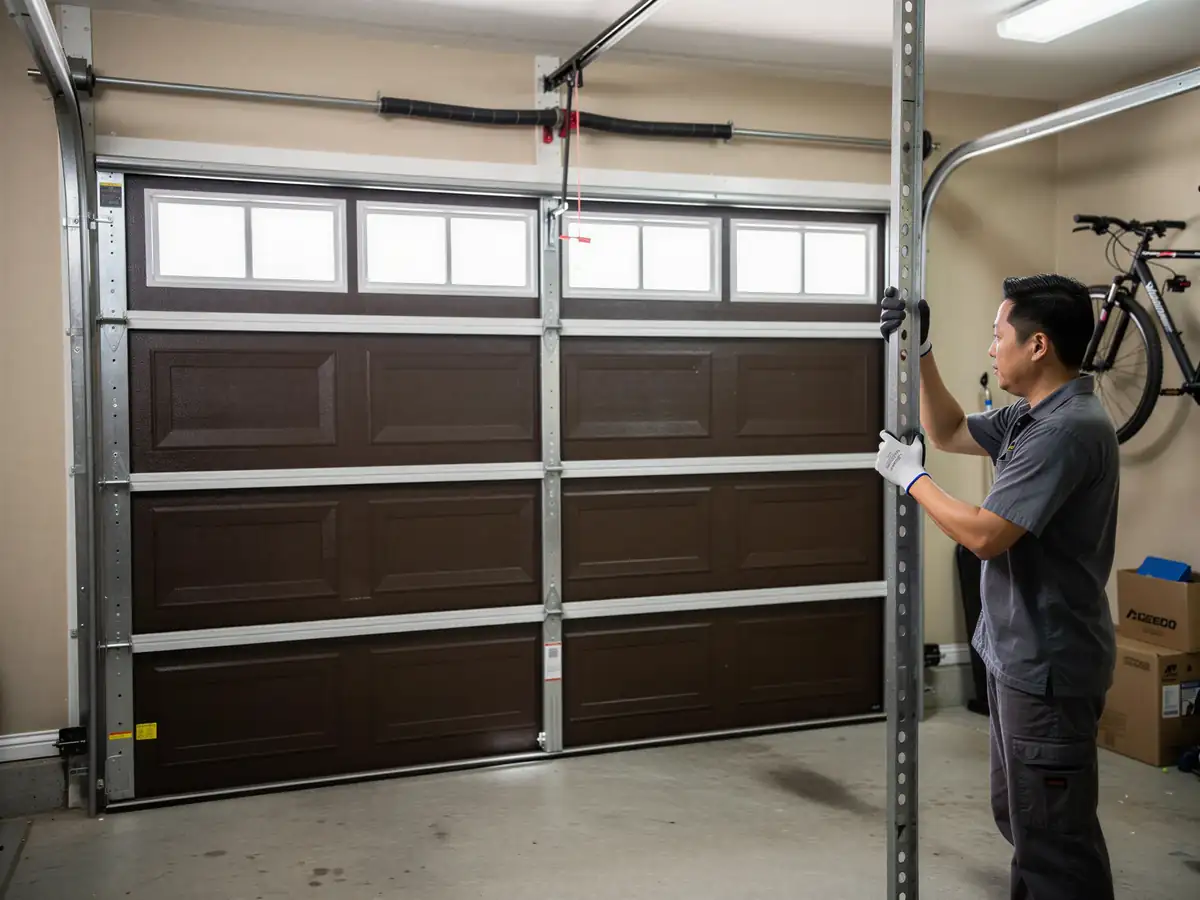
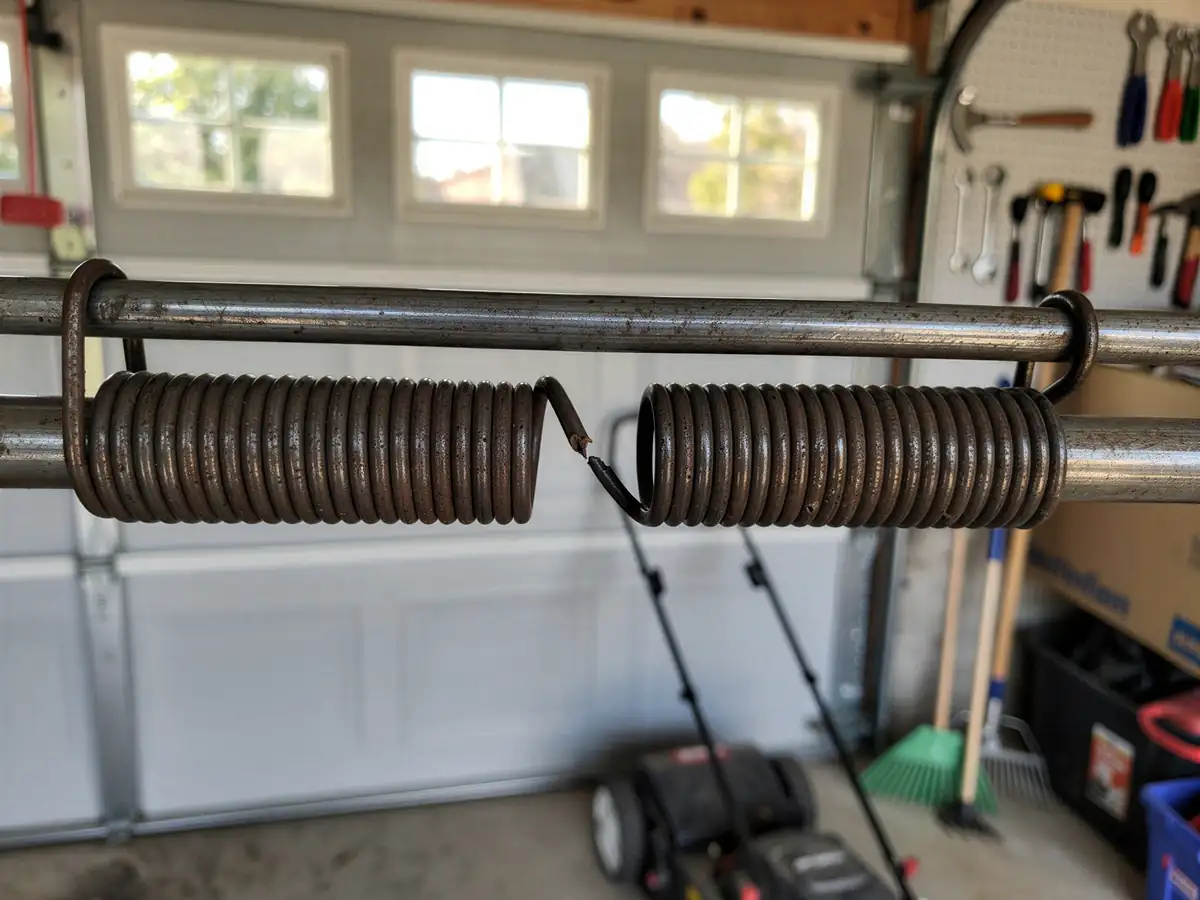
On a 1959-era garage, spring failure rarely looks dramatic at first. The door gets heavy on one side before it gets heavy on both - a sign one torsion spring has already gone while its twin is still holding. You'll notice the opener straining, a slower close, or the door hanging crooked by an inch or two at the bottom when it's halfway up. On older extension-spring setups (still common on these houses), a frayed or snapped spring usually shows as a loud bang followed by a door that won't budge, or one that drops fast and uneven. Cold mornings make all of this worse - brittle coils that were fine in August can let go the first hard freeze of the season. If your door has gotten noticeably harder to lift by hand over the past month, that's usually the spring losing tension before it fails outright, not the opener wearing out.
What Can Go Wrong
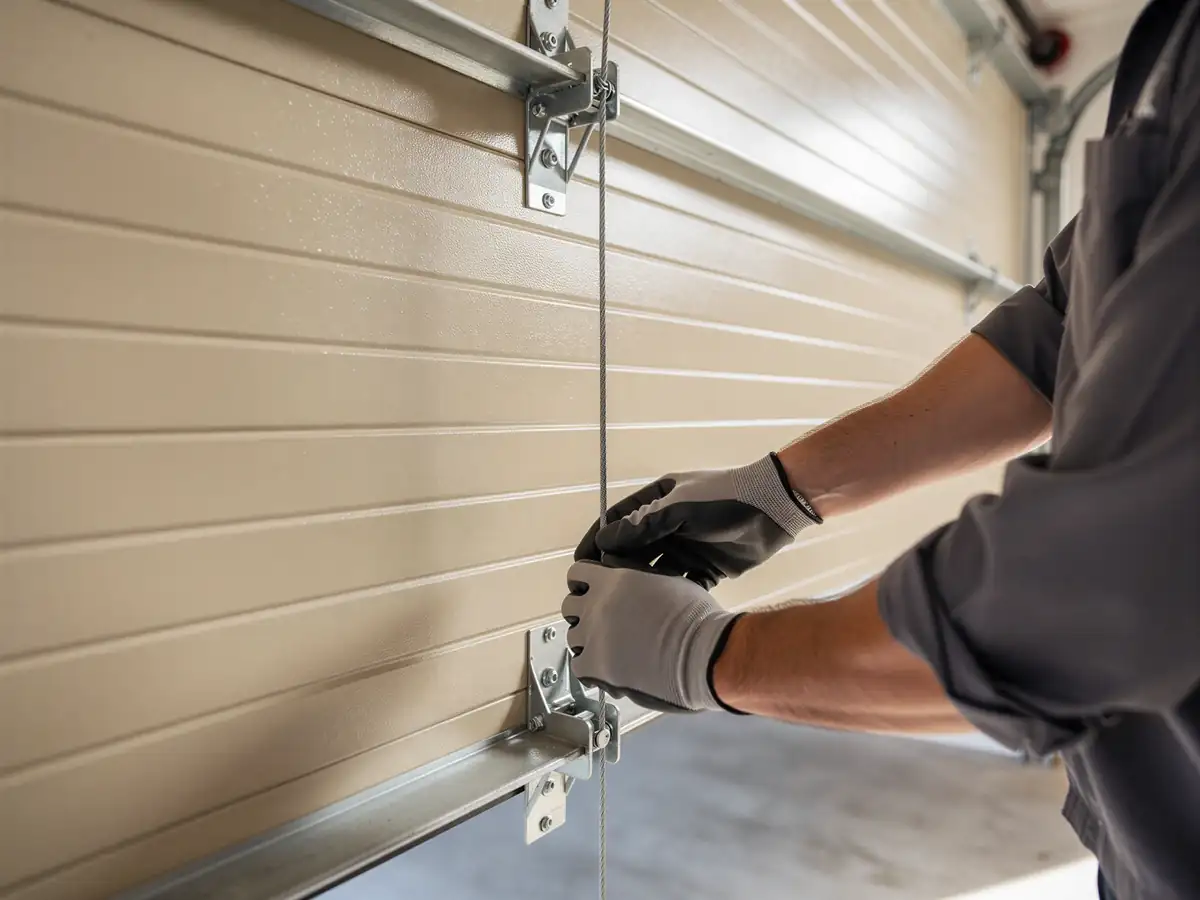
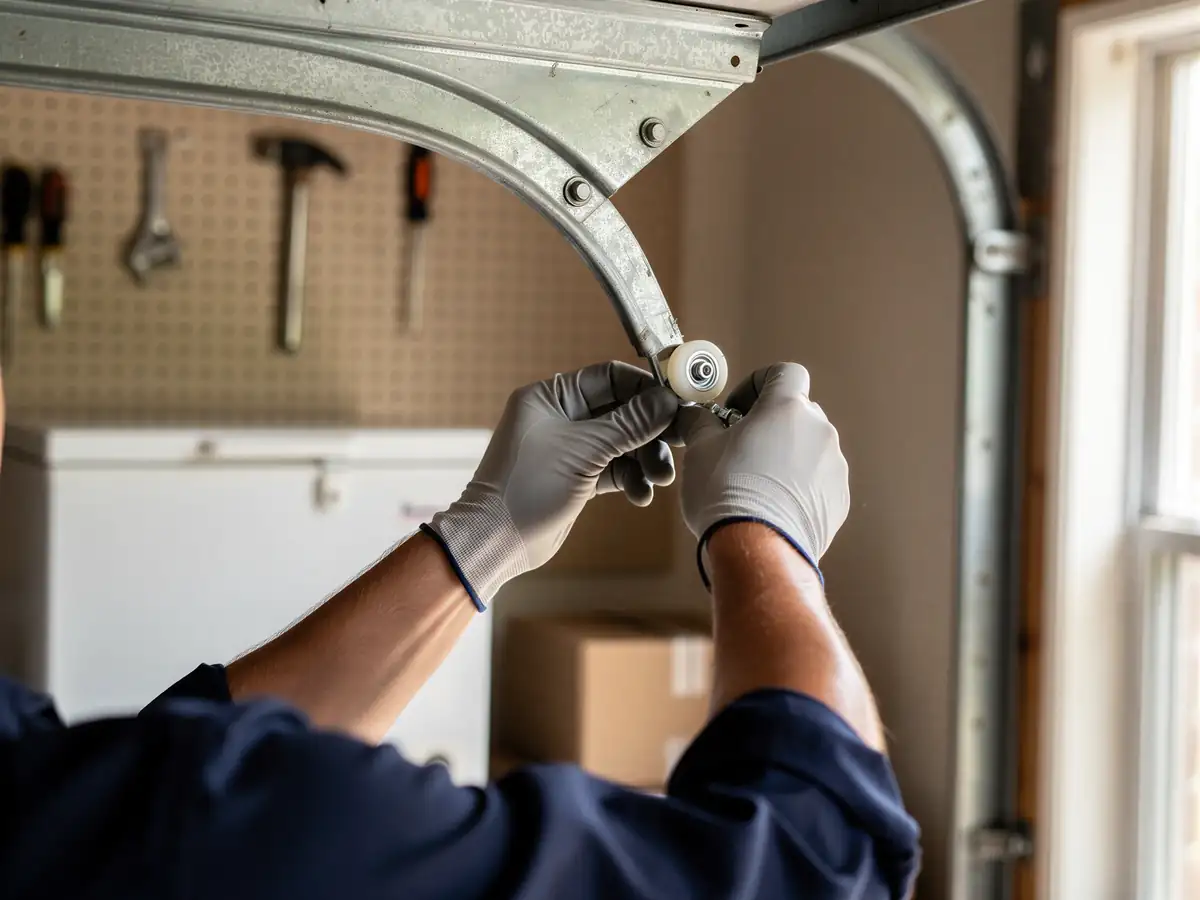
The biggest risk on a house this age isn't the spring itself - it's everything the spring is bolted to. Torsion shafts, end bearings, and cable drums on original 1959 hardware can be seized or rusted from decades of Minnesota winters, and a spring swap on a frozen shaft can snap a bracket or bend the shaft trying to force it. We also see doors where a previous owner or handyman installed a spring that was close enough in size but not matched to the door's actual weight - that shows up as a door that slams down or won't stay open, and it's a safety issue, not just an annoyance. Extension-spring systems without working safety cables are the other common finding on older Richfield garages; if a cable's missing or frayed, we won't leave the job without addressing it, since a snapped spring with no cable can send steel across the garage.
What It Costs
We don't have a Richfield-specific price list to quote here, and giving you a number without seeing the door, the spring type, and the condition of the drums and bearings would be a guess, not a quote. What we can tell you is that the trip from Woodbury is factored into scheduling, not into a surprise line item - we quote the repair itself once the tech is on site and has the actual spring and hardware in front of them. Older torsion setups sometimes need both springs replaced together rather than one, which costs more up front than a single-spring job but avoids a second trip a few months later when the matching spring lets go.