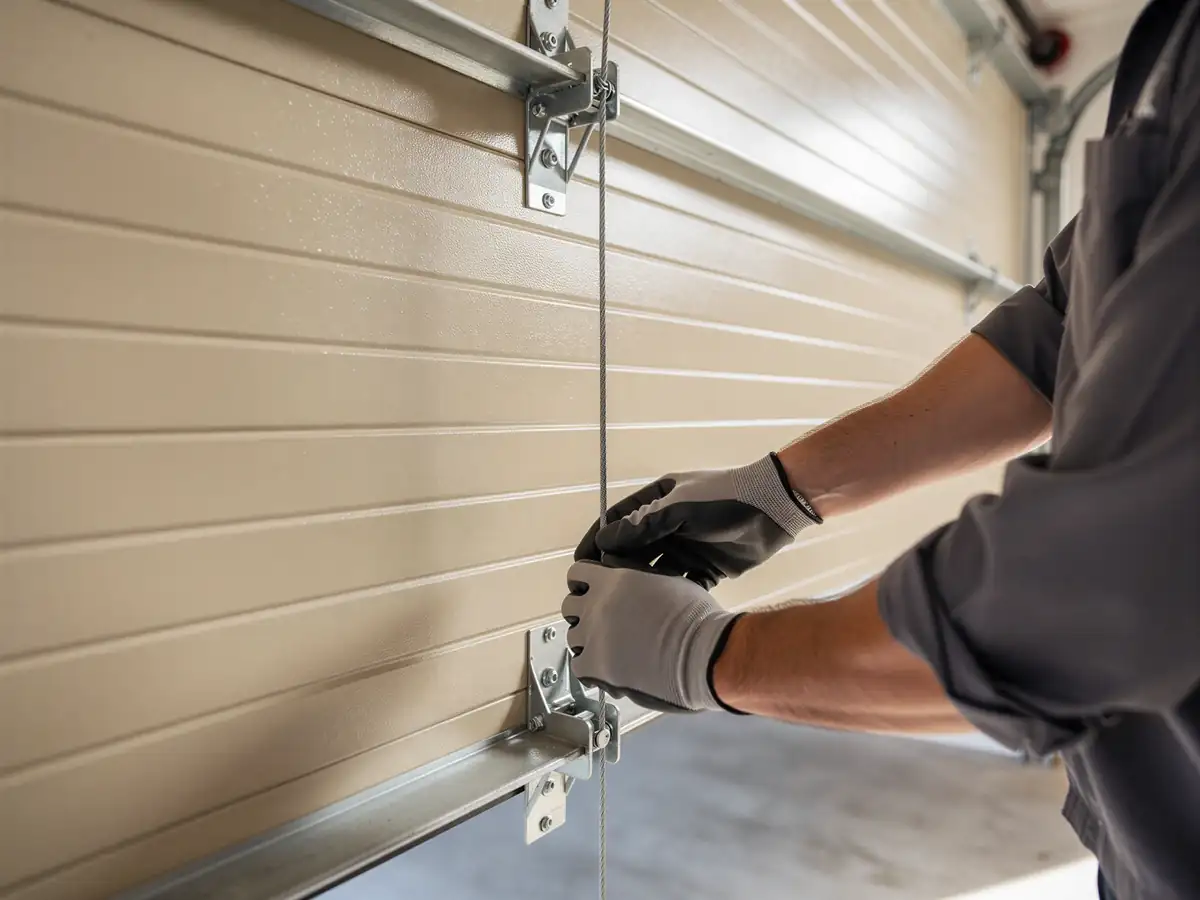
The DIY Question
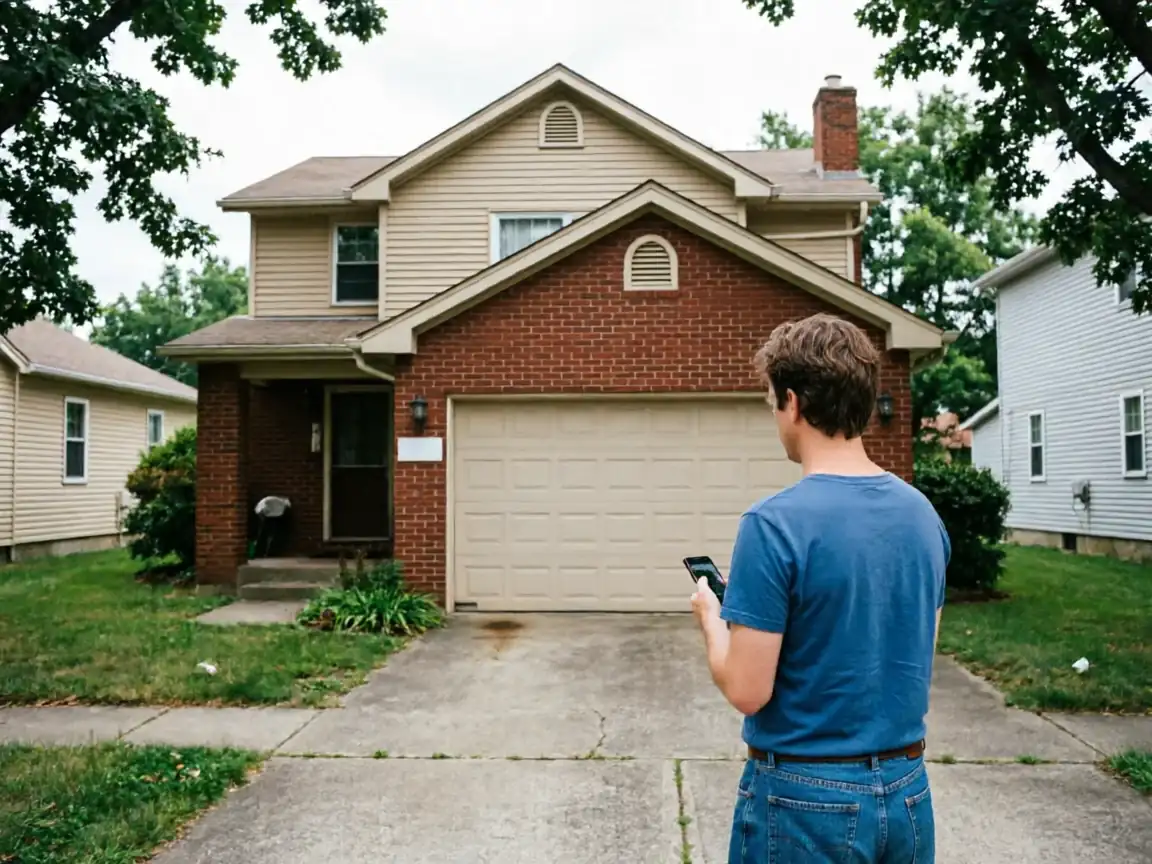
Roseville sits about 14 miles from our shop in Woodbury, which is the first thing worth knowing before you decide whether to wait for a truck or grab a ladder. That drive means we're not pulling up in ten minutes, so if a cable has already jumped the drum and the door is sitting crooked on one side, you have time to think this through rather than rush it.
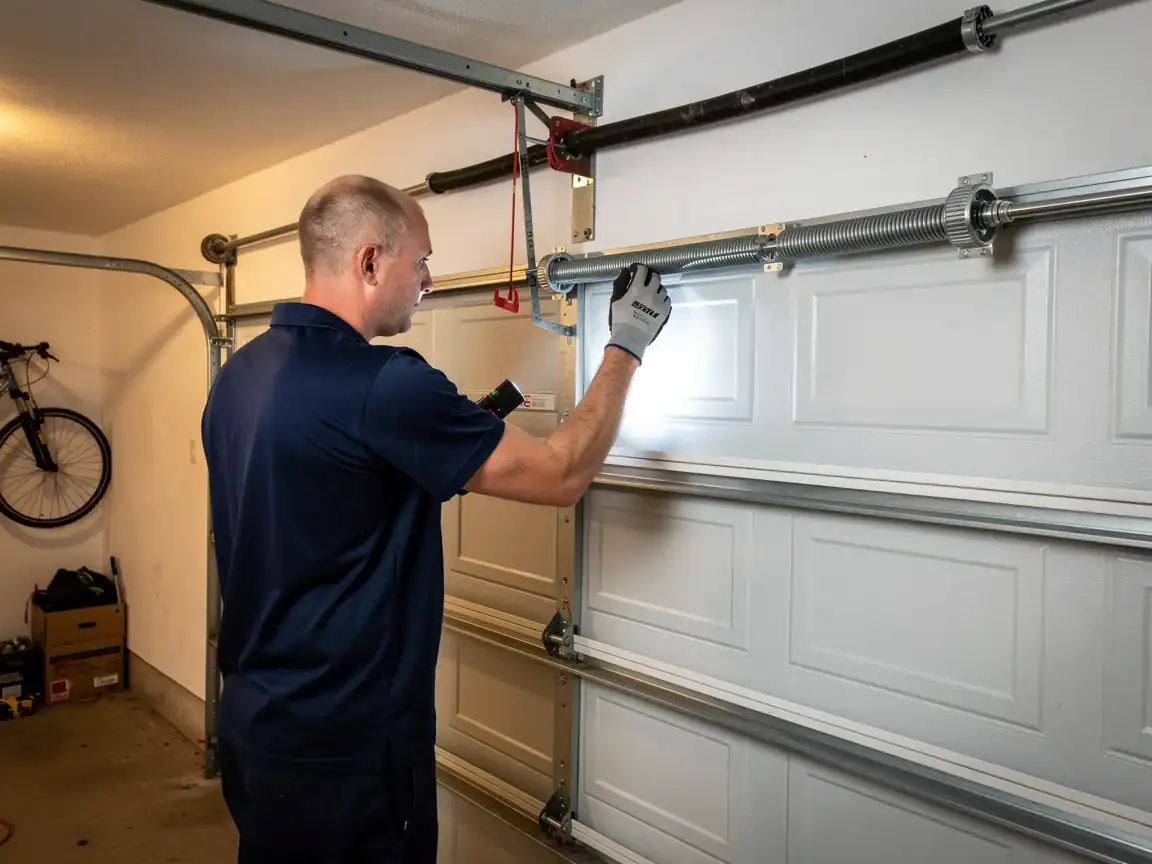
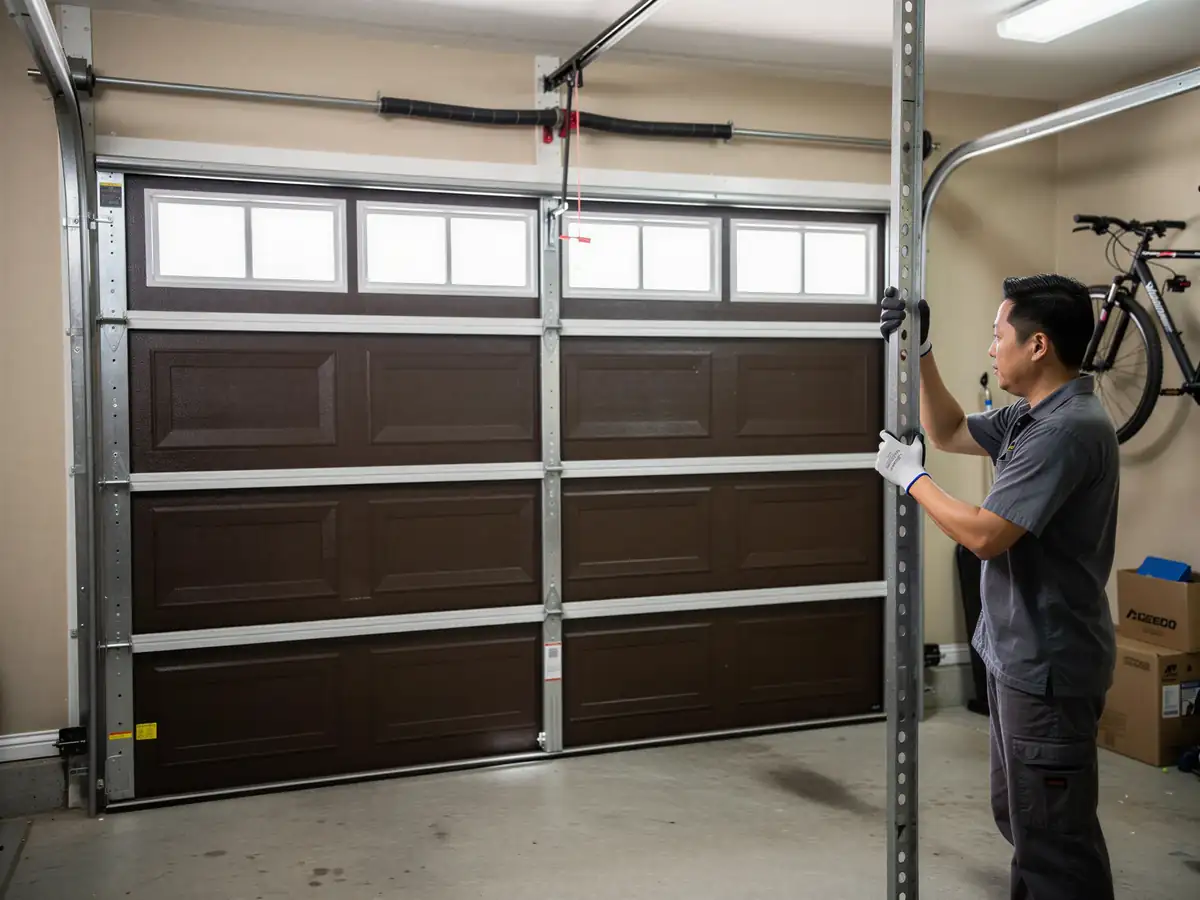
A broken lift cable is not a tighten-this-bolt job. The door is under spring tension, the drum keeps spinning after the cable lets go, and a frayed cable under load can whip. If one cable snapped and the door is cockeyed in the opening, leave it. Don't run the opener, don't try to force the door down evenly, and don't cut the other cable to "even things out." That second cable is the only thing keeping a heavy door from dropping.
What you can safely do yourself: pull the emergency release if the door is stuck halfway and you need the car out, then leave the door alone until someone looks at the drums and the track. Given the distance we're driving, a clear description of what you're seeing - which side, whether the door is still in the track, whether the opener is still trying to run - saves time once we're on site instead of diagnosing from scratch at the curb.
What It Costs
We don't post a flat number for Roseville because cable jobs split into two different repairs that cost differently: a single snapped cable on an otherwise sound door, versus a cable replacement that comes with drum, roller, or track damage from running on a stretched or kinked cable before it broke. The second kind costs more because we're not just spooling new cable, we're fixing what the bad cable did to the hardware around it on the way out.
We price the job after we see the drums and the track in person, not off a phone description, because a cable that frayed cleanly is a different job than one that jumped the drum and chewed up the track bracket. For a service area where median household income runs $88,440, we try to keep the quote matched to what's actually broken rather than replacing parts that don't need it.
The honest limitation here: if your door is original to a house built in the late 1960s and the drums or the torsion shaft are worn past spec, replacing just the cable sometimes isn't worth it. We'll tell you when the smarter move is new hardware instead of patching a 50-plus-year-old drum.
Parts We Carry
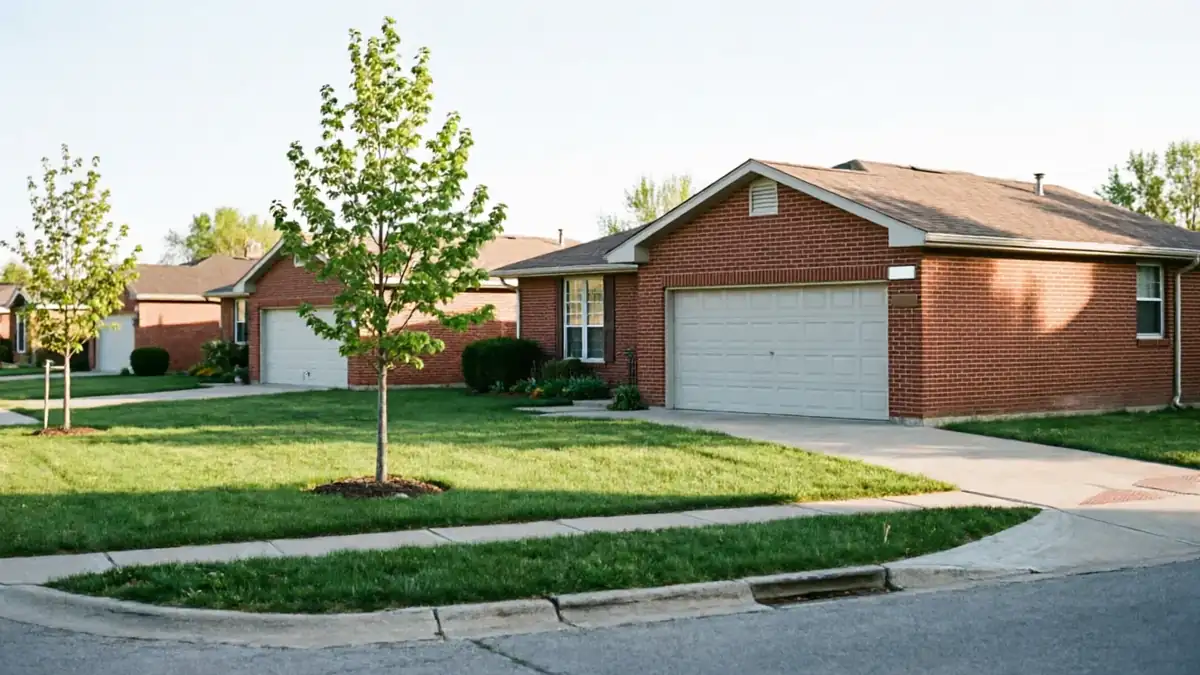
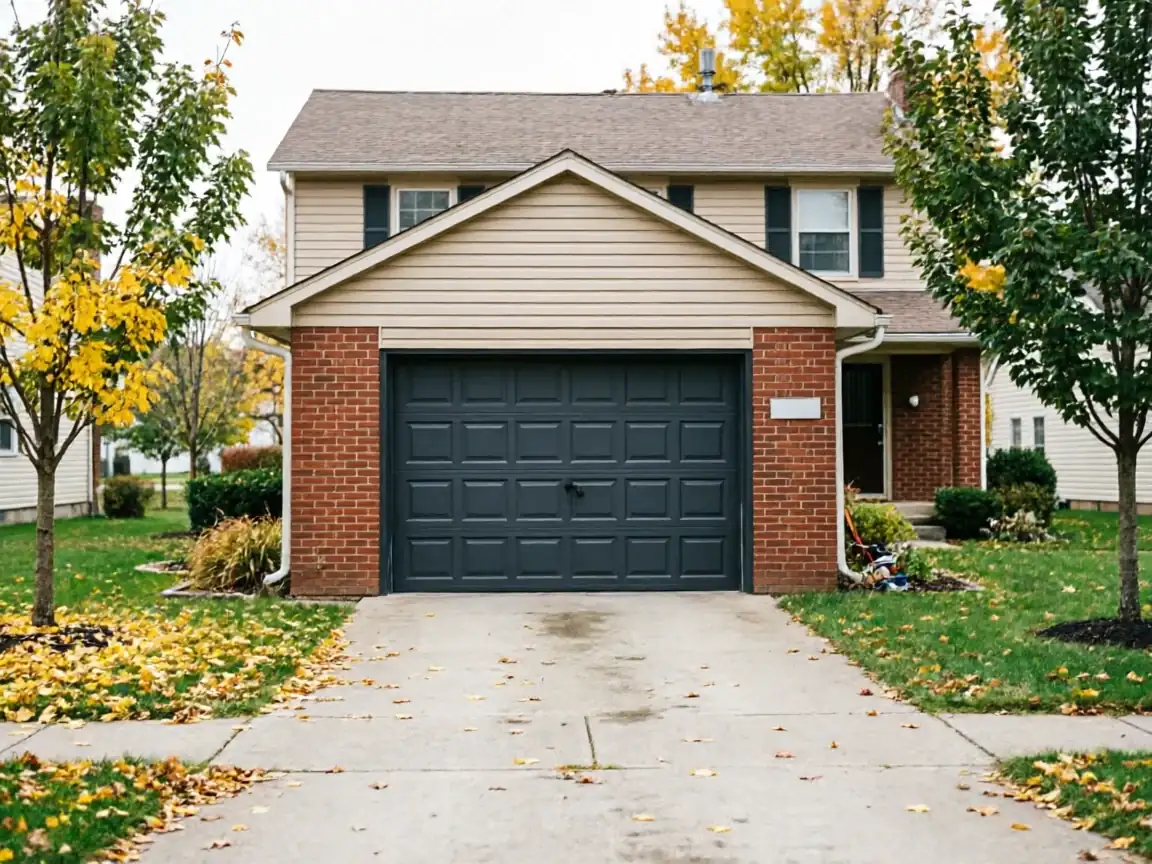
Roseville's housing stock, like most of the service area, runs mid-1960s to late-1970s construction
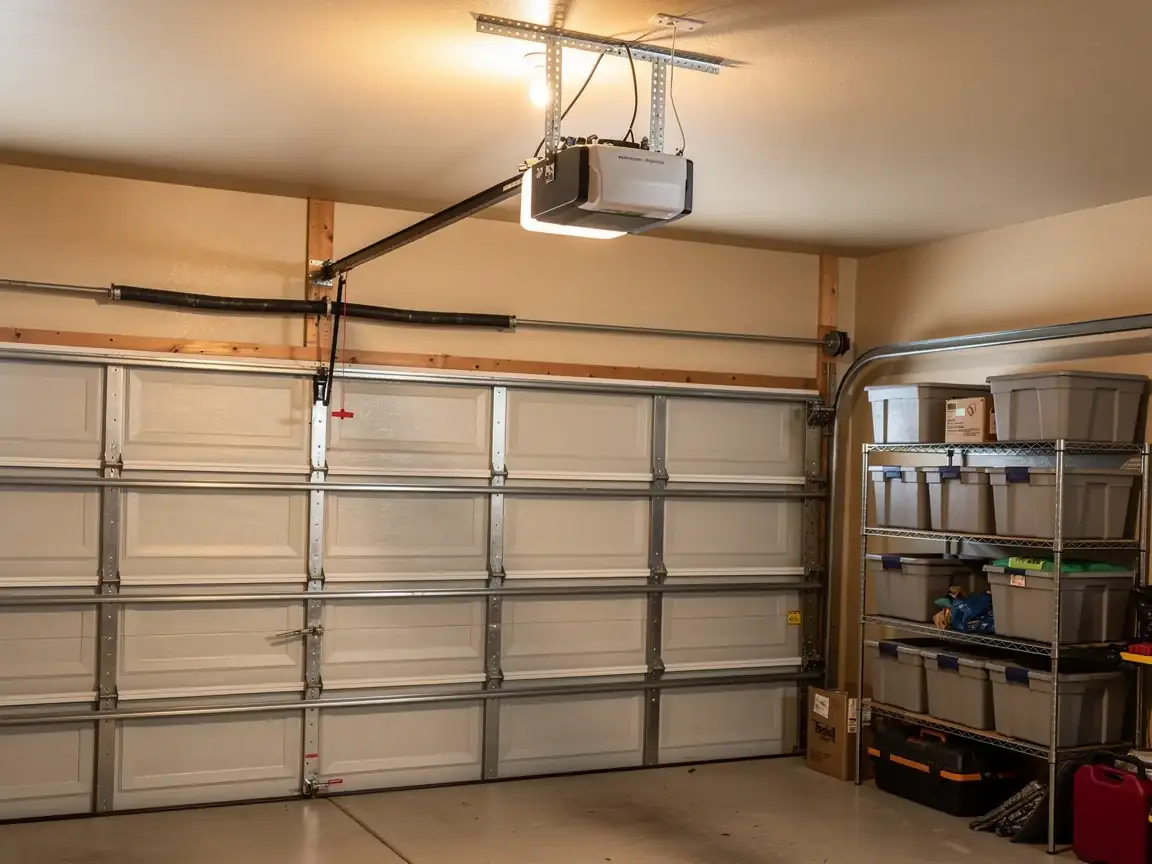
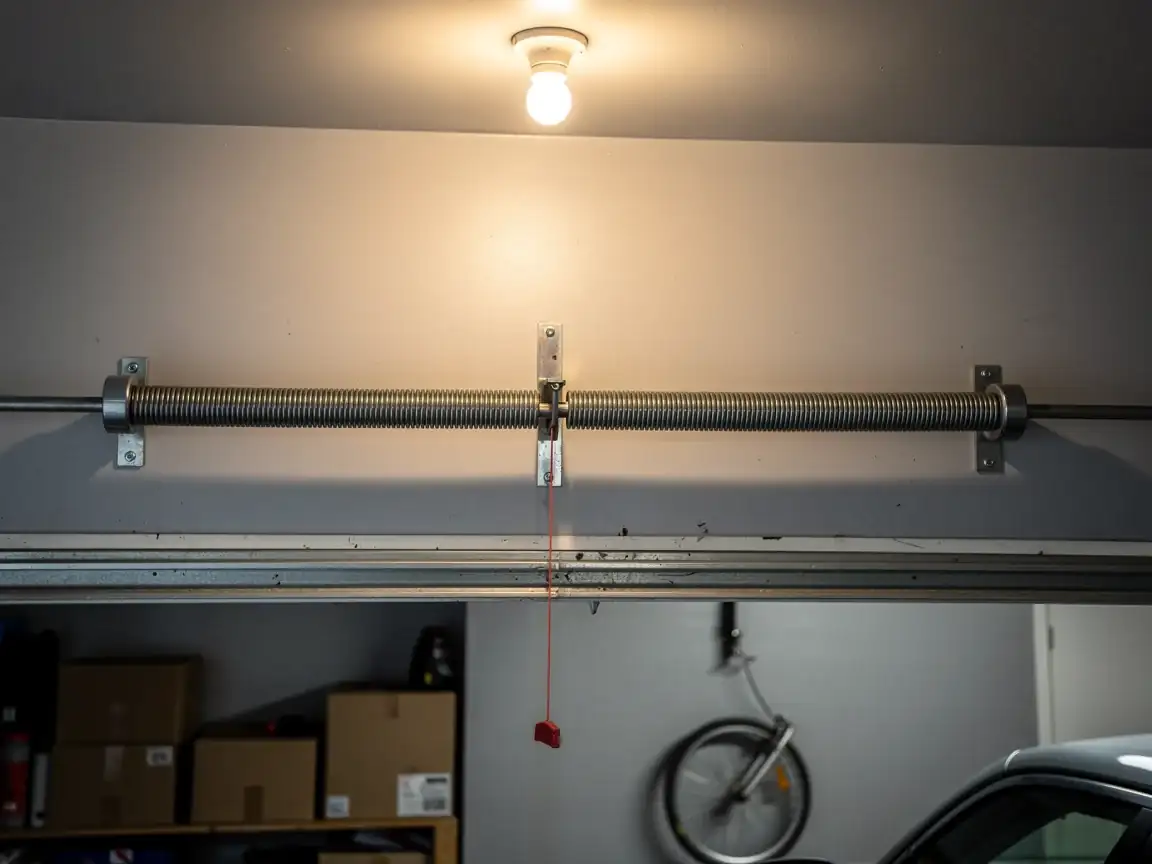
With a median build year around 1968 on this side of town. That means we stock the lift cable sizes and drum pairs that match torsion setups from that era - standard 7-foot and 8-foot cable lengths, galvanized aircraft cable in the diameters those older spring systems actually use, and replacement drums sized for the torsion shafts installers were running then, not the lighter-duty stamped drums that show up on newer tract construction.
We carry both ends of the cable
The fixed loop that clips to the bottom bracket and the stop that seats in the drum - because on older doors the bottom bracket itself has often been replaced or re-drilled over the years, and getting the wrong fitting on site means a second trip we'd rather not make given the drive.
We don't stock every proprietary cable system some newer opener manufacturers use
If your door has a specialty cable-and-pulley setup tied to a specific brand's low-headroom kit, we'll tell you up front whether we have it on the truck or need to order it.
How It Shows Up
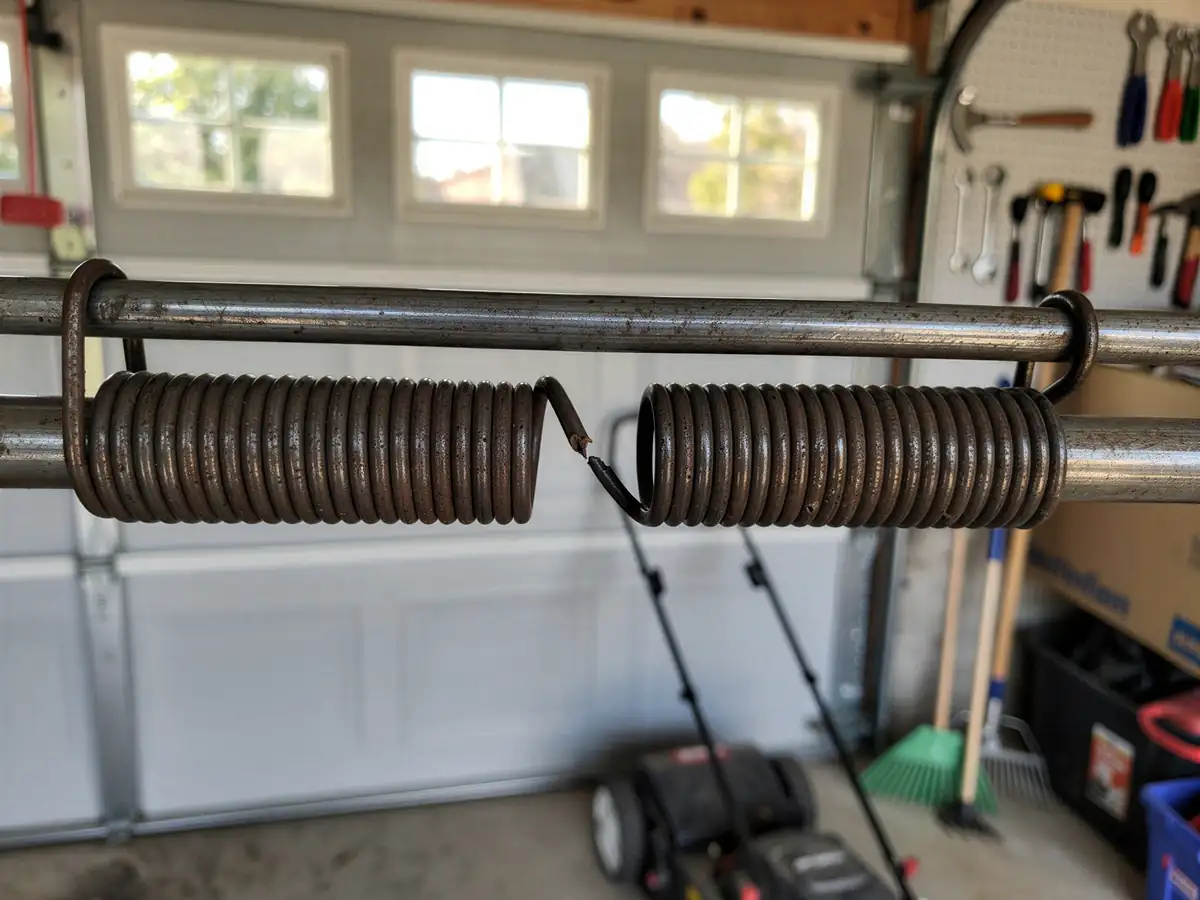
On a house from the late 1960s or 1970s, the cable usually goes one of two ways. It frays slowly where it wraps the drum, and you'll notice a faint fraying sound or see a kink in the cable near the top of a cycle before it finally lets go. Or it corrodes at the bottom bracket, where years of road salt tracked in on tires sits against the cable end, and it snaps with no warning at all.
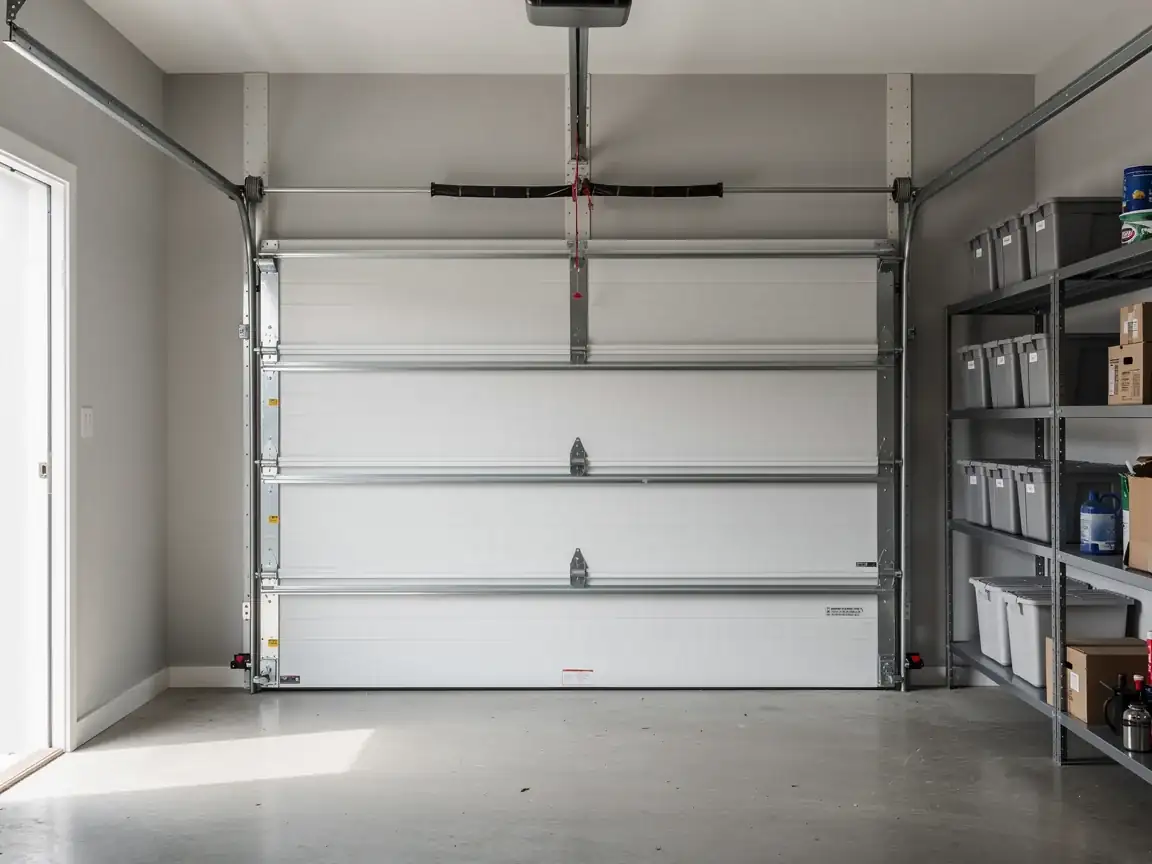
Either way, the tell is the same: the door hangs unevenly, one corner lower than the other, and the opener either stalls or strains and reverses. If you hear a loud bang followed by the door dropping on one side, that's a cable letting go under tension, not a track problem.
Because the climate here runs cold with real winter swings, cable wear tends to show up worse in late winter and early spring, after months of road salt and moisture have had time to work into the drum and bracket hardware. A cable that looked fine in October can be down to a few strands by March.
What Can Go Wrong
The failure that costs the most to ignore is a cable that snaps while the door is most of the way up. The door drops fast, the opener's trolley can tear loose from the arm, and if the other cable is also worn, you're now looking at a door that's come off the track entirely rather than a clean cable swap.
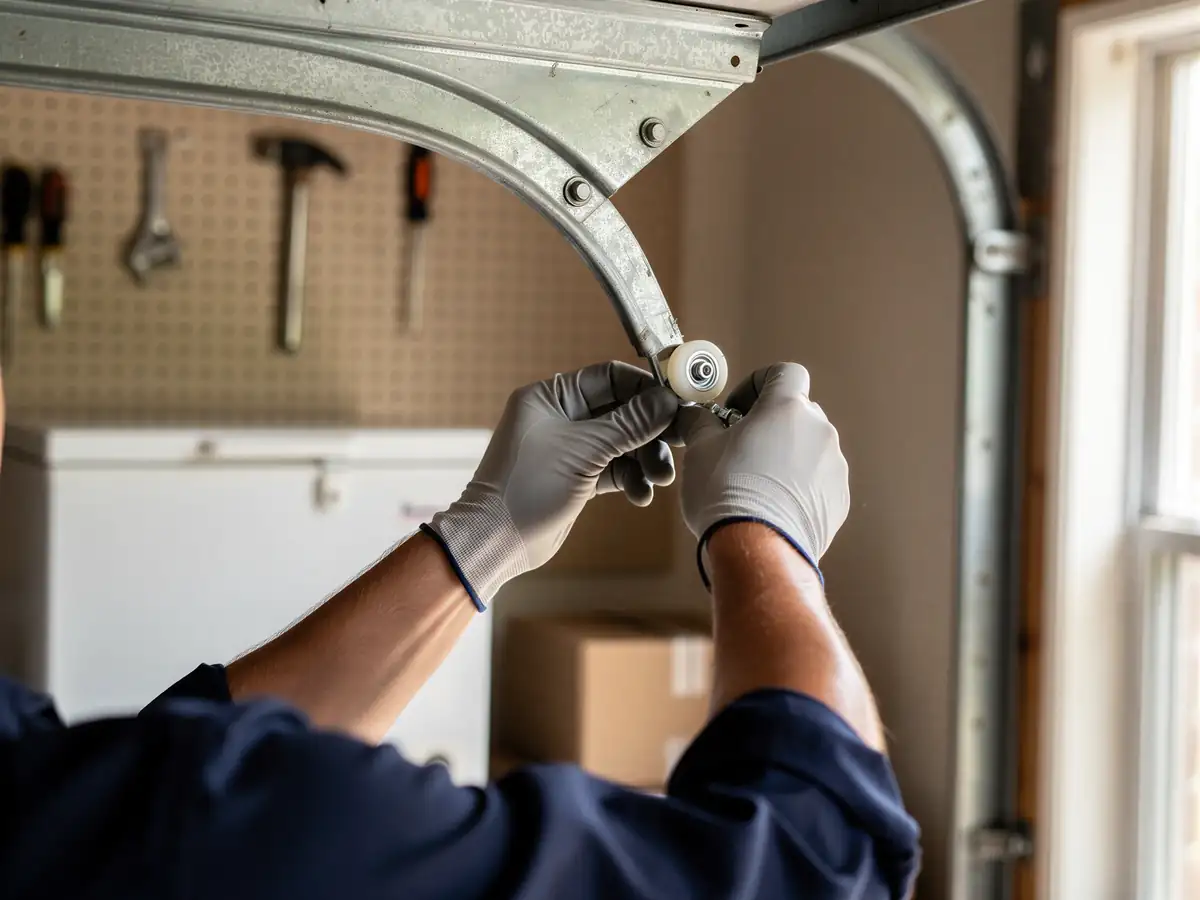
On older torsion setups common across this part of the service area, a worn cable often means a worn drum underneath it too - the cable groove gets chewed up over years of flexing, and a new cable on a damaged drum will fray again within months. We check drum condition every time, not just the cable, because replacing one without the other is a callback waiting to happen.
The other thing we see on doors from this build era: bottom brackets that were never upgraded and have the cable anchor point worn oval instead of round. That's an easy miss if you're only looking at the cable itself.
Why It Happens Here
Roseville's housing dates mostly to the 1960s and 70s
With a median year built around 1968, which puts a lot of doors here on their second or third cable set by now - original torsion hardware from a house that age has usually had at least one cable replacement already, sometimes done well, sometimes not. Across the broader service area, roughly half of the 168,356 households are owner-occupied houses rather than rentals or condos, and houses this age are the ones most likely to still have a garage door that's never been fully updated.
- 168,356 households
Add in a cold-climate winter cycle of salt, moisture, and temperature swings working on steel cable and galvanized drums year after year
And cable wear on a house built in this window is less a question of if than when. With 15,586 households in Roseville itself sitting in that same build window, this isn't an occasional repair we see - it's a predictable one tied directly to how old the stock is and what decades of Minnesota winters do to a cable nobody's looked at since it was installed.
- 15,586 households