The DIY Question
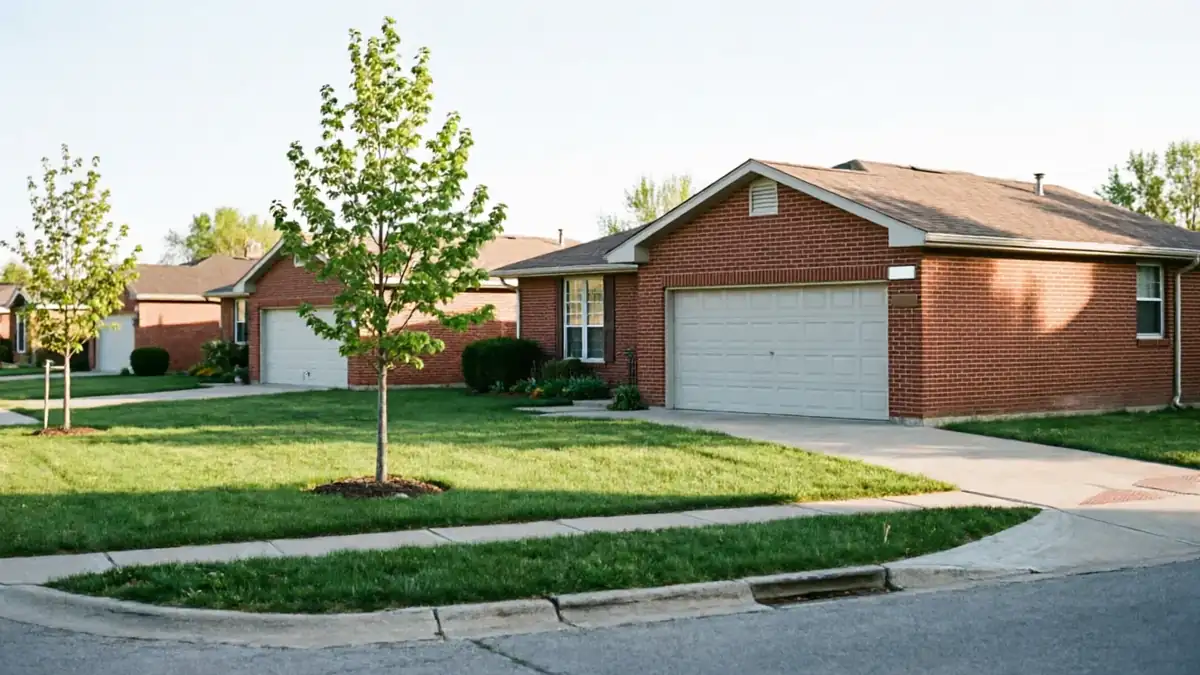
Roseville's median household income runs $88,440, a bit below the wider service area's $93,233. That gap matters for the repair-or-replace call: at this income level, a $150 tune-up that catches a cable before it snaps is an easy yes, but a full replacement door is a bigger stretch than it is in higher-income pockets of the area. That's the math behind most of what follows - we're writing for a homeowner who wants the hardware to last, not one shopping for a new door every decade.
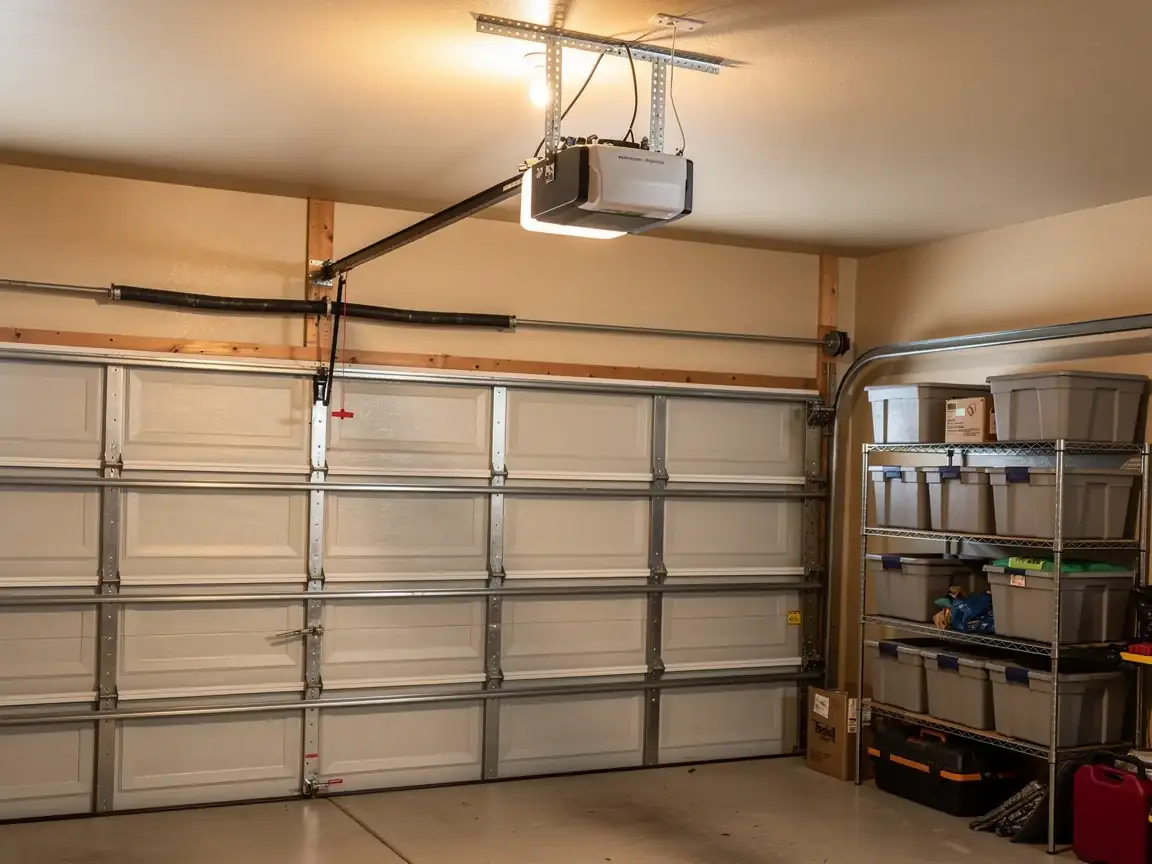
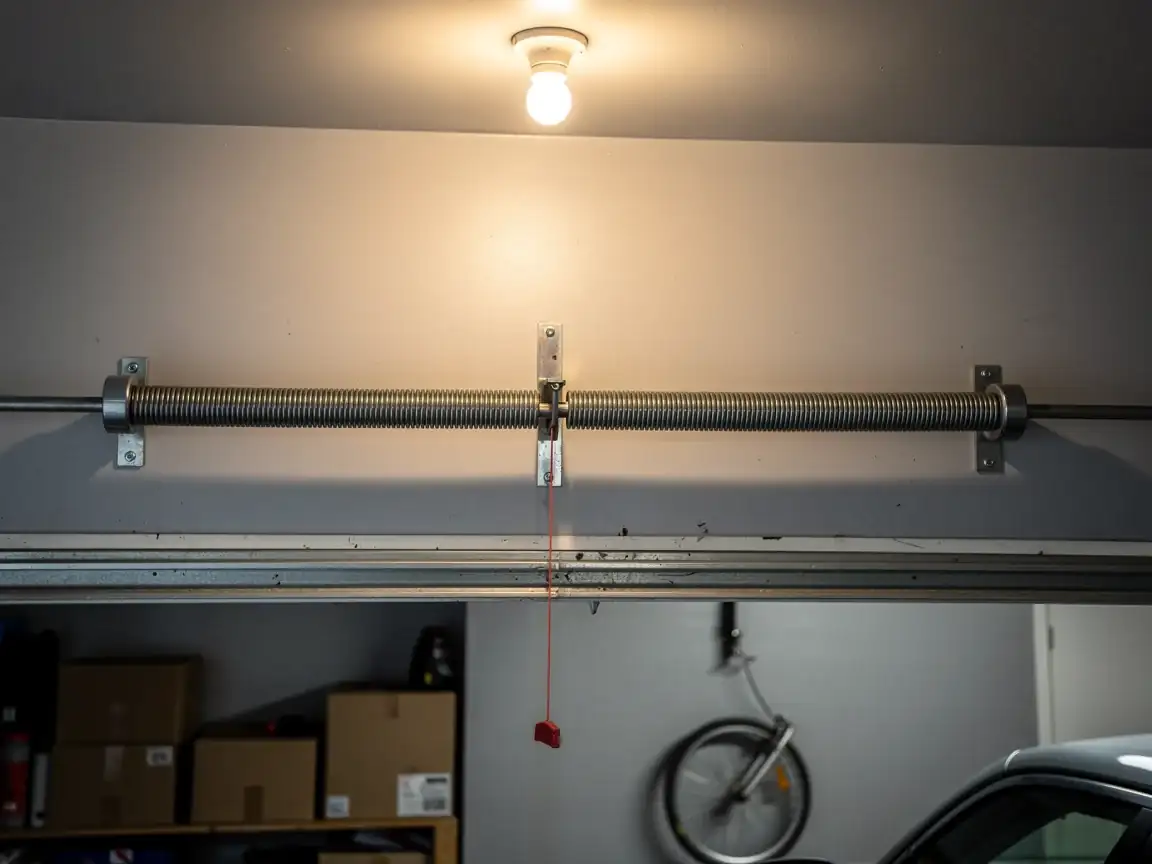
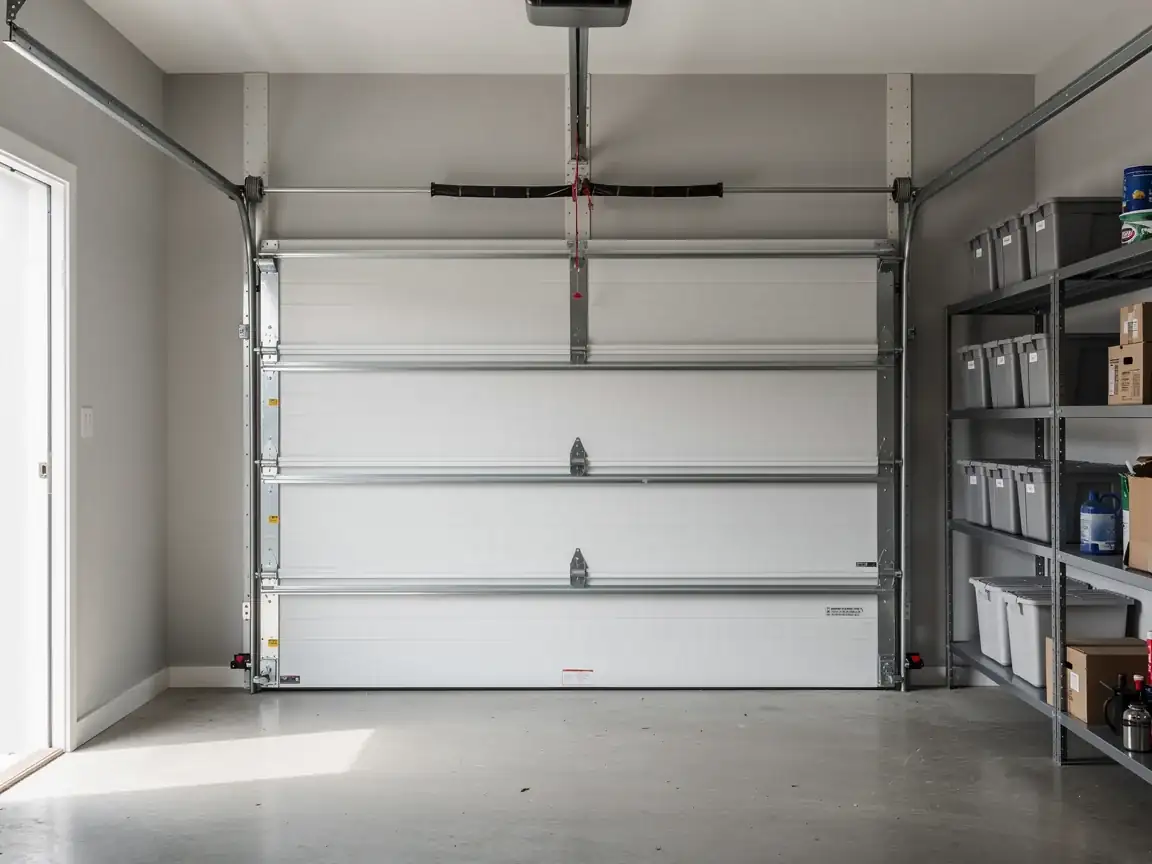
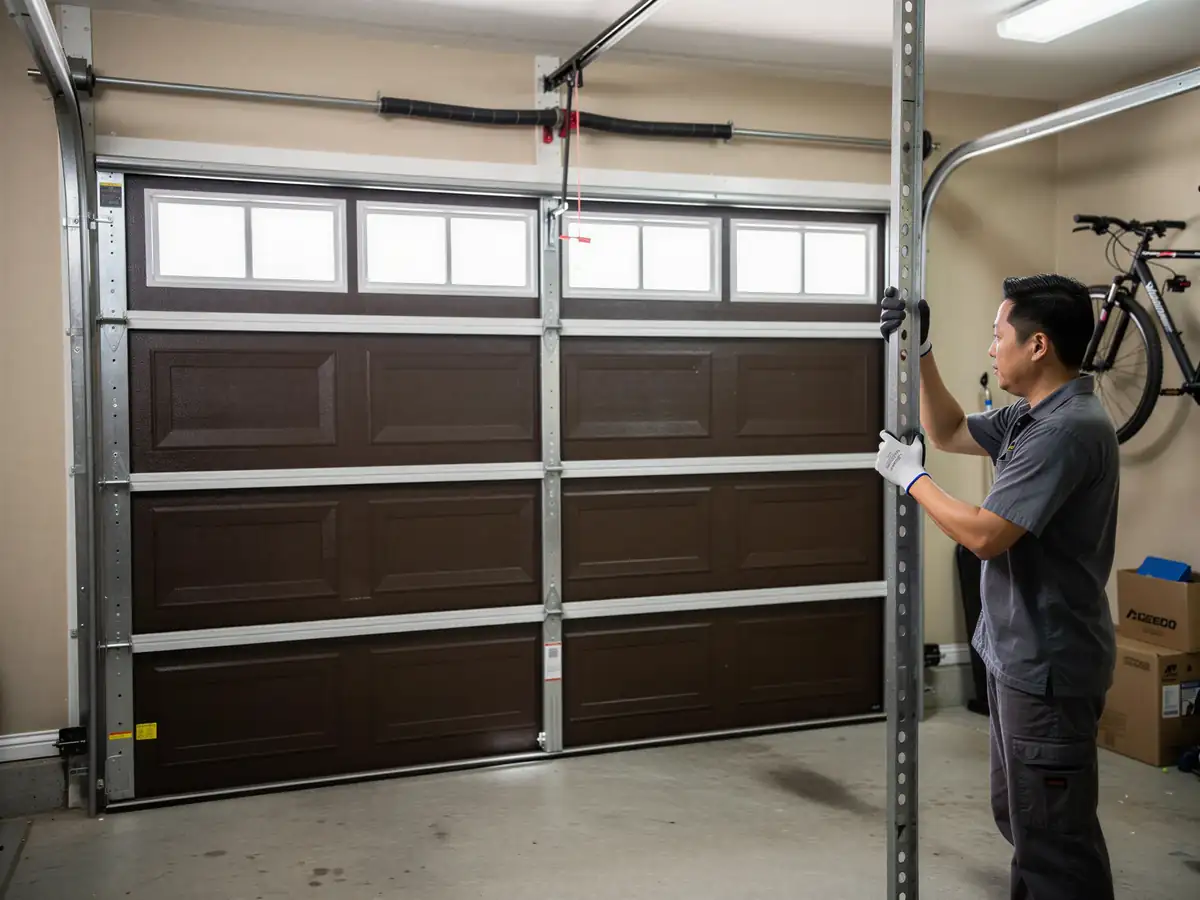
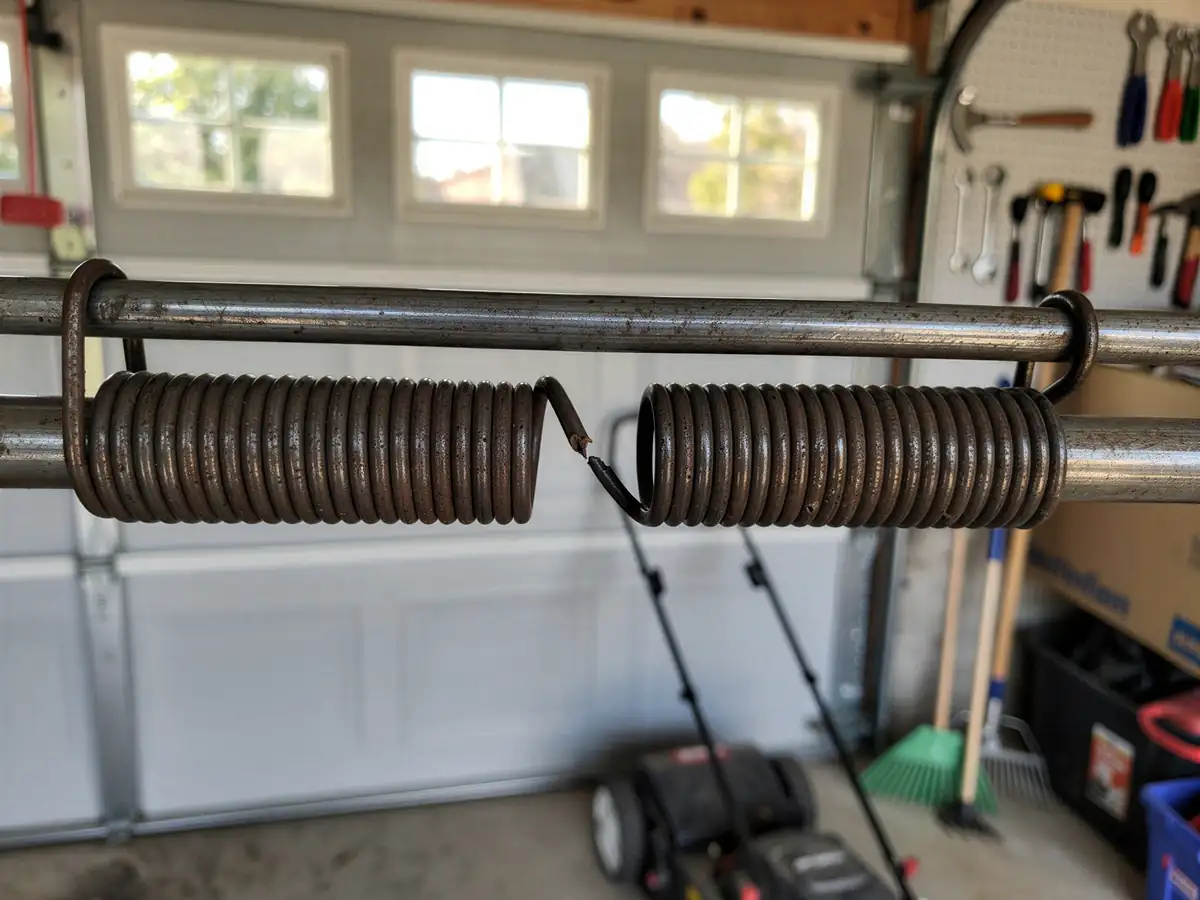
There's plenty you can do yourself: vacuum the tracks, wipe down the rollers, check that the auto-reverse still works by setting a 2x4 under the door. What you shouldn't touch is anything under spring tension - torsion springs on these older openers store enough force to break a wrist. If you can see rust on the spring coils or the cable looks frayed at the drum, that's a call, not a project.
What It Costs
We don't post a flat number here because the job depends on what's wearing out - a basic lube-and-adjust visit costs less than replacing a worn torsion spring, and a spring swap costs less than a full opener. What we can tell you is where Roseville sits on the spectrum: with a median build year of 1968, a lot of these doors are running original or first-replacement torsion hardware, which means the parts cost is usually hardware, not labor to diagnose.
The honest limitation: if your opener is original to a 1968 build, replacement parts for that specific motor may simply not exist anymore. At that point we're not quoting a repair - we're telling you it's time for a new unit, and that's a different conversation than a tune-up.
Parts We Carry
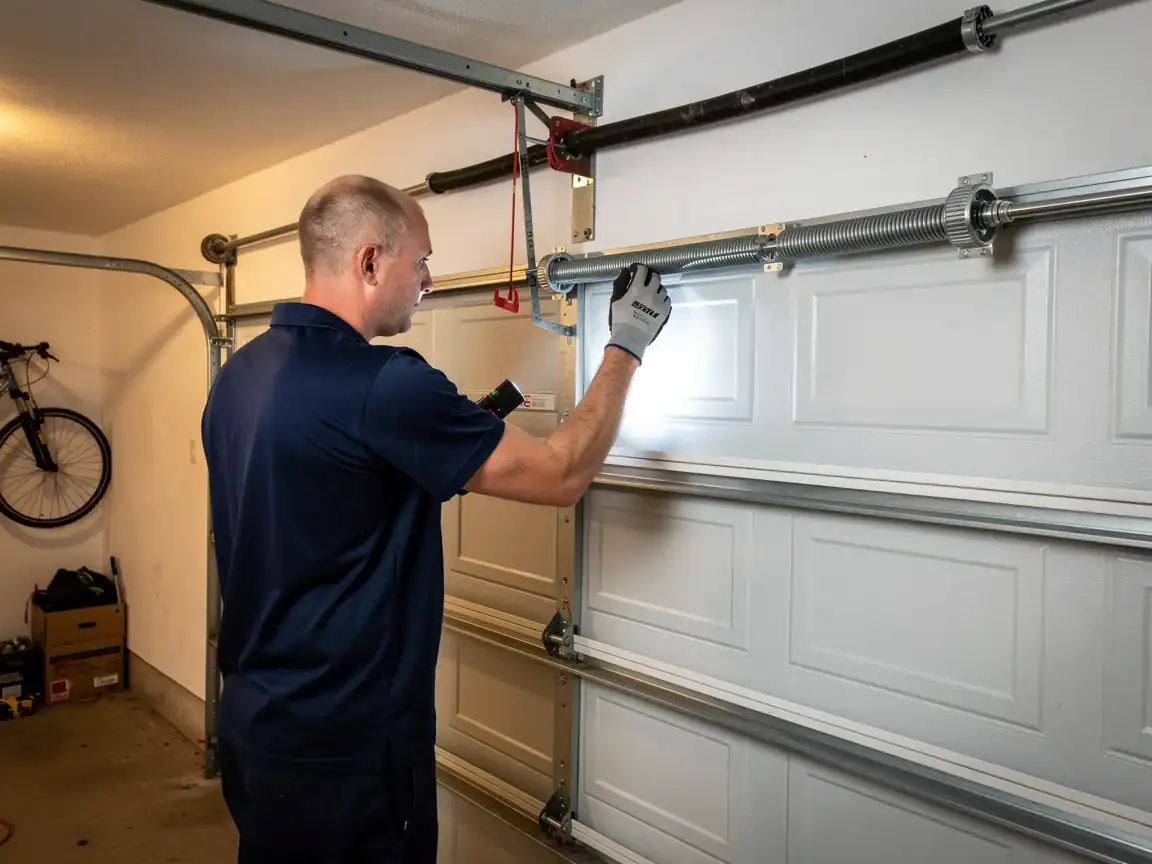
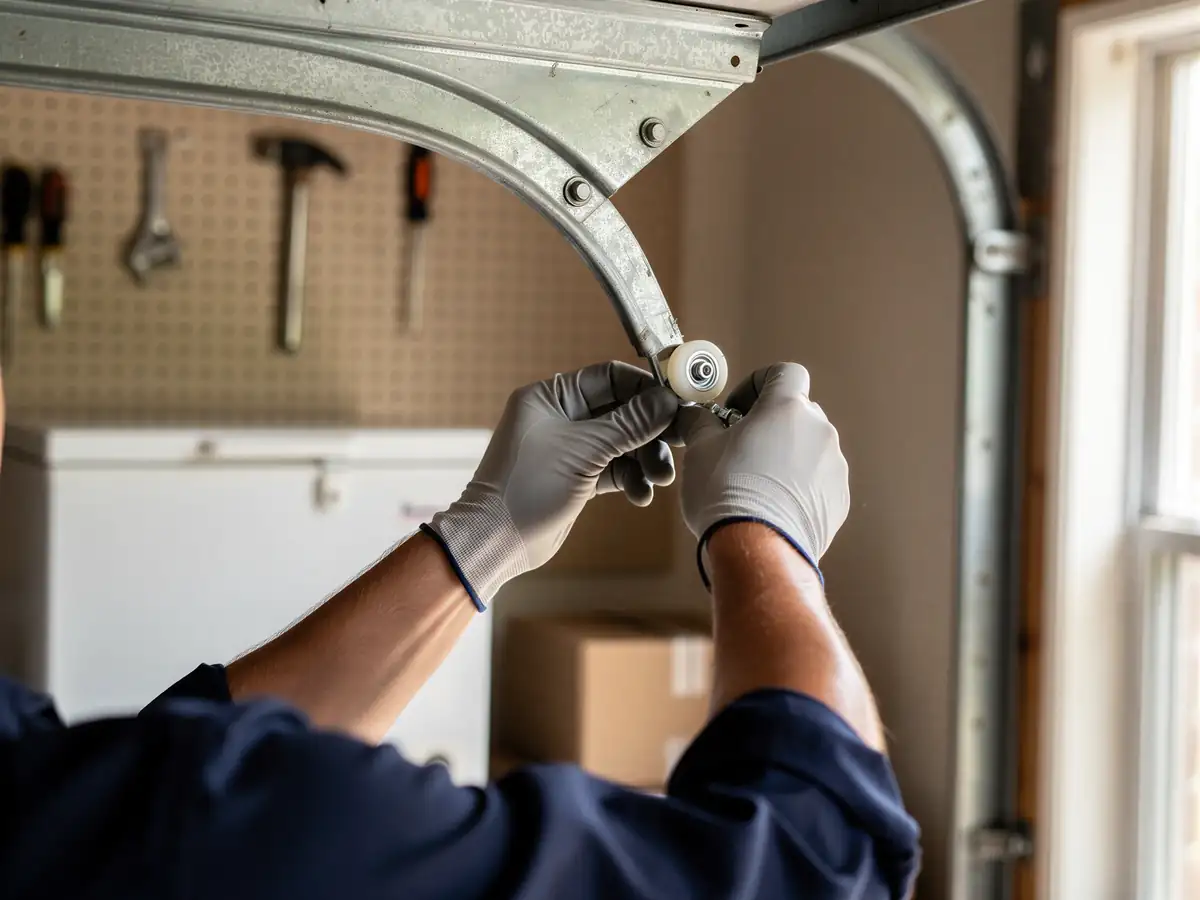
For houses from this era the common failure points are torsion springs rated for the heavier wood doors of the period, steel rollers that have worn oval instead of round
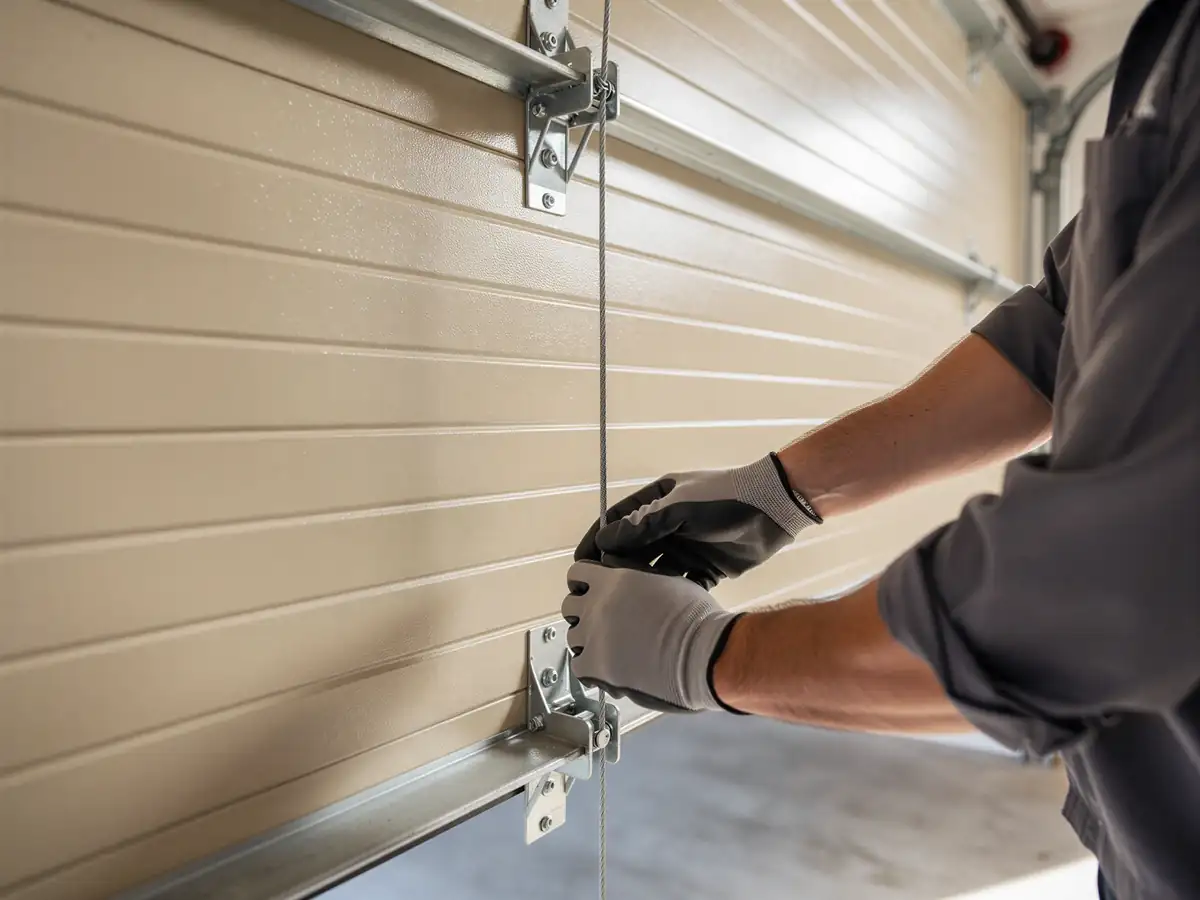
And lift cables fraying where they wrap the drum. We stock springs sized for both torsion and older extension setups, since Roseville still has a mix of both depending on when the garage itself was built or remodeled.
We also carry standard travel-limit and safety-reversal sensors to bring older openers up to current working condition
Since many units from the 1960s-70s stock predate photo-eye sensors entirely. That's a common upgrade on a maintenance visit, not a separate sales pitch - if your door doesn't have sensors, we'll point it out.
How It Shows Up
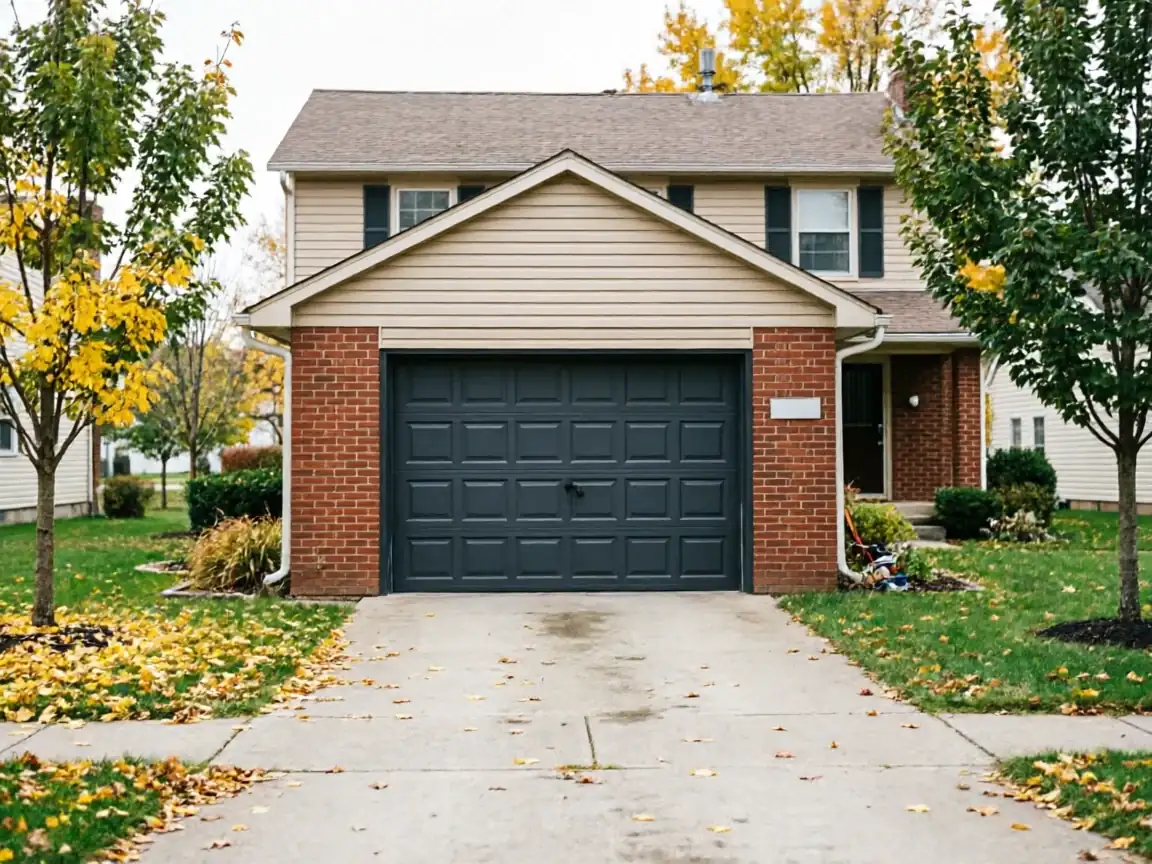
On a 1968-median house, the door usually still moves - it just moves wrong. A door that drifts to one side as it closes points to a spring that's lost tension unevenly, common once original torsion springs pass the half-century mark. A grinding sound at the top of the travel is often a roller that's worn through its bearing, not the track itself.
Some owners notice the opener straining - taking longer to lift, or the chain slapping instead of running smooth. That's usually the motor compensating for a spring that's no longer doing its share of the lifting. Left alone, the motor eventually fails too, which turns a $100 spring job into a $400 opener replacement.
What Can Go Wrong
The thing we see most in houses from this stretch of years is a torsion spring that's been re-tensioned once already, sometime in the 80s or 90s, and is now at the end of its second life. That's not a defect - it's just the math of a 50-plus-year-old door. Cables fray at the drum from the same age, usually around the same time as the spring.
What we don't do is patch a spring that's visibly cracked or pitted with rust just to save a visit - that's a part that fails without warning, usually under full tension, and it's not worth the risk to anyone standing nearby when it lets go.
Why It Happens Here
The service area sits in a cold climate band with real seasonal swings
And steel contracts in winter the same way it does everywhere - but the difference in Roseville is the age of the steel doing the contracting. A door built in 1968 has gone through roughly fifty-five winters of expansion and contraction on the same springs and tracks, which is a lot more cold-cycle fatigue than a door built in the 1990s has seen.
With 15,586 households in Roseville, most sitting around that same build era, this isn't a one-off
It's the dominant pattern we expect to find on a maintenance call here. We travel the 14 miles out from our shop in Woodbury for these visits; we don't keep a branch in town, so maintenance here gets scheduled as a routine stop, not a same-day emergency run.
- 15,586 households
- 14 miles