The DIY Question
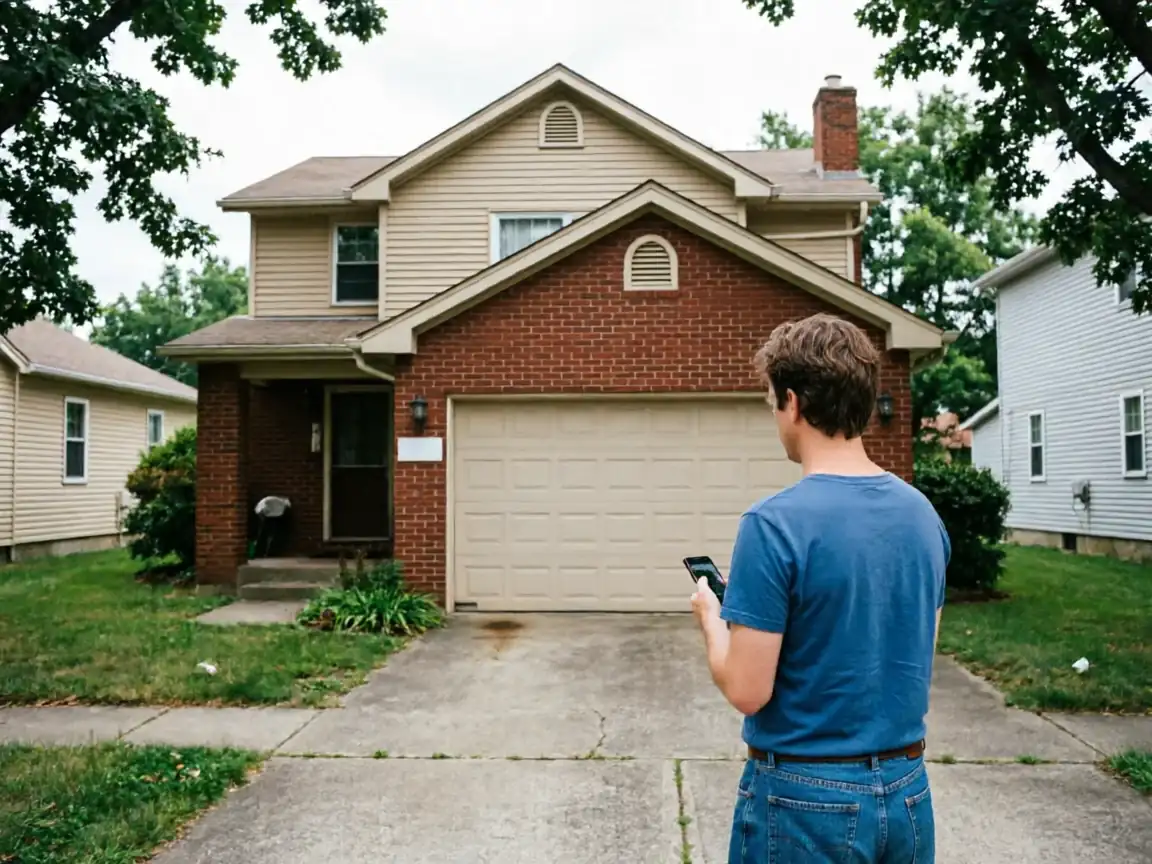
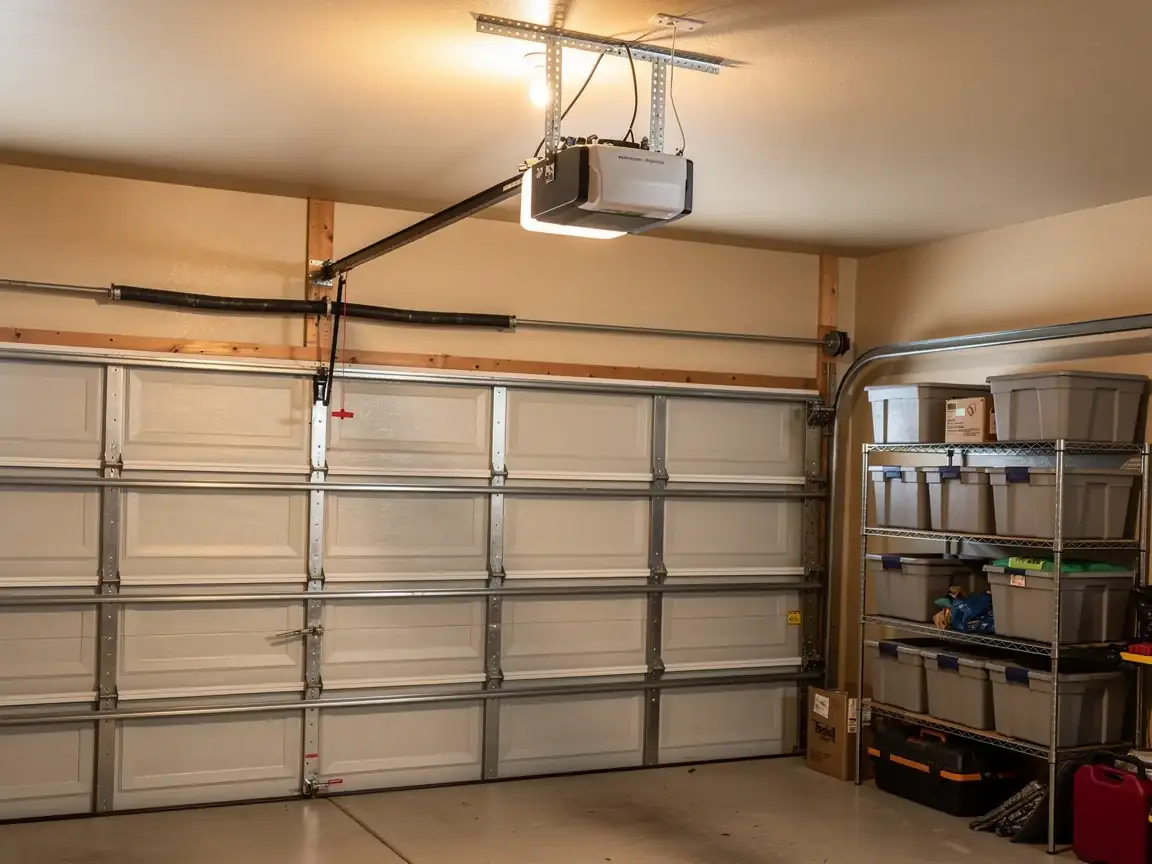
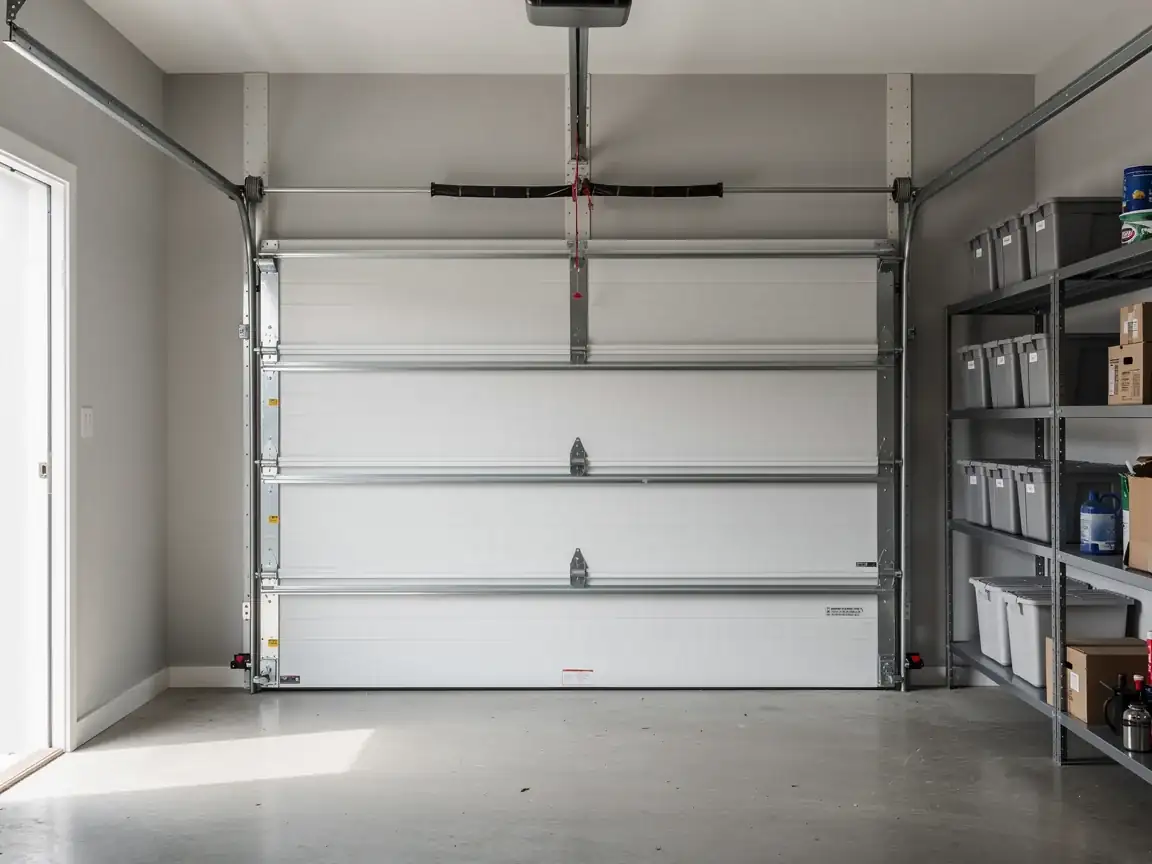
Most garage doors in Roseville went up with the house, and the house went up around 1968. That means a single-layer steel door, usually 16x7 for a two-car garage, hung on hardware that was standard for its decade - either a center extension spring setup or an early torsion conversion. Neither is hard to look at. Whether it's safe to touch is a different question.
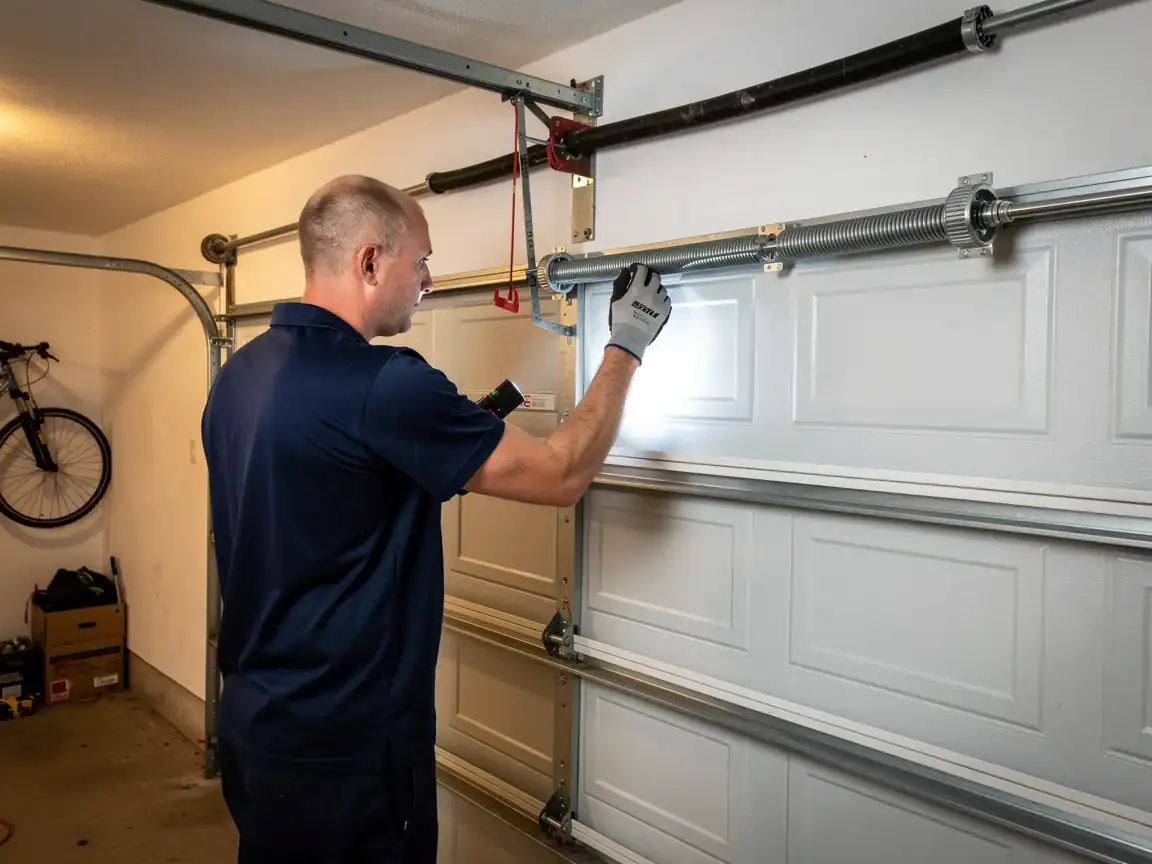
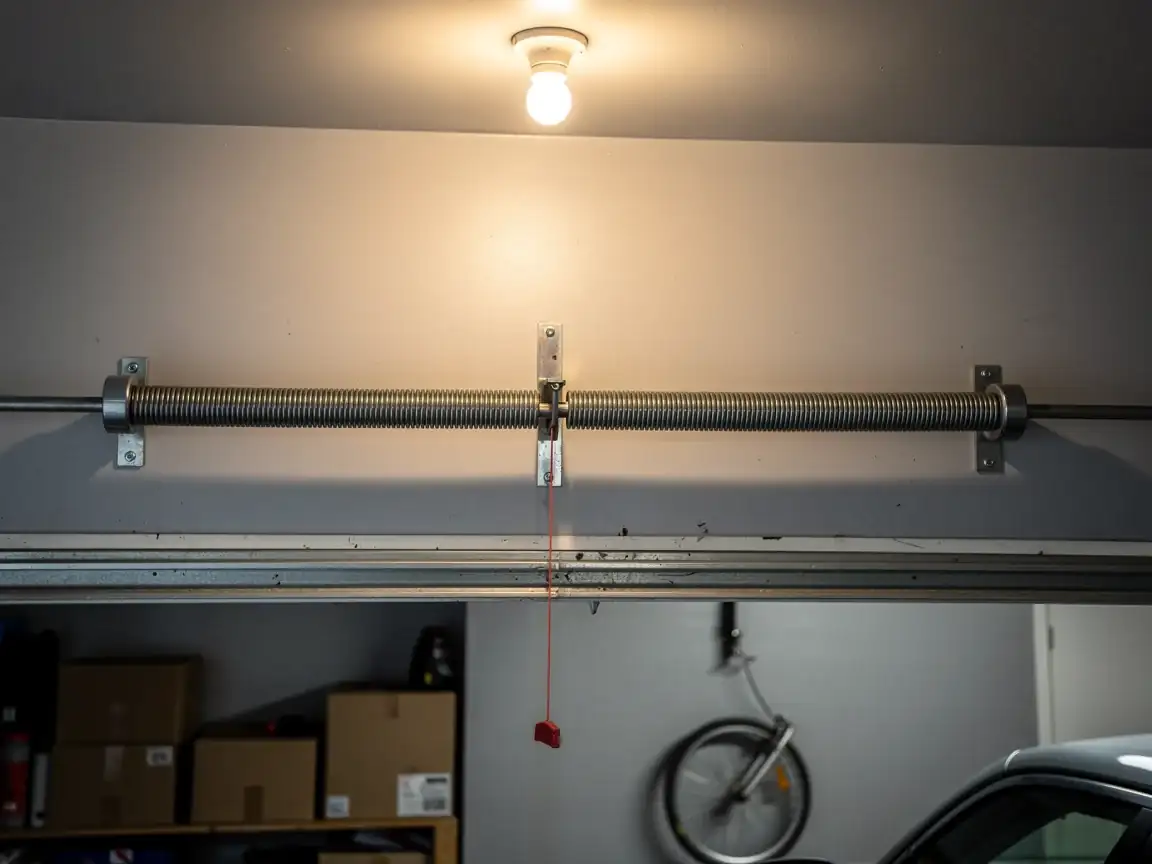
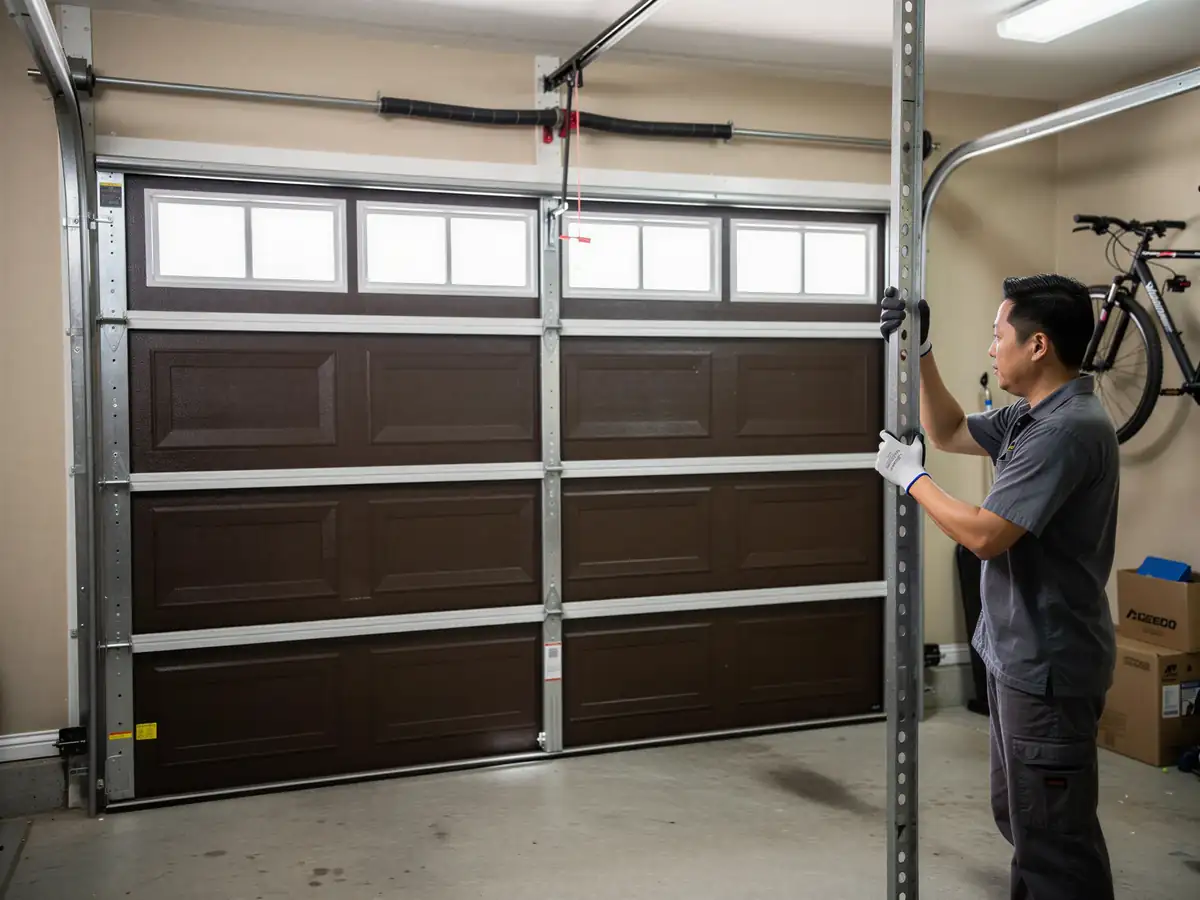
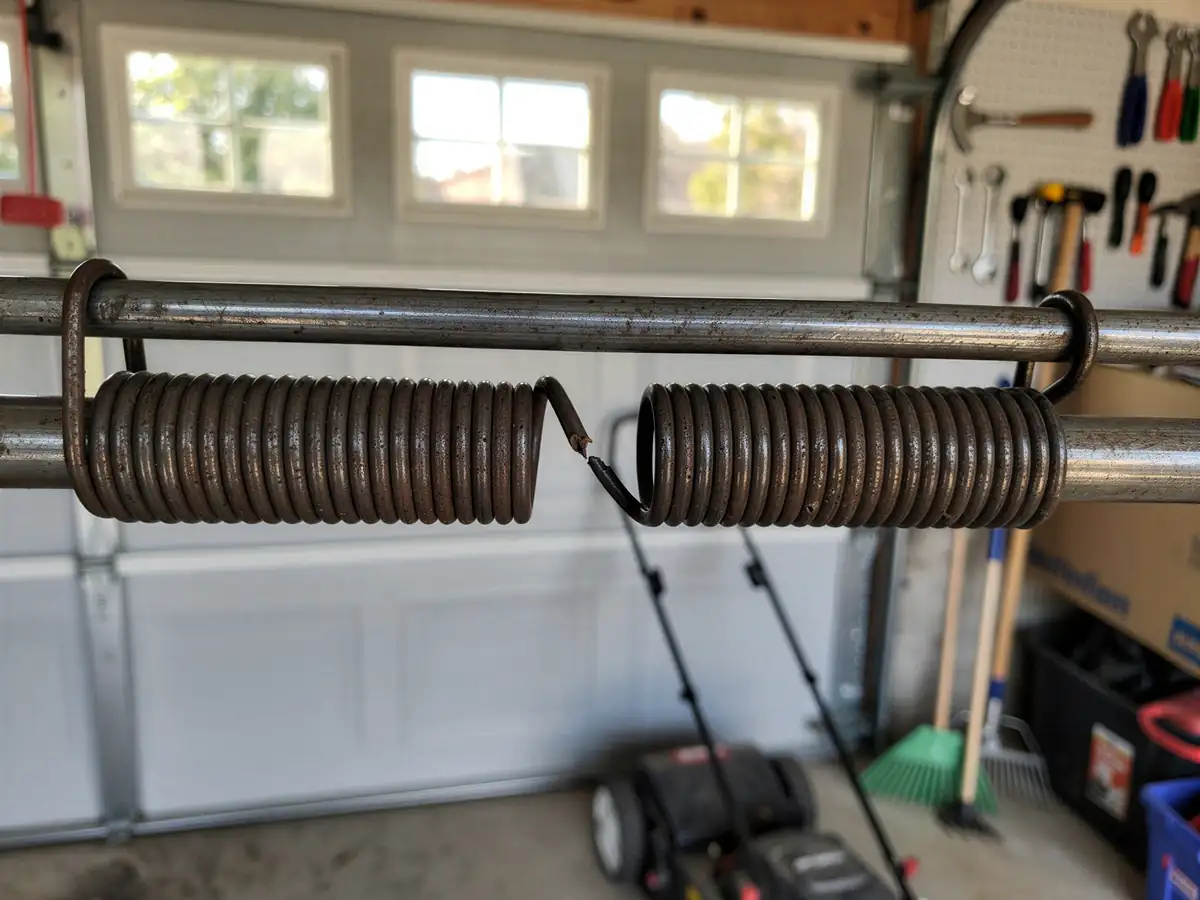
If a roller jumped the track or a hinge pulled loose, you can often re-seat it yourself with the door disconnected from the opener and the car out of the way. If the door won't move at all, or one side drops faster than the other when you pull the release, stop. That's a spring under load, and on a door this old the spring has likely never been replaced - which means it's had fifty-plus years to fatigue unevenly. A spring that lets go while you're holding the door can break a wrist or worse.
Openers are the other common DIY trap. A motor that hums and doesn't lift usually means the capacitor or the gears are shot, not the remote. Swapping a remote costs nothing and fixes nothing in that case. If you're not sure which problem you have, that's the call to make before you start taking the housing apart.
What It Costs
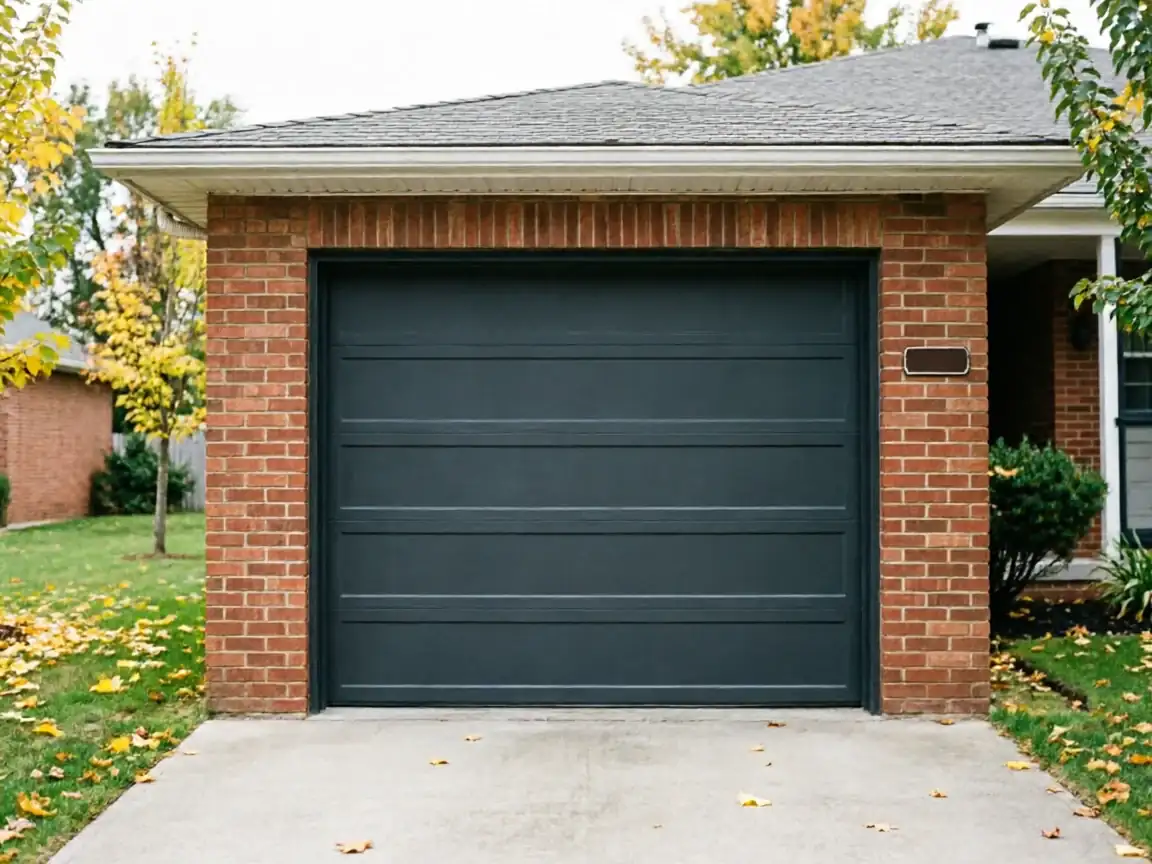
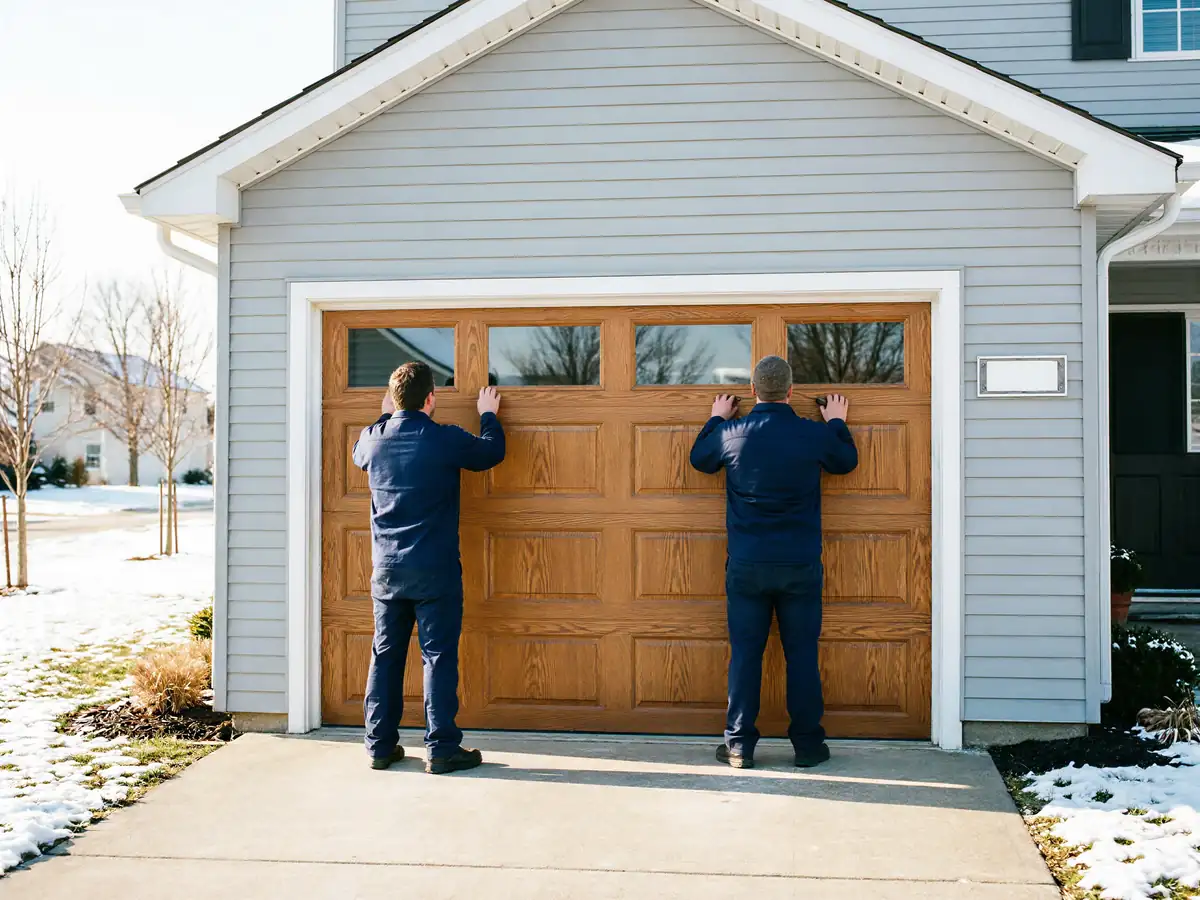
We don't have a published price list for this page, and we're not going to make one up. What we can tell you is what drives the cost on a typical Roseville call: whether the spring is standard extension or torsion, whether the drum and cables are original to a 1968-vintage door or already replaced once, and whether the opener itself needs work alongside the door. A straightforward spring swap on a single door is usually a same-visit job. A full door replacement - common once the steel has started to oxidize at the bottom panel seams, which shows up a lot on houses this age - takes longer because the panel has to be ordered to match the opening.
We'll give you a number before we touch anything, not after. If a repair is going to cost close to what a new door runs, we'll tell you that too, rather than patch something that's going to fail again in a year.
Parts We Carry
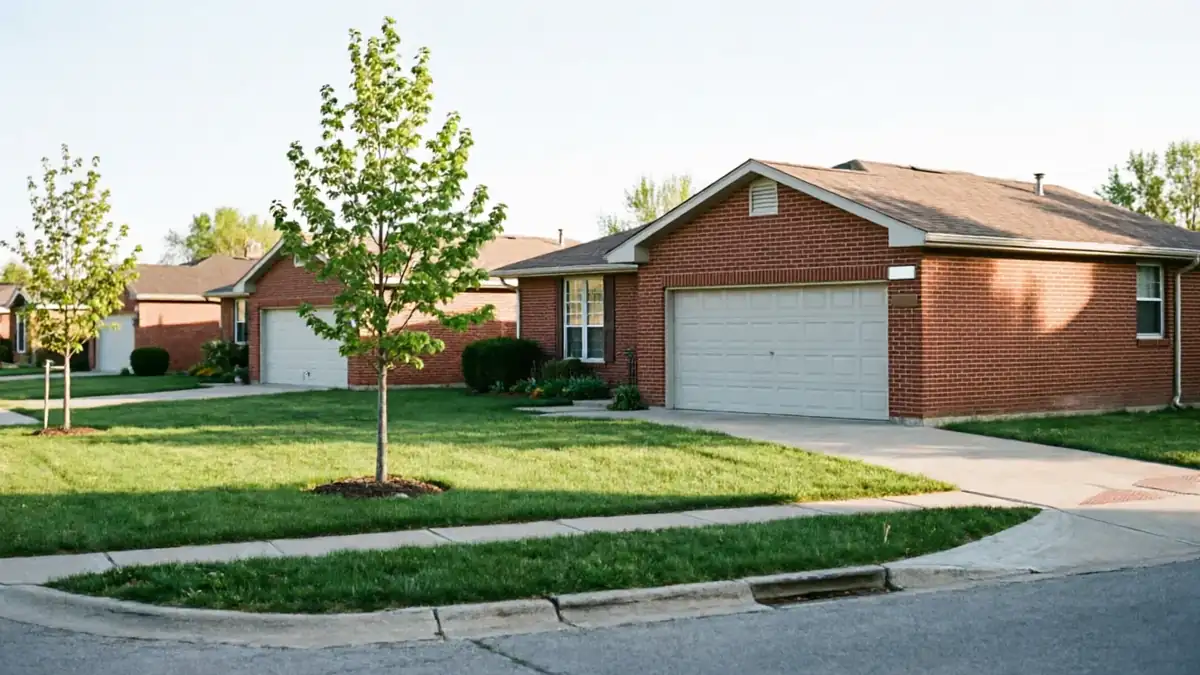
Roseville's housing stock sits squarely in the 1960s-70s band that covers most of this service area
So the hardware we see here repeats: extension springs in the 150-175 lb range for single doors, torsion springs sized for 7-foot steel sections, and galvanized lift cables sized for the older drum style rather than the newer low-headroom tracks you find on newer builds. We carry the common gauges on the truck.
What we don't carry are parts for doors that were custom-built decades ago in a style nobody manufactures anymore
Wood panel doors with non-standard track widths, mostly. If your door falls into that category, we'll tell you up front that the part has to be special-ordered, and that changes the timeline. It's a small number of houses, but it's an honest limitation worth stating rather than promising same-day on something we can't deliver.
How It Shows Up
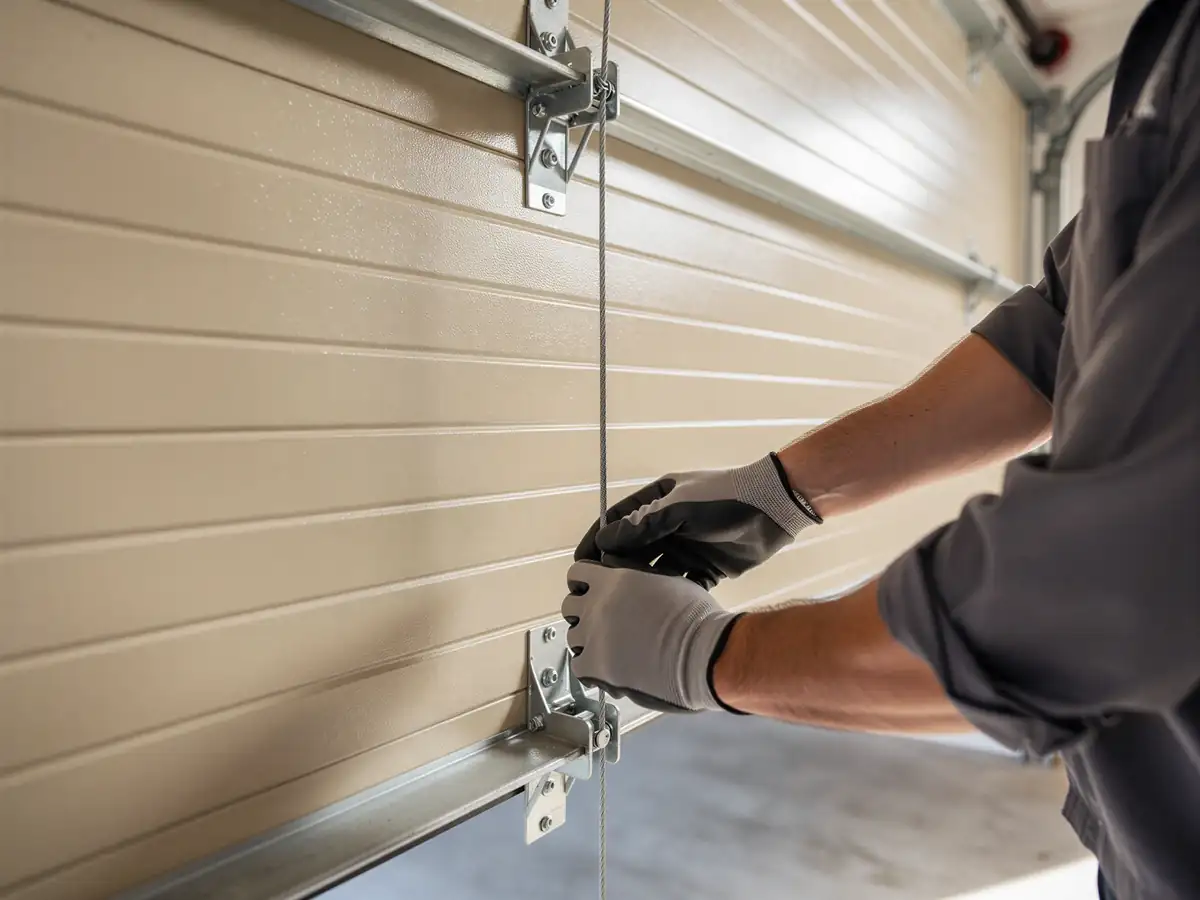
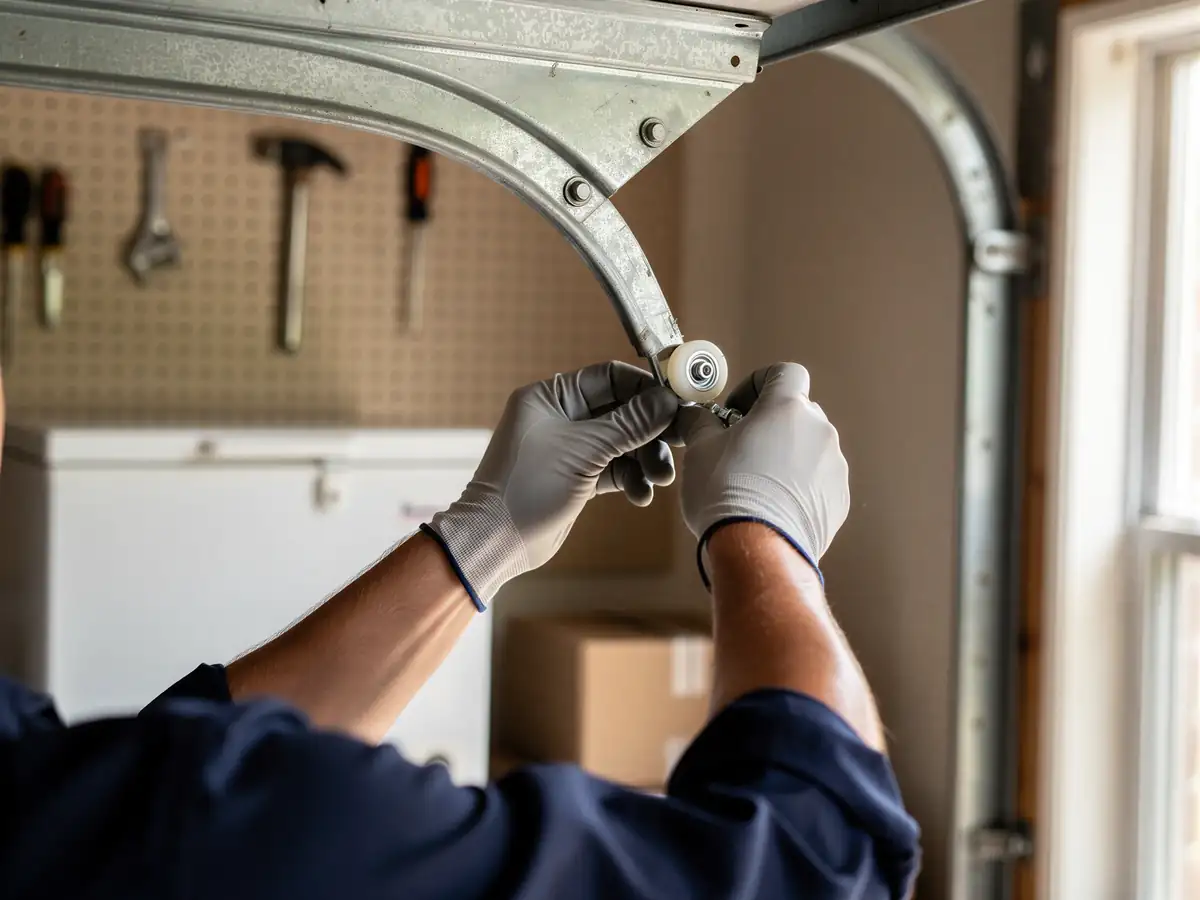
On a 1968-era door, the failure pattern is predictable. The door gets heavier to lift by hand over a few weeks as the spring loses tension - most owners notice it when the opener starts straining, making a louder motor sound before the door moves. Cables fray at the drum end first, since that's where they flex every cycle. Rollers on the original steel track wear oval instead of round and start rattling before they jump the rail entirely.
Because a lot of these garages were built with a single-car or narrow two-car opening, we also see more track misalignment from decades of minor bumps - a bike, a bumper, a ladder leaned against the rail. The symptom is a door that binds on one side a few inches from full close. None of this is unique to any one house in Roseville, but it is consistent across the housing stock here, which is older than a lot of newer development to the east.
What Can Go Wrong
The spring is the main risk on a door this old, full stop. A torsion spring that's never been replaced on a house built in 1968 has had over fifty years to accumulate microscopic fatigue, and it tends to fail without warning rather than gradually. The second risk is the cable-to-drum connection, which on original hardware is often a style we don't see on anything built after the 1980s - it holds, until it doesn't, usually on the coldest morning of the year when the steel contracts.
That timing isn't coincidence. This area sits in a cold climate band, and a door that's been limping along all fall will often pick a sub-zero morning to finish failing, because the metal is least forgiving exactly when it's coldest and most loaded. We see this pattern enough to plan for it.
Why It Happens Here
Roseville's homes cluster around a 1968 median build year
Squarely inside the 1956-2002 range that defines most of this service area, and squarely in the stretch where steel doors and older spring hardware were standard. That's different from a newer suburb where PVC-wrapped steel and factory torsion assemblies are the norm - here, the hardware is older, and it's had more winters to work on it.
Roseville runs about 15,586 households, smaller than the roughly 168,356 households spread across the full area we cover
And its median household income of $88,440 sits a bit under the area-wide figure of $93,233. We mention that because it shapes the calls we get: more repair requests to extend a door's life, fewer full-replacement calls on a whim. We drive the 14 miles out from Woodbury for both kinds.
- 14 miles