The DIY Question
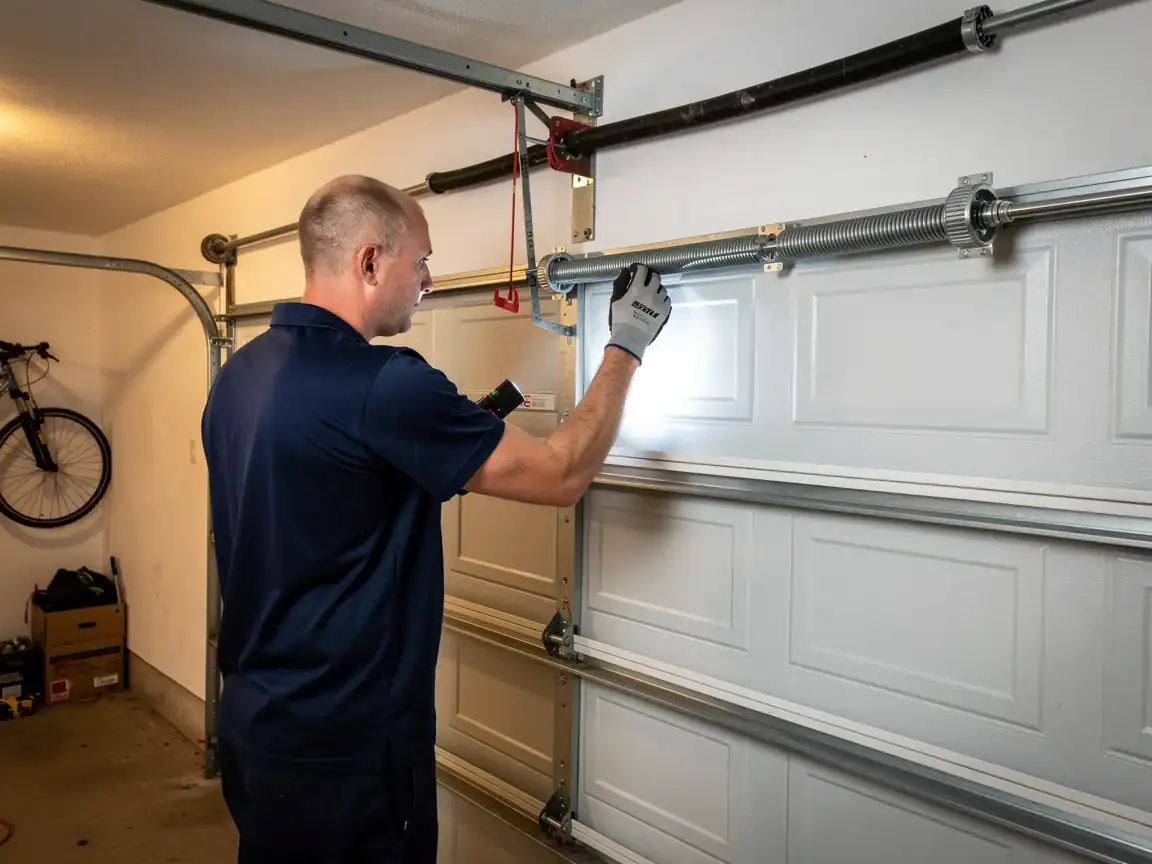
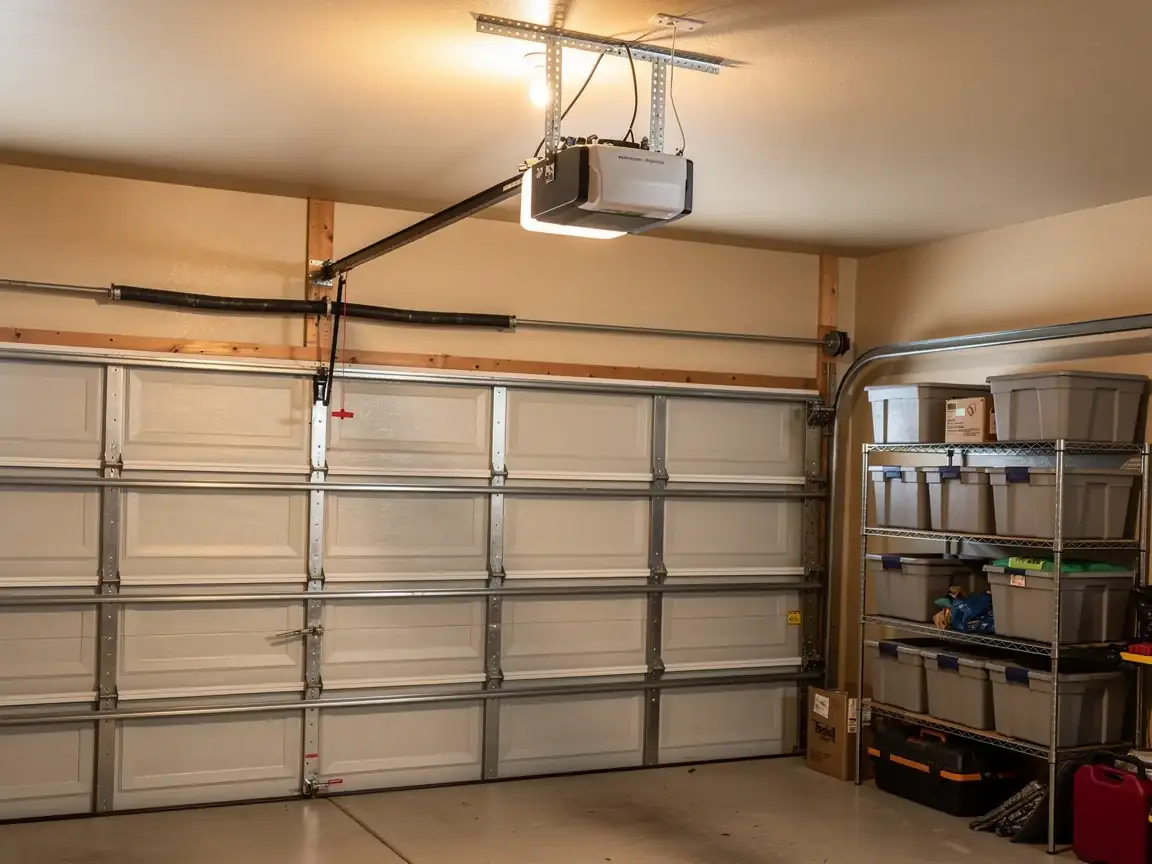
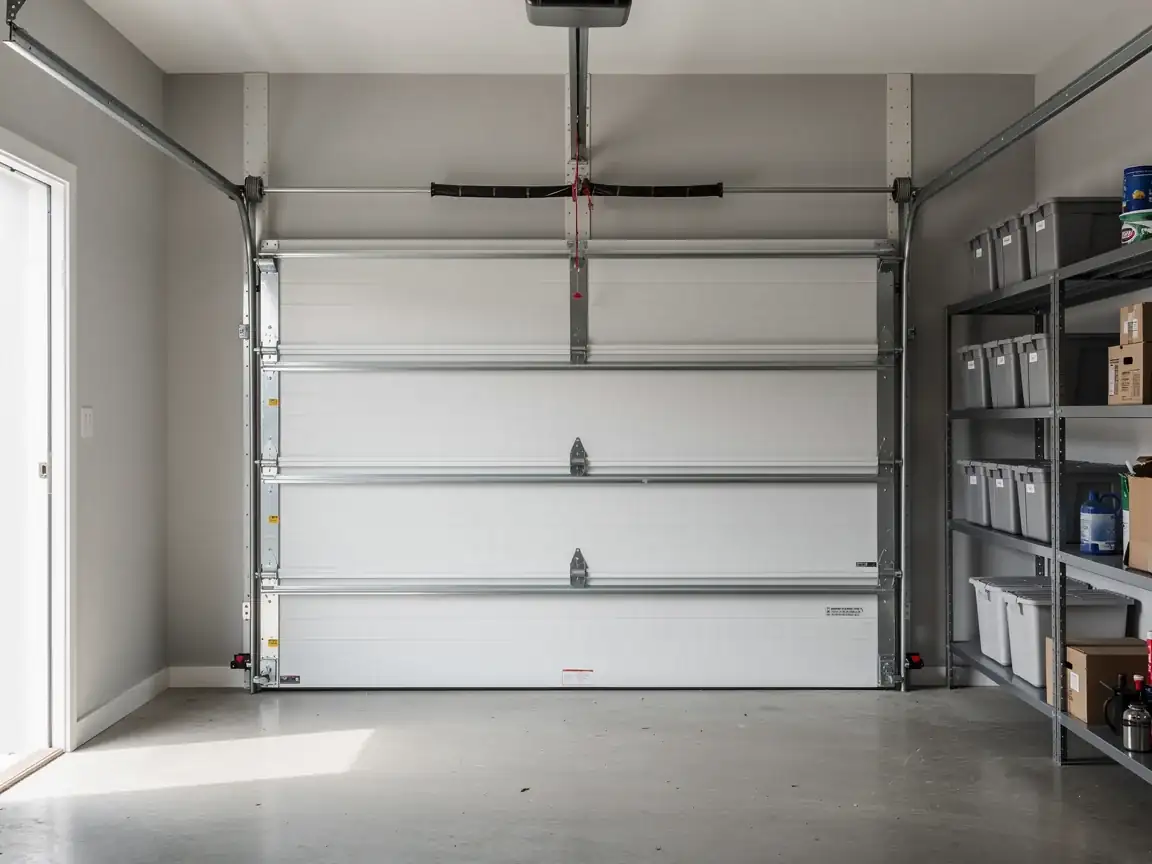
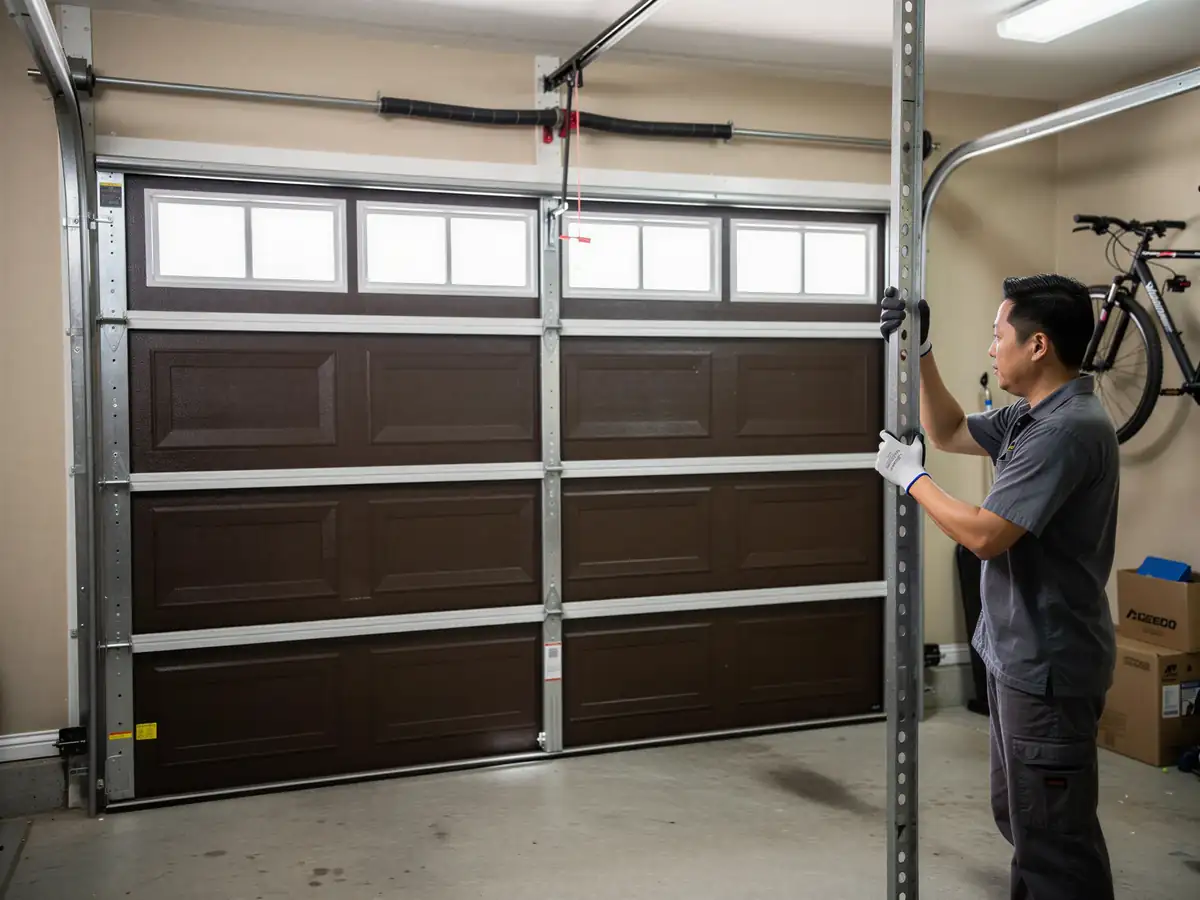
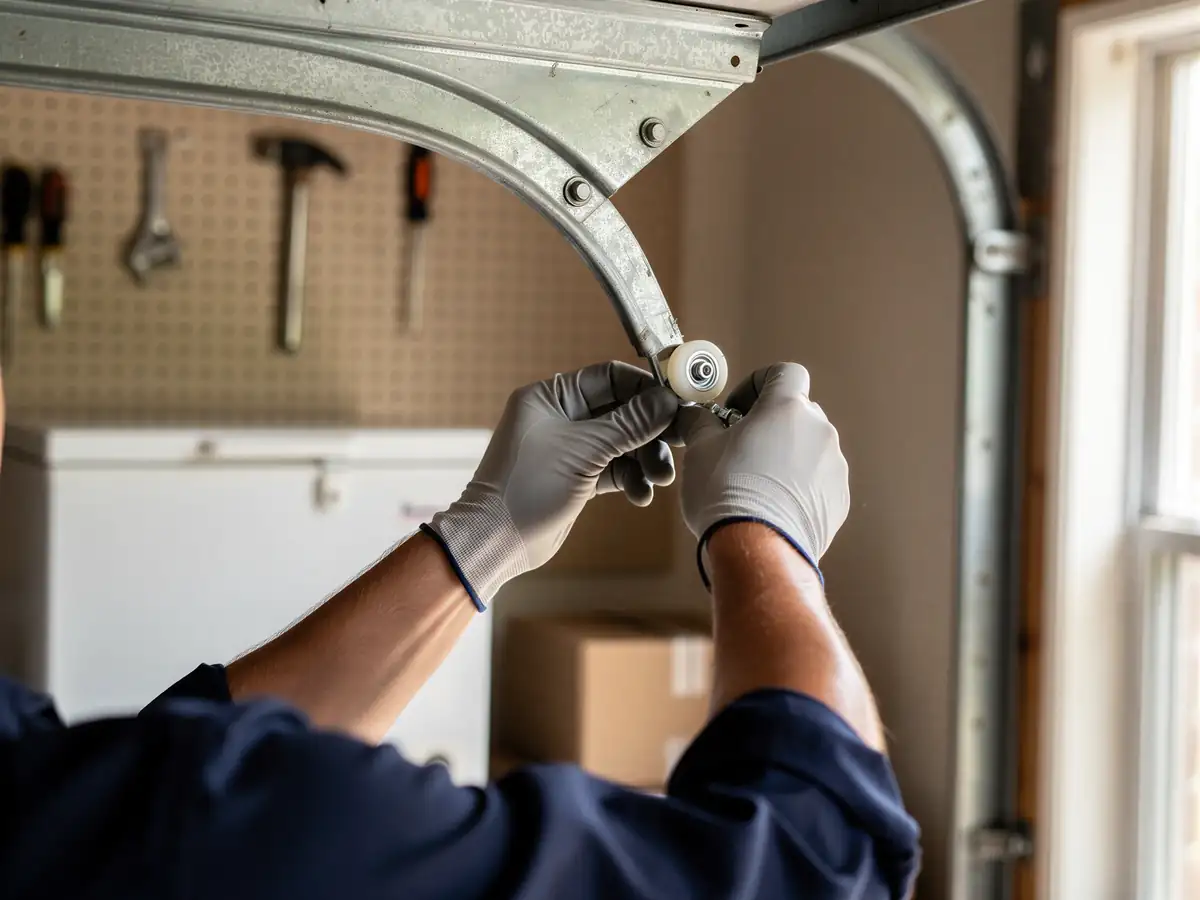
Roseville's housing stock runs older than the median for our service area - 1968 here against a 1976 median across the 33 communities we cover. That gap matters for rollers specifically: doors from the late 1960s were hung with steel rollers on 7-inch stems and galvanized track that's narrower than what you'll find at a big box store today. Swap a modern 10-roller kit onto that older track and the roller binds in the curve, which is exactly what a lot of DIY attempts run into halfway through the job. You can replace rollers yourself if you know your stem length and track gauge before you buy. If you don't, you're guessing twice: once on the part, once on whether the door still tracks straight after. We'll tell you straight if a kit from a hardware store will work on your track - sometimes it will. Measuring first saves a second trip for everybody.
What It Costs
We don't post a flat number for roller replacement because the job splits two ways in a town like Roseville: nylon rollers on newer track, or steel rollers rebuilt to match older stem lengths and track width. The second kind takes longer and the parts cost more, because it's not a stock kit - it's matched to hardware from a house built decades before the current roller standard. We'll tell you which one your door needs and price it on the spot once we've measured, not before.
How It Shows Up
A worn roller doesn't announce itself with a bang. It starts as a rhythmic thump every time a panel section passes a particular point in the track - you'll hear it once per rotation, not continuously. Then it's a door that seems to hesitate or jerk at the same spot each time it opens or closes. By the time a roller has worn down to the point of leaving flat spots, the door can jump the track on that side, which is a bigger repair than the roller itself. Catching it at the thumping stage is cheaper than catching it at the jumped-track stage.
What Can Go Wrong
On the older steel-roller doors still common through Roseville, the roller stem can seize into the hinge over years of rust, so pulling the roller also pulls or cracks the hinge plate it's seated in - a straightforward roller swap becomes a hinge repair mid-job. On nylon rollers, cold-season cracking is the main failure mode; a nylon roller that's gone brittle can shatter rather than simply wear down, and you'll find the pieces in the track. Either failure, left alone, eventually puts uneven stress on the opener as it fights a door that's binding instead of rolling - which is a separate, more expensive call.