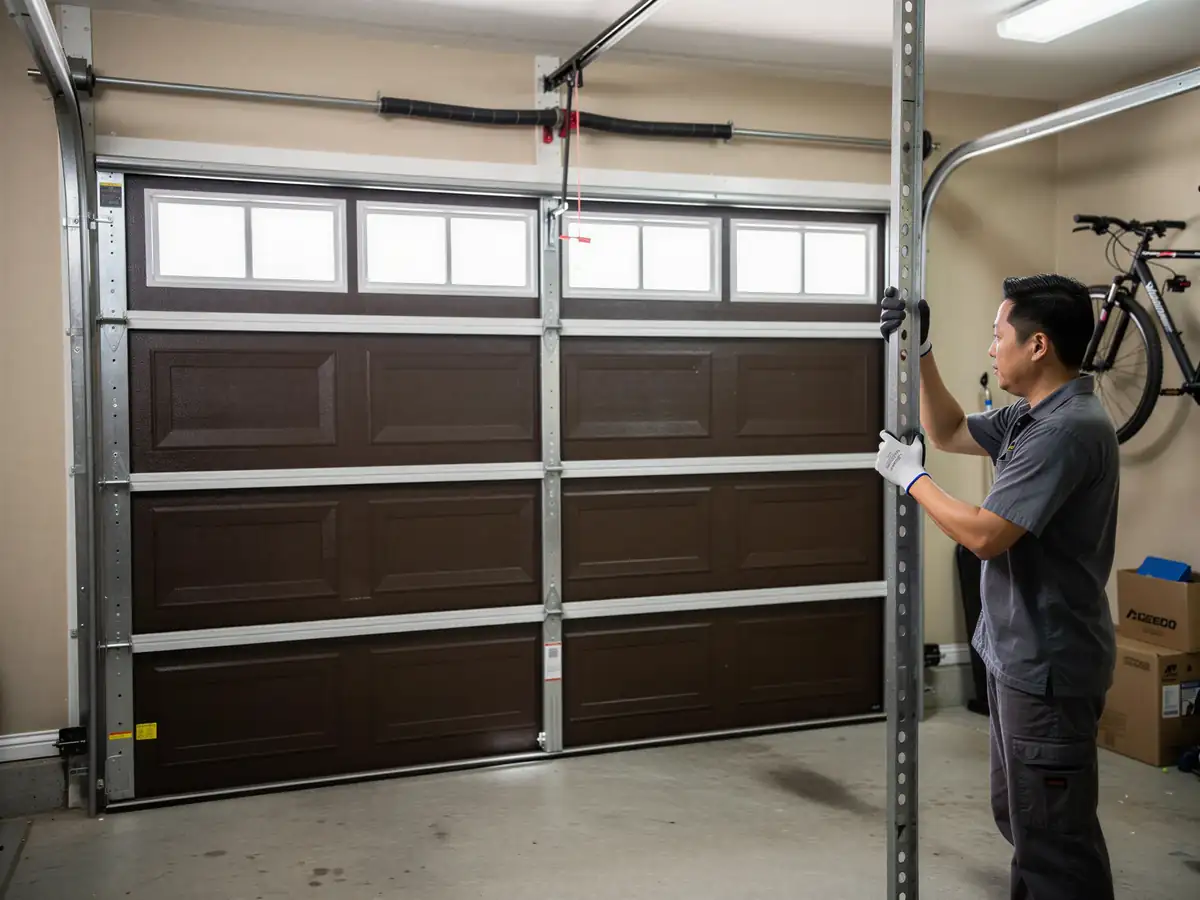
The DIY Question
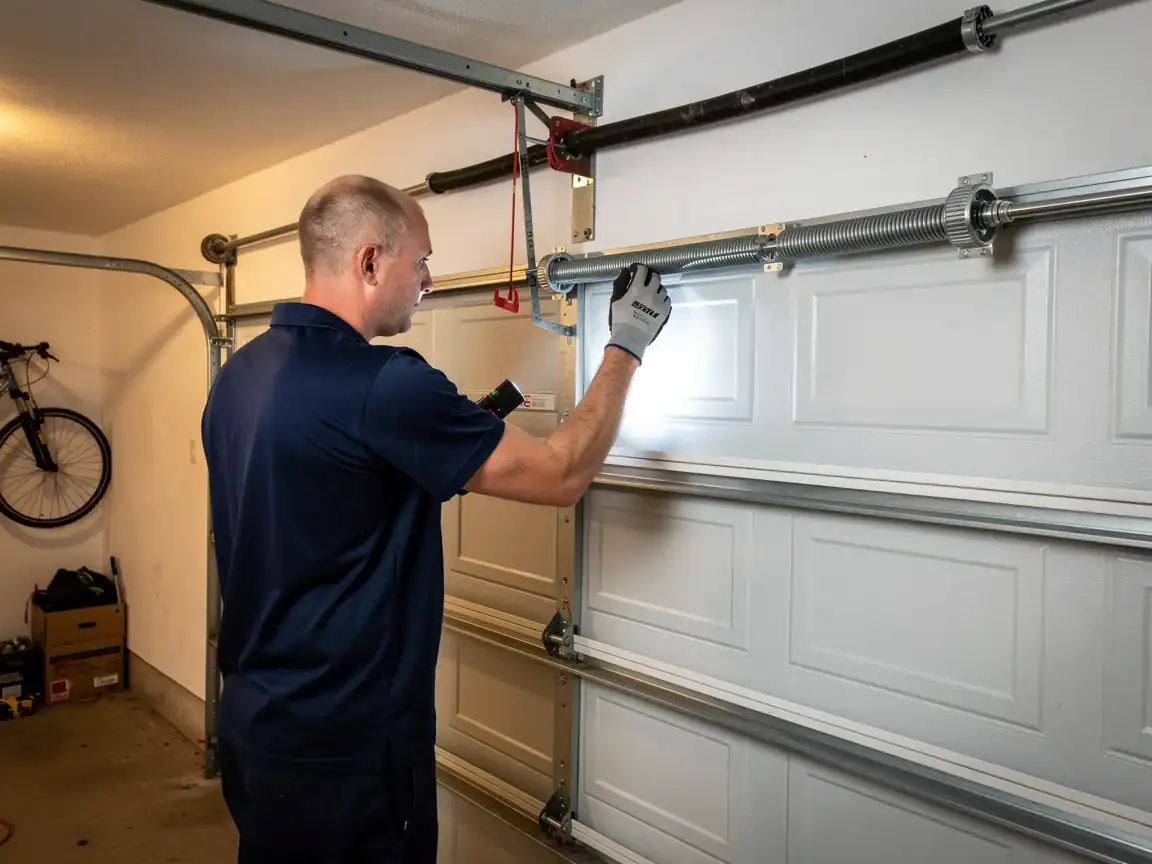
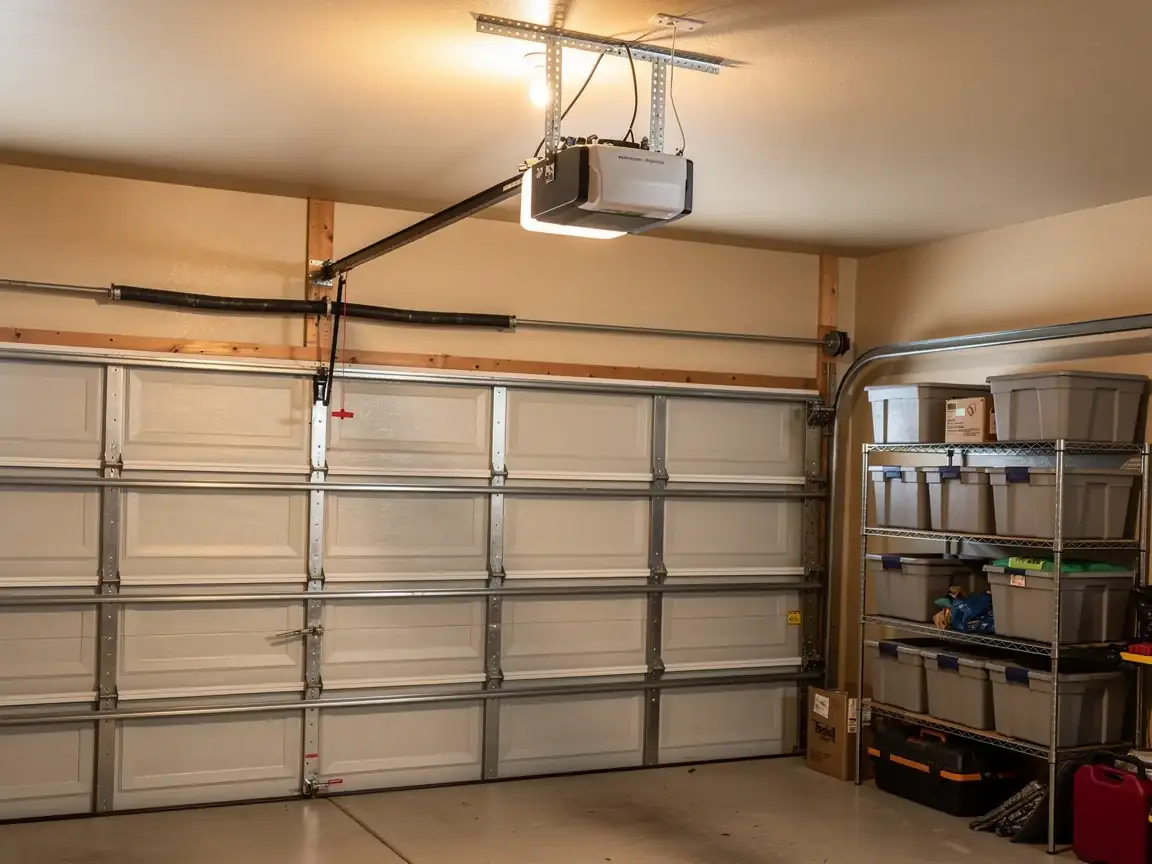
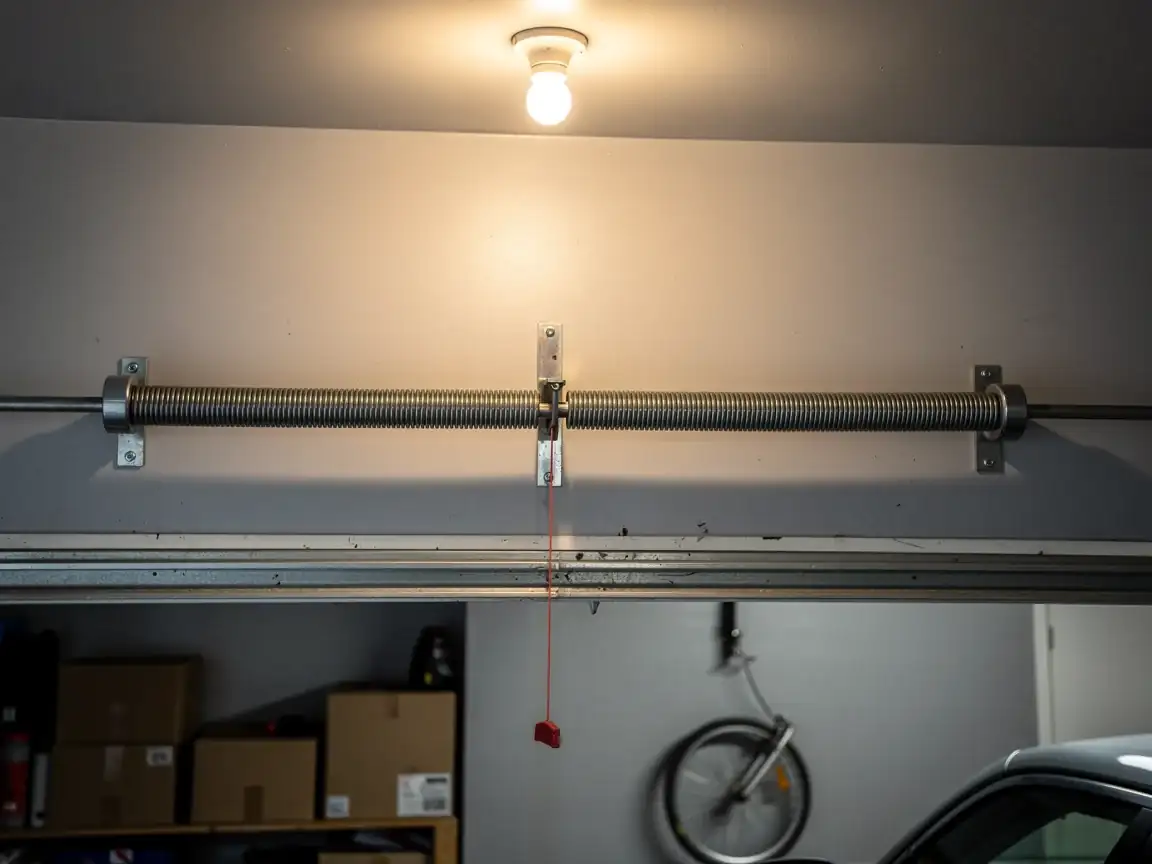
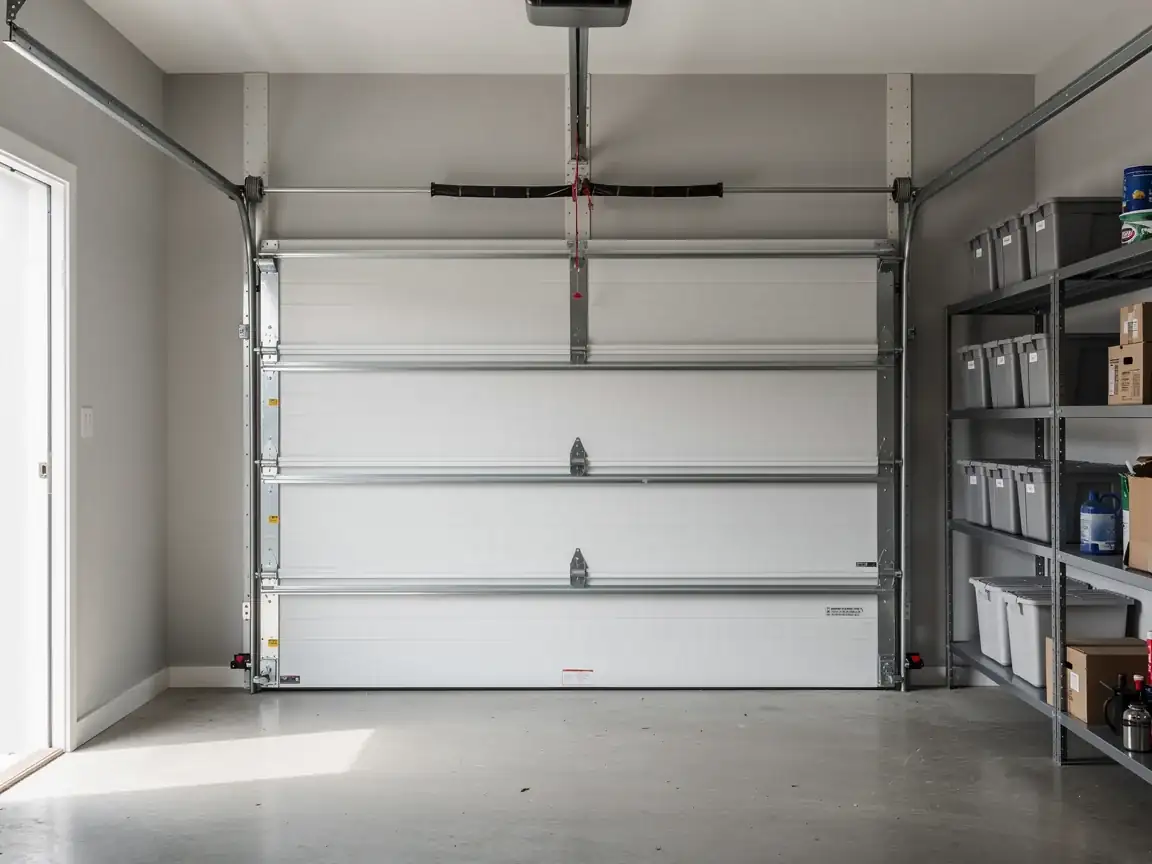
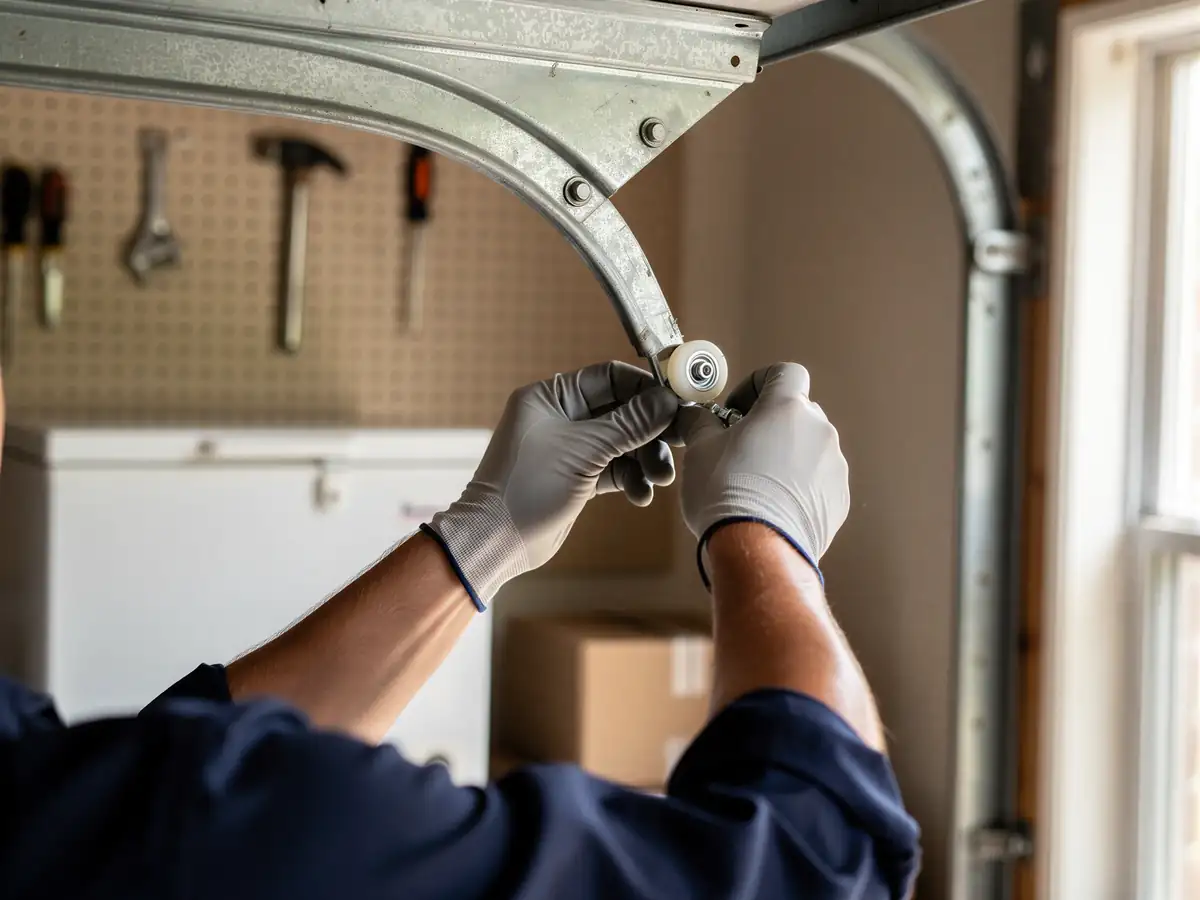
If your house in Roseville was built anywhere near 1968, the odds are good that the spring, the track brackets, and the cable drums bolted to your header are the same ones the builder installed. Nobody's pulled them out to inspect them, let alone replace them, because they still technically work - until the day they don't. That's the trap with DIY on a door this old: a YouTube video shows you how to wind a torsion spring, but it doesn't tell you that the bracket it's mounted to has been flexing under load for over fifty years and may let go the moment you put a wrench on it. Swapping a cable or an opener gear kit yourself is reasonable. Touching a wound spring or a bent track on hardware this age is not - the failure mode isn't a stuck door, it's a steel bar under 150 lbs of torsion coming off a weakened mount. We'll tell you straight when a job is a twenty-minute fix you could've done yourself, and we'll also tell you when the smart move is to not touch it until we get there.
What It Costs
We don't post a flat number for Roseville calls because what drives the bill is what's actually failed, not the zip code. A broken cable on newer hardware is a different job than a seized torsion spring on a drum that hasn't been touched since the Nixon administration and needs the whole shaft freed up before anything moves again. What we can tell you is what tends to drive cost up on houses from this era specifically: original hardware is often undersized for today's heavier insulated doors, so a spring replacement sometimes means upsizing the spring rather than swapping like-for-like. That's not us upselling - it's the door running the right spring for its actual weight instead of the one a builder spec'd in 1968. We quote after we see the door and the hardware, not before.
How It Shows Up
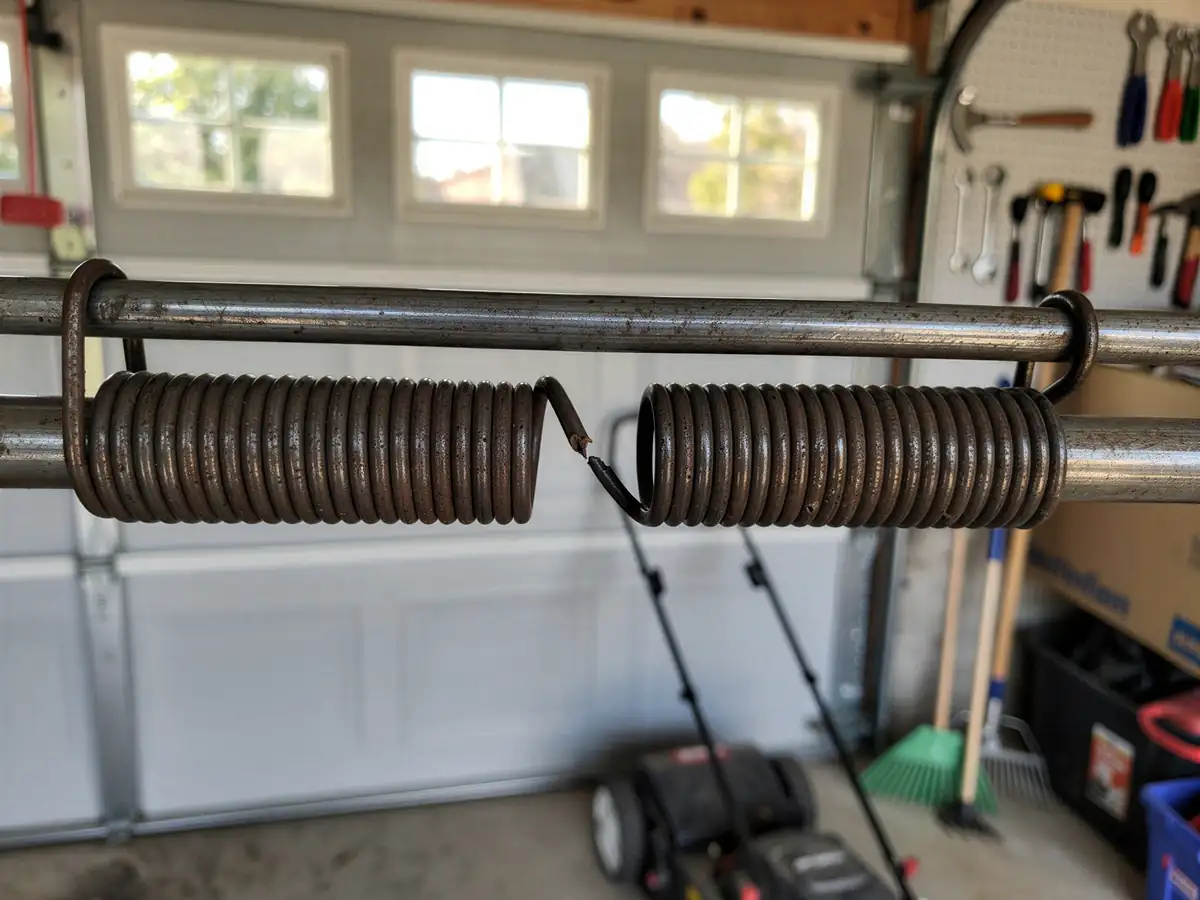
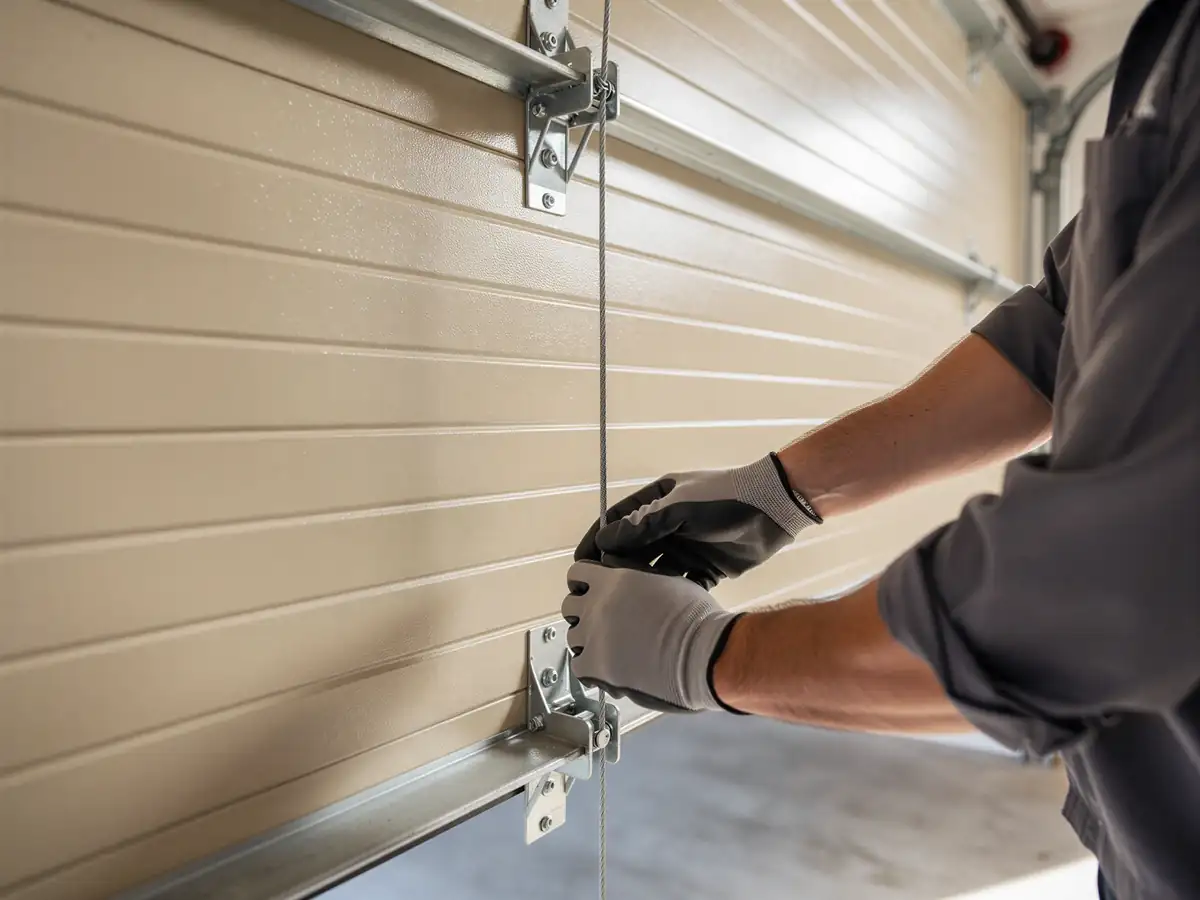
On original hardware, the warning signs are usually mechanical, not electrical: a door that jerks instead of gliding on the way up, a spring that looks like it's got a visible gap when it's supposed to be coiled tight, or a cable that's starting to fray at the bottom roller. Minnesota winters add their own symptom - metal contracts in cold, and a spring that's already fatigued from decades of cycles is far more likely to snap on a sub-zero morning than a mild one. If you hear a loud bang from the garage in January and the door won't budge, that's almost always the spring, and on a house this age it's rarely the first time that spring has been under more stress than it was built for.
What Can Go Wrong
The honest failure we see most on 1960s-70s stock is a spring that's been wound to compensate for sagging track or a bent bracket, rather than the actual problem getting fixed. It holds for a while, then fails suddenly, often taking a cable or a roller with it. Opener motors from a later retrofit can also be mismatched to original door weight, which burns out gears faster than it should. One limitation worth saying plainly: if the door itself is a wood panel original to the build, replacement parts for that exact profile may not exist anymore, and repair stops being the economical choice - at that point we'll say so instead of patching something that'll fail again in a year.