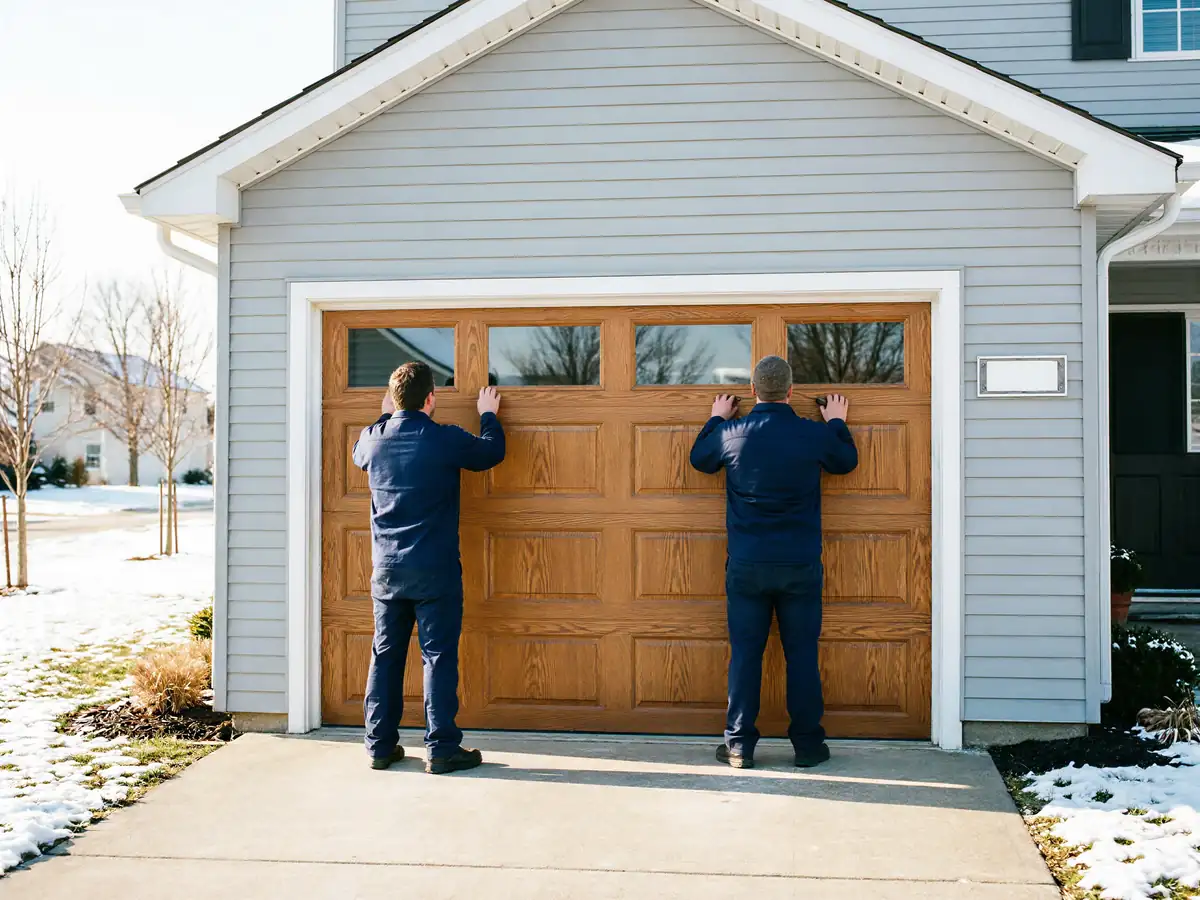
The DIY Question
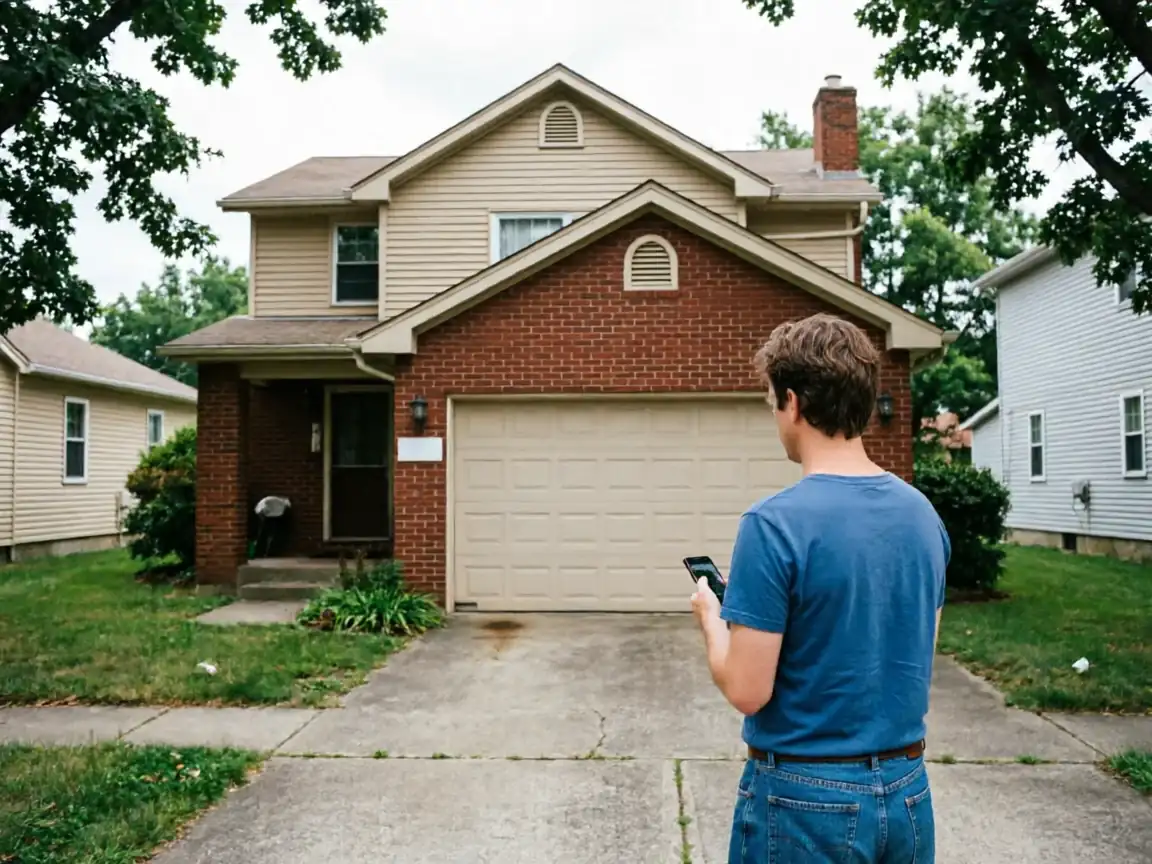
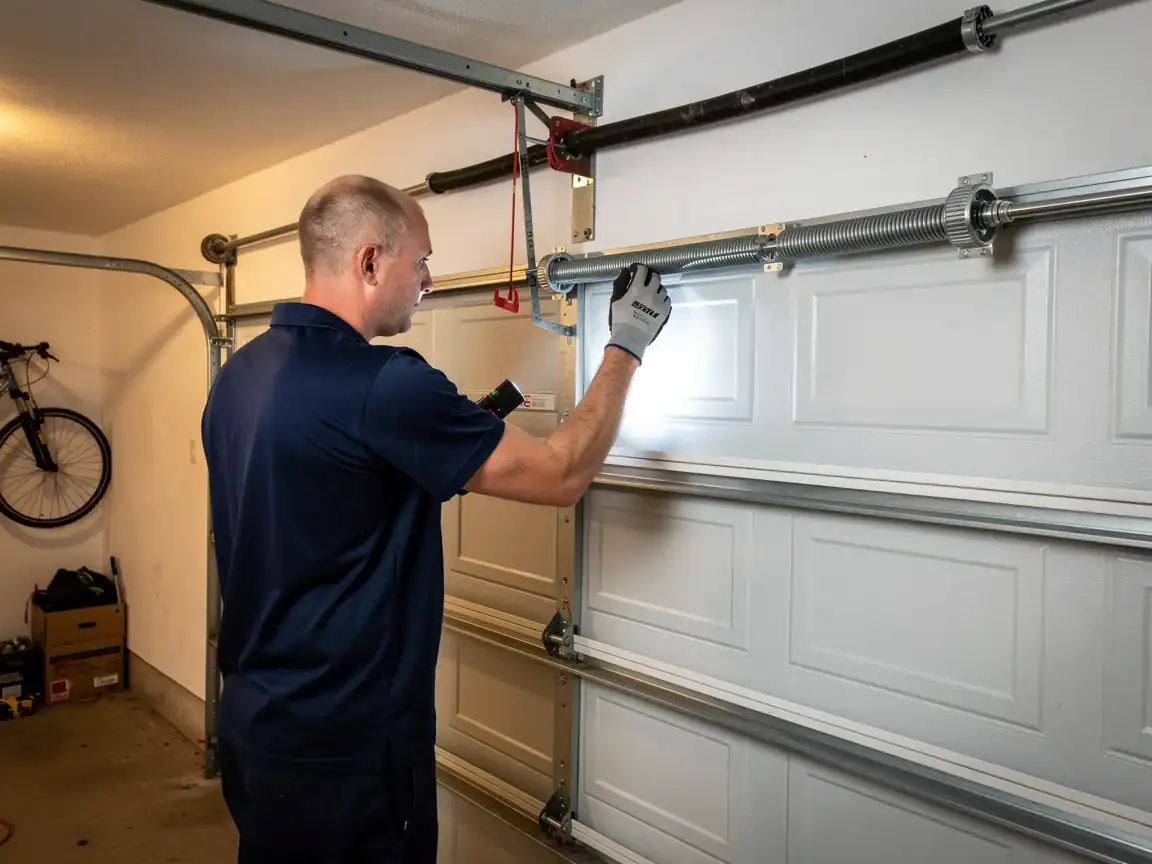
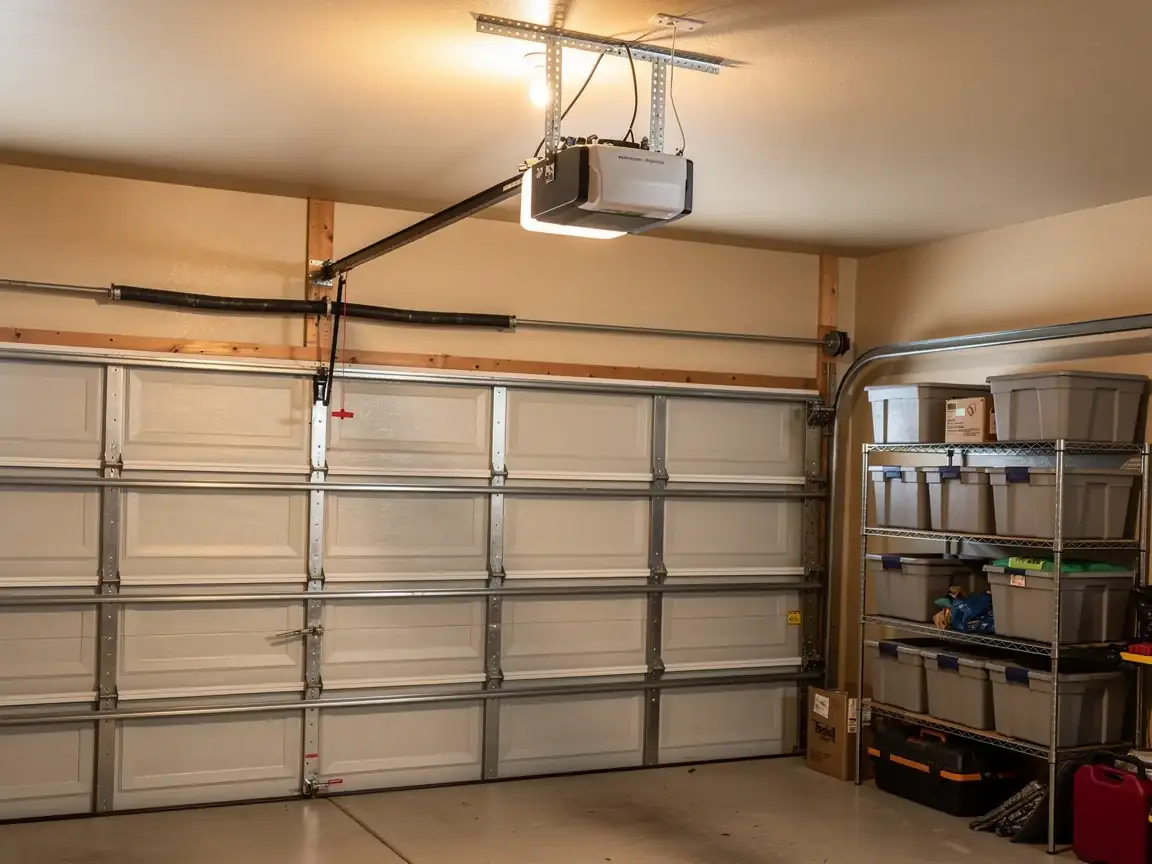
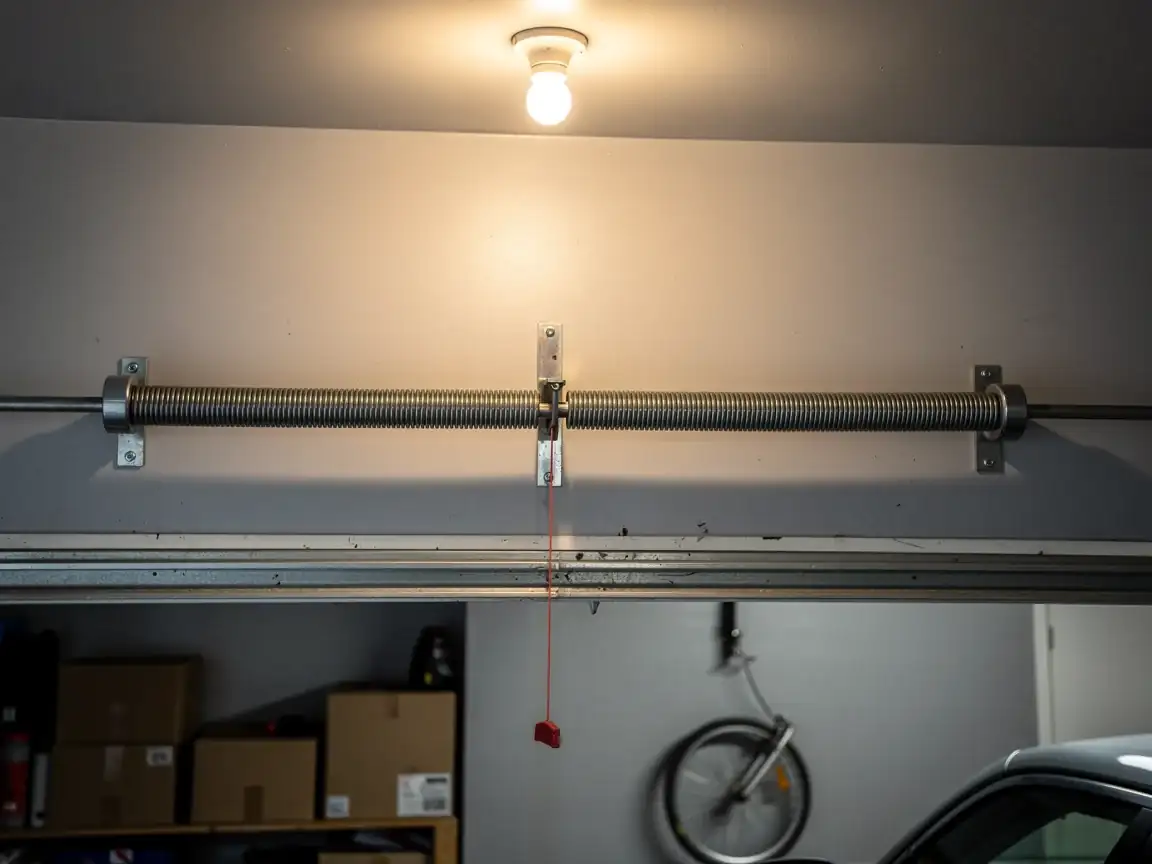
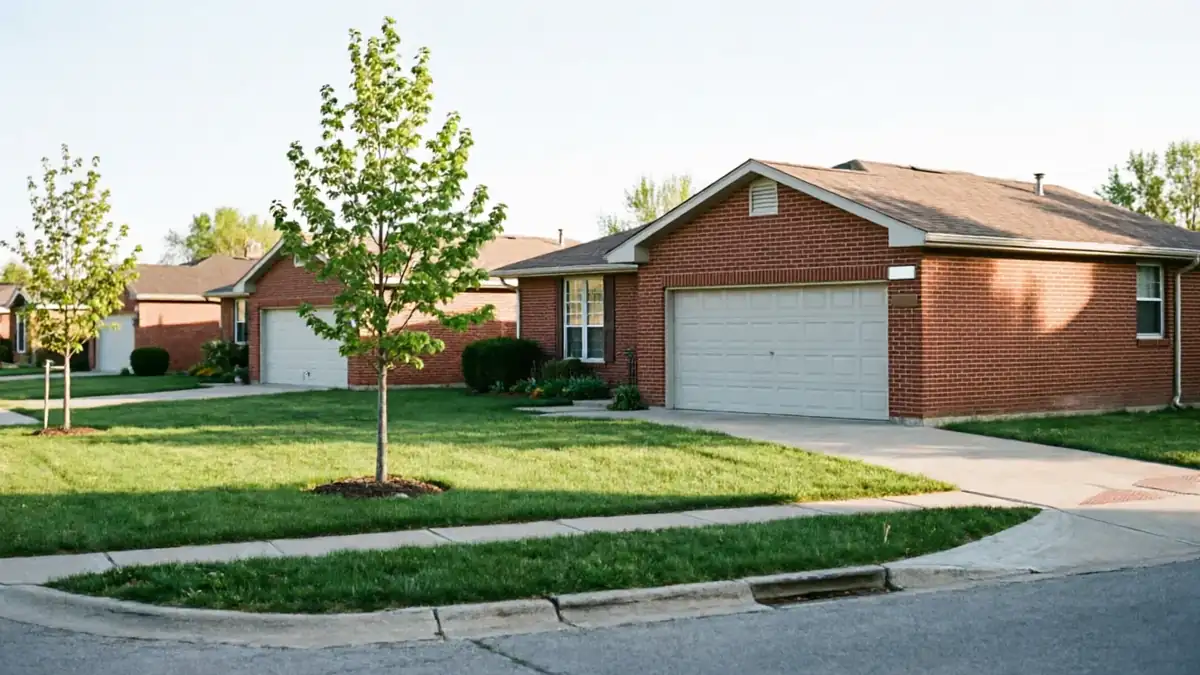
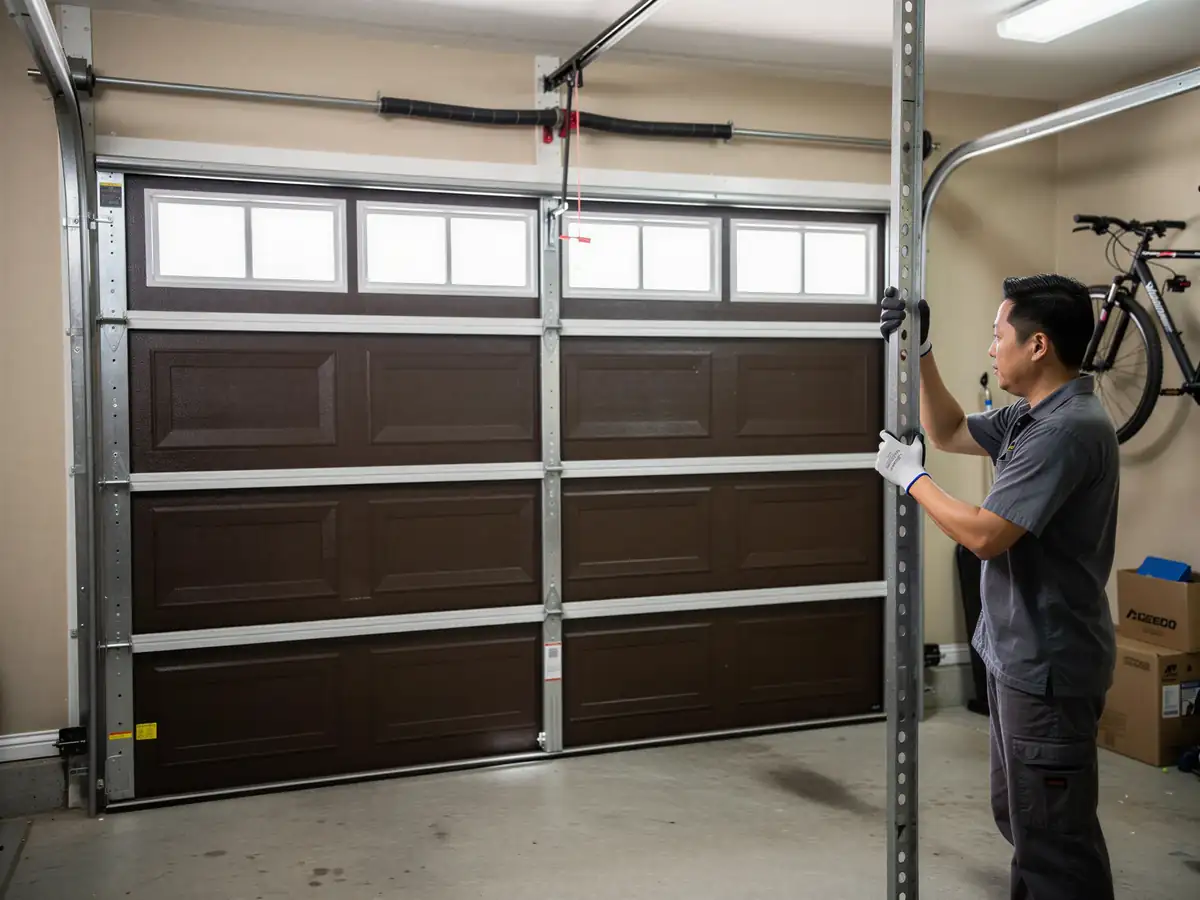
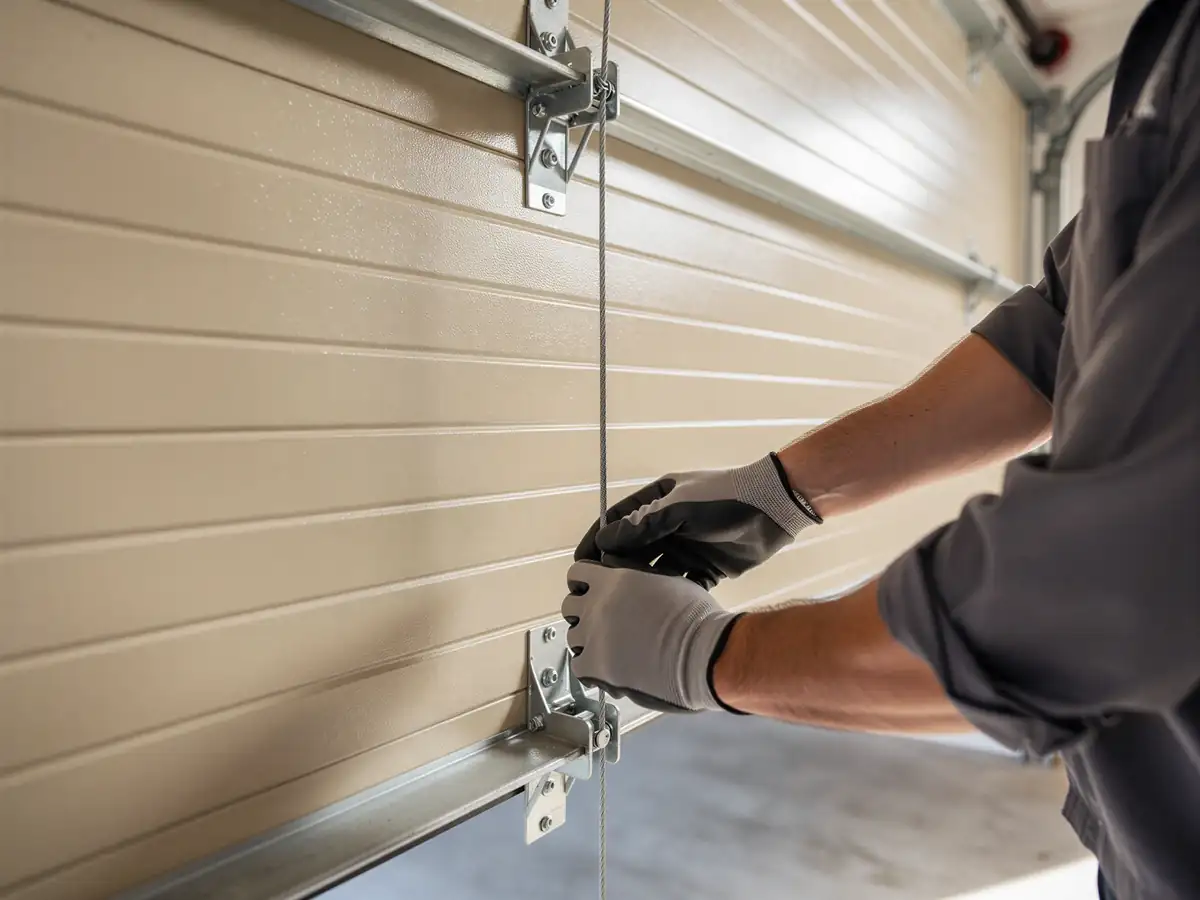
A lot of Roseville garages were framed around 1968, back when steel doors were just starting to replace wood, and openings were cut to whatever hardware was standard that year. That means the rough opening on your garage often isn't a clean match for today's off-the-shelf door sizes without some shimming or header work. A new door isn't a weekend bolt-on job the way a new water heater is. You're dealing with spring tension that can break a hand, a track that has to be plumb to a fraction of an inch, and an opener tie-in that has to match the door weight exactly. We've seen homeowners get partway into a swap and realize the old jamb isn't square to the new panel. If you're handy and want to pull the old door yourself to save labor time, that's reasonable - but let a trained installer set the new springs and track. That's the part that hurts people.
What It Costs
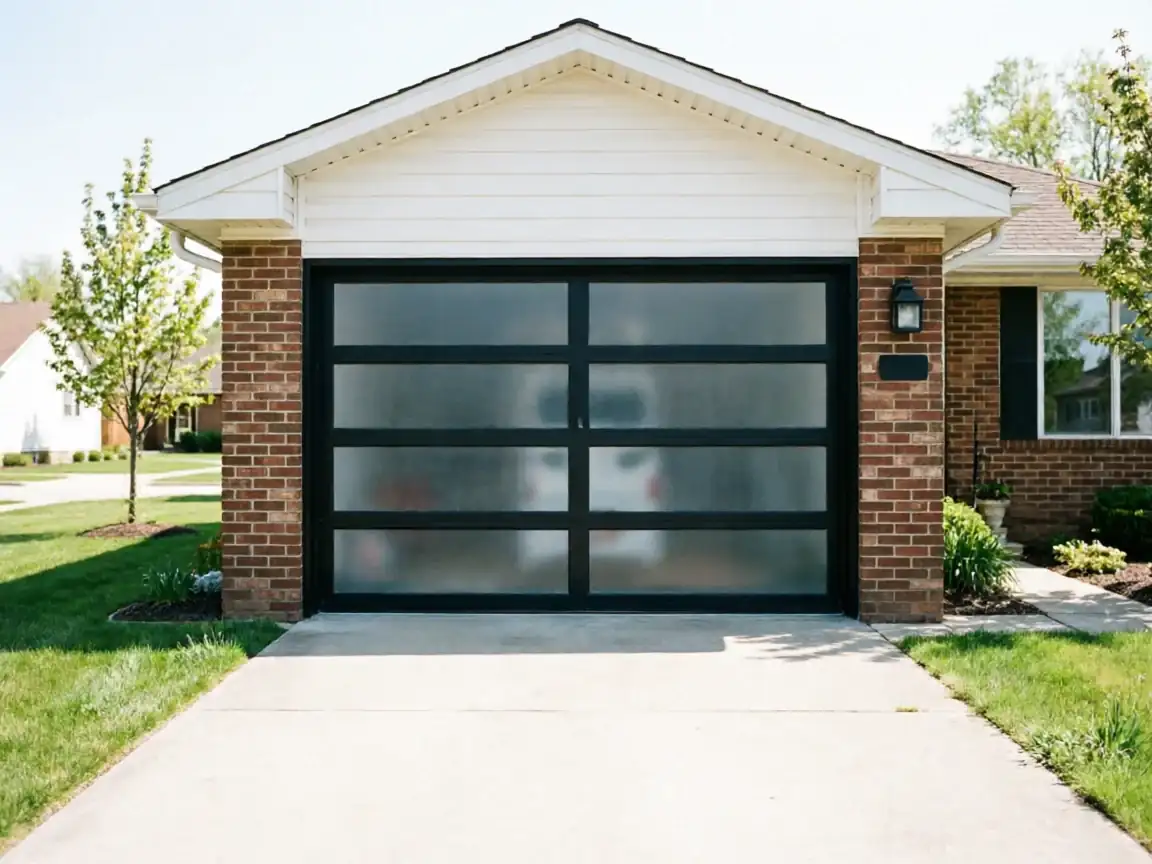
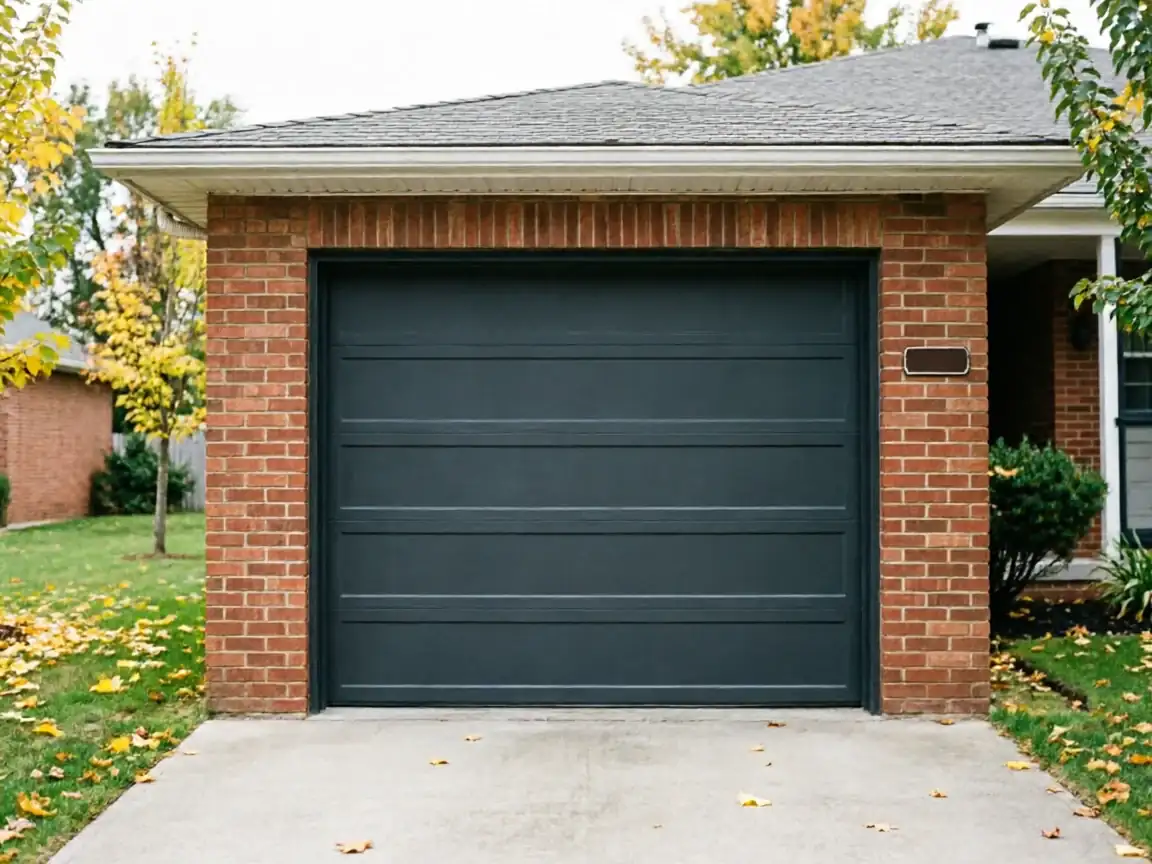
We're not going to quote a number here that doesn't hold up once we've actually seen your opening, your door weight preference, and whether your opener needs to be swapped too. What we can tell you is what moves the price: insulated vs. non-insulated panels, single vs. double door width, and whether your 1968-era opening needs header or track modification to fit a modern door. Homes built in this window in Roseville often have garages sized for older single-car or narrow double configurations, and widening an opening costs more than a straight swap. Median household income here runs close to $88,440, and we size our recommendations to match - we're not going to push a premium insulated door on a garage that just needs a solid, well-sealed panel. Ask for a written estimate before we start; we give one every time, free, before any work begins.
How It Shows Up
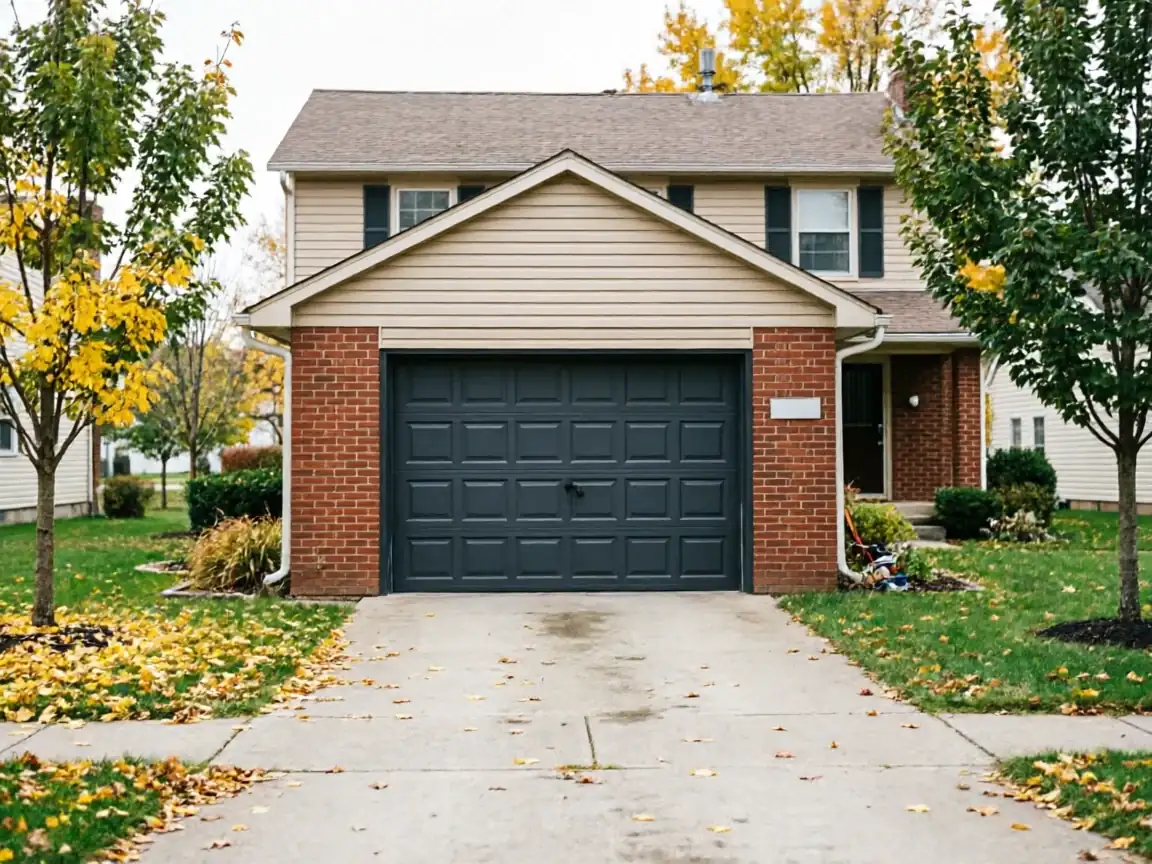
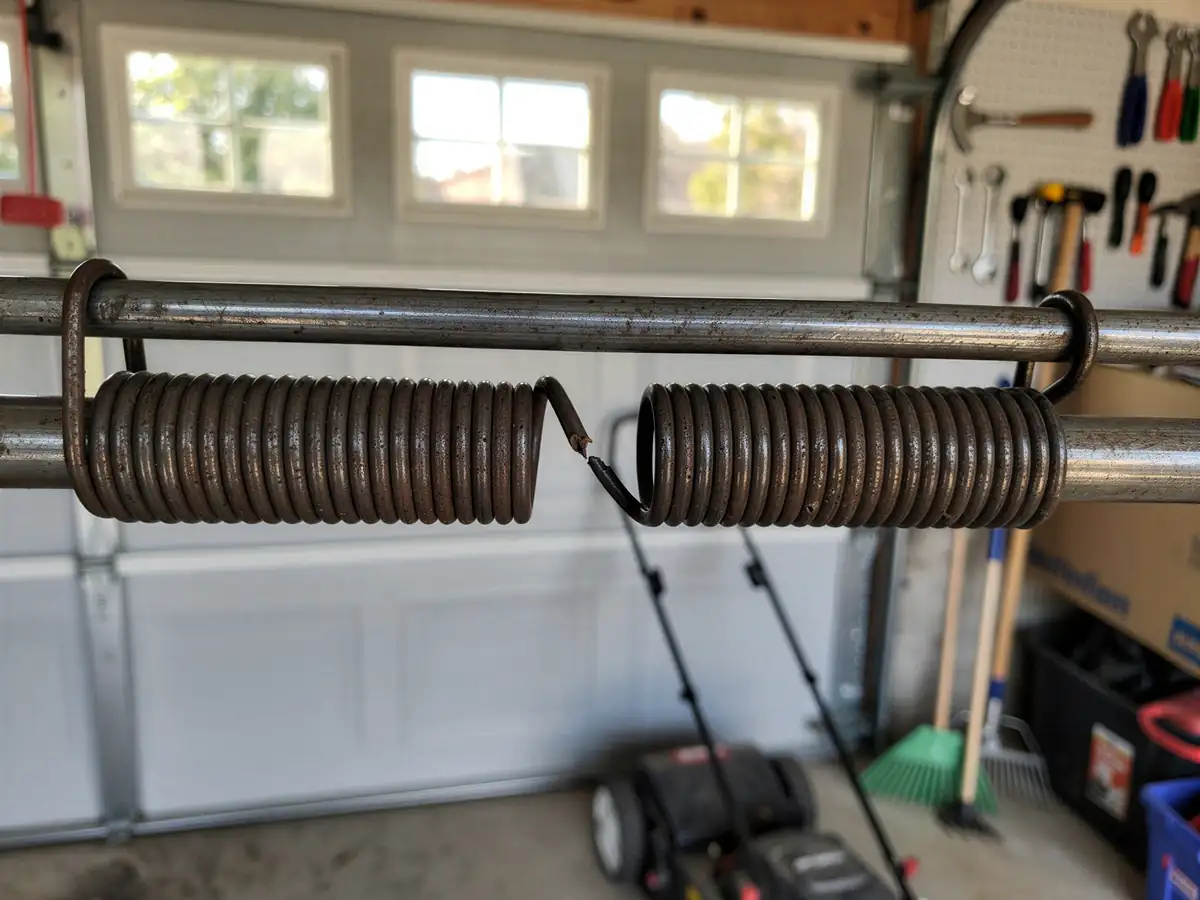
On a house built around 1968, the tell is usually a door that's heavier than its spring can handle anymore, or a track that's been re-shimmed so many times it's no longer straight. You'll notice the opener straining on lift, a door that drops the last foot instead of settling, or a panel that's visibly bowed from decades of a spring doing more work than it was rated for. In Roseville's climate band, cold snaps make old springs more brittle and more likely to let go right when you need the door most, usually a morning you're already running late. None of this means your whole garage is failing - it usually means the door and hardware are past the point where patching makes sense and a full new install is the better money.
What Can Go Wrong
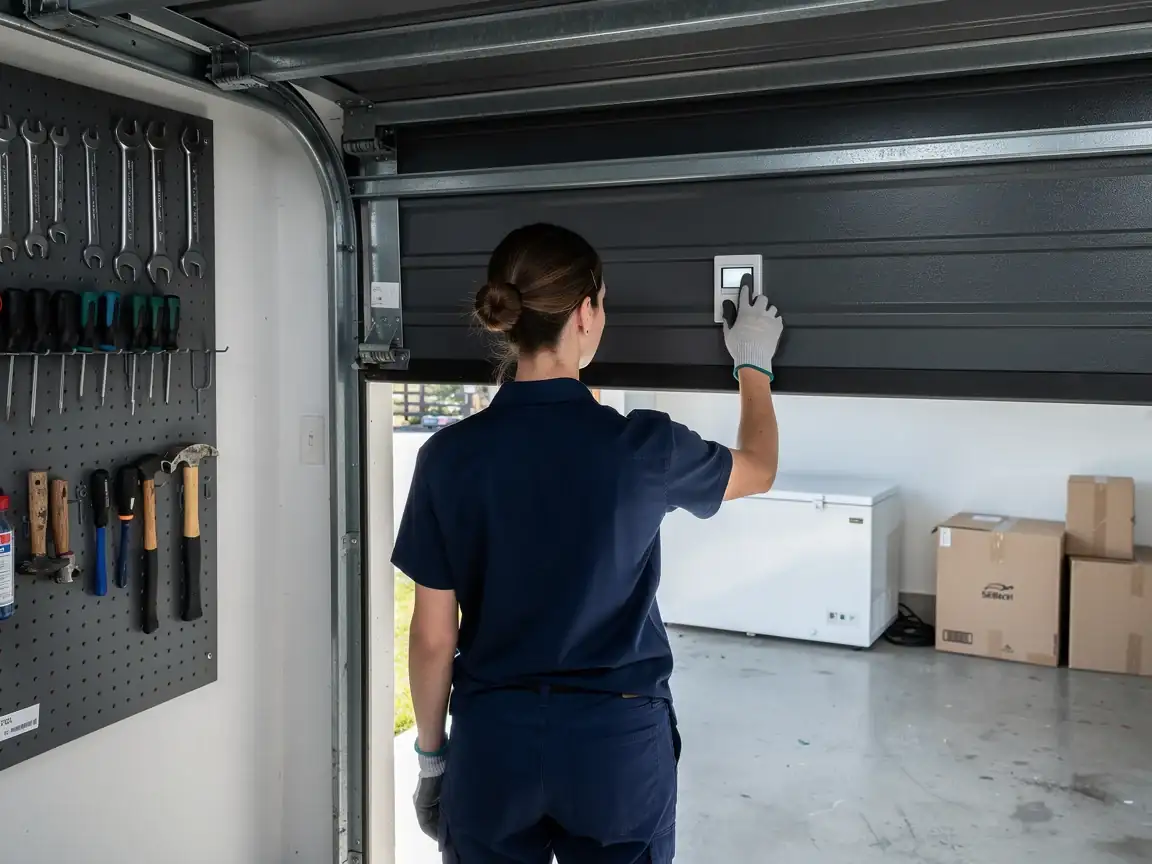
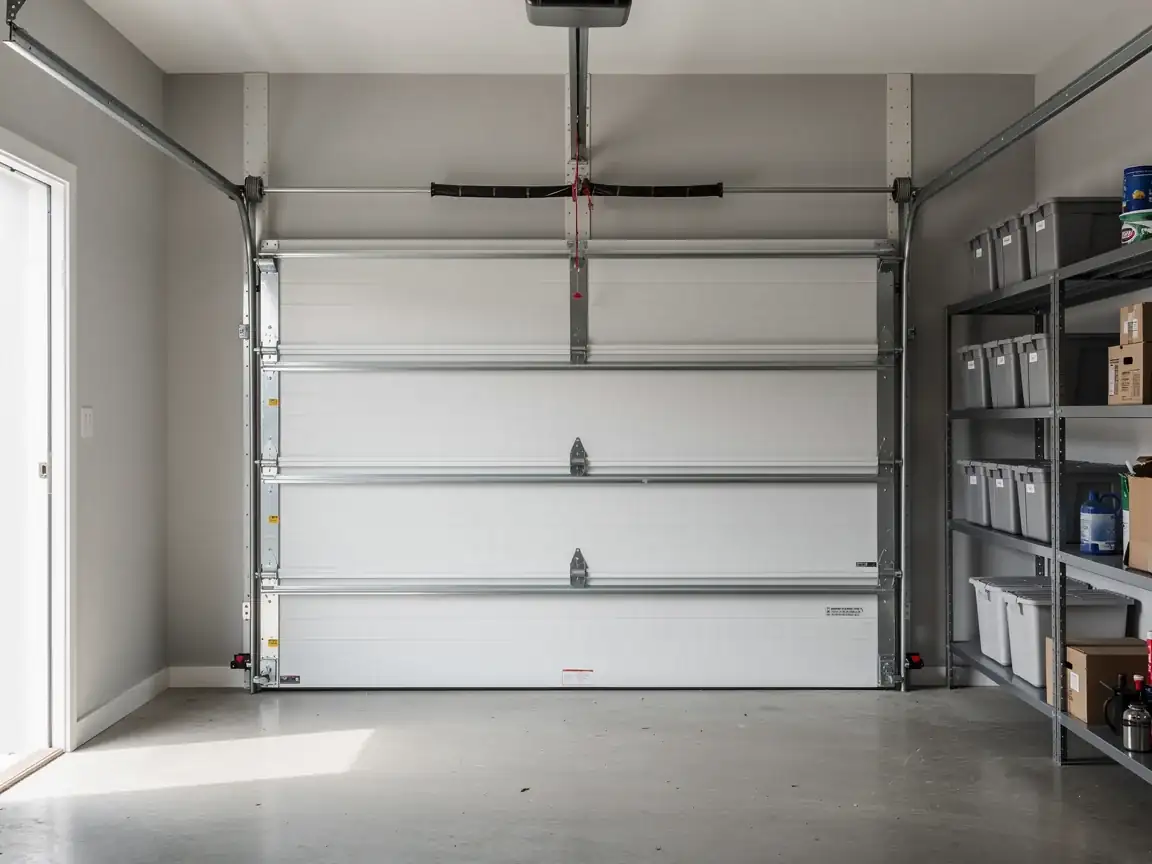
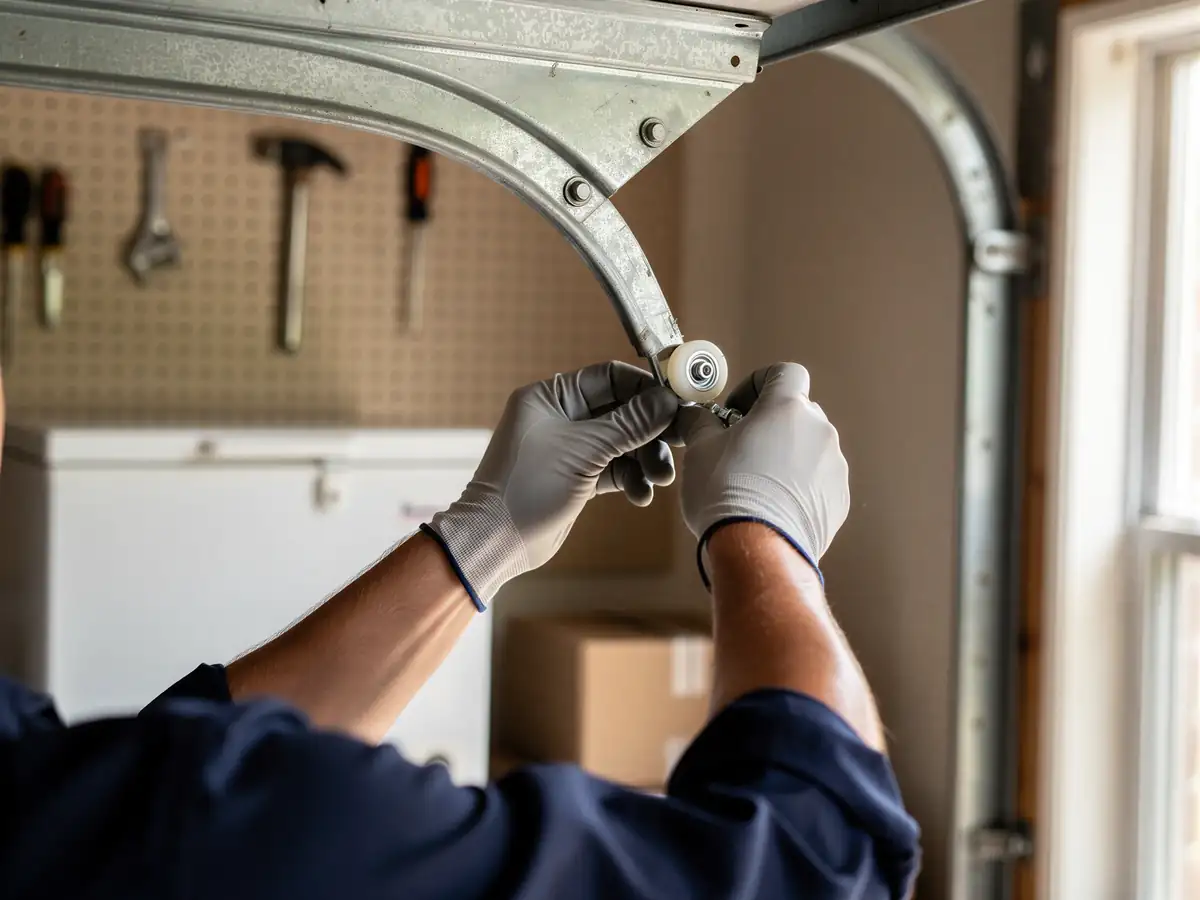
The most common mistake we see on 1968-era Roseville garages is installing a modern door on old track without checking whether the track spacing and headroom actually match. It looks fine for a week, then the door starts walking off the rollers. Another is matching a new, heavier insulated door to an opener that was sized for the old lightweight panel - the opener burns out faster, sometimes within a season. And on openings that were hand-cut to fit back when building tolerances were looser, we sometimes find the jamb isn't plumb, which means the new door needs real carpentry, not just hardware, to seat correctly. We flag all of this before install, not after.