The DIY Question
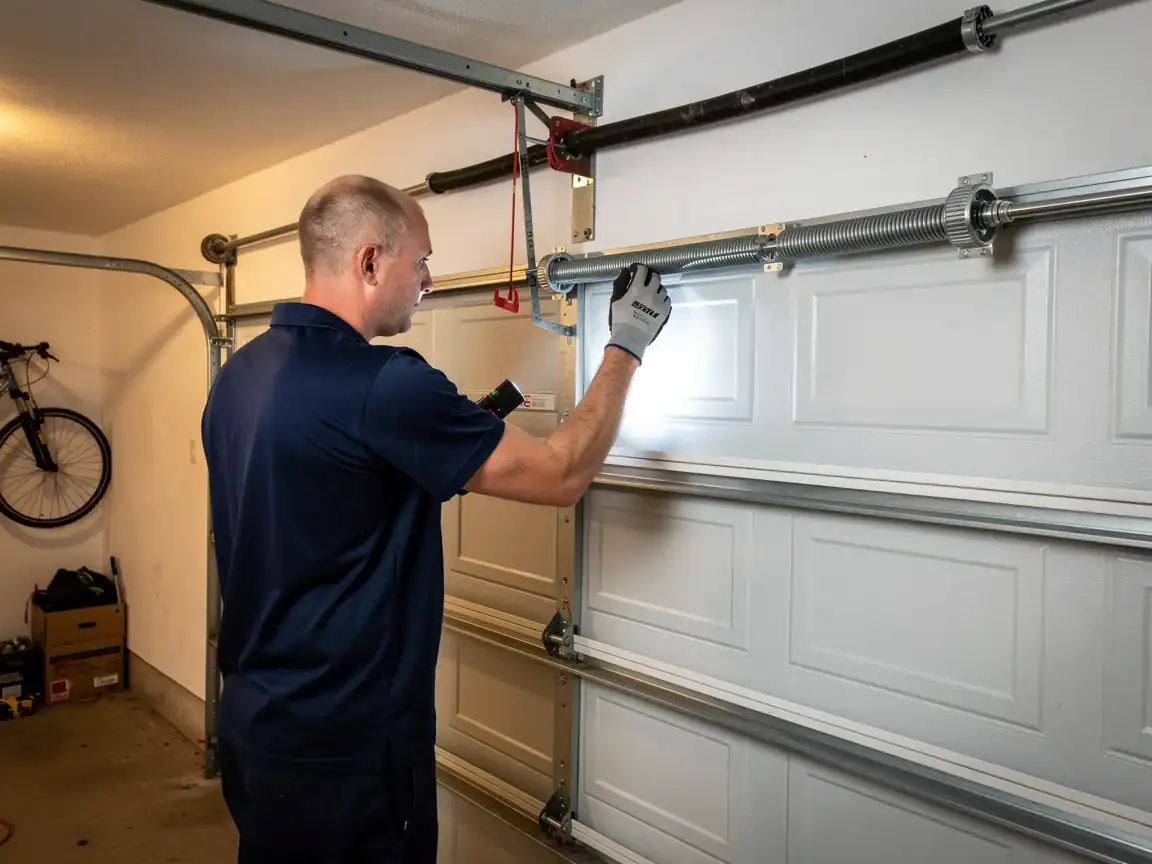
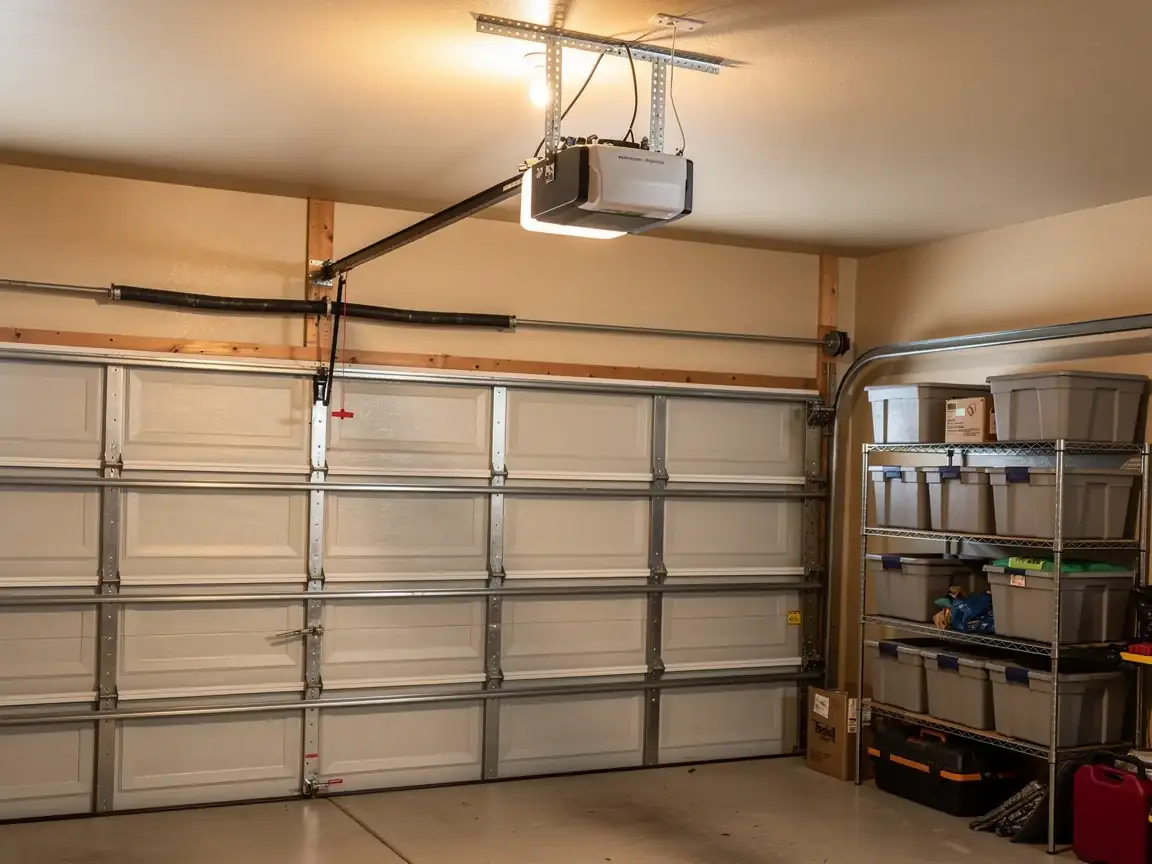
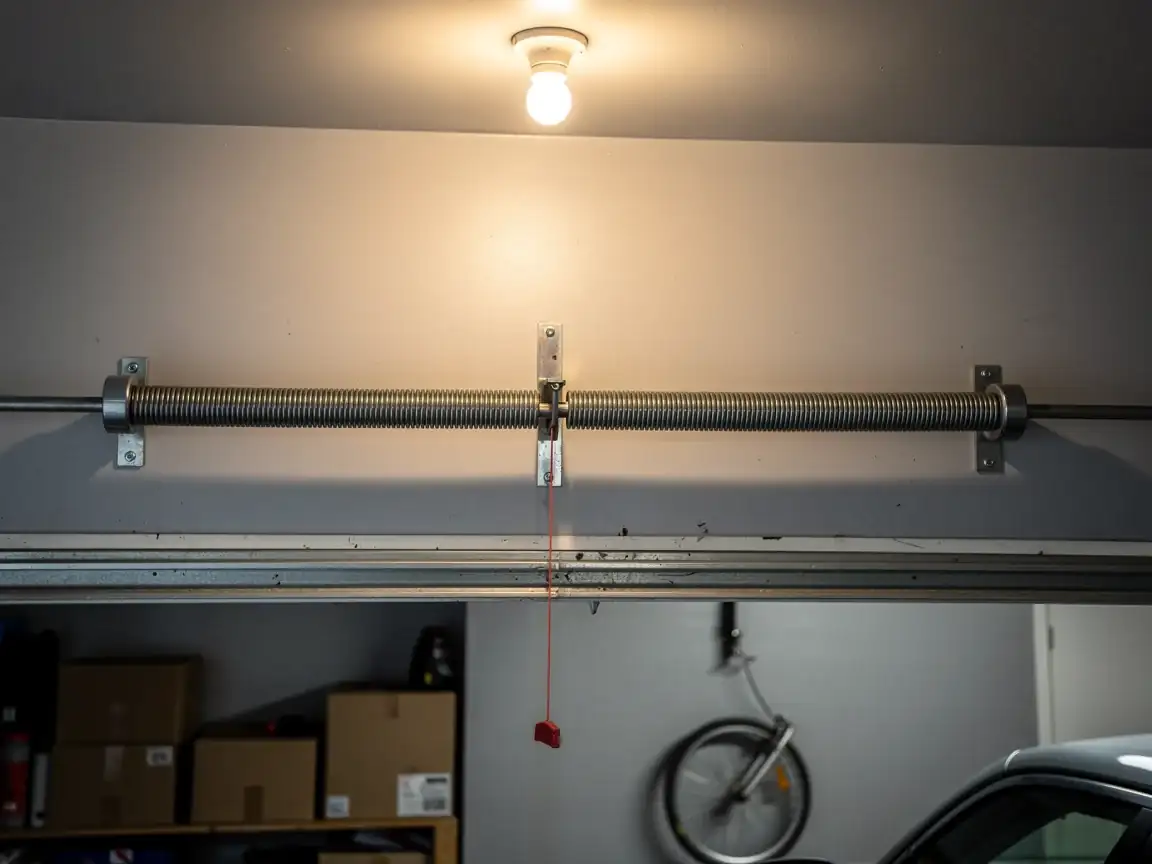
Roseville has about 15,586 households, which is enough housing stock that a handful of calls come in every week from this side of our coverage area alone. Most of what breaks on a Roseville door is not a mystery - a torsion spring lets go, a cable jumps the drum, or the opener trips and won't reset. None of that is a safe weekend project. A wound torsion spring holds enough force to break a hand or a face if it's handled without the right bars and clamps, and a door that drops on a cable with no secondary restraint can come down fast on anything under it, including a person. If the door is stuck halfway or a spring has snapped, the right move is to unplug the opener, keep people and cars clear, and call it in rather than start pulling on hardware you haven't worked with before. We'll say the honest thing here too: if your opener is original to a mid-1970s install, sometimes the fix is a new opener rather than chasing parts for one that's been discontinued for decades.
What It Costs
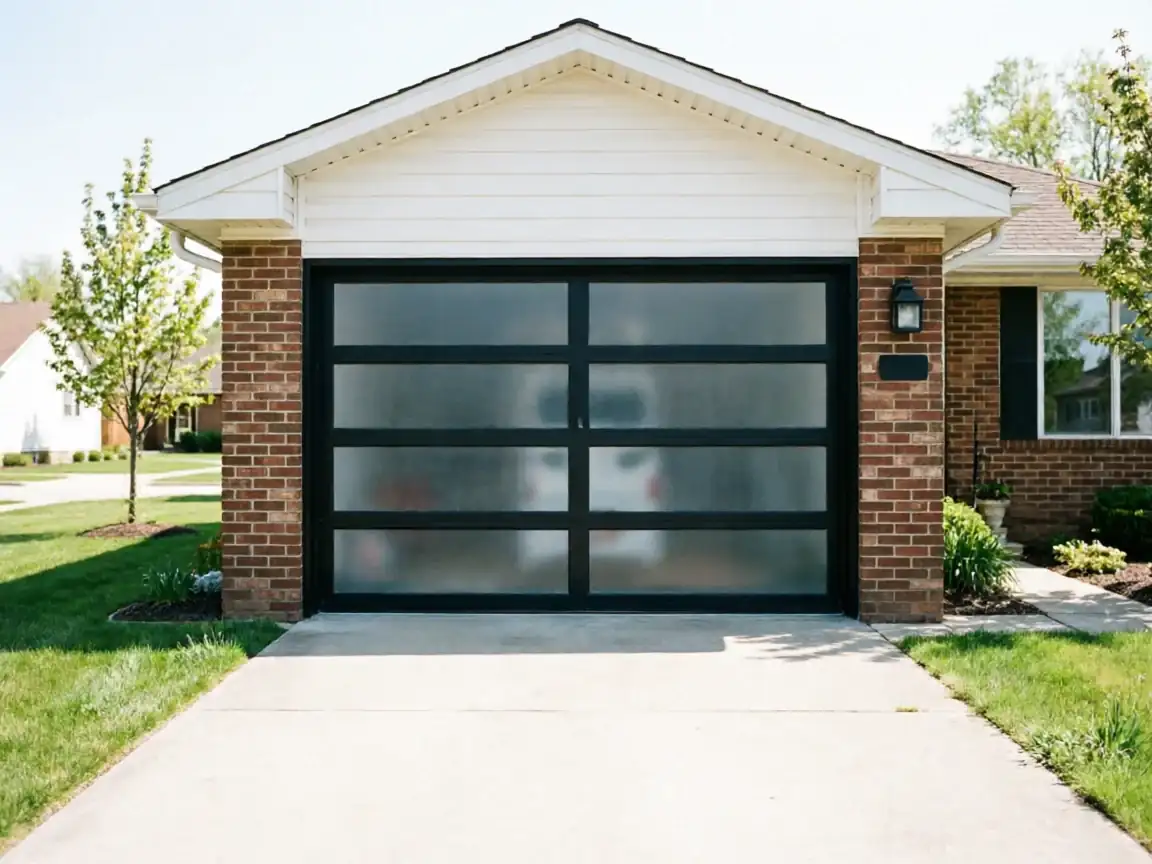
We don't publish a flat number for Roseville calls because the job itself decides the price - a broken spring on a single door is a different bill than a bent track and a dented panel from a backed-into door. What we can tell you is that the area's median household income runs around $88,440, and most Roseville homeowners are repairing rather than replacing a door outright unless the cabinet or track is genuinely shot. A torsion spring swap, a cable replacement, or a roller job are the three most common tickets we write up out this way, and all three are cheaper than a full door replacement. We quote on the phone or at the door once we've seen what's actually broken, not before.
How It Shows Up
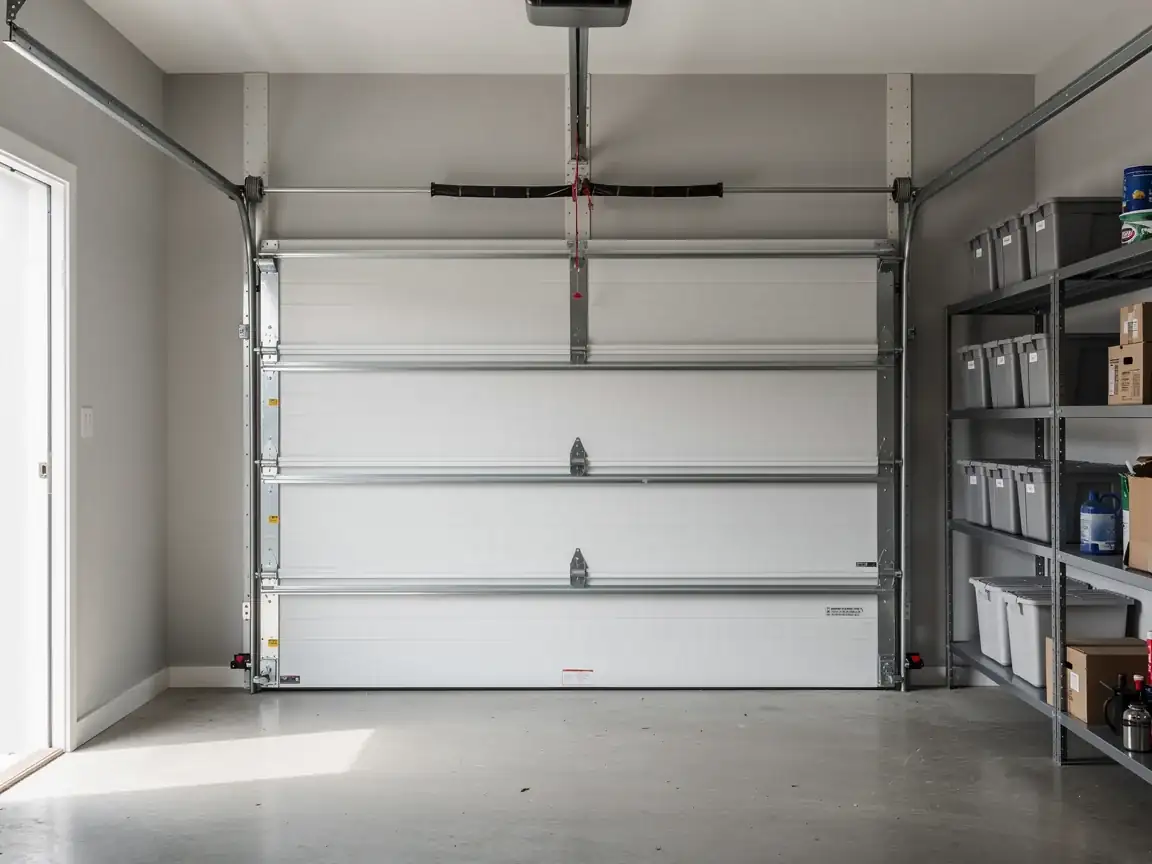
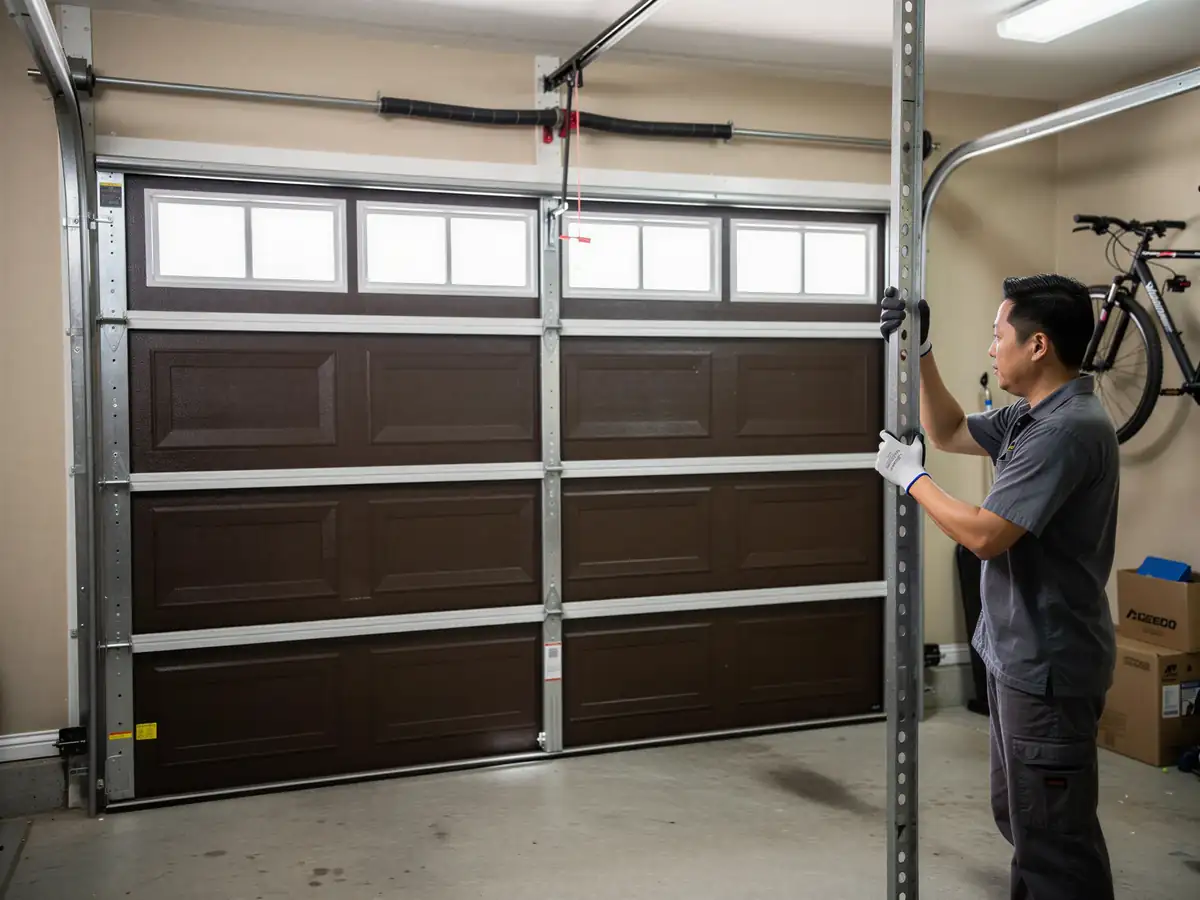
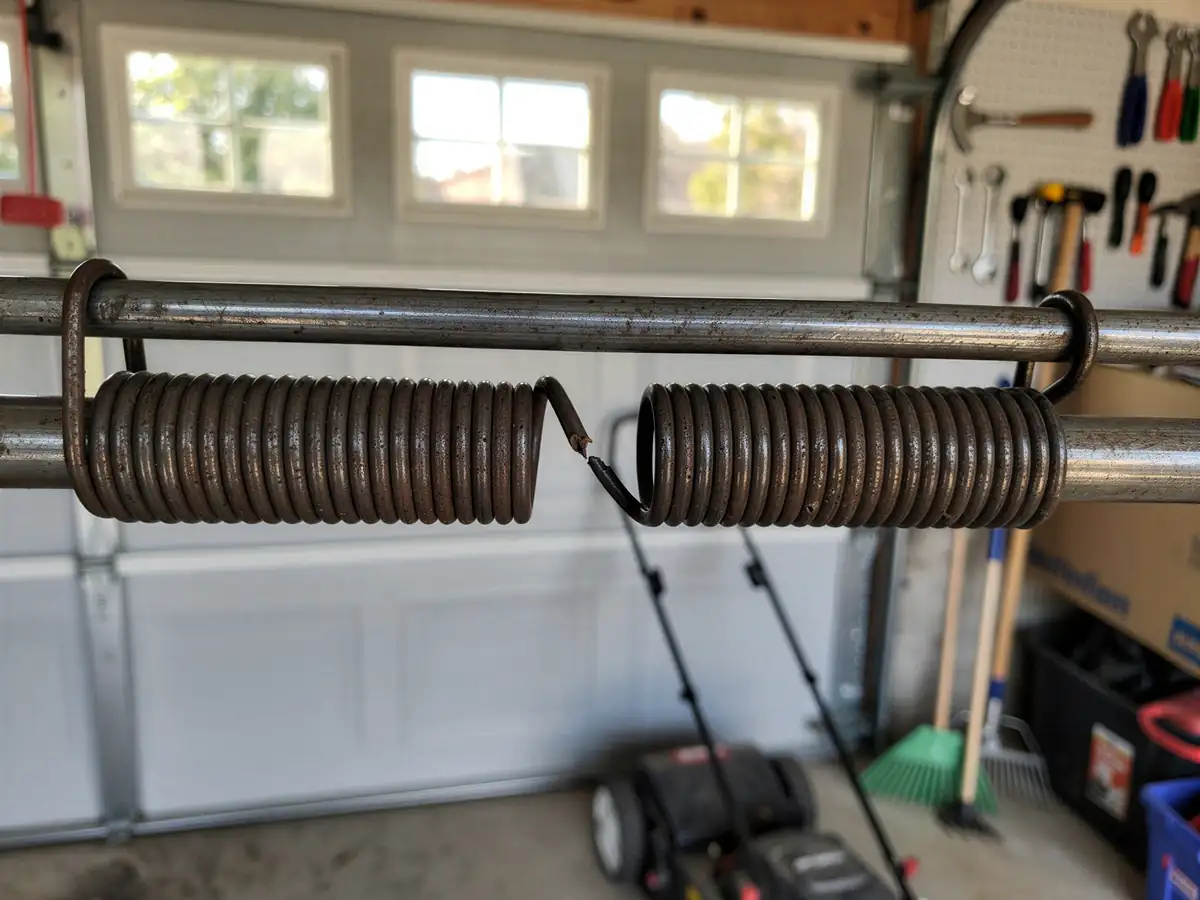
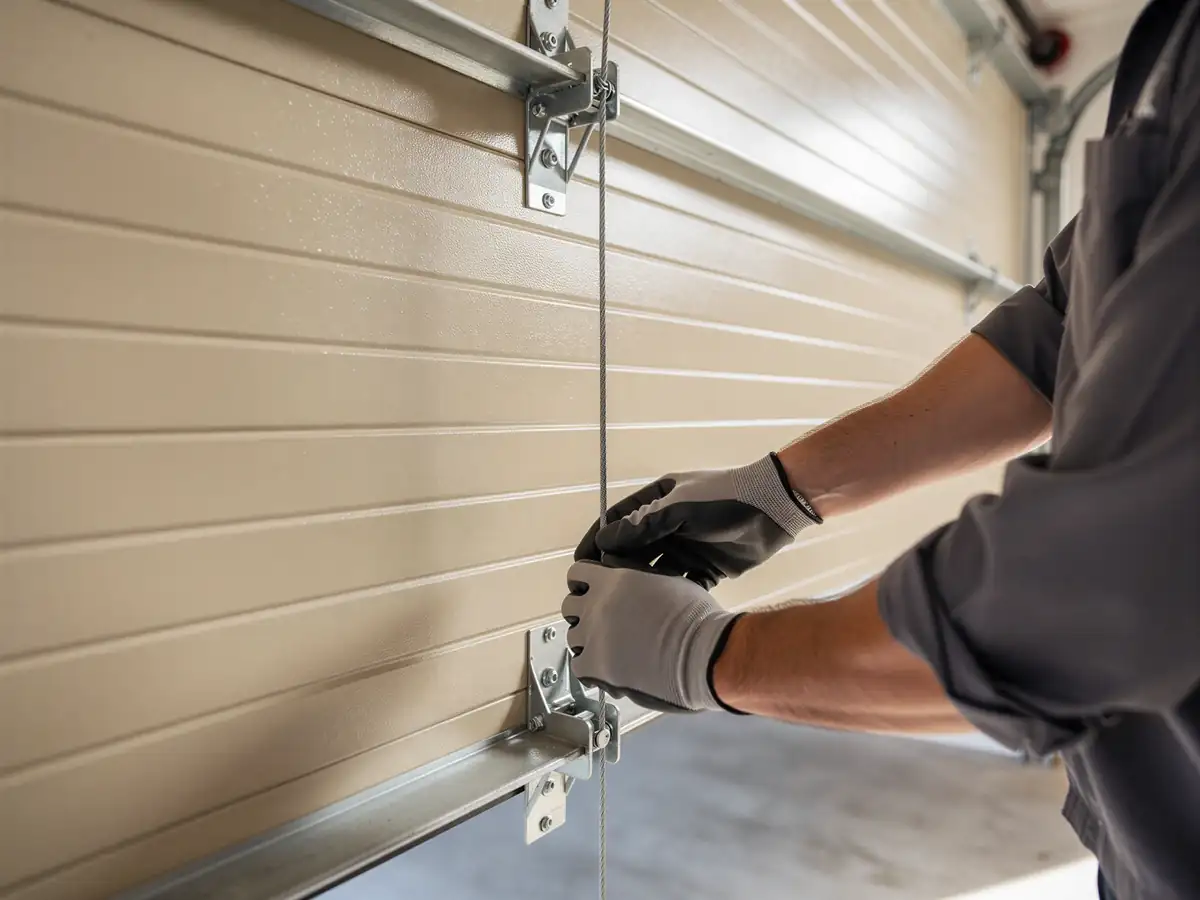
A Roseville call usually starts the same way: the door won't move, or it moved halfway and stopped, or it came down with a bang nobody expected. Sometimes it's a loud snap from the garage followed by the door refusing to budge - that's almost always a broken torsion spring. Other times the door runs crooked in the track or drags on one side, which points to a cable off the drum or a bent track rail. We also get calls where the opener runs but the door doesn't move at all, which is usually a stripped gear inside the opener unit rather than anything wrong with the door itself. None of these show up with much warning. A spring that's been cycling for decades on a 1968-built house doesn't wear down gradually and then fail - it just goes.
What Can Go Wrong
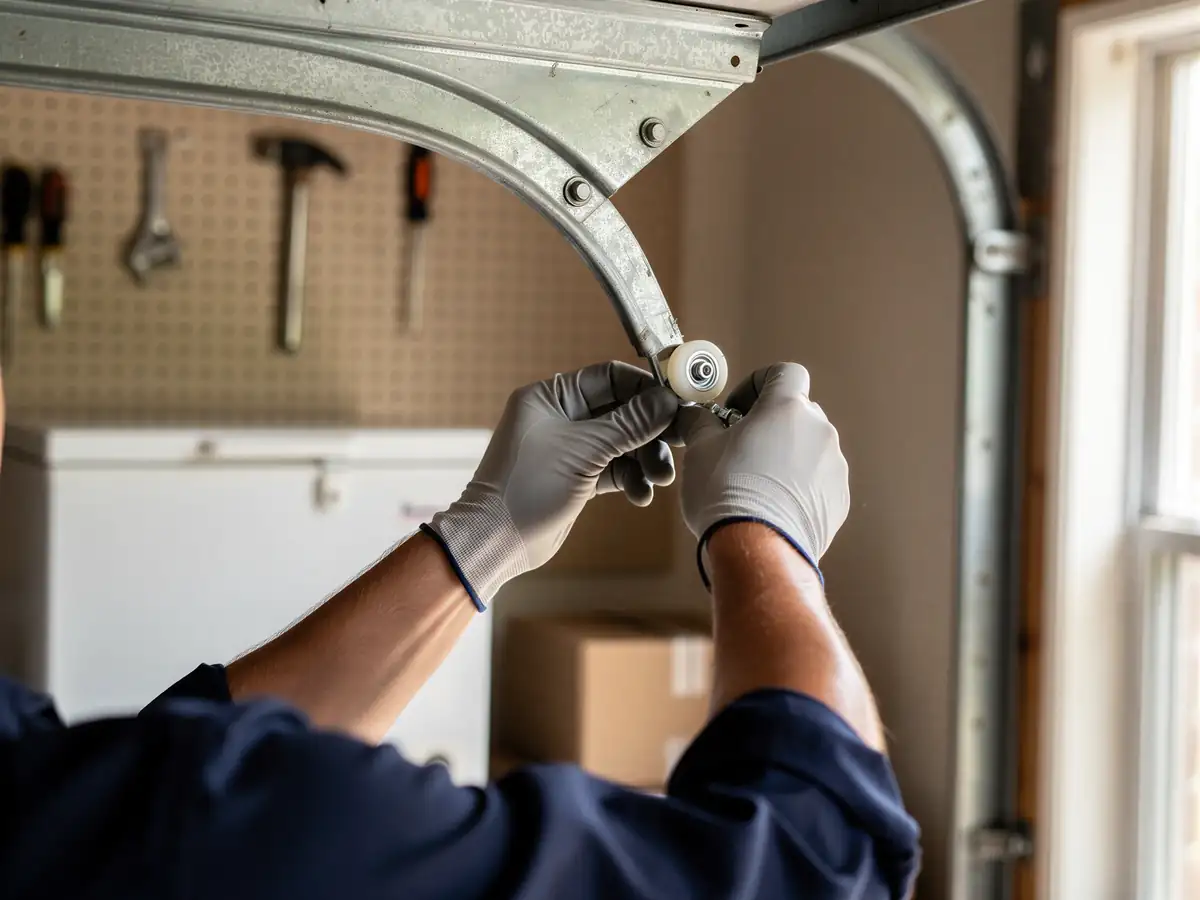
The biggest risk with an emergency call is treating a symptom instead of the cause. A door that keeps coming off its cable, for instance, might look like a cable problem when the real issue is a bent track pulling the roller out of line every cycle - replace the cable alone and it happens again within weeks. Overloaded springs are another one: a spring rated for the original door weight can fail early if a heavier insulated panel was swapped in at some point without re-balancing the system. Minnesota's cold winters add their own wear pattern - cold makes steel more brittle and lubricant thicker, so a spring or cable near the end of its life is more likely to snap on a sub-zero morning than a mild one. We check the whole system on every call, not just the part that failed, because fixing one piece and ignoring the rest just moves the next breakdown a few months down the road.